
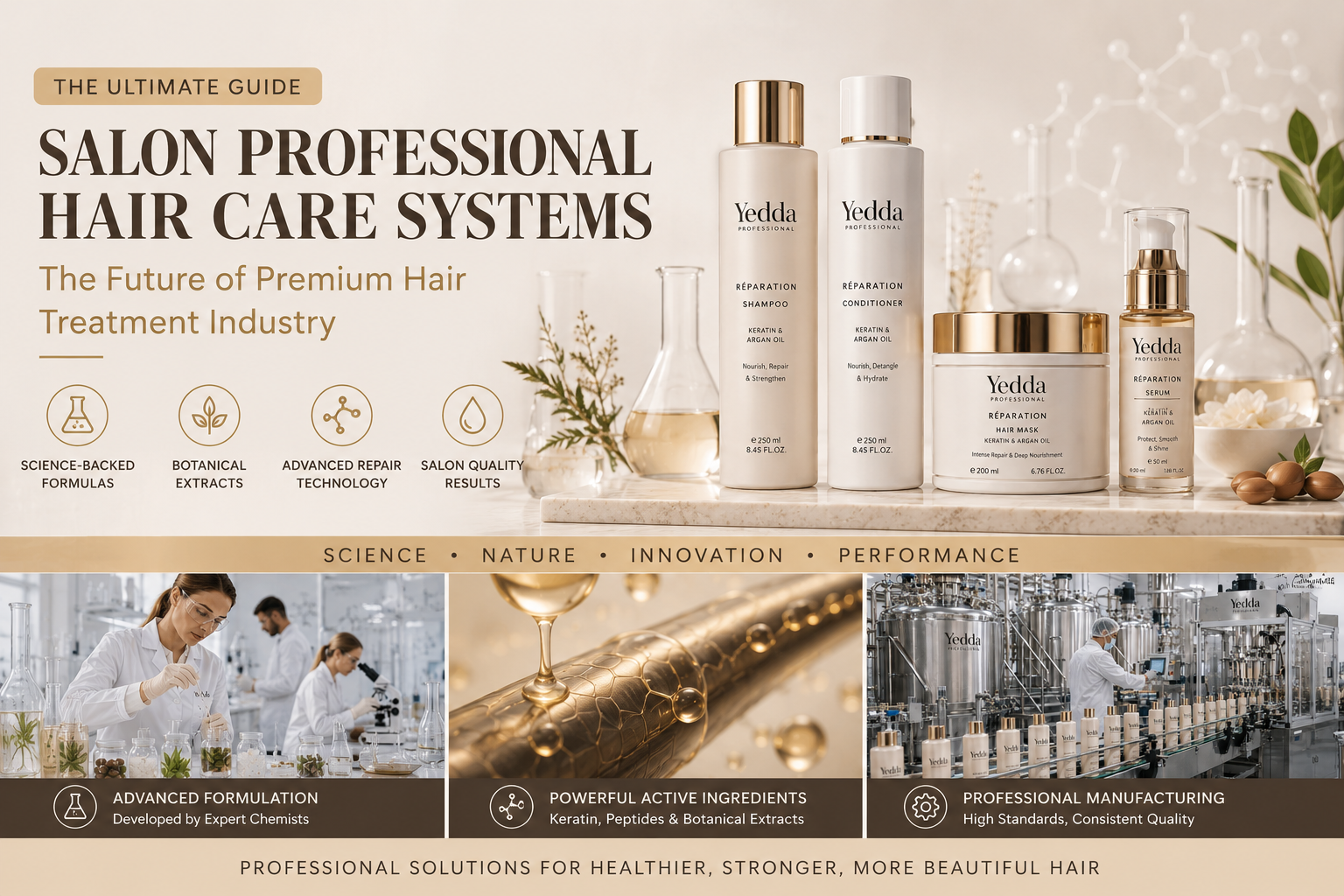
The global hair care industry is rapidly evolving toward more advanced, science-driven solutions. Among these, professional hair care products designed specifically for salon use have become a dominant category. Unlike basic retail formulations, salon-grade systems are built with higher concentrations of active ingredients, targeted repair technologies, and performance-focused results.
According to Statista hair care market report, the professional hair care segment continues to grow faster than mass retail products, driven by increasing consumer demand for salon-quality results at home.
Understanding Salon Hair Care System Development
A salon hair care system is not just a combination of shampoo and conditioner. It is a scientifically designed ecosystem where each product plays a specific role in hair cleansing, repair, nourishment, and protection. These systems are carefully developed by experienced chemists and a professional hair treatment manufacturer to ensure maximum compatibility and performance.
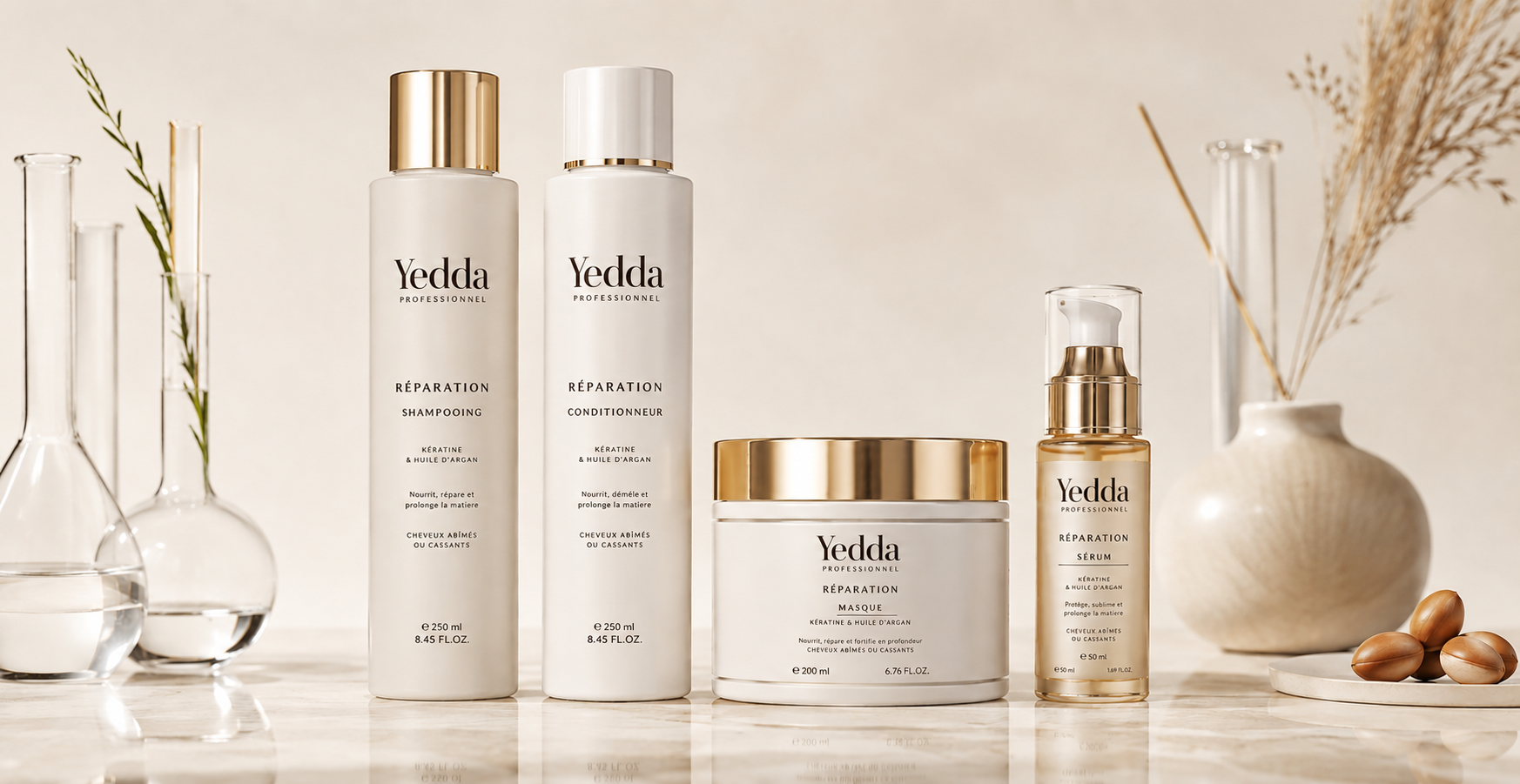
Unlike standalone products, salon systems are engineered to work synergistically. For example, a sulfate-free shampoo prepares the hair fiber, while a treatment mask penetrates deeper layers of the cuticle, and a leave-in product locks in moisture and protection.
- Step 1: Deep cleansing with salon-quality shampoo
- Step 2: Structural repair using treatment masks
- Step 3: Moisture balance through conditioners
- Step 4: Protection via leave-in serums or oils
How Professional Hair Care Products Are Formulated
The formulation of professional hair care products requires advanced cosmetic chemistry and ingredient synergy. Unlike mass-market shampoos, salon formulations focus on performance rather than cost optimization.
Key formulation principles include:
- High concentration of active ingredients such as keratin, peptides, and botanical extracts
- Sulfate-free or mild surfactant systems for scalp safety
- pH-balanced formulas to protect hair cuticles
- Advanced repair technologies for damaged hair fiber
Research from NIH cosmetic science publication highlights that pH-balanced and protein-enriched formulations significantly improve hair fiber strength and reduce breakage over time.
The Role of a Hair Treatment Manufacturer in Salon Systems
A professional hair treatment manufacturer plays a critical role in transforming raw ingredients into high-performance salon systems. These manufacturers are responsible for formulation development, stability testing, packaging design, and regulatory compliance.
Modern OEM manufacturers also provide customization services for private label brands, allowing companies to create exclusive salon hair care systems tailored to specific market needs.
Core responsibilities include:
- Research & development of advanced formulations
- Ingredient sourcing and safety testing
- Production scale-up and quality control
- Packaging innovation and branding support
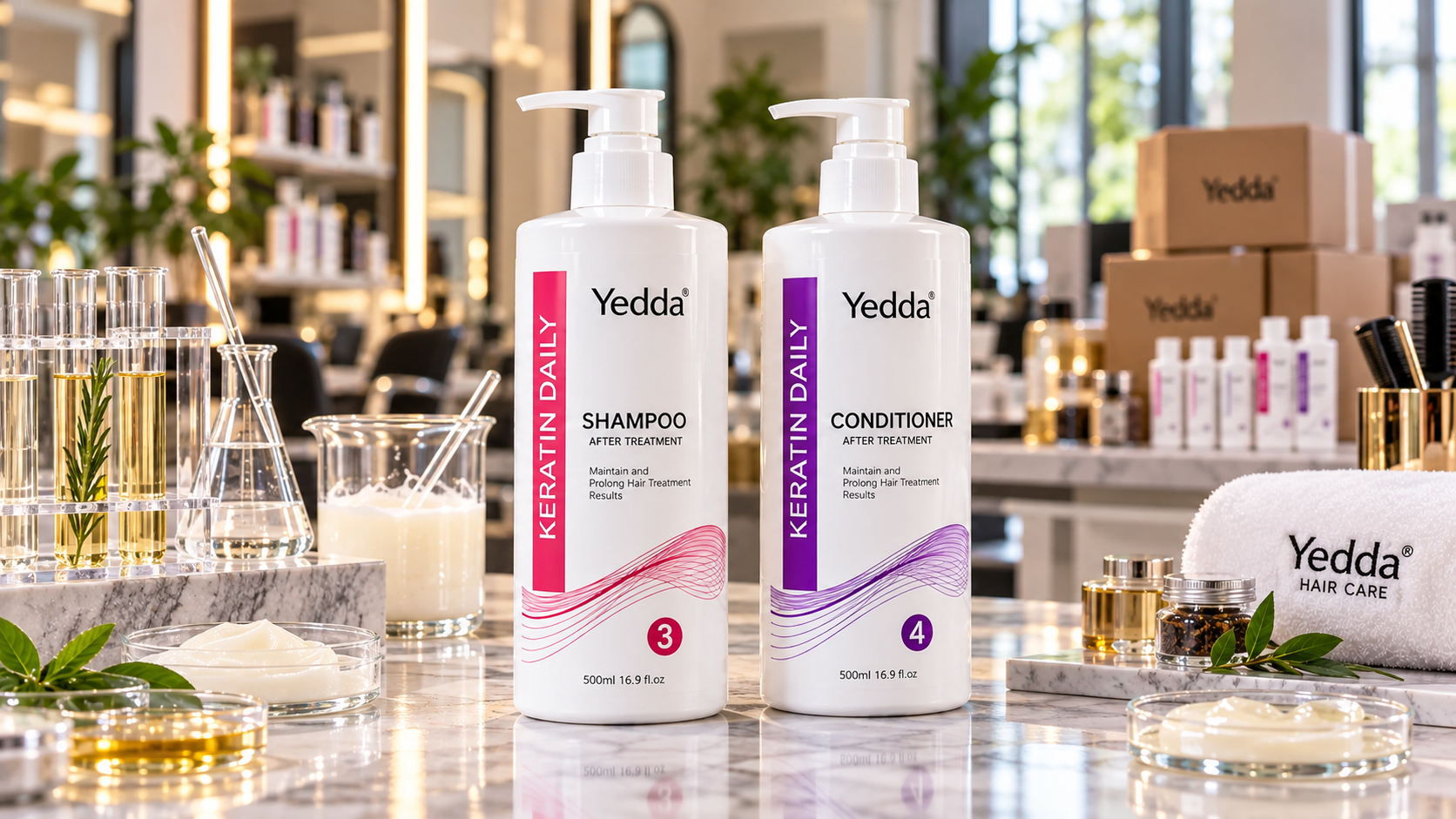
Image Placeholder 1: Salon Hair Care System Development
Insert Image Here: Professional salon hair care system displayed in a luxury studio environment, showing shampoo, conditioner, treatment mask, and serum arranged as a complete system.
Why Salon Hair Care Systems Outperform Retail Products
One of the key reasons salon systems dominate the professional market is their performance consistency. While retail products often focus on general use, salon systems are designed for targeted hair concerns such as damage repair, color protection, and scalp health.
Studies show that salon-grade formulations deliver up to 40% better repair efficiency compared to standard consumer shampoos, especially in chemically treated or heat-damaged hair.
Salon systems are not just products — they are structured hair care solutions designed for measurable results.
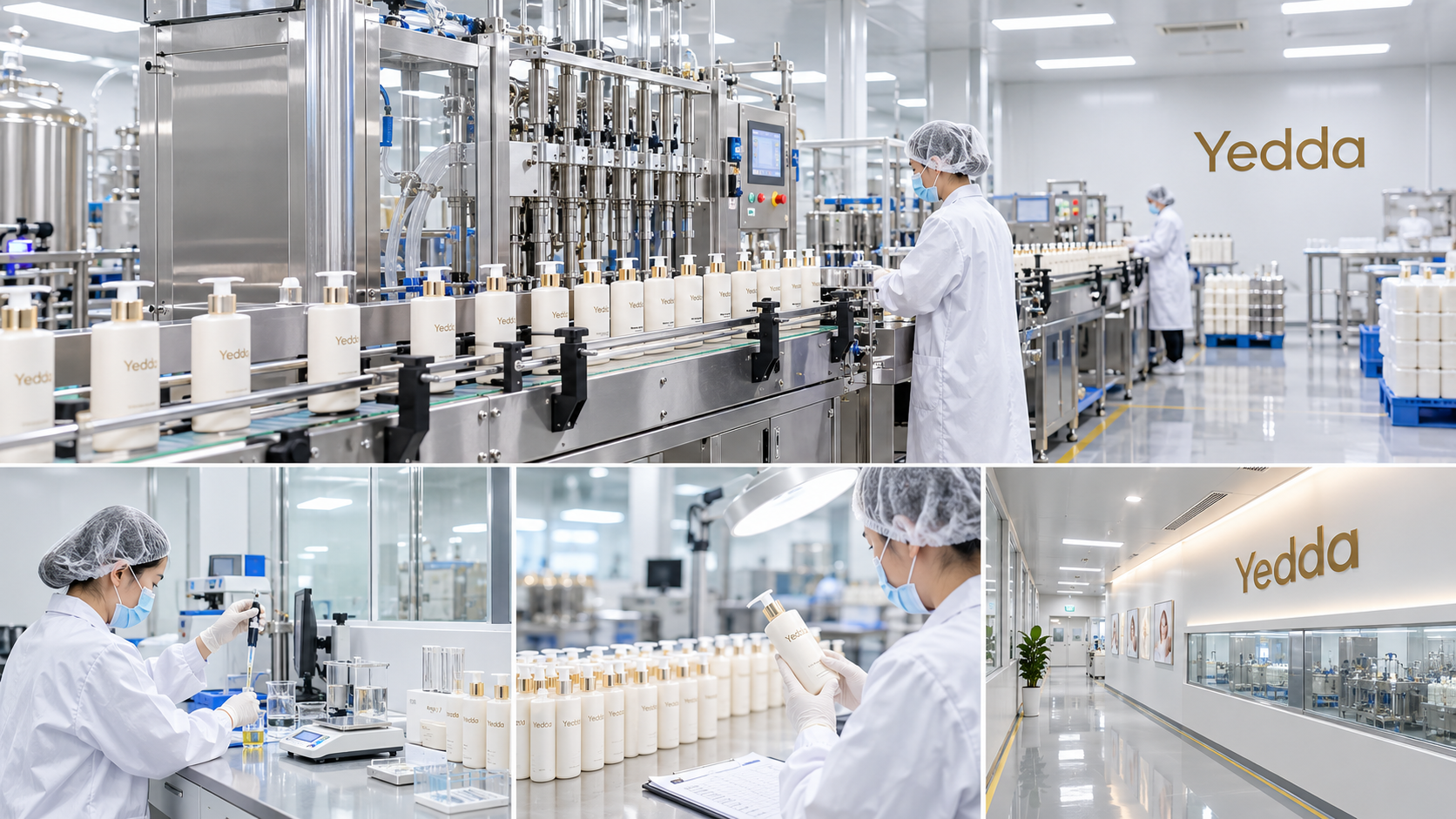
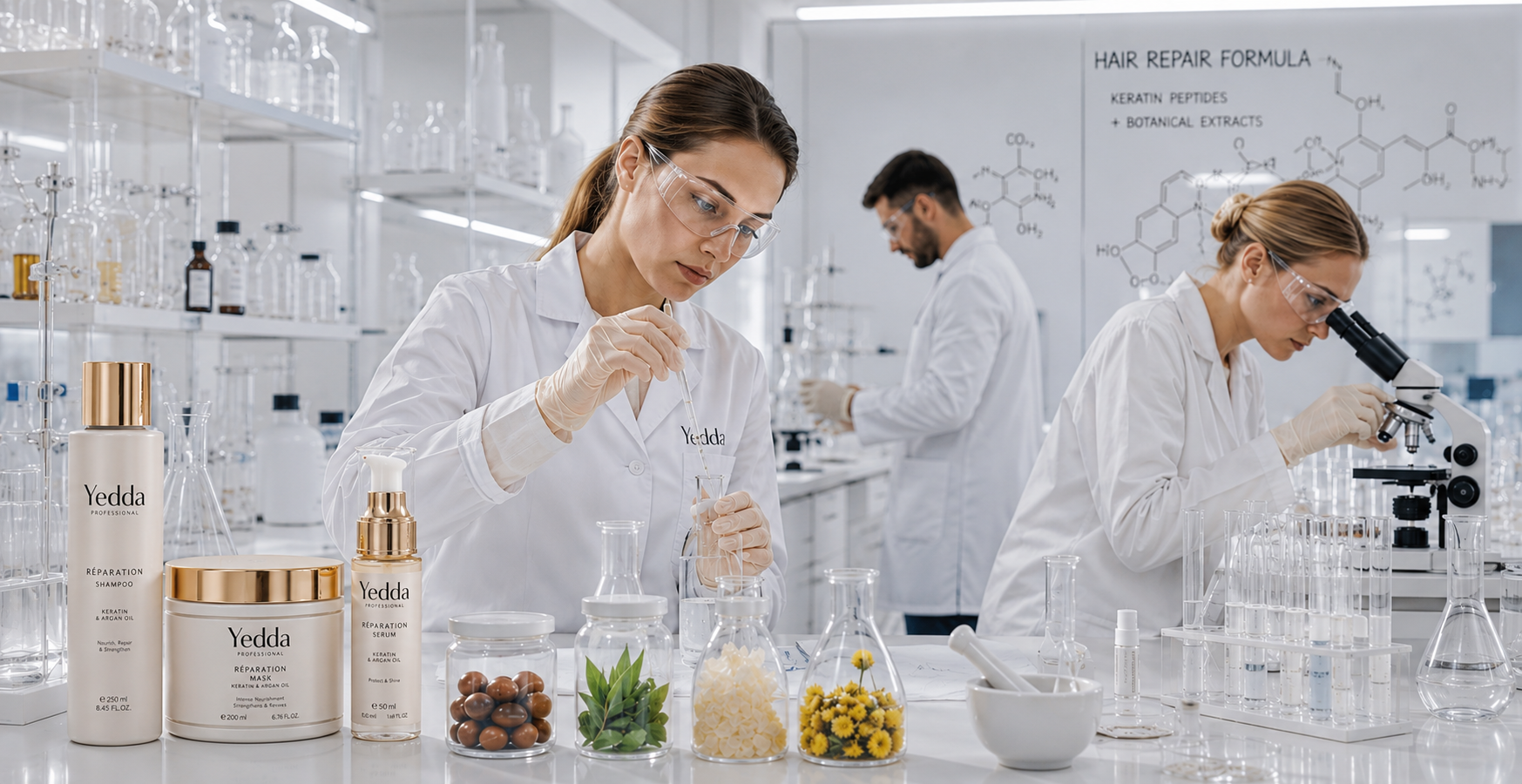
Image Placeholder 2: Professional Laboratory Formulation Process
Insert Image Here: Cosmetic chemists developing professional hair care products in a modern laboratory environment, testing formulas and analyzing ingredient stability.
Innovation Trends in Salon Hair Care Systems
The salon industry is experiencing a shift toward more advanced technologies such as bond repair, peptide infusion, and scalp microbiome balance. These innovations are shaping the next generation of professional hair care products.
According to McKinsey beauty industry report, consumers increasingly prefer science-backed hair care solutions that deliver visible results within fewer applications.
- Bond-building technology inspired by salon treatments
- Botanical peptide complexes for hair strength
- Scalp microbiome-friendly formulations
- Waterless and concentrated systems for sustainability
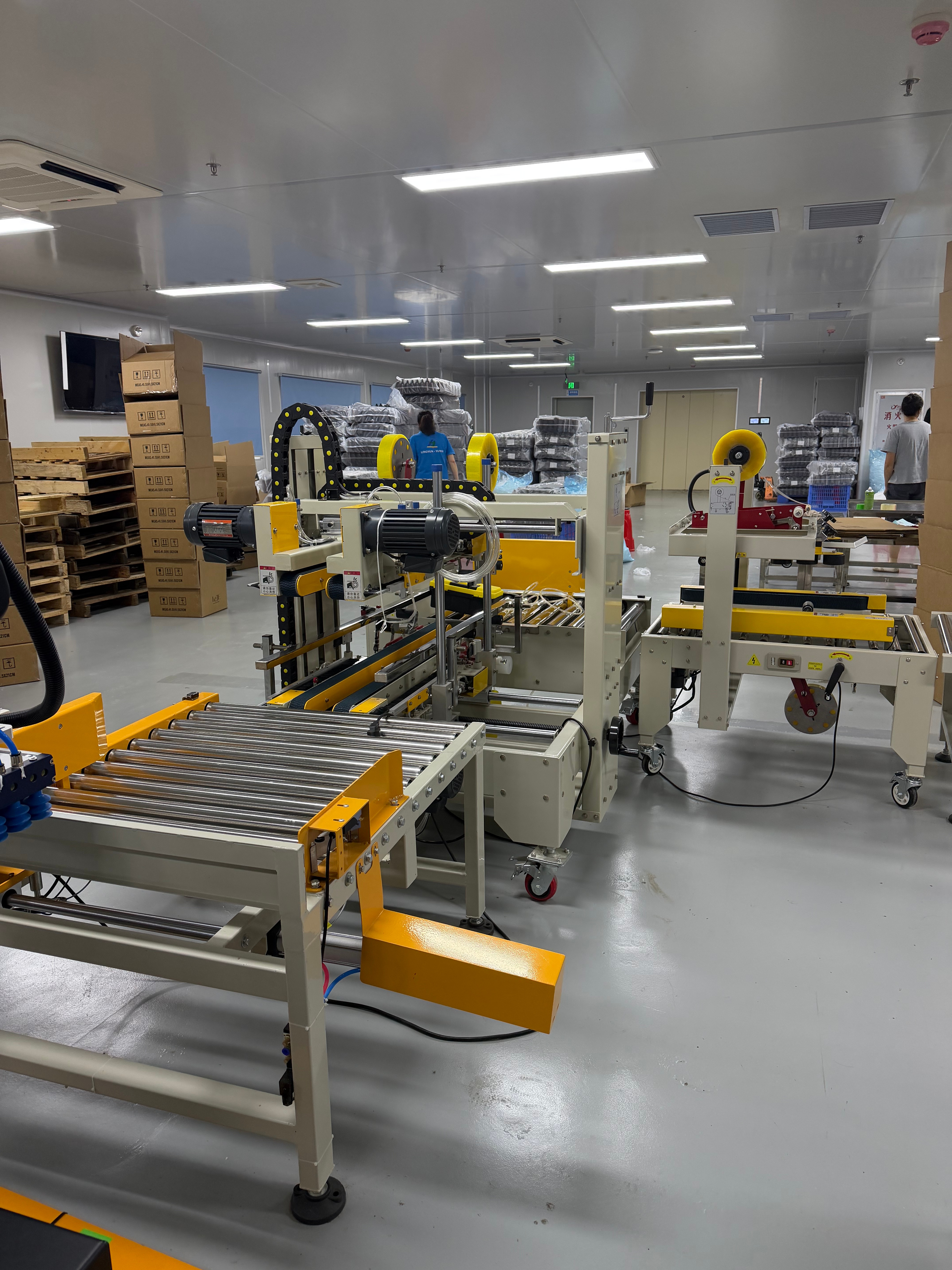
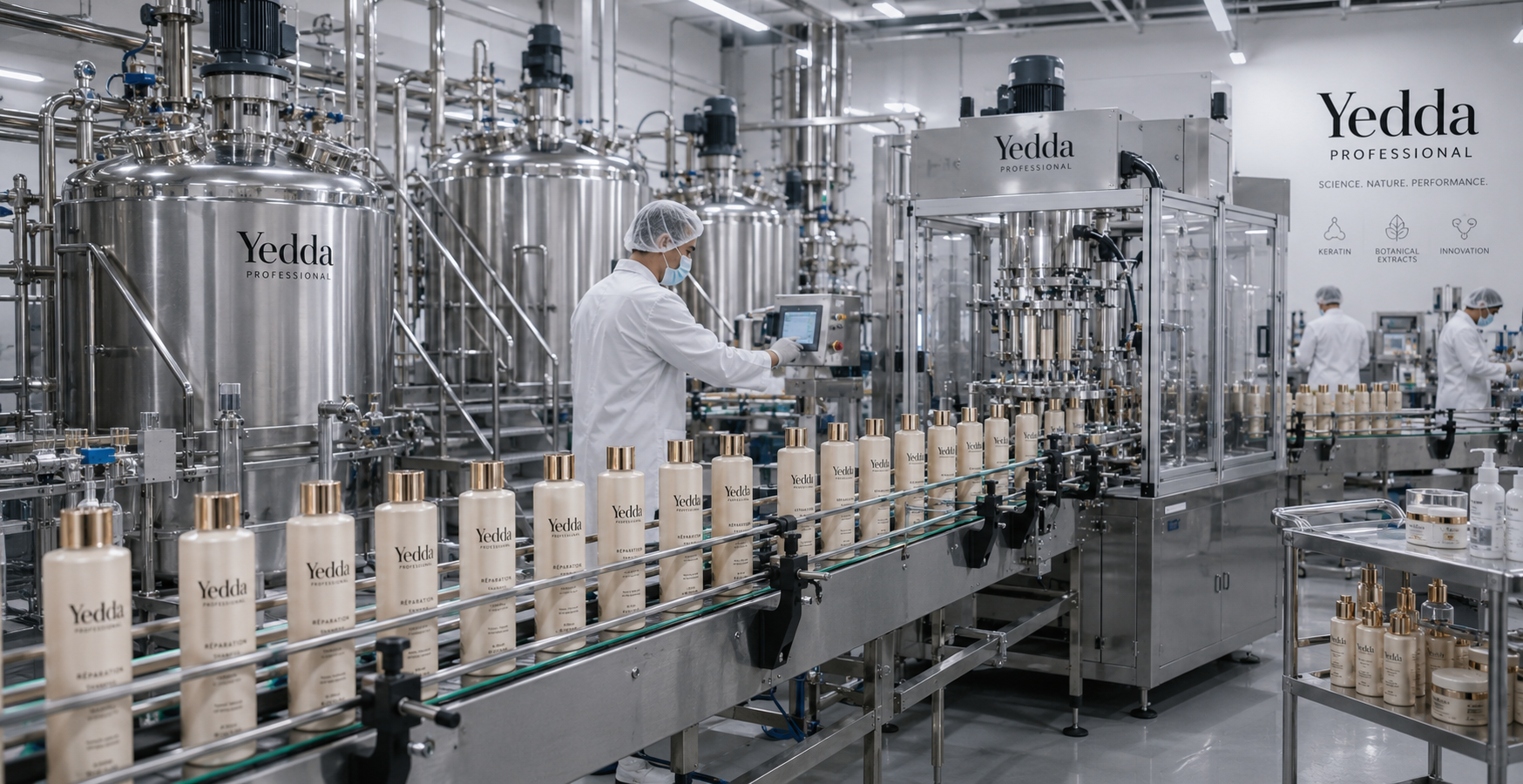
Image Placeholder 3: OEM Manufacturing and Production Line
Insert Image Here: Modern hair treatment manufacturing facility with stainless steel tanks and automated production lines producing salon hair care systems.
Why Brands Choose Professional Hair Care Systems for OEM Development
Brands working with a hair treatment manufacturer benefit from faster product development cycles, lower R&D costs, and access to advanced formulation technologies. This makes salon systems highly attractive for private label expansion.
OEM partnerships enable brands to launch complete salon hair care systems rather than individual products, increasing average order value and customer retention.
- Faster time-to-market
- Custom formulation flexibility
- Higher profit margins through system-based selling
- Stronger brand positioning in professional markets
Conclusion
The evolution of professional hair care products into complete salon systems reflects a broader shift in the beauty industry toward performance, science, and customization. With the support of advanced hair treatment manufacturers, brands can now develop highly effective, salon-grade solutions that deliver visible results and strong market differentiation.
As consumer expectations continue to rise, salon hair care systems will remain the foundation of premium hair care innovation worldwide.
FAQ
What is a salon hair care system?
A salon hair care system is a structured set of products including shampoo, conditioner, and treatments designed to work together for professional hair results.
How are professional hair care products different from retail products?
They contain higher concentrations of active ingredients, advanced repair technologies, and are formulated for targeted hair concerns.
What does a hair treatment manufacturer do?
A hair treatment manufacturer develops formulations, manages production, ensures quality control, and provides OEM/ODM services for brands.
Why do brands prefer salon hair care systems?
Because they offer higher performance, better customer satisfaction, and increased profitability through bundled product strategies.