
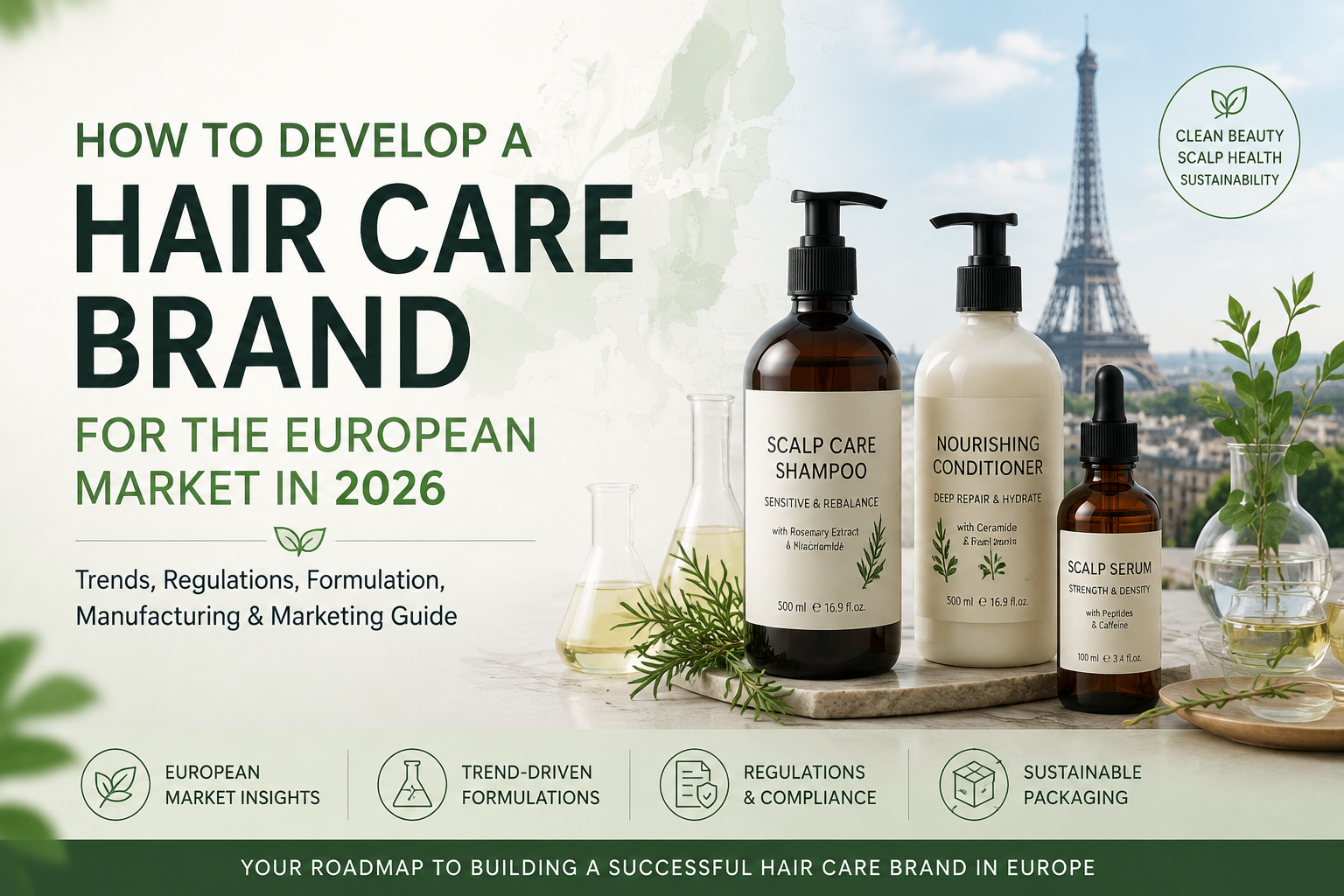
The European beauty and personal care landscape is undergoing a profound transformation. In 2026, the European hair care market has shifted decisively away from traditional, single-step washing routines toward highly sophisticated, scientific, and scalp-centric regimens. With the market projected to exceed $25.8 billion this year, global entrepreneurs and brand owners are eyeing Europe as a prime destination for high-margin, premium hair care offerings. Consumers are no longer satisfied with generic, mass-produced cleansing agents; they demand targeted treatments, sustainable packaging, and transparent, clinically proven ingredient lists.
Launching a new brand in this highly competitive, heavily regulated market requires a strategic approach. From mastering the nuances of European regulatory frameworks (such as the EU Cosmetics Regulation EC No 1223/2009) to identifying the right manufacturing channels and capitalising on emerging consumer behaviours, the barrier to entry is high—but the rewards are immense. This comprehensive guide provides an actionable roadmap for developing, formulating, manufacturing, and marketing a successful hair care brand tailored to the sophisticated European consumer in 202
Analyzing the Growth of the European Hair Care Market in 2026
To successfully position a new brand, you must first understand the macroeconomic drivers shaping the region. According to recent Euromonitor International market data published by Happi, the European hair care market has witnessed robust growth, reaching an estimated $23.2 billion in retail sales by the end of 2025, with further expansion driving the market upward in 2026.
Geographically, the market is highly concentrated yet diverse. Western Europe accounts for more than three-quarters of all sales, with Germany, France, the United Kingdom, Spain, and Italy maintaining their positions as the dominant regional markets.
According to Grand View Research Europe Hair and Scalp Care Market Outlook, the market is expected to experience a compound annual growth rate (CAGR) of 5.8% from 2026 through 2033. This growth is heavily driven by premiumisation, with consumers showing a willingness to pay a premium for high-performance formulations. The market can be broken down into several key segments:
- Shampoo (The Volume Leader): Valued at over $7.6 billion, shampoo remains the dominant entry point for any brand entering Europe. Consumer trends have transformed this category from a basic hygiene product into a therapeutic treatment step.
- Conditioners & Masks: Driven by the "skinfication" of hair, multi-step treatment regimens (such as pre-wash treatments and leave-in conditioners) are growing rapidly.
- Hair Serums & Scalp Oils: This is the fastest-growing sub-segment, experiencing double-digit year-on-year growth as consumers focus on follicle health, hair density, and barrier repair.
- Styling Agents: Predicted to grow by 5.1% across all European regions, driven by consumers washing their hair less frequently and relying on premium styling agents to maintain their look between washes.
A key structural driver is the channel shift. While supermarkets, hypermarkets, and specialized drugstores (like DM in Germany or Boots in the UK) still hold a combined offline retail market share of over 70%, online cosmetic retail sales are advancing at an annual rate of 5.54%. Your distribution strategy must reflect a seamless omni-channel approach to succeed in 2026.
Unveiling Key Hair Care Trends in Europe
Success in the 2026 European market requires aligning your brand identity and formulation pipeline with dominant consumer micro-trends. The European consumer is highly educated, environmentally conscious, and deeply skeptical of superficial marketing claims. To build brand loyalty, you must integrate these core hair care trends Europe into your product development lifecycle.
1. The "Skinfication" of Hair and Scalp-First Routines
The line between skincare and hair care has completely blurred. European consumers increasingly view scalp care as the essential foundation for healthy hair. This trend, often referred to as "skinfication," has led to a surge in demand for active ingredients typically reserved for facial serums:
- Salicylic Acid: For gentle scalp exfoliation and sebum control.
- Hyaluronic Acid & Polyglutamic Acid: To deliver deep hydration directly to the scalp barrier and hair shaft.
- Niacinamide (Vitamin B3): To soothe irritation, reduce scalp redness, and improve follicle microcirculation.
- Peptides & Rosemary Extract: Promoted heavily for hair density and proactive hair loss prevention, a category experiencing highly dynamic growth among younger European demographics.
2. The Green Deal, "Clean Beauty," and Circular Economy Packaging
Sustainability is no longer a marketing differentiator in Europe—it is the baseline standard. Under the European Green Deal and evolving EU microplastic regulations, brands must adhere to strict environmental benchmarks.
According to Mordor Intelligence’s Europe Hair Care Market Report, the organic and natural product segment is projected to grow by 4.91% annually, outperforming conventional formulations. Consumers actively look for certifications like Ecocert, COSMOS, and the Vegan Society logo. Furthermore, packaging must prioritize circularity: Post-Consumer Recycled (PCR) plastics, ocean-bound plastic, refillable aluminum systems, and waterless solid bars are highly favored.
3. High-Performance Minimalism and Multifunctional Products
While European consumers love multi-step routines, they are also highly protective of their time. The market is seeing a massive demand for multifunctional, high-performance formulations. Products that perform multiple tasks simultaneously—such as a hybrid European shampoo that cleanses, hydrates, and acts as a heat protectant—help streamline routines without compromising on results.
| Trend Category | Key Ingredients / Technologies | Target European Consumer Need |
|---|---|---|
| Scalp Barrier Support | Prebiotics, Probiotics, Ceramides, Centella Asiatica | Soothing sensitive, dry, and irritated scalps caused by hard water and pollution. |
| Eco-Conscious Packaging | PCR plastic, aluminum bottles, refill pouches, compostable materials | Reducing household plastic waste in compliance with European circular economy goals. |
| Anti-Pollution & Hard Water Defense | Chelating agents, antioxidant fruit extracts, charcoal | Protecting hair from heavy metal buildup found in municipal tap water across European cities. |
| Trichologist-backed Clinicals | Patented peptide complexes, redensyl, biotinoyl tripeptide-1 | Providing scientifically proven results for hair loss and thinning. |
Developing a Premium European Shampoo: Ingredients and Regulations
Shampoo is the ultimate gateway product for any brand. If a customer loves your shampoo, they are significantly more likely to purchase your conditioners, serums, and styling treatments. However, formulating a premium European shampoo that satisfies both European aesthetic standards and strict European Union safety regulations is a highly complex task.
The Evolution of the European Surfactant System
Traditional sulfates (like Sodium Lauryl Sulfate - SLS, and Sodium Laureth Sulfate - SLES) are increasingly shunned by premium European consumers who perceive them as too harsh and drying for both the scalp and color-treated hair. To capture the premium market, your formulation should utilize mild, biodegradable, plant-derived surfactant systems:
- Sodium Lauroyl Methyl Isethionate (SLMI): An extremely mild, coconut-derived surfactant that delivers a rich, dense, and luxurious lather without the irritation associated with sulfates.
- Decyl Glucoside & Coco-Glucoside: Non-ionic surfactants derived from renewable raw materials, offering excellent environmental biodegradability profiles.
- Cocamidopropyl Betaine: An amphoteric surfactant used as a secondary cleanser to boost foam stability and reduce the overall irritation potential of the formulation.
The Hard Water Challenge in Europe
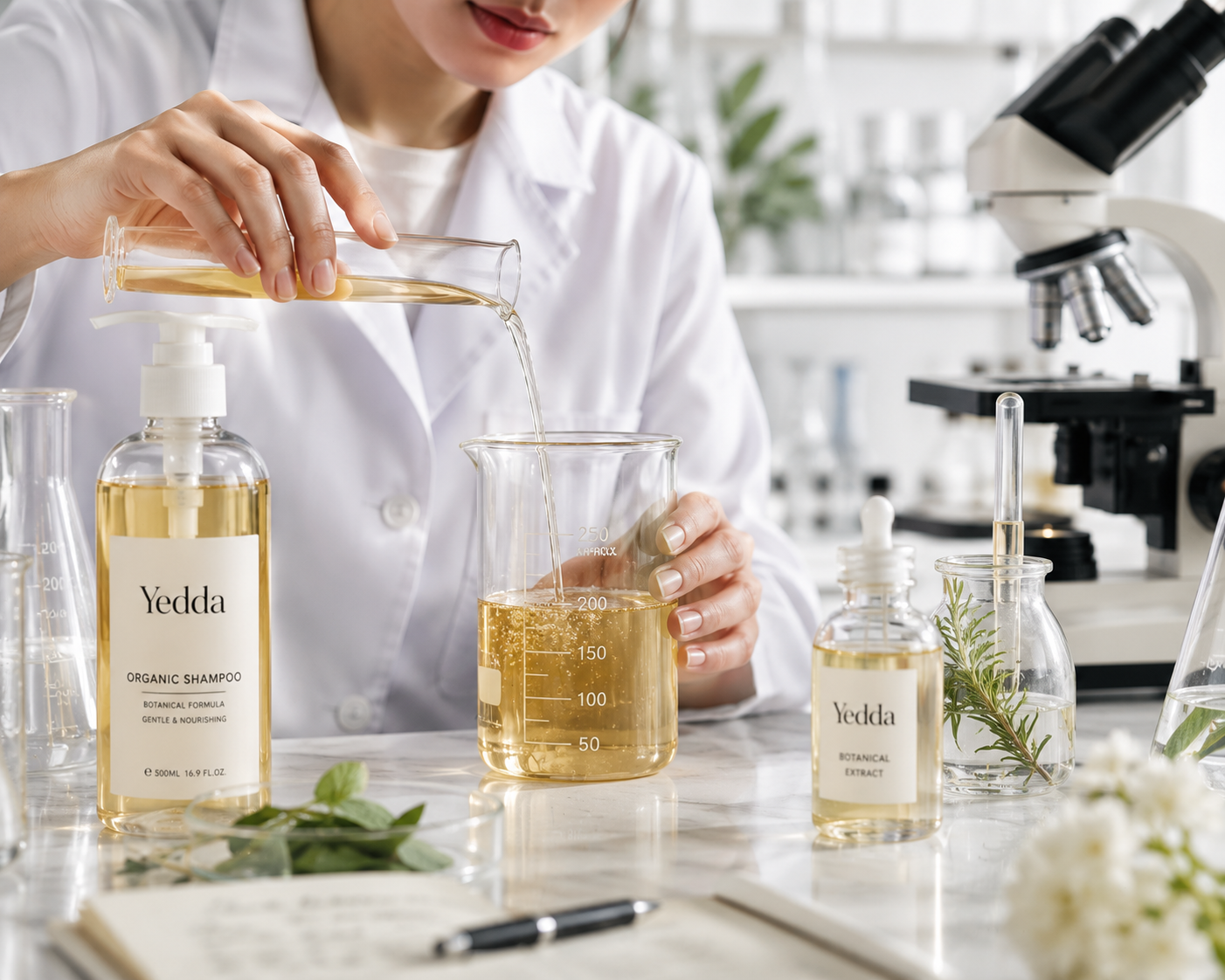
A major geographical factor to consider when formulating for Europe is the prevalence of hard water. Cities like London, Munich, Paris, and Barcelona have exceptionally high mineral contents (calcium and magnesium) in their municipal water. Hard water prevents shampoos from lathering properly, leaves a dulling mineral residue on the hair shaft, and can dry out the scalp.
To address this, premium European shampoos must contain eco-friendly chelating agents (such as Tetrasodium Glutamate Diacetate, a biodegradable alternative to EDTA) that bind to these minerals, ensuring a clean rinse, vibrant hair color, and a healthy scalp.
Formulation Tip: When developing your shampoo, perform formulation testing using simulated hard water (high calcium/magnesium PPM) to ensure the product maintains its foaming capacity, sensory feel, and rinsing efficiency when used by consumers across mainland Europe.
The Strategic Advantage of Private Label Hair Care in Europe
For new brands, building a manufacturing facility from scratch is financially impractical. Instead, partnering with an established manufacturer specializing in private label hair care Europe is the fastest, most cost-effective path to market.
The private label landscape in Europe is highly mature. According to the Private Label Manufacturers Association (PLMA) European Market Insights, private label penetration across major markets like Germany, the UK, and France exceeds 40% of overall retail sales, proving that European consumers have deep trust in non-traditional manufacturer brands as long as they meet high quality and safety standards.
Private Label vs. Contract Manufacturing (OEM/ODM)
When sourcing a production partner in Europe, you will encounter two primary options:
- Standard Private Label (White Label / ODM): The manufacturer has pre-formulated, clinically tested, and regulatory-approved shampoo and conditioner bases. You simply select a formula, customize the fragrance, choose your packaging, and apply your branding. This offers low Minimum Order Quantities (MOQs, often starting at 500 to 1,000 units) and an incredibly fast time-to-market.
- Custom Contract Manufacturing (OEM): You work with the manufacturer’s R&D team to build a completely bespoke formula from the ground up. This allows you to include proprietary patented actives, custom scent profiles, and unique textures. The disadvantage is higher development costs, rigorous stability testing requirements, and significantly higher MOQs (typically 5,000 to 10,000 units per SKU).
Key European Manufacturing Regions and Certifications
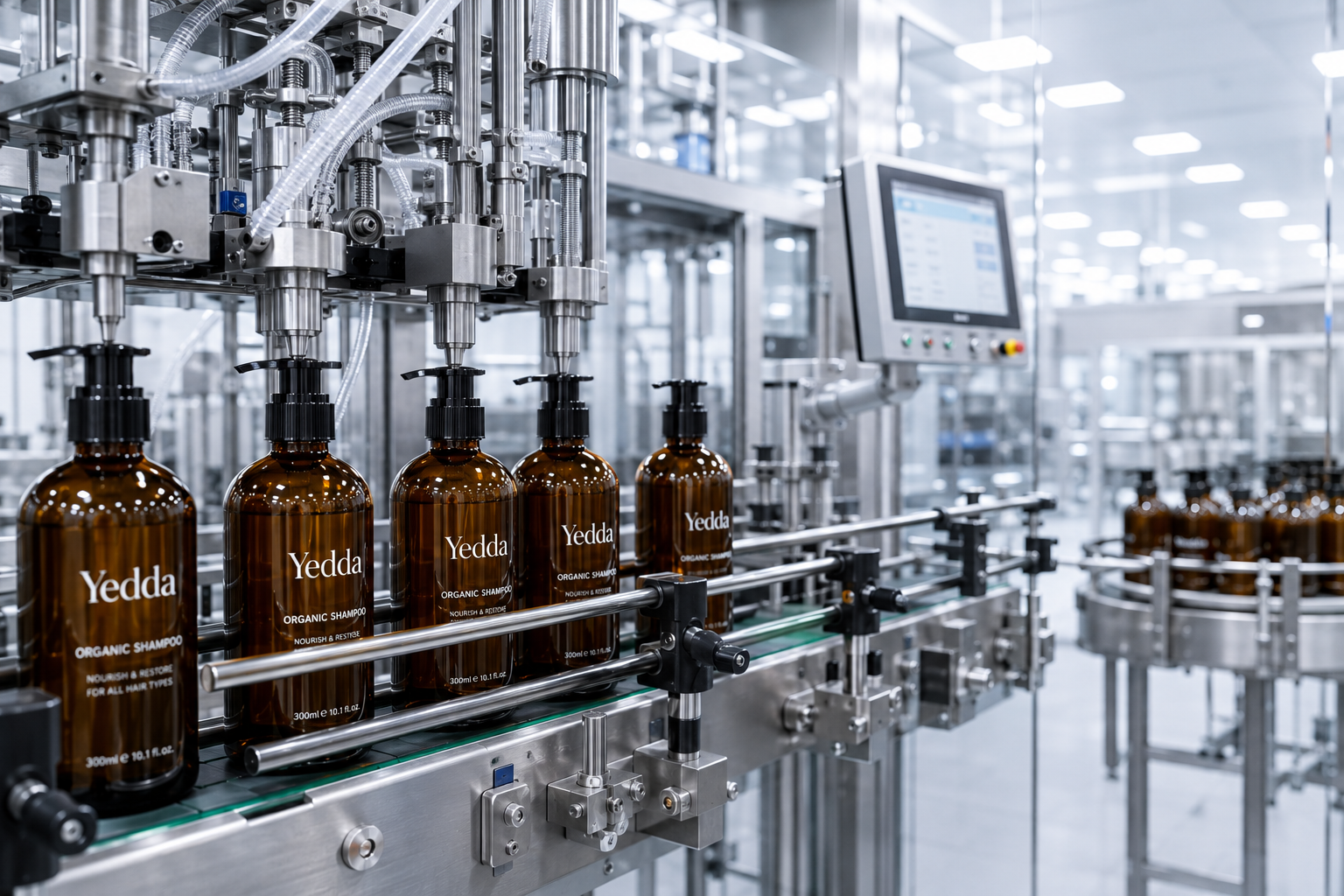
When choosing your manufacturing partner, look for facilities located in established cosmetics hubs like Italy, France, Spain, and Germany. European contract manufacturers are subject to stringent quality management standards. Ensure your manufacturing partner is certified in:
- ISO 22716 (GMP for Cosmetics): This is a mandatory standard under EU cosmetics regulations, ensuring that all production processes meet Good Manufacturing Practices.
- COSMOS Organic / Ecocert: Essential if you plan to make organic or natural claims on your packaging.
- Cruelty-Free & Vegan Compliance: Cruelty-free claims must adhere strictly to the EU-wide ban on animal testing for cosmetic ingredients and finished products.
Navigating European Regulations and Compliance (EU & UK)
The European regulatory environment is widely considered the strictest in the world. Failing to comply with European regulations can lead to costly product recalls, customs seizures, and severe legal penalties. To launch your hair care brand successfully, you must navigate the following compliance steps:
1. Appointing a Responsible Person (RP)
Any cosmetic product sold in the EU or UK market must have a designated "Responsible Person" physically located within the EU (for the European Union market) and the UK (for the British market). The RP can be your importer, a distributor, or a specialized third-party regulatory consultancy. The RP assumes legal liability for the safety of your product, manages your compliance documentation, and acts as the primary contact point for national market surveillance authorities.
2. Compiling the Product Information File (PIF)
Before your shampoo can be sold, your RP must compile a comprehensive Product Information File (PIF). The PIF must be kept for 10 years after the last batch of the product is placed on the market. It must contain:
- A detailed description of the cosmetic product.
- The Cosmetic Product Safety Report (CPSR), signed by a qualified toxicologist holding a European-recognized scientific degree.
- Documentation of the manufacturing method and compliance with ISO 22716 (GMP).
- Proof of the claimed effects (clinical studies, consumer trials, or ingredient data).
- Data on animal testing (proving no animal testing has been conducted).
3. Cosmetic Product Notification Portal (CPNP) Submission
Once the PIF is approved and signed off, your RP must notify the product details on the EU’s online Cosmetic Product Notification Portal (CPNP). If you are also selling in the United Kingdom, a separate notification must be submitted to the UK’s Submit Cosmetic Product Notification (SCPN) portal. These notifications must be completed before the products are made commercially available on the market.
4. Evolving Regulatory Bans and Allergen Labeling
European regulations are constantly updated to protect public health. Keep in mind the following recent and upcoming regulatory changes:
- Lilial Ban: The synthetic fragrance compound Lilial (butylphenyl methylpropional) is strictly banned in all cosmetic products in Europe.
- Expanded Allergen Labeling: The EU is expanding its mandatory fragrance allergen labeling requirements from the original 26 allergens to over 80. If your formula contains any of these substances above 0.01% in rinse-off products (like shampoos), they must be clearly listed on the ingredient label (INCI).
- Microplastics Restriction: Intentionally added microplastics, including certain synthetic polymer rheology modifiers and glitters, are being progressively phased out across the EU.
Go-To-Market and Distribution Strategy for 2026
With a compliant, high-performance product and the right manufacturing partner in place, you must execute a highly targeted distribution and marketing plan designed for European consumers.
1. Localizing Your Brand Story
Europe is not a single, homogeneous market; it is a collection of distinct countries, each with its own language, cultural preferences, and hair types:
- Germany & Scandinavia: Consumers are intensely focused on organic certification, eco-friendly packaging, and dermatological testing (e.g., the "Dermatest" seal).
- Southern Europe (Spain & Italy): Consumers prioritize sensory appeal, fragrance, and sophisticated styling benefits. Thicker, textured hair types are more prevalent here, driving the demand for deeply nourishing masks and oils.
- France: The "pharmacy beauty" (Apothecary) culture is highly influential. Brands that emphasize clinical testing, gentle formulations, and endorsement by dermatologists or trichologists perform exceptionally well.
2. Leveraging Digital and Influencer Marketing
In 2026, social commerce dominates the European beauty landscape. TikTok and Instagram are the primary discovery engines for hair care routines. Focus your marketing on:
- Before-and-After Video Content: Demonstrating real, unfiltered results of your shampoo on different hair textures.
- Educational Content: Explaining the science behind your active ingredients (e.g., "Why your scalp barrier needs prebiotics").
- Micro-Influencer Partnerships: Collaborating with local European hair stylists, trichologists, and curly-hair advocates who command highly engaged, trusting audiences.
Frequently Asked Questions (FAQ)
Q1: Is a license required to sell shampoo in the European market?
While you do not need a traditional commercial "license" to sell cosmetics, you must strictly comply with EU Regulation EC No 1223/2009. This means appointing a European-based Responsible Person (RP), compiling a Product Information File (PIF) containing a Cosmetic Product Safety Report (CPSR) signed by a certified toxicologist, and registering your products on the Cosmetic Product Notification Portal (CPNP) before selling.
Q2: Can I use private label hair care Europe manufacturers to enter the market quickly?
Yes, partnering with a manufacturer specializing in private label hair care Europe is one of the most efficient strategies for new brands. Selecting pre-formulated, pre-tested, and compliant formulations allows you to launch your brand with significantly lower capital requirements, smaller Minimum Order Quantities (MOQs), and a faster timeline to market compared to custom contract manufacturing.
Q3: What are the primary hair care trends Europe is experiencing in 2026?
The most prominent hair care trends Europe is seeing in 2026 center around the "skinfication" of hair (treating the scalp with advanced skincare actives), clean and circular-economy packaging (refillable bottles, ocean-bound PCR plastic, and waterless formulations), and targeted clinical solutions for hair thinning, scalp barrier repair, and hard-water damage.
Q4: How does hard water affect the formulation of a European shampoo?
Many European urban centers have highly mineralized tap water. Hard water weakens a shampoo’s lather, strips hair of moisture, and leaves a dulling mineral film. To formulate a successful European shampoo, you must include biodegradable chelating agents to neutralize these minerals, alongside ultra-mild, plant-derived surfactants that perform excellently even under hard water conditions.