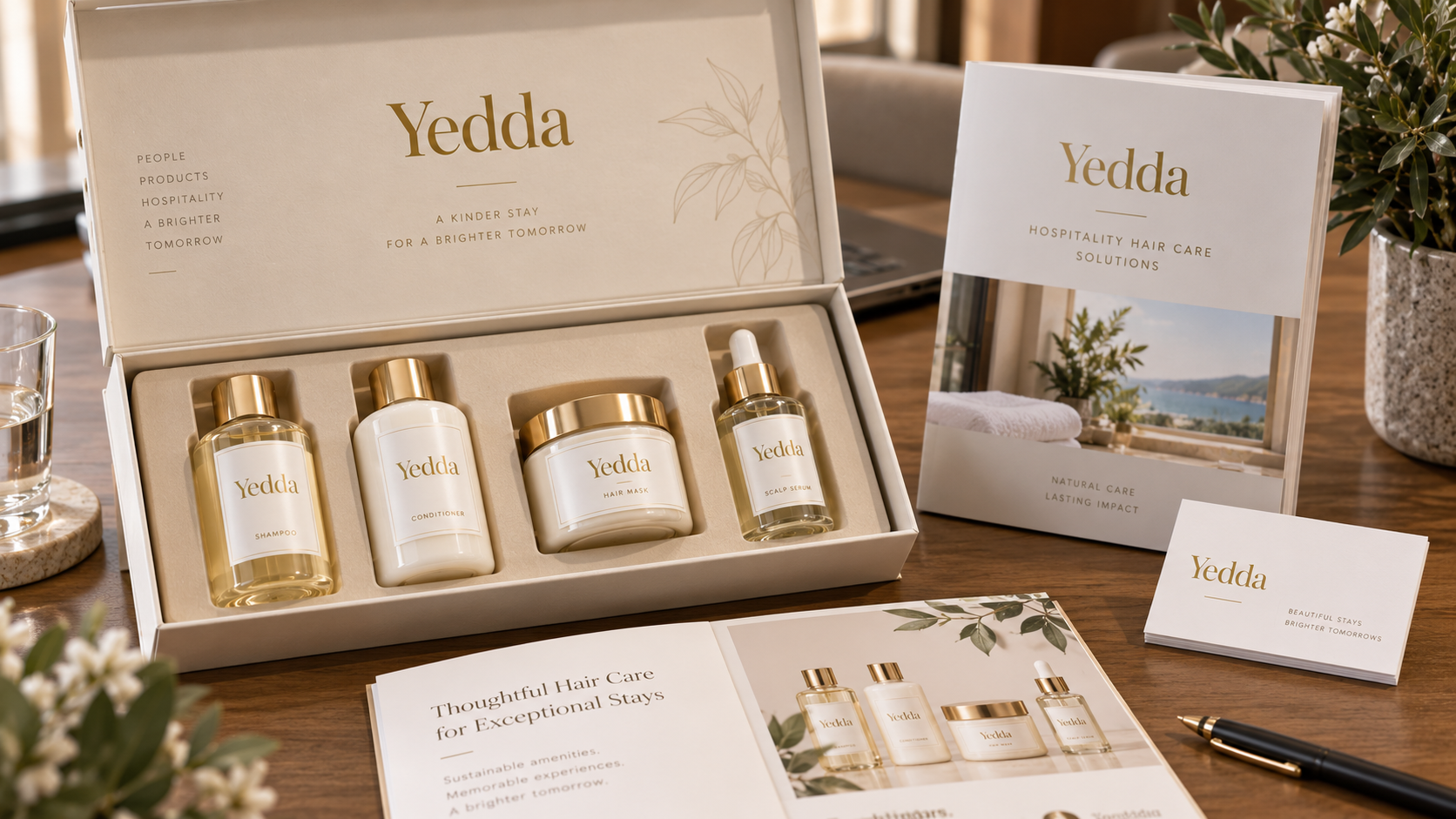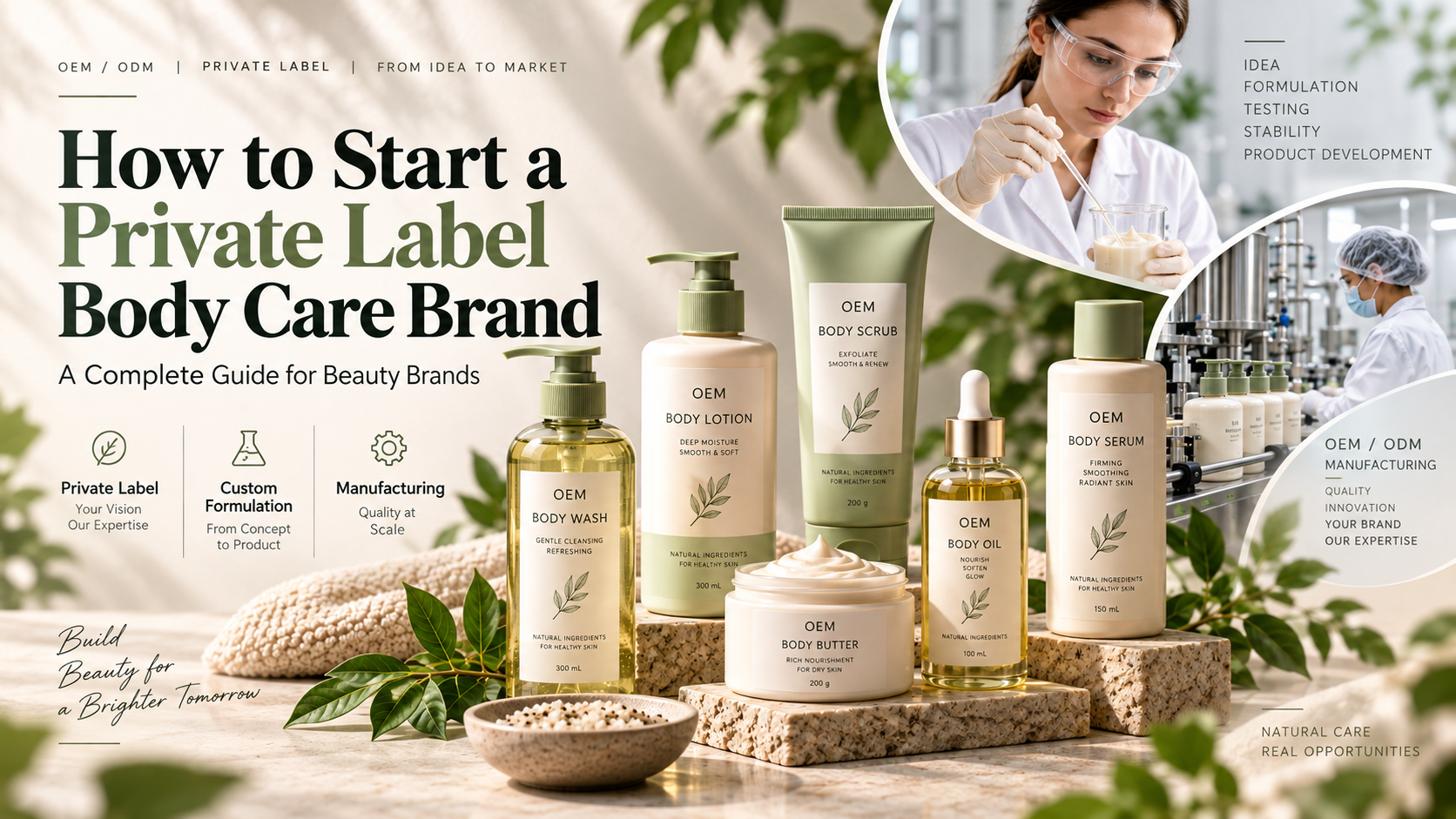

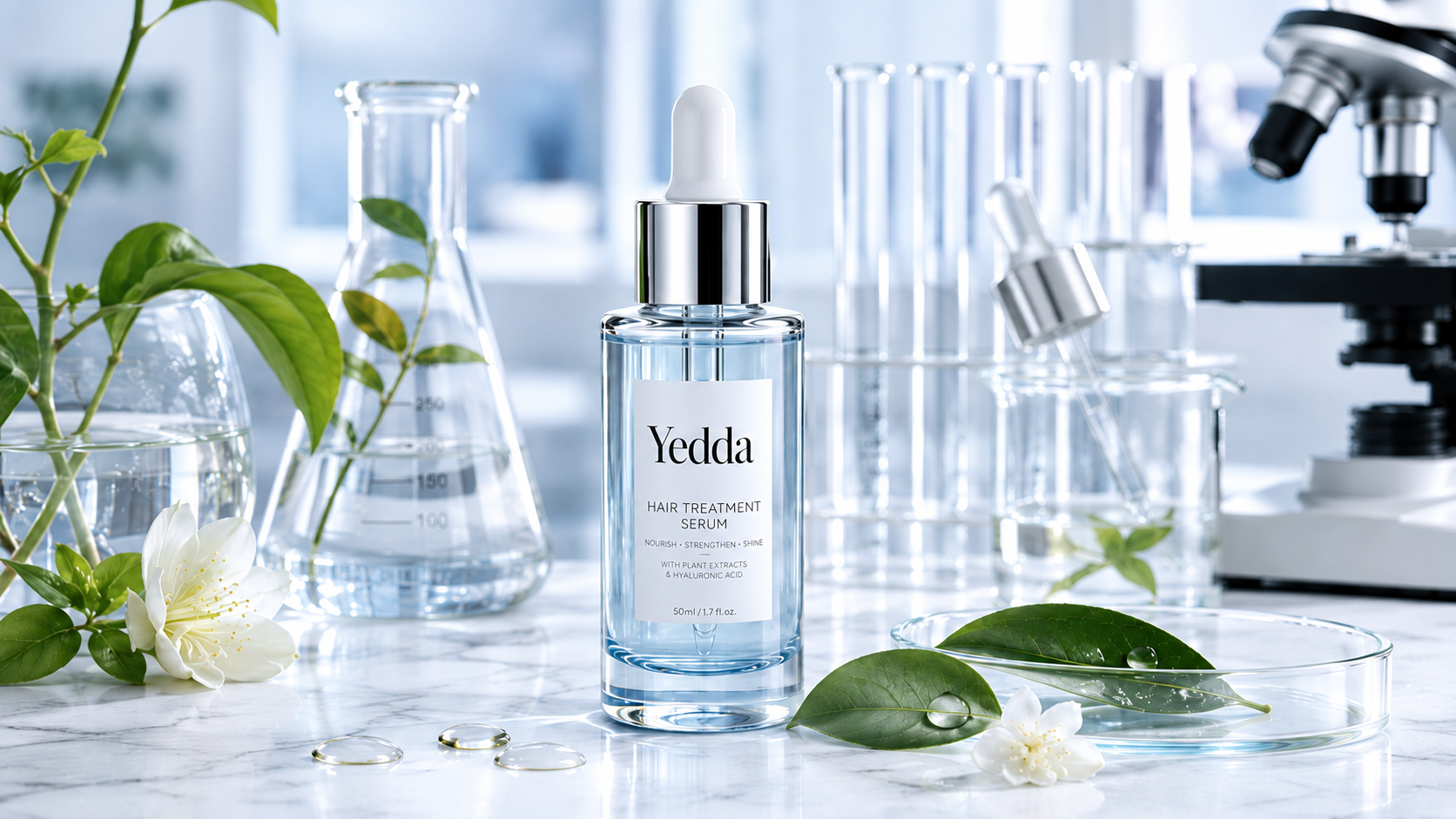
In the rapidly evolving landscape of global beauty and personal care, a profound transformation is reshaping consumer expectations: the "Skinification of Hair." Consumers no longer view hair care as a basic hygiene routine of washing and rinsing. Instead, they are applying the same level of sophistication, ingredient awareness, and multi-step discipline to their hair and scalp as they do to their skin. In this high-growth environment, high-performance, non-rinse formulations—specifically leave in hair products—have emerged as the single fastest-growing category for premium brands looking to capture market share and drive high-margin loyalty.
The traditional "shampoo-and-condition" duo is no longer sufficient for modern consumers who deal with daily thermal styling, chemical processing, environmental stressors, and UV exposure. Leave-in conditioners, prep mists, bond-building creams, and treatment oils have transitioned from niche styling aids to essential daily treatments. According to comprehensive market intelligence, the global leave-in conditioner and treatment sector is experiencing a massive surge in demand. For an in-depth analysis of these market dynamics, size, and projected growth rates, refer to the Grand View Research Leave-In Conditioner Market Report.
For premium hair care brands, indie label startups, and established salon chains, developing an advanced, custom-formulated leave-in portfolio is no longer optional—it is a critical strategy to elevate brand positioning and capture higher average order values (AOV). However, bringing a truly exceptional leave-in product to market requires navigating complex formulation physics, finding clean-beauty alternatives, and ensuring international regulatory compliance. Partnering with a specialized, state-of-the-art leave in conditioner manufacturer is the foundational step in turning a visionary brand concept into a commercially successful, globally compliant reality.
The High-Growth Trajectory of Premium leave in hair products
To successfully capture the leave-in market, brands must first understand the consumer micro-trends driving this shift. The modern consumer demands immediate cosmetic gratification—such as instant frizz control, shine, and detangling—combined with long-term structural repair. Unlike rinse-off products, which wash away up to 90% of active ingredients down the drain, leave-in formulations remain on the hair shaft until the next wash, allowing active ingredients to penetrate deeply and provide continuous, 24-hour environmental protection.
Industry data highlights three primary consumer pillars currently driving the massive demand for premium leave-in formulations:
- Thermal and Environmental Defense: With the ubiquity of high-heat styling tools (flat irons, curlers, and high-velocity dryers), consumers are actively seeking leave-in thermal shields that can withstand temperatures up to 230°C (450°F).
- The Rise of Textured Hair Care: Globally, the demand for curl-specific, deeply hydrating, and frizz-reducing products has skyrocketed. Curly, coily, and wavy hair types rely heavily on heavy-duty leave-in creams, milks, and butter blends to lock in moisture and define patterns.
- Micro-Dosage and Clean Portability: On-the-go professionals and travelers prefer lightweight, multi-benefit leave-in sprays that refresh styles, neutralize odors, and provide UV protection throughout the day without weighing the hair down.
Geographically, consumer preferences vary widely. While the North American and European markets exhibit massive demand for deep-conditioning leave-in creams and bond-builders for color-treated hair, East Asian markets show a strong preference for ultra-lightweight water mists, bi-phase milks, and fast-absorbing dry-touch oils. A premium brand must design its product catalog with these regional preferences in mind, leveraging flexible R&D to target specific demographic segments.
Selecting a Strategic leave in conditioner manufacturer for Global Scale
Formulating a leave-in product is vastly more challenging than formulating a traditional rinse-off conditioner. Because the product remains on the hair and comes in continuous contact with the scalp, face, and neck, there is zero margin for error. The formula must achieve an exquisite balance: it must deliver powerful, visible results (smoothness, strength, moisture) without leaving a greasy residue, causing heavy cosmetic build-up, or triggering cutaneous sensitivities.
This is why choosing an experienced, scientifically advanced leave in conditioner manufacturer is the most critical decision a brand owner will make. A world-class manufacturing partner acts as an extension of your R&D team, providing the technological infrastructure required to solve the following industrial formulation challenges:
The Build-Up Challenge: Over-use of heavy silicones or low-grade cationic polymers in leave-in products leads to build-up, making hair look limp, dull, and heavy over time. Advanced manufacturers solve this by utilizing highly biodegradable, lightweight natural esters and patented smart-release polymeric matrices that deposit active ingredients precisely where the hair fiber is damaged, shedding excess material naturally.

1. Clean Beauty and Silicone-Free Innovations
Regulatory landscapes and consumer demands are shifting rapidly away from cyclic silicones (such as Cyclopentasiloxane - D5, and Cyclotetrasiloxane - D4) due to environmental bioaccumulation concerns, particularly in the European Union under the REACH regulations (see EU Cosmetics Regulation (EC) No 1223/2009). Premium brands must offer "clean," "vegan," or "silicone-free" alternatives that do not sacrifice performance. Elite manufacturers utilize cutting-edge silicone alternatives, such as plant-derived Hemisqualane, Coco-Caprylate/Caprate, and specialized brassica-derived cationic surfactants to deliver that coveted, ultra-silky, dry-touch finish organically.
2. Preservative System Safety & USP <51> Challenge Testing
Because leave-in products are applied directly to the hair and scalp and left to dry naturally, the preservative system must be extraordinarily mild yet highly robust. The formula must remain free from bacterial and fungal contamination over its entire shelf life, despite frequent exposure to oxygen, humidity, and consumer handling. A qualified manufacturer will run rigorous USP <51> Preservative Challenge Tests alongside high-temperature stability testing (at 40°C and 45°C) to guarantee safety without relying on harsh, blacklisted preservatives like parabens, formaldehydes, or isothiazolinones.
3. Precision Rheology and Packaging Compatibility
The success of a leave-in product depends heavily on its dispensing experience. A spray mist must atomize into a perfect, wide-angle cloud without clogging the nozzle; a styling cream must flow smoothly from a pump without dripping or drying out at the tip. Specialized manufacturers utilize advanced rheometers to analyze the shear-thinning behavior of emulsions, ensuring the liquid's viscosity adapts instantly under the pressure of dispensing, yet regains its structure upon contact with the hair.
Developing Advanced hair treatment products: The Science of Weightless Efficacy
To build a resilient and highly profitable brand portfolio, smart marketers avoid the trap of launching a single, generic leave-in conditioner. Instead, they curate an ecosystem of target-specific hair treatment products. By addressing highly specific hair concerns—such as color fade, structural breakage, coarse dryness, or thinning—brands can establish clear product-line hierarchies, encourage multi-product routines, and maximize lifetime customer value (LTV).
Below is an analytical comparison of the key high-performance leave-in categories that premium brands are currently leveraging to dominate the professional and retail channels:
| Product Category | Key Technology & Active Ingredients | Target Hair Type & Concern | Sensory Profile & Texture |
|---|---|---|---|
| Molecular Bond-Building Cream | Patented disulfide bond-repair agents, hydrolyzed vegan keratin, and low-molecular-weight peptides. | Severely damaged, bleached, chemically processed, or heat-compromised hair. | Rich, dense cream that melts instantly into the hair fiber without leaving heavy residue. |
| Bi-Phase Hydrating Prep Mist | Dual-action formula: Upper lipid phase (Argan oil, Hemisqualane) + Lower aqueous phase (Hyaluronic Acid, Panthenol, Aloe). | Fine to medium hair, daily tangling, static-prone dry hair, and active/sport lifestyles. | Ultra-fine, weightless mist that delivers immediate shine and effortless detangling. |
| Overnight Scalp & Fiber Serum | Niacinamide, ceramides, caffeine, and adaptogenic botanicals (Ginseng, Ashwagandha) to nourish hair from the root. | Thinning hair, dry scalp, lack of volume, and dull, aging hair fibers. | Fast-absorbing, non-sticky gel-serum that leaves zero residue on pillows. |
| Active Botanical Protective Oil | Fractionated Coconut Oil, cold-pressed Batana Oil, Argan Oil, and UV absorbers to shield color. | Coarse, high-porosity hair, color-treated hair, and sun/chlorine-exposed hair. | Luxurious, high-gloss dry oil that tames stubborn frizz and creates a high-shine finish. |
When developing these hair treatment products, storytelling and empirical validation are equally vital. High-end consumers are no longer persuaded by vague marketing claims like "makes hair soft." They want to see scientific metrics: "Reduces breakage by 98% after one use," "Protects hair from heat up to 230°C," or "Provides 72-hour humidity protection." A sophisticated manufacturer will not only formulate these products but will also facilitate third-party laboratory clinical testing (such as tress-combing tests, tensile strength tests, and scanning electron microscopy) to provide your marketing team with bulletproof, legally defensible claims.
The Chemistry of Leave-In Formulations: Bridging Science and Sensorial Luxury
To successfully scale a leave-in hair care line, a brand must understand the chemical and physics principles that drive premium product performance. Below are the key formulation criteria that high-end hair care chemists focus on during the development cycle:
1. Precision Cationic Charge Optimization
The outer layer of healthy hair (the cuticle) is naturally hydrophobic and protected by a lipid layer known as the 18-MEA layer. When hair is damaged via bleaching, thermal styling, or mechanical friction, this lipid layer is stripped away, exposing the hydrophilic protein structure beneath, which carries a highly negative electrical charge. Leave-in products rely on cationic (positively charged) conditioning agents—such as Behentrimonium Methosulfate (BTMS) or Cetrimonium Chloride—which are electrostatically drawn to these damaged, negatively charged areas.
An expert formulation chemist must carefully tune the charge density. If the cationic charge is too high, the product will build up on the hair over successive washes, leaving it feeling heavy, coated, and unresponsive to styling. If the charge is too low, the product will fail to detangle or smooth the cuticles effectively. Achieving this sweet spot requires years of experience and specialized testing across various hair ethnicities and damage profiles.
2. Advanced Emulsion Stability & Micro-Fluidics
Leave-in products exist in various physical states, ranging from low-viscosity milk sprays to ultra-dense creams. Liquid leave-in sprays require micro-emulsion technology, where oil droplets are sheared down to nanometer or sub-micron scales. This prevents the oil and water phases from separating over time without requiring heavy, sticky emulsifiers. Achieving long-term thermal stability (ensuring the formula doesn't separate when shipped in hot cargo containers or stored in freezing warehouses) is a primary technical challenge that only high-quality industrial mixing equipment and precise cooling-phase protocols can solve.
3. Navigating Global Regulatory Standards (MoCRA, EU & Beyond)
Entering the international beauty arena means navigating a minefield of local and global cosmetics regulations. Formulations must be customized from the ground up to comply with the target market's laws:
- The US MoCRA Mandate: The Modernization of Cosmetics Regulation Act of 2022 (MoCRA) has established strict guidelines for cosmetics sold in the United States, requiring facility registration, product listing, safety substantiation, and robust adverse event reporting systems. For detailed compliance resources, visit the official FDA MoCRA Regulatory Framework.
- The EU and UK CPNP/SCPN Portals: European regulations require a comprehensive Cosmetics Product Safety Report (CPSR) compiled by an independent toxicologist, along with strict limits on allergens, fragrance components, and heavy metals.
- Global Green Chemistry & Vegan Standards: Consumers and retailers (such as Sephora, Ulta, and Credo) demand strict adherence to "Clean Beauty" banned-ingredient lists. This means formulating entirely free of sulfates (SLS/SLES), mineral oils, synthetic dyes, parabens, and animal-derived ingredients, while maximizing naturality indexes (ISO 16128).
The B2B Manufacturing Roadmap: Translating Brand Vision to the Assembly Line
Transitioning from a prototype formula to thousands of units of finished product requires a highly coordinated, multi-stage industrial process. Understanding this workflow helps brand founders optimize their launch timelines, manage cash flows, and prevent costly production delays:
- Detailed Technical Briefing: The brand provides the manufacturer with a detailed product brief specifying target demographics, performance parameters (e.g., frizz control, thermal defense), aesthetic preferences (fragrance, texture, color), clean-beauty restrictions, packaging types, and target cost-of-goods-sold (COGS).
- R&D and Lab-Scale Sampling: The chemist creates initial laboratory-scale batches (usually 100g to 500g). Samples are sent to the brand for evaluation. The brand tests the product on actual hair tresses and human volunteers, grading it on fragrance release, ease of application, detangling power, and dry-down feel. This phase may undergo multiple iterations to achieve perfection.
- Stability, Compatibility & Safety Testing: Once the formula is approved, it undergoes rigorous testing. This includes 3-month accelerated stability testing (cycling between -10°C and 45°C), freeze-thaw cycles, packaging compatibility testing (ensuring the formula does not interact chemically with the plastic glass, aluminum, or pump components), and preservative challenge testing.
- Pilot Batching & Scale-Up: Before running tens of thousands of units, the manufacturer conducts a "pilot run" (usually 100kg to 500kg) using production-scale equipment. This step is critical to verify that the heating, cooling, and shearing rates scale up perfectly from the lab beaker to massive industrial mixing tanks.
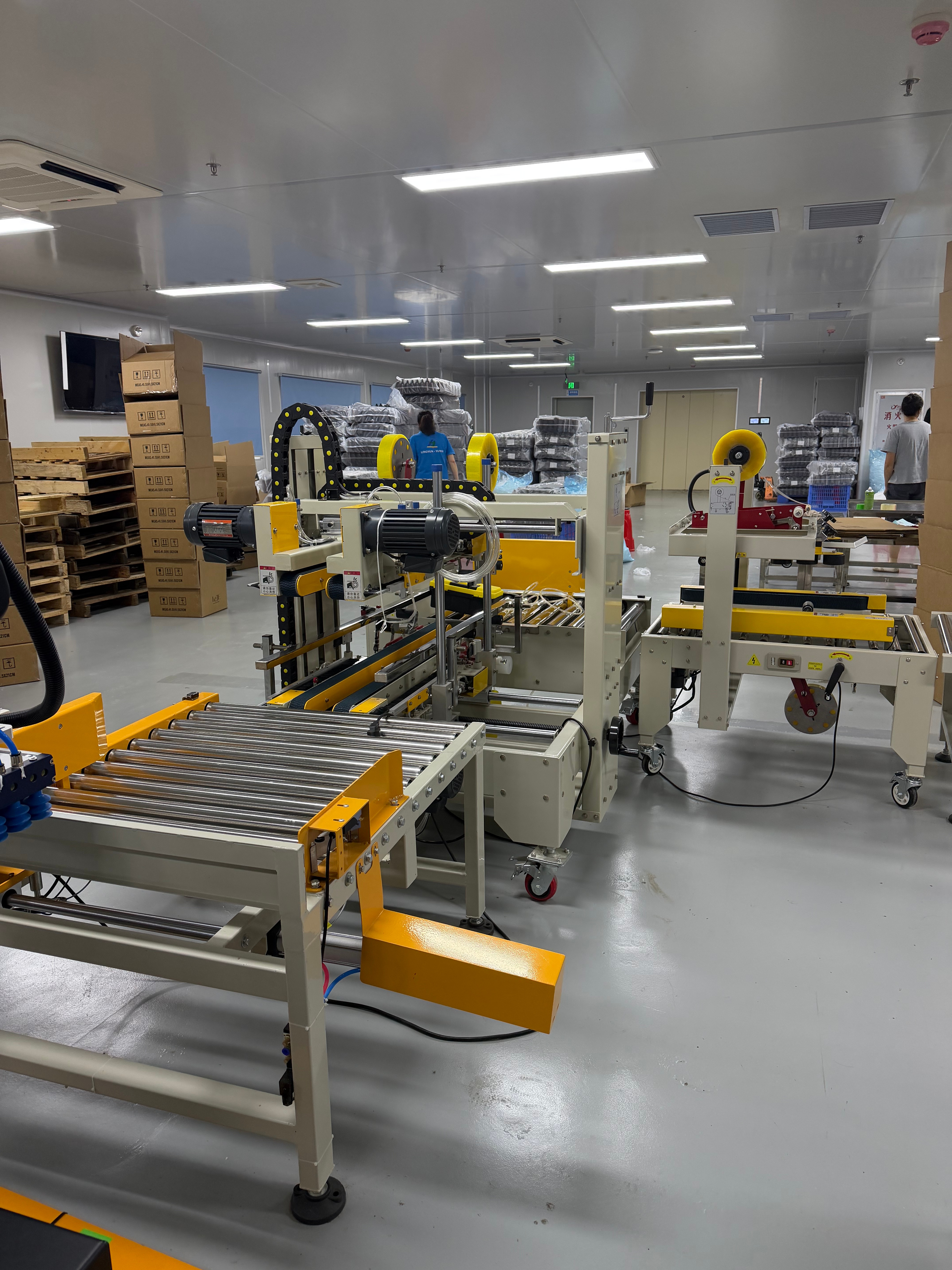
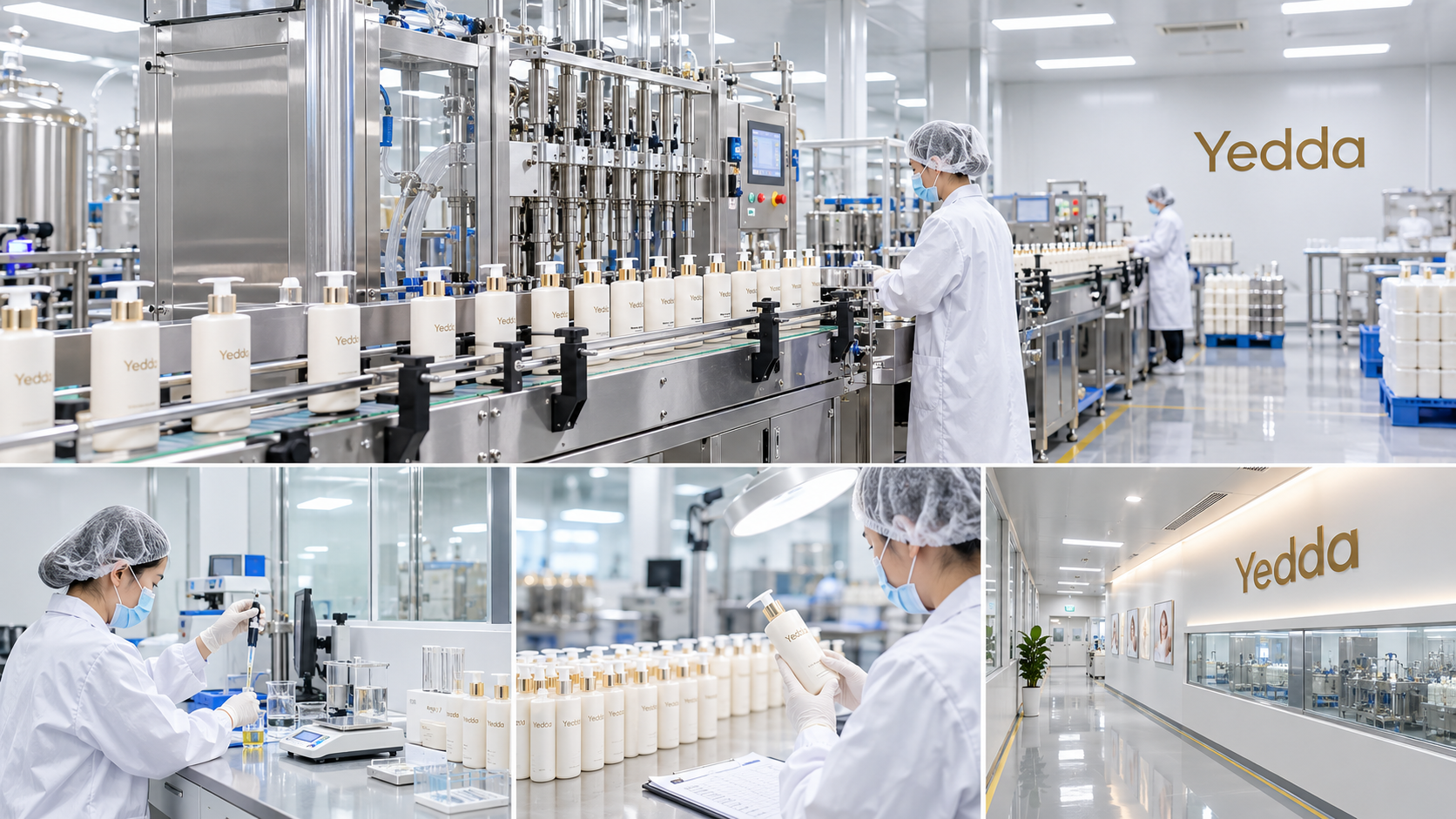
- Mass Production & Quality Control: The final batch is manufactured in a certified GMPC (Good Manufacturing Practices) and ISO 22716 facility. Raw materials are pre-tested (IQC), the bulk batch is monitored for viscosity, pH, and microbiological safety during mixing (IPQC), and finished products undergo final quality assurance (OQC) before being boxed, palletized, and shipped worldwide.
Frequently Asked Questions
Q1: What is the primary difference in formulation between a leave-in conditioner and a rinse-off conditioner?
A: Rinse-off conditioners rely on high concentrations of heavy cationic surfactants and heavy waxes to provide immediate slip, which are designed to be washed away, leaving only a microscopic layer behind. Leave-in conditioners are engineered with much lighter emulsifiers, highly volatile or dry-touch oils (like plant-derived alkanes), and water-soluble conditioning agents. This prevents the product from building up on the hair fiber over time, ensuring the hair remains lightweight, bouncy, and clean-feeling even with daily application.
Q2: What are the typical Minimum Order Quantities (MOQs) when partnering with a leave-in conditioner manufacturer?
A: MOQs vary depending on whether you choose a custom private-label formula or a completely bespoke OEM/ODM formulation. For fully customized, high-performance formulations developed by an R&D lab, the standard industry MOQ typically ranges from 5,000 to 10,000 units per Stock Keeping Unit (SKU), depending on the bottle size (e.g., 150ml vs. 250ml) and packaging complexity. Some manufacturers offer flexible, semi-custom startup programs with lower MOQs (around 3,000 units) to help emerging brands test the market before scaling.
Q3: How do you formulate high-performance, silicone-free leave-in products that still offer excellent detangling and shine?
A: Modern green chemistry has made it entirely possible to match—and sometimes exceed—the performance of traditional silicones. Professional R&D labs utilize advanced, biodegradable silicone alternatives such as Hydrogenated Farnesene (Hemisqualane), Coco-Caprylate/Caprate, and Diheptyl Succinate. These are paired with plant-derived cationic conditioning agents (such as Brassicyl Valinate Esylate) and high-gloss botanical oils (like Batana Oil, Argan Oil, and Abyssinian Oil) to deliver a luxurious, dry-glide combability, intense shine, and outstanding frizz control without compromising clean-beauty standards.
Q4: What compliance documentation should a brand expect from an OEM/ODM manufacturer for export to the US and EU?
A: A professional, globally compliant manufacturer should provide a comprehensive regulatory dossier. This includes the Certificate of Analysis (COA), Safety Data Sheets (SDS) for the finished formula, a quantitative ingredient list (IL) with CAS numbers, Microbiological Test Reports, Preservative Challenge Test Reports (USP <51>), Heavy Metal and Stability Data, and an official GMPC/ISO 22716 certificate. These documents are vital for registering your products on the US FDA portal under MoCRA, compiling your Cosmetic Product Safety Report (CPSR), and submitting your CPNP notifications in Europe.