
As the global beauty industry moves toward more ingredient-focused and treatment-led hair care, peptide hair serum is emerging as a promising product concept for 2027.
Consumers are increasingly exploring lightweight scalp treatments, multi-peptide formulas, and specialized hair serums designed to support healthy-looking, fuller-looking, and well-conditioned hair.
This growing interest reflects the broader skinification of hair care, where ingredients, textures, and application methods traditionally associated with facial skincare are being adapted for scalp and hair care routines.
For beauty entrepreneurs, professional salon brands, distributors, and international retailers, this trend creates opportunities to develop differentiated private label hair care products with a stronger focus on targeted cosmetic benefits.
1. Why Peptide Hair Serum Is Trending in 2027
Hair care is expanding beyond conventional cleansing and conditioning. Consumers are increasingly interested in specialized treatments that address specific concerns, including scalp dryness, fine-looking hair, visible damage, and everyday hair maintenance.
Recent Hair Care Market Data
According to Spate's 2026 Hair Care & Styling Report, peptide hair serum recorded approximately 1,600% year-over-year popularity growth in the United States.
- Peptide hair serum: approximately +1,600%.
- Scalp serum: +71.7%.
- Hair serum: +56.4%.
- Overnight hair serum: +661.1%.
Although peptide hair serum remains a relatively small category, its rapid growth highlights increasing consumer interest in ingredient-led hair treatments.
Source: Spate 2026 Hair Care & Styling Report. US Google, TikTok and Instagram data, July 2025 to June 2026 compared with July 2024 to June 2025. These figures represent cross-platform popularity growth rather than retail sales or standalone Google search volume.
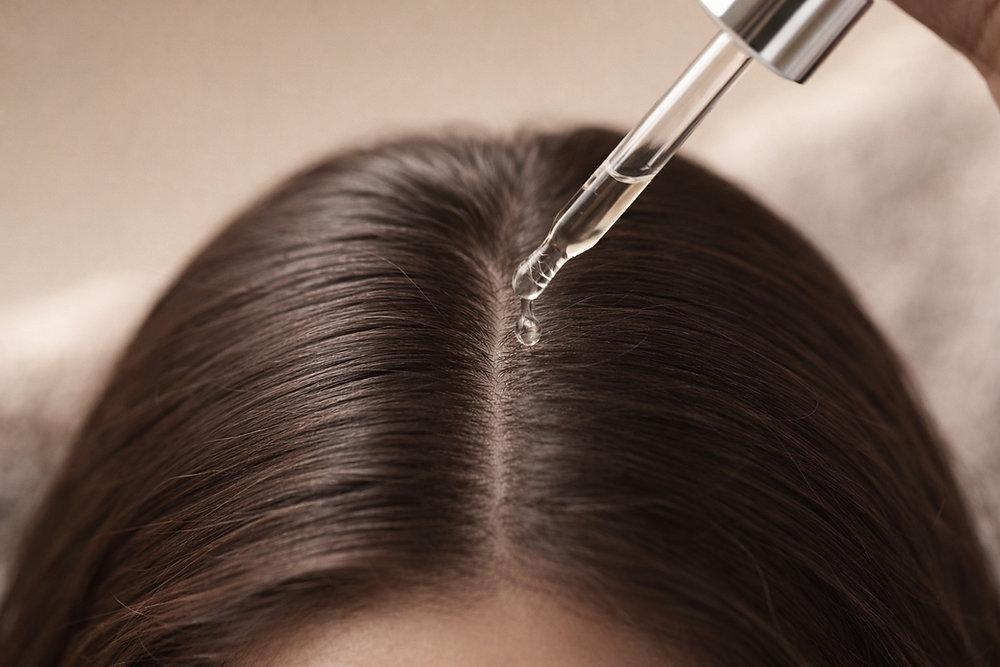
The peptide trend also complements the growing interest in preventive hair maintenance, targeted conditioning, and damage management discussed in our guide to split end repair and hair longevity.
2. What Is Peptide Hair Serum?
A peptide hair serum is a cosmetic treatment formulated with one or more peptides, often combined with complementary conditioning, moisturizing, or scalp care ingredients.
Peptides are short chains of amino acids. Different peptides have different chemical structures, formulation requirements, and potential cosmetic functions.
In hair care, peptide-containing products may be designed for application to the scalp, hair roots, or hair lengths, depending on the intended product benefits.
Peptide Scalp Serum
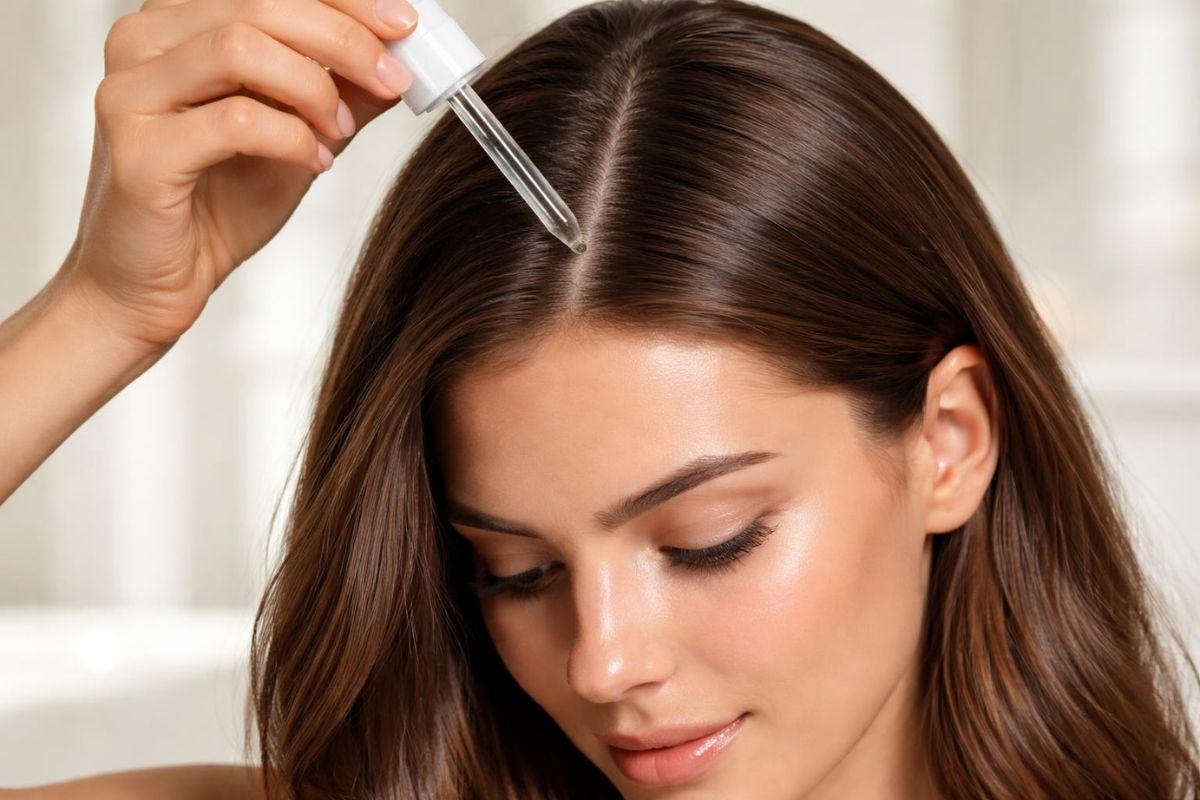
A peptide scalp serum is generally developed as a lightweight leave-on treatment that can be applied directly to the scalp.
Water-based formulations, controlled application, comfortable after-feel, and minimal residue are important considerations for daily-use scalp products.
Peptide Hair Length Serum
Peptide-containing hair length serums may combine conditioning peptides or protein-derived ingredients with emollients and film-forming systems to improve hair feel and appearance.
These products can complement existing repair and damage recovery hair care products, particularly for consumers concerned about roughness, dryness, and chemically treated hair.
Multi-Peptide Hair Serum
A multi-peptide hair serum combines several peptide ingredients within one formulation. This approach can support ingredient-led product positioning, provided that the selected ingredients are compatible and the finished formula delivers its intended cosmetic performance.
The number of peptides alone does not determine product effectiveness. Ingredient identity, concentration, stability, application method, and finished-product testing are equally important.
3. Potential Cosmetic Benefits of Peptide Hair Care
Peptide hair care products can be positioned around several cosmetic benefits, depending on the specific ingredients and complete formulation.
Scalp Conditioning and Hydration
Peptide-containing scalp serums may be combined with humectants and soothing ingredients to support scalp hydration and a comfortable after-feel.
Fuller-Looking Hair
A hair density serum may be developed to improve the cosmetic appearance of fine or flat hair. Lightweight conditioning and volumizing ingredients can help support this positioning without excessive residue.
Fuller-looking hair is a cosmetic appearance claim and should not be confused with increasing the number of hair follicles or treating hair loss.
Improved Hair Smoothness and Manageability
Selected peptide and protein-derived ingredients, when incorporated into suitable conditioning systems, may help improve hair softness, combability, and surface appearance.
Complementary Damage Care
Peptide-based treatments can be developed as part of a broader hair maintenance routine that includes gentle cleansing, conditioning, and protection against everyday mechanical stress.
For brands targeting dry and damaged hair, these concepts can be combined with the moisturizing and leave-in product formats introduced in our winter hair care and anti-frizz product guide.
4. Trending Ingredients for Peptide Hair Serum Formulations
Developing a competitive peptide hair serum requires careful selection of active ingredients, supporting ingredients, and the overall formulation system.
Copper Tripeptide-1
Copper Tripeptide-1, commonly associated with GHK-Cu, is a copper-containing peptide used in selected cosmetic formulations.
It can be considered for premium ingredient-led scalp care concepts. Its compatibility with other ingredients, pH conditions, color, and storage stability should be evaluated during formulation development.
Acetyl Tetrapeptide-3
Acetyl Tetrapeptide-3 is an ingredient found in certain commercial scalp care complexes. It may be considered when developing fuller-looking hair product concepts.
Product claims should reflect the available ingredient evidence and finished-product performance rather than assuming that all peptide formulations deliver identical results.
Biotinoyl Tripeptide-1
Biotinoyl Tripeptide-1 is another peptide ingredient used in selected hair and scalp care formulations.
Its suitability depends on supplier specifications, recommended usage levels, formulation compatibility, and the intended cosmetic claims.
Hydrolyzed Proteins and Amino Acids
Hydrolyzed keratin, hydrolyzed wheat protein, and selected amino acids can contribute to the conditioning profile of hair care products.
These ingredients are particularly relevant to hair length treatments and damage care, although their functions should not be assumed to be equivalent to those of specific signaling peptides.
Complementary Scalp Care Ingredients
| Ingredient | Potential Cosmetic Role | Product Format |
|---|---|---|
| Niacinamide | Skin conditioning and scalp care | Scalp serum |
| Panthenol | Moisturizing and conditioning | Serum and leave-in spray |
| Caffeine | Ingredient-led scalp care positioning | Scalp tonic and serum |
| Hyaluronic Acid | Humectant and hydration support | Water-based scalp serum |
| Glycerin | Humectant and moisturizing support | Scalp and hair treatments |
| Hydrolyzed Keratin | Hair conditioning and surface care | Hair serum and repair mask |
Brands exploring custom hair serum formulation should evaluate ingredient sourcing, stability, preservation, sensory performance, packaging compatibility, and target-market requirements before finalizing a commercial formula.
5. Peptide Hair Serum vs. Rosemary Hair Oil
Peptide hair serum and rosemary hair oil represent two different approaches to ingredient-focused hair care.
Peptide serums are often positioned around lightweight application and advanced cosmetic formulations, while rosemary hair oils are frequently associated with botanical hair care and scalp massage routines.
| Feature | Peptide Hair Serum | Rosemary Hair Oil |
|---|---|---|
| Typical Texture | Lightweight liquid or gel | Oil-based treatment |
| Ingredient Positioning | Peptides and cosmetic actives | Botanical oils and extracts |
| Application | Leave-on scalp or hair treatment | Pre-wash or leave-on oil, as formulated |
| Consumer Appeal | Ingredient-led and lightweight care | Botanical and ritual-based care |
| Brand Opportunity | Premium targeted serum | Botanical hair care collection |
Neither product format is automatically more effective than the other. Suitability depends on the intended benefit, formulation, consumer preferences, and supporting evidence.
Beauty brands may also develop complementary serum and oil products within a broader private label hair treatment collection, offering different textures and application experiences for different customer needs.
6. Five Peptide Hair Care Products for Private Label Brands
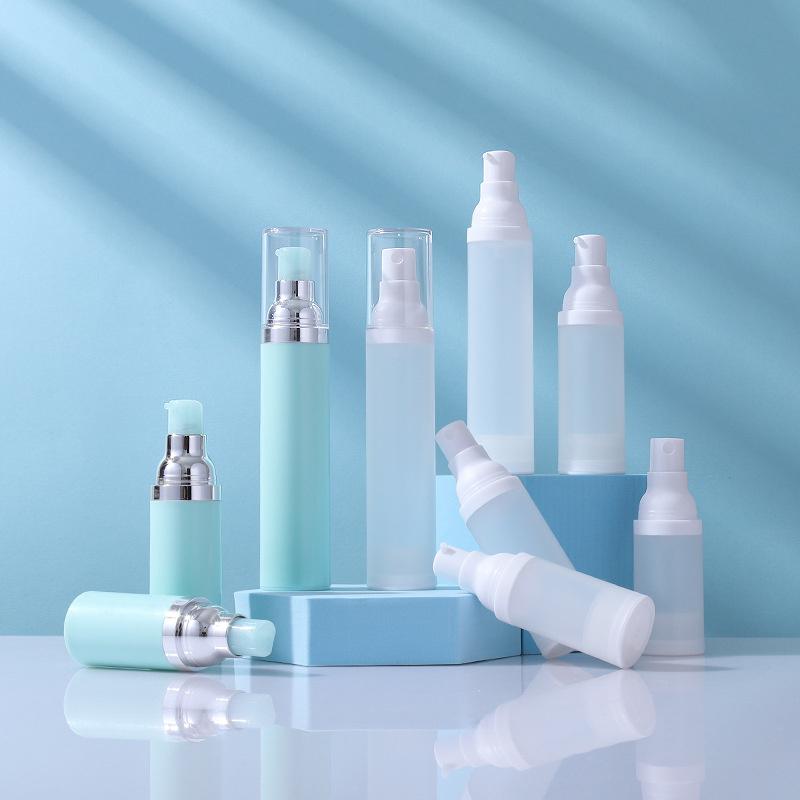
The growing interest in peptide hair care creates several potential product development directions for beauty brands preparing their 2027 collections.
1. Multi-Peptide Scalp Serum
A lightweight, non-greasy scalp treatment positioned around daily conditioning, scalp hydration, and healthy-looking hair.
2. Hair Density Serum
A cosmetic serum developed for consumers with fine or flat-looking hair, with particular attention to lightweight application and fuller-looking results.
3. Copper Peptide Scalp Treatment
A premium ingredient-focused product concept that may combine Copper Tripeptide-1 with compatible moisturizing and conditioning ingredients.
4. Peptide Leave-In Conditioner
A convenient spray or cream treatment designed to improve hair manageability, softness, and cosmetic appearance.
This product format can complement existing hair repair collections and provide an additional conditioning step between washes.
5. Overnight Peptide Hair Serum
An evening leave-on treatment developed around comfortable application, low residue, and overnight conditioning.
For additional inspiration on nighttime hair care products, explore our article on winter hydration and overnight hair serum trends.
| Product Concept | Target Market | Packaging Option |
|---|---|---|
| Multi-Peptide Scalp Serum | Daily scalp care | Dropper bottle |
| Hair Density Serum | Fine-looking hair | Precision nozzle bottle |
| Copper Peptide Treatment | Premium scalp care | Protective pump bottle |
| Peptide Leave-In Conditioner | Dry and damaged hair | Spray or pump bottle |
| Overnight Peptide Serum | Nighttime hair care | Airless or standard pump |
These are potential product development concepts rather than a confirmation of existing ready-to-market peptide formulations. Final specifications should be agreed during project evaluation.
7. How to Develop a Private Label Peptide Hair Serum
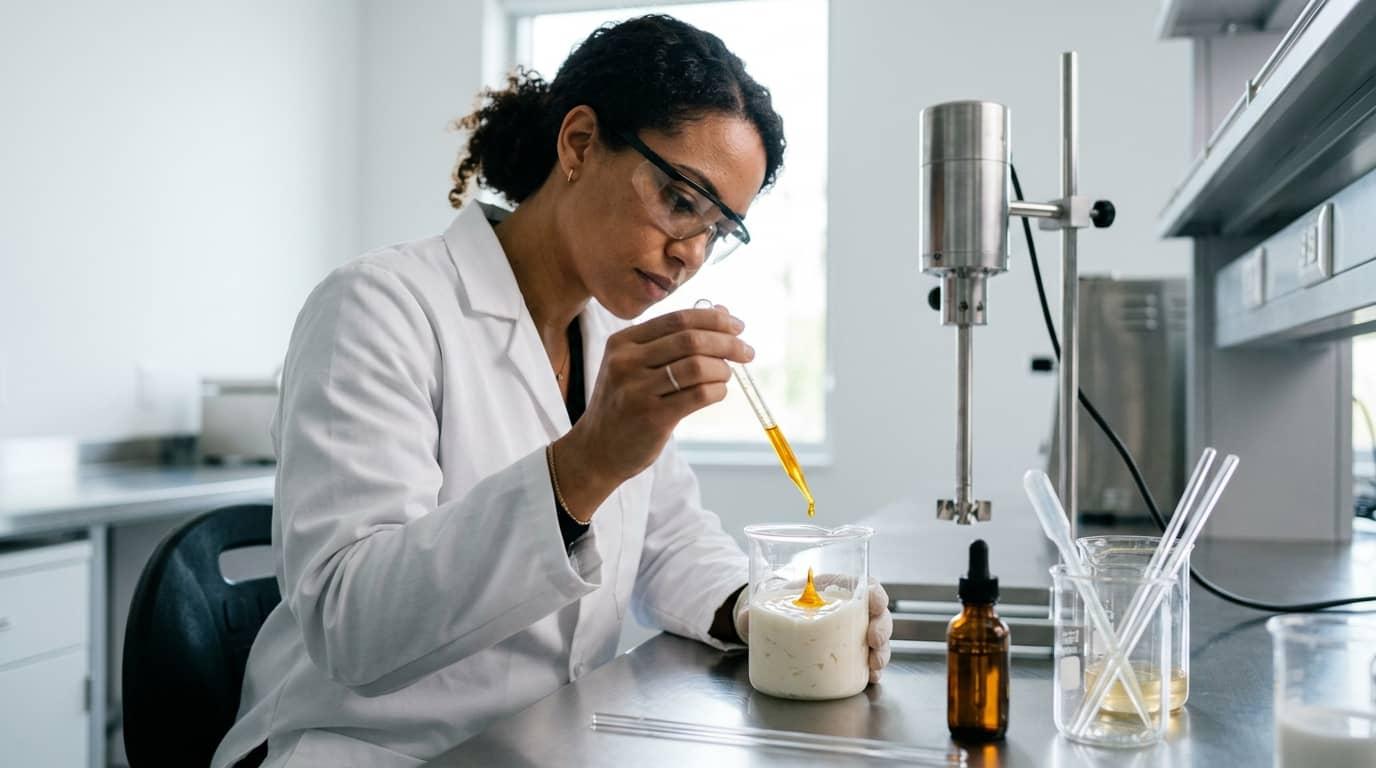
Developing a successful private label peptide hair serum requires more than selecting a trending ingredient and adding it to an existing formula.
Brands should establish a clear development brief covering product positioning, target consumers, formulation requirements, packaging, testing, and commercial objectives.
Step 1: Define the Target Consumer
Identify whether the product is intended for daily scalp care, fine-looking hair, dry scalp, premium hair maintenance, or damaged hair conditioning.
A clearly defined consumer need helps determine the appropriate ingredient system, application method, and texture.
Step 2: Choose the Peptide System
Evaluate the proposed peptide ingredients with the formulation team. Consider supplier documentation, ingredient compatibility, recommended usage levels, cost, and available evidence.
Step 3: Optimize Texture and Application
A daily scalp serum should generally prioritize controlled application, comfortable absorption, and minimal visible residue.
Hair length serums may require a different balance of slip, conditioning performance, shine, and weight.
Step 4: Select Suitable Packaging
Dropper bottles, precision applicators, pump bottles, and airless containers are potential packaging options.
The final choice should be based on formula viscosity, dispensing accuracy, light sensitivity, contamination risk, and compatibility testing.
Step 5: Complete Product Testing
Depending on the formula and target market, product development may require:
- Physical and chemical stability evaluation.
- Microbiological quality testing.
- Preservative efficacy testing where applicable.
- Formula and packaging compatibility testing.
- Safety assessment for the intended application.
- Finished-product cosmetic claim substantiation.
Brands can explore Yedda's custom hair care manufacturing services to discuss formulation feasibility, sample development, and product specifications.
8. Private Label vs. Custom Peptide Hair Serum Manufacturing
Beauty brands can evaluate two development routes depending on their launch schedule, budget, and differentiation requirements.
| Development Factor | Private Label | Custom OEM/ODM |
|---|---|---|
| Formula | Suitable existing formula, if available | Developed to an agreed product brief |
| Ingredient Selection | Limited to available options | Greater customization potential |
| Development Time | Generally shorter | Additional development and testing |
| Brand Differentiation | Packaging and positioning | Formula, texture and positioning |
| MOQ | Subject to formula and packaging | Subject to project specifications |
Emerging beauty brands may prefer a private label hair care manufacturing solution when a suitable existing formulation is available.
Established brands seeking a distinctive peptide combination, specialized texture, or unique sensory profile may benefit from a custom formulation project.
9. Cosmetic Claims and Regulatory Considerations
Peptide hair serum marketing should clearly distinguish cosmetic benefits from medical or therapeutic claims.
Potential cosmetic positioning, when supported by appropriate evidence, may include:
- Helps condition the scalp.
- Supports scalp hydration.
- Promotes fuller-looking hair.
- Improves hair softness and manageability.
- Helps maintain healthy-looking hair.
Claims involving hair regrowth, treatment of alopecia, prevention of pathological hair loss, or changes to follicle function may trigger different regulatory requirements depending on the target market.
For example, in the United States, a product marketed to restore hair growth may be regulated as a drug rather than solely as a cosmetic.
Brands should review the applicable regulations and substantiate claims before launching their peptide hair care products internationally.
10. Developing Hair Care Products with Yedda

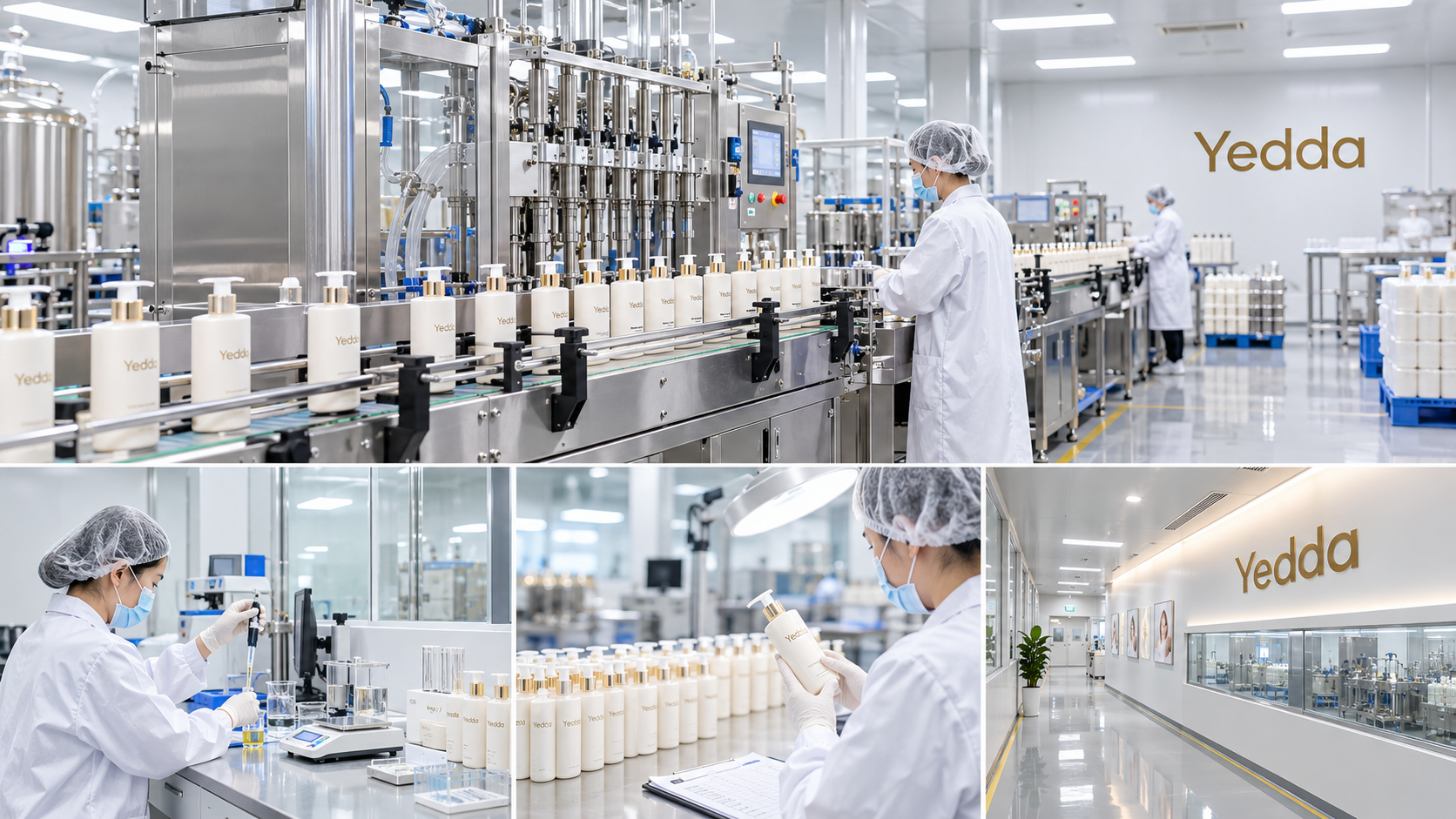
Yedda Hair Care, operated by Guangzhou L&Y Cosmetics Co., Ltd., provides private label and OEM/ODM hair care manufacturing solutions for international beauty brands, salons, distributors, and retailers.
Our broader hair care development directions include shampoos, conditioners, hair masks, hair oils, and leave-in treatments.
Brands interested in peptide hair serum can discuss their proposed ingredient system, desired texture, packaging requirements, target market, and cosmetic positioning as part of a custom project evaluation.
Hair Care OEM/ODM Development Support
- Product concept and formulation evaluation.
- Ingredient and texture customization.
- Sample development and evaluation.
- Packaging selection and branding coordination.
- Manufacturing and quality control coordination.
- Export and project documentation support.
Peptide availability, formulation feasibility, minimum order quantities, testing requirements, and production timelines should be confirmed for each individual project.
11. Future Opportunities for Peptide Hair Care in 2027
The rapid rise of peptide hair serum illustrates the growing interest in ingredient-focused and specialized hair care products.
For private label beauty brands, the opportunity is not simply to follow a popular ingredient trend. It is to develop a product that addresses a clearly defined consumer need through a well-designed formulation and a credible cosmetic benefit.
Multi-peptide scalp serums, lightweight hair density treatments, conditioning leave-in products, and overnight serums are potential directions for brands evaluating their 2027 product portfolios.
By combining consumer trend research, appropriate formulation development, product testing, and suitable manufacturing support, beauty brands can create differentiated hair care collections with long-term commercial potential.
Frequently Asked Questions
What is peptide hair serum?
Peptide hair serum is a cosmetic treatment containing one or more peptides, often combined with moisturizing and conditioning ingredients for scalp or hair care.
Can peptide hair serum regrow hair?
A cosmetic peptide hair serum should not be assumed to regrow hair or treat hair loss. Such claims require appropriate evidence and may trigger additional regulatory requirements.
What is a multi-peptide hair serum?
A multi-peptide hair serum contains several peptide ingredients within one formulation. Its performance depends on ingredient selection, concentration, stability, and finished-product testing.
What ingredients can be used in peptide scalp serum?
Potential ingredients include Copper Tripeptide-1, Acetyl Tetrapeptide-3, Biotinoyl Tripeptide-1, panthenol, niacinamide, glycerin, and hyaluronic acid, subject to formulation compatibility.
Is peptide hair serum suitable for daily use?
Daily use may be suitable when the finished product has been formulated and safety-assessed for that application. Consumers should follow the product instructions.
Can I develop a private label peptide hair serum?
Brands can discuss peptide hair serum development with a hair care OEM/ODM manufacturer. Ingredient availability, formula feasibility, packaging, and testing requirements should be evaluated before production.
What is the MOQ for private label peptide hair serum?
MOQ depends on the selected formulation, ingredient sourcing, packaging, customization, and manufacturing requirements. The final MOQ should be confirmed for each project.
How do I choose a peptide hair serum manufacturer?
Evaluate formulation expertise, ingredient documentation, sample quality, manufacturing capabilities, product testing, packaging options, and target-market regulatory support.