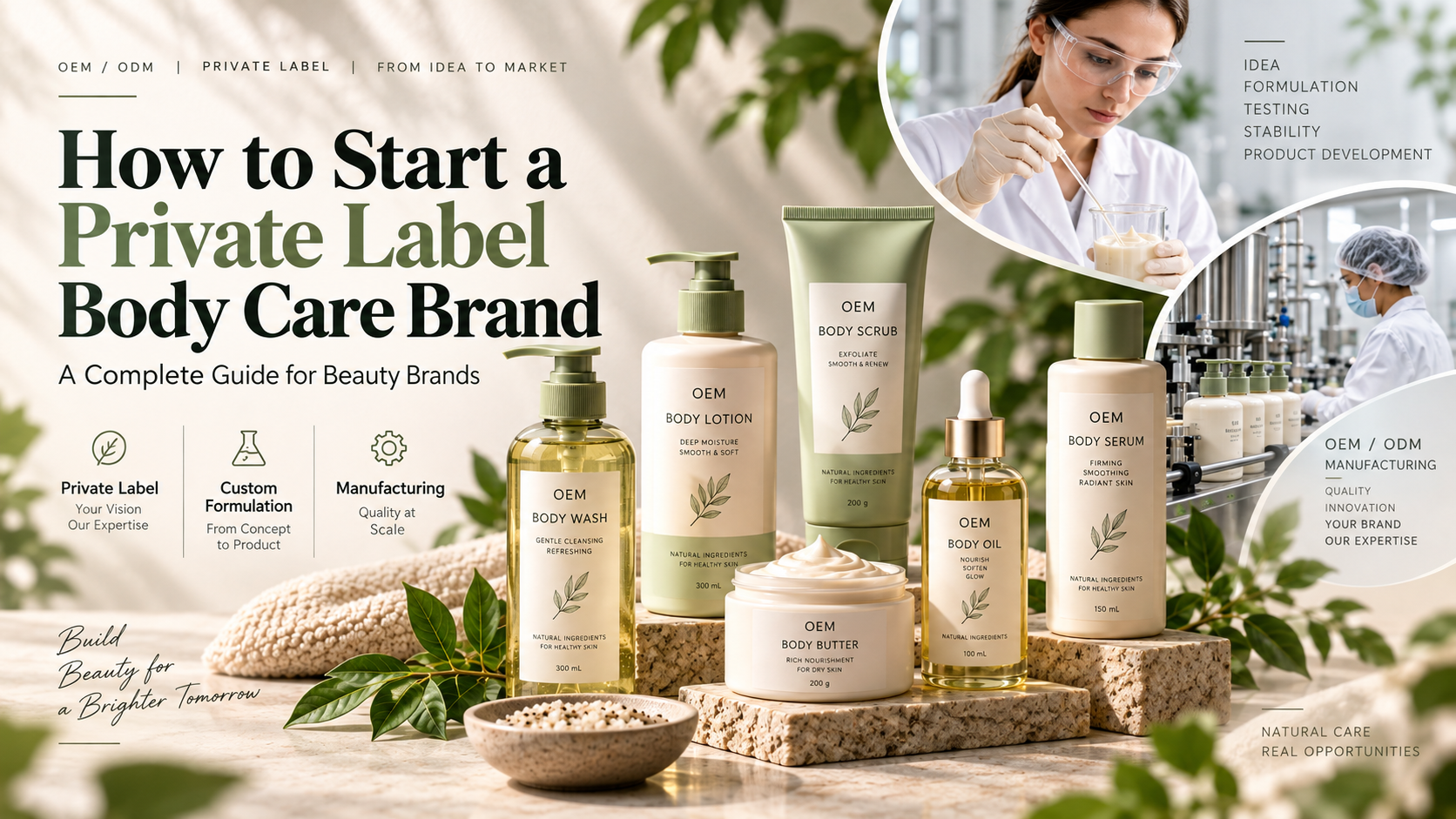

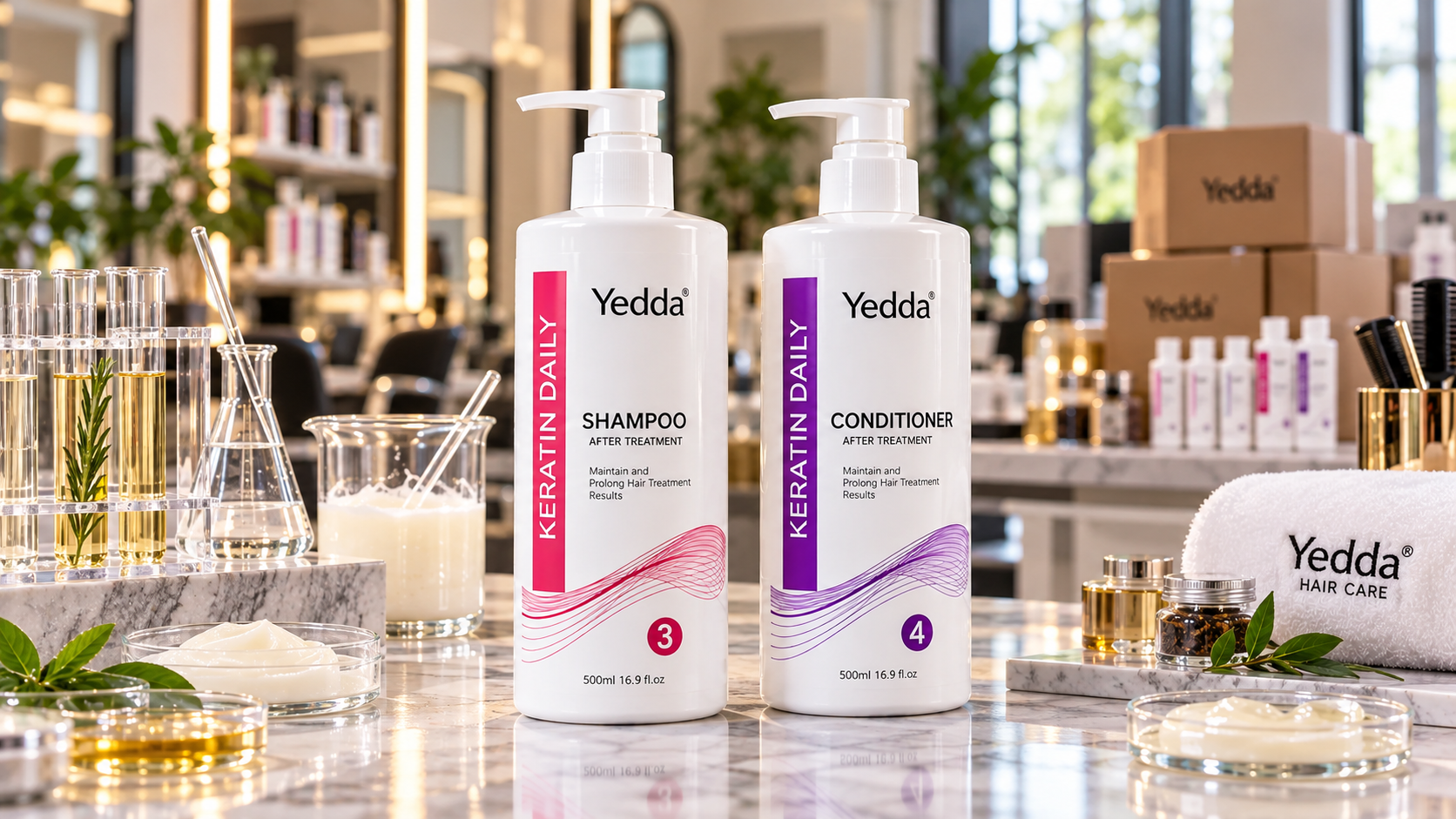
For salon brands, building a successful professional hair care line requires more than choosing attractive packaging and adding a popular ingredient to the label. The real challenge is sourcing products that deliver consistent salon performance, meet customer expectations, support repeat purchases, and remain commercially viable as order volumes grow.
Keratin shampoo and conditioner have become important products within professional smoothing, conditioning, and damage-care collections. They appeal to customers looking for softer, more manageable hair, particularly those who regularly use hair color, bleaching services, blow dryers, and other styling tools.
However, not every keratin formula is suitable for the same salon customer. A shampoo designed for daily maintenance after a professional smoothing service may require a different cleansing system from one intended for heavily damaged hair. Likewise, a rich conditioner developed for coarse hair may feel too heavy on fine hair.
Why Private Label Keratin Shampoo Is an Opportunity for Salon Brands
Professional hair care is increasingly driven by specialized treatment routines rather than basic cleansing alone. Consumers are looking for products that address recognizable concerns such as frizz, dryness, color-treated hair, rough texture, and damage caused by frequent styling.
This creates an opportunity for salon brands to develop targeted shampoo and conditioner collections that complement services performed by professional stylists.
According to Circana's U.S. Beauty Industry First-Half 2026 Report , prestige hair care sales increased by 11% during the first six months of 2026, while unit sales grew by 8%. The report also highlighted strong performance in hair treatments, including serums, masks, oils, and leave-in products. In mass retail, shampoo and conditioner combination packs achieved double-digit sales growth.
These findings do not measure demand for keratin shampoo specifically. However, they provide useful evidence that treatment-oriented hair care and coordinated product routines remain commercially relevant.
For salon businesses, a coordinated keratin care collection can offer several advantages:
- Retail expansion: Salons can sell professional aftercare products directly to clients.
- Repeat purchasing: Shampoo and conditioner are replenishment products used regularly at home.
- Brand differentiation: Exclusive formulas and packaging can distinguish a salon from competing retailers.
- Service extension: Maintenance products can support the overall experience of color, smoothing, and conditioning services.
- Wholesale development: Successful products can eventually be distributed to independent salons and professional beauty stores.
Instead of competing only on price, salon brands can build a clear product story around professional expertise, thoughtful formulation, and consistent results.
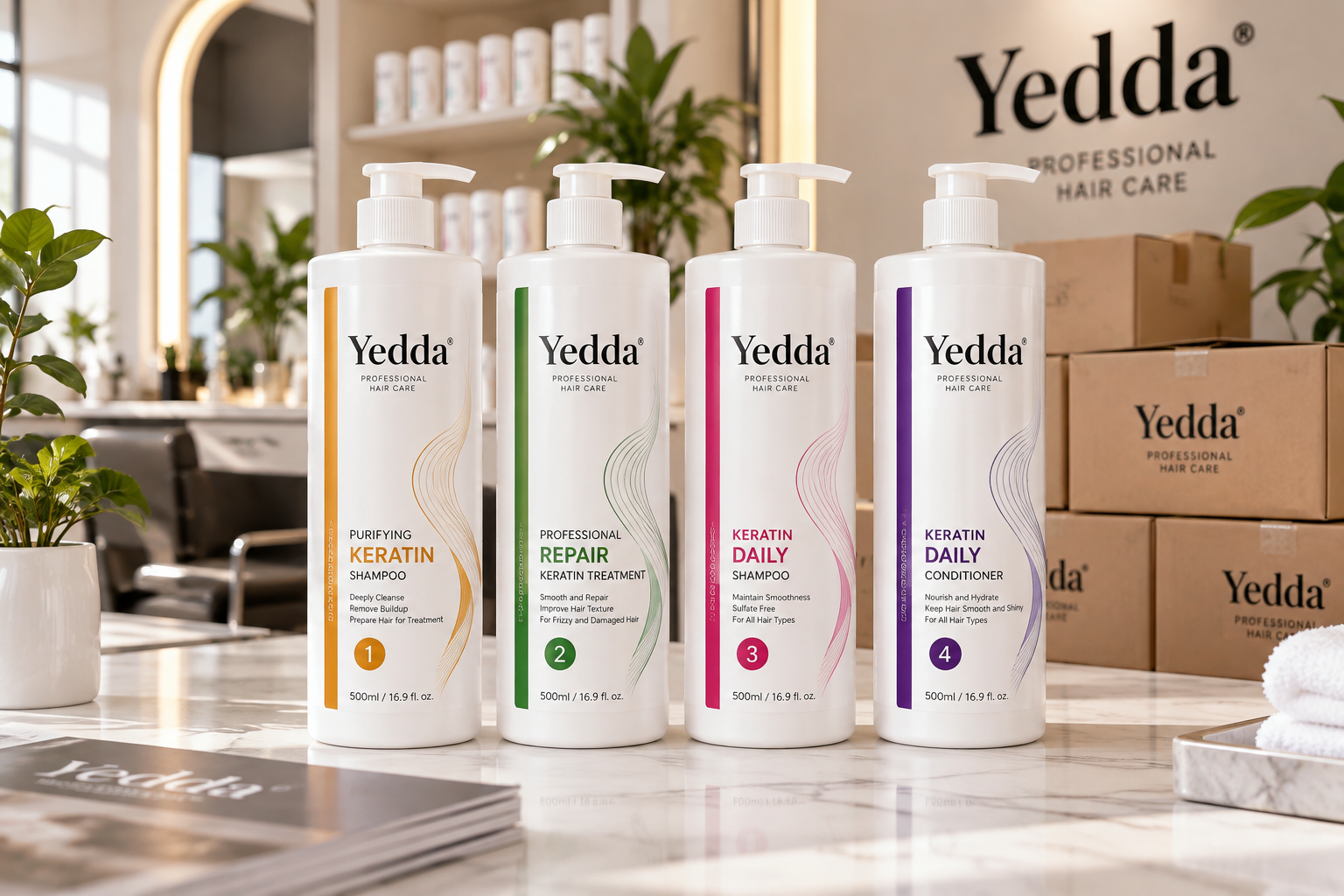
Understanding Keratin Shampoo and Conditioner Formulation
Before requesting quotations from manufacturers, salon brands should understand what keratin does in a cosmetic hair care formula and what it cannot realistically achieve.
What Is Keratin?
Keratin is a structural protein found naturally in human hair, nails, and the outer layers of skin. The hair fiber contains organized keratin proteins that contribute to its mechanical properties, strength, and structure.
Chemical processing, environmental exposure, friction, and excessive heat can change the condition of the hair fiber, resulting in increased roughness, tangling, dryness, and breakage.
Cosmetic products may use keratin-derived ingredients, particularly hydrolyzed keratin, as part of a conditioning system designed to improve the appearance and feel of hair.
Hydrolyzed Keratin vs. Ordinary Keratin
Hydrolyzed keratin is processed into smaller protein fragments or peptides. Depending on its molecular characteristics and the overall formulation, it may contribute to surface conditioning, film formation, improved combability, and a smoother cosmetic finish.
However, the presence of hydrolyzed keratin does not automatically prove that a shampoo permanently rebuilds the internal structure of damaged hair. Product performance depends on ingredient quality, concentration, formulation compatibility, deposition, and the testing performed on the finished product.
Buyers should therefore ask manufacturers which keratin ingredient is used, its origin, the supplier's technical specifications, and what performance evidence is available.
Keratin Shampoo Is Not the Same as a Keratin Straightening Treatment
This distinction is particularly important for professional salons.
A keratin shampoo or conditioner is generally a rinse-off cosmetic product designed for cleansing, conditioning, and improving hair manageability. A professional straightening or smoothing treatment may involve a different chemical system, application procedure, and heat-processing requirements.
Salon brands should never assume that a daily-use keratin shampoo will permanently straighten hair or provide the same results as an in-salon chemical smoothing service.
Clear product positioning protects customer trust and helps prevent misleading advertising claims.
How Salon Brands Can Position Private Label Keratin Shampoo
One of the most important decisions in private label product development is identifying the customer who will purchase the product.
A keratin shampoo intended for clients with dry, coarse hair should not necessarily use the same cleansing and conditioning balance as a lightweight product developed for fine hair.
Salon brands can consider three major positioning strategies.
Professional Post-Treatment Maintenance
This collection targets customers who have received professional smoothing services and need products suitable for their prescribed maintenance routine.
Product development may emphasize gentle cleansing, manageable hair, softness, and compatibility with the salon's treatment system. Claims about extending treatment longevity should be supported by appropriate testing.
Repair-Focused Daily Hair Care
This positioning focuses on customers who regularly color, bleach, or heat-style their hair. The product story can emphasize smoother-feeling strands, easier detangling, reduced visible frizz, and a more conditioned appearance.
These benefits can be relevant to both salon retail customers and professional beauty distributors.
Premium Anti-Frizz and Smoothing Care
Premium keratin hair care can target consumers who want sleek-looking hair without a heavy finish.
In this category, fragrance, texture, packaging design, conditioning feel, and the final appearance of styled hair all contribute to the perceived value of the product.
Choosing one clear positioning strategy before formulation begins makes supplier communication considerably easier.
Building a Complete Private Label Keratin Shampoo and Conditioner Collection
A successful professional collection does not have to launch with many products. In fact, starting with a coordinated two- or three-product routine can make inventory management and customer education simpler.
The most practical starting point is often a matched shampoo and conditioner, with an optional treatment product for customers seeking additional conditioning.
Product One: Custom Keratin Shampoo
The shampoo should remove excess oil, dirt, and styling residue while meeting the intended customer's expectations for cleansing and comfort.
A professional keratin shampoo development brief should define:
- Target hair type and scalp characteristics.
- Desired foam level and rinsing experience.
- Preferred surfactant system.
- Fragrance intensity and scent direction.
- Desired viscosity and product appearance.
- Conditioning performance after rinsing.
- Intended use frequency and market positioning.
The main goal is to create a cleansing product that complements the conditioner rather than simply adding keratin to an existing generic shampoo.
Product Two: Custom Keratin Conditioner
The conditioner should deliver the sensory benefits customers commonly associate with salon-quality hair care.
These may include easier wet combing, a smoother dry finish, softness, and improved manageability.
Conditioning performance is influenced by the complete formula, including fatty alcohols, cationic conditioning agents, emollients, polymers, protein ingredients, and the product's physical structure.
A well-developed conditioner can be a major reason customers continue purchasing the shampoo and conditioner together.
Product Three: Optional Keratin Hair Mask
A weekly treatment mask can expand the collection without requiring the salon to introduce an entirely different product concept.
The mask may offer a richer texture and more intensive conditioning experience than the daily conditioner.
From a commercial perspective, this creates opportunities for product bundles, professional treatment recommendations, and higher-value retail packages.
Product Four: Optional Leave-In or Heat Protection Product
A complementary leave-in conditioner or heat protectant can help turn a simple cleansing duo into a complete styling-care routine.
This extension should be planned carefully because leave-in formulas have different performance, safety, and application requirements from rinse-off products.
Key Ingredients in Private Label Keratin Shampoo Formulas
Ingredient selection is one of the most important stages when developing private label keratin shampoo.
A successful formulation requires a balanced system rather than relying on a single ingredient to deliver every claimed benefit.
Hydrolyzed Keratin
Hydrolyzed keratin can be used as a conditioning or film-forming component in hair care products. Its performance depends on the characteristics of the material and the surrounding formulation.
Buyers should request information about the ingredient's source, grade, recommended use level, and supporting technical documentation.
Panthenol
Panthenol, commonly associated with provitamin B5, is frequently included in conditioning formulas. It may contribute to moisturizing and hair-feel properties within a suitably developed product.
It can be considered for daily-use shampoo, conditioners, masks, and leave-in treatments.
Argan Oil and Other Emollients
Argan oil is a recognizable ingredient in premium smoothing and nourishment-focused hair care.
In a finished product, emollient ingredients can contribute to lubrication, softness, and a conditioned surface feel. Their performance depends on concentration, formulation design, and how the product is applied and rinsed.
Conditioning Polymers
Conditioning polymers help improve the sensory performance of many professional hair care products.
Some are selected to support wet combing and conditioning deposition, while others influence the feel of hair after drying.
Manufacturers should evaluate ingredient compatibility to avoid undesirable buildup, unstable viscosity, or inconsistent performance.
Fatty Alcohols and Conditioning Agents
Ingredients such as cetyl alcohol and cetearyl alcohol are commonly used to build conditioner texture and support the conditioning system.
Despite their names, these fatty alcohols are not the same as ethanol-based solvents commonly associated with rapid evaporation.
They can contribute to a creamy texture and a rich product experience when appropriately formulated.
Alternative Proteins for Different Brand Positioning
Some buyers prefer products positioned around plant-derived proteins or amino acids instead of animal-derived keratin.
Hydrolyzed wheat, rice, or other plant proteins may be evaluated as alternatives, but they should not automatically be described as identical to conventional keratin.
If vegan certification is important, the origin of all relevant raw materials and the finished formulation must be verified.
| Ingredient Category | Typical Formulation Purpose | Buyer Consideration |
|---|---|---|
| Hydrolyzed Keratin | Conditioning and film-forming properties | Source, grade and claim substantiation |
| Panthenol | Moisturizing and conditioning support | Compatibility and use level |
| Argan Oil | Emollient and smoothing sensory benefits | Supply quality and formulation stability |
| Conditioning Polymers | Detangling and manageability | Deposition and buildup potential |
| Fatty Alcohols | Conditioner texture and structure | Viscosity and rinse feel |
| Plant-Derived Proteins | Alternative conditioning concepts | Ingredient origin and labeling accuracy |
The final ingredient combination should be chosen through formulation development and testing rather than by simply maximizing the number of ingredients listed on the label.
Choosing the Right Keratin Formula for Different Hair Types
A major sourcing mistake is assuming that one keratin shampoo and conditioner set will perform equally well for every customer.
Salon brands should identify their core customer profile and develop samples for that audience.
Fine Hair
Fine hair customers may prefer a lightweight formulation that improves manageability without leaving excessive residue. The conditioner should be evaluated carefully for volume reduction and heavy after-feel.
Coarse and Frizzy Hair
Coarse hair may benefit from a richer conditioning system. Formulators can evaluate emollient selection, detangling performance, and the balance between softness and product buildup.
Color-Treated Hair
Color-treated hair care should consider cleansing strength, conditioning requirements, and the preservation of desirable hair appearance after repeated washing.
Brands should test color-related claims using suitable methods rather than assuming that sulfate-free or keratin-containing formulas automatically preserve color.
Bleached or Highly Processed Hair
Customers with heavily processed hair may prioritize wet combing, softness, reduced friction, and a smoother dry appearance.
Testing with representative damaged hair tresses can help determine whether a formula delivers meaningful improvements compared with an appropriate control.
A well-defined target customer makes both product development and marketing more effective.
Keratin Shampoo Wholesale: Why Salon Buyers Need a Complete Routine
When evaluating keratin shampoo wholesale suppliers, salon buyers should consider how the products work together rather than comparing individual bottles based only on price.
A coordinated professional routine can include shampoo, conditioner, a weekly mask, and a leave-in styling product.
For example, a salon may recommend shampoo and conditioner for regular home use, a mask for occasional intensive conditioning, and a heat protection product when clients use heated styling tools.
This approach has practical benefits for both stylists and customers. Stylists can explain the routine more clearly, while customers can purchase products according to their hair care needs.
Wholesale buyers should ask whether the manufacturer can maintain visual and sensory consistency across the collection.
- Do the products have coordinated fragrances?
- Are packaging colors and label designs consistent?
- Does each product have a clearly defined purpose?
- Can products be purchased separately and in sets?
- Are retail and professional-use sizes available?
- Can additional products be introduced later?
Coordinated product development is especially valuable for salon groups that want to build a recognizable professional brand across several locations.
Working With a Heat Protectant Manufacturer to Expand Keratin Hair Care
Heat styling is an important part of professional hair care, making heat protection a logical extension of some keratin-focused product collections.
However, salon brands should understand that a keratin shampoo does not automatically provide tested protection against blow dryers, curling irons, or straighteners.
A separate leave-in product may be more appropriate when the brand wants to communicate heat-related benefits.
What Does Scientific Research Say About Heat Damage?
A peer-reviewed study published in Annals of Dermatology, Hair Shaft Damage from Heat and Drying Time of Hair Dryer , evaluated changes in hair fibers after repeated drying treatments at different temperatures.
The researchers performed 30 treatment cycles and examined the hair using microscopy and other measurements. They reported that hair surface damage tended to increase with higher drying temperatures under the experimental conditions.
This research helps explain why heat exposure is relevant to product development. However, the study did not evaluate a particular commercial heat protection spray and should not be used as proof that any specific product prevents thermal damage.
What to Ask a Heat Protectant Manufacturer
If your brand plans to introduce a complementary spray or cream, ask the heat protectant manufacturer about:
- Available leave-in spray, cream, or serum formats.
- Recommended application methods and product use instructions.
- Heat-related performance testing methods.
- Hair tress evaluation and appropriate control samples.
- Residue, stickiness, combability, and styling performance.
- Compatibility with color-treated and chemically processed hair.
- Supporting evidence for any advertised heat protection temperature.
A trustworthy supplier should distinguish between an intended formulation benefit and a performance claim supported by completed testing.
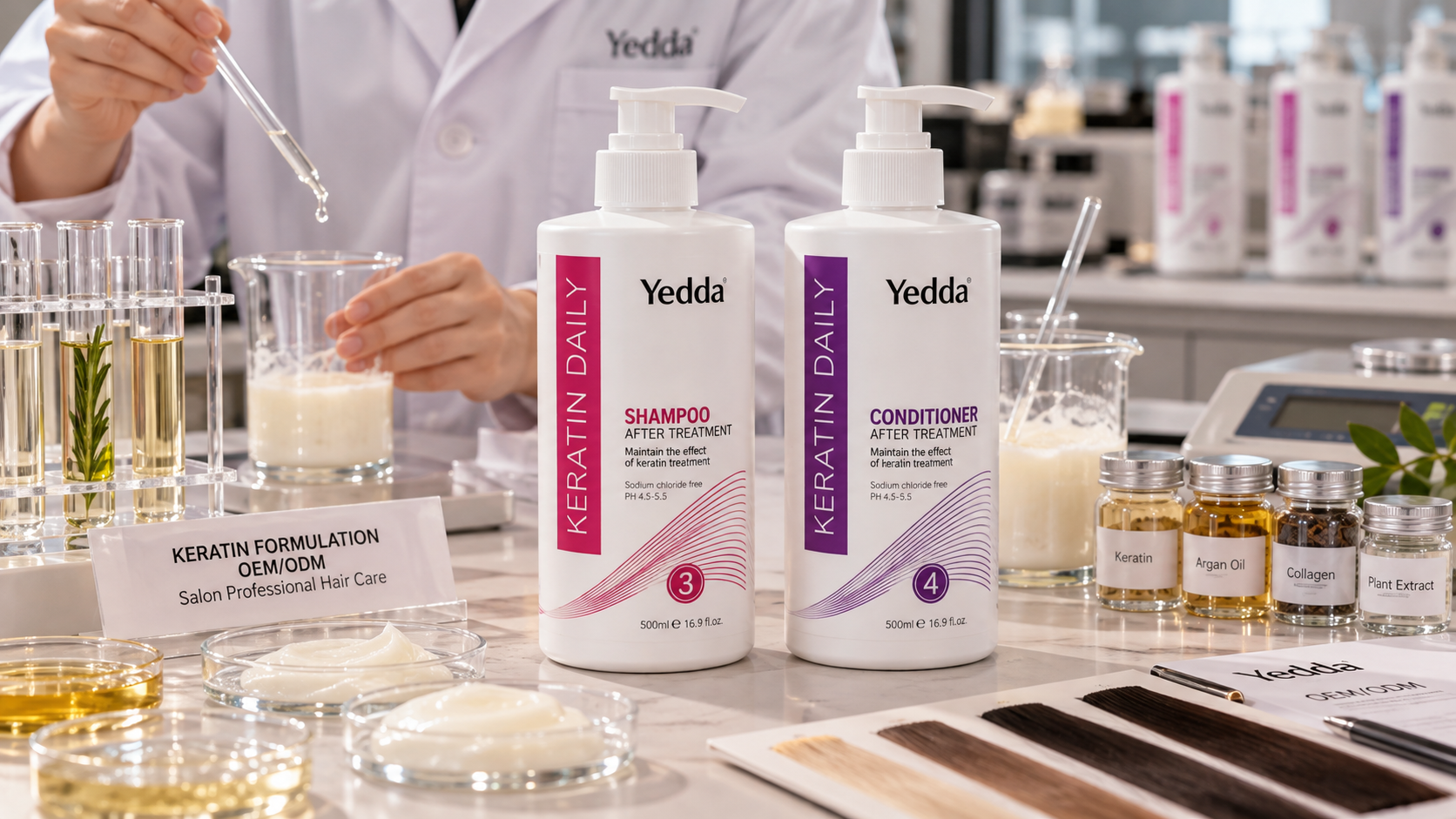
Private Label Keratin Shampoo vs. Fully Custom OEM/ODM Manufacturing
Salon brands generally have two main options when developing keratin shampoo and conditioner products: adapting an existing formula or commissioning a more extensively customized formulation.
Private Label Manufacturing
With a private label program, the manufacturer offers an existing formulation that can be packaged and branded according to the customer's requirements.
Depending on the supplier, customization may include fragrance, bottle selection, artwork, or selected formulation adjustments.
This option can be suitable for brands that want to reduce development complexity and launch a product without starting every formulation stage from the beginning.
Custom OEM/ODM Development
A custom development project begins with a more detailed product brief. The manufacturer develops or modifies the formula to meet the customer's intended performance, ingredient, packaging, and positioning requirements.
This approach may be more suitable for established salon brands that need a differentiated product experience or a formula designed around a specific customer group.
| Factor | Private Label | Custom OEM/ODM |
|---|---|---|
| Formula | Existing or adapted formula | Developed to a detailed product brief |
| Customization | Usually more limited | Potentially more extensive |
| Development Work | Generally lower | Generally higher |
| Sampling | May use existing product samples | May require multiple development rounds |
| Commercial Fit | Faster product introduction | Greater differentiation potential |
Neither option is automatically better. The right sourcing model depends on the brand's budget, launch schedule, customer expectations, and long-term product strategy.
Explore Yedda's private label shampoo manufacturing solutions to discuss available formulation and branding options.
How to Choose a Reliable Private Label Keratin Shampoo Manufacturer
Selecting a manufacturing partner is a strategic decision because the supplier will influence product performance, inventory reliability, regulatory documentation, and the brand's ability to expand.
Salon buyers should evaluate manufacturing capabilities using a structured checklist.
Hair Care Formulation Experience
A manufacturer should understand how surfactants, conditioning systems, fragrance, preservatives, proteins, and packaging interact in finished hair care products.
Ask whether the supplier has experience developing professional-use shampoos, conditioners, masks, and post-treatment maintenance products.
Production Quality Management
Buyers should review the manufacturer's quality systems, production procedures, and relevant documentation.
Where a supplier claims compliance with ISO 22716 or other manufacturing standards, request current supporting documents and confirm their scope and issuing organization.
Sampling and Communication
Good supplier communication is especially important for custom products. The manufacturer should be able to explain formulation changes and document sample revisions.
The sourcing team should understand which technical requirements have been accepted and which remain subject to testing.
Packaging and Supply Chain Capability
Ask whether the supplier can coordinate bottles, closures, pumps, labels, cartons, and export packaging.
Packaging components can affect minimum order quantities and lead times, so these details should be discussed before finalizing the formula.
Documentation and Traceability
Important information may include ingredient specifications, batch records, finished product specifications, microbiological results, and relevant safety documentation.
Buyers should identify which documents are included in the manufacturing service and which require additional work or third-party testing.
Choosing a supplier based on verified capabilities is more dependable than relying only on marketing claims or the lowest quoted price.
Sample Development for Custom Keratin Shampoo and Conditioner
Sampling gives salon brands the opportunity to evaluate product quality before committing to bulk production.
A structured sample evaluation process can also reduce disagreements about the approved formula.
Step 1: Prepare a Product Development Brief
Explain the target market, customer hair type, expected product positioning, desired ingredients, packaging preferences, and expected retail price range.
Reference products can be useful for communicating fragrance, texture, and sensory preferences. However, buyers should specify which characteristics matter instead of expecting an exact duplicate of another brand's proprietary formula.
Step 2: Evaluate Initial Samples
Salon professionals can assess the shampoo and conditioner under realistic application conditions.
Evaluation criteria may include:
- Shampoo foam generation and rinsing.
- Wet hair detangling after conditioner use.
- Fragrance strength during and after washing.
- Dry hair softness, shine, and manageability.
- Heavy residue or unwanted coating.
- Product appearance, viscosity, and dispensing.
Step 3: Collect Structured Feedback
Rather than using vague comments such as "make it better," record specific feedback from stylists and testers.
For example, a salon might request easier wet combing, less fragrance intensity, or a lighter conditioner after-feel.
Step 4: Approve a Reference Sample
Once the formula is accepted, the buyer and supplier should identify an approved reference sample or specification for production comparison.
This helps protect consistency when repeat orders are manufactured months later.
Quality Testing for Keratin Shampoo Wholesale Orders
Product quality cannot be evaluated through packaging appearance alone.
When sourcing keratin shampoo wholesale products, buyers should discuss a suitable quality control program before placing a large order.
Microbiological Quality
Shampoos and conditioners are typically water-containing cosmetic products. Depending on the formula and packaging, appropriate microbiological testing and preservative efficacy evaluation may be necessary.
Buyers should confirm which methods are used and whether the finished product meets the applicable microbiological acceptance criteria.
Stability Testing
Stability evaluation helps identify undesirable changes in appearance, odor, viscosity, pH, or other properties over time.
Accelerated conditions may provide useful preliminary information, but they do not automatically replace all real-time stability evidence needed to support shelf-life decisions.
Packaging Compatibility
A product may perform well in a laboratory container but encounter problems in its final retail packaging.
Compatibility testing can help assess discoloration, leakage, material interaction, closure reliability, and dispensing performance.
Physical and Chemical Specifications
Common finished product specifications may include appearance, odor, viscosity, pH, fill quantity, and other characteristics relevant to the formulation.
Acceptance ranges should be established by the manufacturer based on the approved product.
Performance and Claims Testing
If a brand intends to claim improved combability, reduced frizz, increased shine, or heat protection, it should consider appropriate substantiation.
Depending on the claim, methods could include controlled hair tress testing, instrumental measurements, or properly designed user assessments.
A Certificate of Analysis or routine product specification does not necessarily demonstrate that every advertised performance claim has been scientifically proven.
For professional salon brands, reliable testing can help prevent costly quality complaints and strengthen confidence in the finished collection.
Packaging Options for Shampoo and Conditioner Wholesale
Packaging influences purchasing decisions, dispensing convenience, shipping costs, and the overall perception of professional product quality.
Buyers planning shampoo and conditioner wholesale programs should select packaging according to their distribution channels.
Retail Bottles
Retail-oriented formats may include 250 ml, 300 ml, 400 ml, or 500 ml bottles, depending on the intended positioning.
Smaller formats may be appropriate for premium retail collections, while larger sizes can communicate value and convenience for frequent users.
Professional Backbar Packaging
Salons often require larger containers that are practical for repeated professional use.
Formats such as 1-liter pump bottles can be evaluated for backbar applications, subject to packaging availability and product compatibility.
Matching Shampoo and Conditioner Sets
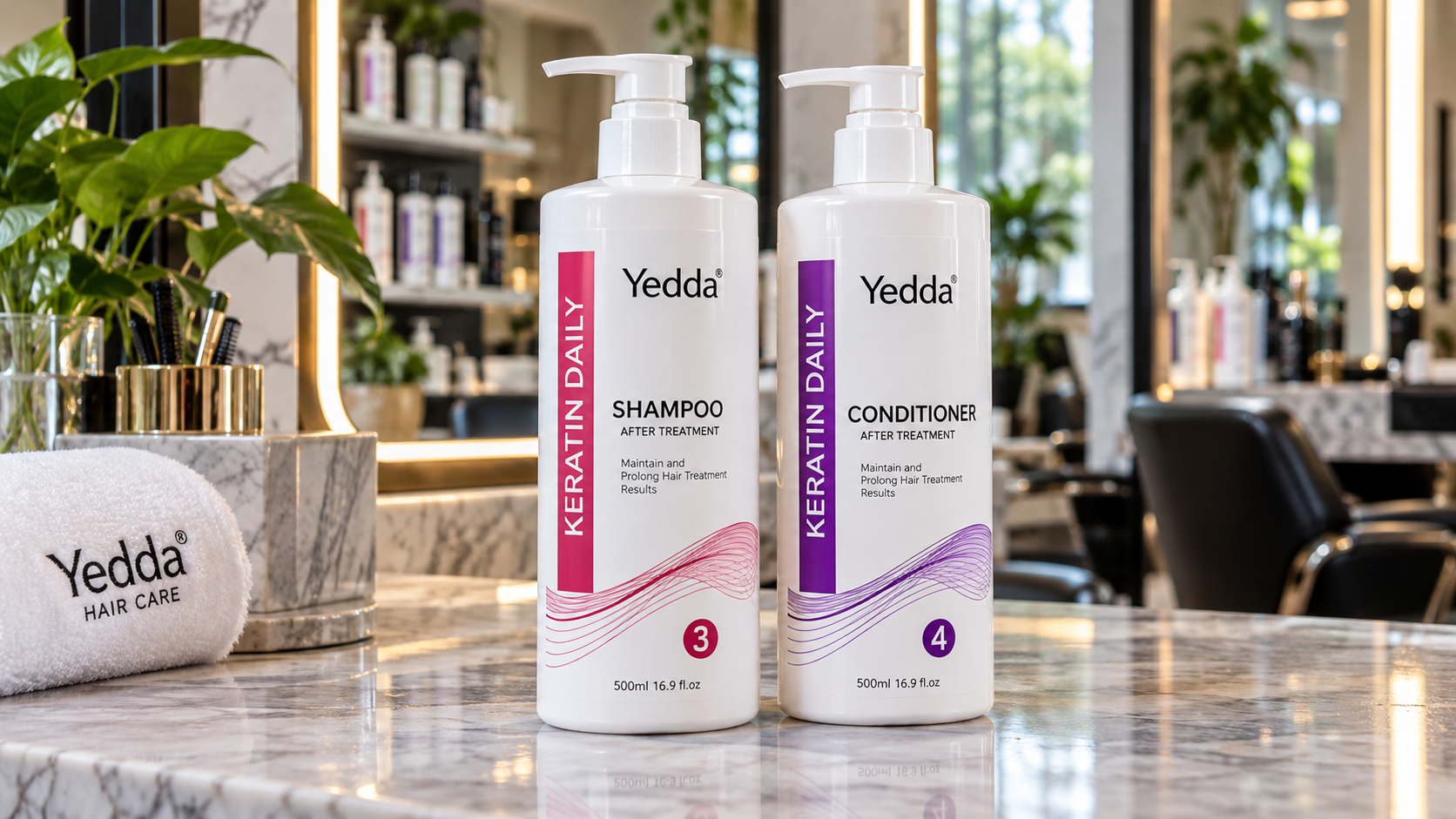
Coordinated packaging helps customers recognize products belonging to the same collection.
Consistent bottle shapes, complementary label designs, and clearly differentiated shampoo and conditioner names can improve shelf presentation.
Packaging Customization
Depending on the manufacturing program, customization may include bottle color, label printing, logo application, pump selection, cartons, and gift packaging.
Before approving artwork, buyers should confirm ingredient declaration requirements, net contents, warnings, business identification, and other applicable labeling information.
Premium packaging should support the brand's commercial position without creating unnecessary inventory costs or supply chain complexity.
Understanding MOQ and Pricing for Private Label Keratin Shampoo
Minimum order quantity, commonly called MOQ, is one of the first questions buyers ask when contacting a hair care manufacturer.
However, MOQ is not always a fixed number across all products and customization projects.
A supplier may offer different minimum quantities depending on the formula, ingredients, packaging requirements, and production arrangements.
What Affects MOQ?
- Formula selection: Existing formulations may require less development work than fully custom products.
- Packaging: Custom bottles or printing can create separate component minimums.
- Ingredients: Specialized raw materials may have supplier purchasing requirements.
- Fragrance: Exclusive fragrances may introduce development or purchasing costs.
- Order structure: Multiple product variations can affect production efficiency.
- Testing: Market-specific requirements can influence the total project budget.
Why the Lowest Unit Price Is Not Always the Best Offer
A low product quotation may exclude packaging development, laboratory testing, cartons, labeling, freight, or other project expenses.
Buyers should request a clearly itemized quotation before comparing suppliers.
For example, two manufacturers may quote different prices for what appears to be the same shampoo, but one quotation may include a pump bottle and printed label while the other covers only the filled product.
Calculate the Total Landed Cost
The relevant cost for an importing salon brand is often the total cost of getting the product into its destination warehouse.
A basic landed cost calculation may include:
Product Manufacturing + Packaging + Testing and Documentation + Freight + Insurance + Duties and Taxes + Local Handling = Estimated Total Landed Cost
This estimate can help buyers make better pricing decisions and avoid discovering additional expenses after production has started.
Shampoo and Conditioner Wholesale: Managing Inventory and Reorders
A strong shampoo and conditioner wholesale program requires reliable inventory planning as well as attractive products.
Salon distributors should consider how individual products are consumed, replenished, and sold through different channels.
Forecast Shampoo and Conditioner Separately
Although a shampoo and conditioner may be introduced as a pair, customers do not necessarily consume both products at identical rates.
Buyers should monitor separate sales data rather than assuming that every reorder will require equal quantities of each product.
Plan for Lead Time and Safety Stock
Replenishment planning should consider manufacturing lead time, packaging component availability, shipping arrangements, customs clearance, and local distribution.
Brands can reduce stockout risk by setting reorder points based on realistic demand and supplier timelines.
Avoid Excessive Product Variations
Launching too many fragrances, bottle sizes, and formulas simultaneously can create unnecessary complexity.
Each additional SKU introduces separate inventory, artwork, forecasting, and potentially manufacturing requirements.
Starting with a focused collection allows buyers to gather sales feedback before investing in more variations.
Document Product Specifications
Repeat orders should reference the approved formula, packaging components, labeling version, and relevant product specifications.
A consistent documentation process can help protect the customer experience as the business grows.
U.S. and EU Regulatory Considerations for Keratin Hair Care
International salon brands should address regulatory requirements early in the sourcing process.
Packaging artwork, ingredient selection, product classification, responsible-party information, safety documentation, and marketing claims may all be affected by the destination market.
United States: Cosmetic Compliance and MoCRA
In the United States, cosmetic businesses should review applicable requirements under the Federal Food, Drug, and Cosmetic Act and the Modernization of Cosmetics Regulation Act of 2022, commonly known as MoCRA.
The U.S. Food and Drug Administration's Cosmetic Facility Registration and Product Listing Guidance explains important registration and listing obligations, including relevant exemptions.
Manufacturers and responsible persons should determine which requirements apply to their products and business activities.
Importantly, FDA cosmetic facility registration or product listing is not the same as FDA approval. The FDA has also clarified that it does not issue certificates verifying compliance for these registration and listing activities.
Buyers should be cautious when a supplier presents an "FDA certificate" as proof that a cosmetic shampoo has been officially approved.
European Union: Cosmetic Product Safety and Documentation
Cosmetics sold in the European Union are subject to the applicable EU cosmetics framework, including Regulation (EC) No 1223/2009 on Cosmetic Products , as amended.
Relevant requirements include an EU responsible person, cosmetic product safety assessment, a Product Information File, appropriate notification, and compliant labeling.
The required safety documentation must be prepared and maintained in accordance with the applicable legal framework.
Brand owners should not assume that an export certificate or a supplier's internal product specification automatically satisfies these obligations.
Product Claims Require Careful Review
Terms such as "repairs damaged hair," "prevents breakage," "heat protection," and "long-lasting smoothing" should be evaluated in the context of the finished formula and the target market.
Claims may require suitable evidence, and advertising should not suggest medical or permanent structural effects that have not been established.
A keratin shampoo should also not be marketed as a professional chemical straightening treatment unless the product and its intended use genuinely support that classification.
Regulatory responsibilities should be agreed upon before production. Manufacturers may provide technical documentation, but the brand's legal obligations cannot simply be assumed to transfer to the supplier.
Custom Keratin Shampoo Manufacturing: From Concept to Shipment
A structured development process helps reduce unnecessary delays and makes it easier for salon brands to manage a manufacturing project.
Stage 1: Product Planning
The buyer defines the target customer, product positioning, intended market, budget, packaging concept, and expected order volume.
Stage 2: Formulation Selection or Development
The manufacturer recommends an existing formula or develops a custom formulation based on the approved brief.
Technical requirements should be documented so that both parties understand the development goals.
Stage 3: Sampling and Evaluation
Samples are reviewed for sensory performance, application experience, and other agreed characteristics. Revisions may be necessary before approval.
Stage 4: Packaging and Artwork
The parties confirm containers, closures, labels, cartons, ingredient declarations, and other product information.
Artwork should receive the necessary technical and regulatory review before printing.
Stage 5: Required Testing
Relevant stability, microbiological, compatibility, safety, and claim-support activities are completed or appropriately scheduled according to the product and destination market.
Stage 6: Production
The approved formula is manufactured and filled under the agreed quality procedures. Finished goods are checked against applicable specifications.
Stage 7: Packaging and Shipping
Products are packed according to transport requirements, and the parties coordinate documentation, shipping responsibilities, and delivery arrangements.
Stage 8: Repeat Order Management
Once products enter the market, the buyer can monitor customer feedback, sales performance, complaints, and stock levels.
The objective is not merely to complete the first order but to establish a repeatable supply process that supports long-term brand development.
How Salon Brands Can Improve Profitability With Keratin Shampoo Wholesale
Profitability depends on more than the difference between factory price and retail price.
Salon brands should evaluate their entire commercial model, including landed cost, channel margins, sales volume, inventory turnover, and marketing expenses.
Build Product Bundles
A keratin shampoo and conditioner duo can provide a straightforward product offer for clients seeking a coordinated routine.
A premium bundle could add a mask or leave-in treatment, provided that each product contributes a clear function.
Use Professional Education
Stylists can help customers understand how and when to use each product.
Consistent product education is especially important when the collection includes aftercare products for professional salon services.
Protect Distribution Margins
Brands selling directly and through independent salons should consider how wholesale and retail pricing interact.
A pricing strategy should leave sufficient room for distributor and retailer margins while remaining appropriate for the target customer.
Focus on Customer Retention
Shampoo and conditioner are recurring-use products. Customers who consistently enjoy the product experience may be more likely to purchase again.
Reliable manufacturing and batch consistency are therefore closely connected to the commercial performance of a salon hair care brand.
Common Mistakes When Sourcing Private Label Keratin Shampoo
Understanding common purchasing mistakes can help brands avoid avoidable costs and launch delays.
Mistake 1: Selecting Products Only by Price
The lowest quotation may not reflect the same formulation quality, packaging specifications, testing scope, or delivery terms as another supplier's offer.
Mistake 2: Making Unsupported Performance Claims
Ingredient names alone are not sufficient evidence for claims about permanent repair, straightening, or heat protection.
Mistake 3: Ignoring Product Compatibility
Shampoo, conditioner, fragrance, packaging, and optional treatment products should be evaluated as a coordinated collection where appropriate.
Mistake 4: Approving Packaging Too Early
Ordering custom bottles before confirming formula compatibility, fill requirements, and artwork can create unnecessary rework.
Mistake 5: Overlooking Market Requirements
A product suitable for one market may require different labeling, documentation, or claim review before being sold in another.
Mistake 6: Failing to Plan Reorders
Even a successful product launch can encounter problems if a brand has not considered manufacturing lead times and inventory replenishment.
A carefully managed sourcing project considers product performance, compliance, cost, and operational reliability together.
Why Work With Yedda for Private Label Keratin Shampoo and Conditioner?
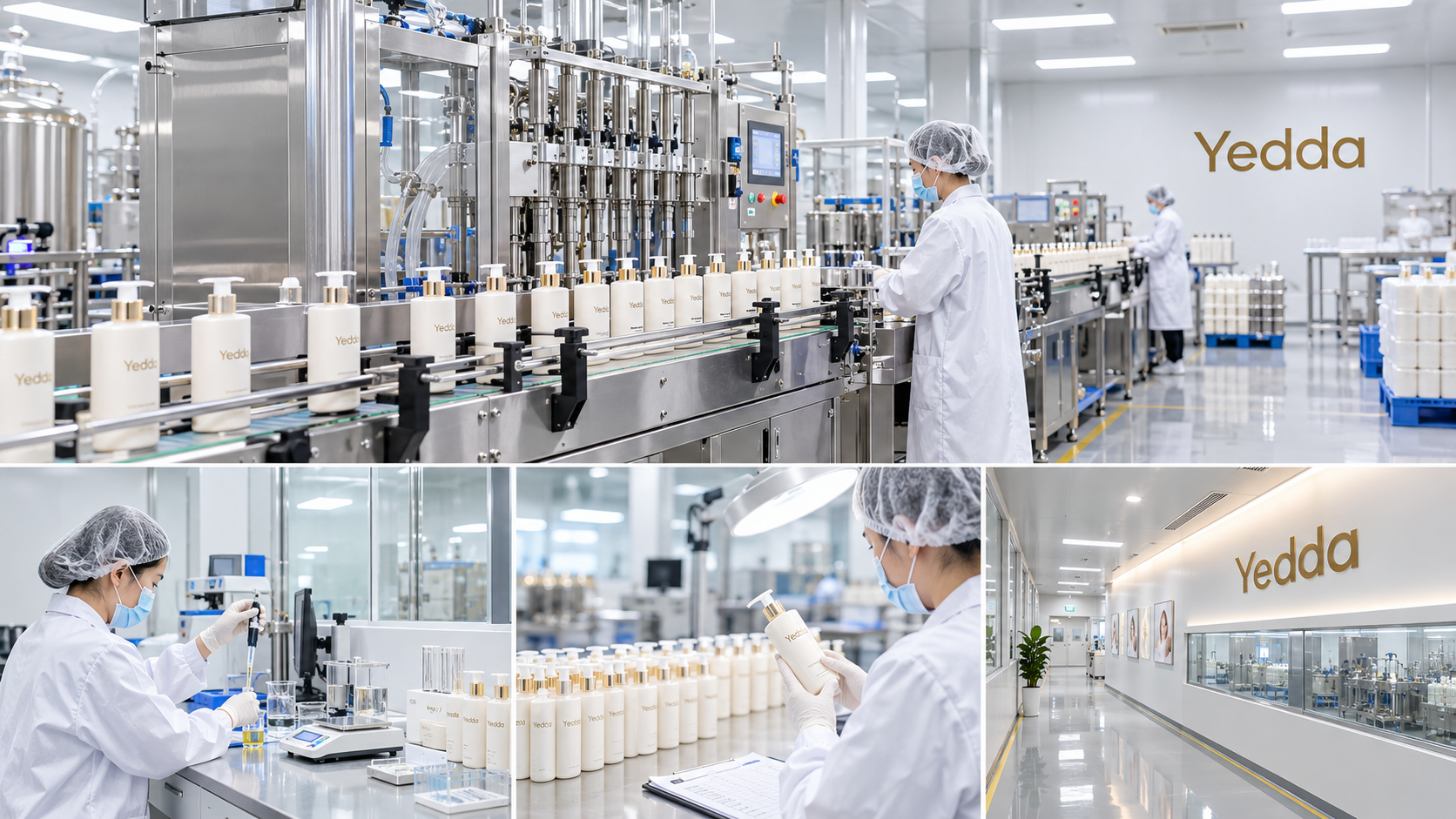
Yedda, operated by Guangzhou L&Y Cosmetics Co., Ltd., is a China-based hair care and cosmetics manufacturer serving international B2B customers.
Established in 2013, the company focuses on hair care manufacturing and provides OEM/ODM solutions for salon brands, distributors, beauty businesses, and other professional purchasers.
Yedda's product categories include shampoo, conditioner, hair masks, smoothing care, scalp care, and other hair treatment products.
For salon brands interested in developing a custom keratin collection, Yedda offers a manufacturing partnership covering several important stages of product development.
Custom Formula Development
Buyers can discuss product requirements such as target hair type, cleansing performance, conditioning experience, fragrance, texture, and ingredient preferences.
Private Label Packaging
Brand customization may include label design, packaging selection, and coordinated presentation across shampoo and conditioner products.
Multiple Hair Care Categories
A brand beginning with a keratin shampoo and conditioner duo may also explore complementary hair masks, leave-in treatments, and other professional hair care products.
Manufacturing and Export Support
Yedda supports manufacturing, quality-related documentation discussions, packaging coordination, and international order fulfillment.
Specific ingredient options, finished product test reports, MOQ, certifications, lead times, and export documents should be confirmed for each individual project.
Explore Yedda's custom shampoo manufacturing services and private label hair care solutions to learn more about possible product development options.
What to Include in Your Keratin Shampoo Wholesale RFQ
A clear Request for Quotation (RFQ) can make supplier communication more efficient and improve the accuracy of pricing information.
Instead of simply asking for the price of keratin shampoo, provide details about your intended product and commercial requirements.
Recommended RFQ Checklist
- Product types: Keratin shampoo, conditioner, mask, or a complete routine.
- Target market: United States, European Union, Middle East, or another region.
- Customer profile: Salon professionals, retail consumers, or distributors.
- Product positioning: Smoothing, daily maintenance, or conditioning for damaged hair.
- Formula preferences: Desired keratin ingredients, surfactants, fragrance, and other characteristics.
- Packaging: Bottle size, closure, label, carton, and branding requirements.
- Estimated order quantity: Initial quantity per product and expected reorder volumes.
- Testing: Required specifications, documentation, and performance claims.
- Delivery destination: Country, warehouse location, or intended shipping port.
- Timeline: Target sampling, approval, and launch dates.
For buyers exploring keratin shampoo wholesale or a custom salon collection, this information helps manufacturers recommend more relevant options.
It also makes it easier to distinguish a realistic manufacturing quotation from a preliminary price estimate that excludes important project requirements.
Conclusion: Build a Competitive Keratin Hair Care Brand With the Right Manufacturer
Developing custom keratin shampoo and conditioner is an opportunity for salon brands to expand beyond professional services and establish a recognizable retail product collection.
The strongest products begin with clear customer positioning, thoughtful ingredient selection, reliable testing, and coordinated packaging. Equally important is choosing a manufacturing partner that understands the requirements of B2B purchasing and repeat production.
Whether you are planning a small private label launch, sourcing shampoo and conditioner wholesale products, or developing a specialized professional hair care range, the goal should be consistent product quality and sustainable business growth.
Yedda works with international salon brands and hair care distributors to discuss custom formulations, private label packaging, and OEM/ODM manufacturing solutions.
Ready to develop your own keratin shampoo and conditioner collection? Contact Yedda Hair Care to discuss your product concept, request available sample options, and obtain a quotation based on your requirements.
Frequently Asked Questions About Private Label Keratin Shampoo
FAQ 1: What is the minimum order quantity for private label keratin shampoo and conditioner?
The minimum order quantity depends on the manufacturer's production requirements, formula selection, packaging components, and level of customization. Existing private label formulas may have different order requirements from fully customized OEM/ODM products.
When comparing suppliers, request the MOQ separately for shampoo, conditioner, and any additional treatment products. Also confirm whether the quotation includes custom packaging, printing, testing, and other required services.
For a Yedda project, the appropriate MOQ and quotation should be confirmed directly according to the intended formulation and packaging specifications.
FAQ 2: Can I customize the ingredients, fragrance, and packaging of private label keratin shampoo?
Yes. Many private label and OEM/ODM manufacturers offer customization options, although the available scope varies by supplier and production program.
Buyers may be able to adjust the fragrance, packaging, viscosity, conditioning characteristics, and selected ingredients. More extensive changes may require additional development, compatibility evaluation, stability testing, and documentation.
Salon brands should prepare a detailed product brief and confirm whether they are choosing an existing formula or commissioning a new one. A manufacturer should provide sample options for evaluation before bulk production is approved.
FAQ 3: Is keratin shampoo suitable for salon clients after a professional smoothing treatment?
Keratin shampoo and conditioner can be developed as part of a salon aftercare collection, but suitability depends on the specific formula and the professional treatment used.
Buyers should not assume that every keratin shampoo is compatible with every smoothing service. The cleansing system, conditioning ingredients, use instructions, and relevant treatment manufacturer recommendations should be considered.
Claims about extending the durability of a salon treatment should be supported by appropriate testing. A responsible manufacturer can help evaluate formulation requirements without promising unverified results.
FAQ 4: How do I find a reliable keratin shampoo wholesale supplier for my salon brand?
Start by reviewing the supplier's hair care formulation experience, manufacturing quality system, sample development process, packaging capabilities, and available technical documentation.
Request representative samples and compare them using clear evaluation criteria. Confirm which quality tests are performed, how finished product specifications are controlled, and what responsibilities apply to regulatory compliance in your target market.
You should also assess communication, MOQ, pricing transparency, lead times, and repeat-order reliability. A suitable supplier should support long-term product consistency, not simply offer the lowest initial price.
If you are sourcing private label keratin shampoo, professional conditioners, or complementary hair care products, you can contact Yedda Hair Care for a custom manufacturing consultation .