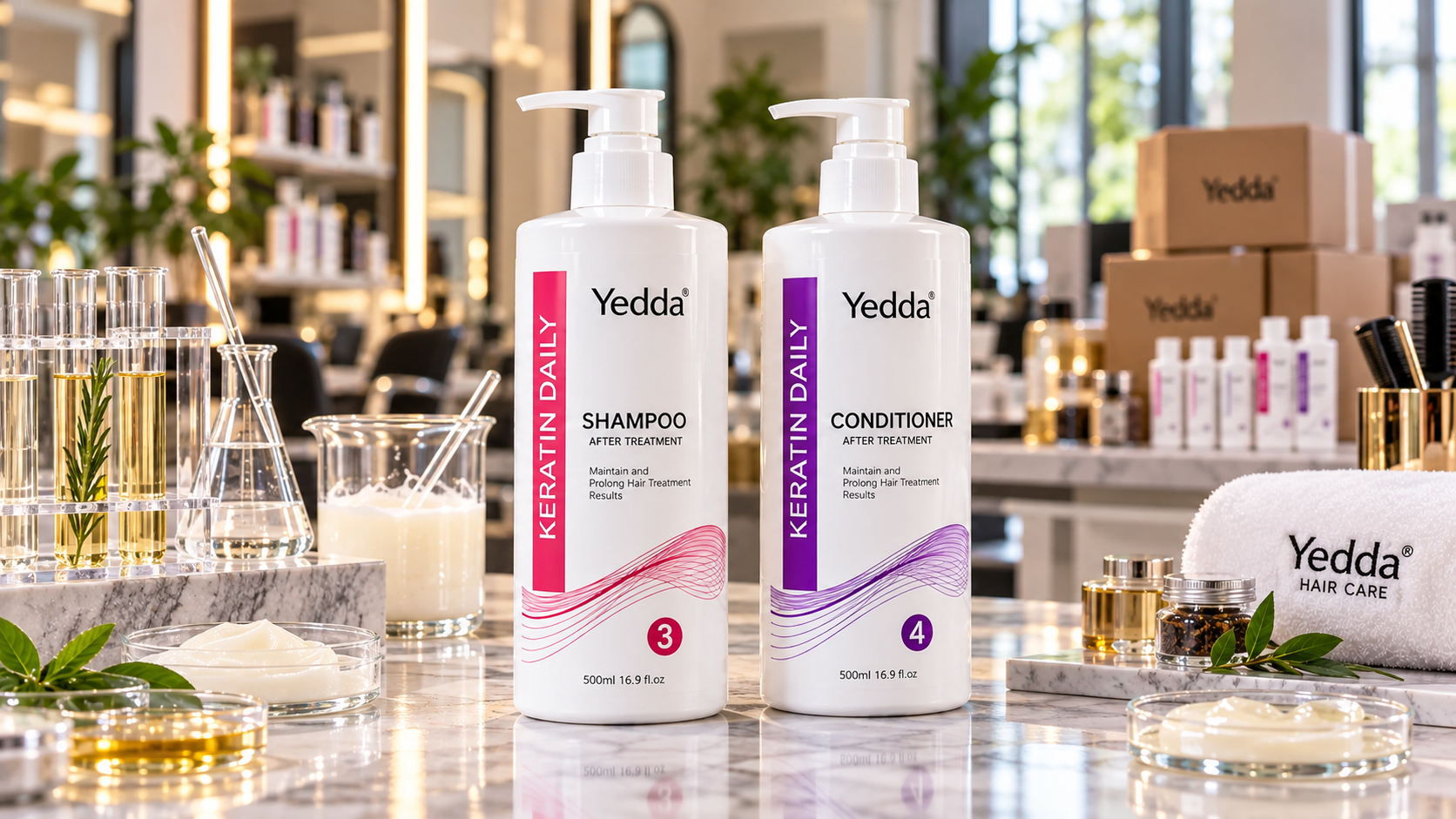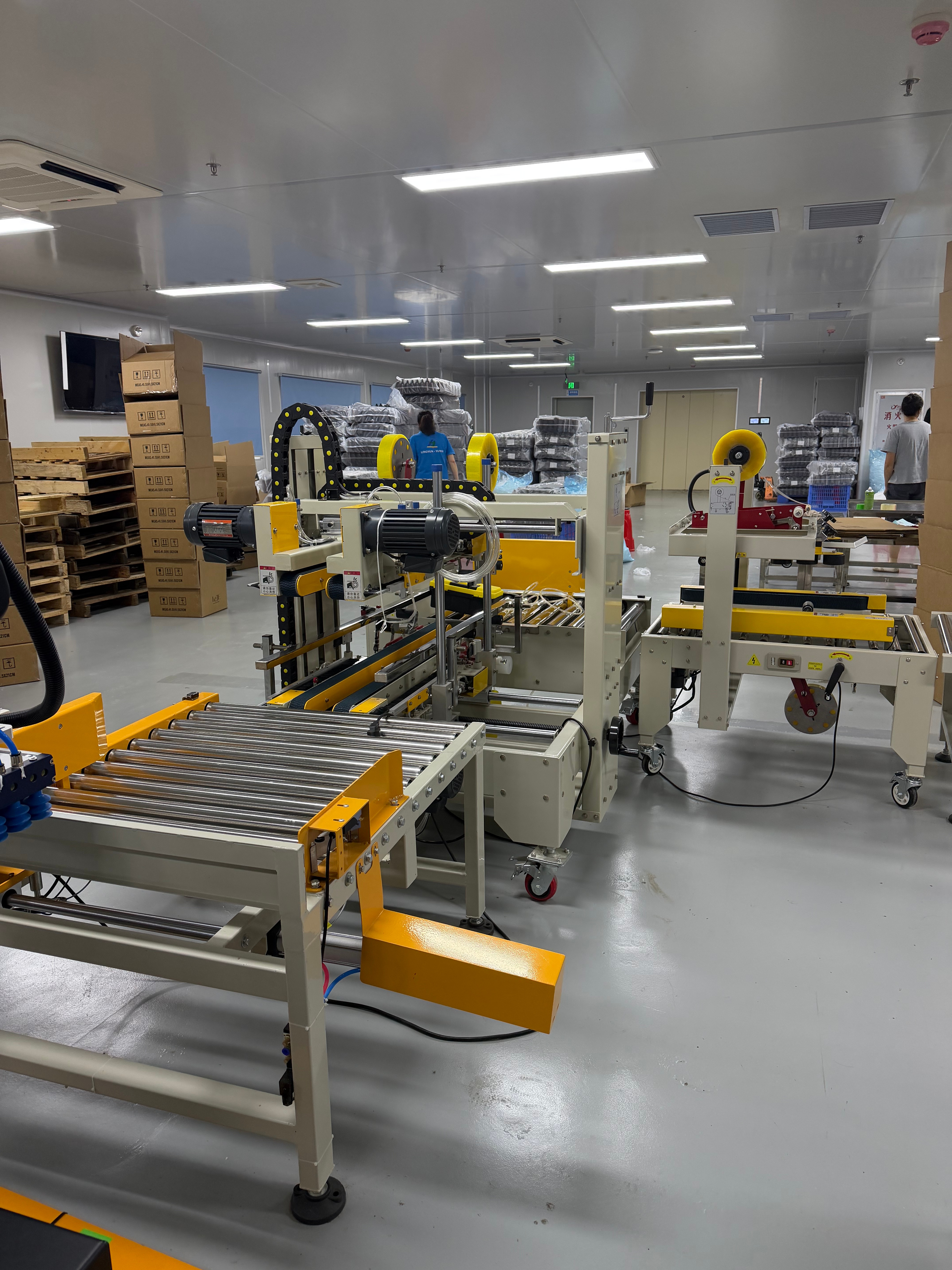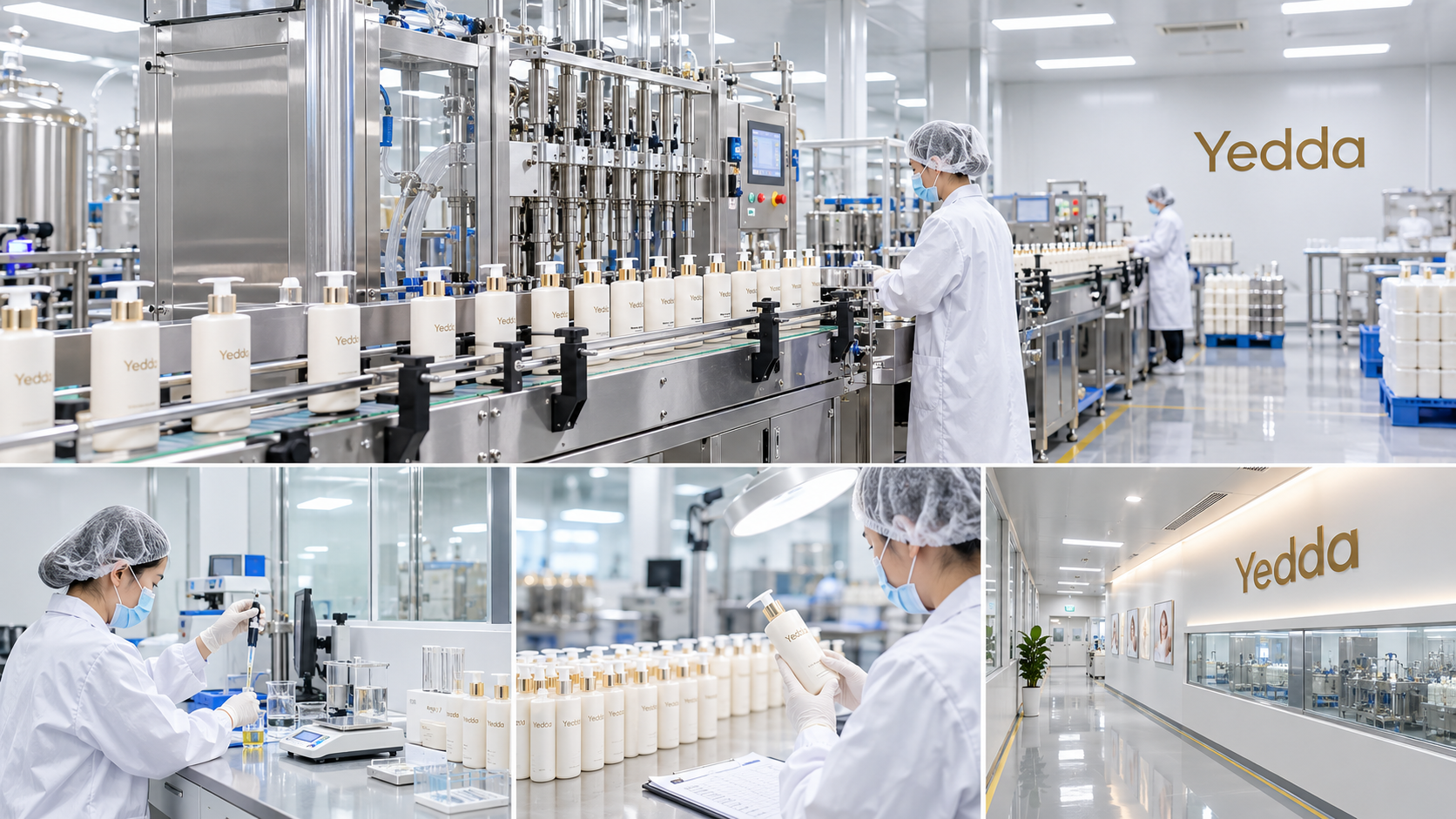

Regulatory Notice: The technical parameters and cosmetic formulations discussed in this whitepaper are intended strictly for business-to-business (B2B) evaluation, private label sourcing, and general informational purposes. These statements have not been evaluated by the Food and Drug Administration (FDA) or European Medicines Agency (EMA). These products are cosmetics and are not intended to diagnose, treat, cure, or prevent any scalp disease or medical hair loss condition.
📋 Quick Navigation Quick Links
- 1. Botanical Mechanisms: High-Purity Extractions for Volume Growth
- 2. Stabilization Principles: Managing Macromolecular Hydrolysis and Charge Incompatibility
- 3. Formulation Matrix: Cross-Linking Peptide Chains with Botanical Vectors
- 4. Sourcing & Financial Margin Engineering: 500ml Cost Forecasts
- 5. Global Supply Chain Logistics & Stability Testing Framework
- 6. Regulatory Sourcing & Procurement FAQ
For modern DTC brand owners, e-commerce cosmetic sellers, and international salon distributors navigating the global hair care market, establishing long-term commercial success requires a precise alignment between two supply chain pillars: capturing consumer purchasing data trends and securing stable, predictable product margins. In the current global marketplace, the functional hair care sector is experiencing a significant structural shift. Basic cleansing products are heavily commoditized, creating red-ocean price competition. Sustained brand equity, higher average order value (AOV), and strong customer retention belong to brands sourcing formulations grounded in Functional Trichology, Scalp Micro-Ecosystem Management, and Structural Fiber Support.
Driven by the global consumer phenomenon known as the "Skinification of Hair," premium buyers are actively seeking clinical-grade, verified ingredient systems. At the apex of this movement are advanced peptide complexes, specifically Copper Tripeptide-1 and bio-active lipopeptides. When properly formulated, these target-specific chains support the scalp micro-environment and help maintain proper follicular functions. However, manufacturing high-margin peptide treatments introduces complex chemical engineering challenges. Because active peptides are structurally fragile macromolecules, standard compounding processes can lead to premature degradation—rendering the finished batch unviable before it clears international customs.
To mitigate these formulation vulnerabilities, global procurement teams must vet their contract manufacturing partners against rigorous international production standards. Brands can evaluate these essential baselines by consulting the definitive guide on Searching for a Haircare OEM/ODM Manufacturer: These 5 Certifications are the Ultimate Proof of Reliability.
---
📌 Executive Summary & Operational tracks
This technical whitepaper outlines a dual-track manufacturing framework designed to accommodate varying brand budgets and scale profiles:
🚀 Track A: The Agile Growth Tier (Optimized for Market Speed) – Utilizing pure, highly refined, molecularly distilled Rosemary and Batana oils inside cost-effective chassis to capture marketplace volume with competitive low factory MOQs.
💎 Track B: The Premium Clinical Tier (Optimized for Salon & Prestige Tiers) – Integrating high-potency Copper Tripeptide-1, biomimetic multi-peptide complexes, and advanced nanosphere liposomal micro-encapsulation to lock in ultimate structural stability.
---
1. Botanical Mechanisms: High-Purity Extractions for Volume Growth
Ask yourself: Why do 70% of trending hair care brands on social media fail to secure repeat orders after their first viral video? The answer lies in structural product failure. Private label brands seeking to justify healthy retail markups must understand the physiological dynamics of hair shaft support and fiber structural integrity. Hair thinning and breakage are heavily accelerated by external environmental aggressors, accumulation of sebum deposits, and structural degradation due to hard water mineral deposition. Traditional mass-market botanical shampoos often introduce unrefined, heat-degraded extracts that act purely as marketing claims on the label. Advanced procurement requires a strict adherence to certified extraction methodologies to preserve core phytochemical integrity, as supported by independent research published in the National Institutes of Health (NIH) PubMed Central database.
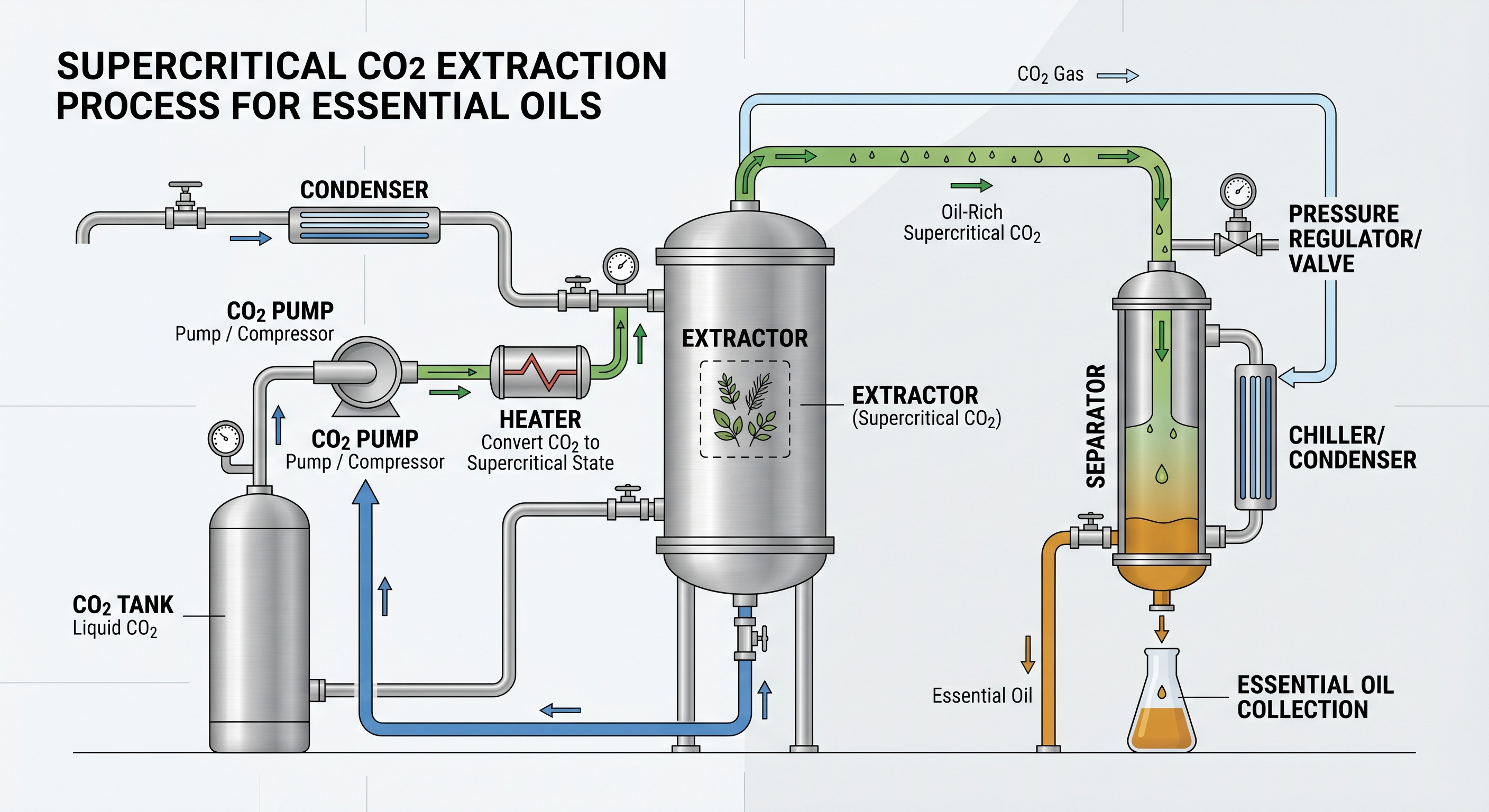
Supercritical $CO_2$ Fluid Extraction for Rosemary Essential Oil
Standard mass-market ingredient suppliers utilize high-heat steam distillation to harvest Rosemary oil. This thermal process can degrade delicate active carnosic acid, ursolic acid, and rosmarinic acid compounds, while introducing moisture impurities that destabilize finished formulas. Our verified manufacturing contract infrastructure deploys low-temperature, high-pressure Supercritical $CO_2$ Fluid Extraction Systems. By handling the botanical matrix under liquid carbon dioxide states, we isolate pure volatile phytonutrients at an optimized molecular ceiling. The resulting extract is free from chemical solvents and trace heavy metals, providing an ideal, clean environment to support scalp micro-circulation and maintain normal follicular functions.
Multi-Stage Vacuum Molecular Distillation for Batana Oil
Raw, unrefined Batana oil contains heavy carbon particulate residues and carries a scorched, pungent aroma that can negatively impact a consumer's sensory evaluation. To eliminate these characteristics without stripping the oil's vital lipid-repair chains, the raw ingredient undergoes Multi-Stage Vacuum Molecular Distillation inside our certified facility. Under absolute negative pressures, volatile odorous compounds and carbon residues are cleanly fractionated away at precise boiling thresholds, leaving an ultra-refined oil matrix rich in oleic and linoleic fatty acids. This high-purity oil blends uniformly into water-based emulsions, thoroughly conditioning high-porosity hair shafts to minimize breakage and split ends without weighing down fine hair fibers.
---
2. Stabilization Principles: Managing Macromolecular Hydrolysis and Charge Incompatibility
While bioactive peptides offer advanced functional claims, they are structurally vulnerable in water-based cosmetic bases. Peptides are held together by sensitive amide bonds. If a manufacturing facility compounds peptides using basic, uncalibrated batch processing, the formulation can undergo premature chemical hydrolysis, cleaving the amino acid chains and rendering the active payload ineffective.
Furthermore, from an electrochemical perspective, high-potency peptides like Copper Tripeptide-1 carry a strong positive cationic charge. If compounded directly into a standard, low-cost anionic surfactant chassis (such as SLS or SLES which carry heavy negative charges), an immediate electrostatic neutralization occurs. The negative surfactant ions bind with the positive peptide chains, causing the macromolecules to collapse, agglomerate, and form micro-opaque precipitation at the bottom of the batch tank. This completely compromises both the formula's visual transparency and its functional efficacy on the scalp. Our central production facility resolves these electro-chemical issues at the foundation, utilizing specialized cleanroom configurations detailed in the Haircare OEM/ODM Factory Yedda Private Label Production Profile.
To eliminate chemical incompatibility, our R&D facility enforces three rigid compounding engineering protocols:
Advanced Nanosphere Liposomal Micro-Encapsulation
Peptide chains carry specific hydrophilic charges that naturally repel the lipophilic sebum layer of the scalp. To ensure optimized transdermal delivery, advanced contract labs deploy Liposomal Micro-Encapsulation Technology. By wrapping fragile chains like Copper Tripeptide-1 inside a biocompatible lecithin phospholipid bilayer, the peptide is protected from environmental pH shocks during storage. Upon application, this lipid shell diffuses through the hydrophobic stratum corneum, releasing pure active payloads directly into the targeted scalp zones.
High-Shear Vacuum Homogenizer Micro-Fluidics
To ensure that the ultra-refined Batana oil in Track A remains perfectly suspended without phase separation, and the fragile liposomal nanospheres in Track B remain intact without mechanical tearing, our facility utilizes automated High-Shear Vacuum Emulsification Homogenizers. Operating under precise negative pressures to prevent oxygen-induced aeration, the system deploys calibrated rotor-stator shear rates. This breaks the oil phase down into uniform, sub-micron droplet diameters ($< 200\ nm$) evenly suspended throughout the aqueous amino-acid surfactant matrix. This absolute physical equilibrium ensures that the formulation will never separate, cloud, or thin out under varying storage temperatures.
Double-RO Deionized Pure Water Baselines & pH Buffering
Free-floating trace minerals found in standard municipal processing water (such as calcium or iron ions) act as heavy catalysts for oxidation. If processing water contains minor mineral impurities, added peptides form complex salts and precipitate out of solution, destroying shelf life. Our export production facility utilizes a continuous Double-Reverse Osmosis (Double RO) Deionized Purification System, delivering water at a zero-conductivity baseline to guarantee absolute long-term chemical stability. This is locked into place by utilizing citric acid/sodium citrate chemical buffering complexes to maintain a narrow, biocompatible scalp equilibrium of $pH\ 5.5 \pm 0.2$.
---
3. Formulation Matrix: Cross-Linking Peptide Chains with Botanical Vectors
How do you turn cold, complex laboratory chemistry terms like "Acetyl Tetrapeptide-3" into a viral e-commerce cash cow? The secret lies in a dual-engine marketing narrative. Natural botanical oils like Rosemary Essential Oil and Batana Oil possess immense organic momentum on social platforms, but can struggle to justify prestige salon-grade price points on their own. The ultimate product design strategy is to cross-link viral botanical concepts with verified peptide realities, establishing a balanced product narrative that supports structural hair health and reduces consumer return rates. Brands seeking custom product asset design and scalable formulation support can review our full OEM/ODM Sourcing Solutions.
- The Rosemary & Peptide Hair Scalp Serum Line: Rosemary oil acts as a natural micro-vascular stimulant, conditioning the scalp surface. When coupled with Copper Tripeptide-1, the formulation optimizes the transdermal pathway, allowing nanosphere-encapsulated peptides to deliver highly effective localized micro-nutrition to help maintain normal follicular functions.
- The Batana Oil & Lipopeptide Fiber Mask: By using fractionated, molecularly de-odorized Batana Oil cross-linked with structural keratin-mimetic peptides, our laboratory builds deep-conditioning treatments that thoroughly coat hair cuticles to minimize structural split ends while maintaining a lightweight, salon-grade aesthetic finish.
---
4. Sourcing & Financial Margin Engineering: 500ml Cost Forecasts
Let's demystify the financial arithmetic. A common misconception among brand managers is that upgrading to premium peptide technology will destroy their operational cash flow. In high-precision cosmetic chemistry, active peptides and premium botanical oils are calibrated at precise, scientifically validated micro-dosages (parts per million or ppm thresholds) where they achieve maximum activity without raw material waste. Shifting a baseline private label formula up to a clinical cross-linked peptide compound increases the factory bill of materials (BOM) cost per unit by a predictable margin, while shifting the product's market positioning into a premium functional tier. For an extensive overview of available pre-formulated options across varying pricing tiers, purchasers can review our full Wholesale Products Item Catalog.
To provide completely transparent clarity for your financial and inventory capital planning, our supply chain team has structured an industrial procurement matrix calculated for a standardized 500ml (16.9 fl oz) packaging specification at a baseline 10,000 unit manufacturing run:
| Sourcing & Operational Parameters | 🚀 Track A: Agile Growth Tier (Mass Market) | 💎 Track B: Premium Clinical Tier (Luxury/Salon) |
|---|---|---|
| Core Formulation Chassis Design | Pure Refined Rosemary & Batana Oil Blend in high-yield mild surfactant chassis | Supercritical Rosemary/Batana + Liposomal Copper Peptides + Pure Amino Acid Base |
| Liquid Content Cost (BOM) | $0.45 - $0.65 (Budget-Friendly) | $0.85 - $1.20 (Clinical active chains) |
| Packaging & Aesthetic Pumps | $0.40 - $0.50 (Standard sleek PET bottle with durable leak-proof dispenser pump) | $0.65 (Custom thick-walled, heavy-weight premium aesthetic PET bottle) |
| Estimated Factory Unit Cost (EXW) | $0.85 - $1.15 | $1.50 - $1.85 |
| Target Retail Price (MSRP Range) | $9.99 - $14.99 (High Velocity) | $34.99 - $45.00 (Luxury Margin Tier) |
| B2B Factory MOQ Flexibility | Flexible low starting tiers for fast testing | Standard multi-peptide compounding batch minimums |
To support brand differentiation strategies across these tracks, our laboratory maintains stable product baselines targeting specialized structural concerns. Brands interested in launching a deep-cleansing, scalp-refreshing collection can evaluate our benchmark Tea Tree Anti-Dandruff Oil Control Set. Alternatively, for brands targeting advanced anti-breakage markets with mild amino-acid baselines, we provide a pre-stabilized, sulfate-free Natural Onion and Herbal Squalane Growth Formulation.
---
5. Global Supply Chain Logistics & Stability Testing Framework
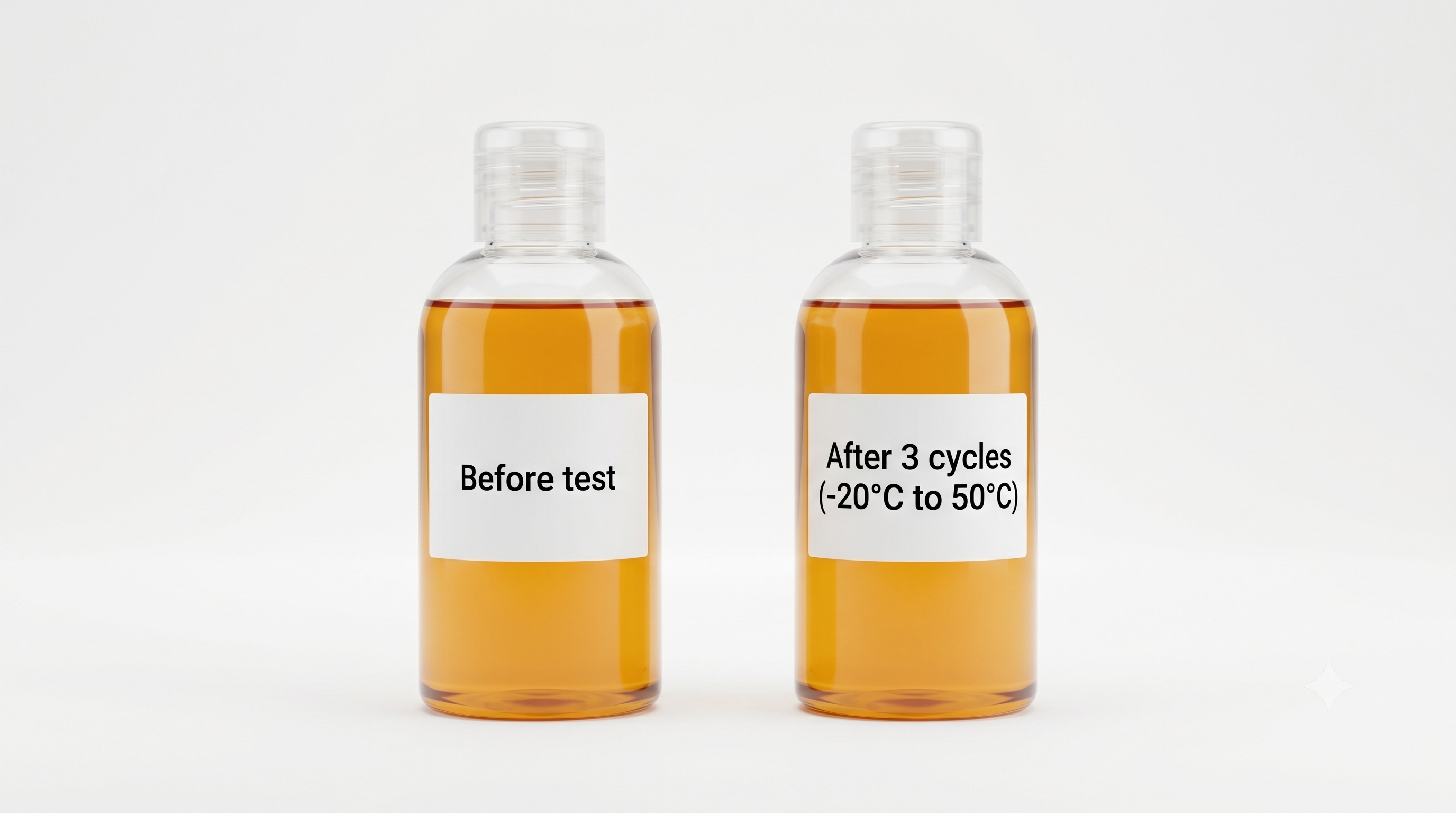
When manufacturing liquid cosmetics for international export, cross-border freight and warehousing logistics demandBox rigorous stability stress testing. During bulk transit, liquids endure radical climatic shifts—crossing ocean lanes can spike container internal temperatures to over 55°C (131°F), followed by extreme cold in northern port terminals. If your formula lacks proper emulsion stability under these stress states, the liquid undergoes irreversible phase separation (oil splitting), delivering damaged stock to your Amazon FBA or 3PL warehouse.
Our manufacturing facility eliminates this supply chain risk by subjecting every single production batch to an aggressive, standardized 3-Cycle Freeze-Thaw Stability Test (-20°C to +50°C / -4°F to 122°F) alongside high-velocity centrifugal separation testing at 4,000 RPM. This rigorous industrial validation guarantees that whether your inventory sits in a freezing winter distribution center or high-humidity tropical customs container, the formulation maintains absolute physical integrity and chemical uniformity. Furthermore, our specialized lightweight, high-tensile PET bottle designs are engineered to maximize container packing packing efficiency, reducing dead space by 15% and minimizing per-unit international freight overhead.
---
6. Regulatory Sourcing & Procurement FAQ
Q1: We are a start-up e-commerce brand with a restricted initial budget. Can we launch a basic Rosemary and Batana formulation first without adding peptides?
A: Yes, absolutely. This is precisely why we engineered our Agile Growth Tier (Track A). We respect the capital constraints faced by expanding e-commerce sellers and DTC entrepreneurs in their early scaling phases. By utilizing our pre-stabilized, pure refined plant oil bases without the inclusion of high-cost signaling peptide chains, we can lower your initial product BOM cost down to a highly competitive $0.85 - $1.15 EXW range. This empowers your brand to launch fast, capitalize instantly on marketplace trends, and establish strong market traction while preserving the vast majority of your working capital for traffic acquisition and marketing.
Q2: If we execute an initial test run under Track A, can we upgrade our formula to include advanced peptides in future production batches?
A: 100% seamless transition. Our laboratory chemists engineered the core botanical base formulations purposefully using a fully modular molecular chassis design. Once your initial mass-market test batch proves successful and your brand begins to capture steady revenue, our R&D team can seamlessly upgrade your product chassis to Track B (Premium Clinical Tier) in your next scheduled production run—introducing liposomal peptides and premium amino-acid surfactants directly into the existing baseline without altering your external bottle dimensions or core label artwork, ensuring an inventory-safe transition into premium positioning.
Q3: Do both formulation tracks comply with strict Western cosmetic regulatory guidelines and clean beauty standards?
A: Yes. Safety and compliance are mandatory baselines at our facility. Both our budget-optimized botanical chassis (Track A) and our high-end multi-peptide formulas (Track B) are engineered to meet and exceed strict Western market expectations. They utilize zero animal-derived components (100% Vegan), zero parabens, and zero hazardous formaldehyde-releasing preservation agents. We provide full compliance documentation, including complete Safety Data Sheets (SDS), Certificate of Analysis (COA), and ingredient breakdown dossiers required to ensure smooth international customs clearance under the US FDA MoCRA framework, the EU Cosmetic Regulation (EC) No 1223/2009, and the independent UK Cosmetics Regulation.
Q4: What is the typical turnaround time for laboratory custom benchmarking, color/fragrance customization, and final mass production?
A: Efficiency is life for fast-moving brands. Our standard R&D turn-around time for custom benchmark sampling is remarkably fast: after mapping out your target sensory profile, our lab outputs your tailored custom sample kit within 3 to 5 business days. Once your team evaluates and approves the physical samples, the bottle packaging artwork is finalized, and deposit protocols clear, our high-speed automated production lines execute full compounding, precise cleanroom filling, automated labeling, and final export carton packaging within 20 to 25 calendar days. This rapid supply chain velocity ensures you never miss a viral marketplace window or suffer from devastating out-of-stock situations.
---
The Ultimate Supply Chain Conclusion:
Succeeding in the functional hair care sector requires an ironclad commitment to formulation physics and supply chain agility. By structuring our manufacturing facility around dual-track flex-sourcing options, we eliminate traditional entry barriers. Private labels can now deploy targeted product lines that capture market share across every pricing demographic—riding massive social media botanical trends with Track A, or establishing high-barrier clinical authority with Track B's advanced liposomal peptides.
---
✅ Our global supply chain infrastructure is purposefully engineered to support both hyper-scaling start-ups and multinational salon networks. Contact our global B2B engineering team today to lock in your custom milestone benchmark formula.