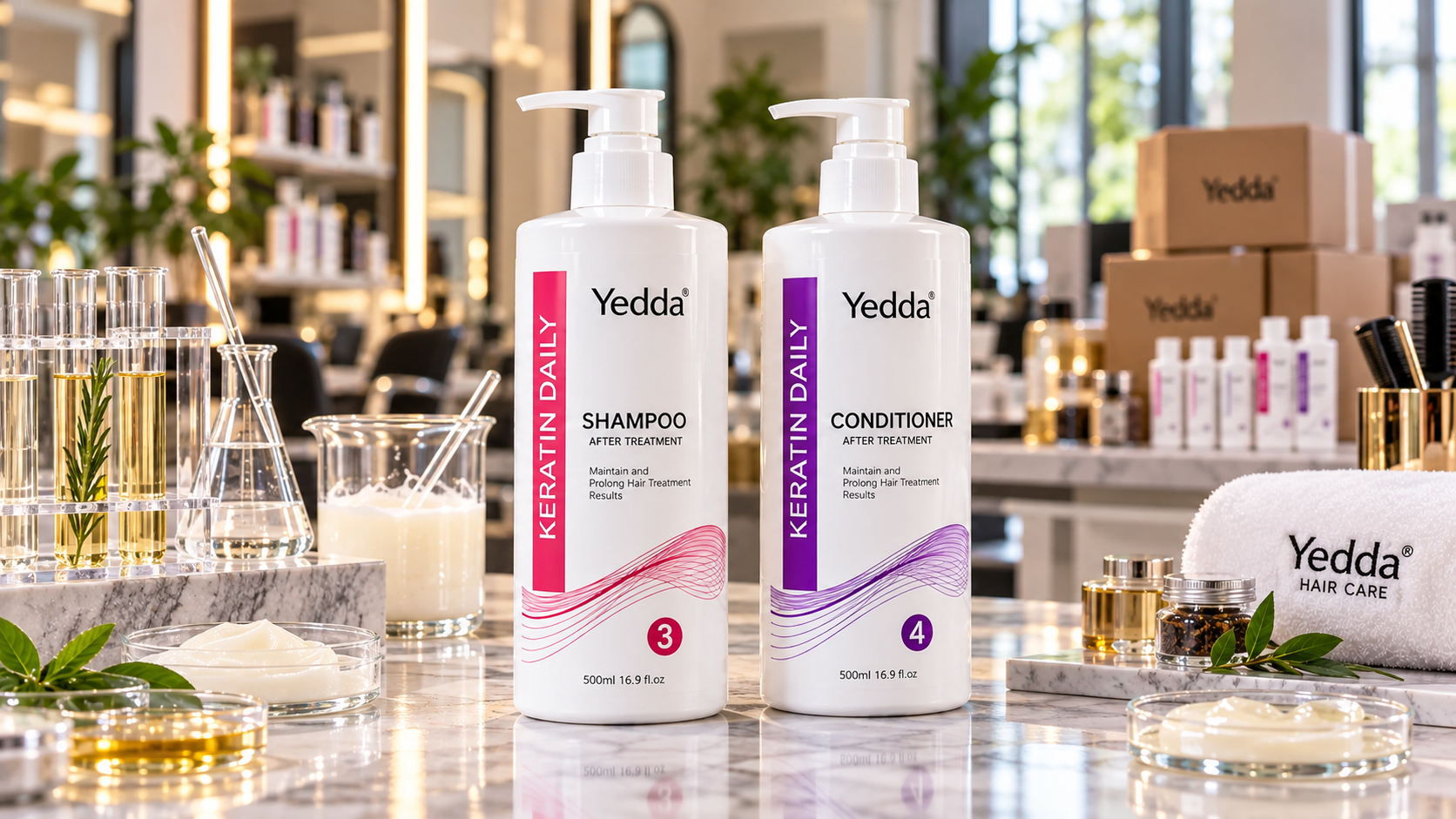

The global hair coloring market is experiencing unprecedented growth, largely driven by consumers viewing hair coloring as an important form of self-expression. From vibrant, trendy hair colors and natural highlights to embracing natural gray and platinum blonde, hair coloring has become a new trend. However, the chemical treatments required to achieve these styles fundamentally alter the hair's structure, making it highly susceptible to fading, yellowing, and breakage. This presents a significant opportunity for beauty brand founders and salon owners: consumers are actively seeking effective hair care solutions. Partnering with professional color-protecting shampoo manufacturersis the best strategy for developing product lines that truly protect their investment.
Building a successful color-protecting product line is far more complex than simply changing a fragrance. It requires a deep understanding of cuticle repair, pH balance, pigmentation, and supply chain scaling. Drawing on over a decade of expertise in foreign trade and cosmetics supply chain consulting, this guide will lead you through the technical and strategic steps of developing, manufacturing, and launching high-performance color-protecting products suitable for dyed, blonde, and gray hair.
The scientific principles behind color fading and why you need a professional color-protecting shampoo (OEM).
Before developing a product, your brand must understand the "enemy" of hair dye. During the dyeing or bleaching process, alkaline substances such as ammonia force the hair cuticle to open, allowing dye molecules to penetrate the cortex. Bleaching goes further, oxidizing natural melanin. This process damages the cuticle, making it highly porous and prone to shedding artificial pigments.
The three main reasons for color fading are:
- Water and surfactants:Water causes hair fibers to swell, while powerful anionic surfactants wash away unbound dye molecules.
- Ultraviolet radiation:Sunlight exposure produces free radicals, which can damage pigment clusters, causing colors to fade and turn yellow quickly.
- Heat styling:The high temperatures from flat irons and hair dryers can damage the delicate keratin structure of hair, causing it to lose its shine.
According to Statista's market intelligence, the global hair care market is moving towards premiumization, with consumers willing to pay higher prices for products that offer targeted damage repair and color protection. Ordinary formulas are no longer sufficient. You need a leading color-protecting shampoo OEM manufacturercapable of developing a comprehensive defense system against specific damage factors.
Key Formulation Strategyfor Own-Brand Color-Protecting and Hair Care Products
Developing rigorous formulation guidelines is crucial when communicating with manufacturing partners. High-end private-label color-protecting hair care productsrely on specific chemical structures to lock in color and repair hair structure.
1. Ultra-mild, sulfate-free cleaning system
The foundation of any color-protecting shampoo is its surfactant formula. Traditional sulfates (such as SLS and SLES) are too harsh; they damage the hair's lipid barrier, drawing dye molecules directly from the cortex. To maintain vibrant hair color, your OEM should use gentle, sulfate-free alternatives such as sodium lauroyl methyl hydroxyethyl sulfonate (SLMI), sodium cocoyl hydroxyethyl sulfonate (SCI), or mild amphoteric surfactants such as cocamidopropyl betaine. These ingredients produce rich, fine lather while preventing premature color fading.
2. pH optimization (acidity advantage)
Hair's natural pH is slightly acidic, ranging from 4.5 to 5.5. Because hair dyes are highly alkaline, high-quality color-protecting shampoos must have a lower pH (typically 4.5 to 5.0). An acidic pH helps to shrink and smooth the hair cuticles, locking artificial dye molecules firmly within the cortex, thus instantly enhancing hair shine.
3. Advanced UV filter and antioxidant complex
To combat sun damage, modern formulations must include UV protectants specifically for hair (such as Quaternium-95) and powerful plant antioxidants. Ingredients like green tea extract, sunflower seed extract, and vitamin E can scavenge free radicals, thus protecting the integrity of hair fibers and pigment clusters.
Color correction and neutralization: Suitable for blonde and gray hair
Blonde, bleached, and naturally gray hair all face a common problem: an unpleasant warm undertone. Environmental pollutants, minerals in hard water, and the natural oxidation of residual melanin in the hair can all cause these hair types to appear yellowish or coppery. Solving this problem requires applying precise color theory to the field of cosmetic chemistry.
The role of direct dyes in shampoos and hair masks
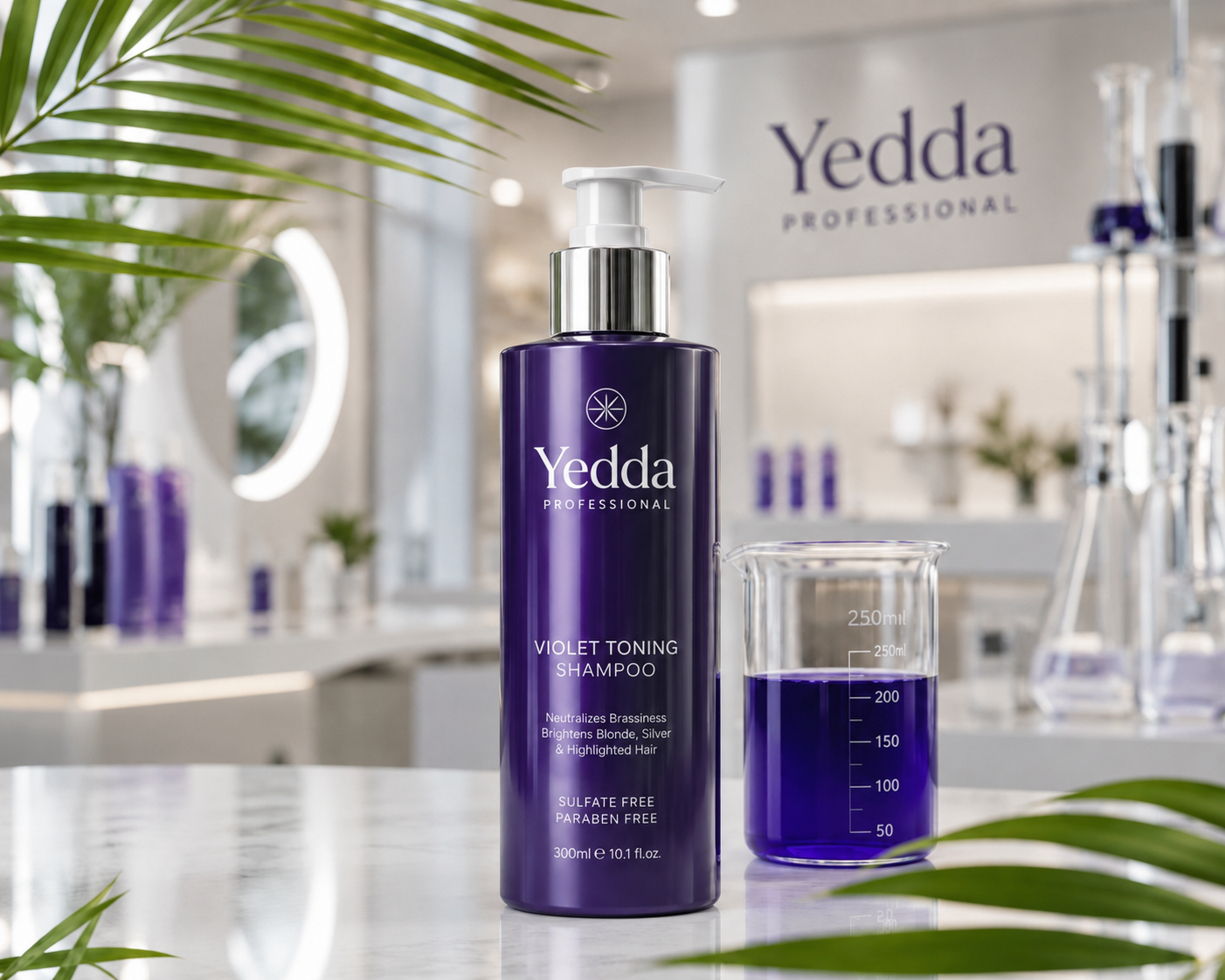
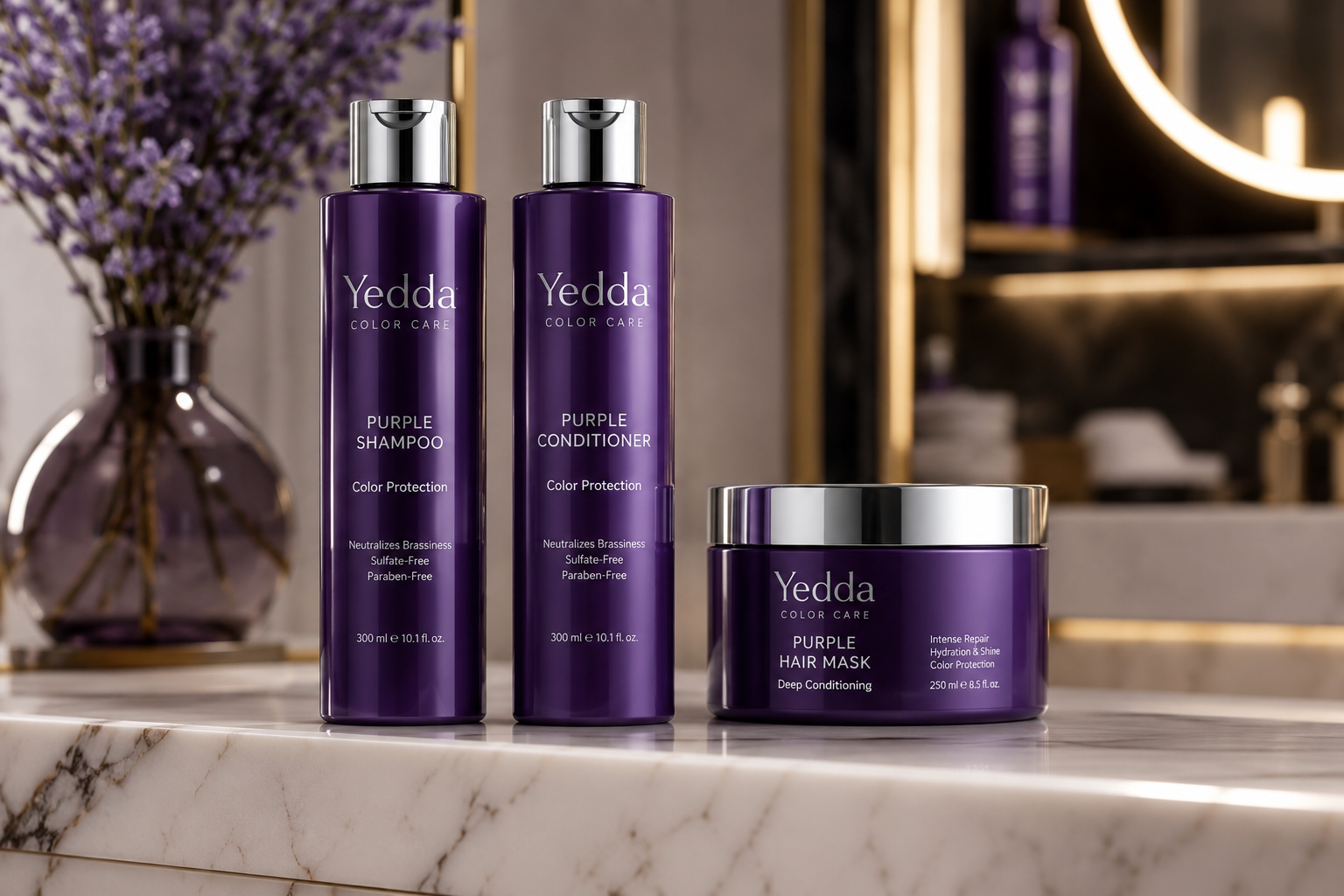
To remove the brassy tone from your hair, your formula must include a semi-permanent direct dye. According to the color wheel, purple can neutralize yellow (perfect for platinum blonde and grey hair), while blue can neutralize orange (perfect for brown hair with highlights).
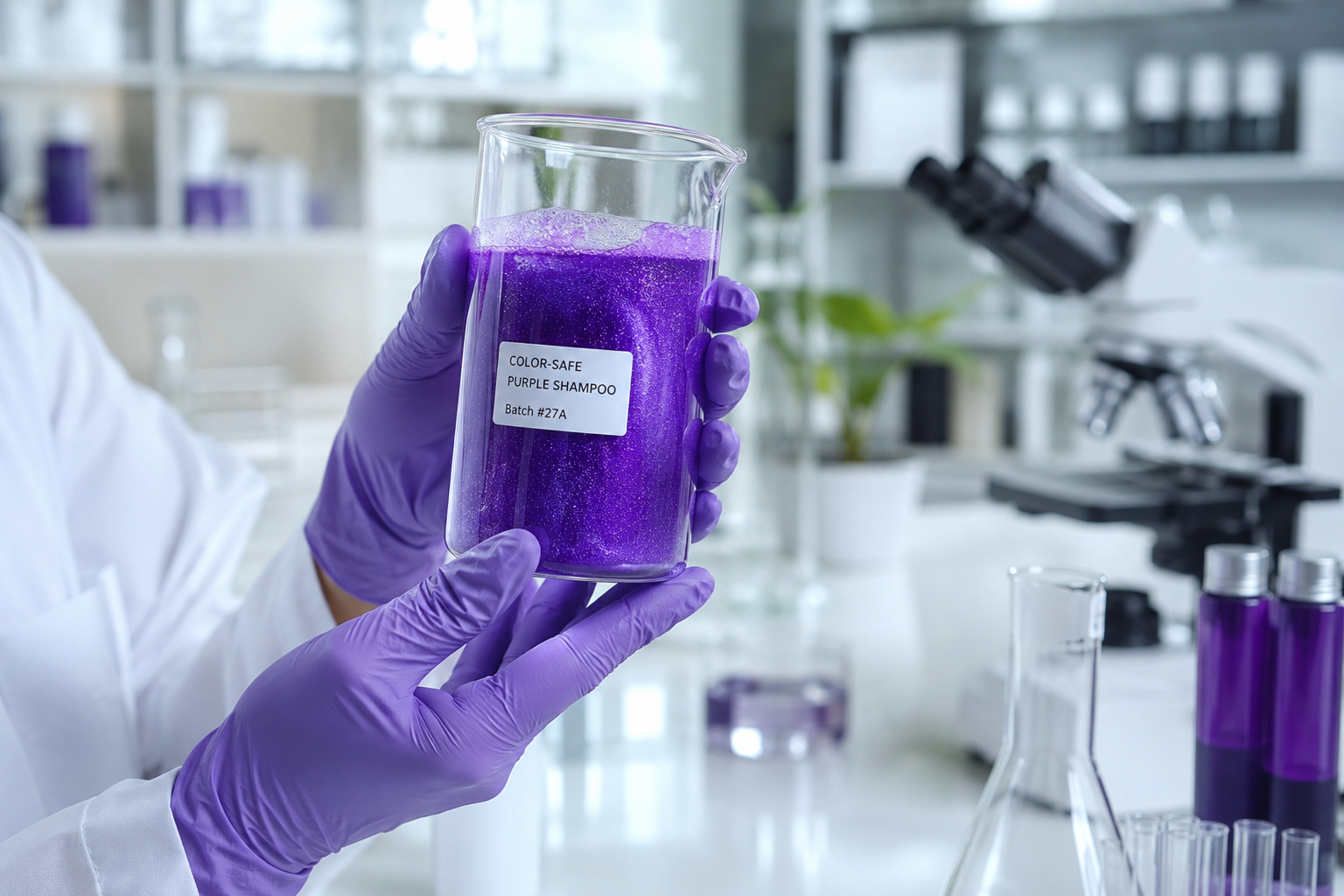
Partnering with experienced original equipment manufacturers (OEMs) ensures precise formulation of these pigments. Too little pigment renders the product ineffective; too much can cause "staining," leaving the hair with a pale purple or blue tint. Advanced formulations suspend these pigments within a nourishing base, ensuring even coloring and preventing color spots.
Deep Repair: Partnering with Color-Protecting Hair Mask OEM Manufacturers
Shampoo is responsible for conditioning and color correction, while deep nourishment is crucial for repairing hair structure. This is especially true for bleached hair, which is damaged by the loss of its natural lipid layer (18-MEA) and the breakage of disulfide bonds. Therefore, a high-performance hair mask is essential for a complete color-protecting solution.
When choosing a color-protecting hair mask OEM manufacturer, you should pay attention to whether its formulation capabilities have the following characteristics:
- Bionic keratin and amino acids:used to temporarily repair the porous gaps in the damaged stratum corneum and cortex.
- Cationic conditioners:Ingredients like behenyltrimethylammonium chloride carry a positive charge and can bind tightly to the negatively charged damaged areas of dyed hair, thus providing excellent detangling and smoothness.
- Rich in plant lipids:The addition of high-quality, lightweight oils (such as argan oil, camellia oil, or a special plant blend) restores the hair's hydrophobic barrier, preventing moisture loss and blocking dampness.
A recent cosmetic chemistry report released by the Society of Cosmetic Chemists (SCC)emphasizes that combining lipid supplementation with low molecular weight proteins is the most effective way to restore the tensile strength of chemically bleached hair fibers.
Choosing the right color- protecting shampoo manufacturerfor your brand
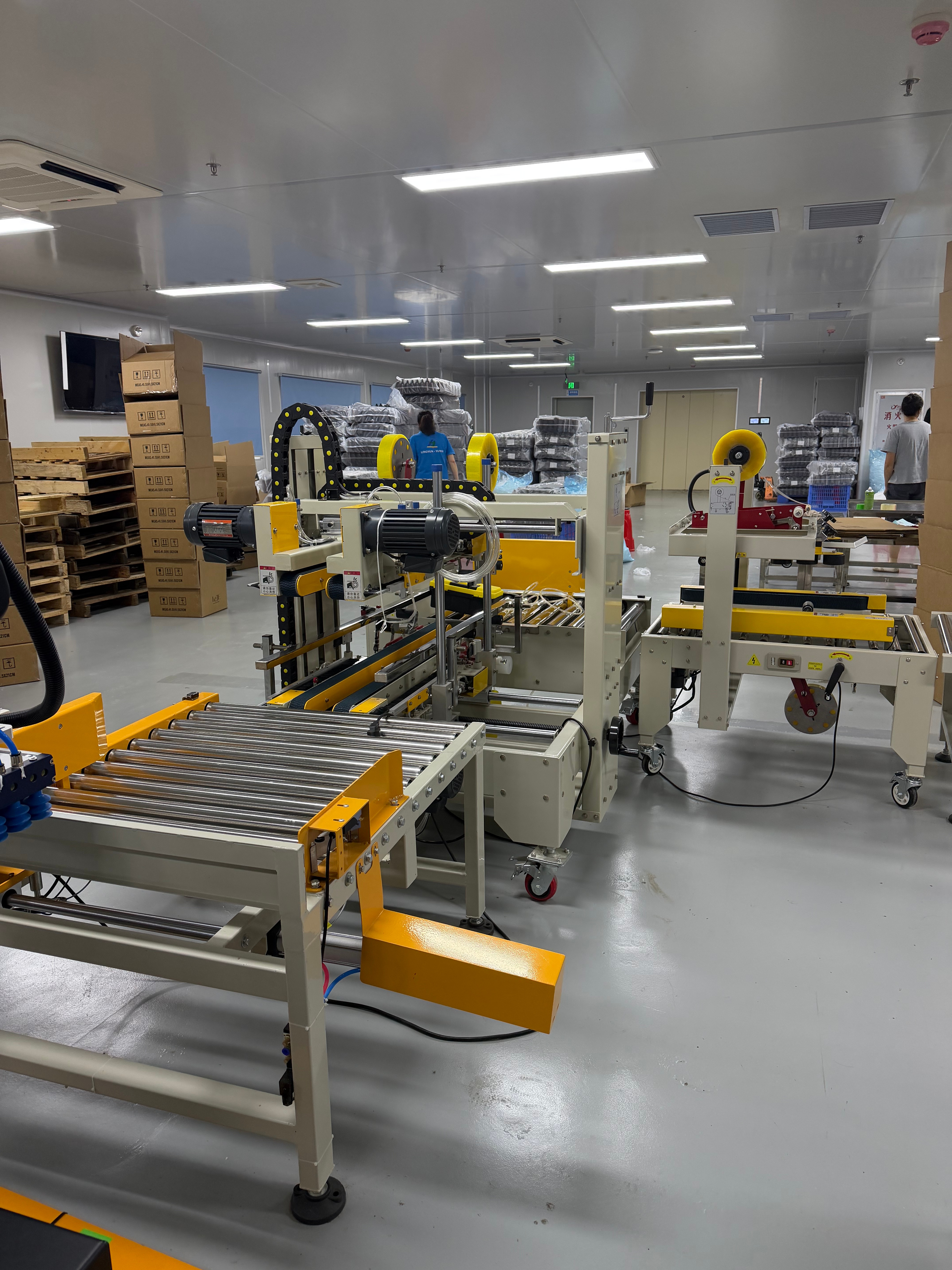
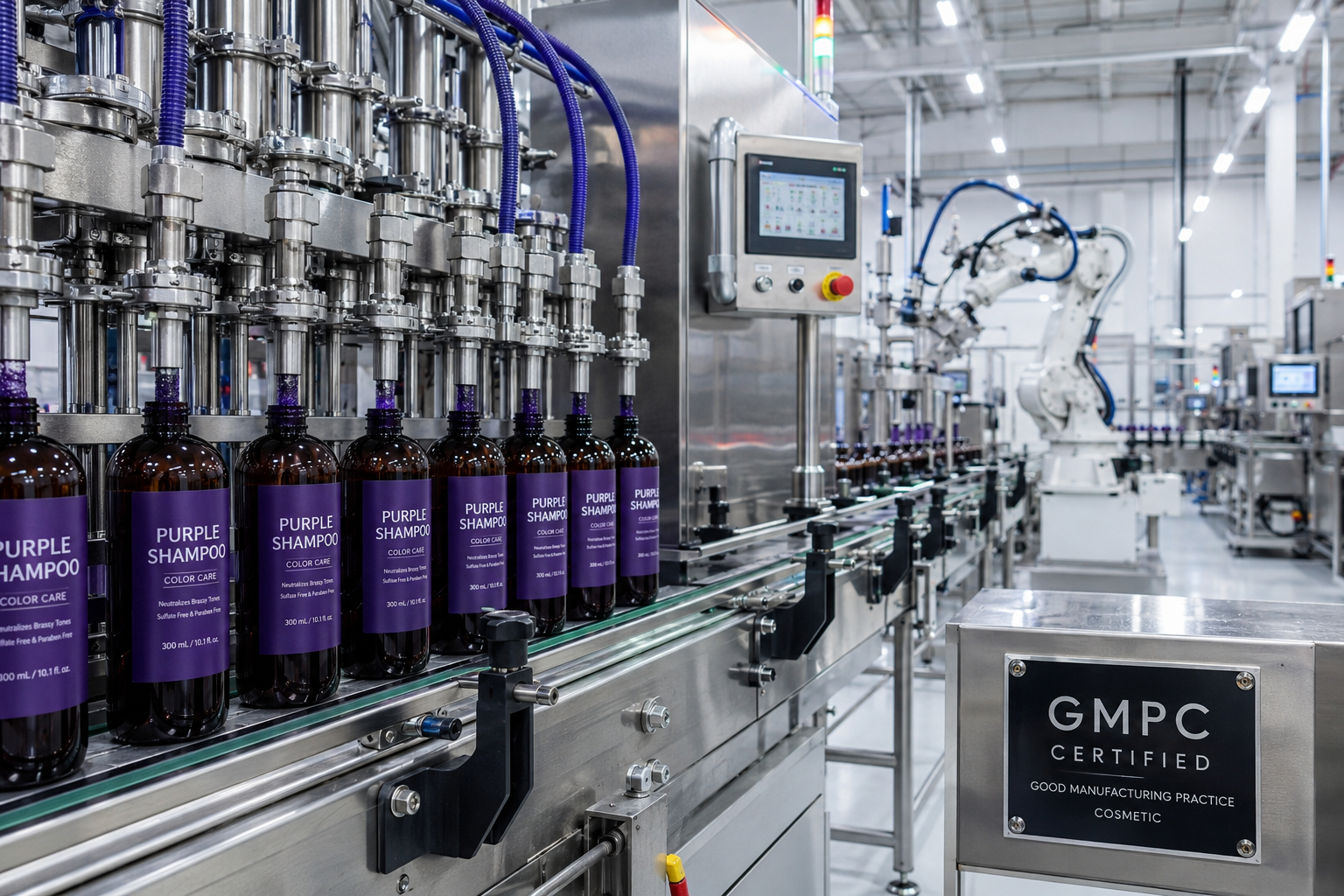
A strong supply chain is needed to go from a successful formula to a marketable product. Finding a reliable color-protecting shampoo manufacturerrequires assessing its capabilities, not just limiting it to a laboratory level.
1. International quality certifications (GMPC and ISO 22716)
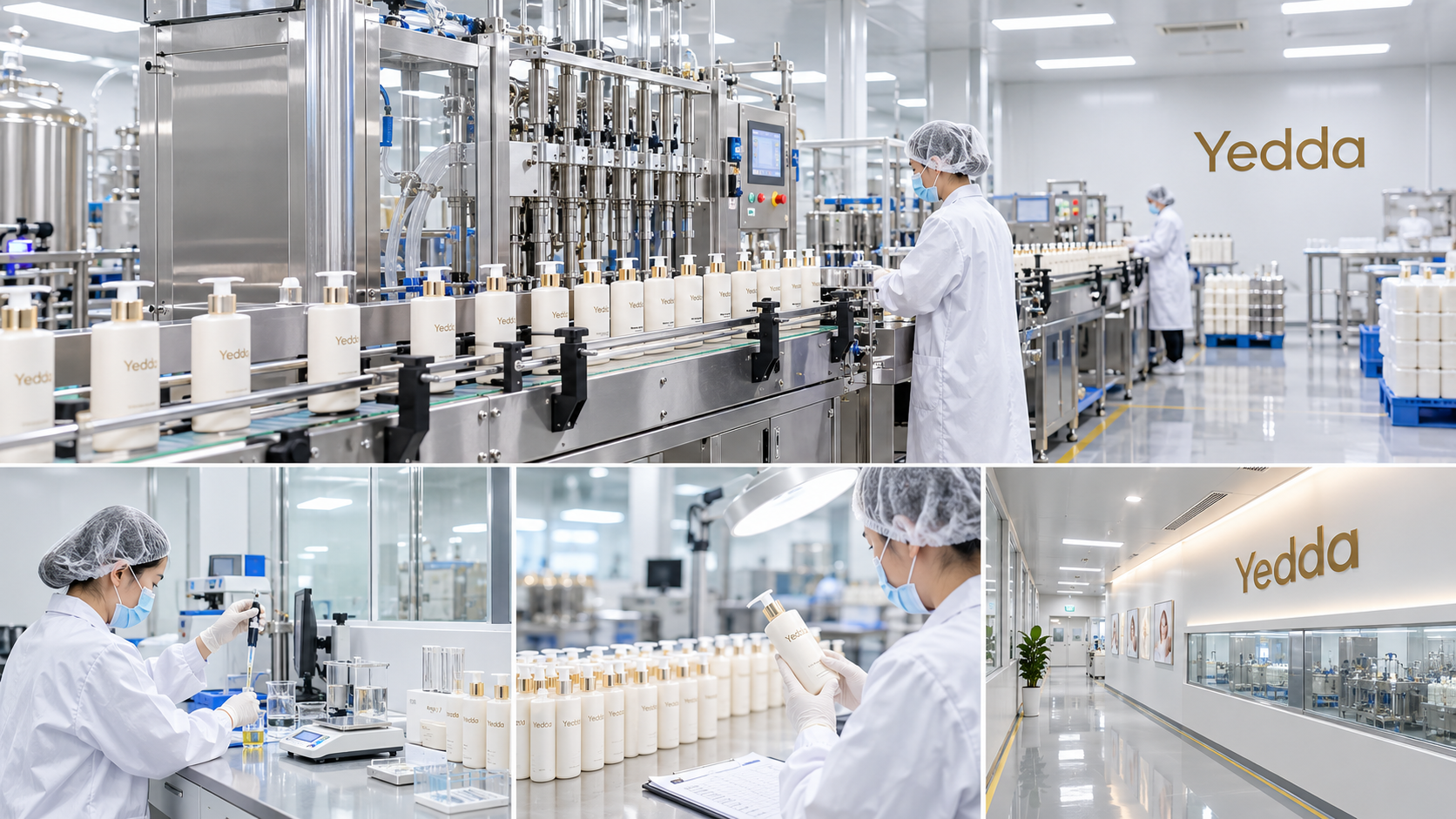
Quality control is paramount, especially when using high-concentration pigments commonly found in products like purple shampoo. It is essential to ensure your factory partners strictly adhere to Good Manufacturing Practices (GMP) and ISO 22716 standards. This guarantees batch-to-batch consistency, rigorous microbiological testing, and compliance with global regulatory frameworks (such as FDA or EU cosmetic regulations).
2. Professional packaging and compatibility testing
Packaging for color-protecting products must be carefully chosen. Formulas containing specific UV filters, essential oils, or direct dyes may react with certain plastics, causing plastic degradation or packaging deformation. Experienced manufacturers conduct comprehensive compatibility testing and recommend suitable packaging materials, such as dark amber PET bottles, to protect UV-sensitive formulas from light exposure.
3. Supply Chain Agility and Strategy Consulting
With ten years of experience in B2B trading, we understand that successful brand building is inseparable from a flexible supply chain. Find a manufacturer that can provide flexible minimum order quantities (MOQs) to help you with market testing, while offering comprehensive ODM (Original Design Manufacturer) services, guiding you throughout the entire process from concept and packaging design to formula development and global logistics.
According to supply chain insights provided by McKinsey & Company, an agile supply chain in the beauty and personal care industry can reduce time to market by up to 30%, giving independent brands a significant competitive advantage when launching trendy products such as custom highlight toners or silver ion-enhanced masks.
Frequently Asked Questions (FAQ)
Q1: What is the ideal pH value for color-protecting shampoos formulated by OEM manufacturers?
The optimal pH value for color-protecting shampoos is typically between 4.5 and 5.5. This acidic environment helps keep the hair cuticle closed and smooth, thus locking artificial pigment molecules firmly within the hair shaft and increasing the hair's natural shine.
Q2: Why must private label color-protecting and hair care products be sulfate-free?
Traditional sulfates, such as SLS and SLES, while powerful cleansers, are too harsh on chemically treated hair. They strip away the hair's natural oils and excessively wash away dye molecules. Products formulated with sulfate-free surfactants ensure gentle cleansing, thus protecting the hair's structural integrity and vibrant color.
Q3: Can the color-protecting hair mask OEM manufacturer customize the purple pigment content for my brand?
Yes. Professional OEM manufacturers can precisely adjust the concentration of purple or blue direct dyes in hair masks and shampoos. Whether you need a gentle daily conditioner or a powerful, highly pigmented hair mask for quick removal of brassy tones in salons, the formula can be customized to your target customer group.
Q4: What should I pay attention to when choosing a color-protecting shampoo manufacturer?
You should prioritize manufacturers with strong R&D teams and extensive experience in color safety chemistry (especially sulfate-free systems and pigment dispersion). Furthermore, ensure they hold international certifications such as GMPC and ISO 22716, provide comprehensive stability and packaging compatibility testing, and offer scalable minimum order quantities to support your brand's growth.