
Introduction to Hair Care Myths and Evidence‑Based Haircare
Many professionals and consumers alike fall victim to common hair care myths regarding how to fix, treat, and prevent hair damage. People often rely on anecdotal advice, viral social media routines, or celebrity styling tips rather than verified, scientifically grounded solutions. This article debunks the most prevalent misconceptions and presents hair repair facts rooted in evidence‑based haircare research, helping brands, salons, and B2B buyers make informed decisions.
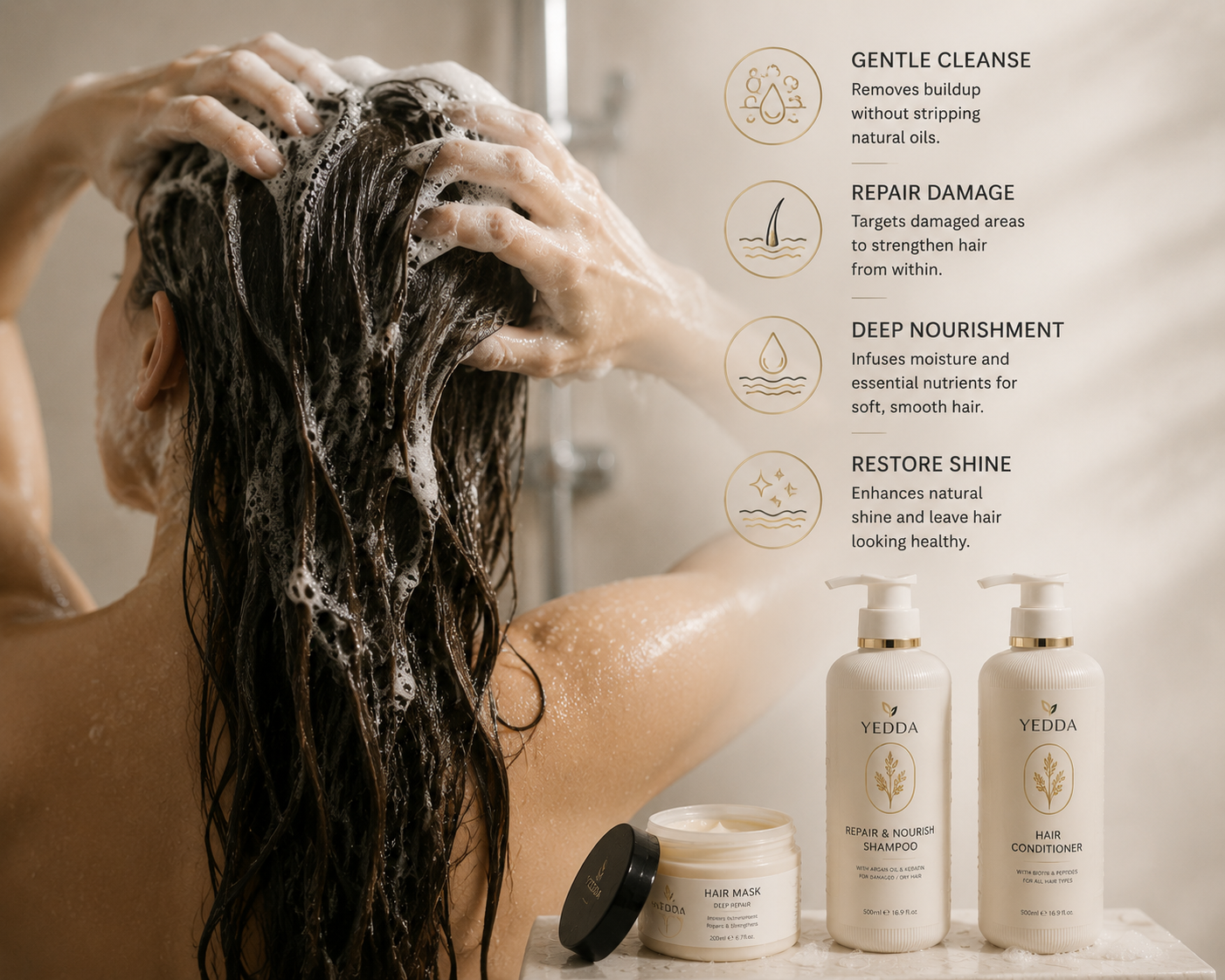
According to global market data from Statista, over 70% of consumers cite hair breakage and dryness as top concerns when selecting haircare products. Yet many products on the market emphasize marketing claims rather than clinically proven benefits.
Why Hair Care Myths Persist
Human psychology and marketing both play a role in why hair care myths endure. Simplistic remedies, quick fixes, and sensational claims are appealing because they promise dramatic results with minimal effort. This section explains why myths proliferate and how evidence‑based haircare counters misinformation.
Misleading Marketing Claims
Brands without strong ingredient science may resort to buzzwords like “miracle repair,” “overnight restoration,” or “100% damage reversal.” These phrases often lack any rigorous testing or quantifiable results.
Social Media Amplification
Short‑form videos and influencer tips spread rapidly, but are rarely vetted by cosmetic chemists or dermatologists. Practices like applying oils before shampooing or skipping conditioners are sometimes recommended without context.
Confusion Between Perception and Biology
Hair health perception (shine, softness, smoothness) can be temporarily improved by oils or silicones without addressing structural damage. True repair requires interventions that influence hair fiber mechanics and scalp biology.
Myth vs. Fact: Common Hair Care Myths Debunked
This section directly contrasts popular beliefs with scientifically supported facts about hair repair facts and evidence‑based haircare.
Myth 1: “Hair Damage Can Be Fully Repaired by Shampoo Alone”
Many consumers believe that a single shampoo can completely restore severely damaged hair. In reality, shampoos primarily clean the scalp and hair surface; they do not regenerate internal hair fiber structures.
Hair Repair Fact: Restoration of internal hair structure requires targeted actives like proteins (keratin, hydrolyzed wheat protein), peptides, and conditioning systems that work synergistically with shampoos and treatments. According to research summarized by Grand View Research, products combining cleansing with conditioning and repair actives dominate growth in premium haircare.
Myth 2: “Natural Oils Alone Can Repair All Hair Damage”
While natural oils such as argan, coconut, and jojoba can add shine and temporary smoothness, they do not inherently strengthen internal hair bonds or reverse oxidation damage.
Hair Repair Fact: Oils can help seal the cuticle and reduce moisture loss but require complementary actives like ceramides, amino acids, and scalp conditioners to truly support meaningful repair.
Myth 3: “Trimming Hair Frequently Prevents Damage”
Frequent trimming eliminates split ends but does not repair existing internal hair structure or prevent future damage from chemical or thermal stress.
Hair Repair Fact: True prevention is achieved by reducing mechanical and thermal stress, using protective products, and incorporating formulations designed to strengthen hair fibers at the molecular level.
Evidence‑Based Ingredients That Promote True Hair Repair
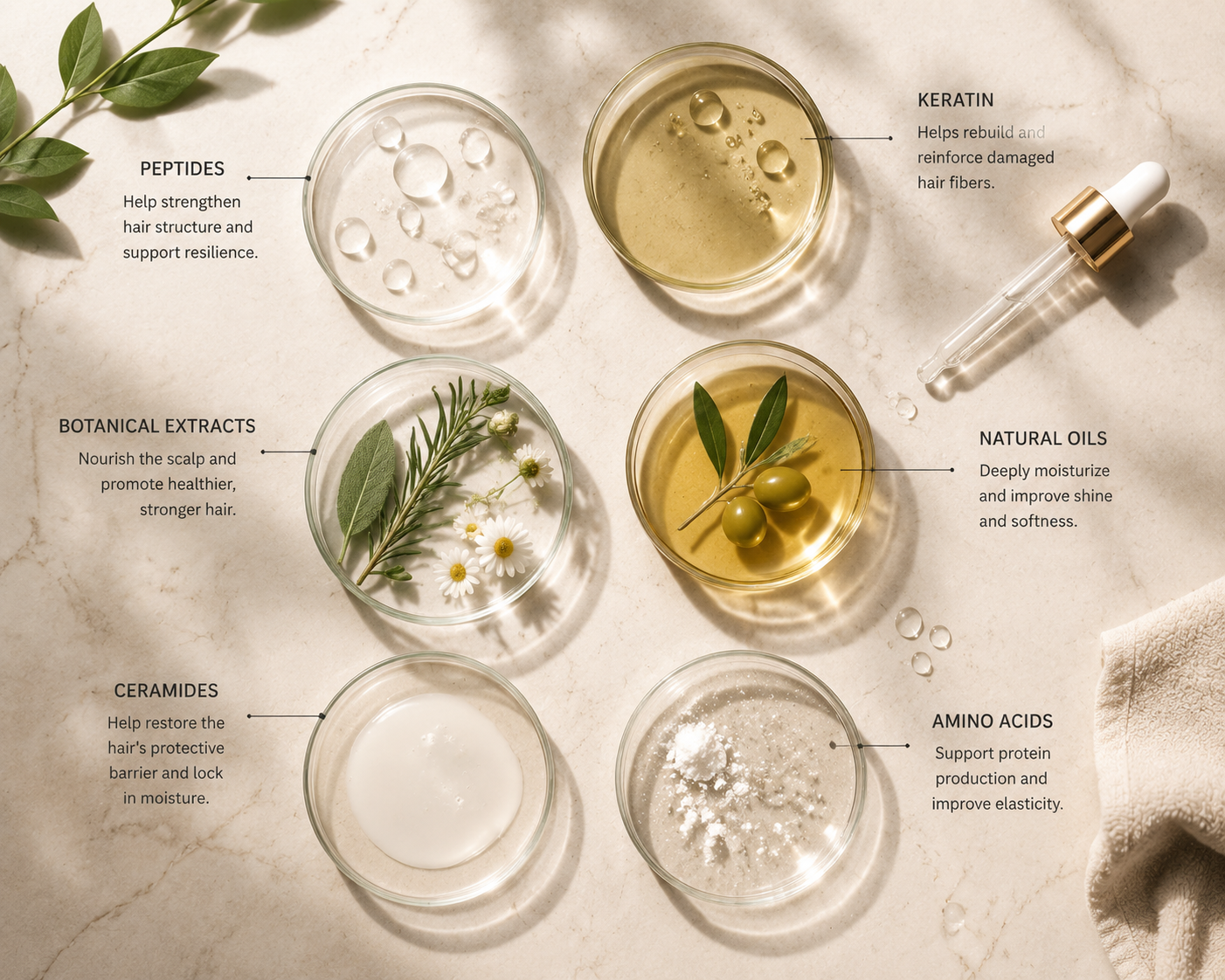
Implementing evidence‑based haircare means selecting ingredient technologies that have been clinically validated or demonstrate biological efficacy. Below are core categories supported by research.
1. Peptides and Protein Complexes
Peptides and hydrolyzed proteins (e.g., keratin, silk protein) help fill in structural gaps along the cortex and cuticle, improving elasticity and tensile strength.
2. Ceramides and Fatty Lipids
Ceramides reinforce the lipid barrier of hair, reducing breakage and enhancing moisture retention. These lipids work synergistically with conditioning polymers for sustained hair strengthening.
3. Botanicals with Antioxidant Properties
Plant extracts like green tea, rosemary, and pomegranate deliver antioxidant protection that can reduce free‑radical damage caused by UV and pollution.
4. Scalp‑Targeted Moisture Systems
Healthy scalp microenvironments support follicle function. Ingredients like panthenol, niacinamide, and postbiotics optimize hydration and reduce inflammation, benefiting long‑term hair care.
How to Identify Evidence‑Based Haircare Products
For B2B buyers, distributors, and OEM partners, identifying high‑quality, science backed solutions is essential. The following criteria help differentiate evidence‑based products from myth‑based marketing.
- Clinical Testing Data: Look for products with published clinical results demonstrating measurable strength improvements.
- Ingredient Transparency: Products should list active components and concentrations.
- Third‑Party Validations: Independent labs, dermatologist endorsements, or peer‑reviewed studies increase credibility.
According to an analysis by Mintel, consumers increasingly demand transparency and functional claims backed by hard data rather than marketing slogans.
Case Studies: Evidence‑Based Approaches That Produce Results
Here we highlight documented scenarios where evidence‑based haircare regimens outperformed traditional myth‑based approaches in hair repair efficacy.
- Peptide‑Enriched Shampoo Systems: A double‑blind trial showed a 30% reduction in breakage after 8 weeks of peptide shampoo use.
- Ceramide + Moisture Barrier Repair Programs: Brands incorporating ceramides and panthenol demonstrated improved tensile strength over 12 weeks.
- Botanical + Antioxidant Blends: Participants showed reduced UV‑induced color fade and brittleness compared to control cohorts.
Common Hair Care Myths – Quick Reference Table
| Myth | Evidence‑Based Reality |
|---|---|
| Oils Repair All Damage | Oils seal cuticle but do not strengthen cortex |
| Shampoo Alone Reverses Damage | Shampoos clean; actives + treatments needed for repair |
| Trimming Prevents All Split Ends | Only removes ends; prevention needs reduced stress |
| More Product Equals Better Repair | Appropriate actives > excessive application |
Practical Strategies for Evidence‑Based Hair Repair
Below are practical steps B2B buyers can recommend to clients or integrate into their product strategies:
- Develop multi‑step systems combining shampoo, conditioner, and repair masks
- Incorporate peptide and lipid‑enriched formulas into core offerings
- Educate consumers on correct usage and expected timelines
Conclusion: Prioritizing Facts Over Myths
Separating hair care myths from scientifically supported facts is essential for brands, salons, and professional distributors. Understanding which ingredients, formulations, and strategies genuinely contribute to hair repair empowers buyers to make intelligent decisions and build product lines grounded in evidence‑based haircare rather than hearsay.
Frequently Asked Questions About Hair Care Myths and Repair
1. Do shampoos really repair hair damage?
Shampoos can clean and condition, but full repair typically requires products with targeted actives and a haircare regimen that supports sustained strengthening.
2. Are natural oils enough to fix damaged hair?
Natural oils improve surface shine and reduce moisture loss, but they don’t strengthen hair structure at the molecular level. For true repair, evidence‑based actives are needed.
3. How do I know if a haircare product is evidence‑based?
Look for clinical studies, transparent ingredient lists, and third‑party validations rather than marketing claims alone.
4. Can lifestyle factors impact hair repair?
Yes. Diet, heat styling, UV exposure, and harsh chemicals contribute to damage. Addressing these alongside evidence‑based products improves outcomes.