
How to Choose the Best Shampoo for Hair Care and Repair
Choosing the right shampoo for hair care and repair can be overwhelming in today’s market full of diverse formulations and promises. Whether the goal is to repair the damage caused by environmental stressors or to boost hair strengthening and resilience, making an informed choice starts with understanding hair needs, ingredients, and scientific data behind performance claims.
According to industry insights from Statista hair care statistics, the global haircare market continues to grow annually, with consumers demanding not only cleansing but also functional benefits such as hydration, scalp health, and long‑term repair. In particular, shampoos that enhance hair structure and reduce breakage are among the most sought after in advanced hair strengthening regimes.
Understanding the Science of Hair Damage and Repair
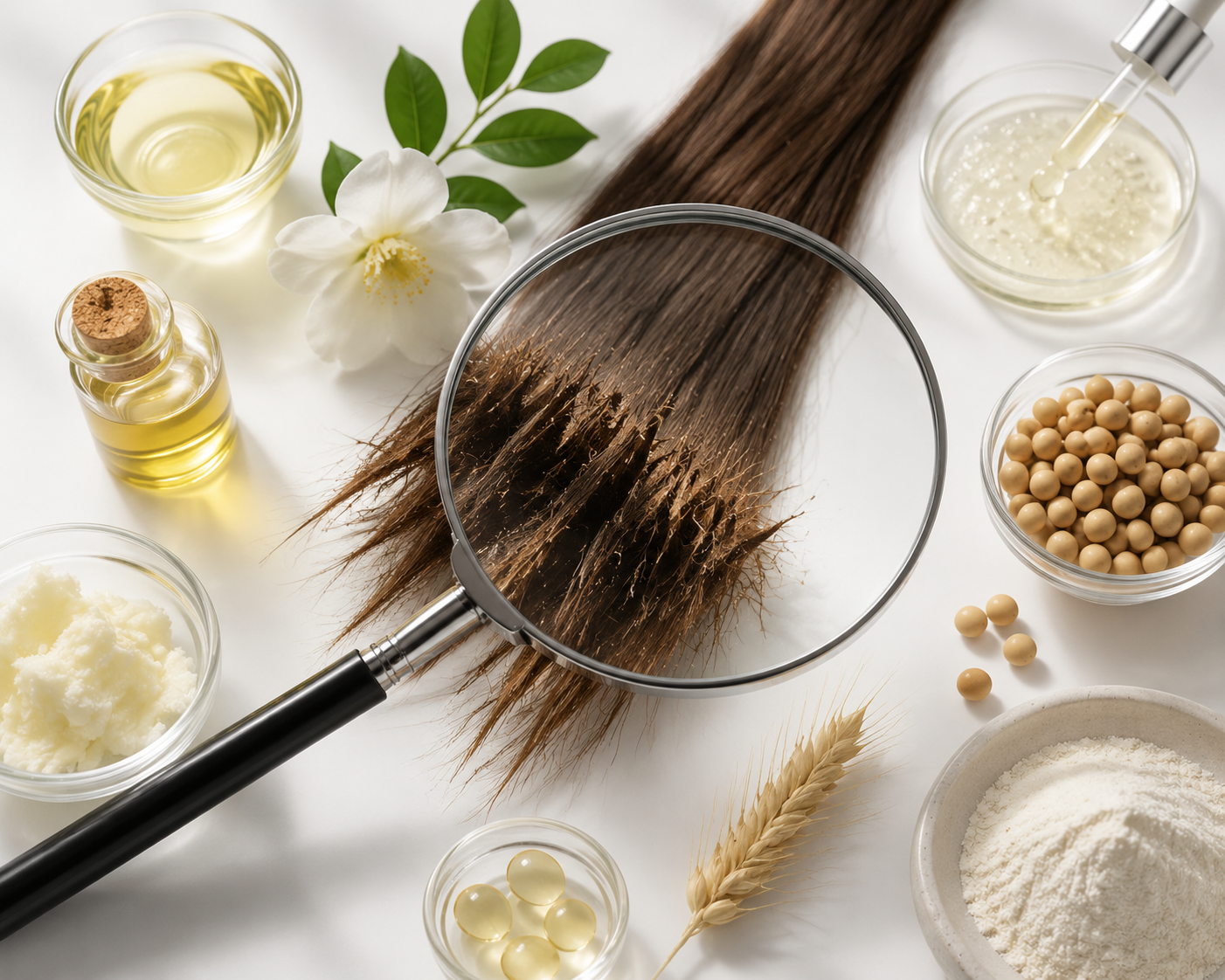
Before selecting a shampoo, it’s important to first understand what causes hair damage and what “repair” truly means. Hair structure is composed of a protective cuticle and an inner cortex that provides strength and elasticity. Damage occurs when the cuticle is compromised due to chemical treatments, heat styling, pollution, or mechanical stress.
The term repair the damage in shampoos refers to the ability of a formulation to help reinforce or restore the hair cuticle and cortex. Not all shampoos can reverse damage completely, but specific ingredients can help mitigate future breakage and support overall hair health.
Key Ingredients for Hair Care and Repair
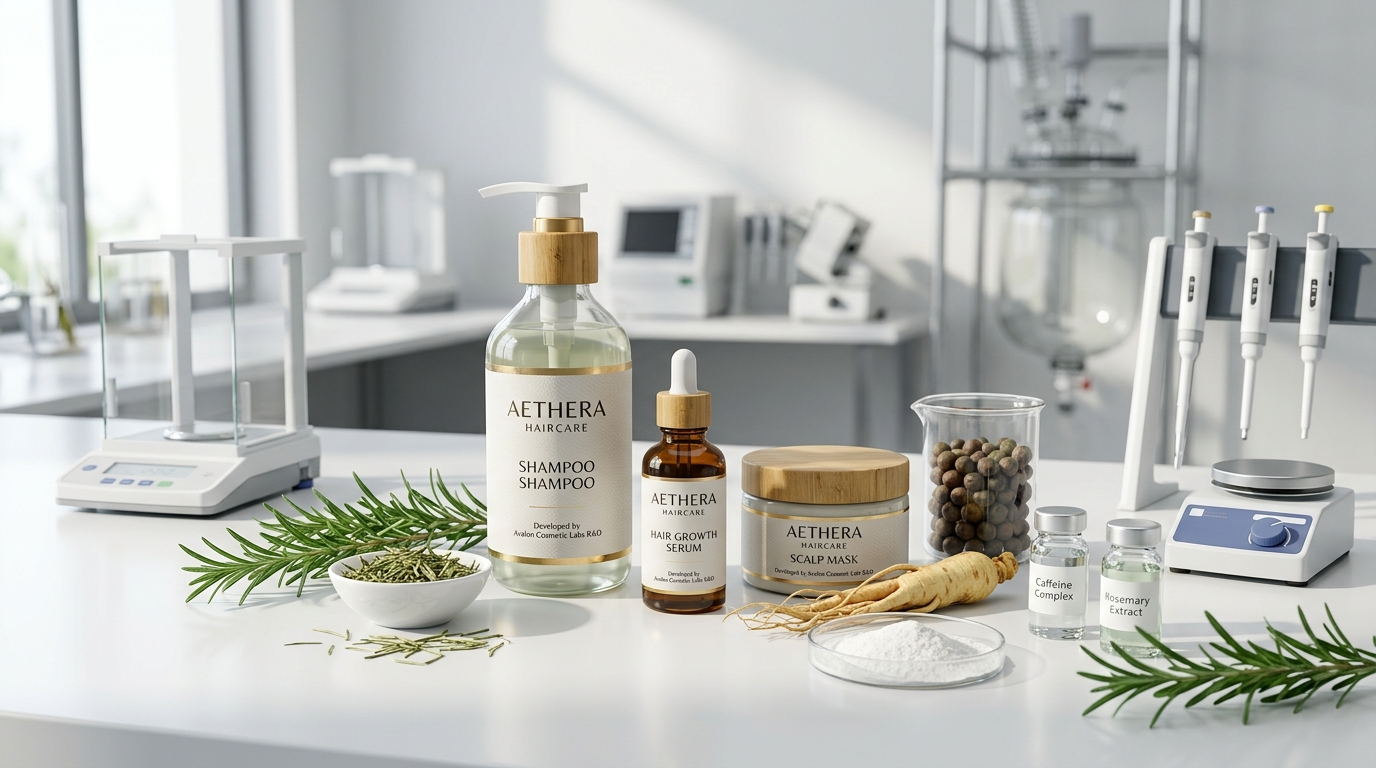
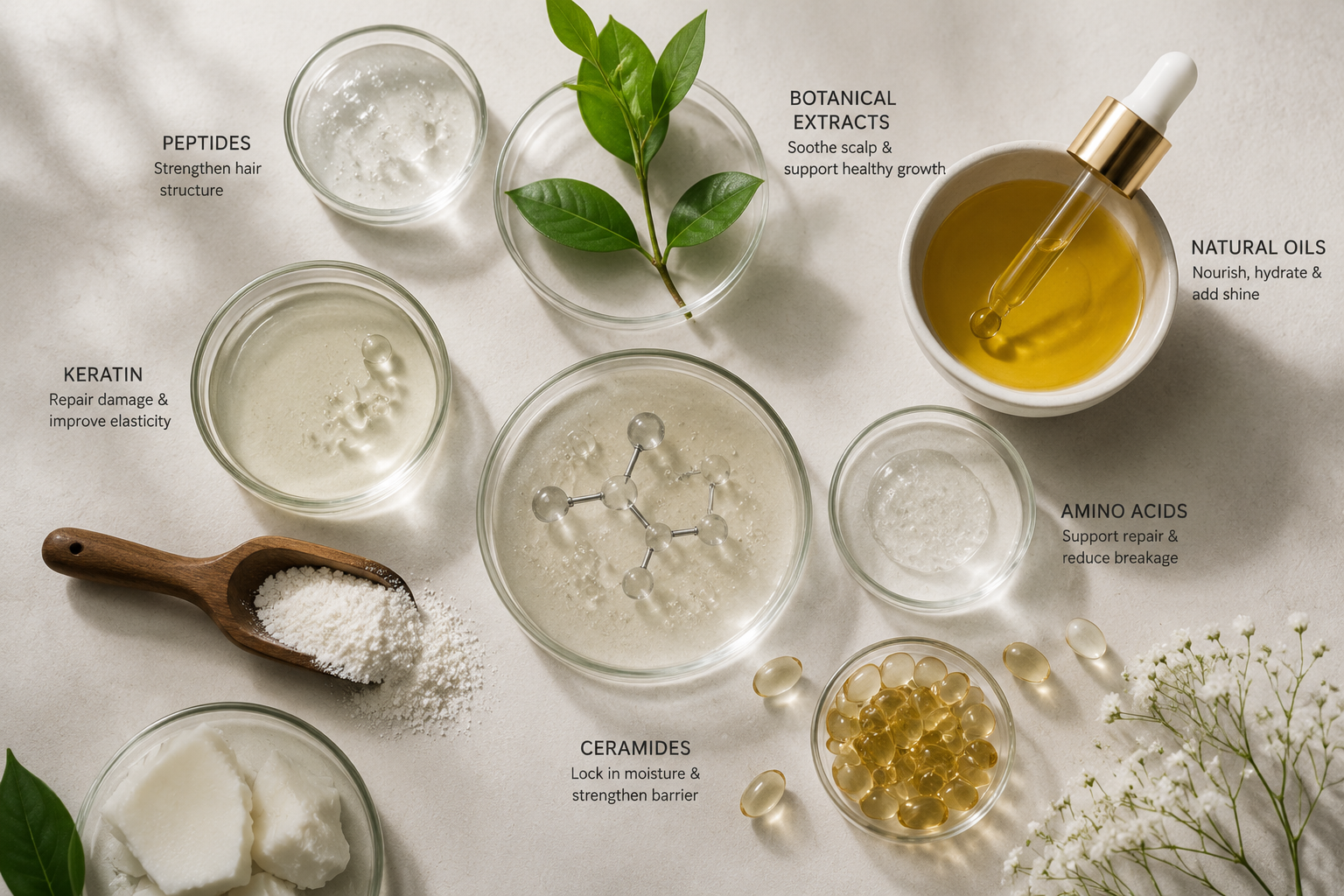
When choosing shampoos designed for hair care and repair, the ingredient list can tell you a lot about how the product performs. The following components are scientifically backed for their functional benefits:
1. Keratin and Hydrolyzed Proteins
Keratin and hydrolyzed proteins can help fill gaps in the hair shaft, improving strength and reducing breakage. These proteins mimic the hair’s natural structure and support hair strengthening over time.
2. Peptides and Amino Acids
Peptides promote improved follicle function and are increasingly integrated into repair‑oriented shampoos. Studies suggest that peptide systems can improve elasticity, resilience, and structural integrity of hair fibers.
3. Natural Oils and Botanical Extracts
Ingredients like argan oil, coconut oil, quinoa protein, and botanical extracts provide moisture and antioxidant protection. Moisture balance is key to effective hair repair, as dryness makes hair more prone to breakage.
4. Ceramides and Fatty Lipids
Ceramides help strengthen the lipid barrier of the hair, improving overall texture and reducing split ends. Incorporating these into shampoos supports hair’s natural protective layers.
Evaluating Shampoo Labels for Repair and Strengthening
Consumers often misunderstand marketing terms. To choose the best shampoo for hair care and repair, examine these label indicators:
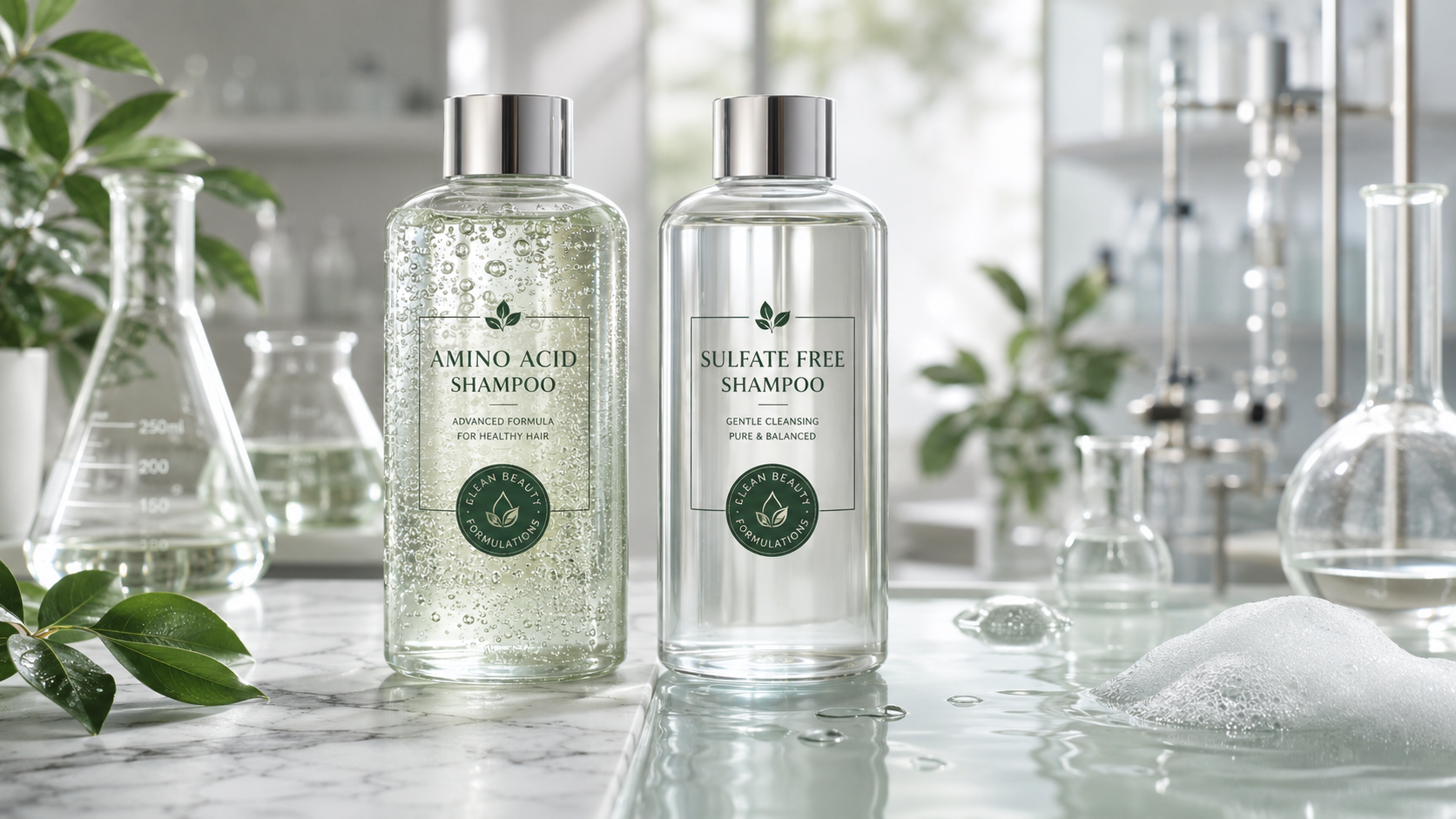
- Cleave-free or Sulfate‑free: Sulfates can strip natural oils and exacerbate damage.
- pH‑balanced: Maintains scalp and hair fiber equilibrium.
- Protein‑enriched: Indicated by keratin, silk, or hydrolyzed proteins.
- Moisture complex: Vegetable glycerin, panthenol, hyaluronic acid for elasticity.
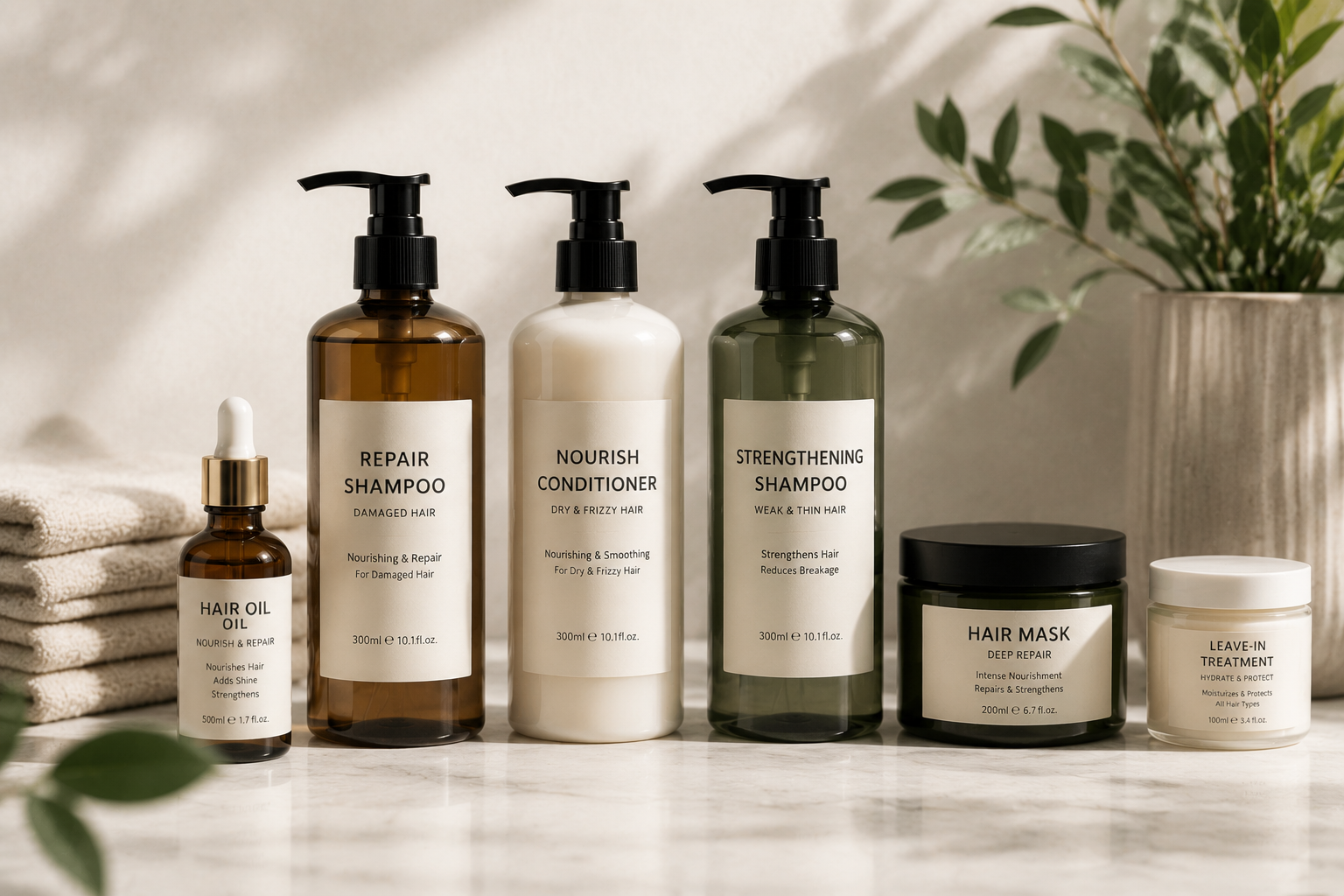
It’s important that shampoo choices also align with conditioner pairings and leave‑in treatments designed for hair strengthening. Often, shampoos alone do not deliver full results without supportive products.
How Shampoo Types Differ for Hair Repair Needs
Not all shampoos serve the same purpose. Below is a comparison of haircare options to guide selection:
| Shampoo Type | Best For |
|---|---|
| Hydrating Shampoo | Dry and brittle hair |
| Protein Repair Shampoo | Chemically treated or broken hair |
| Sulfate‑Free Repair Shampoo | Color‑treated and sensitive scalp |
| Strengthening Shampoo | Weak and thinning hair |
| Clarifying Shampoo | Heavy product buildup |
According to a detailed analysis by Grand View Research, premium hair strengthening formulas — especially those combining moisture and protein systems — are among the fastest‑growing segments in the professional haircare market.
Common Mistakes When Choosing Repair Shampoos
Even with high‑quality options available, many buyers make mistakes that reduce effectiveness:
- Basing choice on price alone — Cost does not guarantee suitable formulation.
- Ignoring scalp health — A healthy scalp foundation supports overall hair repair.
- Overusing clarifying shampoos — Frequent deep cleansing can strip moisture.
For serious hair strengthening needs, it’s recommended to choose shampoos with targeted actives rather than generic “all‑in‑one” formulas.
Case Studies of Effective Hair Repair Shampoos
Some brands and formulations have shown measurable improvements in clinical tests. A 2023 study published on PubMed Central tracked hair breakage reduction over 12 weeks with keratin‑enriched and peptide‑infused shampoo users, recording statistically significant gains in strength and elasticity.
These results underscore the importance of ingredient science and proper selection when repair improving shampoos are needed.
Tips for Maximizing Shampoo Results
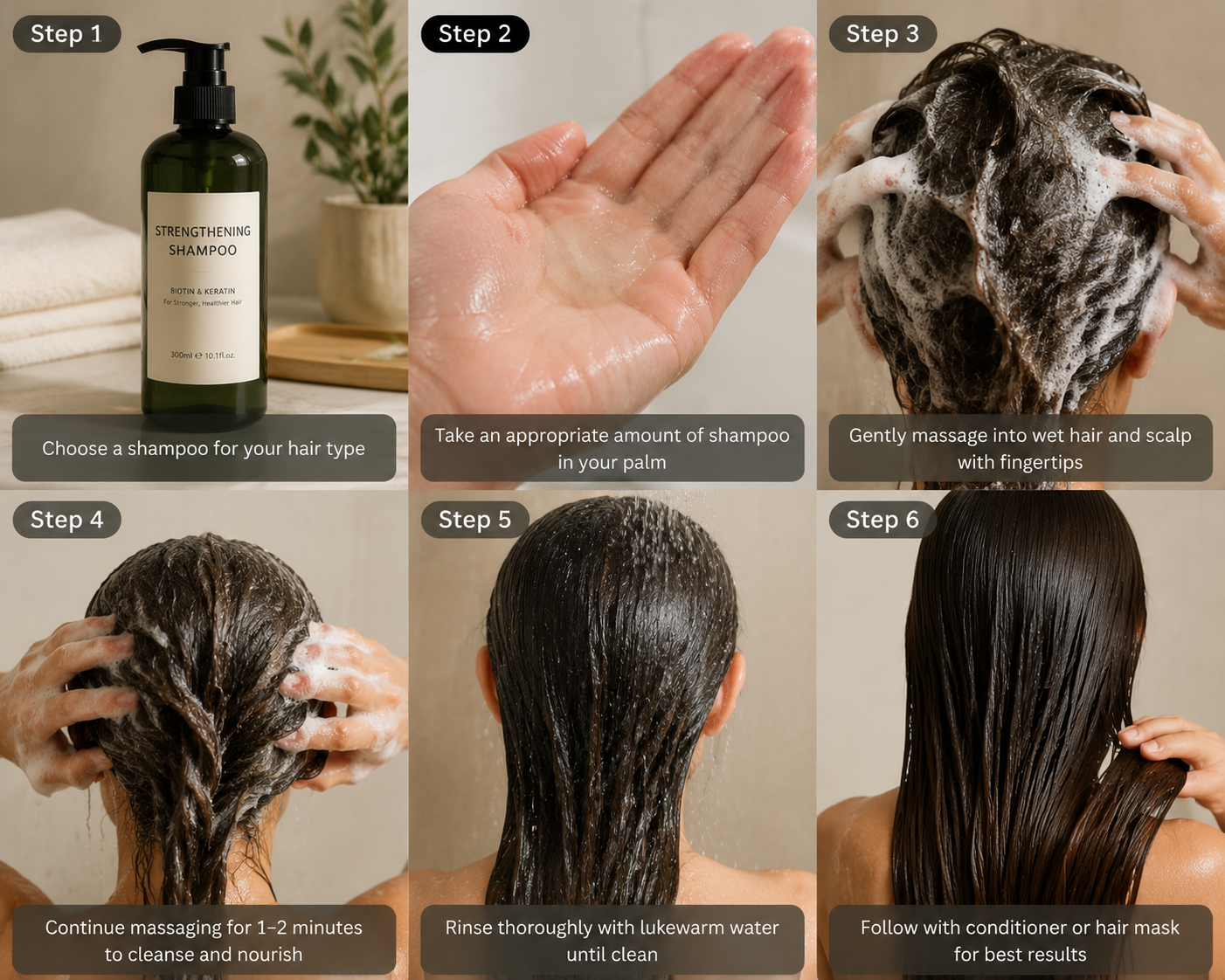
Getting the best results from your shampoo for hair care and repair also requires proper techniques:
- Use lukewarm water to avoid cuticle stress
- Massage scalp gently for 1–2 minutes to improve circulation
- Rinse thoroughly to avoid residue buildup
- Follow with conditioner or treatment mask designed for strengthening
Combining shampoo with supportive treatments often leads to better long‑term repair results than shampoo alone.
Environmental and Lifestyle Factors That Affect Repair
Even the best shampoos can be compromised by external stressors. Sun exposure, swimming in chlorinated water, excessive heat styling, and poor nutrition all contribute to hair weakening and breakage.
A comprehensive approach to hair strengthening includes:
- Protective styling
- Heat protection serums
- Balanced nutrition with vitamins (biotin, zinc, omega fatty acids)
- Scalp care routines to support follicle health
Conclusion: Choosing Wisely for Long‑Term Hair Health
Selecting the best shampoo for hair care and repair is about balancing product benefits with individual needs. Understanding ingredient roles, knowing your damage type, and choosing supportive routines makes the difference between short‑term fixes and long‑term hair strengthening success.
Frequently Asked Questions About Hair Care and Repair
1. What shampoo should I choose for severe hair damage?
For severe damage, choose shampoos with protein complexes (keratin, peptides) and hydrating agents that support both cuticle restoration and cortex strength.
2. Can a shampoo alone repair broken hair?
Shampoo can help mitigate future breakage and improve texture, but full repair often requires treatments, conditioners, and lifestyle changes that support hair strengthening.
3. How often should I wash hair to promote repair?
Avoid daily washing if possible; 2–3 times per week is generally optimal to preserve natural oils and support scalp health.
4. Are sulfate‑free shampoos better for damaged hair?
Sulfate‑free shampoos are gentler and can help prevent further dryness and weakening, making them a better choice for ongoing hair care and repair.