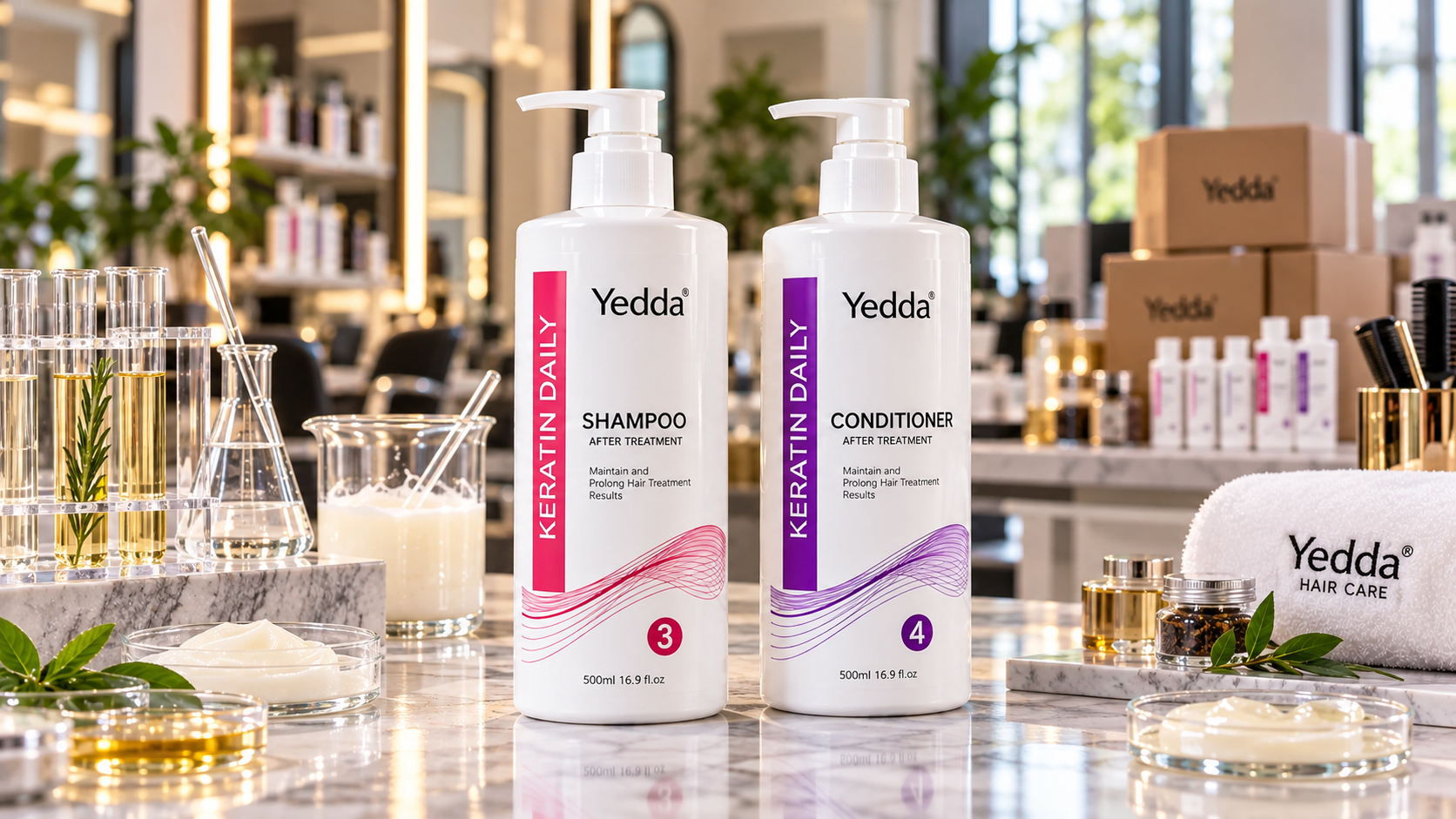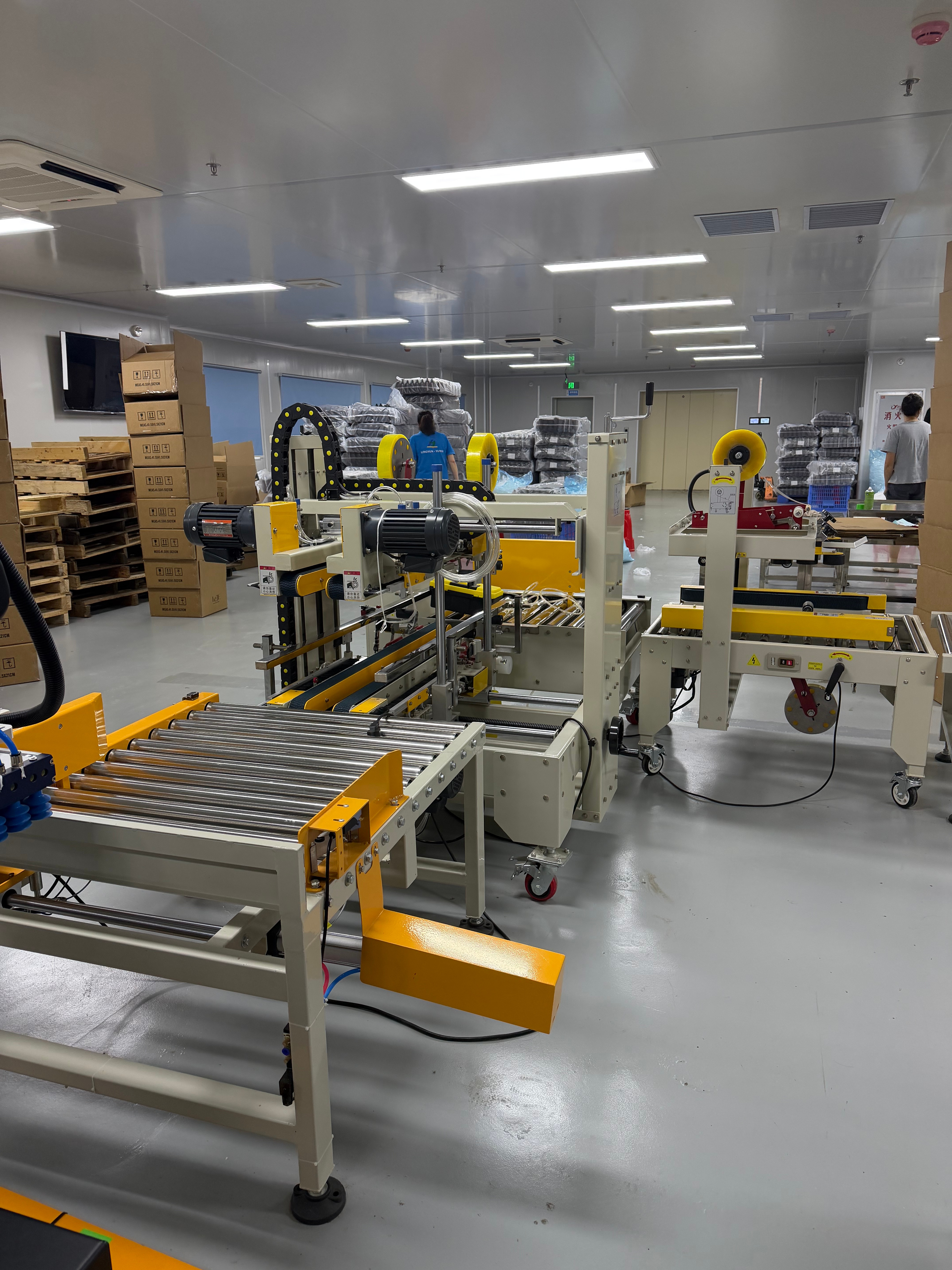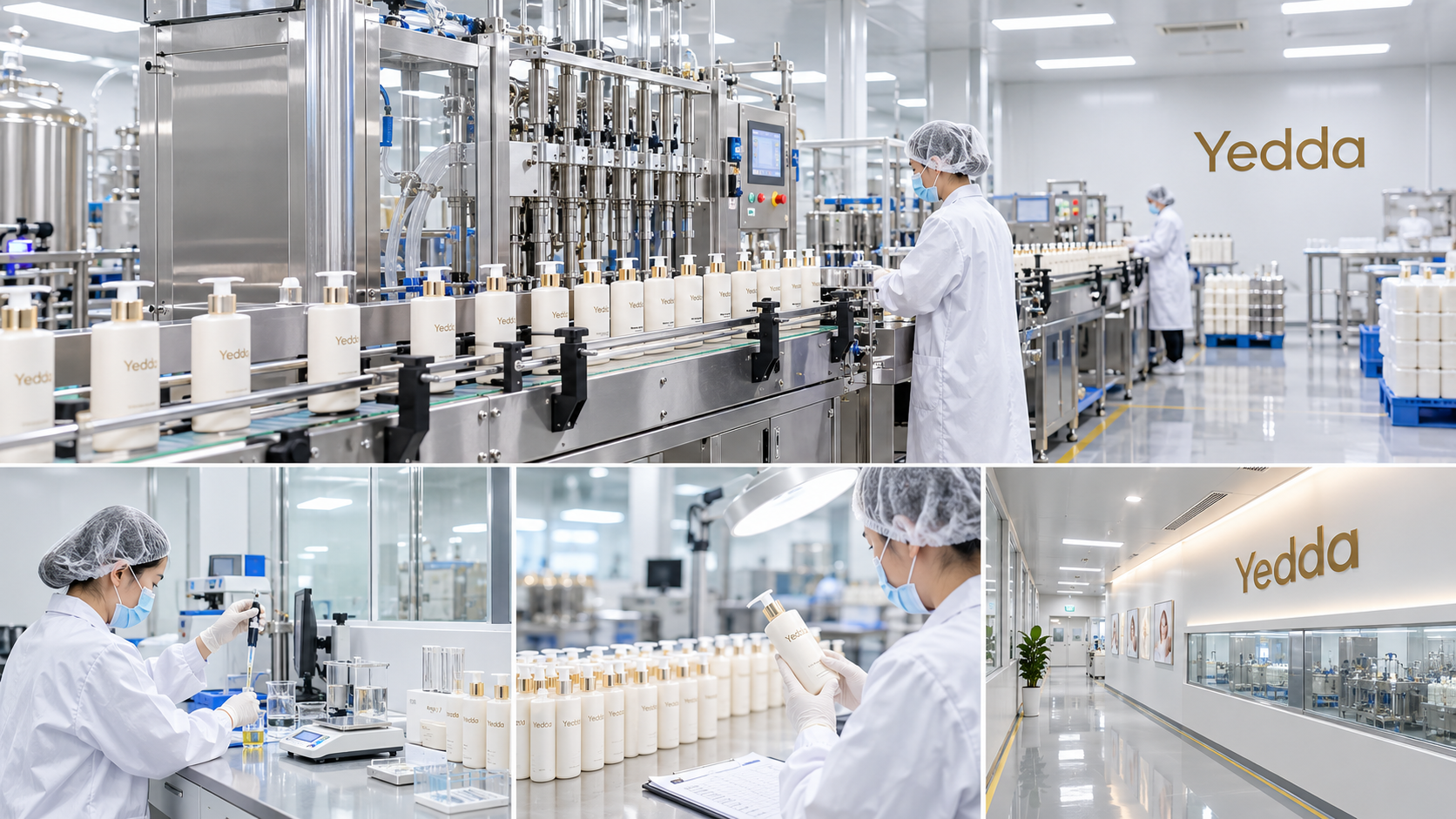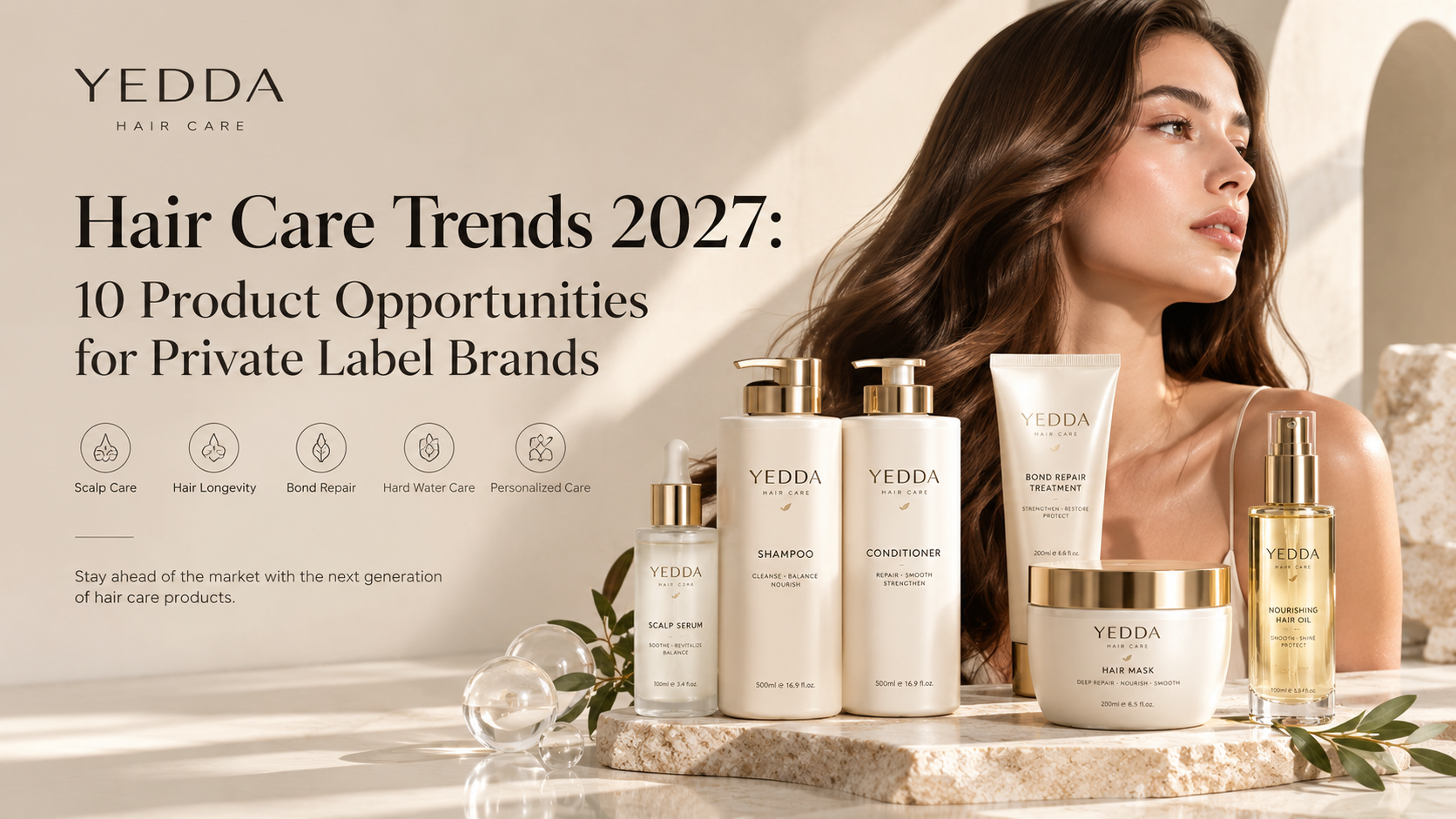

Hair care is entering a new stage of development. For many years, product innovation focused primarily on visible concerns such as dryness, frizz, breakage, damage, and hair thinning. In 2026, however, a broader concept is gaining importance: hair longevity.
Hair longevity shifts the conversation from repairing problems after they become visible to supporting long-term hair and scalp quality over time. For B2B buyers, beauty entrepreneurs, distributors, and emerging brands, this creates an important opportunity to develop more sophisticated hair longevity products that combine scalp care, hair fiber protection, antioxidant support, damage prevention, and advanced cosmetic technologies.
For companies building a private label hair care portfolio, the opportunity is especially interesting because hair longevity can support multiple product categories rather than a single shampoo concept. A brand may develop a complete system including a longevity-focused shampoo, scalp serum, leave-in treatment, hair mask, protective oil, or targeted hair aging treatment.
The strongest opportunity is not simply to rename an existing repair product. It is to develop a clear long-term product strategy around prevention, protection, scalp health, and the changing needs of hair as consumers age.
What Is Hair Longevity and Why Does It Matter for Private Label Hair Care?
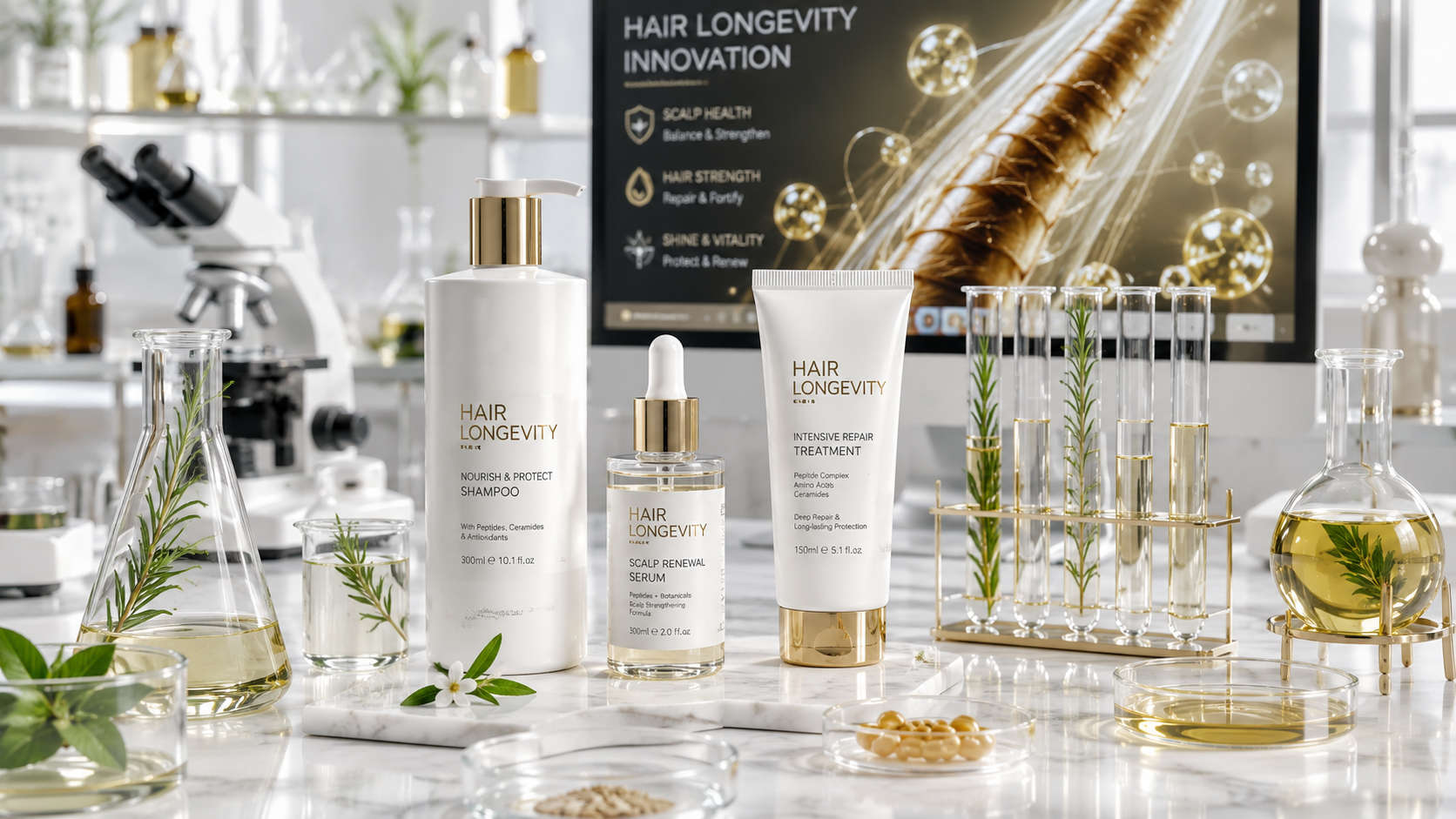
Hair longevity can be understood as a long-term approach to maintaining the appearance, resilience, manageability, and overall quality of both hair and scalp over time. Instead of focusing only on correcting an existing problem, a hair longevity strategy considers how repeated environmental exposure, chemical processing, heat styling, mechanical stress, ultraviolet radiation, scalp imbalance, and aging may gradually affect the consumer's hair.
This concept closely follows the wider beauty industry's movement toward prevention and long-term maintenance. Skincare has already moved far beyond basic cleansing and moisturizing. Consumers are familiar with preventative anti-aging, barrier care, antioxidant protection, and targeted treatment routines. Hair care is increasingly following a similar path.
For manufacturers and brand owners, this creates a new way to organize product development. Instead of asking only, "What shampoo should we launch?" B2B buyers can ask a more valuable question:
How can we build a product system that helps consumers maintain healthier-looking hair and a well-conditioned scalp throughout changing stages of life?
That question can lead to multiple product opportunities:
- Daily hair longevity shampoo
- Protective and strengthening conditioner
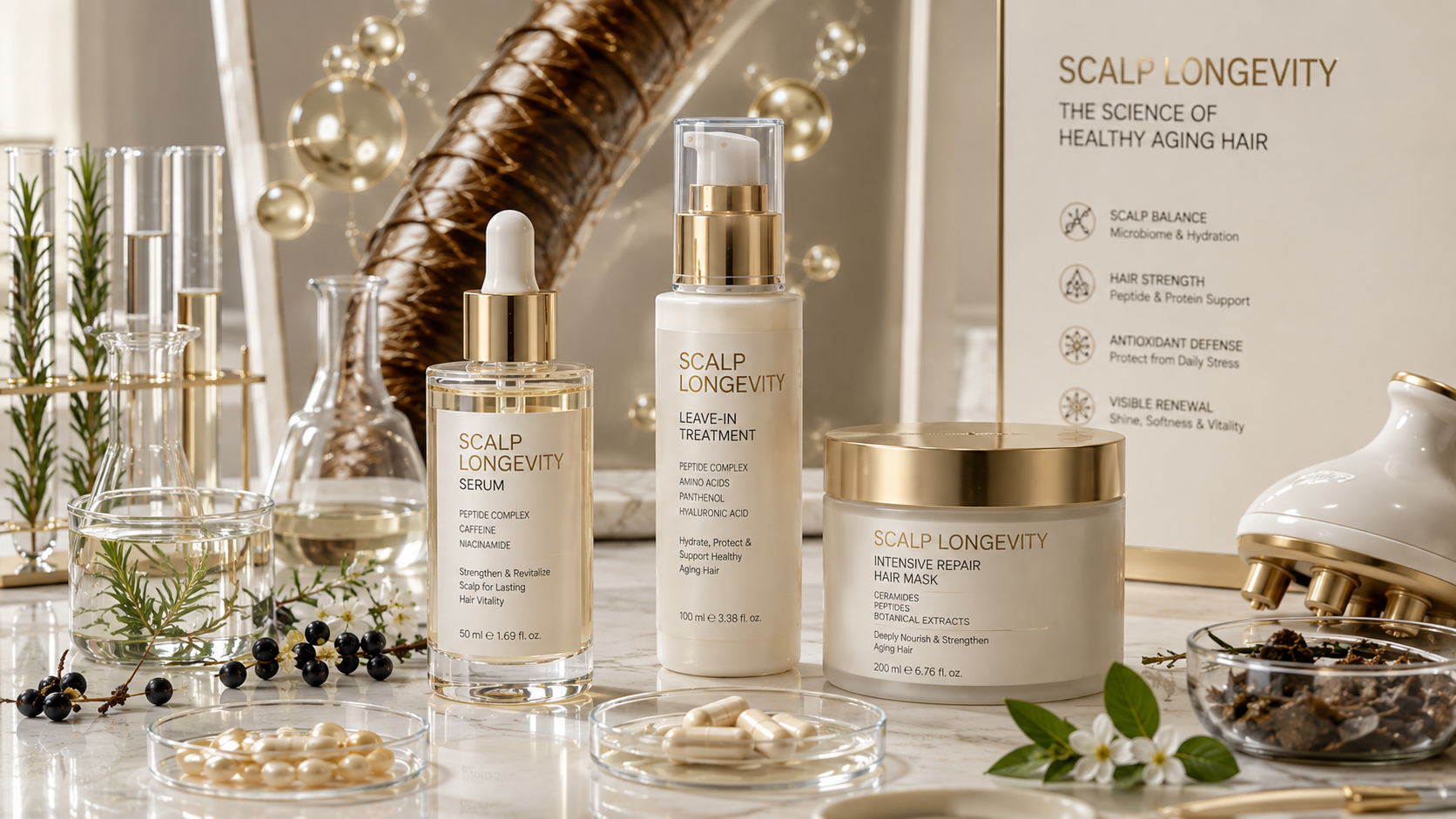
- Advanced scalp longevity serum
- Antioxidant leave-in treatment
- Bond-supporting or fiber-protective hair mask
- Heat and environmental protection products
- Premium overnight hair longevity treatment
This wider product ecosystem makes hair longevity particularly attractive for a private label hair care manufacturer or brand because it can create opportunities for repeat purchases, cross-selling, premium product positioning, and long-term category expansion.
The Science Behind Hair Aging and Scalp Longevity
The idea of hair aging is not limited to the appearance of gray hair. From a cosmetic product development perspective, aging can also be associated with changes in hair fiber quality, scalp condition, density, shine, manageability, and susceptibility to damage.
Hair is continuously exposed to external stress. Repeated washing, combing, heat styling, coloring, bleaching, ultraviolet exposure, humidity, pollution, and mechanical friction can affect the surface and structure of the hair fiber. At the same time, changes in the scalp environment can influence consumer perceptions of comfort, oiliness, dryness, sensitivity, and overall hair appearance.
Scientific research shows that hair aging is a complex and multifactorial process. Changes can involve the hair follicle as well as the hair shaft, while factors such as oxidative stress, inflammation, hormonal changes, DNA damage, environmental exposure, and physical damage may all play a role in the aging process. A detailed scientific review published in the journal Frontiers in Cell and Developmental Biology provides useful background on the biological pathways associated with hair aging and hair follicle changes.
For brands developing a hair longevity concept, this scientific background is important because it shows that hair aging should not be viewed as a single concern. Instead, it creates opportunities for a broader product strategy focused on protection, conditioning, scalp care, and long-term maintenance.
This does not mean that a cosmetic shampoo or serum should claim to reverse biological aging. Instead, it means manufacturers can develop cosmetic strategies designed to support healthy-looking hair, protect against external stress, improve conditioning, reduce the appearance of damage, and help consumers maintain desirable hair characteristics over time.
This distinction is important for responsible product positioning. A well-developed hair aging treatment should focus its cosmetic claims on support, protection, conditioning, appearance, and measurable cosmetic performance rather than making unsupported medical claims.
Why Scalp Longevity Is Becoming Part of the Conversation
The scalp is increasingly viewed as the foundation of the hair care routine. Consumers may use a shampoo every day or several times each week, but leave-on scalp products, exfoliating treatments, soothing formulas, and targeted serums have created a much broader category.
Scalp longevity expands this opportunity by focusing on long-term scalp comfort and condition. Depending on the target market, product development may focus on hydration, barrier support, gentle cleansing, antioxidant positioning, oil balance, soothing benefits, or other cosmetic scalp concerns.
For private label brands, this creates a particularly attractive premium category because scalp-focused products can complement traditional shampoo and conditioner rather than replace them.
Why Hair Longevity Products Are a Major B2B Opportunity in 2026
The emergence of hair longevity is not happening in isolation. It sits at the intersection of several larger beauty trends: preventative care, wellness, scalp health, advanced ingredient technology, molecular repair, and demand for products with more specialized functions.
According to Mintel's The Future of Haircare: 2026, several important areas of future hair care innovation include molecular-level repair, condition-centric scalp regimens, targeted scalp solutions, and products designed around the specific needs of mature consumers. The report also highlights the growing importance of scientific evidence and more targeted treatment approaches.
These developments suggest that the next stage of hair care innovation will increasingly move away from one-size-fits-all formulas toward more targeted, science-led, and condition-focused product systems.
For B2B buyers, this is important because hair longevity products can be positioned at a higher value level than conventional daily shampoo. Rather than competing only on fragrance, bottle design, or a single botanical ingredient, brands can create a more comprehensive product story around long-term hair and scalp maintenance.
The commercial opportunity can be divided into five major areas:
- Preventative hair damage management
- Scalp-focused long-term care
- Hair fiber resilience and repair
- Hair aging and mature consumer solutions
- Premium treatment systems and leave-on products
This approach can also help a private label brand create clearer product segmentation. A conventional shampoo line may include products for dry hair, oily hair, damaged hair, or colored hair. A hair longevity portfolio can add a more premium layer focused on maintaining hair quality before visible concerns become more severe.
From Reactive Hair Repair to Preventative Hair Care
Traditional repair products are usually marketed after consumers already recognize a problem. They may see split ends, dryness, roughness, dullness, or breakage and then search for a repairing shampoo or mask.
The hair longevity concept changes the starting point. Instead of waiting for visible damage, brands can develop routines intended to help protect hair from repeated stress.
A preventative hair longevity treatment may focus on cosmetic strategies such as:
- Improving hair conditioning and combability
- Reducing the appearance of dryness and roughness
- Supporting a well-conditioned scalp environment
- Protecting hair from heat styling stress
- Using antioxidant-focused ingredient stories
- Supporting the appearance of stronger and more resilient hair
- Maintaining shine and softness between salon treatments
This preventative positioning is particularly suitable for consumers who regularly color, bleach, heat-style, chemically process, or expose their hair to demanding environmental conditions.
Hair Longevity and the Growing Premium Hair Treatment Market
The strongest commercial opportunity may not be the basic shampoo category alone. Premium treatments, serums, masks, leave-in products, and scalp treatments provide more room for advanced formulations and higher-value positioning.
Recent market data from Circana demonstrates the growing importance of treatment-oriented hair care. In Canada, prestige hair was the fastest-growing beauty category during the first half of 2026, with sales increasing 23% year over year. Hair serum was one of the strongest-performing segments, growing 91%, while daily rinse shampoo and conditioner also recorded strong growth.
The data also indicates that consumers are increasingly interested in scalp health, treatment-based routines, and overall hair wellness. For private label brands, this provides an important commercial signal: consumers are willing to add specialized products to their routines when they believe those products provide targeted benefits.
For a private label hair care brand, the most effective strategy may therefore be a layered product portfolio.
| Product Type | Hair Longevity Role | B2B Opportunity |
|---|---|---|
| Daily Shampoo | Gentle cleansing and routine maintenance | High repeat purchase potential |
| Conditioner | Conditioning and hair fiber protection | Natural cross-selling opportunity |
| Scalp Serum | Premium scalp longevity positioning | Higher-value leave-on category |
| Hair Mask | Intensive conditioning and repair support | Professional and salon positioning |
| Leave-In Treatment | Daily protection and convenience | Premium routine expansion |
| Hair Oil | Nourishment, shine, and sensory experience | Natural and luxury positioning |
How to Develop Hair Longevity Products for Different Consumer Needs
One of the advantages of hair longevity as a B2B product concept is its flexibility. It should not be treated as one universal formula. Instead, manufacturers can build multiple sub-concepts around specific consumer concerns and market segments.
1. Hair Longevity Products for Damaged and Chemically Processed Hair
Consumers who frequently bleach, color, relax, perm, or heat-style their hair often experience repeated fiber stress. For this group, a hair longevity range can focus on maintaining softness, smoothness, shine, and resistance to visible breakage.
Possible product concepts include:
- Bond-supporting shampoo and conditioner
- Protein and peptide-inspired repair treatment
- Protective leave-in cream
- Heat protection spray
- Weekly intensive hair mask
The formula strategy should be based on the target claim, hair type, texture requirements, ingredient compatibility, and testing rather than simply adding every trending ingredient to one formula.
2. Hair Aging Treatment for Mature Consumers
Mature consumers represent a significant opportunity for product differentiation. Hair needs and consumer priorities can change with age, but many mainstream hair care ranges still focus heavily on younger consumers, trend-driven styling, or immediate repair.
A mature-focused hair aging treatment line may emphasize:
- Improved softness and manageability
- Support for dry-feeling hair
- Scalp comfort and hydration
- Lightweight conditioning without excessive heaviness
- Hair shine and smooth appearance
- Protection from environmental stress
The product language should remain responsible. A cosmetic brand may discuss the appearance of mature hair and scalp care, but claims relating to the treatment or prevention of disease, baldness, or biological reversal require much greater regulatory consideration.
3. Scalp Longevity for Wellness-Oriented Consumers
Consumers increasingly connect hair appearance with scalp condition. This creates an opportunity for scalp longevity products that are positioned around routine maintenance and long-term scalp care.
Depending on the target consumer, a manufacturer may develop formulas around:
- Gentle cleansing
- Hydration
- Soothing cosmetic benefits
- Scalp barrier-support positioning
- Oil balance
- Antioxidant ingredient stories
- Lightweight leave-on care
This category can be particularly effective when paired with diagnostic or consultation-based selling. Salons, beauty retailers, and online brands can organize products according to visible scalp and hair needs rather than only hair type.
Key Ingredient Directions for Hair Longevity Treatment Development
Ingredient selection is one of the most important stages of product development, but ingredient marketing alone is no longer enough. Consumers are becoming more familiar with active ingredients and increasingly expect brands to understand why a formula has been designed in a particular way.
For manufacturers, the goal should be to build an ingredient system that supports the intended product story, sensory profile, stability, compatibility, and cosmetic performance.
Antioxidant-Focused Ingredients
Oxidative stress has been discussed in scientific research as one of the mechanisms associated with hair aging. This makes antioxidant-focused positioning a logical area for cosmetic innovation, especially when combined with protection from environmental exposure.
Depending on formula design and local regulatory requirements, brands may explore botanical extracts and other cosmetic ingredients associated with antioxidant activity as part of a broader hair longevity story.
Peptides and Biomimetic Innovation
Peptides have become increasingly important across premium beauty categories because they provide a science-led product narrative and can support more advanced formulation positioning.
The emergence of K18's FutureIQ biomimetic hair longevity serum provides a recent example of how the commercial market is beginning to use hair longevity as a distinct product category. The product combines biomimetic peptide technology, antioxidant-focused positioning, and scalp care within a longevity-focused concept.
For private label brands, the lesson is not to copy a competitor's proprietary technology or product claims. The opportunity is to understand the broader market direction: consumers are increasingly interested in formulations that combine visible cosmetic benefits with a credible scientific story and long-term maintenance positioning.
Ceramides and Lipid-Inspired Hair Care
Ceramide and lipid-inspired concepts can support the growing consumer interest in barrier-focused beauty. While the scalp and hair fiber require different formulation approaches from facial skin, the popularity of barrier care provides a useful product development framework.
A private label manufacturer may develop concepts combining conditioning technology, lipid-inspired ingredients, and targeted scalp care to create a more sophisticated longevity-focused story.
Proteins, Amino Acids, and Hair Fiber Care
Hair care brands have long used protein-related ingredient stories. In 2026, the opportunity is to move beyond generic "protein repair" language and develop more targeted positioning based on hair type, degree of processing, texture, and consumer expectations.
A formula for highly bleached hair may require a different conditioning strategy from one developed for fine, mature, or naturally textured hair.
Botanical Ingredients With Modern Formulation Systems
Natural ingredients continue to have strong consumer appeal, particularly when combined with modern cosmetic science. Botanical extracts can help create a recognizable ingredient story, but the final formula should not depend on visual marketing alone.
A premium formula may combine a botanical story with modern conditioning systems, sensory technology, antioxidant positioning, and carefully selected active ingredients.
From Hair Growth to Hair Longevity: A More Complete Product Strategy
Hair growth and hair loss remain major consumer concerns. However, not every brand needs to build its entire strategy around aggressive hair growth claims.
Hair longevity provides a broader platform. A brand can address multiple stages of the consumer journey:
- Preventative care before visible concerns become significant
- Daily protection from styling and environmental stress
- Repair and conditioning for existing damage
- Long-term scalp maintenance
- Products designed around changing hair needs with age
This makes the category useful for both emerging brands and established companies. A new brand can launch with a focused longevity serum and shampoo. A larger company can create a complete premium sub-brand.
It is also important to separate cosmetic positioning from medical treatment. Product claims can affect how a product is regulated in different markets. Therefore, companies developing a hair longevity range should review target-market regulations before finalizing labels, advertising, product names, and performance claims.
How Private Label Hair Care Manufacturers Can Build a Hair Longevity Line
A successful hair longevity range begins with product architecture rather than a single formula. Before laboratory development starts, the brand and manufacturer should define the market, target consumer, price position, distribution channel, and long-term expansion plan.
Step 1: Define the Product Positioning
The first decision is determining what "hair longevity" means for the specific brand.
Possible positioning directions include:
- Premium anti-aging hair care
- Scalp longevity and wellness
- Hair resilience for chemically processed hair
- Preventative care for frequent heat styling
- Mature hair and scalp maintenance
- Biomimetic and science-inspired hair care
- Botanical longevity and antioxidant-focused care
A strong product line usually chooses one primary direction rather than attempting to communicate every possible benefit.
Step 2: Build a Product System
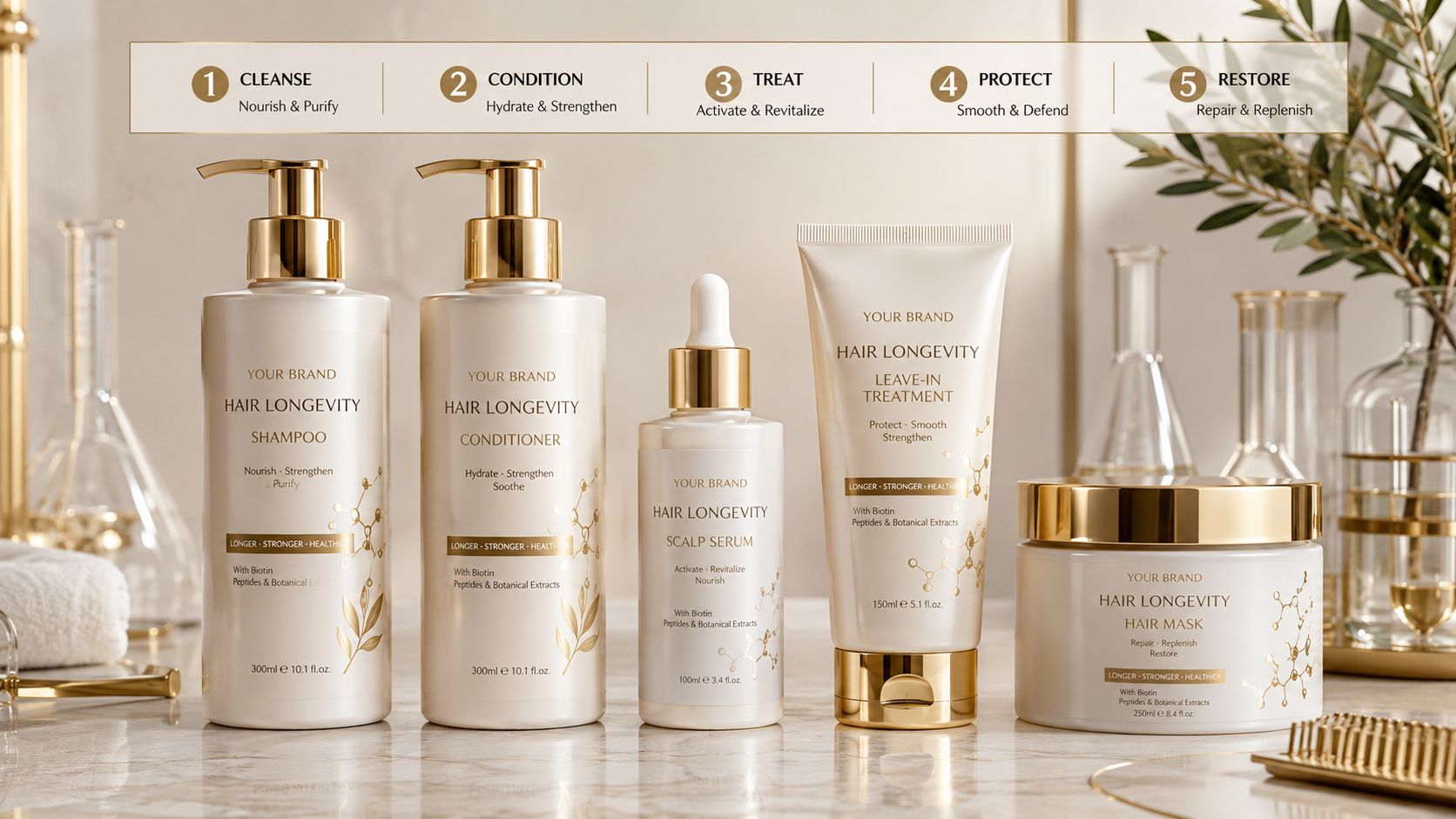
For most private label projects, a three-to-five-product system is easier to communicate than a large collection at launch.
One possible product architecture is:
- Step 1: Hair Longevity Daily Shampoo
- Step 2: Strengthening and Conditioning Treatment
- Step 3: Scalp Longevity Serum
- Step 4: Weekly Intensive Hair Mask
- Step 5: Protective Leave-In Treatment
This structure allows consumers to enter the product line at different price points while giving the brand opportunities for bundle sales and routine-based marketing.
Step 3: Develop the Formula Around Real Use Conditions
A product concept must work in the consumer's actual routine. A technically advanced ingredient story is not enough if the shampoo leaves the hair difficult to manage or the serum feels heavy and greasy.
During formula development, manufacturers should consider:
- Hair type and texture
- Target scalp condition
- Frequency of use
- Desired fragrance profile
- Viscosity and texture
- Rinse-off or leave-on format
- Packaging compatibility
- Stability
- Microbiological quality
- Target-market regulatory requirements
Step 4: Validate Product Performance
As beauty consumers become more skeptical of exaggerated marketing, evidence becomes increasingly valuable. Depending on the product concept and budget, brands may consider appropriate cosmetic performance evaluations, instrumental testing, consumer perception studies, compatibility assessments, or other relevant testing methods.
The testing approach should match the claim. A brand should not make a strong quantitative statement unless it has suitable evidence supporting that specific claim.
Hair Longevity Packaging and Branding Opportunities
The visual identity of a hair longevity line should communicate a balance between science and beauty. If the packaging looks too pharmaceutical, consumers may interpret the product as a drug. If it looks too generic, the advanced formulation story may lose credibility.
For premium hair longevity products, several design directions are particularly suitable:
- Minimalist clinical luxury
- Soft neutral colors with metallic accents
- Biomimetic or molecular-inspired graphic details
- Premium glass-inspired or high-quality recyclable packaging
- Clear routine numbering systems
- Ingredient-focused but uncluttered labels
European and North American premium markets often respond well to packaging that combines simplicity with evidence-led product communication. Rather than covering every label surface with claims, brands can highlight one clear product benefit, one technology or ingredient story, and one recommended usage method.
Why Molecular Repair and Hair Longevity Work Well Together
Hair longevity should not replace the existing hair repair category. Instead, the two concepts can complement each other.
Molecular or structural repair focuses on restoring the cosmetic quality of hair that has already been stressed or damaged. Hair longevity adds a longer-term narrative focused on maintaining hair quality and reducing the impact of repeated future stress.
Mintel's 2026 hair care outlook specifically identifies molecular-level repair as an area where brands can create additional value and justify premium positioning. This creates a strong opportunity for manufacturers to combine:
- Repair-focused shampoo or mask technology
- Daily protective leave-in products
- Scalp-focused serums
- Antioxidant or environmental protection stories
- Long-term maintenance routines
For example, a brand could position a hair mask as the intensive repair step and a leave-in serum as the daily maintenance step. The overall collection can then be marketed as a complete hair longevity routine rather than a collection of unrelated products.
Regional Opportunities for Hair Longevity Products
North America
The North American market is well suited to science-led hair care concepts. Consumers are familiar with peptides, scalp serums, bond repair, clinical testing language, and targeted treatments.
A successful private label strategy may focus on premium efficacy, transparent ingredient communication, convenient leave-on formats, and clear substantiation for important claims.
Europe
European consumers often show strong interest in ingredient transparency, sustainability, sensory quality, and responsible product claims. Hair longevity can be positioned around long-term hair quality, protection, scalp care, and mature consumer needs.
Packaging sustainability may also become an important differentiator depending on the target country and retail channel.
Middle East
For Middle Eastern markets, hair longevity can be combined with intensive nourishment, anti-frizz positioning, shine, heat protection, and premium fragrance experiences.
A richer product architecture may include oils, masks, leave-in treatments, and concentrated serums alongside shampoo and conditioner.
Asia-Pacific
In many Asia-Pacific markets, scalp care, lightweight textures, preventative routines, and sophisticated beauty technology can create opportunities for hair longevity positioning.
Products designed for frequent use, humidity, oily scalp concerns, and lightweight conditioning may be particularly relevant depending on the market.
Choosing the Right Private Label Hair Care Manufacturing Partner
A strong hair longevity concept requires more than a standard stock formula. Brands should look for a manufacturing partner capable of supporting product strategy, formulation development, testing, packaging selection, quality management, and market-specific documentation.
Important questions to ask include:
- Does the manufacturer have experience with scalp and leave-on products?
- Can the R&D team develop formulas based on a specific product concept?
- Can the supplier support different hair types and regional preferences?
- What stability and quality testing procedures are used?
- Can the manufacturer support customized fragrance and packaging?
- What documentation is available for international markets?
- What are the MOQ options for new product launches?
- Can the product line be expanded after the first launch?
The best manufacturing relationship is not simply transactional. For a trend-led category such as hair longevity, brands benefit from working with a supplier that can support ongoing product development as consumer demand evolves.
The Future of Hair Longevity Treatment Beyond 2026
Hair longevity is likely to develop through several connected directions rather than one single technology.
More Personalized Hair Care
Future brands may increasingly use questionnaires, digital consultation, salon assessment, or other forms of consumer profiling to recommend products based on hair history, styling habits, scalp concerns, and life stage.
Greater Demand for Evidence
Consumers are becoming more sophisticated. Ingredient names alone may no longer be enough to justify premium pricing. Brands that invest in appropriate testing and communicate results clearly may have a stronger opportunity to build long-term trust.
Hair and Scalp as One Connected Ecosystem
Future product development is likely to move further away from treating the scalp and hair fiber as completely separate categories. The consumer experience connects both: scalp comfort can influence the hair care routine, while repeated styling and chemical processing affect the appearance and condition of the hair fiber.
Premiumization Through Treatment Systems
The largest commercial opportunity may be the move from individual products toward complete routines. A consumer who begins with a longevity shampoo may later add a serum, mask, leave-in treatment, or oil.
For private label brands, this creates a stronger lifetime customer opportunity than competing with a single shampoo SKU.
Conclusion: Why Hair Longevity Should Be on Every Private Label Hair Care Roadmap
The future of hair care is becoming more preventative, targeted, and treatment-focused. The emerging hair longevity category provides private label brands with a framework for moving beyond traditional claims such as repair, moisture, and shine.
By combining long-term hair maintenance, scalp longevity, targeted hair aging treatment concepts, advanced ingredient technologies, and premium treatment formats, brands can create a more sophisticated and differentiated portfolio.
For manufacturers and B2B buyers, the key is to avoid treating hair longevity as simply another marketing phrase. The strongest products will connect the concept to real formulation decisions, clear consumer needs, responsible claims, suitable testing, and a complete routine strategy.
The opportunity is especially strong for brands that want to enter premium treatment categories. A well-designed portfolio of hair longevity products can include daily cleansing, intensive repair, scalp care, environmental protection, and leave-on maintenance within one coherent brand story.
As the beauty industry continues moving toward prevention, wellness, personalization, and evidence-led innovation, private label hair care brands that begin developing longevity-focused products now may be well positioned for the next stage of premium hair care growth.
Frequently Asked Questions About Hair Longevity Products
1. What is hair longevity in hair care?
Hair longevity is a long-term hair and scalp care approach focused on maintaining the appearance, quality, resilience, and manageability of hair over time. It can include preventative care, scalp-focused products, conditioning technology, protection from external stress, and targeted treatment routines.
2. What products can be included in a hair longevity treatment line?
A hair longevity line can include shampoo, conditioner, scalp serum, leave-in treatment, hair mask, protective spray, and hair oil. The final product selection should depend on the target market, price positioning, and consumer needs.
3. Is hair longevity suitable for private label hair care brands?
Yes. Hair longevity provides a flexible product development platform for private label brands because it can support multiple categories and price levels. Brands can begin with a focused product such as a scalp serum or shampoo and later expand into a complete treatment system.
4. How should brands position hair aging treatment products?
Brands should develop claims based on the product's intended cosmetic function and available evidence. Depending on the target market, suitable positioning may focus on conditioning, improving hair appearance, protecting against external stress, supporting scalp care, or maintaining healthy-looking hair. Claims relating to disease treatment, hair regrowth, or prevention of medical conditions may require different regulatory considerations.