
Why Hair Loss Treatment Shampoo Is Growing Fast in Global Market
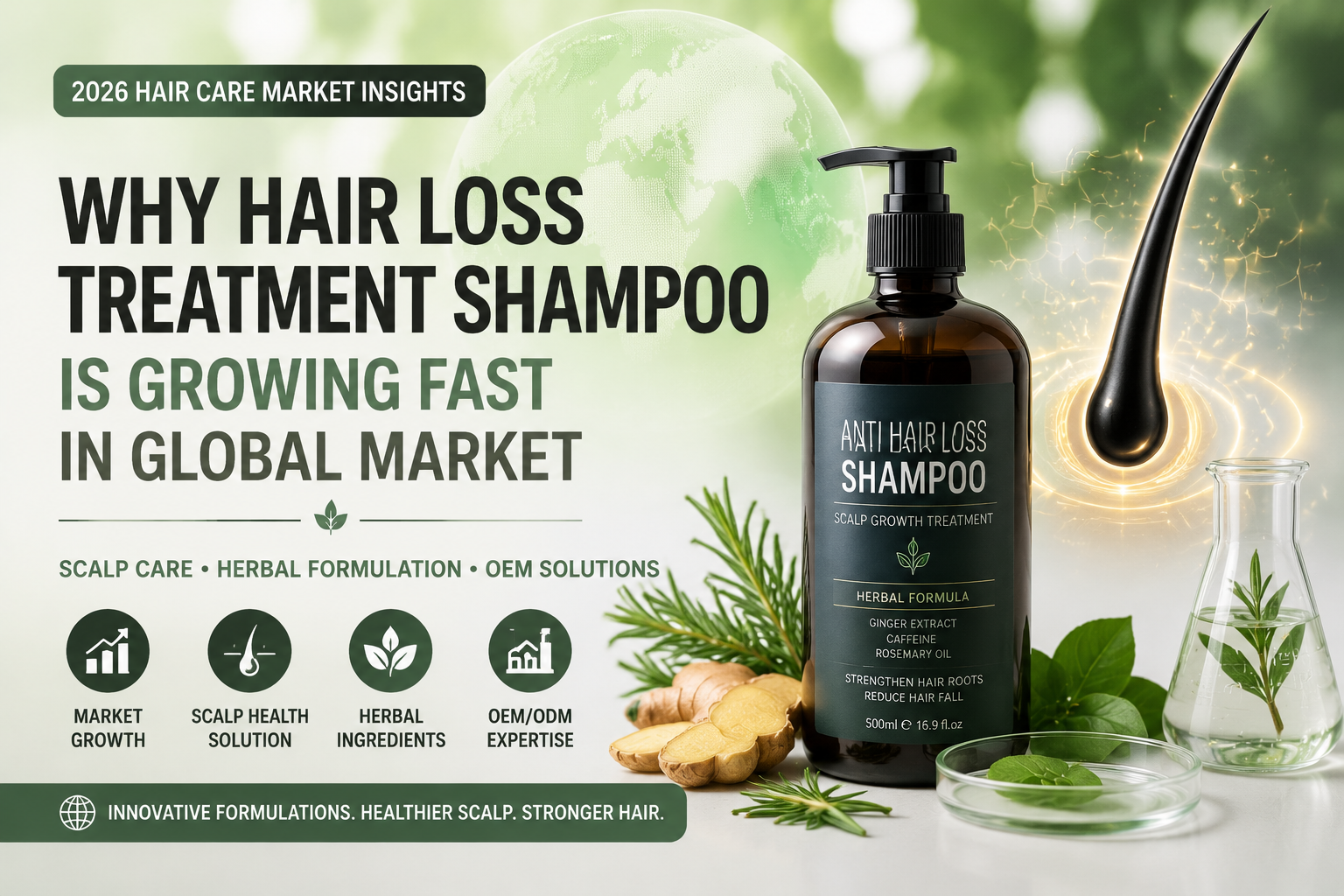
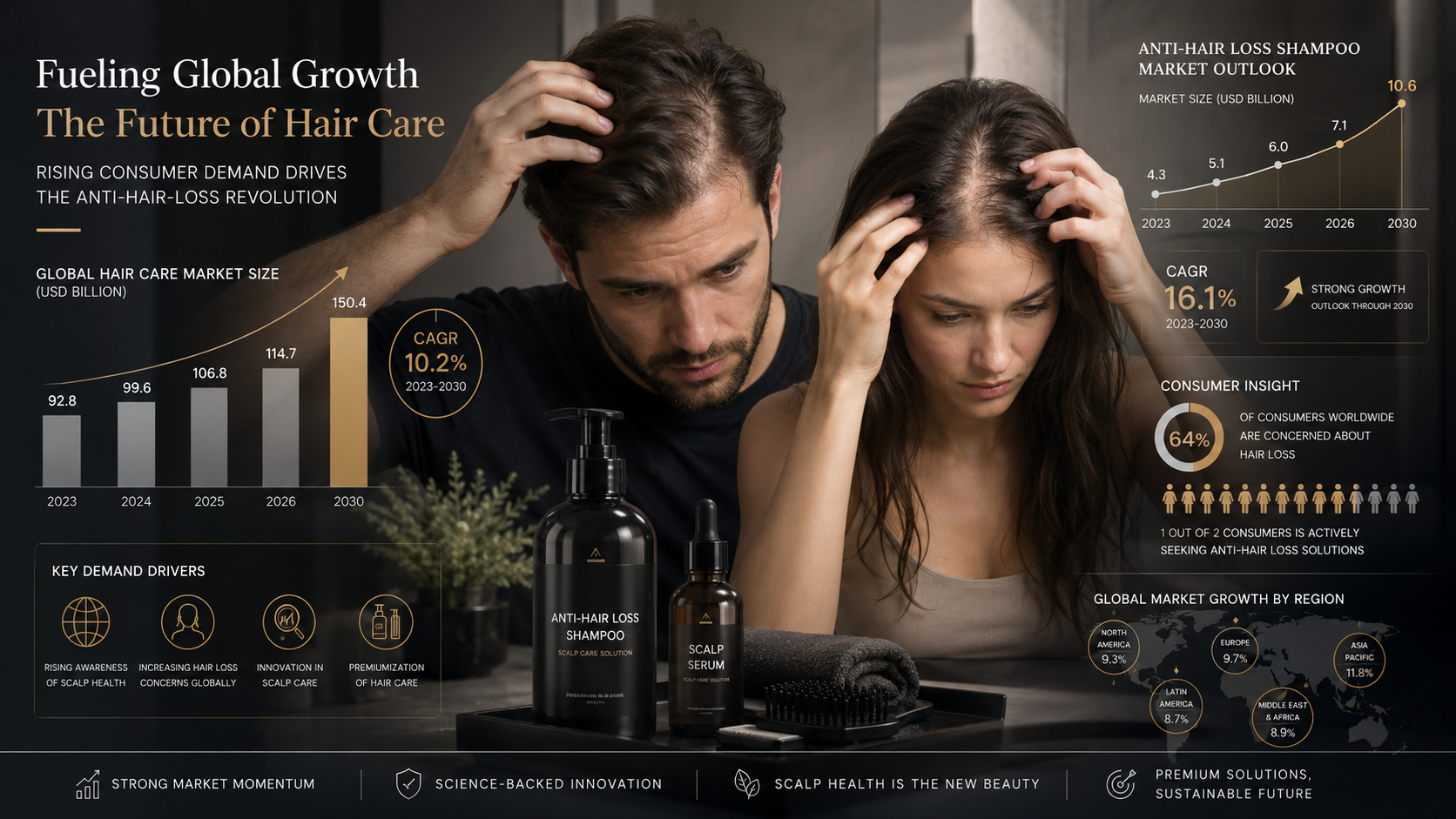
The global hair care industry is experiencing a significant transformation, and anti hair loss shampoo has become one of the fastest-growing categories in both retail and professional markets. This shift is driven by increasing consumer awareness of scalp health, lifestyle stress, environmental pollution, and aging populations worldwide.
According to Grand View Research, the global hair loss treatment market is expected to grow steadily over the next decade, with scalp-focused products becoming the dominant segment in both Asia and Western markets.
Rising Global Demand for Anti Hair Loss Shampoo
The demand for anti hair loss shampoo is no longer limited to medical or dermatological channels. It has now expanded into mainstream consumer beauty routines, especially among millennials and Gen Z consumers who are experiencing early-stage hair thinning due to stress and lifestyle factors.
- Increased stress-related hair shedding among younger populations
- Higher awareness of scalp health and follicle protection
- Growth of male grooming and female hair density care markets
- Expansion of e-commerce driven beauty consumption
Market studies from Statista confirm that functional hair care products are outperforming traditional cosmetic shampoos in growth rate.
Scalp Growth Treatment as the Core of Modern Hair Care
Modern consumers are shifting from cosmetic-level cleansing products to functional treatment systems. scalp growth treatment has become a central focus in product development pipelines across global brands.
Instead of targeting only hair strands, advanced formulations now focus on scalp microbiome balance, follicle stimulation, and long-term density improvement.
Scientific research from NCBI highlights that scalp environment health plays a critical role in preventing hair loss and supporting regrowth conditions.
Herbal Hair Care Formulation Driving Industry Innovation
The rise of herbal hair care formulation reflects a broader consumer shift toward natural, safe, and sustainable beauty products. Botanical ingredients are increasingly replacing synthetic chemicals in anti hair loss product development.
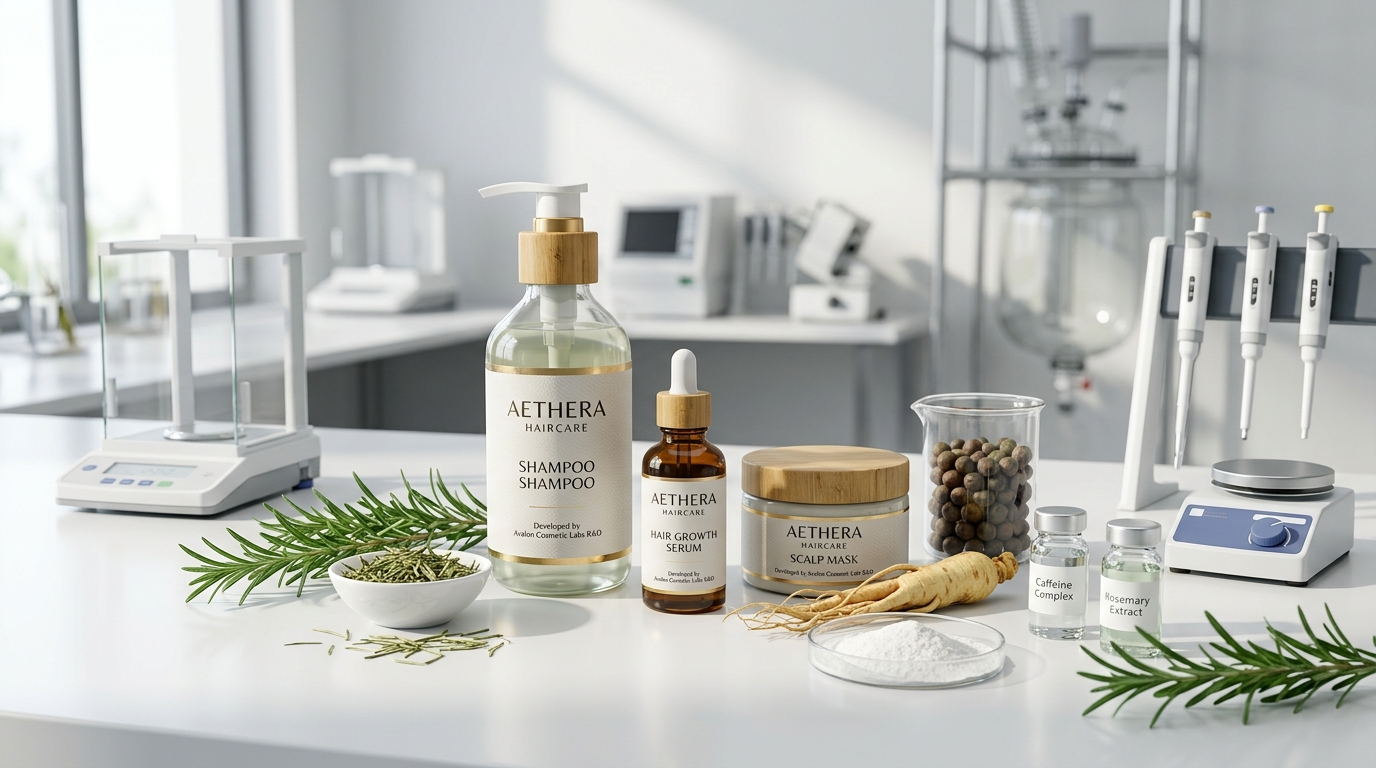
Common active ingredients include ginger extract, ginseng, rosemary oil, caffeine, peppermint oil, and biotin complexes, all of which are widely used in modern scalp treatment systems.
- Botanical extracts for scalp stimulation and circulation improvement
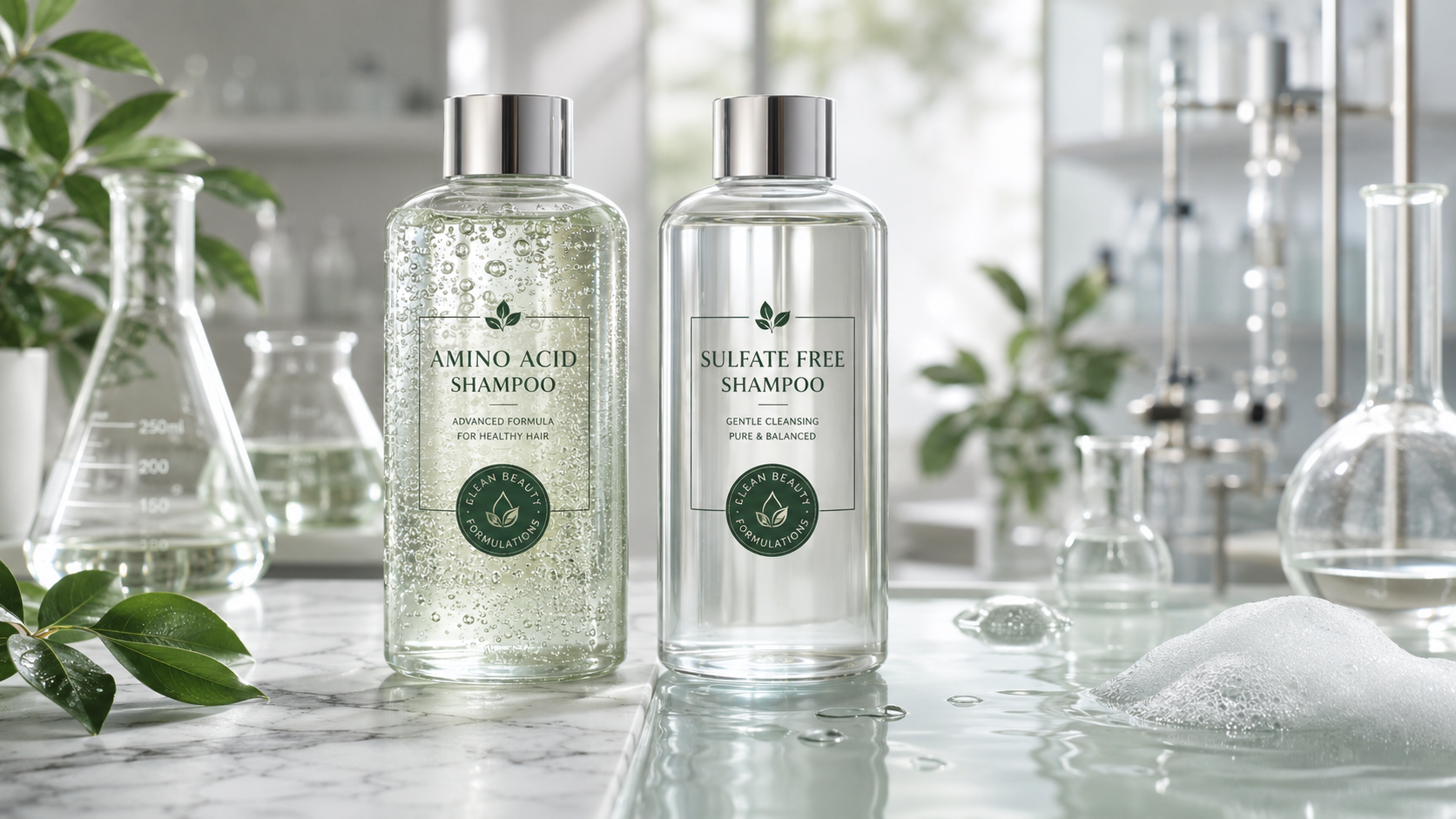
- Sulfate-free cleansing systems for sensitive scalp protection
- Reduced irritation and long-term safety formulations
- Plant-based active ingredient innovation in OEM development

OEM Shampoo Manufacturer Role in Product Development
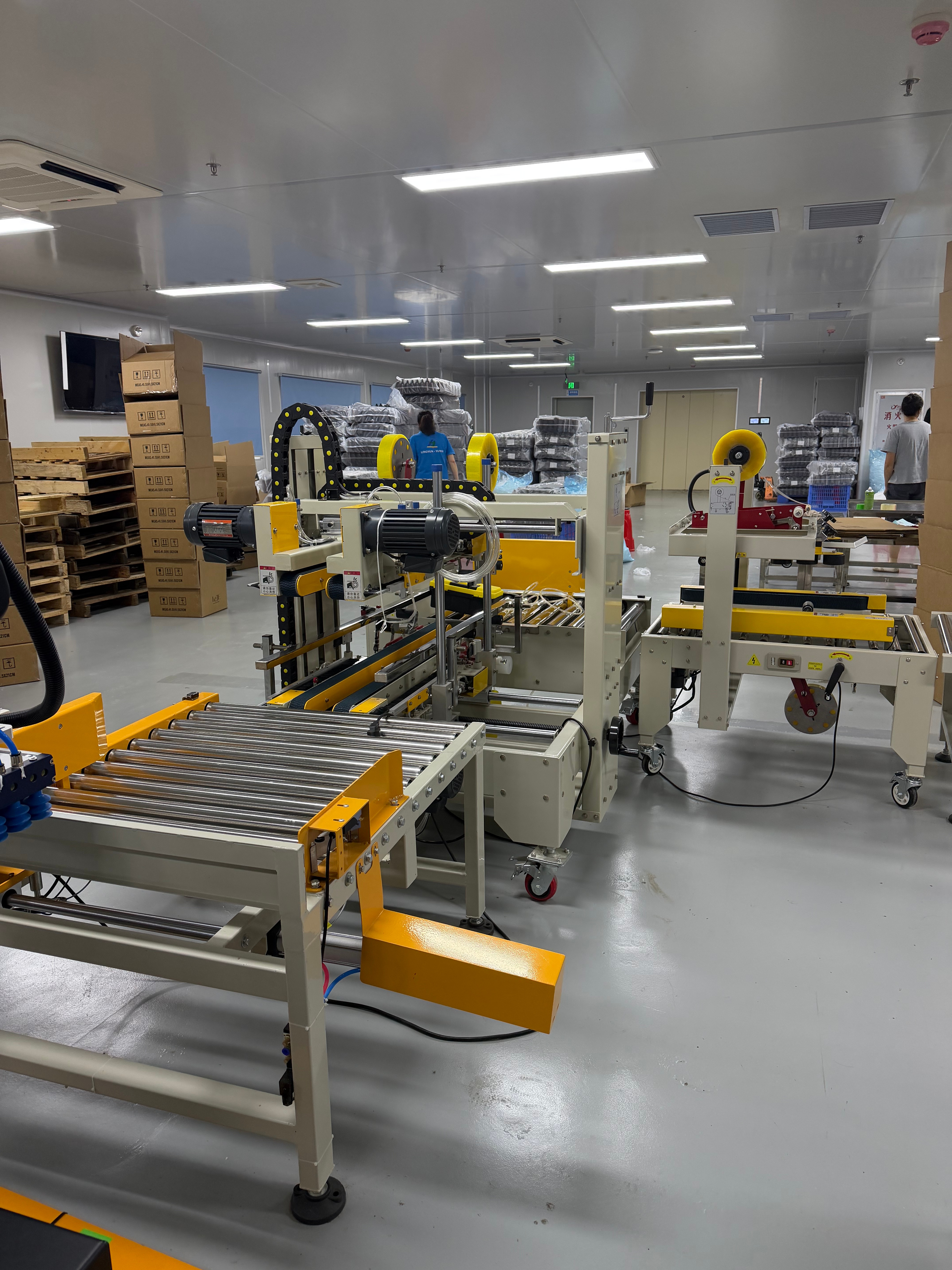
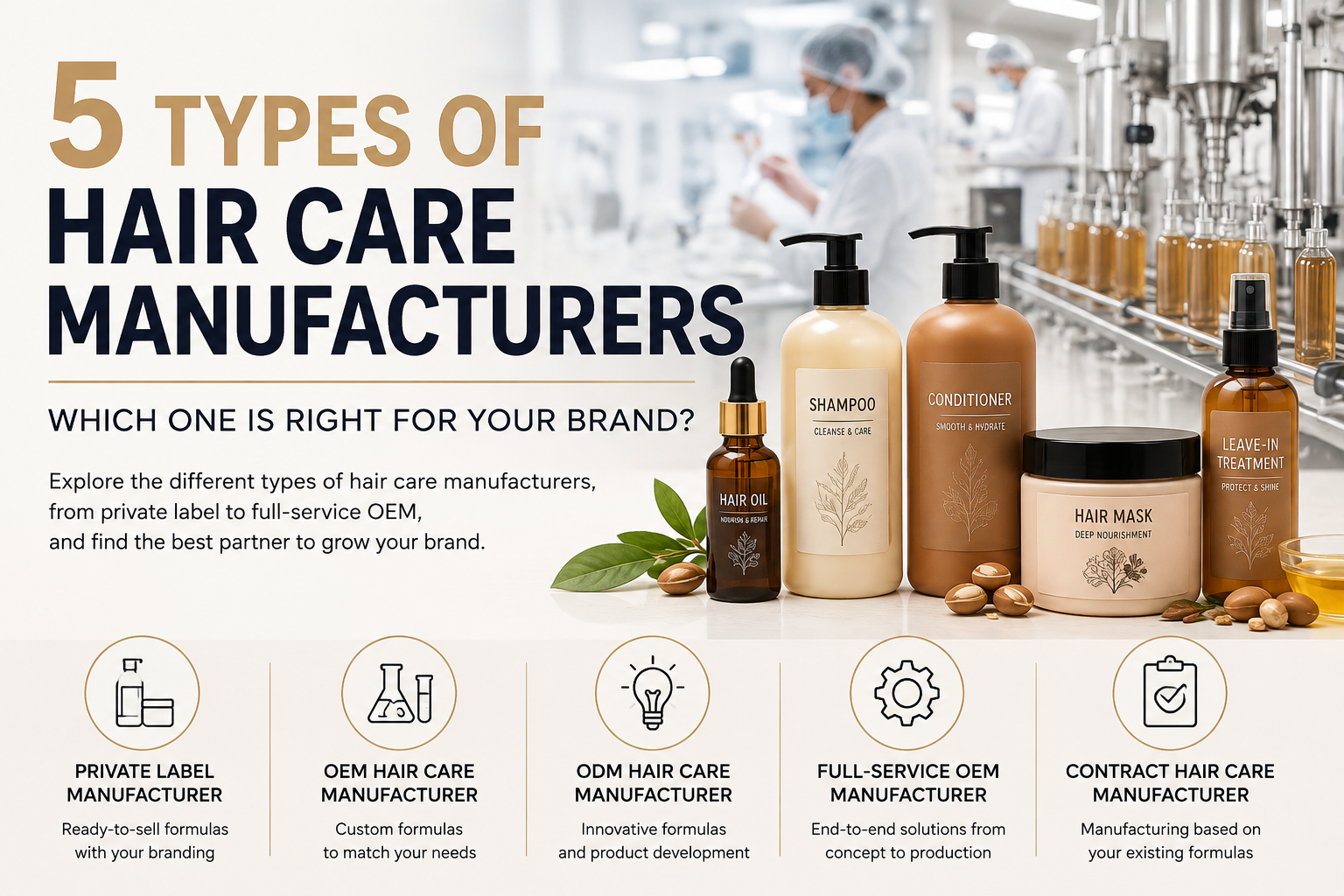
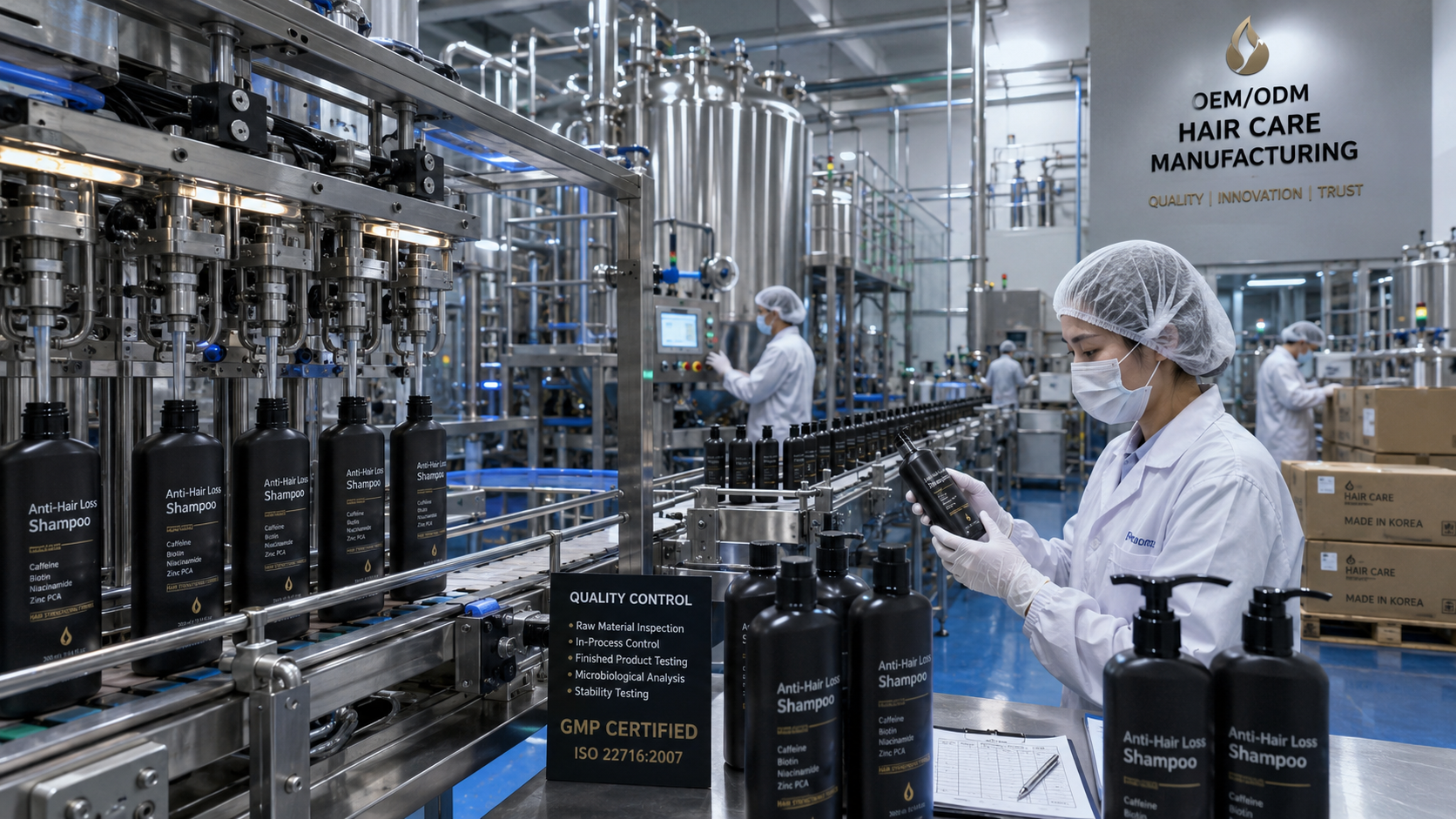
A professional OEM shampoo manufacturer plays a critical role in transforming market demand into scalable products. From formulation design to stability testing, packaging, and regulatory compliance, OEM partners are essential in the global supply chain.
Modern OEM factories are no longer simple production facilities—they are full-scale R&D centers supporting innovation in anti hair loss shampoo and scalp growth treatment categories.
- Advanced cosmetic formulation development capabilities
- Customized private label product solutions
- Clinical testing and stability verification systems
- Global regulatory compliance (EU, US, Asia markets)
According to Euromonitor, innovation-driven OEM partnerships are one of the strongest growth drivers in the global hair care industry.
Technology Behind Scalp Growth Treatment Systems
Modern scalp growth treatment systems combine dermatology, biotechnology, and cosmetic chemistry. These products are designed not only to clean but to actively improve scalp health conditions.
Key technological advancements include micro-encapsulation delivery systems, peptide-based stimulation complexes, and time-release botanical actives.
- Microbiome-friendly scalp formulations
- Advanced peptide and protein complexes
- Slow-release active ingredient systems
- AI-assisted formulation optimization in R&D
Why Anti Hair Loss Shampoo Market Will Continue to Grow
The growth of anti hair loss shampoo is supported by long-term structural changes in consumer behavior. Hair loss is no longer seen as a niche problem but a mainstream cosmetic concern affecting both men and women globally.
Three major forces will continue driving this market:
- Rising global stress and lifestyle imbalance
- Increased awareness of preventive scalp care
- Expansion of premium functional hair care categories
OEM Strategy for Hair Loss Product Brands
For brands entering this market, working with a reliable OEM shampoo manufacturer is essential. Success depends not only on formulation but also on speed-to-market, quality consistency, and regulatory compliance.
Brands that invest early in herbal hair care formulation and scalp-focused systems are more likely to build long-term market dominance.
Future Trends in Anti Hair Loss Shampoo Industry
The future of anti hair loss shampoo will be shaped by personalization, biotechnology, and AI-driven formulation systems. Brands are moving toward customized scalp solutions based on individual hair conditions.
- Personalized scalp analysis-based formulations
- AI-assisted ingredient selection systems
- Sustainable and biodegradable formulations
- Integration of dermatology and cosmetic science
Conclusion
The rapid global growth of anti hair loss shampoo reflects a major shift in consumer priorities toward scalp health and functional beauty products. Combined with advancements in scalp growth treatment technology and herbal hair care formulation, the industry is entering a new era of science-driven innovation.
For any OEM shampoo manufacturer, this category represents one of the most promising opportunities in the global hair care market.
FAQ
Why is anti hair loss shampoo growing so fast?
Because consumers are increasingly concerned about stress-related hair loss and scalp health issues.
What is scalp growth treatment?
It refers to advanced hair care systems designed to improve scalp conditions and support hair regrowth.
Why is herbal hair care formulation important?
Because it offers safer, natural, and more sustainable alternatives to synthetic ingredients.
What does an OEM shampoo manufacturer do?
They develop, produce, and scale hair care products for brands including formulation and regulatory compliance.