
Hair loss has become one of the fastest growing concerns in the global beauty and personal care industry. No longer satisfied with traditional cleansing products, consumers are actively seeking advanced scalp care solutions, products that promote hair growth, and professional anti-hair loss treatments that combine beauty technology and innovative ingredients.
For beauty entrepreneurs, distributors and emerging cosmetics brands, developmentPrivate label hair loss treatment product lines represent a significant opportunity in 2026. Hair growth products are emerging as a high-value category with strong market potential as consumers become more aware of scalp health, ingredient transparency and personalized beauty solutions.
To enter this competitive market, brands need more than just ordinary shampoo. What they need is a reliable hair growth shampoo manufacturer, inherit;">The manufacturer must understand formulation development, regulatory compliance, packaging customization, and consumer trends.
<p> dir="auto" style="vertical-align: inherit;">Anti-hair loss shampoo OEMImportant considerations when partnering.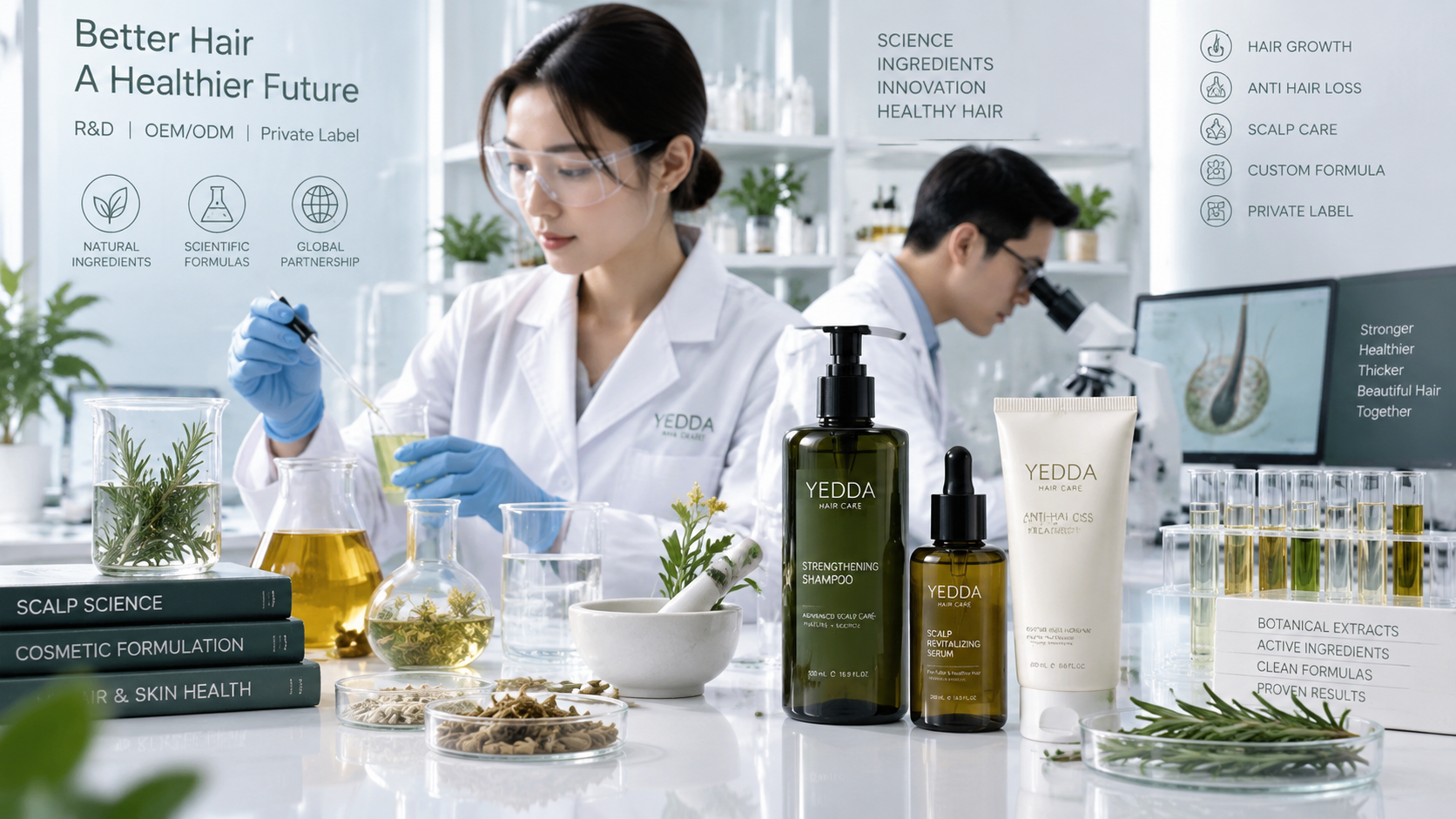
Private brand hair loss treatment products There are huge market opportunities behind them
Hair loss is no longer considered solely a problem associated with aging. Today, consumers of all ages face issues such as thinning hair, scalp imbalances, stress-induced hair loss, and environmental damage.
Industry research shows that hair loss affects a significant proportion of men and women worldwide. Male pattern baldness remains one of the most common hair loss problems, and female consumers are increasingly seeking preventive and restorative hair care solutions.
Growing demand has created opportunities for private label beauty products to launch specialty products, such as:
- Hair Growth Shampoo
- Scalp intensive care
- Hair Growth Serum
- Anti-hair loss conditioner
- Plant-based scalp oil
- Professional salon hair restoration care
Unlike traditional shampoo products that compete mainly on fragrance and cleaning effect, anti-hair loss products compete through functional advantages, ingredient stories and scientific positioning.
This makes the category attractive to brands as consumers are willing to pay a premium for products that offer targeted scalp care solutions.
Why will hair growth shampoo become a key category in 2026?
The beauty industry is undergoing a major shift from hair care to scalp care. Similar to skin care trends, consumers now recognize that a healthy scalp environment is the foundation for stronger, healthier hair.
This trend is often referred to as the "skin care of hair," where brands apply skin care concepts to hair care, such as:
- Barrier Protection
- Microbiota balance
- Active ingredient delivery
- Anti-aging technology
- Personalized treatment plan
Successful hair growth product ideas in 2026 often combine the following aspects:
| Product positioning | Consumer demand |
| Hair growth shampoo | Consumers want thicker, fuller hair |
| Scalp Balancing Shampoo | Consumers who experience symptoms of scalp oiliness or irritation |
| Anti-hair loss treatment | Consumers are worried about excessive hair loss |
| Advanced plant hair care | Consumers prefer natural ingredient solutions |
How to develop a successful private-label line of hair loss treatment products
Creating a competitive anti-hair loss product requires a complete R&D strategy. Successful brands usually go through several important stages, including market research, formula development, ingredient selection, testing, packaging design and manufacturing.
Step 1: Clarify target customers and market positioning
Before developing a strategy, brands need to clearly define their target audience.
Different markets have different expectations:
- European consumers generally prefer clean beauty concepts, natural ingredients and sustainable packaging.
- North American consumers place a premium on scientifically proven ingredients and professional performance.
- Middle Eastern consumers generally prefer nourishing formulas, luxurious packaging and rich fragrance experiences.
- Asian consumers often focus on scalp health, lightweight formulas and preventive care.
ProfessionalAnti-hair loss shampoo OEMSuppliers can help brands adapt recipes to regional preferences.
Step 2: Choose effective hair growth ingredients
When developing private label hair loss treatment products, ingredient selection is one of the most important factors.
Modern consumers expect products to contain identifiable active ingredients and have clear efficacy.
Common ingredients used in product development to promote hair growth
- Rosemary extract is
A popular botanical ingredient widely used in scalp care products because of its traditional association with stimulating the scalp and promoting the healthy appearance of hair. - Biological
Inheritance is often used in care products to strengthen and thicken hair. - Caffeine
is often added to scalp care formulas to refresh and rejuvenate.
Peptides used in high-end anti-aging and scalp care formulasPeptides.- Keratin
Nourishes hair and improves the appearance of damaged hair. - Nicotinamide
is a multifunctional cosmetic ingredient commonly used in scalp care.
When developing private label anti-hair loss products, brands should avoid simply adding popular ingredients without considering formula compatibility, stability and consumer safety.
The importance of choosing the right hair growth shampoo manufacturer
For an emerging hair care brand, choosing the right manufacturing partner is one of the most important decisions.
ProfessionalHair growth shampoo manufacturerThe services provided should not be limited to production. The ideal partner should support the entire product development process.
- Custom recipe development
- Source of raw materials
- Stability test
- Packaging customization
- Quality Control
- Regulatory document support
- OEM and ODM production services
Working with experienced manufacturers can help brands reduce development risks and launch products faster.
OEM development process for private label hair loss treatment products
Developing a successful hair growth product requires a professional OEM development process. ReliableAnti-hair loss shampoo OEMPartners can help brands transform initial product ideas into commercially successful products.
The complete development process usually includes the following stages:
1. Market research and product concept development
Before starting formula development, brands need to analyze market demand, competitors, consumer preferences and product positioning.
Professional manufacturers can help evaluate:
- Target market needs
- Commonly used ingredients
- Competitive product analysis
- Product Pricing Strategy
- Packaging direction
- Regulatory requirements
For example, high-end European hair care brands may focus on clean ingredients and sustainable packaging, while Middle Eastern brands may be more inclined to adopt nourishing and rich formulas and position themselves as luxury goods.
2. Formula development and laboratory testing
Formulation development is a core step in creating competitive private-label hair loss treatment products.
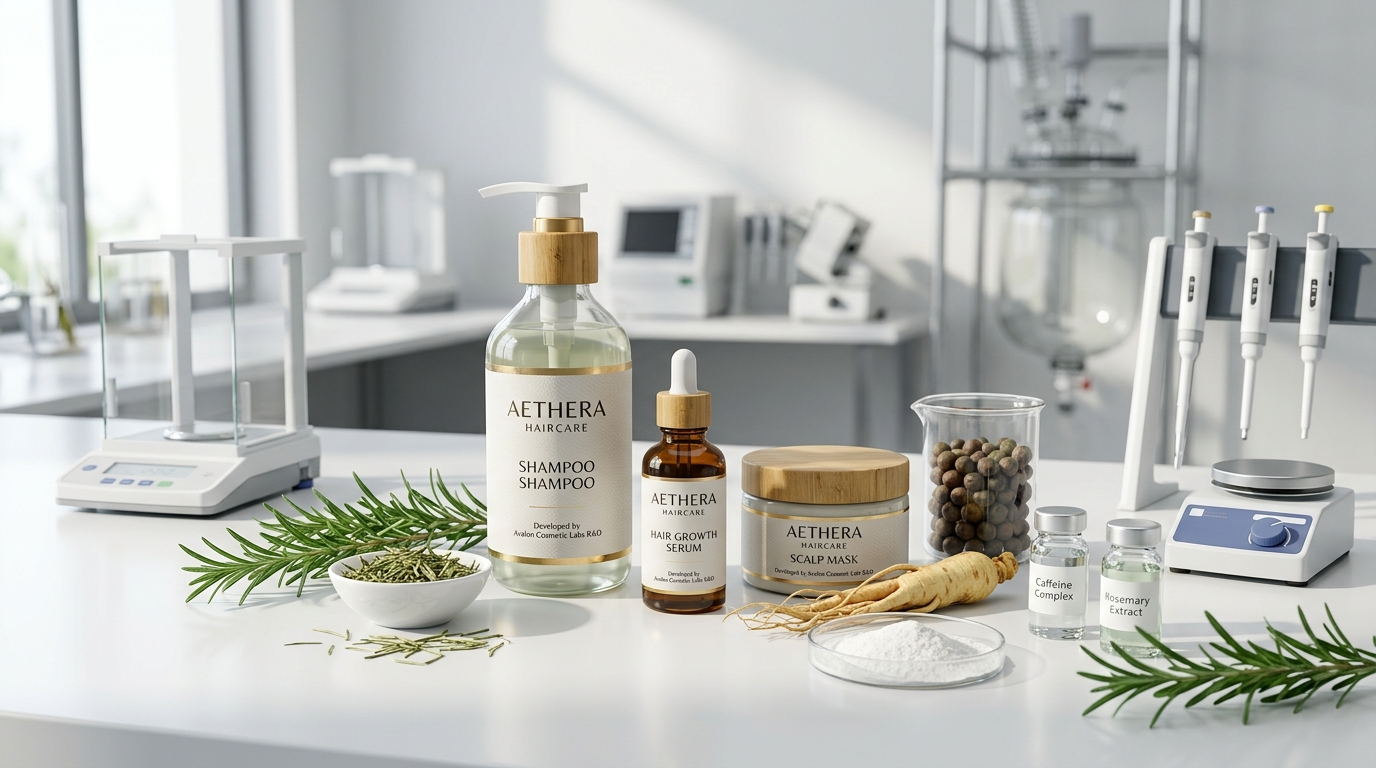
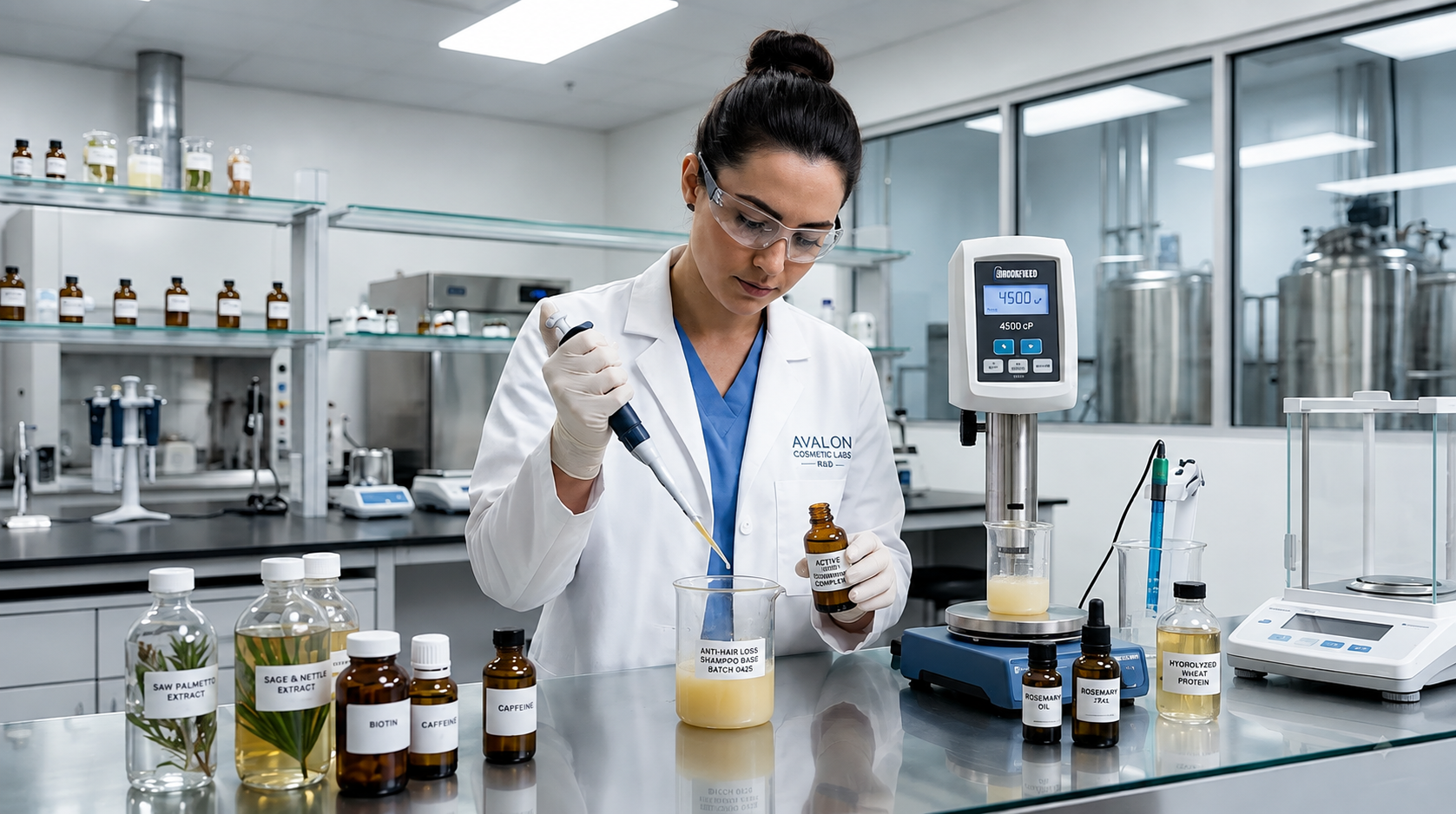
Experienced manufacturers usually have professional cosmetics laboratories, where chemists develop formulas based on the following factors:
- Ingredient Compatibility
- Texture requirements
- Consumer skin and scalp needs
- Product stability
- Market supervision
Modern hair growth formulas may contain a combination of botanical extracts, conditioners, peptides, vitamins, and scalp-supporting ingredients.
The goal is not only to incorporate popular ingredients but also to create a balanced formula that provides a superior user experience.
3. Product testing and quality control
Before mass production, professional OEM manufacturers will conduct multiple quality control procedures.
- Stability test
- Microbial testing
- Security Assessment
- Packaging compatibility testing
- Batch quality inspection
These procedures help ensure that a product maintains consistent quality throughout its shelf life.
Key product types of private label hair growth products in 2026
Successful brands usually do not launch just a single product, but create a complete hair care system to meet the different needs of consumers.
| Product Category | Main advantages | Market opportunities |
| Hair Growth Shampoo | Daily scalp cleansing and strengthening care | High repurchase potential |
| Scalp Serum | Intensive scalp care and high-end positioning | High margin categories |
| Hair Growth Conditioner | Improve softness and reduce breakage | Create a complete product suite |
| Hair Oil Treatment | Nourishment and plant care | Natural beauty trend prevails |
| Hair Mask | Deep restorative and intensive treatments | High-end salon positioning |
European and North American consumers are increasingly demanding ingredients that promote hair growth
The hair care market in Europe and North America is moving towards cleaner, safer and more scientific formulas.
Consumers are increasingly paying attention to products that combine natural ingredients with advanced cosmetic technologies.
Rosemary Hair Care Trend
Rosemary has become one of the most recognized botanical ingredients in scalp care products.
Many private brands are developing rosemary shampoo, rosemary scalp oil and rosemary hair care products as consumers associate botanical ingredients with gentle and natural beauty solutions.
Biotin and Thickening Hair Treatment
Biotin continues to be widely used in hair care products due to strong consumer acceptance.
Products containing biotin are often marketed to consumers who want their hair to look thicker and healthier.
Peptide and Advanced Scalp Technology
High-end hair care brands are increasingly embracing peptide technology as it fits into the growing trend of "hair peeling."
Peptide-based formulas allow brands to create higher value products compared to traditional shampoos.
Regulatory issues to consider when developing hair loss products for global markets
When brands launch private label hair loss treatment products in international markets, they must understand the cosmetics regulations in different regions.
US cosmetics market requirements
For brands selling hair care products in the United States, compliance with cosmetic regulations is becoming increasingly important.
The Cosmetic Regulatory Modernization Act (MoCRA) expands FDA oversight of cosmetic manufacturers and requires certain cosmetic facilities and products to comply with registration and filing requirements.
Under guidance from the U.S. Food and Drug Administration (FDA), cosmetic manufacturers and processors may be required to register their facilities, and responsible persons may be required to submit cosmetic product lists containing ingredient information.
References:
FDA Cosmetics Regulatory Modernization Act (MoCRA)
European market compliance
For the European market, brands need to consider the following requirements:
- Ingredient safety evaluation
- Cosmetic Safety Report (CPSR)
- Requirements of the person in charge
- Product Information File (PIF)
- Correct cosmetic claims
Working with experienced OEM manufacturers can help brands reduce compliance risks and prepare necessary documentation before products are launched on the market.
How to create a competitive anti-hair loss shampoo brand strategy
The market for hair growth products is becoming increasingly competitive. Brands need a clear strategy to stand out.
1. Create a compelling ingredient story
Modern consumers don’t just buy products, they buy solutions and stories.
A successful product should clearly convey the following message:
- Why does this formula work
- What ingredients create value
- Who is this product designed for?
- How is it different from its competitors?
2. Develop complete hair care solutions
Brands can not only sell shampoo, but also create complete care systems:
- Hair Growth Shampoo
- Intensive Conditioner
- Scalp Serum
- Hair Repair Mask
- Nourishing Hair Oil
A well-developed product line can increase customer retention and create a stronger brand positioning.
3. Focus on high-end Packaging design
Packaging plays an important role in the beauty industry.
Quality hair growth products typically use:
- Minimalist European design
- Luxury glass bottle
- Natural plant visual effects
- Professional salon-grade packaging
- Sustainable materials
How to choose the right anti-hair loss Shampoo OEM Partner
Choosing the right manufacturing partner is one of the most important decisions when launching a hair growth brand. ProfessionalAnti-hair loss shampoo OEMSuppliers can significantly impact product quality, production efficiency and the long-term success of your brand.
Before selecting an OEM manufacturer, brands should evaluate the following key factors:
1. Hair growth product production experience
Hair growth products require expertise in scalp care formulations and ingredient compatibility.
A manufacturer with development experience in:
- Hair Growth Shampoo
- Anti-hair loss treatment
- Scalp Serum
- Repairing Hair Mask
- Plant Hair Oil
will better understand how to create products that meet consumer expectations.
2. Strong R&D capabilities
A reliable private label manufacturer should have an experienced R&D team.
Professional R&D support includes:
- Custom recipe creation
- Ingredient suggestions
- Texture optimization
- Perfume Development
- Sample test
- Recipe improvements
For hair growth products with fierce competition, formula innovation is often a key factor that distinguishes high-end brands from ordinary shampoo products.
3. Flexible MOQ and customization options
Many emerging beauty brands face challenges when it comes to investing in inventory.
Flexible OEM partners can provide different production solutions based on brand size:
- Start-up brands require lower minimum order quantities
- The brand has grown and its product categories have continued to expand
- Mature companies that require mass production
This flexibility allows brands to test market reaction before committing to mass production.
4. Compliance and Quality Management System
The global cosmetics market requires manufacturers to maintain strong quality management systems.
For brands targeting the U.S. market, understanding the U.S. Food and Drug Administration's (FDA) cosmetic regulatory requirements is increasingly important. Under the Cosmetic Regulatory Modernization Act (MoCRA), cosmetic manufacturing facility registration and product listing requirements expand the FDA's regulatory scope for cosmetics.
A professional OEM supplier should be able to provide the following support to the brand:
- Component Document
- Secure file
- Quality inspection report
- Production records
- Regulatory Support Document
Future trends in private label hair loss treatment products in 2026 and beyond
The development of hair growth products in the future will be driven by personalization, advanced ingredients and high-end consumer experience.
Trend 1: Scalp care will replace traditional hair care
Consumers are increasingly aware of the relationship between scalp condition and hair appearance.
Future products will focus more on:
- Scalp Microbiome Balance
- Healthy scalp environment
- Scalp treatment
- No-rinse scalp care solution
This creates an opportunity for the brand to expand beyond shampoo into a complete scalp care system.
Trend 2: Natural ingredients combined with scientific formulas
Consumers are increasingly choosing products that combine natural ingredients with modern cosmetic technology.
Future high-value formulations may incorporate the following features:
- Plant extracts
- Peptide
- Vitamin
- Fermentation ingredients
- Advanced adjustment technology
The most successful brands balance consumer expectations for clean beauty products with effective product performance.
Trend 3: High-end hair growth treatment system
Consumers no longer just buy a single shampoo, but are increasingly paying attention to the complete shampoo care process.
A quality hair growth system may include:
- Daily Hair Growth Shampoo
- Intensive Conditioner
- Scalp Care Essence
- Weekly Repair Mask
- Nourishing Hair Oil
This approach can increase customer loyalty and create stronger brand differentiation.
为什么投资自有品牌脱发治疗产品是一项明智的商业机会
随着消费者寻求有效、专业品质的产品,全球对促进头发生长和防止脱发的解决方案的需求持续增长。
对于企业家和美容公司而言,开发自有品牌的脱发治疗产品线,能够让他们有机会进入一个高价值、具有强大重复购买潜力的品类。
然而,成功取决于选择正确的产品策略、开发有竞争力的配方,以及与经验丰富的生发洗发水制造商合作。
专业的 OEM 合作伙伴可以帮助将产品理念转化为完整的商业解决方案,从配方开发和包装设计到生产制造和全球市场准备。
结论:打造2026年下一代生发品牌
护发行业正在进入一个新时代,消费者对产品的期望不再仅仅是基本的清洁产品。
生发洗发水、头皮护理产品和防脱发产品正成为创新美容品牌不可或缺的品类。
对于计划推出新产品线的公司而言,与经验丰富的防脱发洗发水 OEM制造商合作可以提供在全球市场竞争所需的技术专长和供应链支持。
通过结合先进的成分、以消费者为中心的配方、优质的包装和可靠的生产工艺,品牌可以创造出成功的生发产品,以满足 2026 年及以后的需求。
关于自有品牌脱发治疗产品的常见问题
1. 什么是自有品牌防脱发产品?
自有品牌防脱发产品是指由OEM供应商生产,并以品牌自有品牌名称销售的定制化护发产品。品牌可以根据目标市场定制配方、包装、标签和产品定位。
2. 开发一款自有品牌生发洗发水需要多长时间?
研发周期取决于配方复杂程度、测试要求和包装定制。通常,从最初的概念到批量生产,产品开发可能需要几周到几个月的时间。
3. 防脱发洗发水配方中通常使用哪些成分?
常用成分包括迷迭香提取物、生物素、咖啡因、肽、角蛋白、烟酰胺、植物提取物和调理成分。最终配方应根据市场定位和消费者需求制定。
4. 如何选择一家可靠的生发洗发水生产商?
品牌应评估制造商的研发能力、生产经验、质量控制体系、定制能力、最小起订量灵活性以及国际化妆品市场经验。