
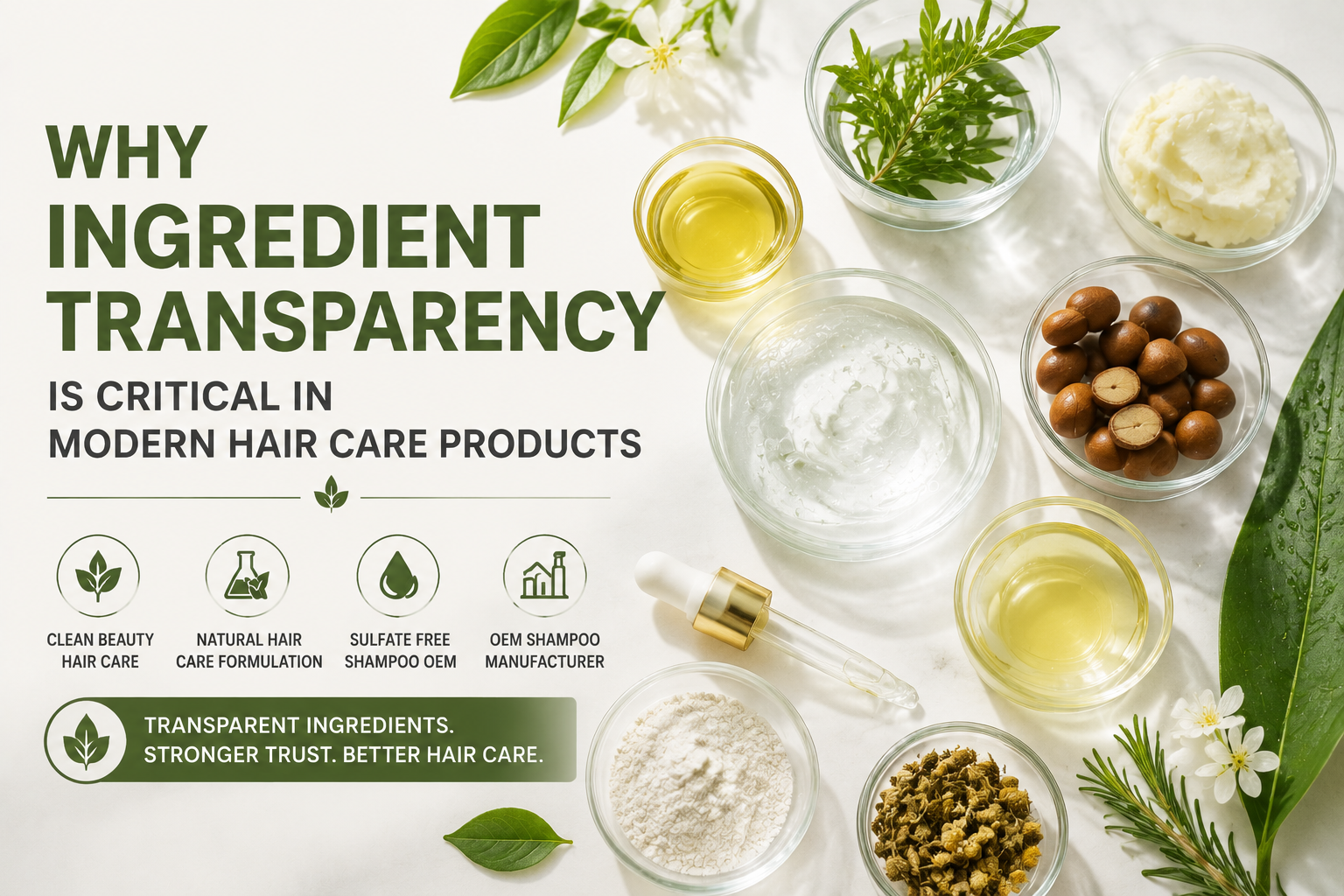
Why Ingredient Transparency Is Critical in Modern Hair Care Products
In the modern beauty industry, ingredient transparency has become a defining factor for brand trust, product performance, and long-term market success. Consumers are no longer satisfied with vague marketing claims—they want clear, traceable, and scientifically backed formulations.
This shift is especially important in the professional segment, where clean beauty hair care is driving new product development, regulatory expectations, and OEM manufacturing standards worldwide.
According to Statista clean beauty report, demand for transparent and natural cosmetic formulations continues to grow rapidly, particularly in North America and Europe.
Clean Beauty Hair Care and the Rise of Ingredient Awareness
The concept of clean beauty hair care is no longer a niche trend. It has become a global standard influencing how brands develop, formulate, and position their products in the market.
Consumers today actively avoid harmful ingredients such as sulfates, parabens, and silicones, pushing brands toward safer and more transparent formulations.
- Increased awareness of scalp and hair health
- Demand for safer cosmetic ingredients
- Regulatory pressure in EU and US markets
- Growth of eco-conscious consumer behavior

Sulfate Free Shampoo OEM and Market Transformation
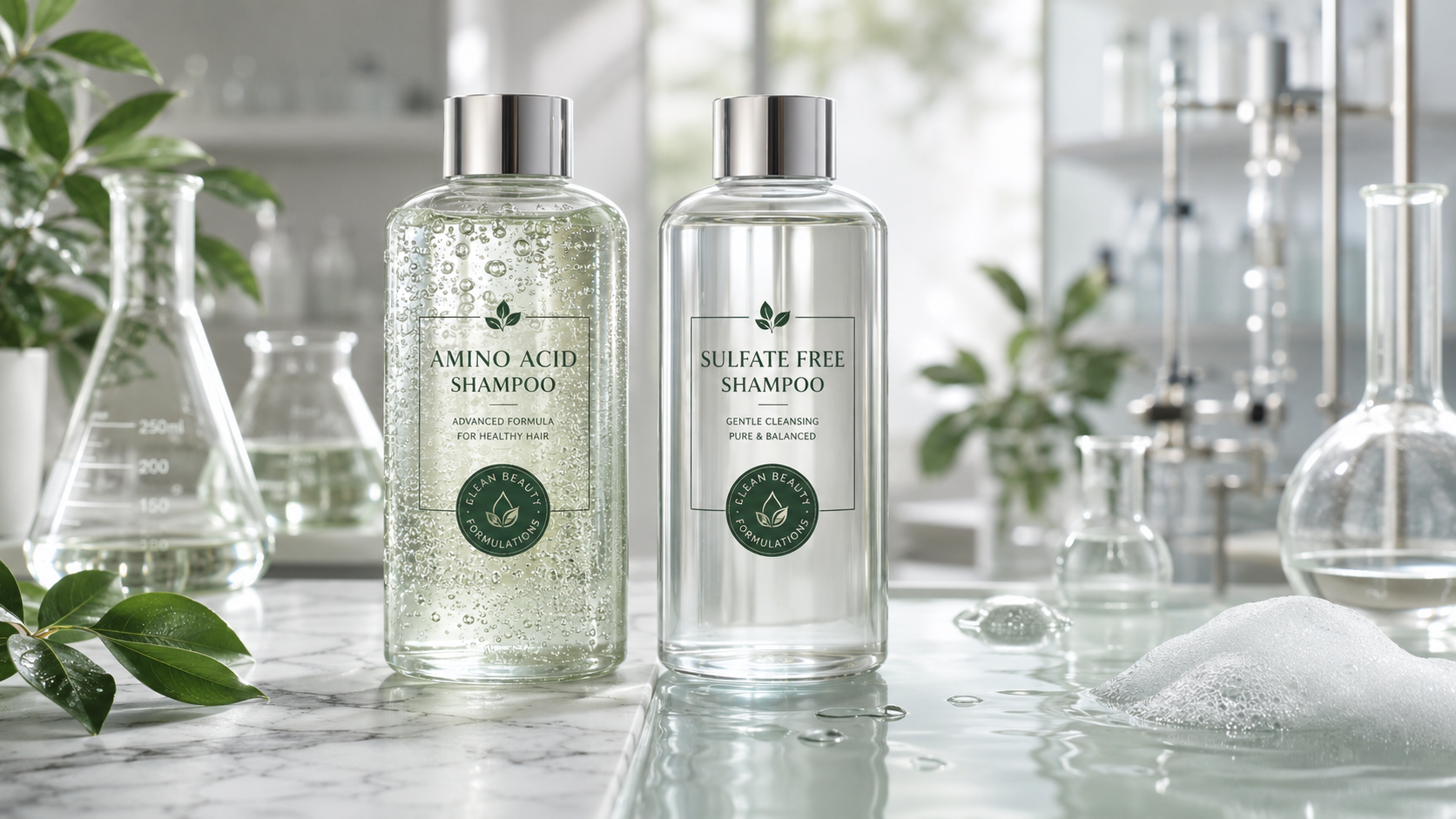
The demand for sulfate free shampoo OEM services is increasing as brands shift toward gentler, scalp-friendly formulations. Sulfate-free products are now a core category in both salon and retail markets.
OEM manufacturers must adapt by developing advanced surfactant systems that maintain cleansing performance without harsh chemicals.
Research from Grand View Research sulfate-free market report shows strong global growth in this segment, driven by consumer preference for mild and safe formulations.
Natural Hair Care Formulation as a Core Development Strategy
natural hair care formulation has become a key R&D focus for modern cosmetic laboratories. Brands are investing heavily in plant-based ingredients, botanical extracts, and biodegradable surfactants.
This shift is not only driven by marketing trends but also by regulatory changes and environmental sustainability goals.
Leading brands are reformulating entire product lines to align with clean beauty standards and ingredient transparency requirements.

OEM Shampoo Manufacturer Responsibility in Transparency
A modern OEM shampoo manufacturer plays a critical role in ensuring ingredient transparency across the entire supply chain. From raw material sourcing to final product labeling, every step must be traceable and compliant.
Manufacturers are now expected to provide full documentation including INCI lists, safety assessments, and regulatory certifications.
- Full ingredient traceability systems
- Compliance with international cosmetic regulations
- Transparent formulation documentation
- Third-party lab testing validation
According to Euromonitor beauty industry insights, transparency is becoming a key purchasing factor for both brands and end consumers.
Why Transparency Builds Stronger Hair Care Brands
Ingredient transparency is not just a regulatory requirement—it is a powerful brand-building strategy. Consumers are more likely to trust and stay loyal to brands that openly share formulation details.
In competitive markets, transparency directly impacts:
- Brand trust and credibility
- Product differentiation
- Customer retention
- Premium pricing ability

The Future of Clean Beauty Hair Care Industry
The future of clean beauty hair care will be shaped by three key forces: transparency, sustainability, and scientific validation. Brands that fail to adapt to these expectations risk losing relevance in both retail and professional markets.
As consumer awareness continues to rise, ingredient transparency will become a standard requirement rather than a competitive advantage.
Conclusion
Ingredient transparency is now a fundamental pillar of modern hair care development. Whether it is clean beauty hair care, sulfate free shampoo OEM, or natural hair care formulation, brands and manufacturers must prioritize clarity, safety, and compliance.
For any OEM shampoo manufacturer, transparency is no longer optional—it is essential for long-term global success.
FAQ
Why is ingredient transparency important in hair care products?
Because it builds trust, ensures safety, and helps consumers make informed decisions about product usage.
What is clean beauty hair care?
It refers to hair care products formulated without harmful ingredients and with a focus on safety, sustainability, and transparency.
Why is sulfate free shampoo OEM in high demand?
Because consumers prefer gentler formulations that are safer for scalp health and long-term hair care.
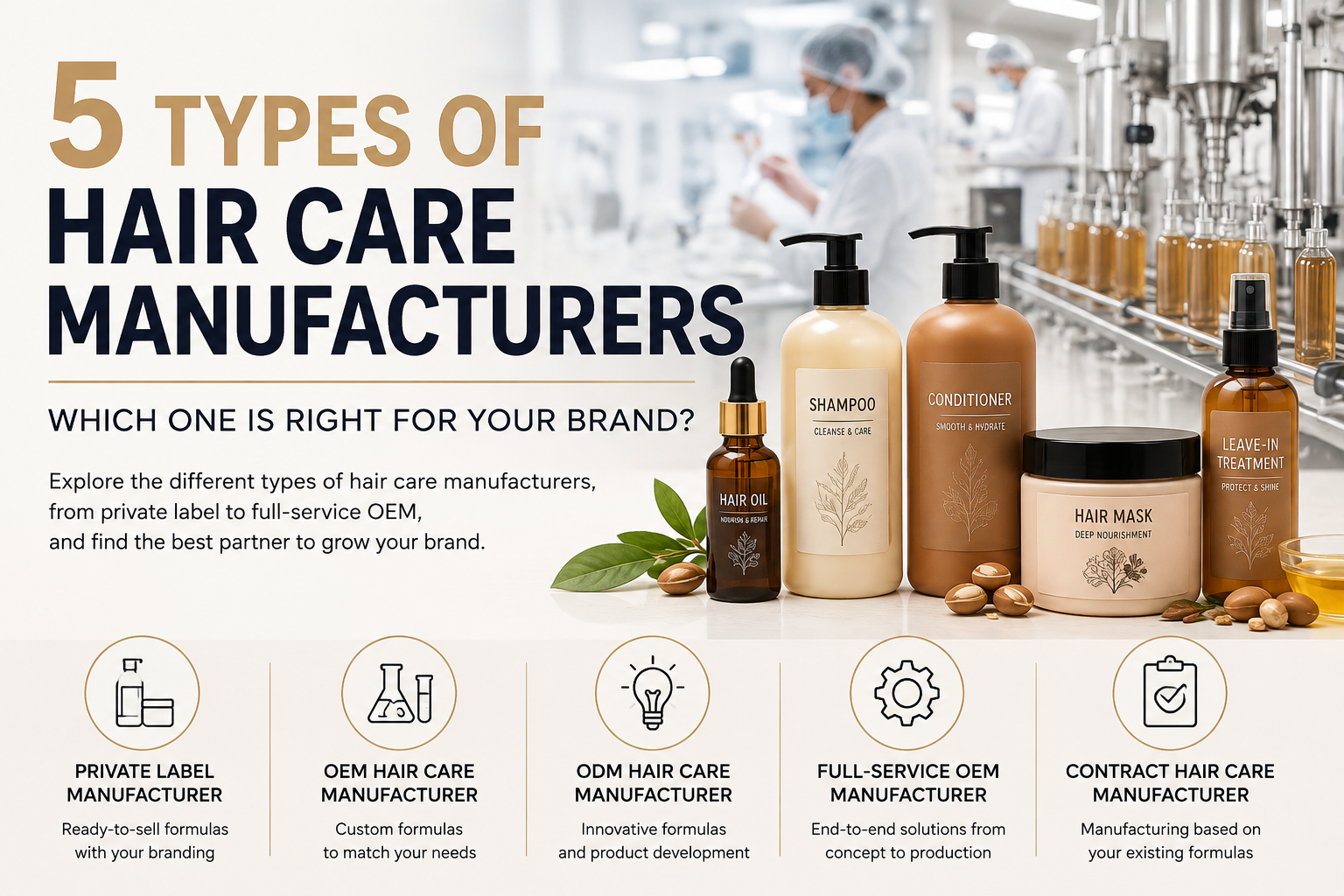
What does an OEM shampoo manufacturer do?
They develop, formulate, and produce hair care products for brands while ensuring quality, compliance, and scalability.