
OEM Hair Care Trends in 2026: How Sulfate-Free and Scalp Care Products Are Reshaping the Global B2B Market
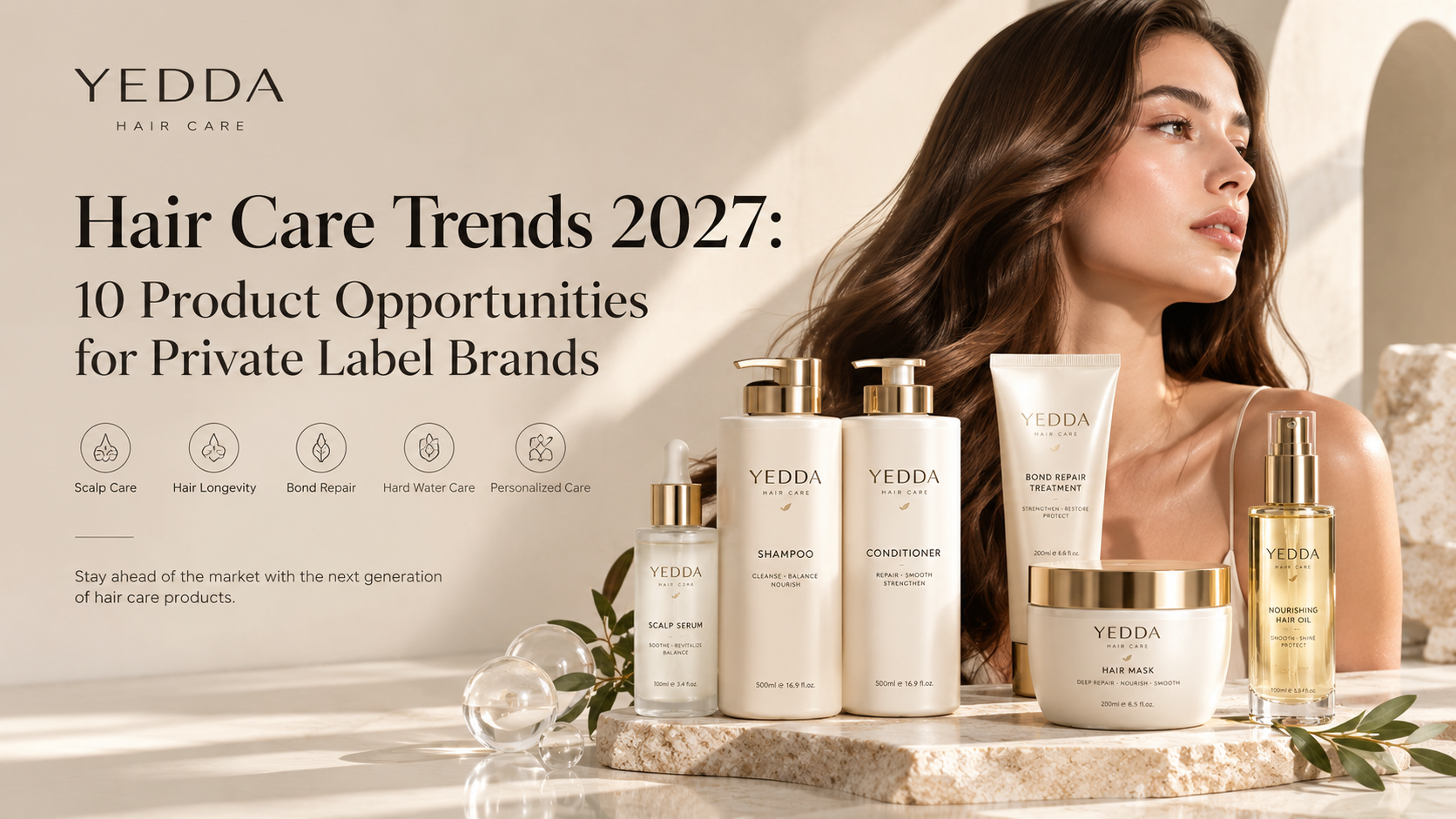
The global hair care industry is rapidly evolving in 2026 as consumers increasingly demand sulfate-free shampoo, silicone-free conditioner, scalp care solutions, and clean beauty formulations. For B2B buyers, salon brands, Amazon sellers, distributors, and private label startups, these trends are creating massive opportunities in OEM and private label hair care manufacturing. This article explores the latest high-demand hair care trends, the growth of clean beauty, ingredient innovation, supply chain challenges, and how OEM hair care manufacturers help brands scale faster in competitive international markets.
The Global Hair Care Industry Is Entering a New Era
The hair care industry has transformed dramatically over the past few years. Traditional shampoo and conditioner products are no longer enough to satisfy modern consumers. Today’s buyers are looking for products that combine performance, safety, sustainability, and ingredient transparency.
As a result, B2B buyers are actively searching for OEM hair care manufacturers capable of developing:
- Sulfate-free shampoo
- Silicone-free conditioner
- Scalp repair treatments
- Botanical hair masks
- Vegan hair care products
- Rosemary hair growth shampoo
- Protein repair systems
- Keratin treatment collections
According to Statista Hair Care Market Research, the global hair care market continues to experience strong growth driven by premiumization, clean beauty, and personalized product demand.
Why Sulfate-Free Shampoo Is One of the Hottest Keywords in 2026
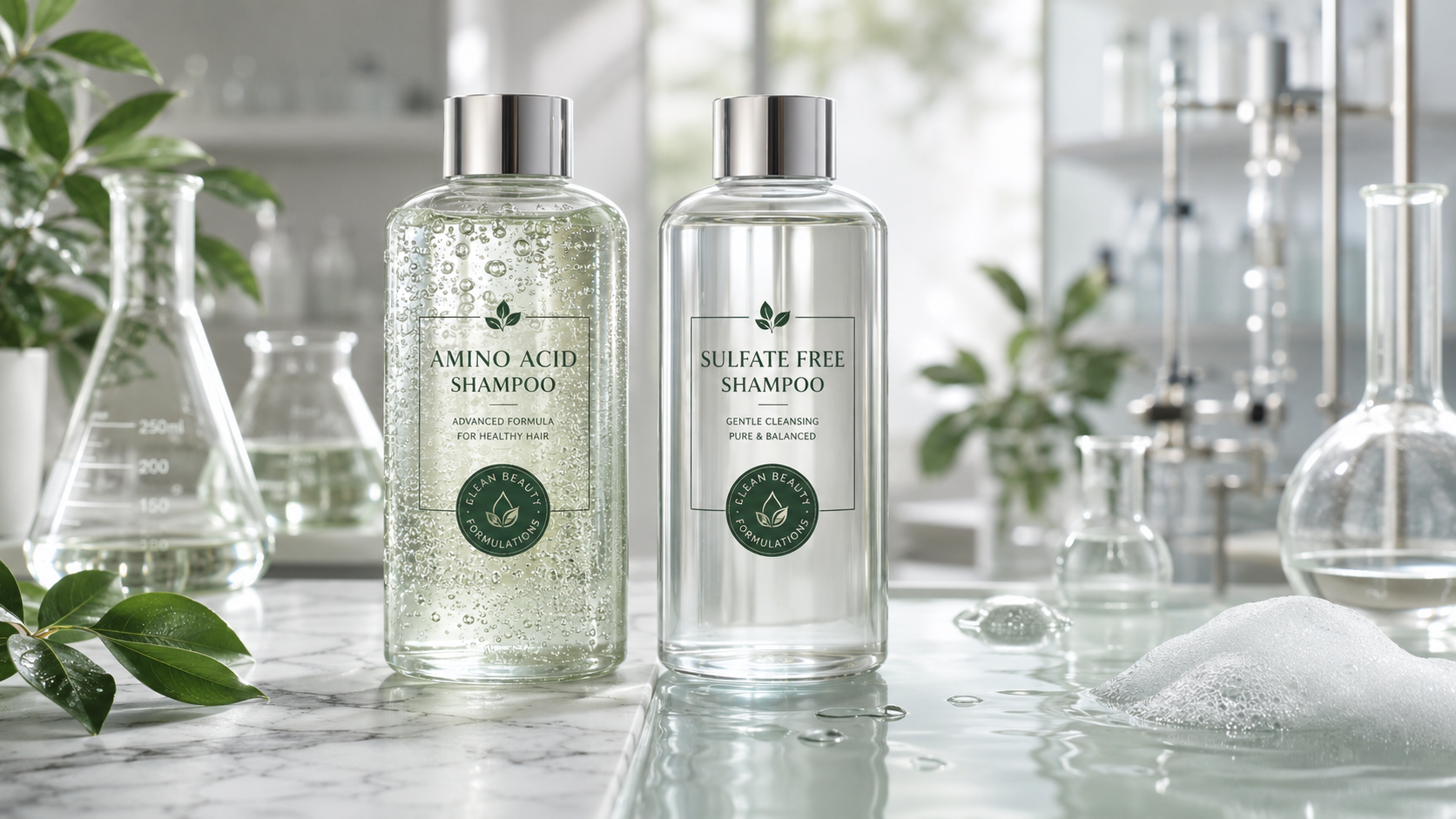
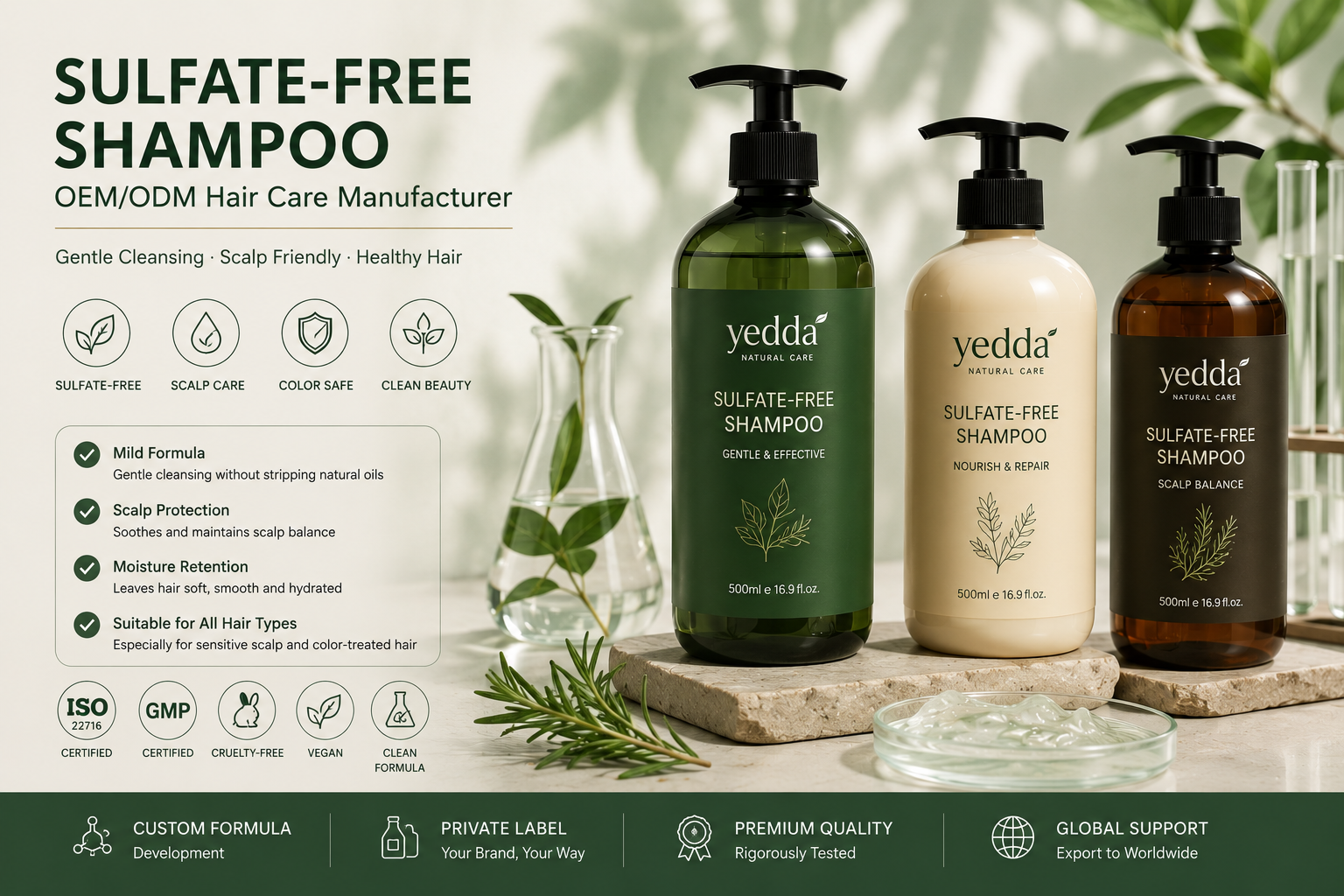
One of the highest-growth categories in the hair care industry today is sulfate-free shampoo. Consumers increasingly associate sulfate-free products with healthier hair, gentler cleansing, and improved scalp protection.
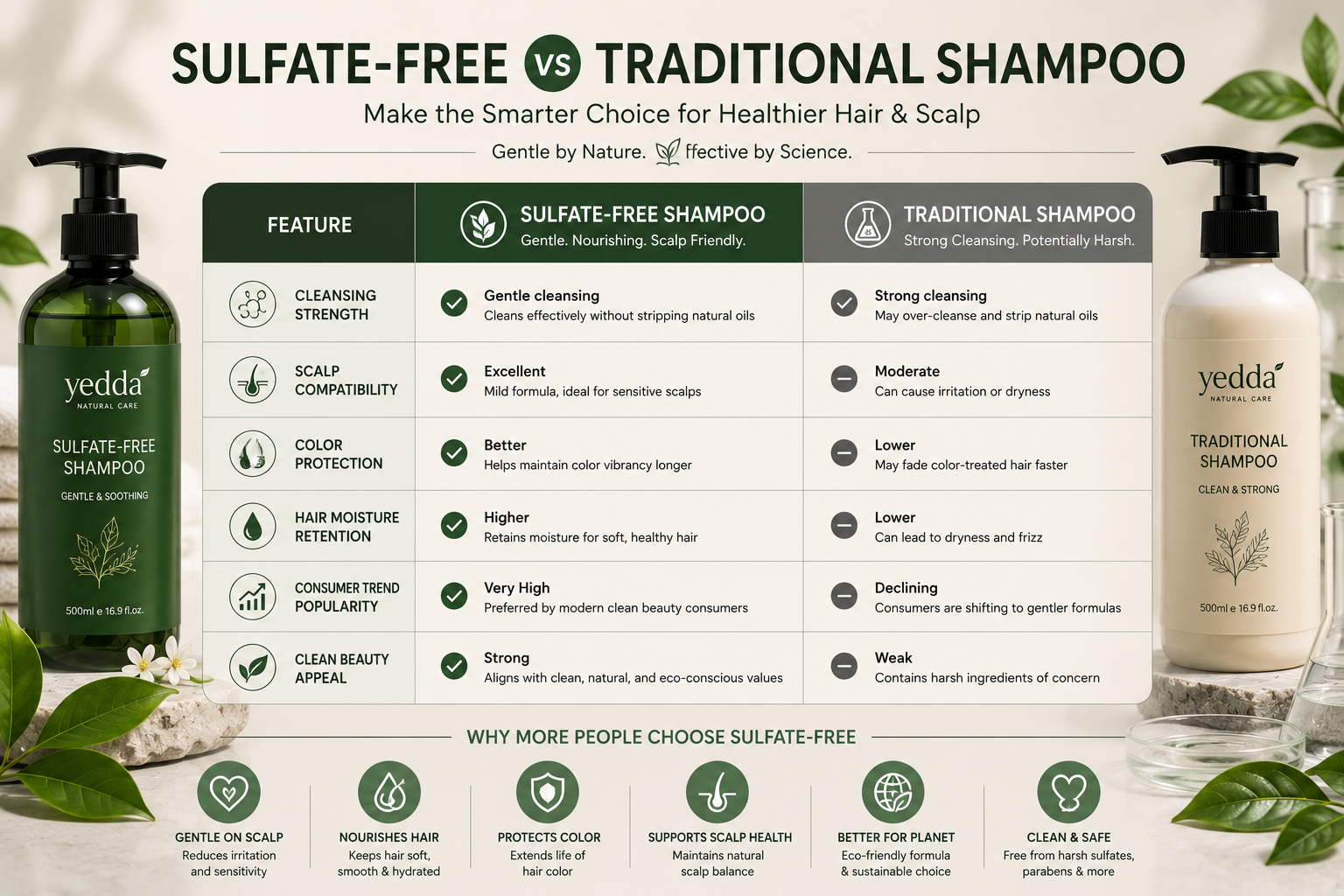
Traditional shampoos containing SLS and SLES are now facing criticism because they may:
- Strip natural oils
- Cause scalp irritation
- Fade color-treated hair
- Create dryness and frizz
- Damage sensitive scalps
This shift in consumer behavior has created huge demand for OEM manufacturers specializing in mild surfactant systems and clean beauty formulations.

The Rise of Scalp Care Products in B2B Hair Care Manufacturing
Another major trend reshaping the industry is scalp care.
Consumers now view scalp health as an extension of skincare. This movement, often called the “skinification of hair care,” is driving demand for products designed to improve scalp conditions rather than simply cleanse hair.
Popular scalp-care-focused products include:
- Anti-dandruff scalp serum
- Scalp exfoliating shampoo
- Microbiome-friendly shampoo
- Tea tree scalp treatment
- Hair growth scalp tonic
- Rosemary scalp repair products
OEM hair care manufacturers are investing heavily in advanced formulation systems to meet these changing demands.
Why OEM Hair Care Manufacturing Is Growing So Quickly
Modern beauty brands are under intense pressure to launch products faster while maintaining product quality and brand differentiation.
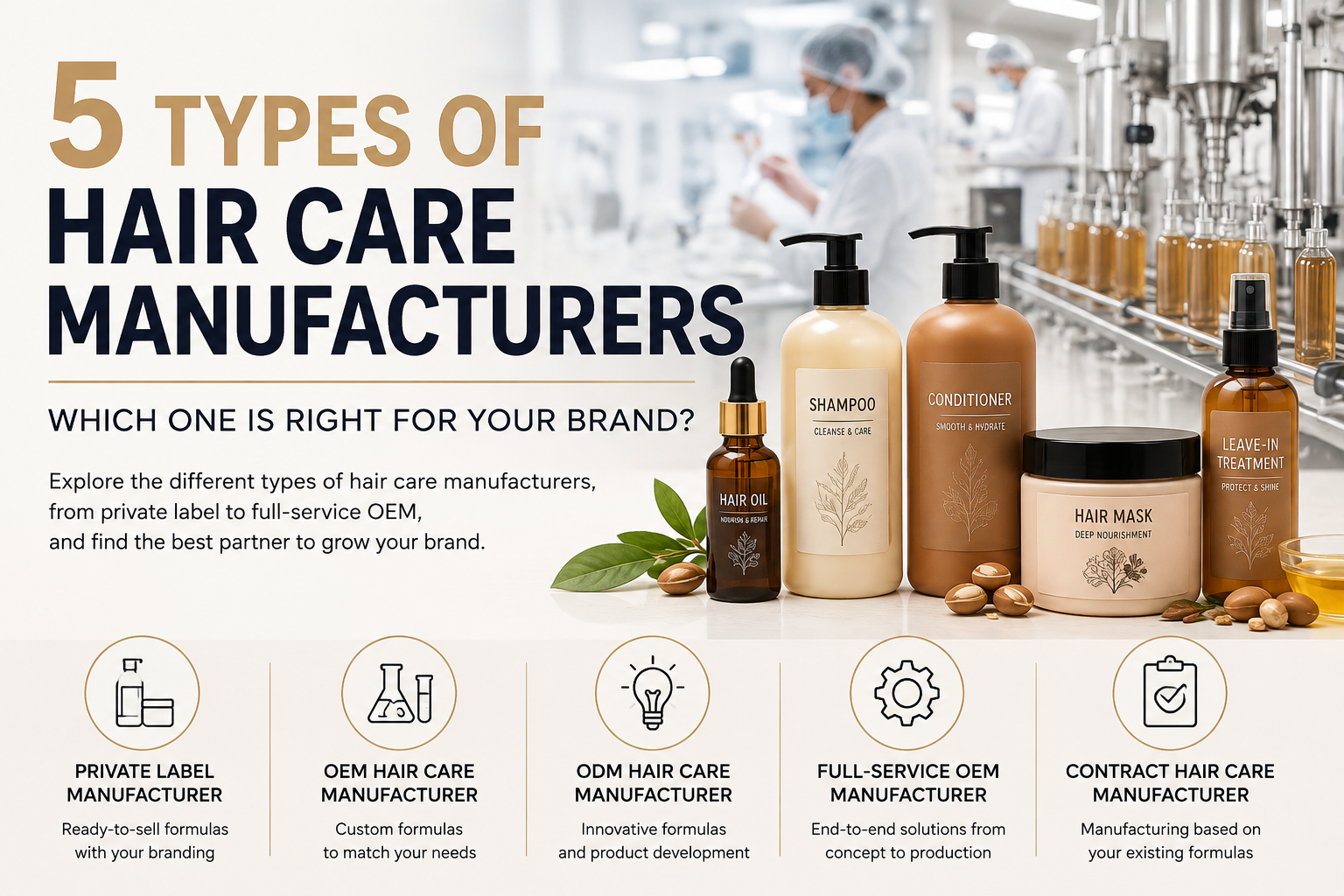
OEM manufacturing provides several major advantages:
- Lower startup costs
- Faster product development
- Access to professional R&D laboratories
- Flexible packaging solutions
- Scalable production capacity
- International compliance support
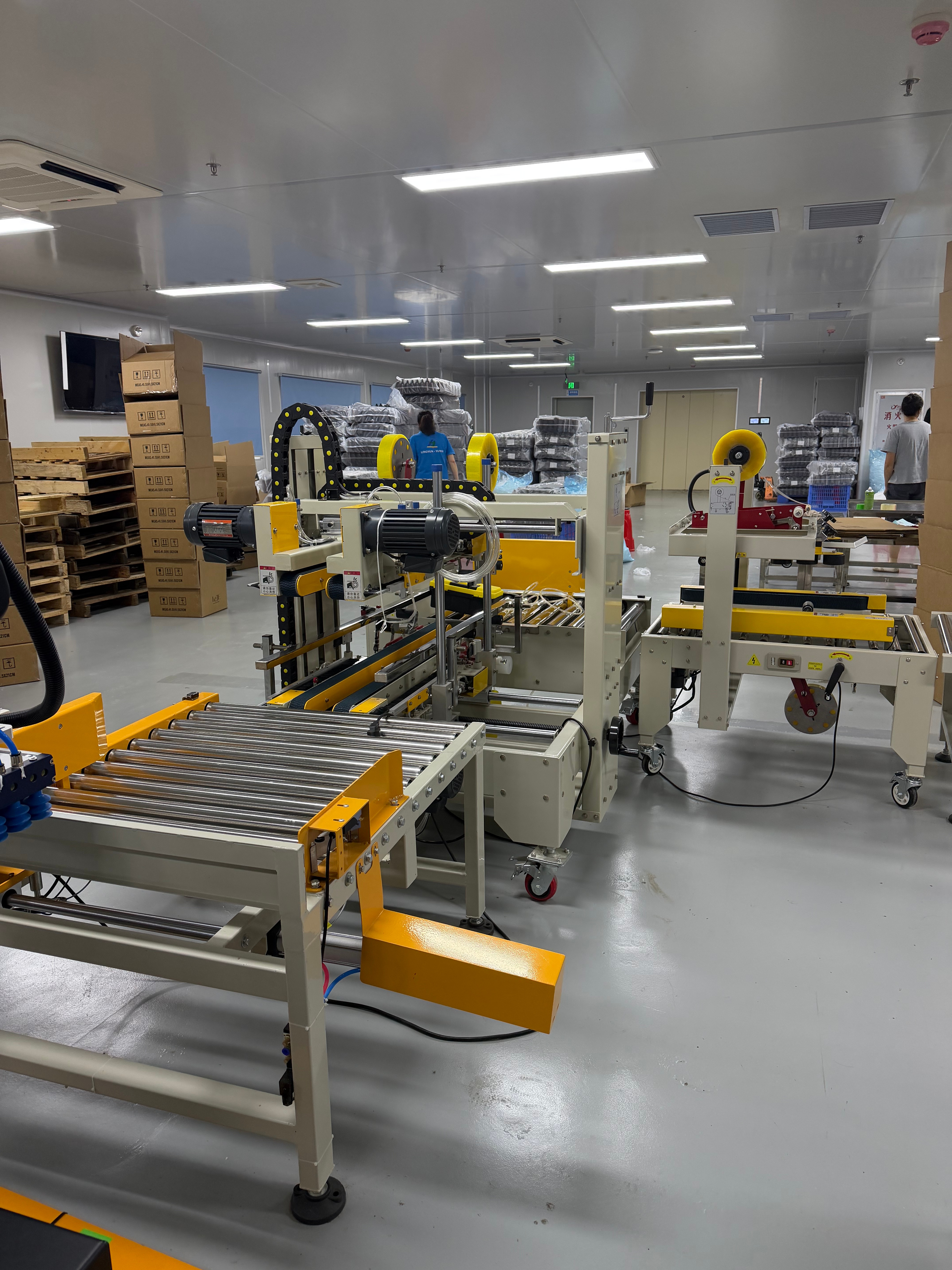
This is why more salon brands, influencers, eCommerce sellers, and international distributors are partnering with professional OEM hair care manufacturers instead of building their own production facilities.
Comparison Table: OEM vs Private Label vs White Label Hair Care
| Factor | OEM Manufacturing | Private Label | White Label |
|---|---|---|---|
| Formula Customization | High | Medium | Low |
| Brand Exclusivity | Full | Partial | Limited |
| MOQ Requirement | Medium–High | Medium | Low |
| Lead Time | Longer | Medium | Fast |
| Product Differentiation | Strong | Moderate | Weak |
| R&D Support | Extensive | Limited | Minimal |
Trending Ingredients Driving the Hair Care Industry in 2026
Ingredient transparency has become one of the most important purchasing factors for consumers.
Today’s buyers actively search for products containing:
- Rosemary extract
- Biotin
- Keratin protein
- Argan oil
- Coconut oil
- Rice water
- Peptides
- Tea tree oil
- Fermented botanical ingredients
Consumers now associate natural and clinically backed ingredients with premium product quality.
OEM manufacturers capable of combining performance ingredients with clean beauty positioning have significant competitive advantages.
The Growing Demand for Silicone-Free Hair Care
Silicone-free shampoo and conditioner products are also becoming extremely popular in 2026.
Consumers increasingly avoid silicones because they believe silicones can:
- Create buildup
- Make hair heavy
- Reduce natural moisture balance
- Cause flat hair texture
As a result, brands are launching lightweight formulas using:
- Botanical oils
- Plant proteins
- Amino acid complexes
- Natural conditioning agents
This trend is especially strong in:
- Curly hair products
- Premium salon brands
- Clean beauty collections
- Scalp-care-focused lines
Manufacturing Challenges OEM Hair Care Brands Must Understand
1. Raw Material Price Volatility
Global ingredient prices continue fluctuating due to:
- Supply chain disruptions
- Shipping instability
- Energy costs
- Agricultural shortages
Ingredients such as essential oils and botanical extracts can experience significant price increases.
2. Packaging Lead Time Delays
Premium packaging demand has increased dramatically.
Brands now request:
- PCR bottles
- Custom pumps
- Luxury labels
- Eco-friendly packaging
These requirements can extend production timelines if not planned properly.
3. Regulatory Compliance Complexity
Export markets increasingly require:
- FDA compliance
- ISO 22716 certification
- GMP standards
- Ingredient safety documentation
- Stability testing reports
According to the U.S. FDA Cosmetics Guidance, cosmetic manufacturers must follow strict labeling and safety standards before entering international markets.
How OEM Hair Care Manufacturers Help Brands Scale Faster
The biggest advantage of OEM manufacturing is scalability.
Professional manufacturers can help brands:
- Launch products faster
- Reduce operational risk
- Improve formulation quality
- Scale production efficiently
- Expand internationally
- Optimize packaging systems
Instead of managing production internally, brands can focus on:
- Marketing
- Brand building
- Distribution
- Sales growth
- Social media strategy
Comparison Table: Sulfate-Free Shampoo vs Traditional Shampoo

| Feature | Sulfate-Free Shampoo | Traditional Shampoo |
|---|---|---|
| Cleansing Strength | Gentle | Strong |
| Scalp Compatibility | Excellent | Moderate |
| Color Protection | Better | Lower |
| Hair Moisture Retention | Higher | Lower |
| Consumer Trend Popularity | Very High | Declining |
| Clean Beauty Appeal | Strong | Weak |
How to Choose the Right OEM Hair Care Manufacturer
Evaluate R&D Capability
Your manufacturer should have:
- Professional formulation engineers
- Ingredient innovation expertise
- Testing laboratories
- Scalp-care formulation experience
Review Production Capacity
Reliable manufacturers should support:
- Low MOQ production
- Bulk manufacturing
- Flexible packaging
- International export logistics
Verify Certifications
Always confirm:
- ISO certification
- GMP standards
- Product testing systems
- Ingredient sourcing transparency
Brands looking for customized OEM and private label hair care manufacturing support can explore professional hair care manufacturing solutions here.
The Future of B2B Hair Care Manufacturing
The future of hair care manufacturing will focus heavily on:
- AI-assisted formulation systems
- Personalized hair care
- Scalp microbiome products
- Biotechnology ingredients
- Sustainable packaging
- Waterless hair care products
OEM manufacturers that invest in clean beauty innovation, ingredient science, and flexible manufacturing systems will dominate the next generation of global hair care production.
Conclusion
The global hair care industry is evolving rapidly as consumers increasingly prioritize scalp health, ingredient transparency, and clean beauty products. Sulfate-free shampoo, silicone-free conditioner, and botanical scalp-care products are becoming some of the hottest categories in the market.
For B2B buyers, salon brands, Amazon sellers, and distributors, working with a professional OEM hair care manufacturer offers major advantages in product development, scalability, formulation expertise, and supply chain efficiency.
As competition continues increasing in the beauty industry, brands that move quickly and invest in innovative OEM manufacturing partnerships will be better positioned for long-term growth in 2026 and beyond.
FAQ
1. What is OEM hair care manufacturing?
OEM hair care manufacturing allows brands to create customized shampoos, conditioners, and treatments through specialized manufacturers without building their own production facilities.
2. Why is sulfate-free shampoo trending in 2026?
Consumers increasingly prefer sulfate-free shampoo because it provides gentler cleansing, better scalp protection, reduced dryness, and improved color retention.
3. What certifications should a hair care manufacturer have?
Reliable manufacturers should provide ISO 22716 certification, GMP compliance, stability testing reports, and ingredient traceability documentation.
4. Why are scalp-care products becoming popular?
Consumers now treat scalp care like skincare, creating strong demand for microbiome-friendly shampoo, scalp treatments, and anti-hair loss products.
5. How do I choose the right OEM hair care manufacturer?
Brands should evaluate formulation expertise, MOQ flexibility, production capacity, certifications, packaging capabilities, and international export experience before selecting an OEM manufacturing partner.