
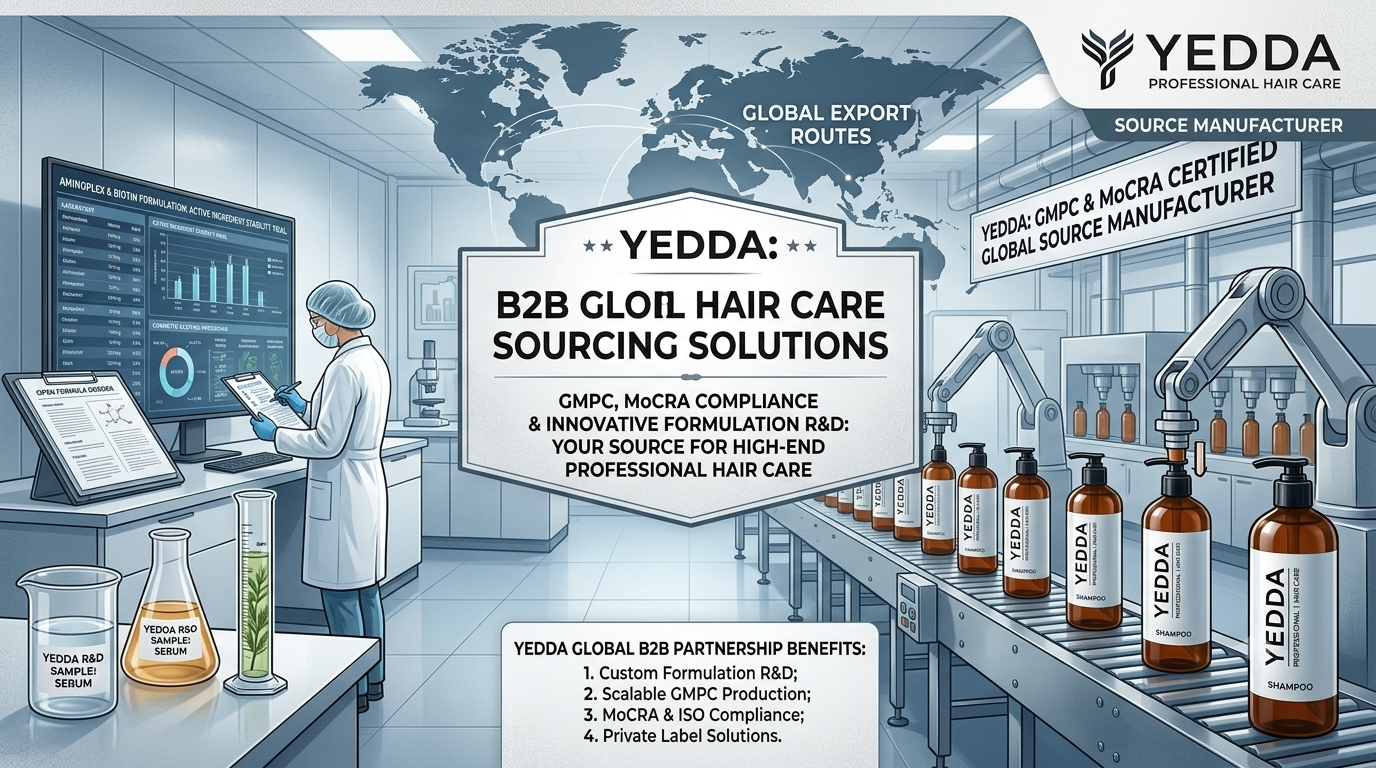
Expanding a haircare brand into global markets requires more than a good product idea. Selecting the right shampoo manufacturer for international markets is one of the most important decisions that determines product quality, compliance, supply chain stability, and long-term business growth.
For brands entering regions such as North America, Europe, the Middle East, and Asia-Pacific, manufacturers must understand different consumer preferences, regulatory requirements, packaging standards, and market expectations.
A reliable manufacturing partner can help brands transform concepts into commercially successful products through professional formulation development, quality control, and international production experience.
According to Grand View Research, the global haircare market continues to expand as consumers increasingly demand specialized products including scalp care, repair treatments, natural formulas, and premium shampoo solutions.
What Makes an International Shampoo Manufacturer Different?
A domestic supplier may focus only on local production needs, while an experienced shampoo manufacturer for international markets must provide broader capabilities.
International brands usually require manufacturers that can support:
- Global cosmetic regulations and compliance
- Multi-country product labeling requirements
- Custom formulation development
- Stable large-scale production
- International shipping documentation
- Quality testing and certification support
The best suppliers act as long-term partners rather than simple production factories. They help brands reduce development risks and build competitive products for different markets.
Key Factors When Selecting a Global Shampoo Supplier
Choosing the right global shampoo supplier requires evaluating multiple factors beyond price. A professional supplier should have technical expertise, production capability, and experience working with international clients.
1. Manufacturing Experience and Production Capability
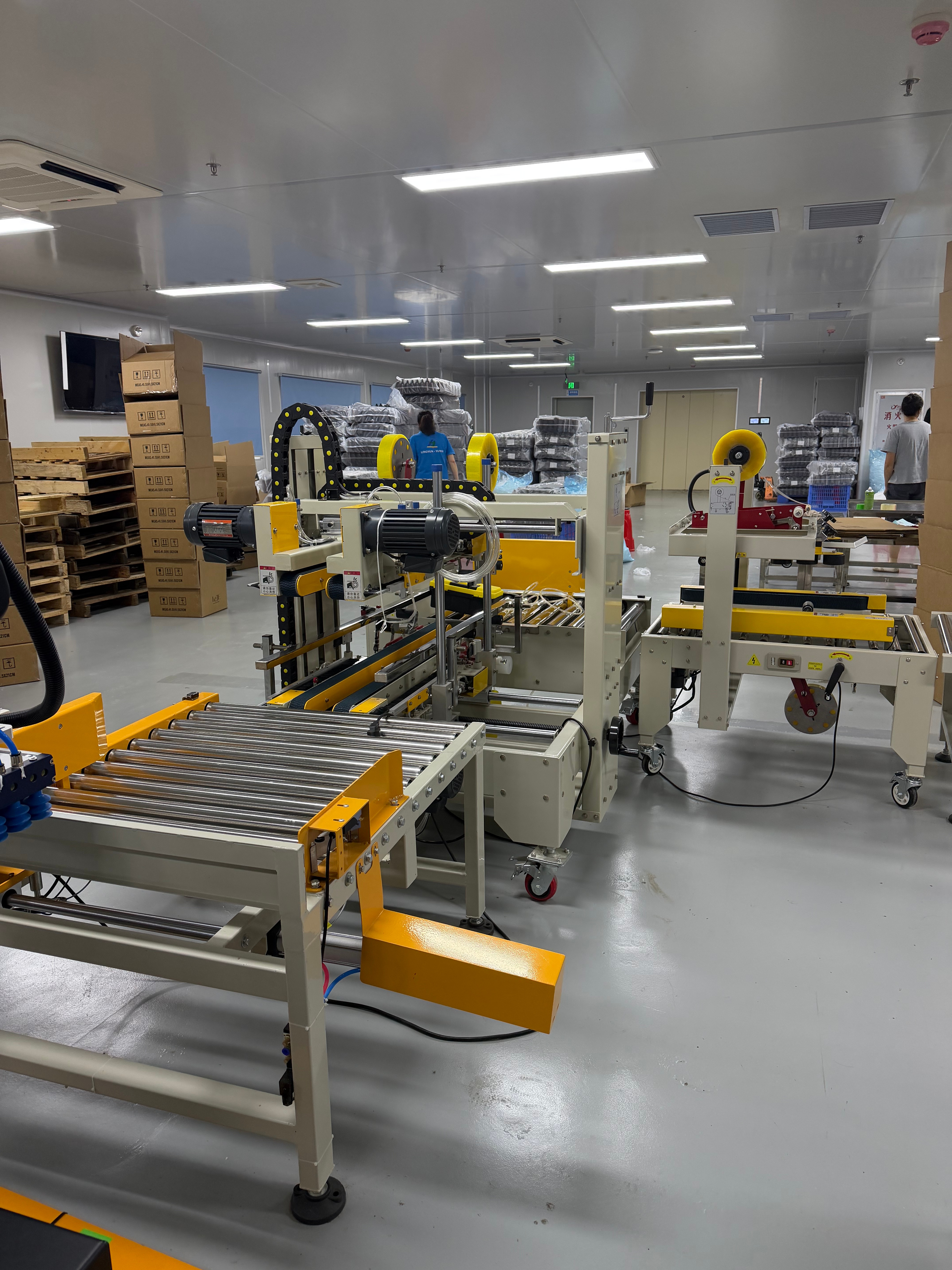
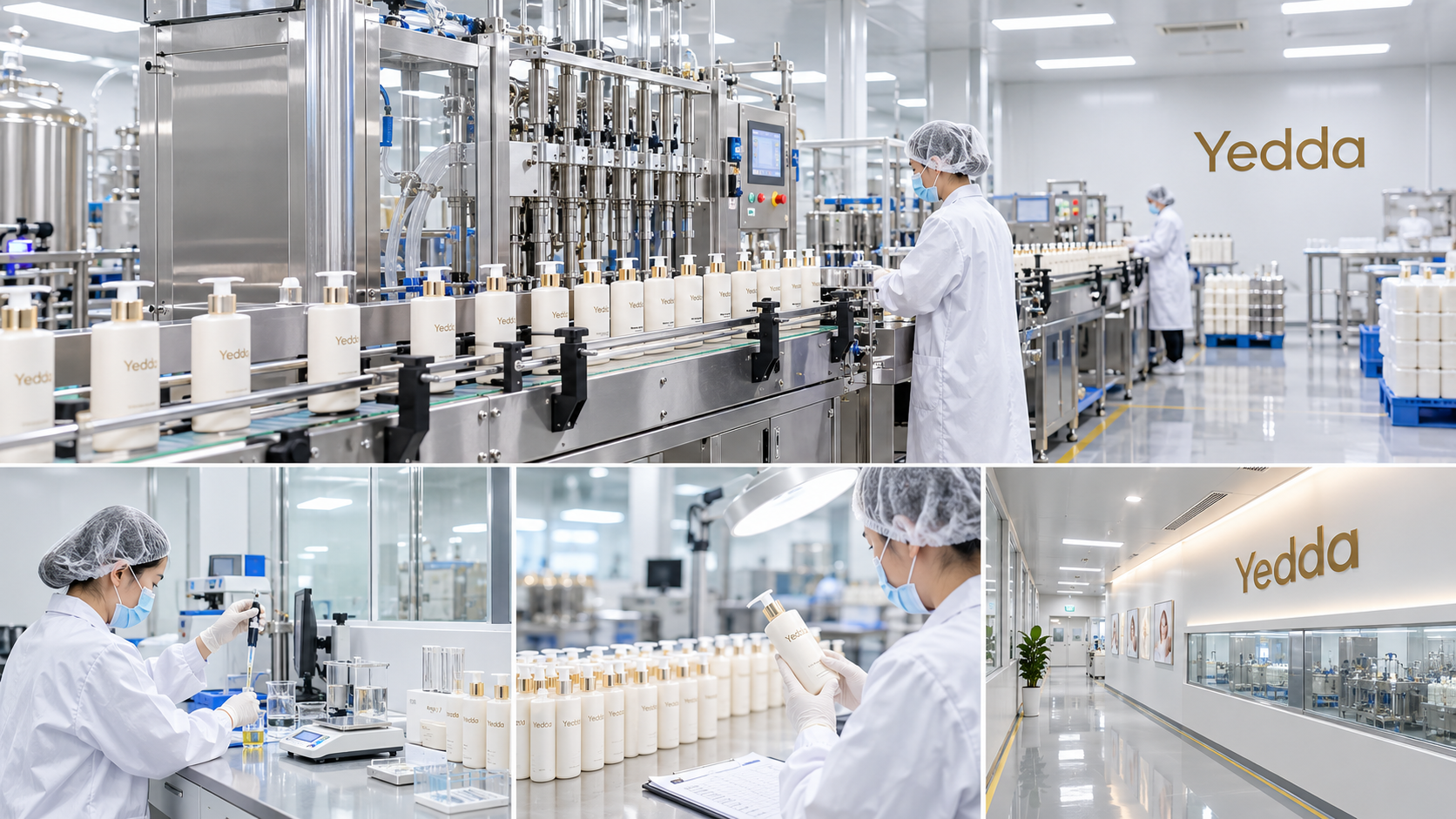
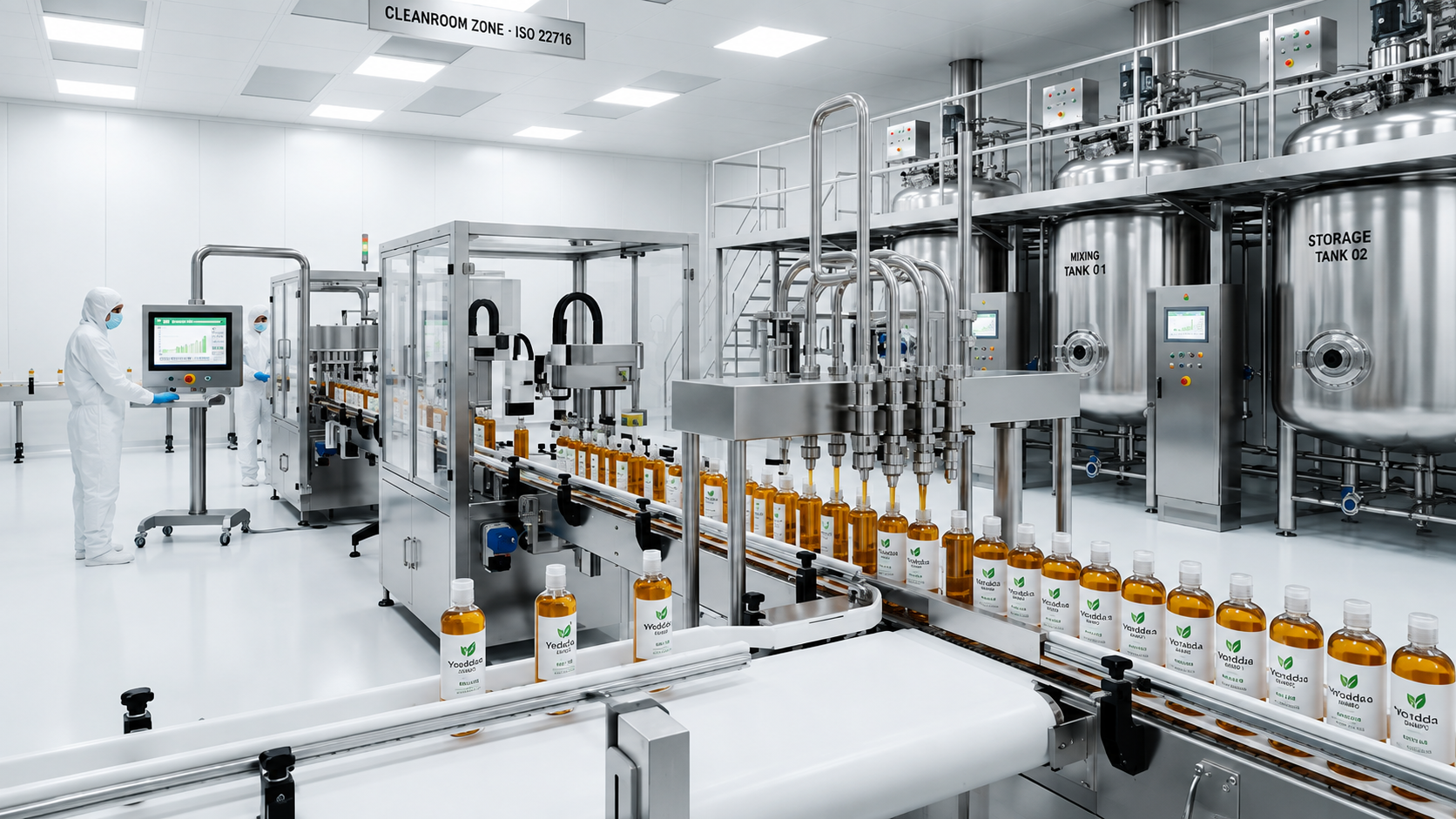
An experienced OEM shampoo factory should have a proven production system capable of handling different product categories.
Important manufacturing capabilities include:
- Professional shampoo production lines
- Modern mixing and filling equipment
- Experienced formulation teams
- Quality control laboratories
- Flexible production capacity
Brands should evaluate whether the manufacturer has experience producing:
- Moisturizing shampoo
- Hair repair shampoo
- Anti-hair loss shampoo
- Scalp care shampoo
- Natural herbal shampoo
- Salon professional shampoo
2. Formula Development and R&D Support
A strong cosmetic manufacturing partner should provide professional research and development support rather than only producing existing formulas.
Custom formulation capabilities allow brands to create unique products based on their target customers and market positioning.
Professional formula development may include:
- Ingredient selection
- Texture optimization
- Fragrance customization
- Active ingredient testing
- Stability evaluation
- Performance testing
Popular international shampoo ingredients include:
- Keratin and protein complexes
- Peptides
- Botanical extracts
- Natural oils
- Niacinamide
- Biotin
Understanding Shampoo Export Requirements Before Global Launch
One of the biggest challenges for international haircare brands is understanding different market regulations. Proper knowledge of shampoo export requirements helps prevent delays, compliance issues, and unnecessary costs.
Different regions have different cosmetic regulations, including:
| Market | Main Requirements |
|---|---|
| United States | Ingredient safety, product labeling, cosmetic compliance |
| European Union | Cosmetic Product Safety Report, Responsible Person, ingredient compliance |
| Middle East | Local registration and labeling requirements |
| Asia-Pacific | Country-specific cosmetic regulations and documentation |
According to European Commission Cosmetic Regulation guidelines, cosmetic products sold in the EU must meet strict safety assessment and labeling requirements before entering the market.
Documentation Support From Professional Manufacturers
A qualified international supplier should assist brands with necessary export documents, including:
- Ingredient list documentation
- Safety data information
- Product specification sheets
- Certificate of Analysis (COA)
- Manufacturing certificates
- Quality inspection reports
Why OEM Shampoo Factories Are Preferred by Global Haircare Brands
Many emerging and established brands choose an OEM shampoo factory because it provides professional production resources without requiring companies to build their own manufacturing facilities.
Working with an OEM partner offers several advantages:
- Lower investment requirements
- Faster product development
- Access to professional formulation teams
- Reduced production risks
- Scalable manufacturing solutions
Quality Control Standards for International Shampoo Production
Quality consistency is essential for brands selling across multiple countries. A professional global shampoo supplier should maintain strict quality management throughout the entire production process.
Raw Material Testing
Before production begins, manufacturers should inspect all ingredients and packaging materials.
- Supplier verification
- Ingredient quality inspection
- Microbial testing
- Material compatibility evaluation
Production Process Monitoring
During manufacturing, quality teams monitor important production parameters:
- Formula accuracy
- Mixing consistency
- pH levels
- Viscosity
- Appearance and fragrance
Finished Product Testing
Before shipment, finished products should pass final quality inspections.
- Stability testing
- Packaging testing
- Safety evaluation
- Batch inspection
Custom Packaging Solutions From an International Shampoo Manufacturer
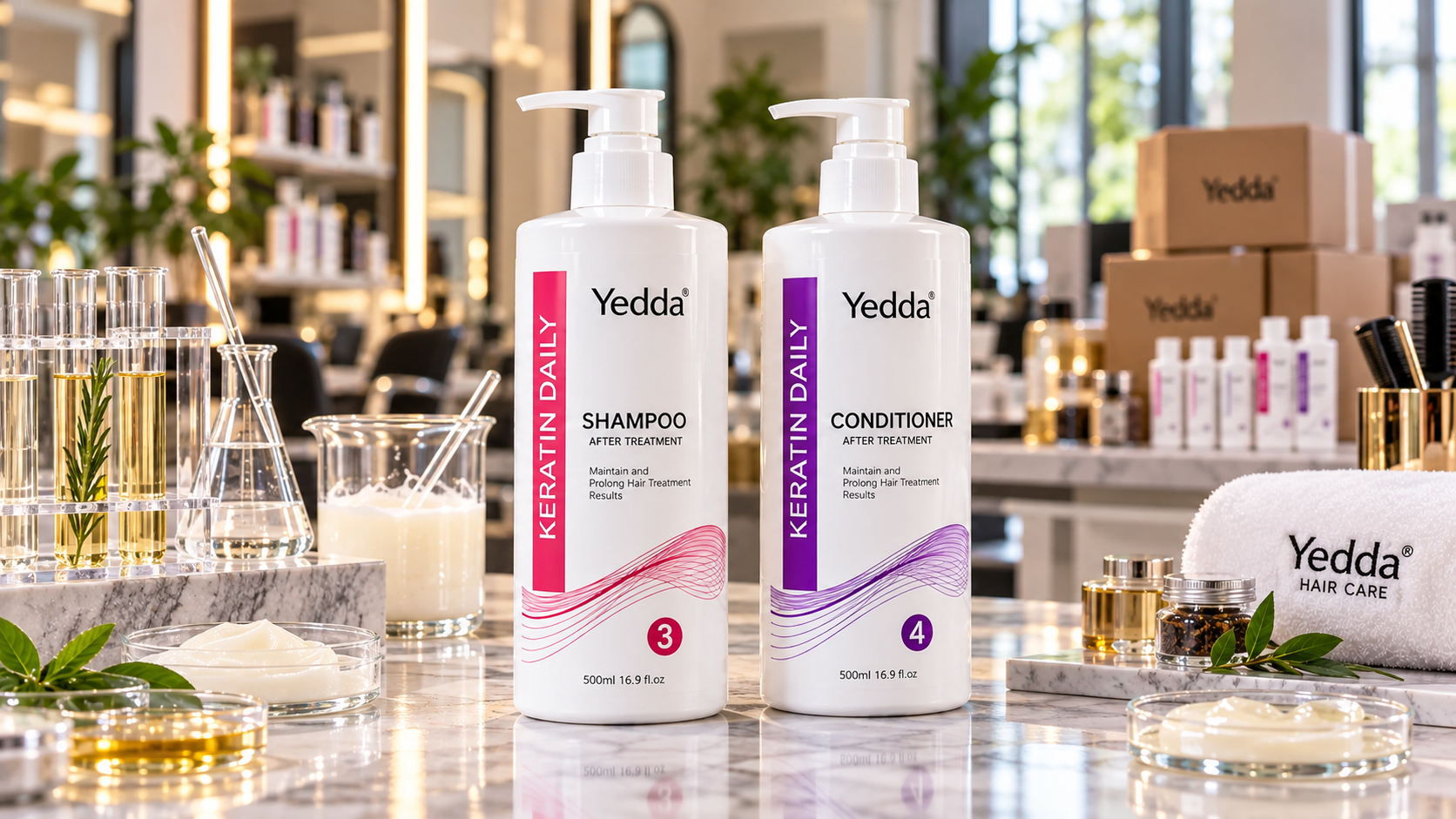
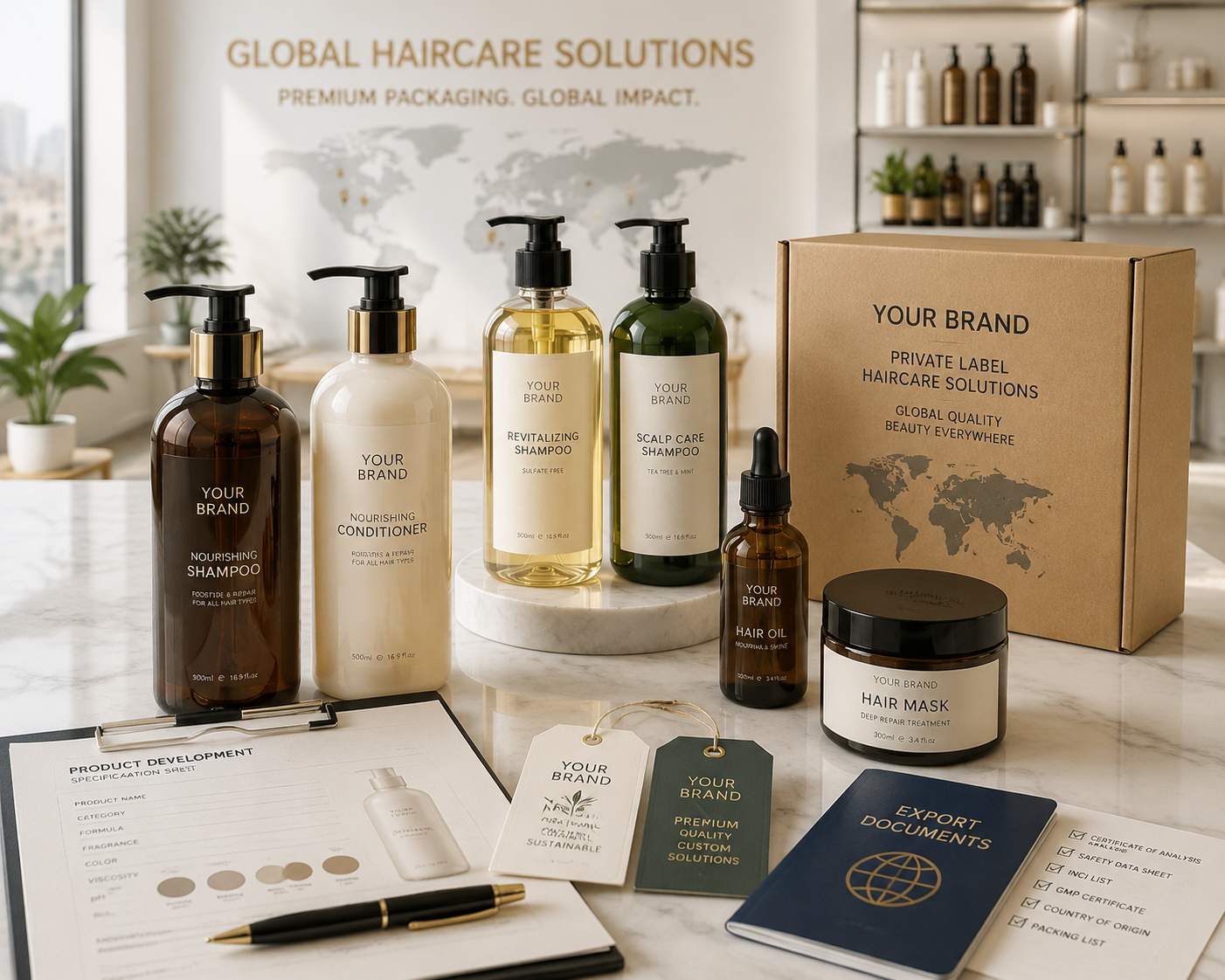
For global haircare brands, product packaging is not only a protective solution but also an important part of brand positioning. A professional shampoo manufacturer for international markets should provide complete packaging support to help brands create competitive products.
International consumers often judge product value through packaging design, material quality, and overall visual experience. Therefore, selecting a manufacturer with strong packaging capabilities can significantly improve market acceptance.
Packaging Services Provided by Professional Manufacturers
A reliable cosmetic manufacturing partner should support different packaging requirements, including:
- Custom bottle shapes and sizes
- Pump and cap customization
- Label design and printing support
- Eco-friendly packaging options
- Luxury packaging solutions
- Packaging compatibility testing
For premium haircare brands, packaging should match the product positioning. Luxury shampoo lines may require elegant bottles, high-quality materials, and refined visual designs, while natural haircare brands may focus on recyclable packaging and minimalist aesthetics.
Evaluating Supply Chain Stability of a Global Shampoo Supplier
Supply chain reliability is one of the most important factors when selecting a global shampoo supplier. International brands depend on stable production schedules and consistent product availability.
A professional manufacturer should have strong supply chain management systems to reduce unexpected risks.
Key Supply Chain Factors to Evaluate
- Reliable raw material suppliers
- Stable packaging supply channels
- Production capacity planning
- Inventory management systems
- International logistics experience
- Emergency production solutions
According to McKinsey supply chain research, companies with stronger supply chain resilience are better positioned to manage disruptions and maintain business continuity.
How to Evaluate an OEM Shampoo Factory Before Cooperation
Before selecting an OEM shampoo factory, brands should conduct a detailed evaluation process. Choosing the cheapest supplier is not always the best strategy because low production costs may create risks related to quality, delivery, and compliance.
Factory Qualification Checklist
| Evaluation Area | What Brands Should Check |
|---|---|
| Production Capability | Factory size, equipment, production lines, capacity |
| R&D Ability | Formula development, ingredient expertise, testing capability |
| Quality Management | QC procedures, certifications, inspection systems |
| Packaging Support | Custom bottles, labels, sustainable solutions |
| Export Experience | International documents, shipping knowledge, compliance support |
Important Certifications and Standards
International buyers should verify whether manufacturers follow recognized cosmetic production standards.
- ISO 22716 Good Manufacturing Practices (GMP)
- Quality management systems
- Safety testing procedures
- International cosmetic compliance processes
According to ISO 22716 Cosmetic GMP guidelines, good manufacturing practices help ensure cosmetic products are consistently produced and controlled according to quality standards.
Building a Long-Term Partnership With a Cosmetic Manufacturing Partner
Successful international haircare brands usually build long-term relationships with manufacturers instead of treating suppliers as short-term vendors.
A strong cosmetic manufacturing partner contributes to continuous product improvement, market expansion, and innovation.
Benefits of Long-Term OEM Cooperation
- Better product consistency
- Faster new product development
- Improved pricing opportunities
- Priority production scheduling
- Access to new ingredient trends
- Professional market support
Long-term cooperation allows manufacturers to better understand brand goals, target consumers, and product positioning, creating more efficient development processes.
Common Mistakes When Choosing a Shampoo Manufacturer for International Markets
Many new haircare brands face challenges when selecting suppliers. Understanding common mistakes can help companies avoid unnecessary costs and delays.
Choosing Only Based on Price
The lowest quotation does not always represent the best value. A manufacturer with better quality control, formulation expertise, and export experience often provides greater long-term benefits.
Ignoring Regulatory Requirements
Different countries have different cosmetic regulations. Brands should confirm that their manufacturer understands local requirements before production begins.
Lack of Communication
Effective communication is essential for international cooperation. Manufacturers should provide clear updates regarding formulation, samples, production schedules, and shipping.
Steps to Launch Haircare Products With an International Shampoo Manufacturer
Working with the right manufacturer allows brands to move from concept to market efficiently. A typical international OEM development process includes the following steps:
- Step 1: Market research and product positioning
- Step 2: Formula selection or custom development
- Step 3: Sample testing and approval
- Step 4: Packaging design confirmation
- Step 5: Bulk production and quality inspection
- Step 6: Export documentation and shipment
A reliable shampoo manufacturer for international markets should provide more than production. The ideal partner supports formulation, compliance, packaging, and long-term brand growth.
Conclusion: Choosing the Right Shampoo Manufacturer for International Growth
Selecting the right shampoo manufacturer for international markets is a strategic decision that directly influences product quality, customer satisfaction, and business scalability.
Brands should evaluate manufacturers based on production capability, formulation expertise, quality systems, packaging solutions, and export experience rather than focusing only on price.
A professional global shampoo supplier and experienced OEM shampoo factory can help brands create competitive products for different markets while reducing operational risks.
By partnering with a reliable cosmetic manufacturing partner, haircare companies can successfully develop premium products, meet international regulations, and build sustainable growth in global markets.
Frequently Asked Questions About International Shampoo Manufacturers
1. How do I choose the best shampoo manufacturer for international markets?
Brands should evaluate manufacturing experience, formula development ability, quality control systems, certifications, packaging capabilities, and international export experience before selecting a supplier.
2. What certifications should an international shampoo manufacturer have?
Professional manufacturers should follow cosmetic production standards such as ISO 22716 GMP and provide quality documentation, safety testing records, and compliance support.
3. What is the difference between an OEM shampoo factory and a regular supplier?
An OEM shampoo factory provides customized formulation, production, packaging support, and brand development services, while regular suppliers may only provide standard products.
4. Why is export experience important when choosing a shampoo supplier?
Manufacturers with export experience understand international regulations, labeling requirements, documentation processes, and logistics management, helping brands enter global markets more smoothly.