
Why Water Saving Shampoo Is Becoming Essential for Sustainable Brands
The global beauty industry is undergoing a major transformation as sustainability becomes one of the most important purchasing drivers among consumers and B2B buyers. In recent years, water saving shampoo products have emerged as a leading category within sustainable personal care, driven by environmental concerns, regulatory pressures, and consumer demand for eco-conscious beauty routines.
Traditional shampoo manufacturing and usage require significant water resources throughout the product lifecycle, including ingredient processing, formulation, packaging production, and consumer use. As climate concerns and water scarcity issues intensify globally, brands are increasingly exploring eco haircare solutions that reduce water dependency without compromising performance.
According to UNEP, global freshwater shortages are expected to affect nearly half the world’s population in coming decades, accelerating demand for sustainable consumer products across all beauty sectors.
Understanding the Rise of Concentrated Shampoo Formulas
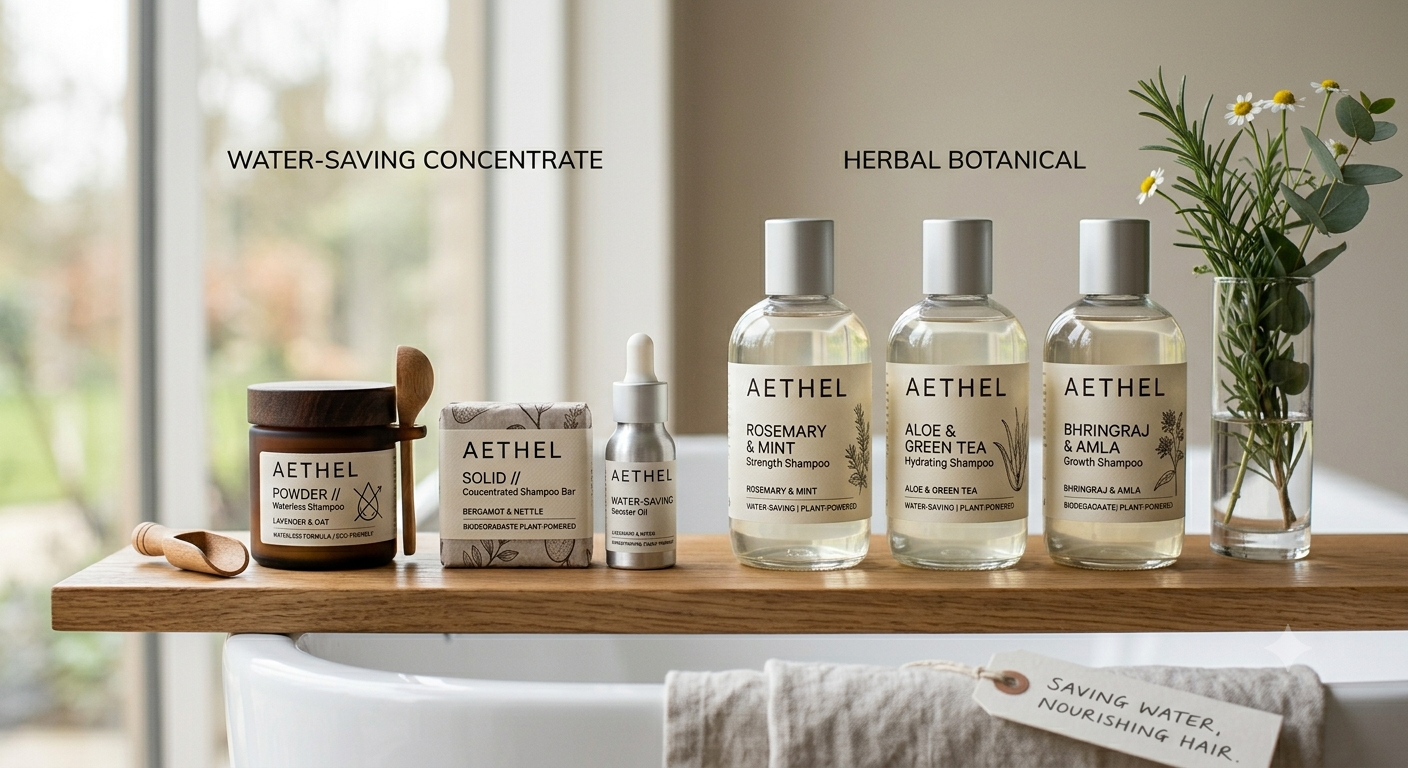
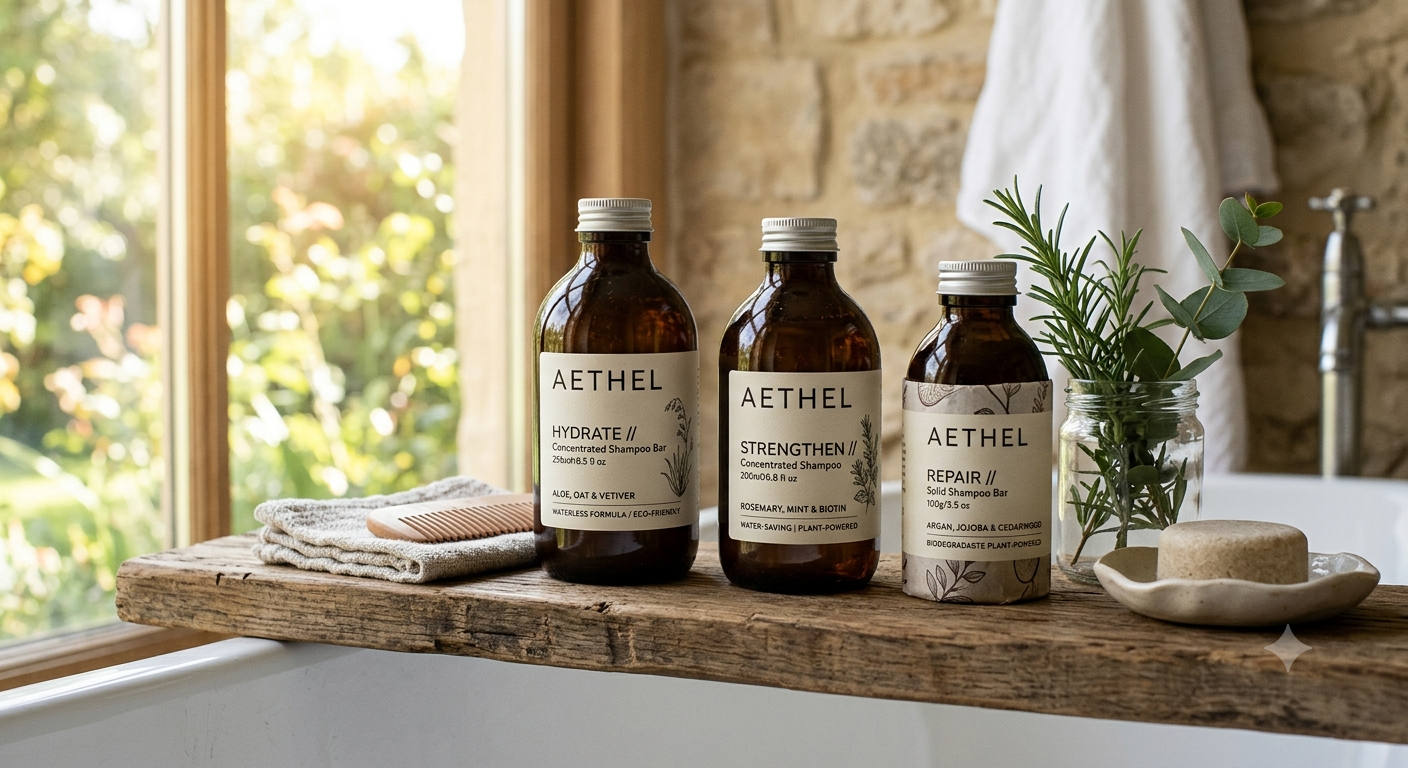
One of the most significant innovations supporting sustainability is the development of concentrated shampoo formulations. Unlike traditional water-heavy products, concentrated formulas use lower water content while maintaining cleansing performance and haircare efficacy.
Concentrated systems offer multiple benefits for sustainable brands:
- Reduced packaging waste due to smaller product sizes
- Lower transportation emissions because of lighter shipments
- Longer product usage per bottle
- Reduced water consumption during manufacturing
- Improved supply chain efficiency for OEM and private label brands
As sustainability becomes central to purchasing decisions, concentrated formulas help brands position themselves as environmentally responsible while also reducing operational costs.
How Water Saving Shampoo Supports Eco Haircare Solutions
Modern eco haircare solutions extend beyond recyclable packaging or “green” marketing claims. Today’s sustainable brands must evaluate the entire lifecycle impact of products, including water consumption, ingredient sourcing, carbon emissions, and end-user usage patterns.
Reducing Manufacturing Water Usage
Water-efficient formulations significantly reduce industrial water requirements during production. This becomes especially important for OEM manufacturers and B2B suppliers serving global haircare brands.
Reducing Consumer Water Waste
Consumers increasingly seek products that support shorter rinse times and lower daily water usage. Concentrated cleansers and fast-rinse formulas align perfectly with this trend.
Supporting Sustainable Packaging Initiatives
Smaller concentrated formats reduce plastic consumption and shipping inefficiencies, helping brands meet sustainability targets and retailer expectations.
According to Euromonitor, sustainability-focused beauty categories continue outperforming conventional personal care products, especially among younger consumers seeking environmentally responsible brands.
The Growing Demand for Natural Shampoo Products
The rise of sustainable beauty has also accelerated consumer interest in Natural shampoo products made with plant-based ingredients, biodegradable surfactants, and minimal synthetic additives.
Consumers increasingly associate natural formulations with:
- Lower environmental impact
- Safer ingredient profiles
- Improved scalp compatibility
- Reduced sensitivity risks
- Better alignment with clean beauty values
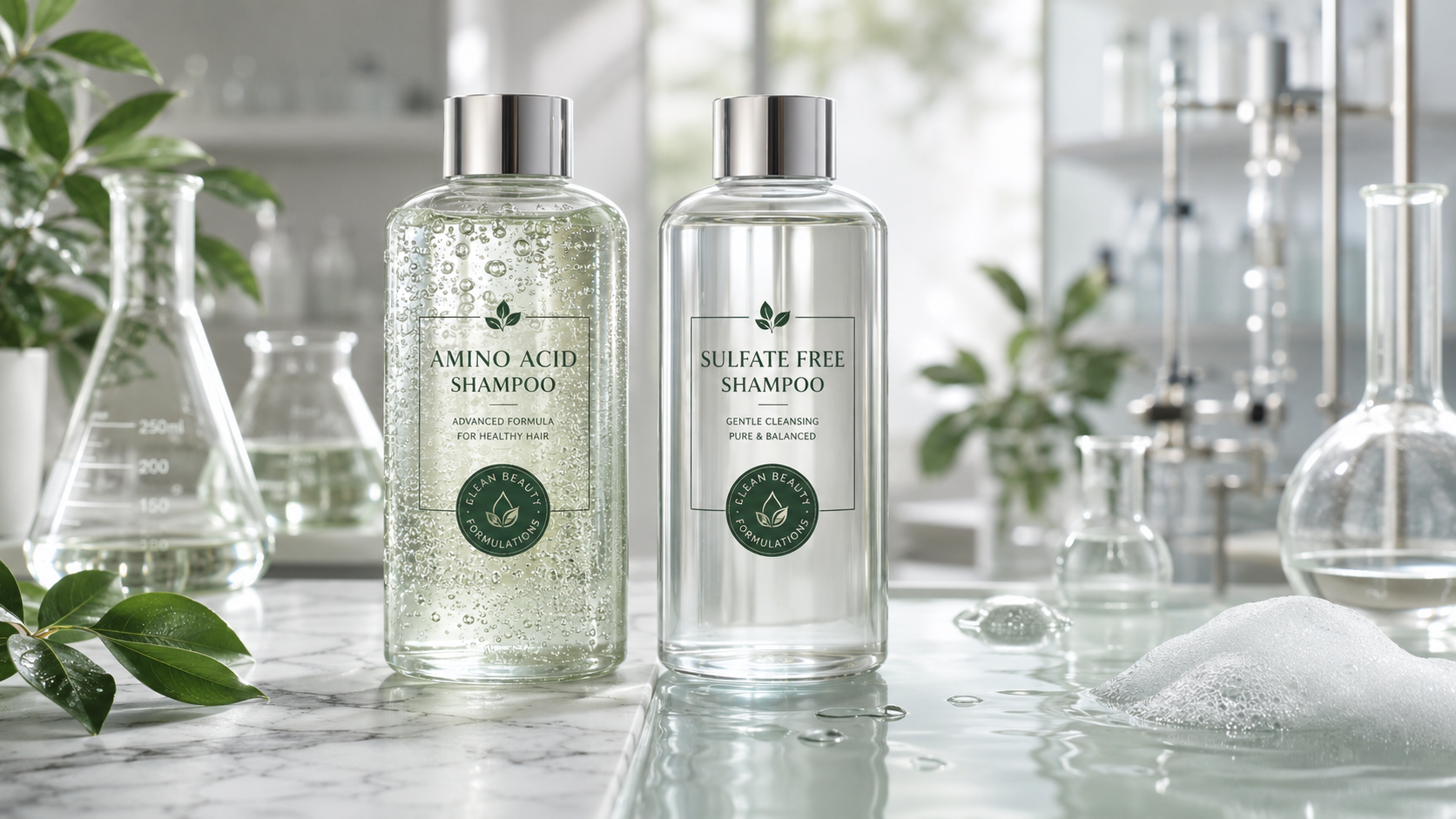
However, modern sustainable brands must balance natural positioning with actual product performance. Earlier generations of natural shampoos often struggled with poor foam, reduced cleansing efficiency, or limited shelf stability. Today’s advanced formulations use biotechnology, amino-acid cleansers, and optimized surfactant systems to deliver salon-quality results while maintaining eco-friendly positioning.

Why Herbal Shampoo Products Are Returning to Global Markets
The global demand for Herbal Shampoo products has experienced significant growth as consumers return to botanical-inspired beauty traditions. Herbal formulations often combine sustainability with wellness positioning, making them highly attractive for premium and private label haircare brands.
Popular botanical ingredients in modern herbal shampoo systems include:
- Rosemary extract for scalp stimulation
- Tea tree oil for oil balance
- Aloe vera for scalp hydration
- Rice water ferment for hair strengthening
- Chamomile for scalp soothing
- Green tea antioxidants for environmental protection
These ingredients align strongly with both clean beauty and sustainability movements, allowing brands to market scientifically supported natural solutions while supporting environmentally conscious positioning.
The B2B Opportunity in Sustainable Haircare Manufacturing
For OEM manufacturers, private label suppliers, and B2B haircare companies, the shift toward sustainable beauty presents substantial growth opportunities. Retailers, salons, distributors, and DTC brands increasingly prioritize suppliers capable of supporting eco-conscious product development.
Private Label Sustainability Demands
Private label brands increasingly request:
- Low-water formulations
- Concentrated product systems
- Biodegradable ingredients
- Recyclable packaging
- Refill-compatible product lines
- Water-efficient manufacturing processes
Retailer Sustainability Requirements
Major retailers and marketplaces are also introducing sustainability evaluation frameworks that assess supplier environmental performance, packaging efficiency, and carbon reduction initiatives.
According to Mintel, sustainability now directly influences beauty purchasing behavior, especially among Gen Z and millennial consumers who prioritize environmental transparency and ethical sourcing.
Formulation Challenges in Water Saving Shampoo Development
While sustainable formulations offer strong market potential, creating effective water saving shampoo systems presents several technical challenges.
Foam Performance Optimization
Consumers still expect luxurious foam and cleansing performance. Formulators must balance sustainability goals with sensory satisfaction.
Preservation Stability
Lower water activity changes preservation dynamics and requires careful microbiological stability testing.
Ingredient Compatibility
Natural extracts, botanical oils, and concentrated surfactants must remain stable under varying environmental conditions.
Scalp Compatibility
Concentrated systems must avoid scalp irritation while delivering effective cleansing and hydration.
Innovations Driving the Future of Eco Haircare Solutions
Several emerging technologies are shaping the future of sustainable haircare manufacturing:
- Waterless shampoo concentrates that activate during use
- Powder-to-foam systems reducing shipping weight
- Solid shampoo bars eliminating excess packaging
- Biotechnology-derived surfactants improving biodegradability
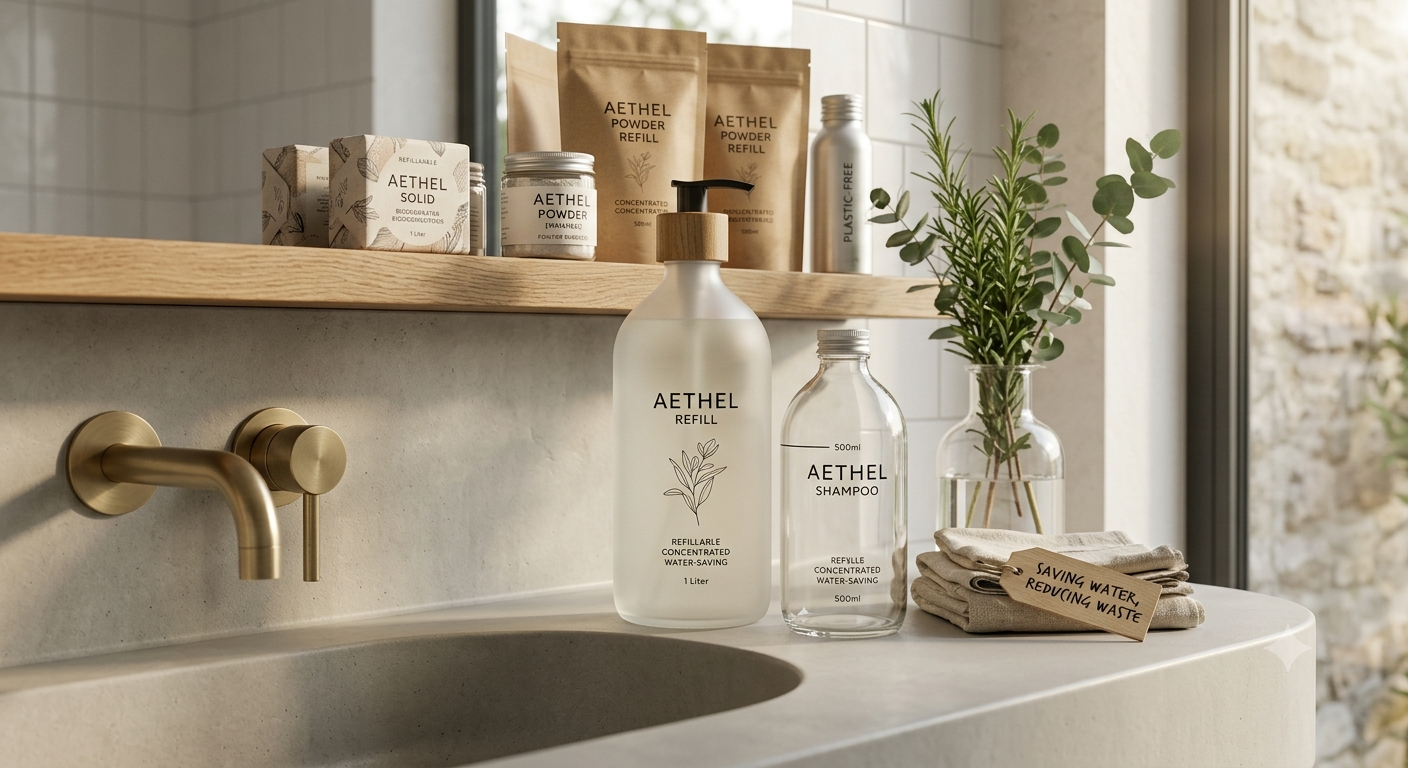
- Refillable packaging systems reducing plastic waste
- Fermented botanical ingredients improving performance and sustainability
These technologies allow brands to align environmental responsibility with premium product performance, creating stronger long-term market positioning.
Consumer Behavior and Sustainable Haircare Trends
Modern consumers are no longer satisfied with vague sustainability claims. Buyers increasingly expect measurable environmental benefits supported by ingredient transparency and responsible sourcing.
Key purchasing drivers include:
- Reduced environmental impact
- Clean ingredient labels
- Low-water manufacturing claims
- Ethical ingredient sourcing
- Cruelty-free certification
- Recyclable or refillable packaging
Brands that combine sustainability with visible product performance gain stronger customer loyalty and premium positioning opportunities.
How OEM Manufacturers Can Lead Sustainable Haircare Innovation
OEM and private label manufacturers play a critical role in accelerating sustainable beauty innovation. By investing in concentrated systems, sustainable ingredient sourcing, and environmentally efficient manufacturing, suppliers can help brands meet evolving market expectations.
Successful OEM partnerships increasingly focus on:
- Custom sustainable formulations
- Scalable concentrated shampoo systems
- Low MOQ sustainable product launches
- Packaging optimization support
- Global compliance assistance
- Eco-focused product storytelling
As demand for sustainable beauty continues rising globally, suppliers capable of delivering high-performance eco haircare solutions will gain substantial competitive advantages in international B2B markets.
Conclusion: The Future of Water Saving Shampoo in Sustainable Beauty
The future of haircare is increasingly defined by sustainability, efficiency, and environmental responsibility. Water saving shampoo, concentrated shampoo, Natural shampoo, and Herbal Shampoo systems represent the next generation of beauty innovation, allowing brands to reduce environmental impact while maintaining premium performance standards.
For B2B manufacturers, OEM suppliers, and sustainable beauty brands, investing in water-efficient product development is no longer optional — it is becoming a core requirement for long-term growth and market relevance.
Frequently Asked Questions About Water Saving Shampoo
1. What is a water saving shampoo?
A water saving shampoo uses reduced water content or concentrated formulations to minimize environmental impact during manufacturing, transportation, and consumer use.
2. How does concentrated shampoo support sustainability?
Concentrated shampoo reduces packaging waste, lowers shipping emissions, and decreases manufacturing water usage while maintaining effective cleansing performance.
3. Are Natural shampoo products more eco-friendly?
Many Natural shampoo systems use biodegradable ingredients and plant-based surfactants that reduce environmental impact compared to traditional formulations.
4. Why are Herbal Shampoo products becoming more popular?
Herbal Shampoo products align with clean beauty and sustainability trends while offering botanical benefits that appeal to consumers seeking natural and environmentally responsible haircare solutions.