
The Paradigm Shift in Men’s Grooming: Why Men’s Scalp Care OEM is the Next Billion-Dollar Market
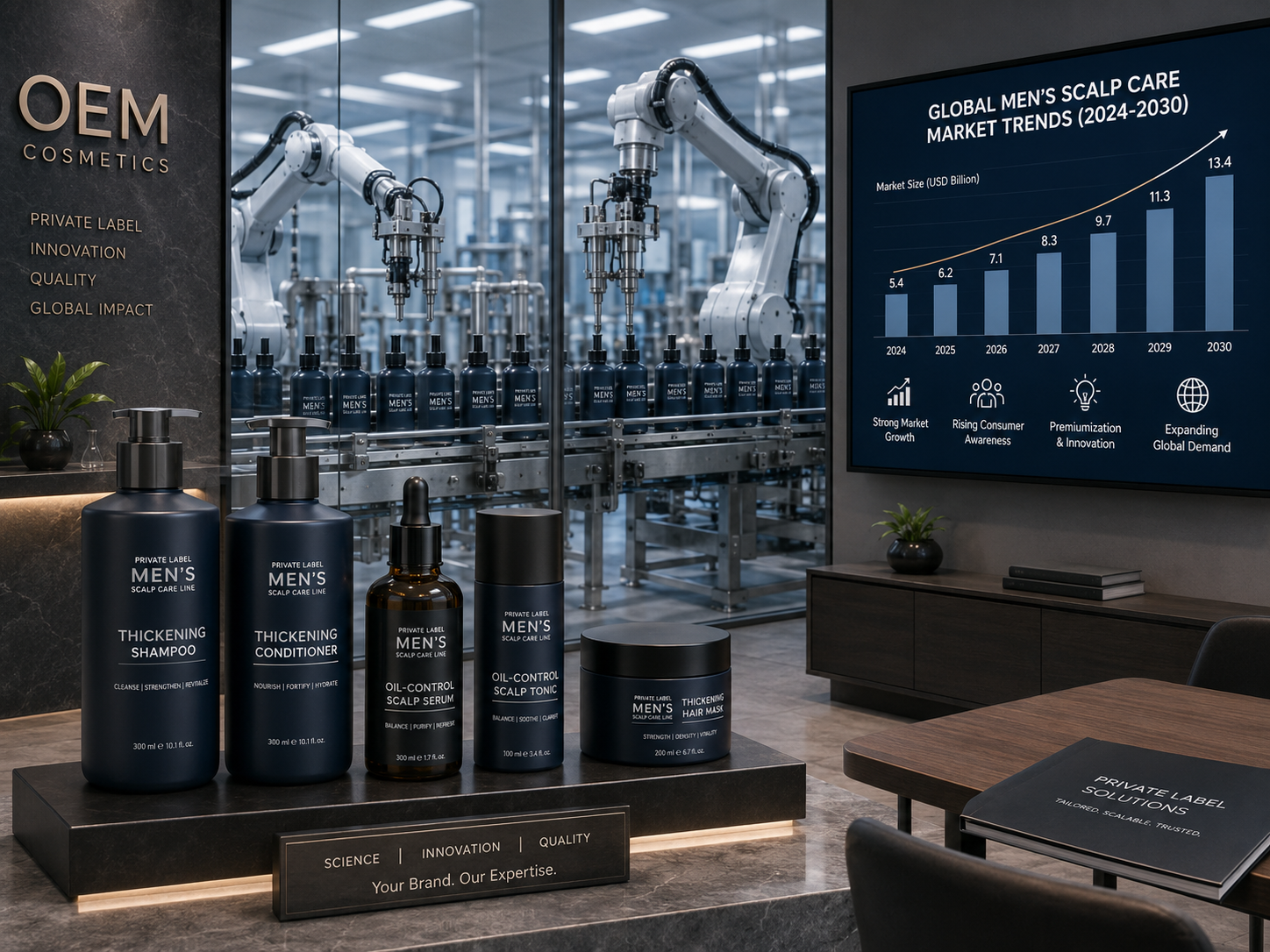
The global men’s grooming industry has evolved far beyond basic shave gels and generic "3-in-1" body washes. Today, modern male consumers are highly sophisticated, deeply educated on ingredients, and increasingly focused on preventive wellness. Among the fastest-growing segments within this premium shift is targeted trichological health. As hair thinning, premature baldness, and chronic seborrheic dermatitis emerge as major consumer pain points, brands are rapidly looking to capitalize on this demand through a specialized men’s scalp care OEM partner.
According to comprehensive market insights from Grand View Research, the global men's grooming market size is expanding at an unprecedented compound annual growth rate (CAGR), driven heavily by hair and scalp treatments. The modern male consumer doesn’t just want clean hair; they demand clinical, data-backed solutions that target the hair follicle at its root, regulate overactive sebaceous glands, and reverse the visual signs of aging and hair loss.
For brand owners, private label enterprises, and e-commerce disruptors, entering this market requires more than just repackaging existing women's formulations. It demands an experienced, technically proficient men’s scalp care manufacturer capable of engineering bespoke products tailored specifically to the unique physiological, hormonal, and structural characteristics of the male scalp. This comprehensive guide breaks down the science, formulation strategies, and supply chain logistics required to build a high-performance, commercially successful private label men’s scalp care line.
The Biological Imperative: Understanding Male Scalp Physiology
To successfully develop products through a men’s shampoo OEM setup, brands must first understand that the male scalp is biologically distinct from the female scalp. These differences are rooted in hormonal profiles, epidermal thickness, and sebaceous gland density:
- Hyper-Sebum Production: Driven by higher levels of testosterone and dihydrotestosterone (DHT), men’s sebaceous glands produce significantly more sebum than women's. This excess oil creates a breeding ground for Malassezia restriction fungi, leading to dandruff, itching, and greasy scalp conditions.
- Higher Susceptibility to Alopecia: Androgenetic Alopecia (AGA) affects up to 50% of men by age 50. Formulations must incorporate DHT blockers and microcirculation stimulants to prolong the anagen (growth) phase of the hair cycle.
- Weaker Epidermal Barrier Function: Studies published by the National Institutes of Health (NCBI) indicate that despite having thicker skin overall, men often exhibit a more fragile scalp barrier, making them highly susceptible to chemical irritants, environmental pollutants, and trans-epidermal water loss (TEWL).
Consequently, off-the-shelf formulas fail to deliver long-term satisfaction. Successful brands must leverage professional OEM capabilities to engineer products that address this specific trifecta of oil control, follicle fortification, and barrier repair.
Formulation Engineering: Customizing a High-Performance Men’s Thickening Shampoo OEM
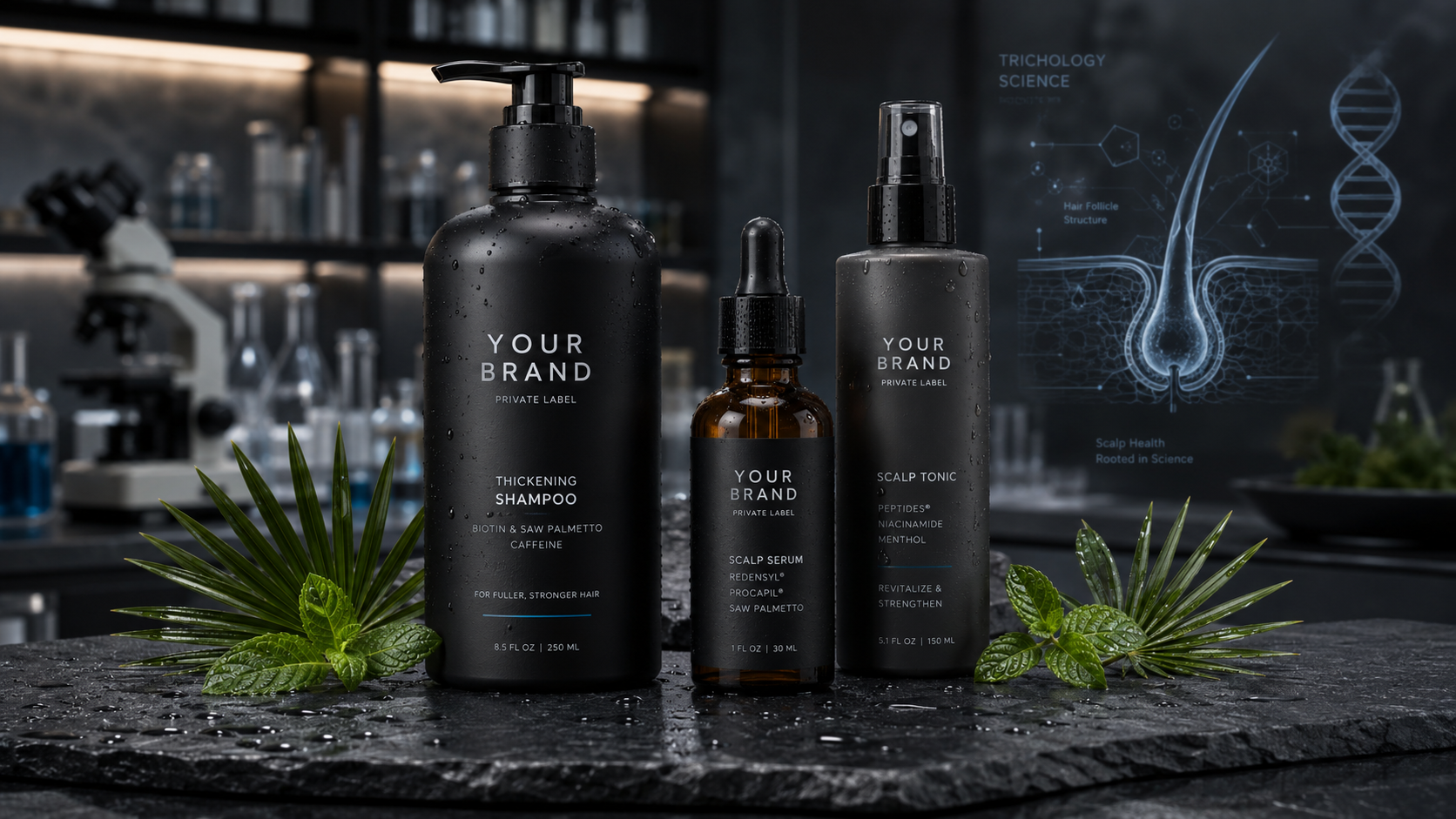
The cornerstone of any premium product line is a functional, results-driven cleansing system. When executing a men’s thickening shampoo OEM project, the goal is twofold: instantly expand the diameter of the hair shaft for immediate visual volume, and deliver bio-active compounds to the dermal papilla to encourage long-term hair density.
Advanced Surfactant Systems for Clean Beauty
Traditional mass-market shampoos rely on harsh sulfates like Sodium Lauryl Sulfate (SLS) or Sodium Laureth Sulfate (SLES). While effective at stripping heavy oils, these surfactants over-cleanse, triggering a rebound effect where the sebaceous glands produce even more sebum to compensate, while simultaneously irritating the hair follicle.
An elite men’s scalp care manufacturer utilizes clean, sulfate-free, biodegradable surfactant matrices that cleanse deeply without compromising the scalp matrix. These include:
| Surfactant Type | Chemical Name / INCI | Primary Benefit in Men's Care |
|---|---|---|
| Isothionates | Sodium Lauroyl Methyl Isethionate (SLMI) | Dense, luxurious foam; ultra-mild on compromised, thinning hair follicles. |
| Glucosides | Decyl Glucoside / Lauryl Glucoside | Plant-derived, non-ionic; excellent at breaking down stubborn styling clays and waxes. |
| Amino Acid Based | Sodium Lauroyl Sarcosinate | Improves hair manageability, enhances natural shine, and leaves a clean, non-stripped skin feel. |
Clinical Actives for Follicle Fortification and Hair Thickening
To back up marketing claims with real-world efficacy data, a premium men’s thickening shampoo OEM must integrate precise, clinically proven active ingredients at operational dosages. The modern supply chain offers a variety of cutting-edge biopolymers and botanical compounds:
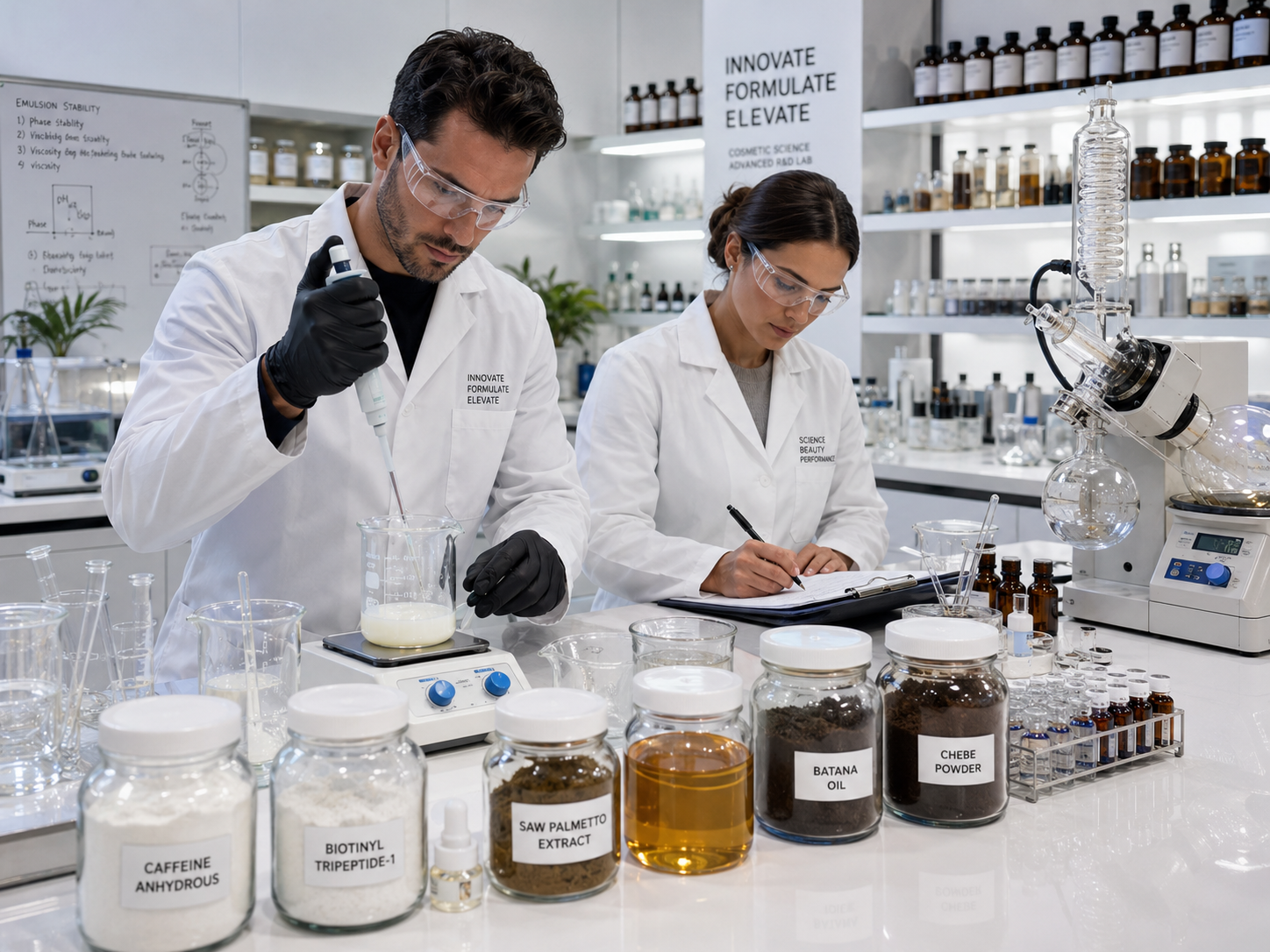
- Caffeine (Anhydrous): A powerful topical stimulant that counteracts DHT-induced follicle miniaturization. It penetrates the hair sheath easily, stimulating blood flow to the capillaries surrounding the dermal papilla.
- Biotinoyl Tripeptide-1 & Acetyl Tetrapeptide-3: Specialized peptide chains that anchor the hair root more securely within the dermis, preventing premature shedding and accelerating the synthesis of structural proteins like laminin and collagen VII.
- Saw Palmetto (Serenoa Serrulata) Extract: A natural, highly effective competitive inhibitor of the 5-alpha-reductase enzyme, which converts testosterone into follicle-damaging DHT.
- Exotic Nutritive Oils: Integrating nutrient-dense botanical lipids like Batana Oil (rich in oleic and linoleic acids) and traditional Chebe Powder infusions helps coat the hair fiber, providing immediate structural reinforcement, reducing breakage, and nourishing a dry, inflamed scalp base.
 ---
---
Engineering Advanced Oil-Control Solutions for High-Humidity and Urban Climates
Excessive oil production is arguably the number one complaint among male consumers globally, particularly in densely populated urban centers or humid geographic zones. A high-performance private label men’s scalp care line must offer dedicated sebum-regulating products that provide prolonged matte finishes, eliminate unpleasant scalp odors, and prevent folliculitis.
The Chemistry of Sebum Regulation
Instead of merely absorbing oil after it has reached the surface, advanced formulations seek to modulate the rate of sebum secretion at the cellular level. When collaborating with your chosen men’s shampoo OEM, consider integrating the following multi-functional actives:
1. Zinc PCA (Zinc Pyrrolidone Carboxylic Acid)
Zinc PCA is a gold-standard active in trichological science. The Zinc component works as a potent 5-alpha-reductase inhibitor to curb sebum production at the source, while the L-PCA (an element of the skin's natural moisturizing factor) ensures the scalp remains optimally hydrated, preventing the compensatory oil overproduction often caused by simpler drying agents.
2. Salicylic Acid (BHA)
Unlike water-soluble Alpha Hydroxy Acids (AHAs), Salicylic Acid is lipophilic (oil-soluble). This unique chemical property allows it to penetrate deep into the follicular infundibulum, dissolving hardened sebum plugs, clearing out accumulated dead skin cells, and eliminating the micro-environments where dandruff-causing fungi thrive.
3. Activated Charcoal and Amazonian Clays
For physical clarifying benefits, micronized charcoal and Kaolin or Bentonite clays provide a high-surface-area porous structure that physically adsorbs excess lipids, environmental toxins, and microscopic particulate matter (such as PM2.5 pollution) from the skin surface without causing friction damage to the hair cuticle.
Expanding the Product Range: High-Performance Leave-On Scalp Tonics and Serums
While shampoos are essential for cleansing and preparing the scalp, their contact time with the skin is limited to just a few minutes. To drive truly transformative results—especially for hair density and severe oil control—a comprehensive private label men’s scalp care line must include high-performance leave-on topical treatments, such as targeted scalp tonics, lightweight hydro-glycolic serums, or specialized exfoliating pre-shampoo treatments.
According to consumer tracking data available through global market analytical platforms like Statista, the demand for targeted "skinification" products within the hair care sector has grown exponentially. Male consumers are increasingly treating their scalps with the same rigor previously reserved for facial skin care.
Advanced Delivery Systems for Optimal Bioavailability
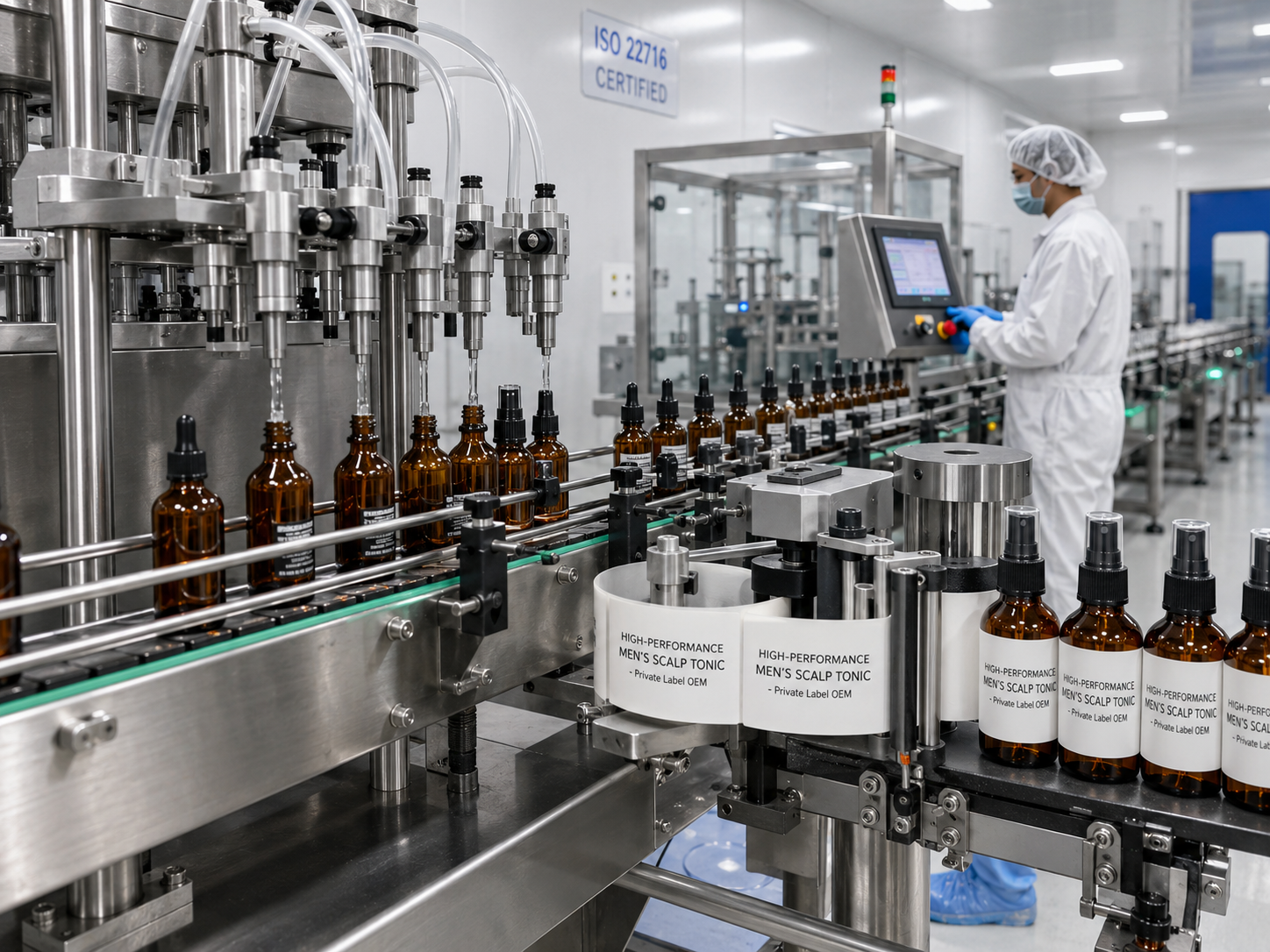
The primary technical challenge with leave-on topical scalp treatments is ensuring that the active ingredients can effectively penetrate the thick stratum corneum and reach the deeper hair follicle bulge without leaving a sticky, heavy, or greasy residue that ruins hair styling. A world-class men’s scalp care OEM partner utilizes advanced cosmetic delivery platforms to maximize efficacy:
- Liposomal and Nano-Encapsulation: Enclosing unstable or sensitive active compounds (such as Retinyl Palmitate or specialized peptides) within phospholipid bilayers allows for deeper epidermal penetration and a sustained, time-released delivery mechanism directly to the follicle.
- Alcohol-Free, Non-Greasy Volatile Carriers: Utilizing lightweight, fast-evaporating cosmetic bases guarantees that the product dries down quickly within seconds of application, leaving a completely weightless, matte finish suitable for daily use under styling products like pomades, clays, or waxes.
- Microbiome-Friendly Prebiotics: Incorporating ingredients like Alpha-Glucan Oligosaccharide or Inulin helps selectively feed beneficial scalp microflora, optimizing the biological skin barrier against pathogenic bacterial strains that cause inflammation and subsequent hair shedding.
 ---
---
Navigating the Manufacturing Process: Selecting the Ideal Men’s Scalp Care Manufacturer
Transitioning from a product concept to a commercially scalable, regulatory-compliant reality requires strategic collaboration with a sophisticated production facility. Choosing the wrong factory can lead to disastrous product recalls, unstable formulations, inconsistent batches, and long supply chain delays that can destroy a brand's hard-earned market reputation.
Essential B2B Quality Standards and Global Certifications
When auditing a prospective men’s scalp care manufacturer, brands must thoroughly verify international compliance frameworks and standard operating procedures (SOPs). At a minimum, your manufacturing facility should maintain the following credentials:
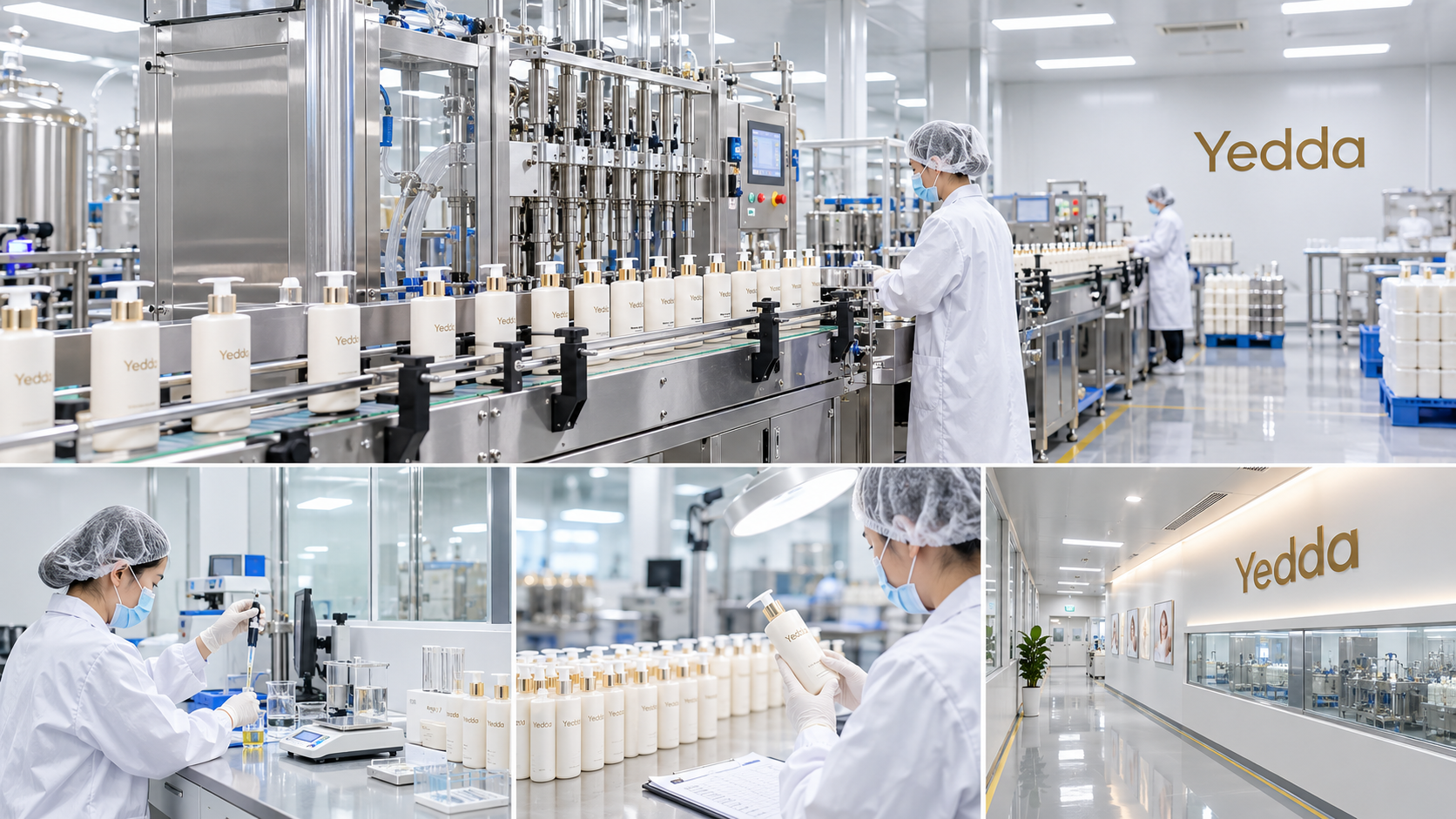
- ISO 22716:2007 Certification: The definitive international benchmark for Good Manufacturing Practices (GMP) within the cosmetics industry, ensuring rigorous controls over personnel, raw material sourcing, production hygiene, and documentation.
- GMPC (Good Manufacturing Practices for Cosmetics): Essential for brands targeting major consumer markets in North America, Western Europe, and parts of Asia.
- Advanced Microbiological Testing Protocols: Every single batch must undergo strict challenge testing and micro-clearance validation to guarantee absolute safety against common pathogens (such as Pseudomonas aeruginosa and Staphylococcus aureus) prior to leaving the warehouse.
B2B Supply Chain Optimization: MOQs, Customization, and Turnaround Times
For both established enterprises expanding their portfolios and scaling direct-to-consumer (DTC) brands, managing capital efficiency is vital. It is critical to establish crystal-clear baseline operational agreements with your OEM provider:
- Minimum Order Quantities (MOQs): Depending on whether a brand chooses a stock formulation (white label) or a completely custom-engineered formulation (OEM), MOQs typically range from 3,000 units to 10,000 units per Stock Keeping Unit (SKU), based on specific packaging requirements and raw material constraints.
- Comprehensive Stability and Compatibility Testing: Legitimate manufacturing partners will subject new formulations to rigorous thermal acceleration testing (storing samples at 40°C and 45°C for a minimum of 8 to 12 weeks) to guarantee that the formulation will not separate, discolor, change in viscosity, or react negatively with the selected plastic or glass packaging over its commercial shelf life.
- Regulatory Documentation Support: Your manufacturer should provide all essential cross-border documentation, including complete Material Safety Data Sheets (MSDS), Certificates of Analysis (COA), and raw material origin traceability statements necessary for smooth customs clearance and compliance registry with local bodies like the FDA or the European Union's CPNP portal.
Frequently Asked Questions (FAQ)
1. What is the typical turnaround time for a custom men's scalp care OEM project?
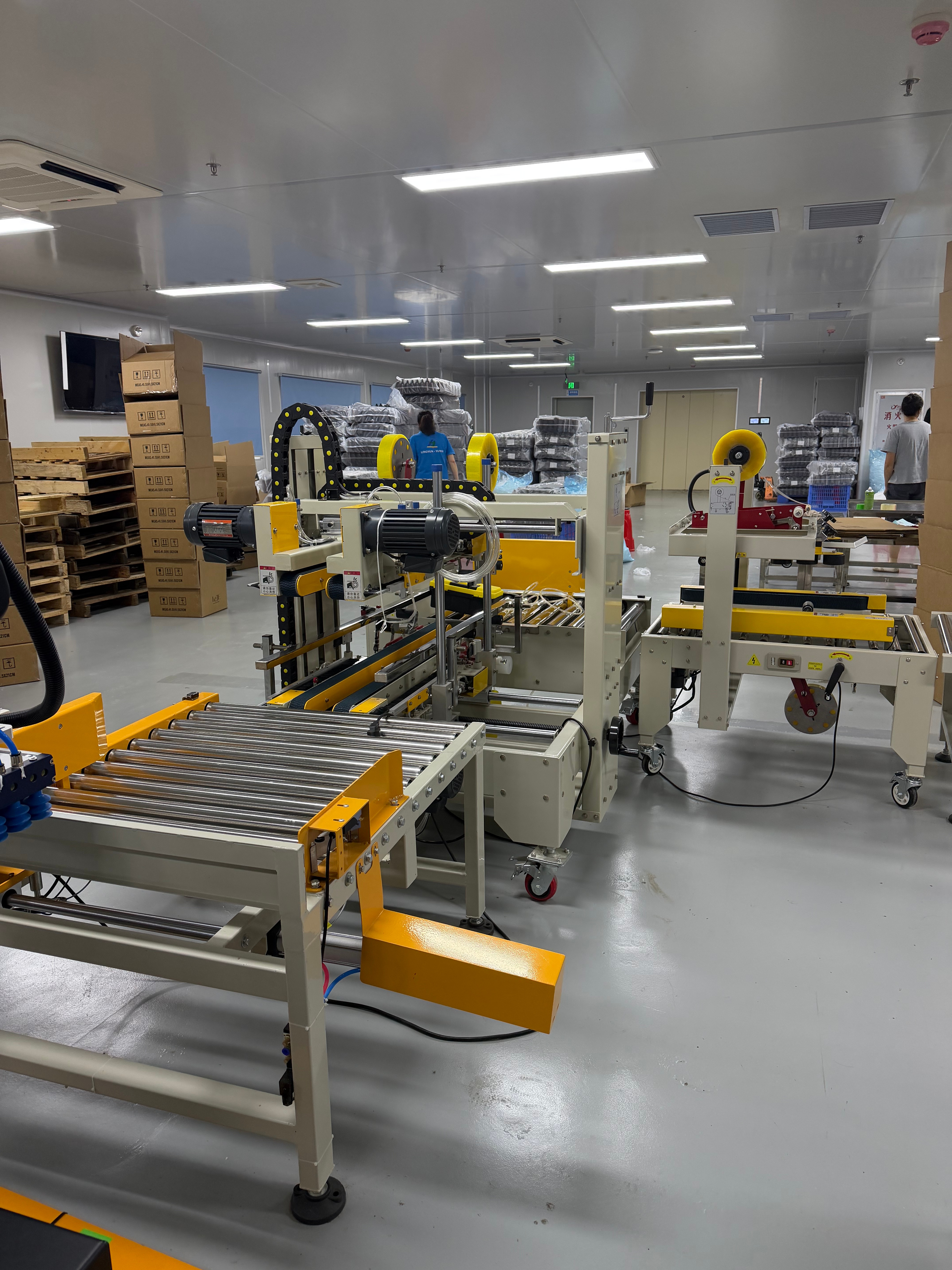
For completely custom formulations, the standard timeline from initial R&D brief to final production shipping spans approximately 12 to 16 weeks. This comprehensive timeline accounts for initial lab sample creation (2-3 weeks), stability and compatibility validation testing (8-12 weeks), artwork design approvals, custom raw material procurement, and final high-speed automated filling and packaging.
2. Can your facility assist in formulating custom scents tailored to the male demographic?
Yes. A professional men’s scalp care manufacturer works closely with premier global fragrance houses to develop sophisticated scent profiles designed for the modern male palette. Options range from natural, invigorating essential oil blends (such as peppermint, eucalyptus, tea tree, and cedarwood) to complex, high-end synthetic fragrance profiles featuring notes of rich amber, tobacco, sandalwood, and marine accords that offer excellent long-lasting longevity on the hair.
3. How do you guarantee that a private label men's thickening shampoo will actually perform?
Product performance is validated through a combination of strict analytical chemistry and clinical evaluation. We utilize advanced active ingredients that are backed by independent clinical trial data from the ingredient suppliers. Furthermore, during the product development phase, formulations can be subjected to tress testing and consumer perception panels to measure physical increases in hair fiber cross-sectional diameter, reduction in hair fall breakage, and general structural integrity.
4. Are the formulations compliant with international "Clean Beauty" retail standards?
Absolutely. Formulations can be precisely tailored to meet the strict ingredient blacklists enforced by leading global beauty retailers (such as Sephora Clean, Credo Beauty, and Whole Foods standards). This means products can be easily engineered to be completely free from parabens, sulfates (SLS/SLES), phthalates, mineral oils, formaldehyde releasers, synthetic dyes, and animal-derived ingredients, allowing your brand to proudly market a clean, cruelty-free, vegan product range.