
2026 Scalp Health Trends: Why Hair "Skin Removal" is Driving Market Growth
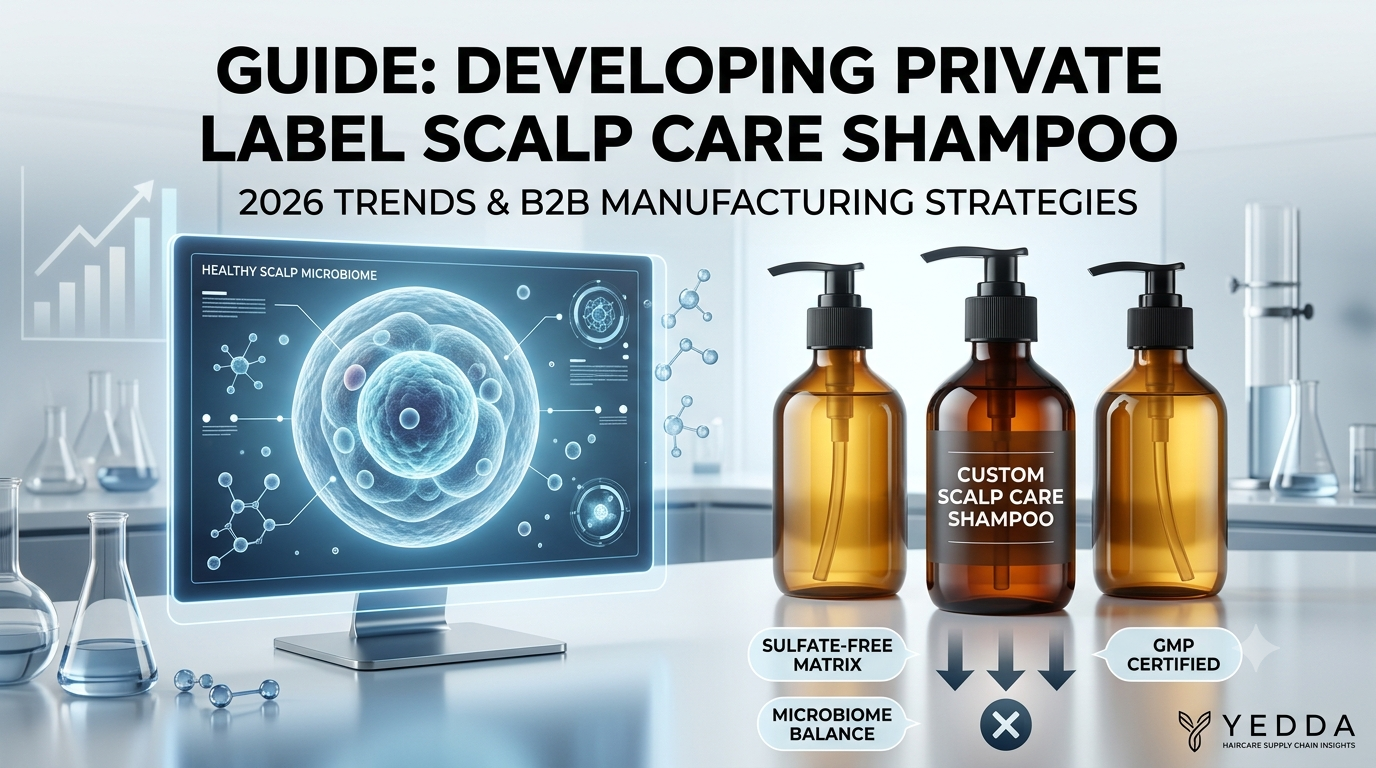
The global hair care philosophy has undergone a fundamental shift, moving from surface modification to cellular-level scalp biology. Scalp health trendsin 2026 will be characterized by highly educated consumers who treat their scalp with the same rigorous clinical approach as they would their facial skin. Issues such as follicular microinflammation, excessive sebum production, microbial dysbiosis (e.g., Malassezia overgrowth), and environmental oxidative stress are now mainstream topics of discussion.
According to the clinical dermatology framework and research published by the National Center for Biotechnology Information (NCBI), the scalp has a higher density of sebaceous glands and a thicker epidermis than the face, creating a unique microenvironment that requires highly specialized surfactants and active ingredient matrices. Simple cleansing shampoos are no longer sufficient; the market needs multifunctional products that can exfoliate, moisturize, and balance the scalp's microecology without damaging the hair.
For brands aiming to capture a share of the high-end market, investing in the research and development of high-performance private-label scalp care shampoosholds enormous profit potential. However, to capitalize on this trend, it is essential to break free from the limitations of mass-market standard formulas and instead adopt clinical-grade active ingredients—which requires sophisticated research and development as well as advanced manufacturing capabilities.

Choosing a high-end scalp care shampoo manufacturer : Technological capabilities
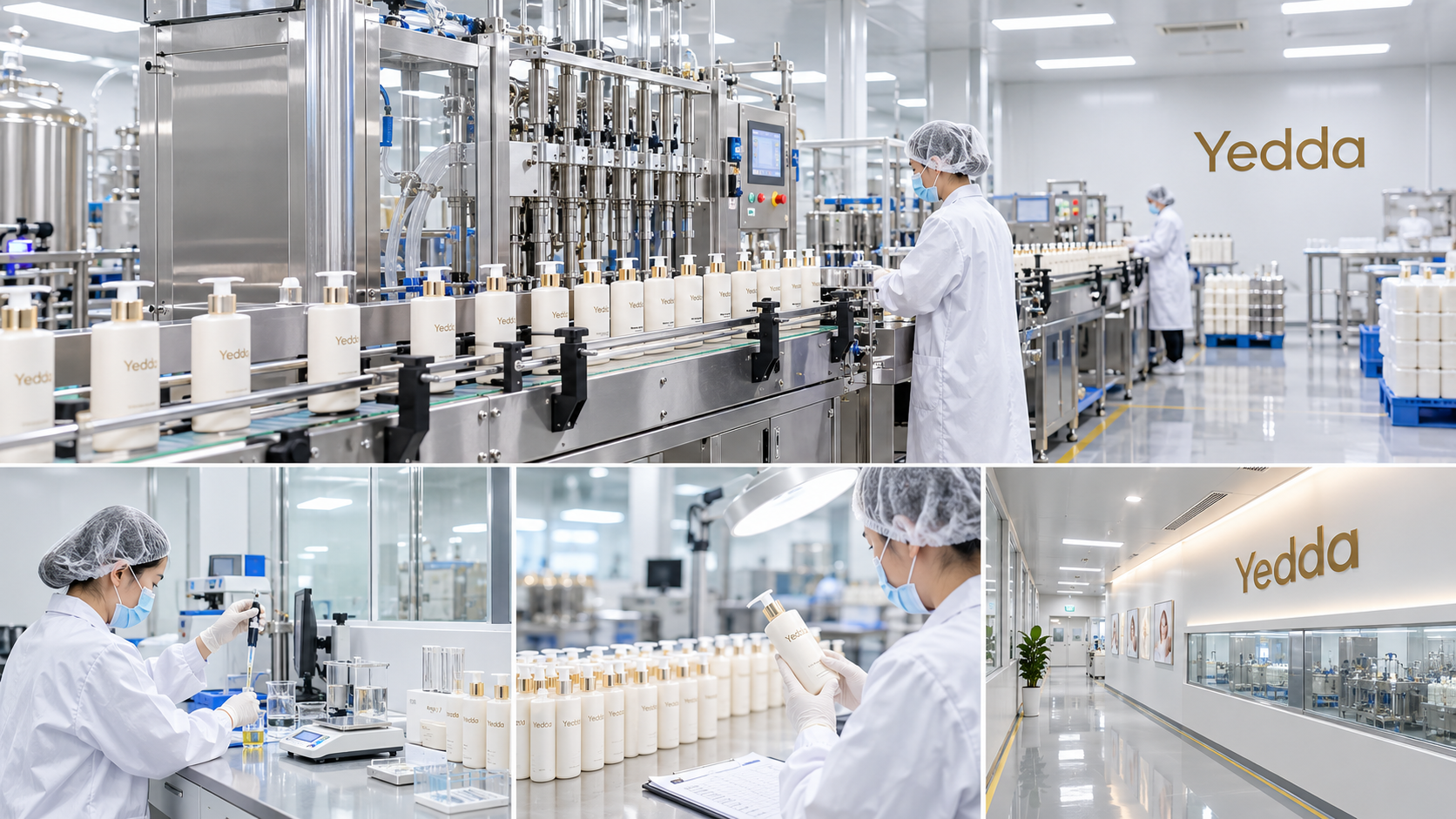
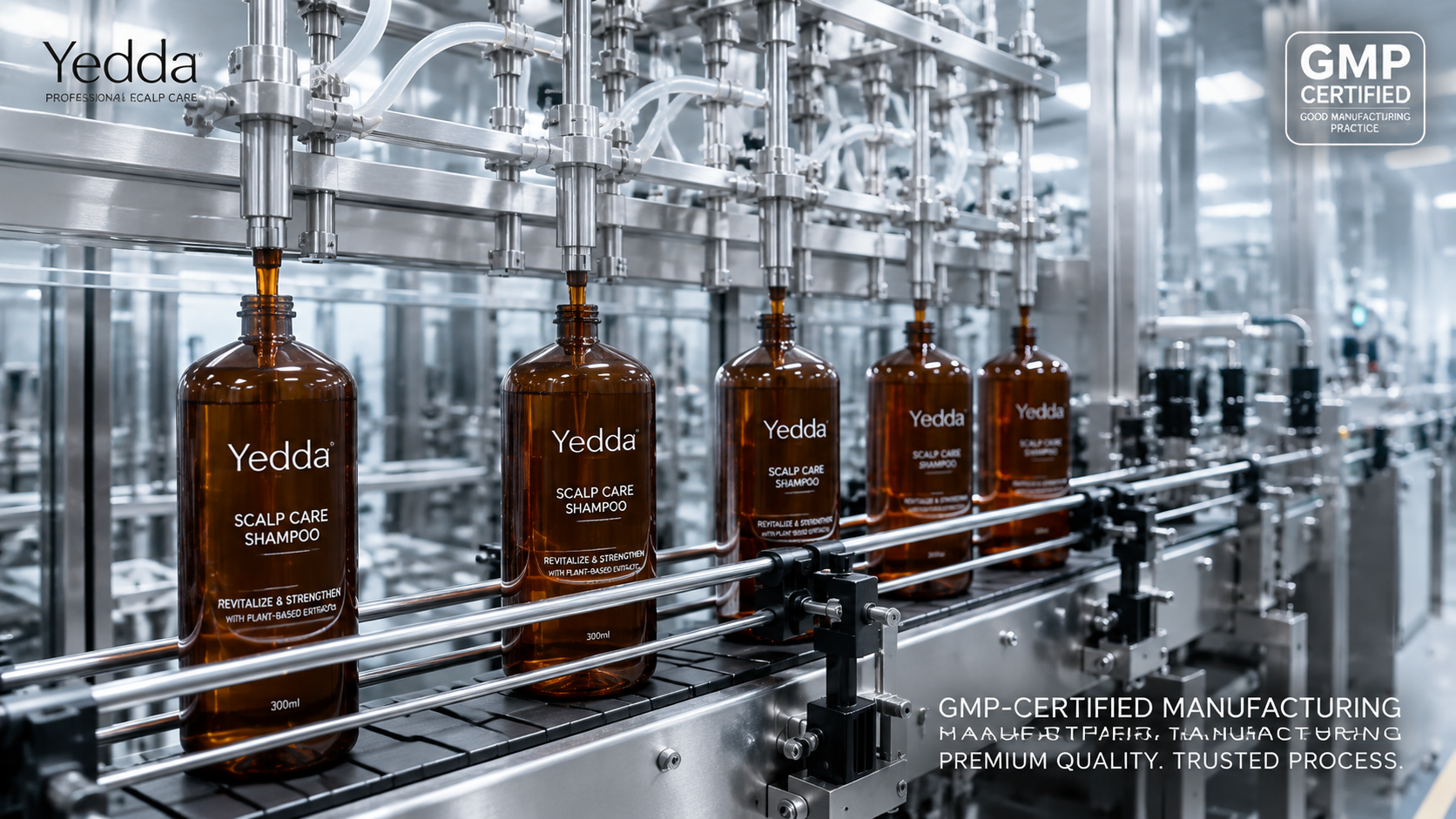
Developing a clinical-grade product requires collaborating with a scalp care shampoo manufacturerwhose capabilities extend far beyond basic contract manufacturing and filling services. When evaluating potential OEM/ODM partners , the purchasing manager must audit their facilities to ensure they possess the specific engineering and regulatory capabilities required for scalp care products—capabilities that are indispensable.
First, manufacturers must demonstrate deep expertise in cold-process emulsification and protection against heat degradation. Many advanced scalp active ingredients—such as active probiotics, fine plant extracts (including authentic batana oil for repairing the scalp's lipid barrier), and specific enzymatic exfoliants—are highly sensitive to heat. If factories use outdated high-temperature formulation processes, these valuable active ingredients can be destroyed before the product is bottled.
Secondly, compliance must be ingrained in the factory's DNA. Because scalp care products often fall somewhere between cosmetics and over-the-counter (OTC) drugs (especially when claiming anti-dandruff effects, such as zinc pyrithione or piroctone olamine), factories must strictly adhere to global standards. Ensure your manufacturing partners meet the stringent safety review requirements set by the Cosmetic Ingredient Review (CIR) and have genuinely ISO 22716/GMPC certified facilities. This can prevent catastrophic compliance issues when exporting to markets heavily regulated by the US Cosmetic Ingredient Review Act(MoCRA) or the EU Cosmetic Ingredients and Prescription Drug Exemptions Act (CPNP).
Customized scalp care shampoo: Balanced active ingredients and microbiome
The success of a customized scalp care shampoodepends entirely on its formulation. Modern formulas must simultaneously achieve three goals: gently removing oil, nourishing the scalp's microbiome, and repairing the scalp barrier. This requires a precise blend of various specialized ingredients.
1. New generation of exfoliating products and sebum regulators
Traditional physical scrubs (such as salt or crushed seashells) can cause micro-tears on a damaged scalp. Modern formulas use chemical exfoliants. Salicylic acid (BHA) remains the gold standard for penetrating lipid-rich pores and dissolving hardened sebum. In 2026, we will also see the rise of polyhydroxy acids (PHAs) such as gluconolactone, which can extremely gently promote cell renewal while also acting as a moisturizer to soothe an irritated scalp barrier.
2. Prebiotics and metabiotics that support the microbiome
To directly address scalp health trends, your formula must nourish beneficial bacteria while suppressing pathogenic strains. Adding prebiotics (such as inulin or alpha-glucan oligosaccharides) provides essential dietary fiber for these beneficial bacteria. Advanced formulas are now integrating postbiotics—inactive bacterial lysates (such as Lactococcus ferment lysates)—that deliver immediate anti-inflammatory and barrier-strengthening peptides directly to the scalp without the instability risks associated with live probiotics.
3. Sulfate-free, low-irritant surfactant matrix
Strong anionic surfactants like SLS and SLES can be completely counterproductive to scalp care, as they can severely damage the stratum corneum and trigger reactive seborrheic dermatitis (excessive oil production). A high-quality private-label scalp care shampoomust use a finely formulated, ultra-mild surfactant blend. Formulators typically base their formulas on sodium cocoyl isosulfonate (SCI) or amino acid surfactants such as sodium lauroyl sarcosinate, working in synergy with alkyl glucosides (APG) to ensure rich, fine lather while maintaining the scalp's natural pH (ideally between 4.5 and 5.2).
Scale-up from laboratory to ton-scale: viscosity and stability
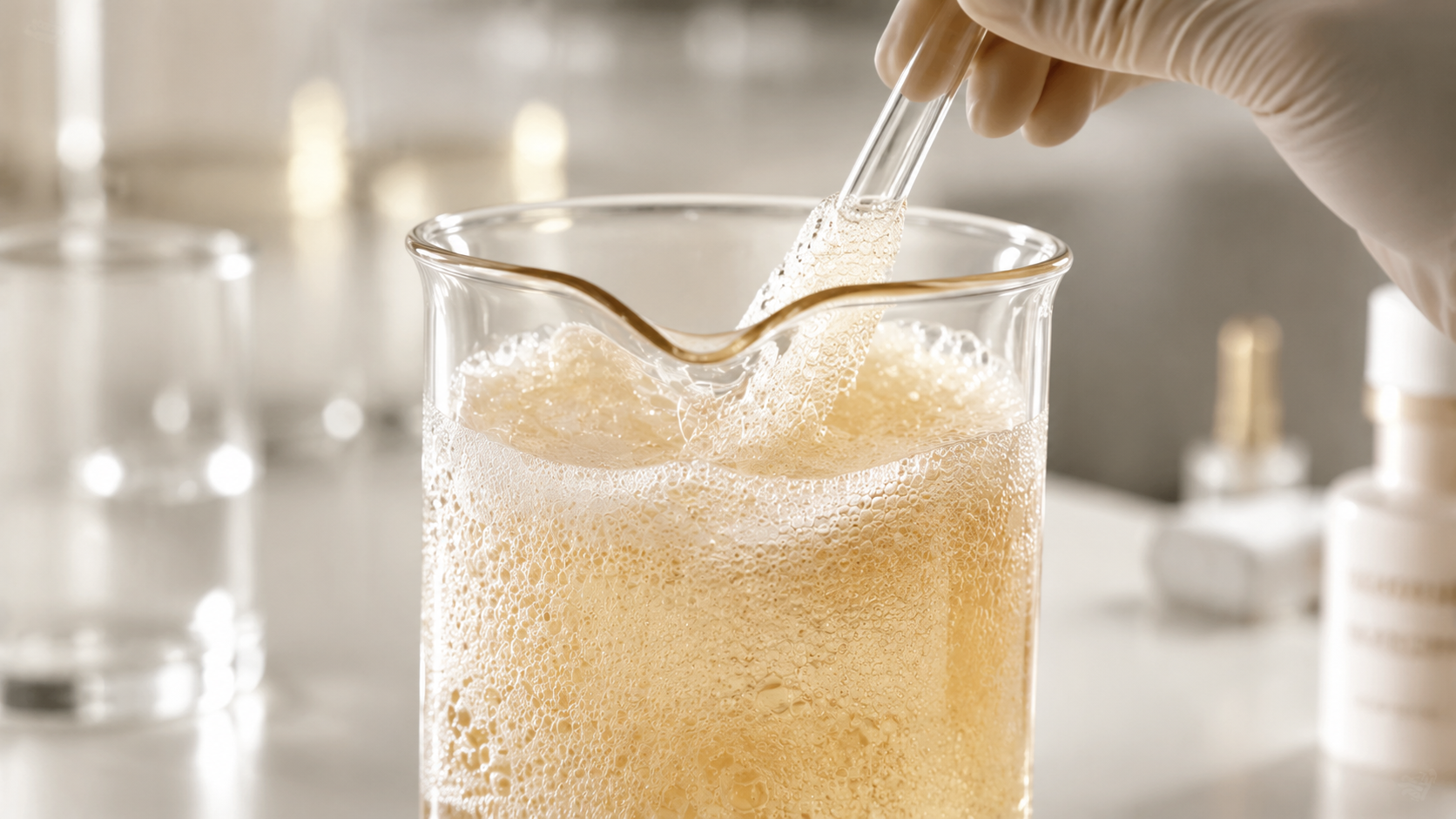
Developing a highly effective, customized scalp care shampooin a 500ml laboratory beakeris a scientific achievement; scaling it up to a 5-ton commercial batch is an engineering marvel. The addition of high concentrations of active ingredients, especially electrolyte-rich extracts and acidic exfoliants, significantly alters the hydrodynamics and stability of the shampoo matrix.
One of the main challenges in thickening processes is maintaining the target viscosity without using irritating substances. An acidic environment (essential for BHA/PHA to function) severely limits the thickening potential of traditional salt curve thickening mechanisms. Manufacturers must employ advanced rheology modifiers, such as synergistic blends of specially formulated acrylate copolymers or natural gums (xanthan gum and sclerotia), to build a stable yield network, prevent phase separation, and maintain a fine, high-quality texture.
Furthermore, rigorous microbiological testing is essential. Scalp care formulas rich in plant nutrients and moisture provide an ideal environment for microbial growth. Formulators must employ advanced multi-barrier technologies—using versatile organic acids and ethylene glycol, rather than traditional irritating preservatives—to pass the stringent 28-day challenge tests required by international regulatory agencies such as the U.S. Food and Drug Administration (FDA). Accelerated stability testing protocols (exposing the product to 45°C and extreme freeze-thaw cycles) ensure the product maintains its clinical efficacy and sensory properties throughout its global shelf life.
Commercialize your own brand of scalp care shampoo line
Expanding your brand into the scalp care sector requires a strategic integration of market positioning and technological realities. Modern consumers read ingredient lists (INCIs) and demand transparency. By prioritizing the use of clinical-grade active ingredients, optimizing the scalp microbiome, and partnering with leading scalp care shampoo manufacturers capable of rigorous quality control at scale , your brand can confidently capturethe premium segment of the booming scalp health trend .
Frequently Asked Questions (FAQ)
Q1: What is the usual minimum order quantity (MOQ) for launching your own brand of scalp care shampoo line?
A1: The minimum order quantity depends on the complexity of the formulation and packaging. For high-end custom scalp formulations using specific microbial active ingredients, advanced manufacturers typically require a minimum order quantity of 3,000 to 5,000 units per SKU. This ensures efficient sourcing of custom raw materials and meets the minimum run-time requirements for automated commercial dispensing containers, thus guaranteeing batch stability.
Q2: Can we add specific natural oils such as patna oil to shampoos that deeply cleanse the scalp without making them greasy?
A2: Yes. High-quality natural oils such as batana oil are ideal for repairing the scalp's lipid barrier. To prevent cleansing or exfoliating formulas from being too oily, our chemists use precise HLB (hydrophilic-lipophilic balance) matching and microemulsification technology. This process breaks down the oils into submicron-sized droplets, nourishing the scalp without weighing down the hair roots or affecting the richness of the lather.
Q3: How long does the research and development and stability testing process for customized scalp care shampoos take?
A3: Developing truly customized, high-efficiency formulations requires rigorous engineering design. The initial lab formulation and sampling phase typically takes 3 to 4 weeks. After sample approval, accelerated stability testing (including thermal cycling, freeze-thaw tests, and microbial challenge tests) must be performed, which requires an additional 4 to 8 weeks. Rushing through the validation phase is a major cause of commercial batch failures.
Question 4: If our scalp care shampoo contains salicylic acid, are there any special regulatory compliance requirements?
A4: Yes, regulatory classification largely depends on your marketing claims and the concentration of the active ingredient. If you claim your product can treat or cure dandruff/psoriasis, it may be classified as an over-the-counter (OTC) drug in the US (requiring compliance with FDA monographs), while in the EU it may be classified as a functional cosmetic. Reputable manufacturers will provide the necessary technical documentation, Safety Data Sheets (SDS), and Certificates of Analysis (COAs) to ensure your formulation complies with the laws and regulations of your target market.