
The global hair care industry continues to grow rapidly as consumers increasingly demand premium, personalized, and functional hair care solutions. According to Grand View Research, the global shampoo market is expected to exceed USD 38 billion in the coming years, driven by rising consumer awareness of scalp health, clean beauty, sulfate-free formulas, and professional salon-quality products.
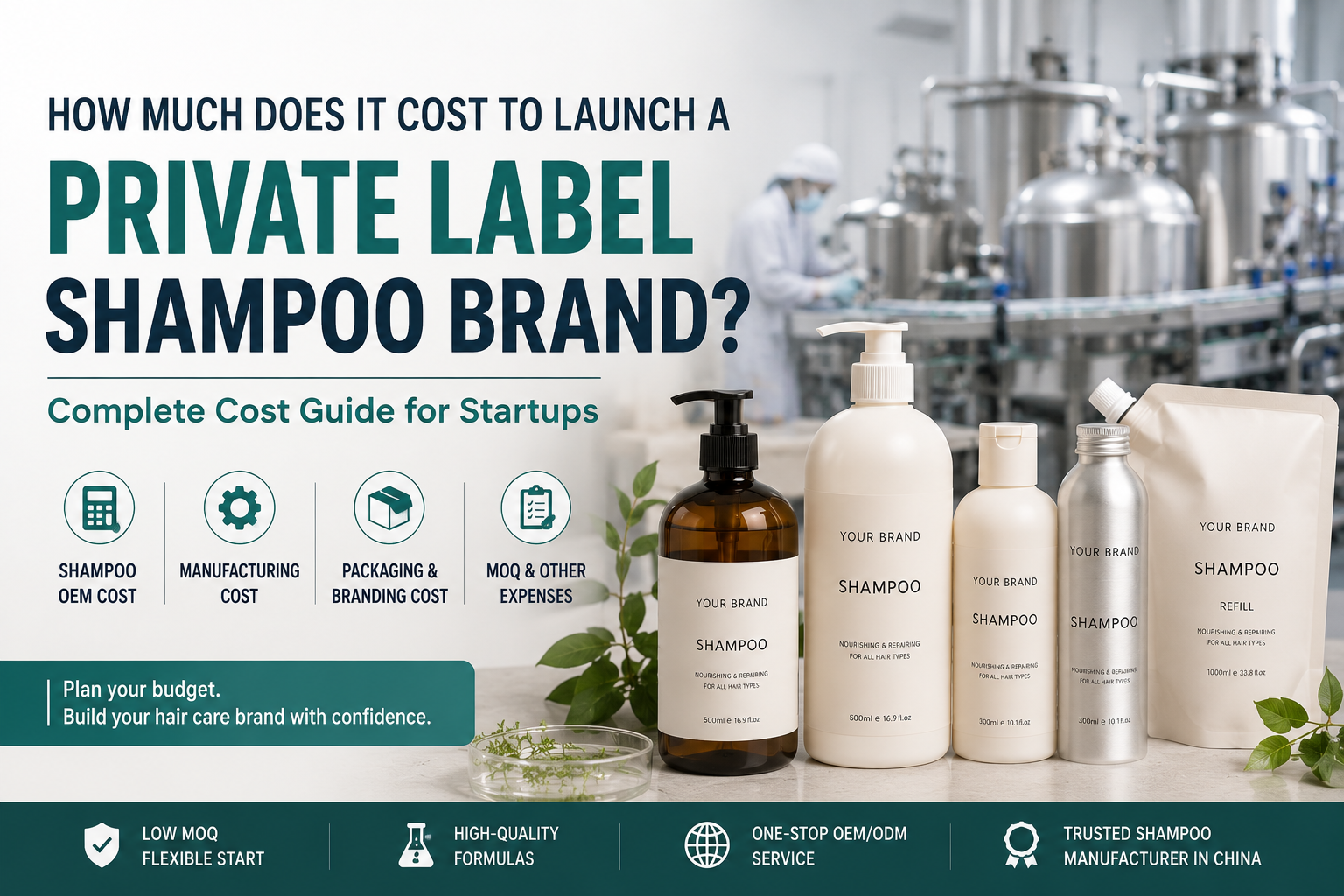
As a result, more entrepreneurs, salon owners, e-commerce sellers, and beauty distributors are entering the private label hair care market. One of the most common questions new buyers ask is: How much does it cost to launch a private label shampoo brand?
The answer depends on multiple factors, including formula customization, packaging design, production quantity, ingredient selection, and the capabilities of the private label shampoo manufacturer you choose.
In this guide, we will break down the real private label shampoo cost, explain how shampoo manufacturing works, and help you understand how to reduce startup risk while building a competitive hair care brand.
Industry Source: Grand View Research Shampoo Market Report
What Is a Private Label Shampoo Brand?
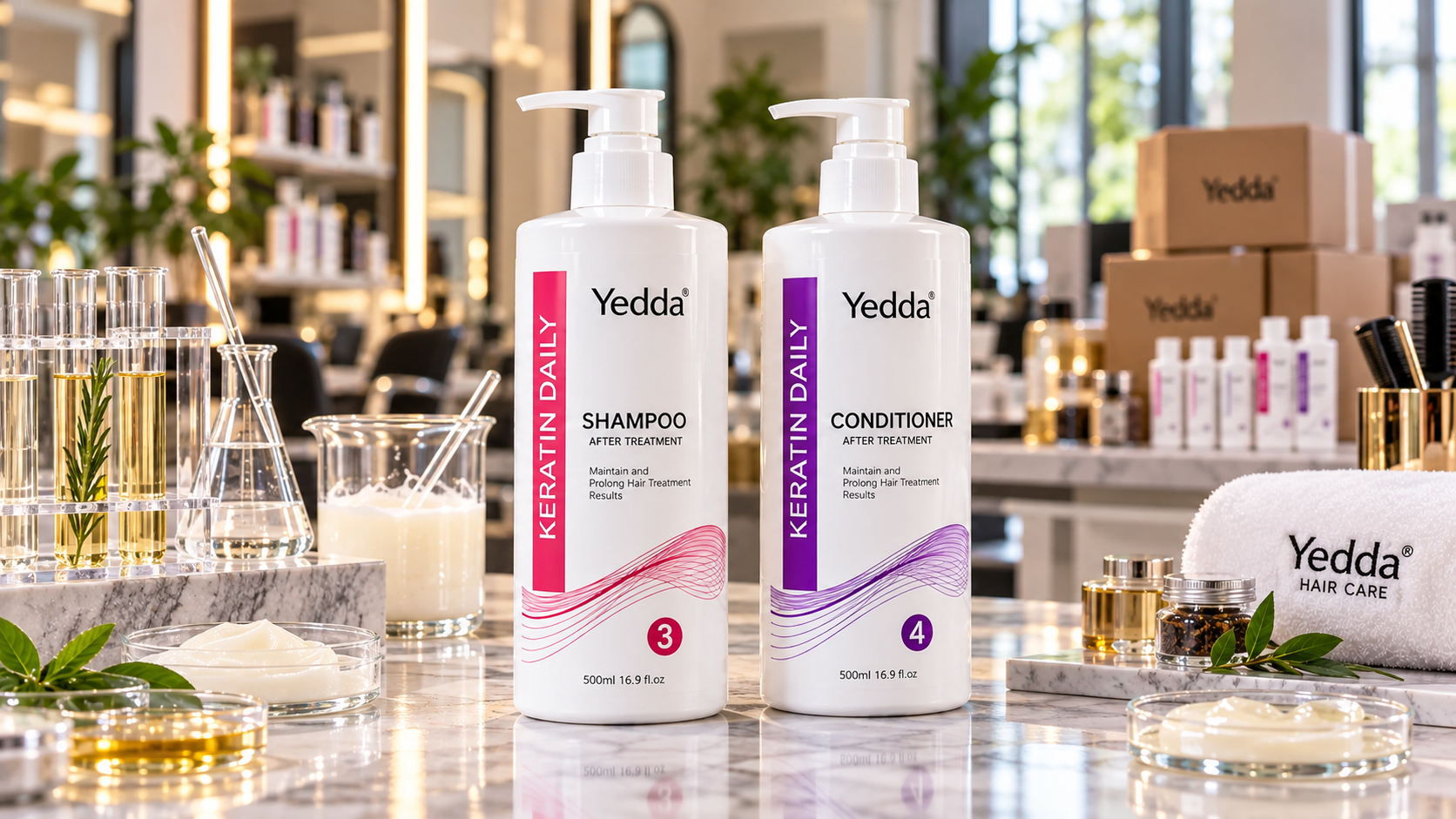
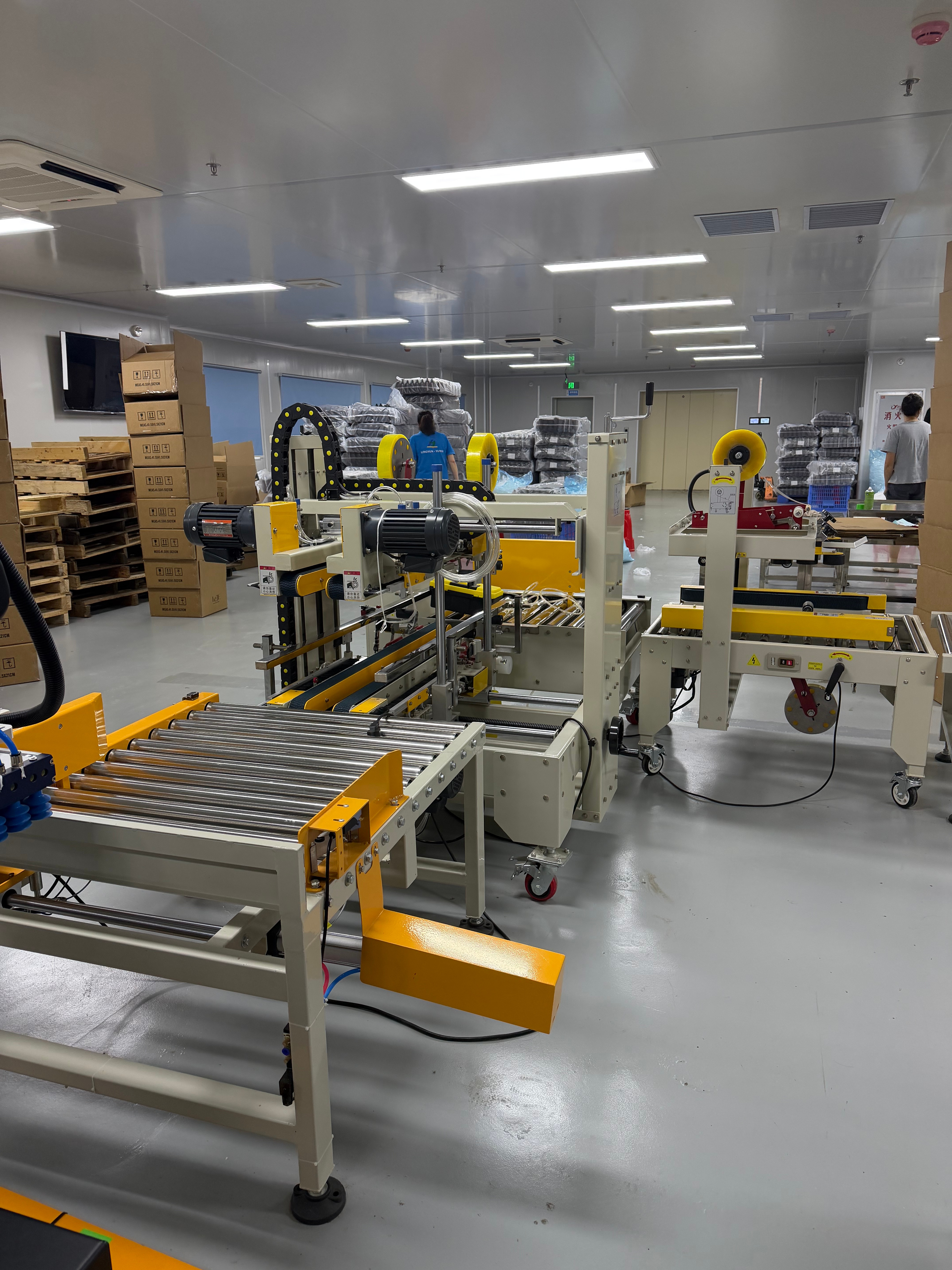
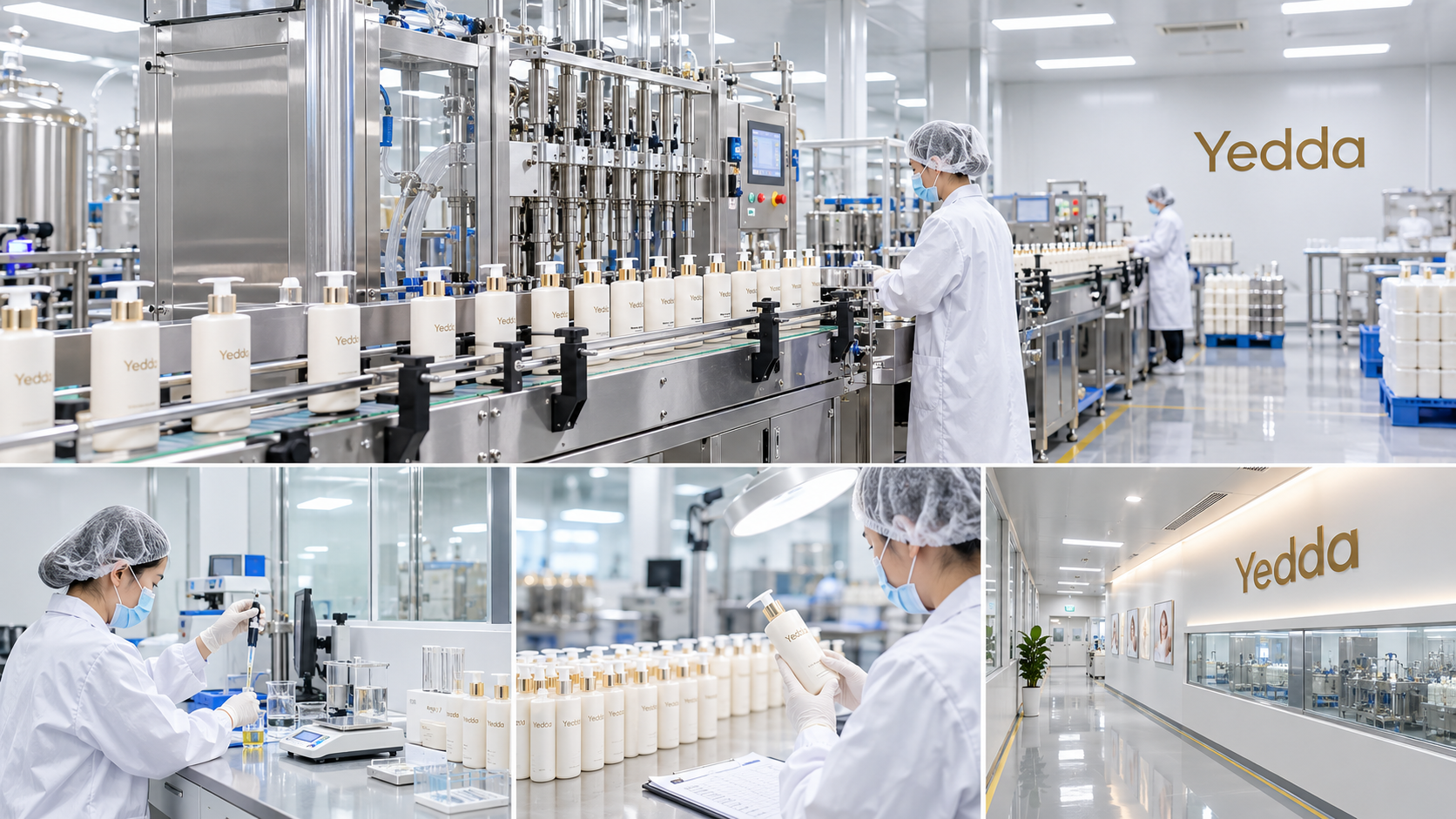
A private label shampoo brand is a hair care product line manufactured by a third-party factory but sold under your own brand name. Instead of building your own laboratory and production facility, you work with a custom shampoo manufacturer that handles formula development, production, filling, packaging, and quality control.
This business model has become increasingly popular because it allows startups and growing beauty brands to enter the market faster with lower investment.
Today, many Amazon sellers, TikTok beauty brands, salon chains, and distributors choose a shampoo factory China because Chinese OEM manufacturers offer flexible MOQs, competitive production costs, and strong formulation capabilities.
Depending on your target market, you can create products such as:
- Sulfate-free shampoo
- Hair growth shampoo
- Keratin repair shampoo
- Rosemary shampoo
- Biotin shampoo
- Scalp detox shampoo
- Organic botanical shampoo
- Salon professional shampoo
Average Private Label Shampoo Cost Breakdown
The total private label shampoo cost can vary significantly depending on your product positioning and customization level. However, most startup hair care brands typically invest between USD 3,000 and USD 30,000 for an initial launch.
Below is a general cost breakdown for launching a private label shampoo product:
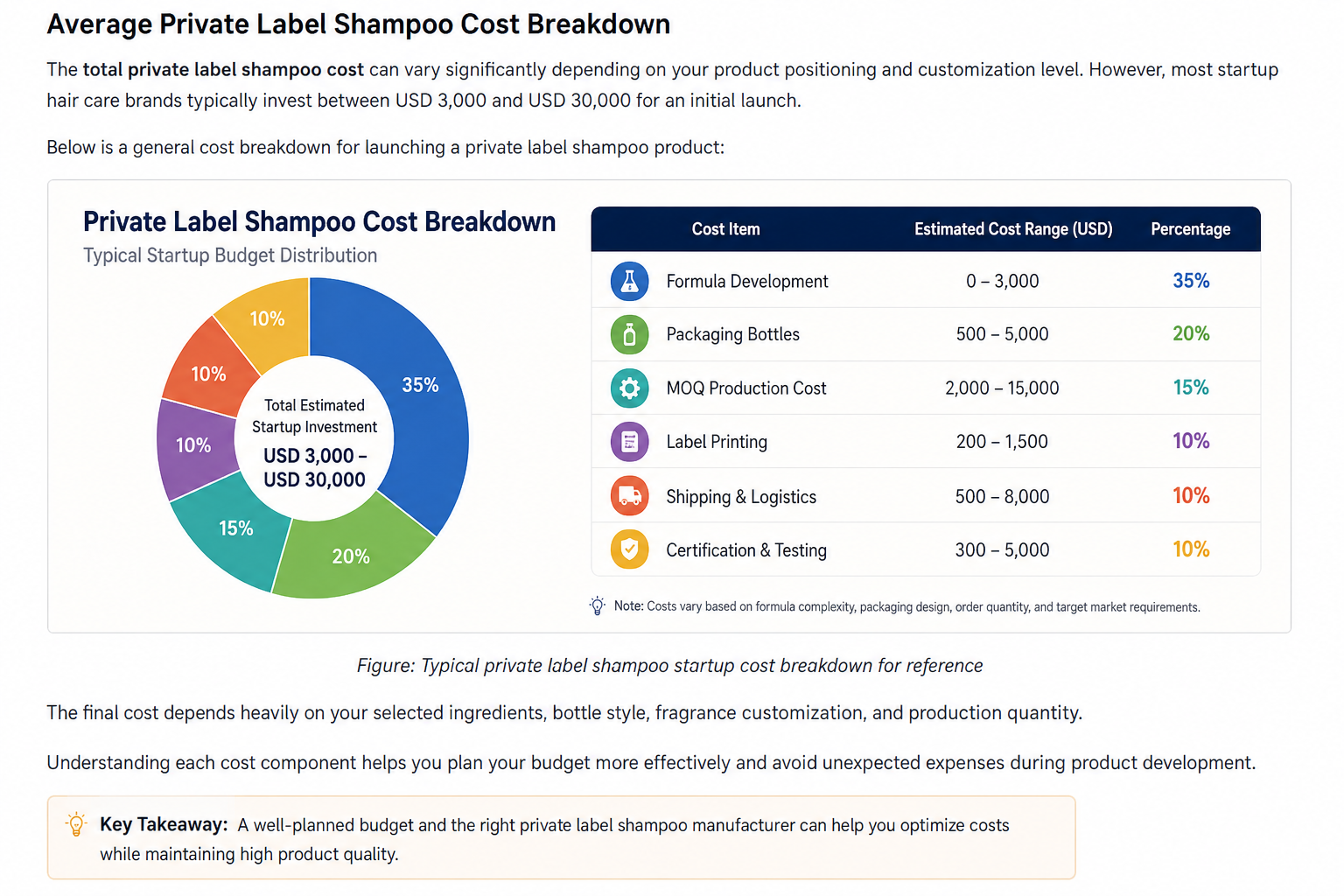
| Cost Item | Estimated Cost Range |
| Formula Development | USD 0 – USD 3,000 |
| Packaging Bottles | USD 500 – USD 5,000 |
| Label Printing | USD 200 – USD 1,500 |
| MOQ Production Cost | USD 2,000 – USD 15,000 |
| Shipping & Logistics | USD 500 – USD 8,000 |
| Certification & Testing | USD 300 – USD 5,000 |
The final cost depends heavily on your selected ingredients, bottle style, fragrance customization, and production quantity.
Formula Development and Shampoo OEM Cost
One of the biggest components of shampoo OEM cost is formula development.
If you select an existing stock formula from a private label shampoo manufacturer, development costs are usually very low or even free. This is often the best choice for startups with limited budgets.
However, if you want a fully customized formula with unique active ingredients, fragrances, textures, or performance claims, the cost will increase.
Custom formulation may include:
- Natural botanical extracts
- Silicone-free systems
- Sulfate-free surfactants
- Hair growth actives
- Scalp microbiome ingredients
- Professional salon repair technology
- Clean beauty preservatives
According to Mintel beauty trend reports, consumers increasingly prefer personalized and science-backed hair care products, especially products targeting hair loss, scalp health, and damaged hair repair.
As demand for specialized hair care increases, many brands are willing to invest more into premium formulations that create stronger market differentiation.
Packaging Cost and Branding Investment

Packaging is another major factor affecting shampoo manufacturing cost.
Premium packaging can significantly improve product positioning and perceived value, especially for salon brands and e-commerce businesses.
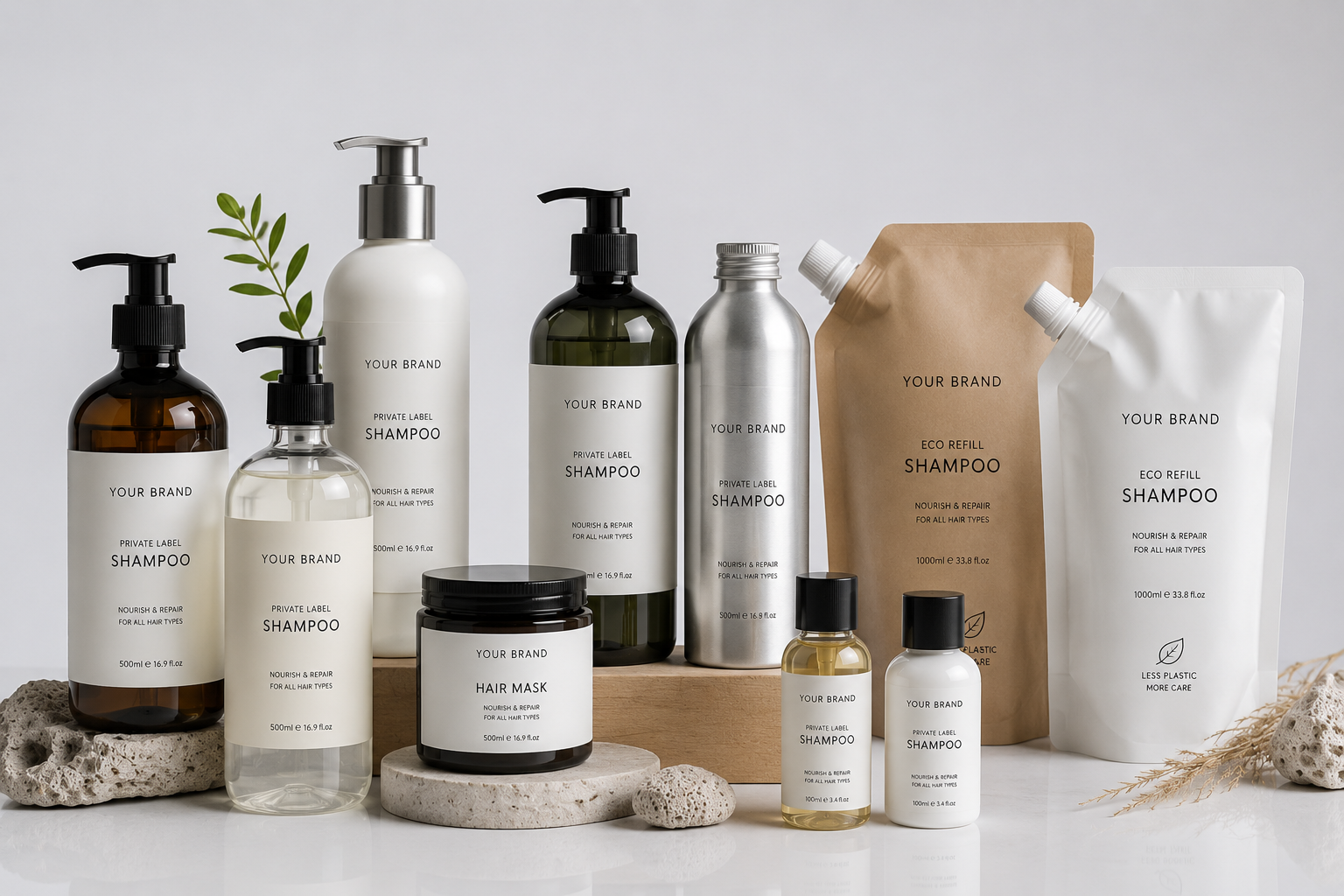
Typical packaging choices include:
- PET plastic bottles
- HDPE bottles
- Aluminum bottles
- Refill pouches
- Airless packaging
- Eco-friendly PCR bottles
Customization options may include:
- Silk screen printing
- UV coating
- Embossed logos
- Matte finishes
- Custom color bottles
- Luxury pump systems
Many startup brands underestimate the importance of packaging. In reality, packaging often determines first impressions and directly affects conversion rates on Amazon, Shopify, TikTok Shop, and salon retail shelves.
MOQ and Production Quantity Impact on Private Label Shampoo Cost
MOQ, or Minimum Order Quantity, has a major impact on overall private label shampoo cost.
Generally, larger production quantities reduce the cost per unit because manufacturing expenses are distributed across more products.
Typical MOQ structures from a shampoo factory China may include:
| Production Type | Typical MOQ |
| Stock Formula + Standard Bottle | 500 – 1,000 pcs |
| Custom Formula | 1,000 – 5,000 pcs |
| Full OEM Customization | 5,000+ pcs |
For startups, low MOQ manufacturing can reduce inventory risk and allow faster market testing.
However, low MOQ orders often come with higher per-unit pricing.
Experienced custom shampoo manufacturers can help buyers balance MOQ, packaging complexity, and formula customization to optimize launch costs.
Why Many Brands Choose a Shampoo Factory China
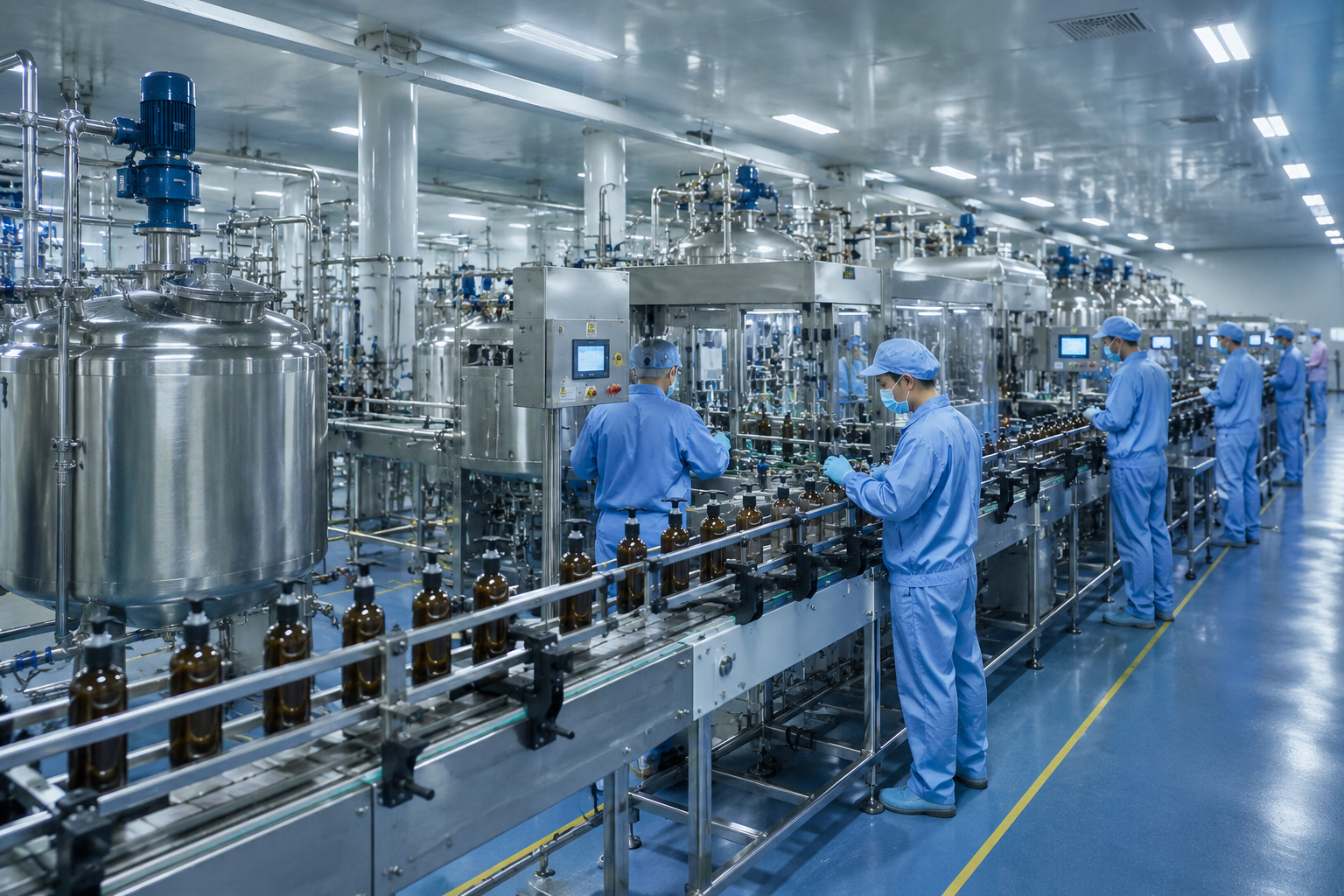
China has become one of the world's leading manufacturing hubs for private label hair care products.
Many international beauty brands choose a shampoo factory China because Chinese manufacturers offer:
- Competitive manufacturing costs
- Advanced production equipment
- Flexible OEM/ODM services
- Strong packaging supply chains
- Low MOQ support
- Fast production timelines
- International export experience
Modern Chinese manufacturers also increasingly comply with international certifications such as:
- GMPC
- ISO22716
- FDA registration
- MSDS documentation
- Cruelty-free standards
According to Statista, China remains one of the largest global exporters of cosmetics and personal care products.
Shipping and Logistics Costs
Shipping is another often-overlooked factor in shampoo OEM cost.
Since shampoo products are heavy liquid goods, freight costs can significantly affect total landed cost.
Key shipping factors include:
- Shipping method
- Country of destination
- Product weight
- Carton dimensions
- Import duties
- Customs clearance fees
Sea freight is usually more cost-effective for large orders, while air freight may be suitable for urgent small-batch launches.
Working with an experienced private label shampoo manufacturer that provides export support can help reduce shipping complexity and avoid customs issues.
Testing, Compliance, and Certification Costs
Different markets require different compliance standards.
For example:
- The United States requires FDA cosmetic compliance
- The European Union requires CPNP registration
- Middle Eastern countries may require SASO or GCC certifications
- Some retailers require cruelty-free or vegan certification
Microbiological testing, stability testing, and heavy metal testing may also be necessary depending on your market positioning.
According to Cosmetics Europe, product safety and ingredient transparency continue to become more important in global beauty markets.
Compliance investment may increase initial costs, but it also improves long-term brand credibility and retailer acceptance.
How to Reduce Shampoo Manufacturing Cost for Startups
Many startup founders assume launching a shampoo brand requires massive capital. In reality, there are several ways to reduce shampoo manufacturing cost without sacrificing quality.
Choose Existing Stock Formulas
Using proven stock formulations can dramatically reduce R&D expenses and shorten launch timelines.
Use Standard Packaging
Custom molds are expensive. Standard bottle options can significantly lower startup costs.
Start with Low MOQ
Testing the market with smaller production quantities reduces inventory risk.
Focus on One Hero Product
Instead of launching a full hair care line immediately, many successful brands begin with one hero shampoo product.
Work with an Experienced OEM Partner
An experienced custom shampoo manufacturer can help optimize production, sourcing, packaging, and logistics.
Is Launching a Private Label Shampoo Brand Profitable?
Yes. Private label shampoo brands can be highly profitable when positioned correctly.
Premium hair care products often have strong retail margins, especially in:
- Salon channels
- E-commerce
- Amazon FBA
- TikTok Shop
- Subscription beauty brands
- Professional hair repair systems
Consumers today are willing to pay more for products offering:
- Clean beauty positioning
- Hair growth benefits
- Sulfate-free formulas
- Scalp care solutions
- Professional salon performance
- Natural botanical ingredients
As consumer demand continues evolving, brands with strong positioning and reliable manufacturing partners have significant growth potential.
How to Choose the Right Private Label Shampoo Manufacturer
Choosing the right manufacturing partner is one of the most important decisions for your business.
When evaluating a private label shampoo manufacturer, consider the following factors:
- Manufacturing certifications
- OEM/ODM experience
- R&D capability
- MOQ flexibility
- Export experience
- Packaging customization options
- Quality control systems
- Communication efficiency
- Production lead times
A reliable manufacturer should not only produce products but also help support your long-term brand growth strategy.
Conclusion
Launching a shampoo brand is more accessible today than ever before. With the right strategy and the right manufacturing partner, startups can enter the hair care industry with relatively low investment while still creating premium, competitive products.
The actual private label shampoo cost depends on your formula, packaging, MOQ, certifications, and shipping requirements. However, by working with an experienced private label shampoo manufacturer, many brands can successfully launch with controlled budgets and scalable production plans.
As the global hair care market continues to grow, demand for innovative, customized, and high-performance shampoo products will continue creating opportunities for new beauty brands worldwide.
FAQ
What is the average private label shampoo cost?
Most startup shampoo brands invest between USD 3,000 and USD 30,000 depending on customization level, MOQ, packaging, and shipping costs.
What is the MOQ for private label shampoo manufacturing?
Many manufacturers offer low MOQs starting from 500 to 1,000 pieces for stock formulas and standard packaging.
How long does shampoo OEM production take?
Production timelines usually range from 20 to 45 days depending on formula development, packaging availability, and order quantity.
Why choose a shampoo factory China for private label production?
Chinese manufacturers often provide competitive pricing, flexible customization, advanced production capabilities, and strong export experience for global hair care brands.