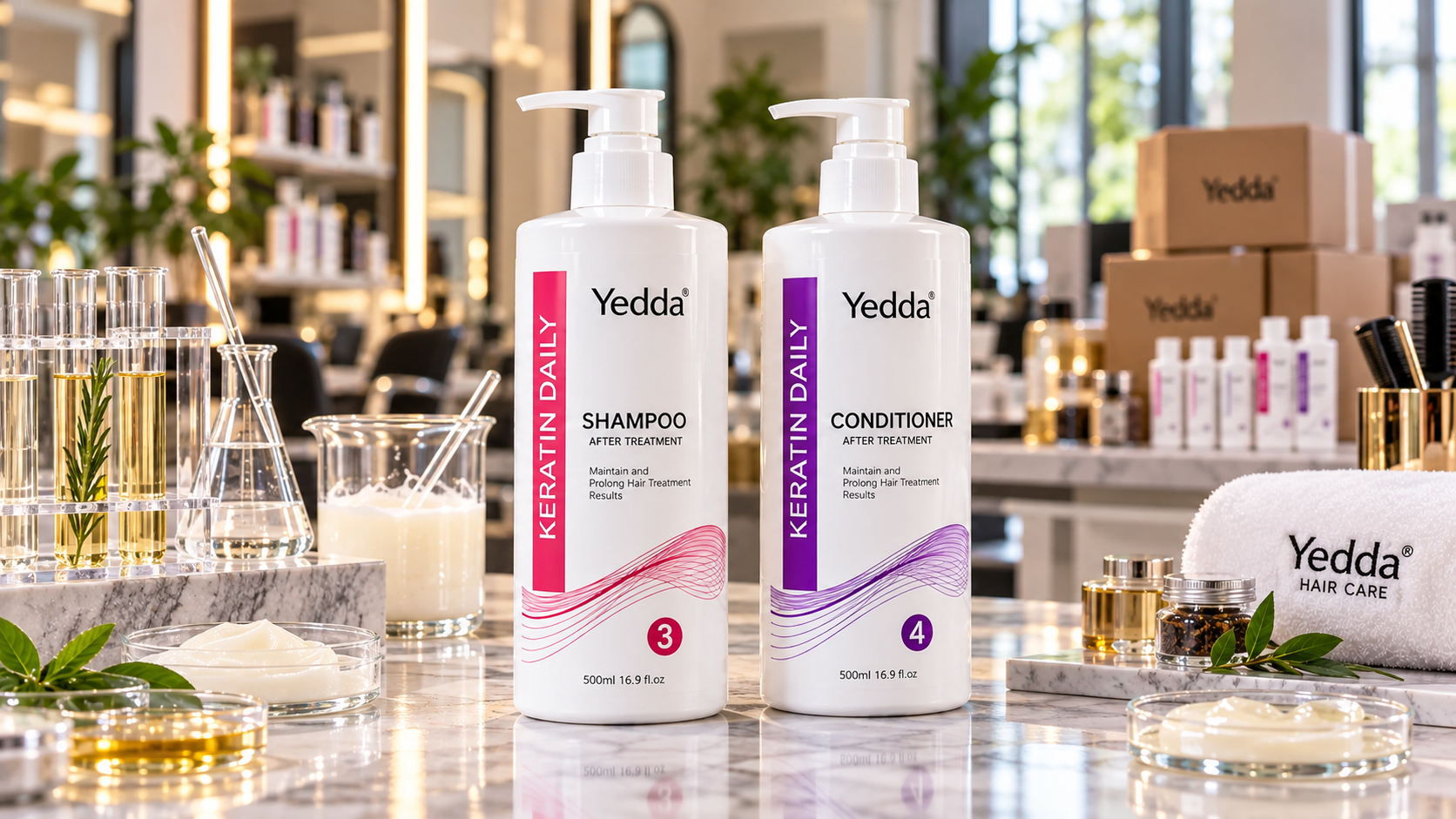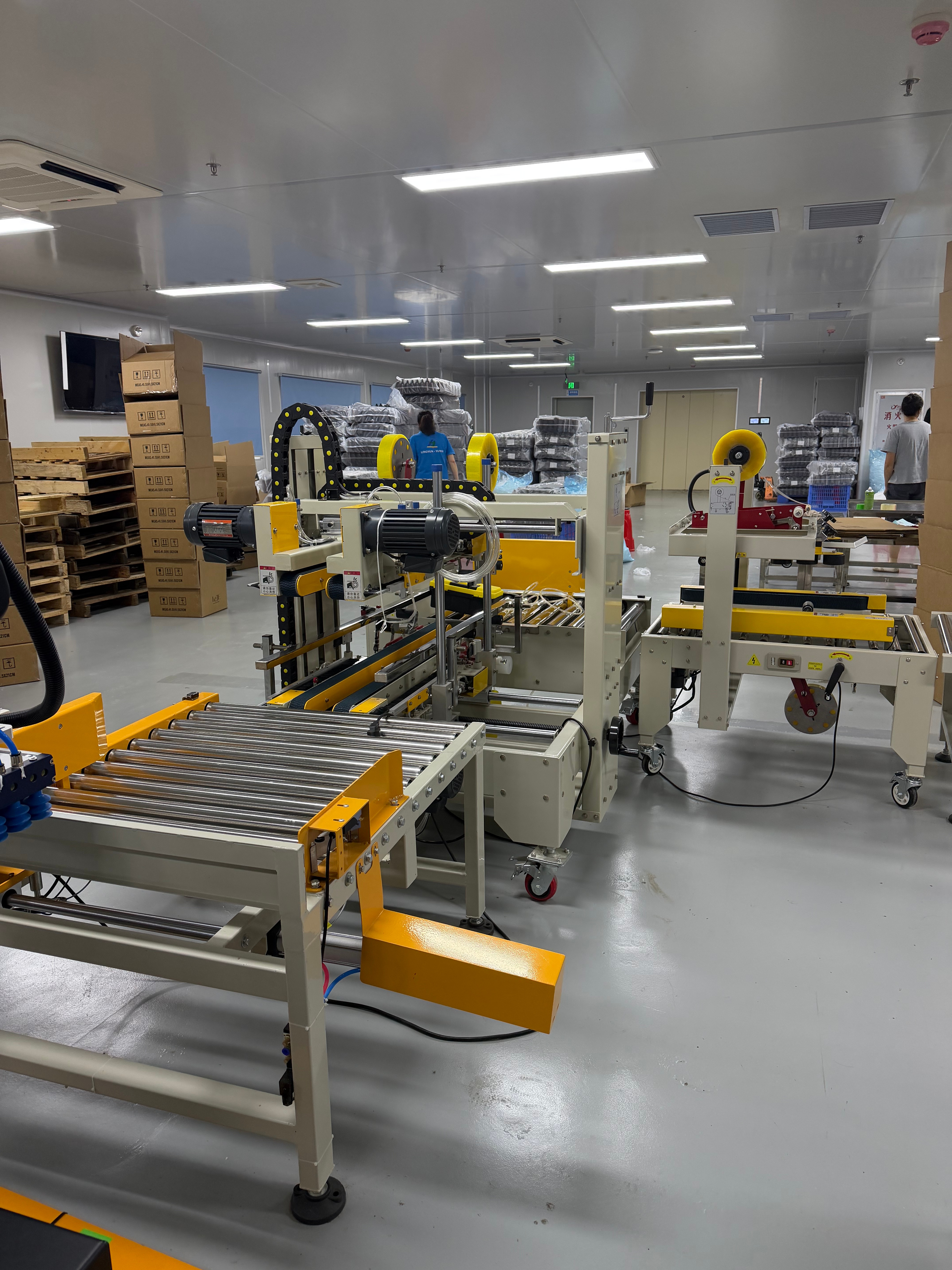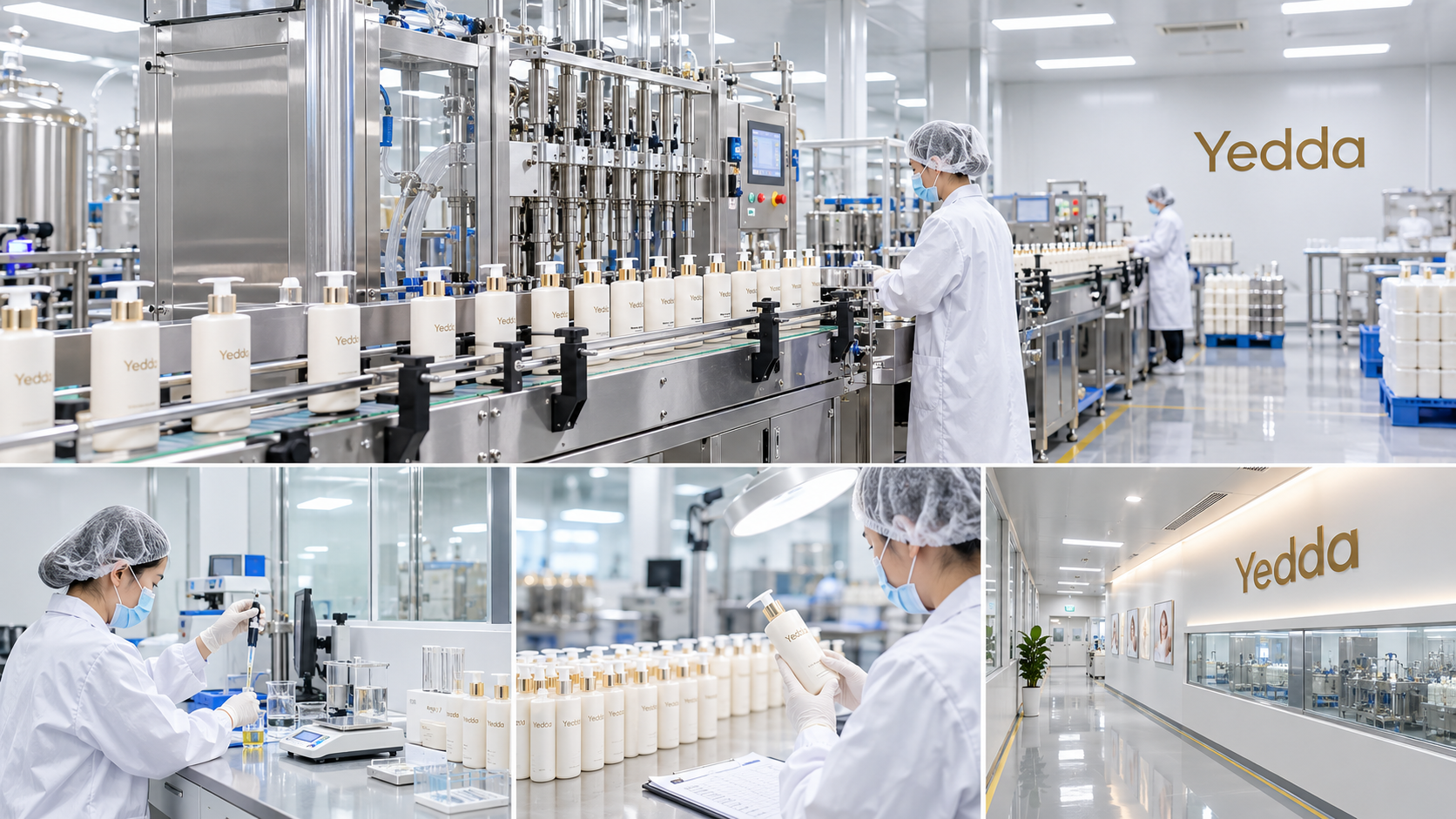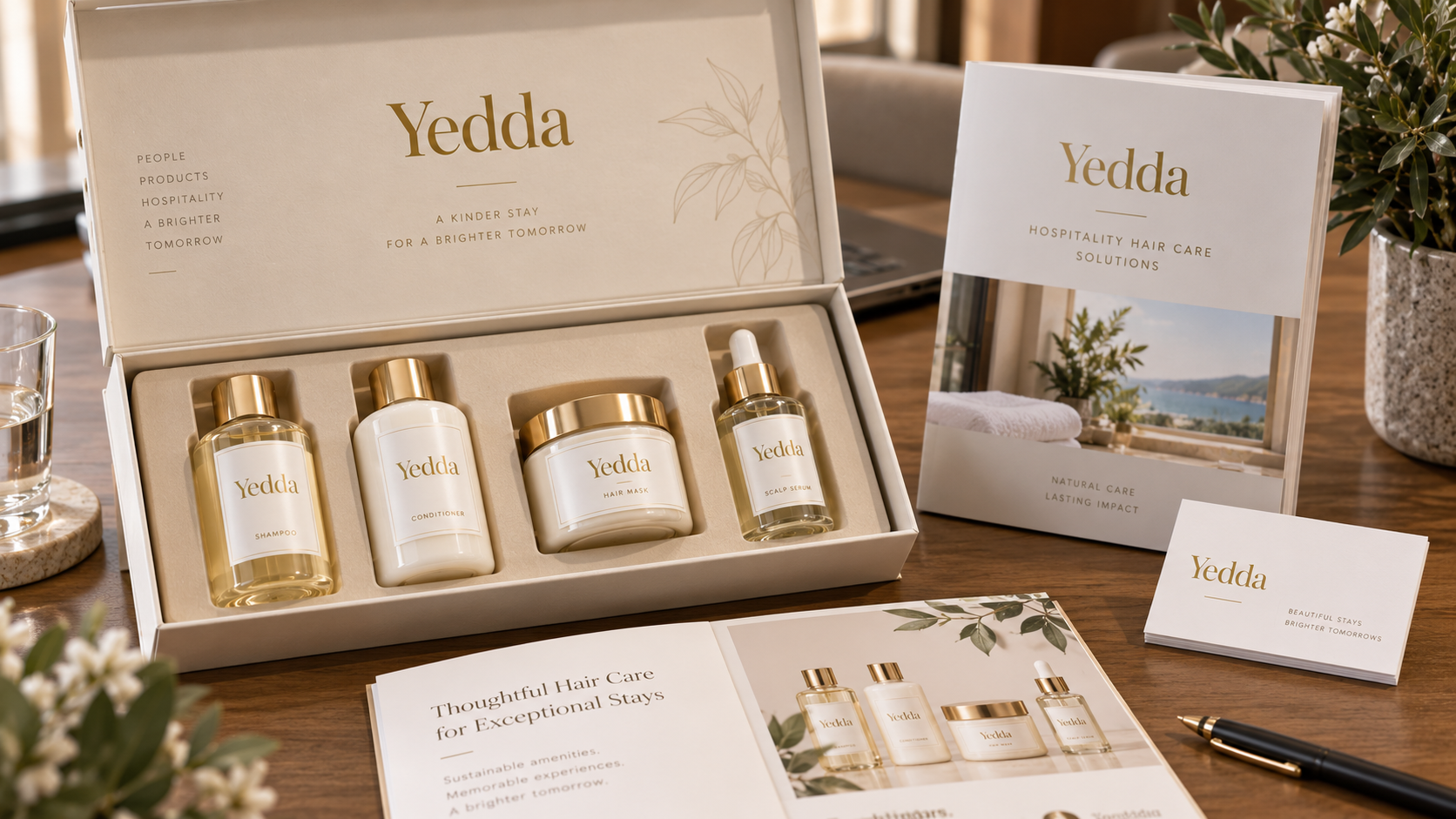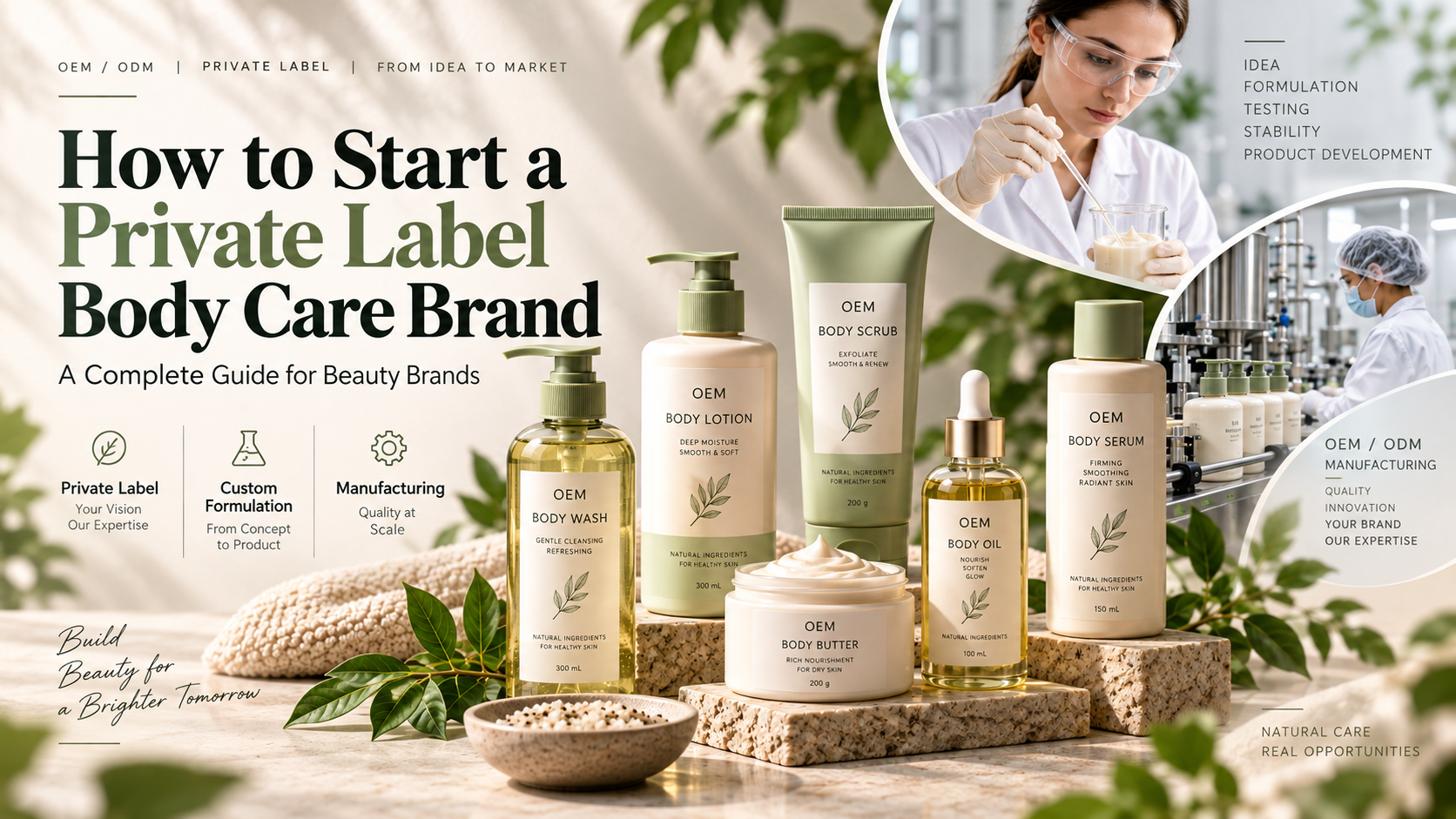

As the global hair care market becomes increasingly specialized, a growing number of salon brands, e-commerce sellers, and personal care startups are turning to private label shampoo manufacturing to launch differentiated products without the burden of building their own facilities.
However, for many first-time buyers entering the hair care industry, the shampoo production process can often seem complex. Challenges regarding formulation R&D, Minimum Order Quantities (MOQs), packaging sourcing, quality control, and regulatory compliance directly impact time-to-market and operational costs.
Understanding the private label shampoo manufacturing workflow allows brands to make more informed sourcing decisions and minimize unnecessary risks during product development.

What Is Private Label Shampoo Manufacturing?
Private label shampoo manufacturing is a business model where a manufacturer produces shampoo products that are ultimately branded and marketed under another company's name.
Depending on the level of customization required, manufacturing projects generally fall into two categories:
- OEM (Original Equipment Manufacturer): The client provides custom formulations, specific ingredient preferences, or bespoke packaging concepts.
- ODM (Original Design Manufacturer): The factory provides turnkey, proven base formulas that can be quickly customized with the client's branding and packaging.
For startups and emerging brands, ODM solutions typically offer faster time-to-market and lower initial investments. For established brands seeking distinct market differentiation, OEM development provides greater formulation flexibility. Brands exploring bespoke production models can learn more about Hair Care OEM and ODM Factory Solutions.
The Shampoo Formulation R&D Process
Shampoo formulation R&D is far more than just selecting a fragrance or texture. Creating a stable hair care product requires precise compatibility among surfactants, conditioning agents, preservatives, active ingredients, and fragrance systems.
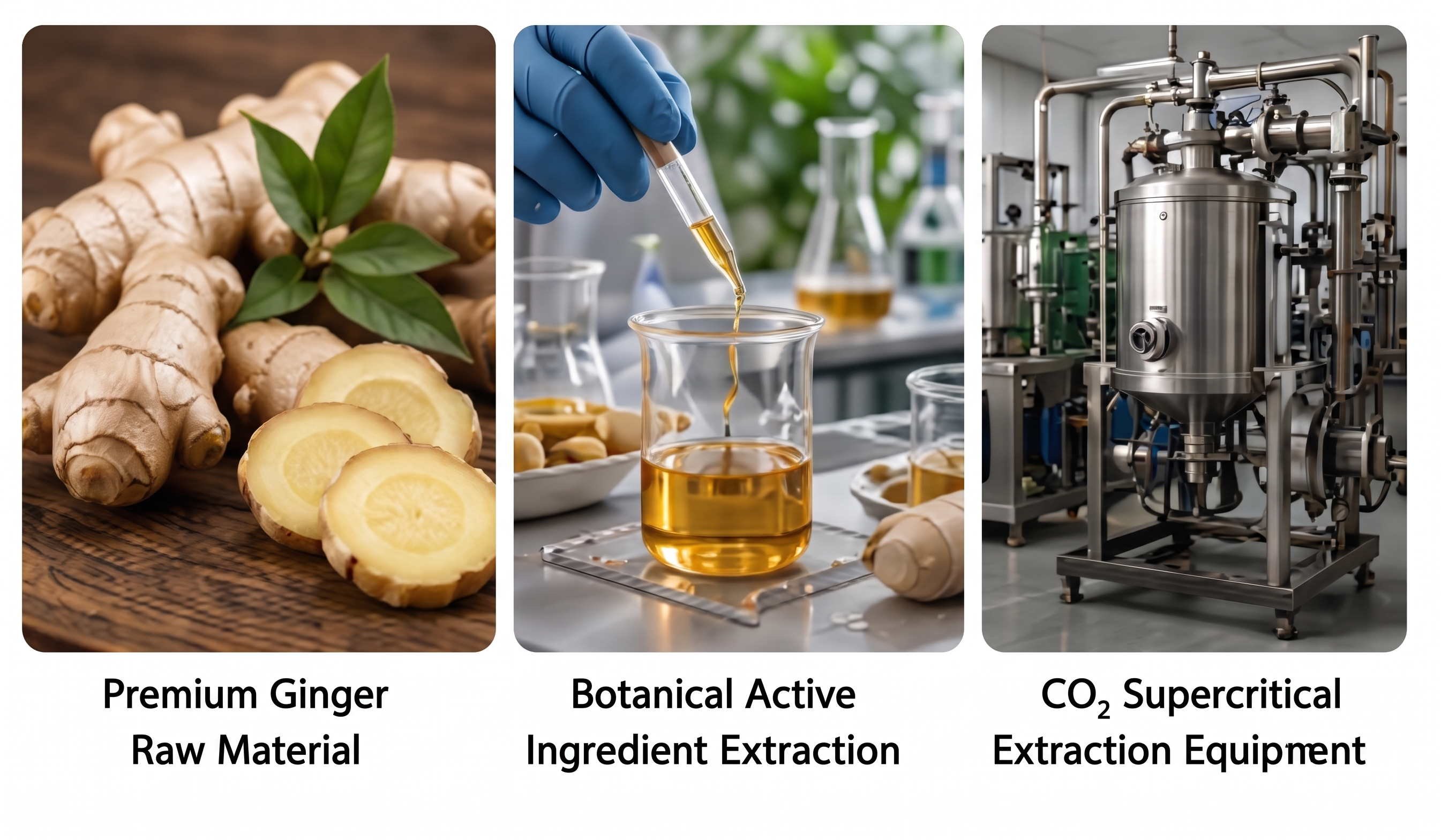
For scalp-focused products, such as Ginger Anti-Hair Loss Shampoos or essential oil scalp treatments, manufacturers systematically evaluate several critical technical aspects:
Surfactant System Selection
The surfactant blend determines the product's cleansing efficacy, foaming characteristics, and scalp mildness. Common systems include:
- Sulfate-based surfactants for high-performance deep cleansing.
- Amino acid surfactants for gentle, non-irritating scalp care.
- Sulfate-free systems tailored specifically for sensitive or color-treated scalps.
Active Ingredient Stability
Botanical actives like ginger extract, rosemary oil, or tea tree oil require rigorous compatibility testing to maintain long-term efficacy. Factors such as pH balance, temperature resistance, oxidation sensitivity, and fragrance interactions are crucial to ensuring shelf life.
Texture and Sensory Optimization
Professional manufacturers fine-tune viscosity, foam density, rinseability, and post-wash scalp feel to align precisely with the target market's preferences. This growing demand for specialized scalp health is closely linked to the rapid expansion of professional scalp treatment services in the salon market.
Packaging Customization for Private Label Hair Care
Packaging plays a dual role in premium brand positioning and logistics efficiency. Most private label shampoo manufacturers offer comprehensive solutions including:
- Diverse bottle shape and material options (PET, HDPE, Glass).
- Advanced label printing (screen printing, hot stamping, UV coating).
- Customized outer boxes and secondary packaging solutions.
For eco-conscious brands, sustainable packaging alternatives are becoming increasingly paramount. These options include:
- PCR (Post-Consumer Recycled) plastic bottles.
- Aluminum bottles and infinitely recyclable packaging.
- Flexible refill pouches to reduce plastic waste.
Additionally, solid shampoo bars are gaining substantial market traction, partly because they eliminate water content, thereby reducing shipping weight and enhancing transport efficiency.
Understanding Minimum Order Quantities (MOQs)
Minimum Order Quantity (MOQ) is one of the most critical considerations for emerging hair care brands. MOQs are determined by multiple manufacturing factors:
- Raw material minimum sourcing limits.
- Packaging factory production runs.
- Automated filling machine efficiency.
- Label printing minimum runs.
Bespoke packaging often increases overall MOQ requirements due to the high-volume constraints of packaging suppliers. Experienced manufacturers help clients optimize their MOQ strategy by balancing formula complexity, packaging flexibility, inventory management, and production efficiency.
When evaluating suppliers, many buyers overlook the operational risks hidden behind cheap unit prices. Understanding How to Choose a Reliable Hair Care OEM Factory is vital to mitigating long-term supply chain disruptions.
Quality Control and Manufacturing Standards
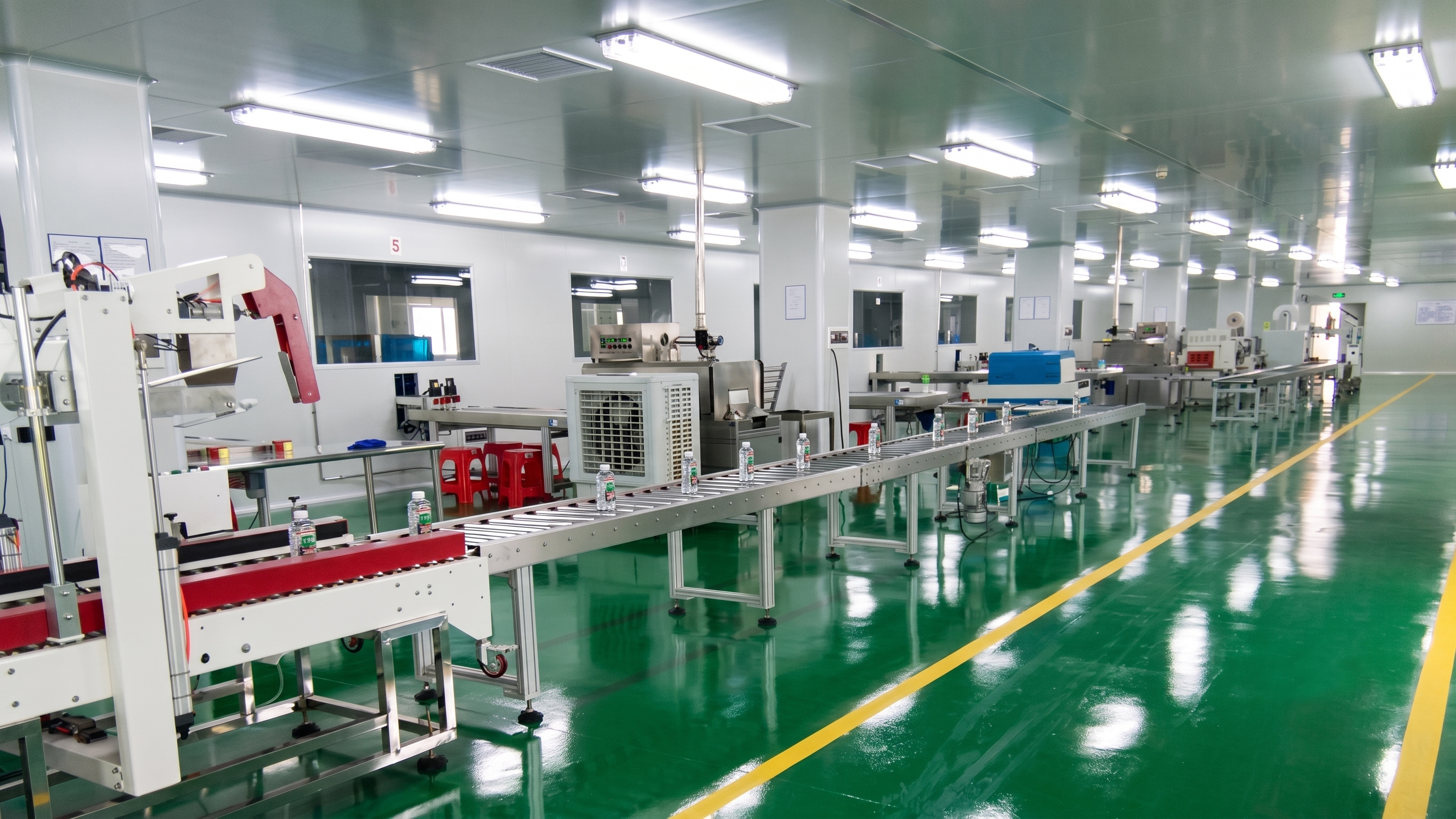
In professional-grade hair care production, quality control extends far beyond final product inspection. A comprehensive quality management workflow typically encompasses:
- Raw material verification and COA checking.
- End-to-end batch traceability.
- Microbiological and stability testing.
- Continuous viscosity and pH monitoring.
- Leakage and torque testing for packaging.
International buyers increasingly prioritize manufacturers operating under globally recognized standards such as ISO 22716, GMPC, IFRA fragrance compliance, and EU cosmetic regulations.
The cosmetic framework established by Regulation (EC) No 1223/2009 continues to shape global manufacturing benchmarks and safety requirements. The EU Cosmetics Regulation provides detailed guidance on compliance and safety assessments. For scalp care products containing botanical extracts, batch-to-batch consistency is of the utmost importance.
Choosing the Right Hair Care Manufacturing Partner
Selecting a manufacturing partner goes well beyond comparing price quotes. Seasoned buyers evaluate potential partners based on:
- R&D and custom formulation capabilities.
- Deep understanding of global regulatory compliance.
- Communication efficiency and responsiveness.
- Production scalability and supply chain flexibility.
- Consistent batch quality and quality assurance.
Manufacturers with proven, long-term expertise in scalp health, botanical extraction, and sulfate-free formulations are uniquely positioned to help premium hair care brands thrive in a highly competitive marketplace.
Conclusion
Private label shampoo manufacturing is a highly collaborative process that seamlessly integrates formulation science, innovative packaging, strict quality management, and strategic market positioning.
As consumer demand shifts decisively toward scalp-focused care, clean botanical ingredients, and sustainable packaging, advanced manufacturing capabilities have become a cornerstone of success for global hair care brands.
For brands planning to launch customized scalp treatments, ginger shampoos, essential oil hair care, or solid shampoo bars, partnering with an experienced manufacturer streamlines development while ensuring uncompromised consistency and regulatory compliance.
To explore professional turnkey solutions, visit the YEDDA Haircare Official Website and elevate your private label hair care brand today.