
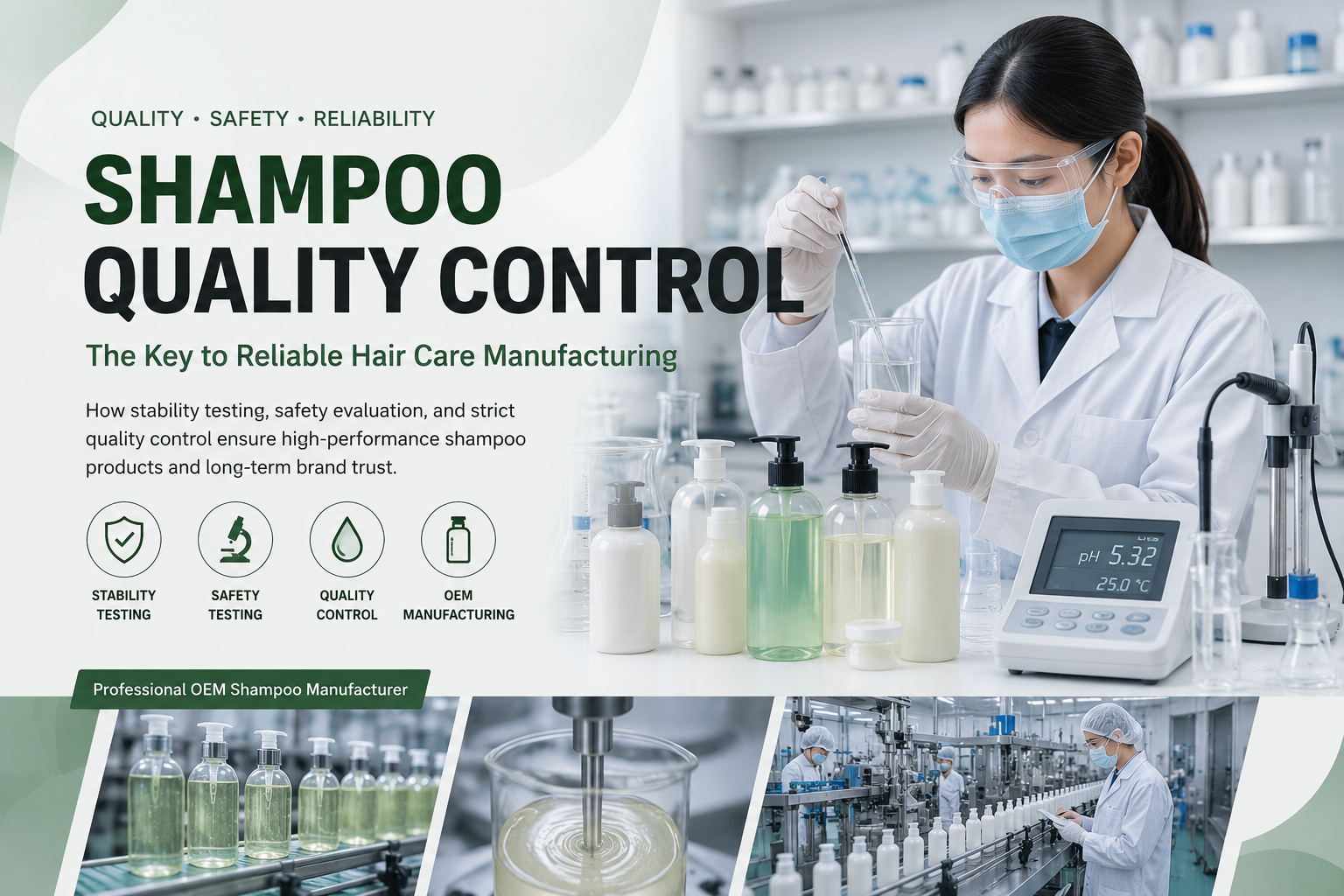
Why Stability Testing Is Critical in Professional Hair Care Manufacturing
In the global cosmetics industry, product reliability and safety are no longer optional—they are essential requirements for market success. For any OEM shampoo manufacturer, ensuring consistent product quality through scientific validation is a core responsibility.
Among all quality assurance processes, cosmetic stability testing plays the most critical role in determining whether a hair care product can maintain its performance, safety, and appearance over its shelf life.
According to ISO cosmetic safety standards, stability evaluation is a mandatory part of cosmetic product development in many regulated markets including the EU and global export regions.
What Is Cosmetic Stability Testing in Hair Care Manufacturing?
cosmetic stability testing refers to a series of controlled laboratory evaluations designed to ensure that a shampoo or hair care product remains physically, chemically, and microbiologically stable over time.
This process simulates real-world storage conditions such as heat, cold, humidity, and light exposure to predict how a product will behave during its shelf life.
- Physical stability (color, texture, phase separation)
- Chemical stability (pH, active ingredient degradation)
- Microbiological stability (bacterial and fungal resistance)
- Packaging compatibility testing
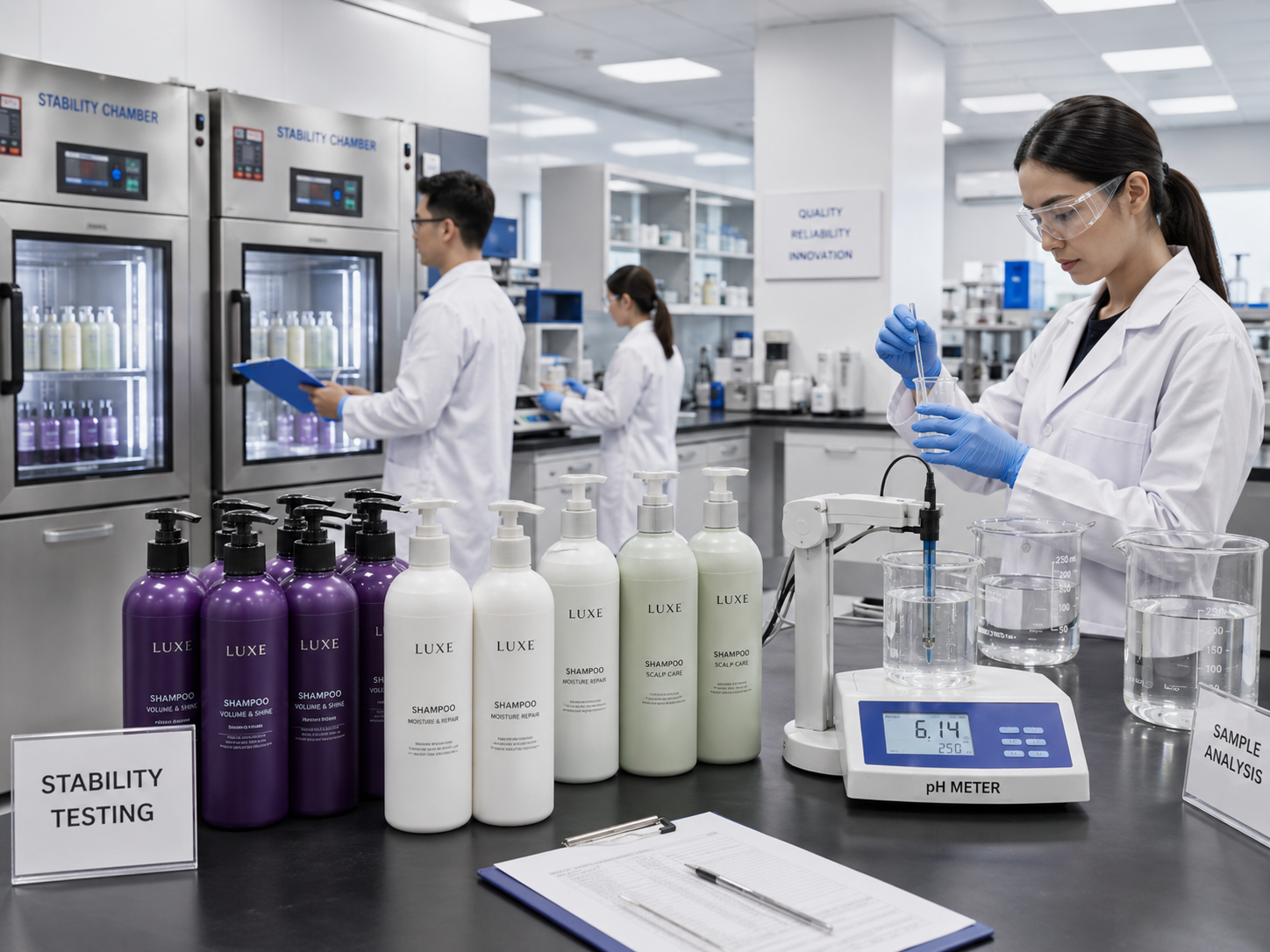
Why Shampoo Quality Control Is Essential for OEM Manufacturing
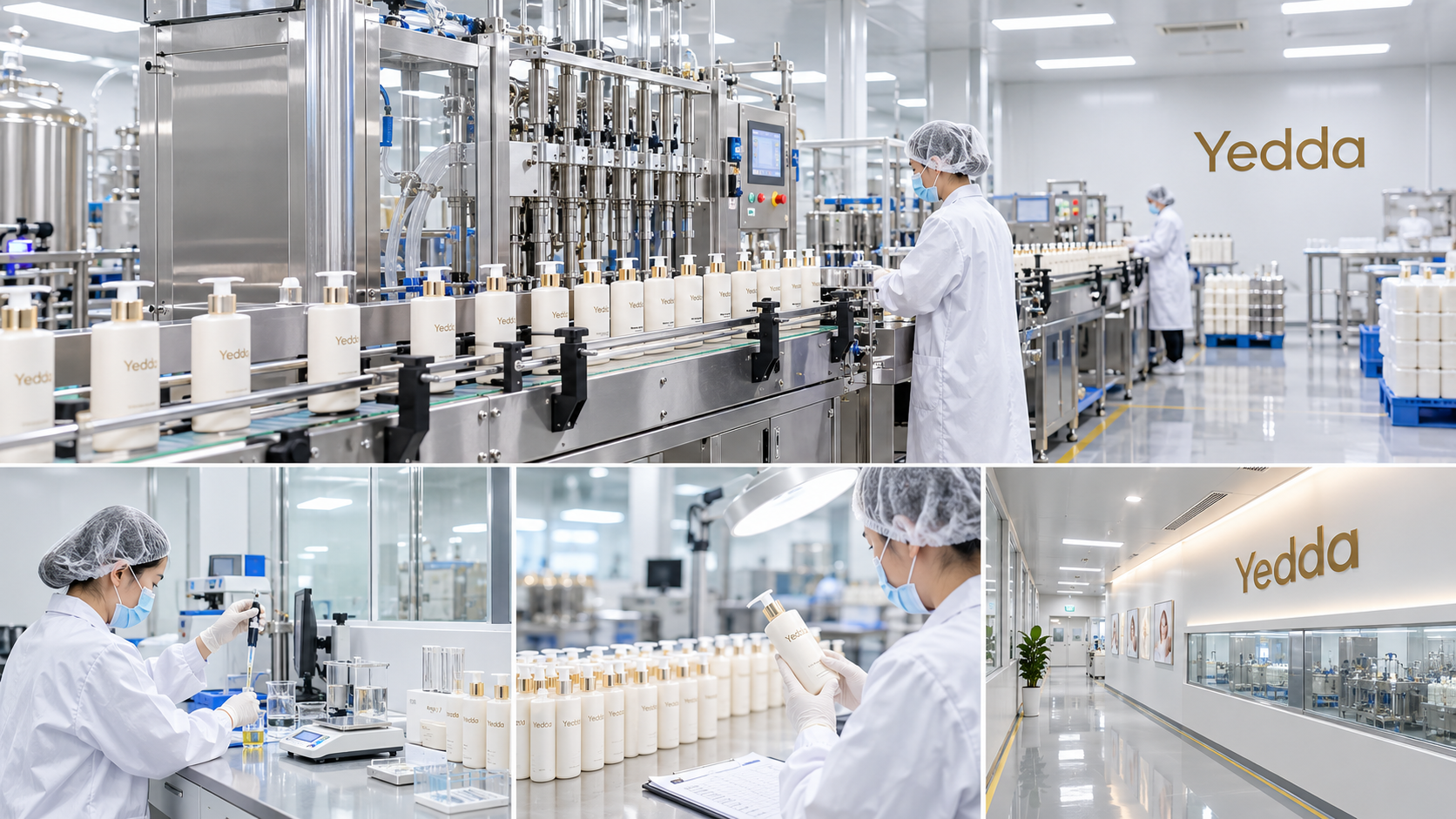
shampoo quality control is the backbone of professional hair care manufacturing. Without strict quality control systems, even the most advanced formulations can fail in real-world conditions.
A reliable OEM shampoo manufacturer must implement multi-layered quality inspection processes from raw materials to final packaging.
According to FDA cosmetic GMP guidelines, manufacturers are required to maintain strict quality control systems to ensure consumer safety and product consistency.
Key Stages of Shampoo Quality Control
Modern shampoo quality control systems involve multiple checkpoints throughout the production process.
- Raw material inspection and verification
- In-process formulation testing
- Batch-to-batch consistency evaluation
- Final product safety and performance testing
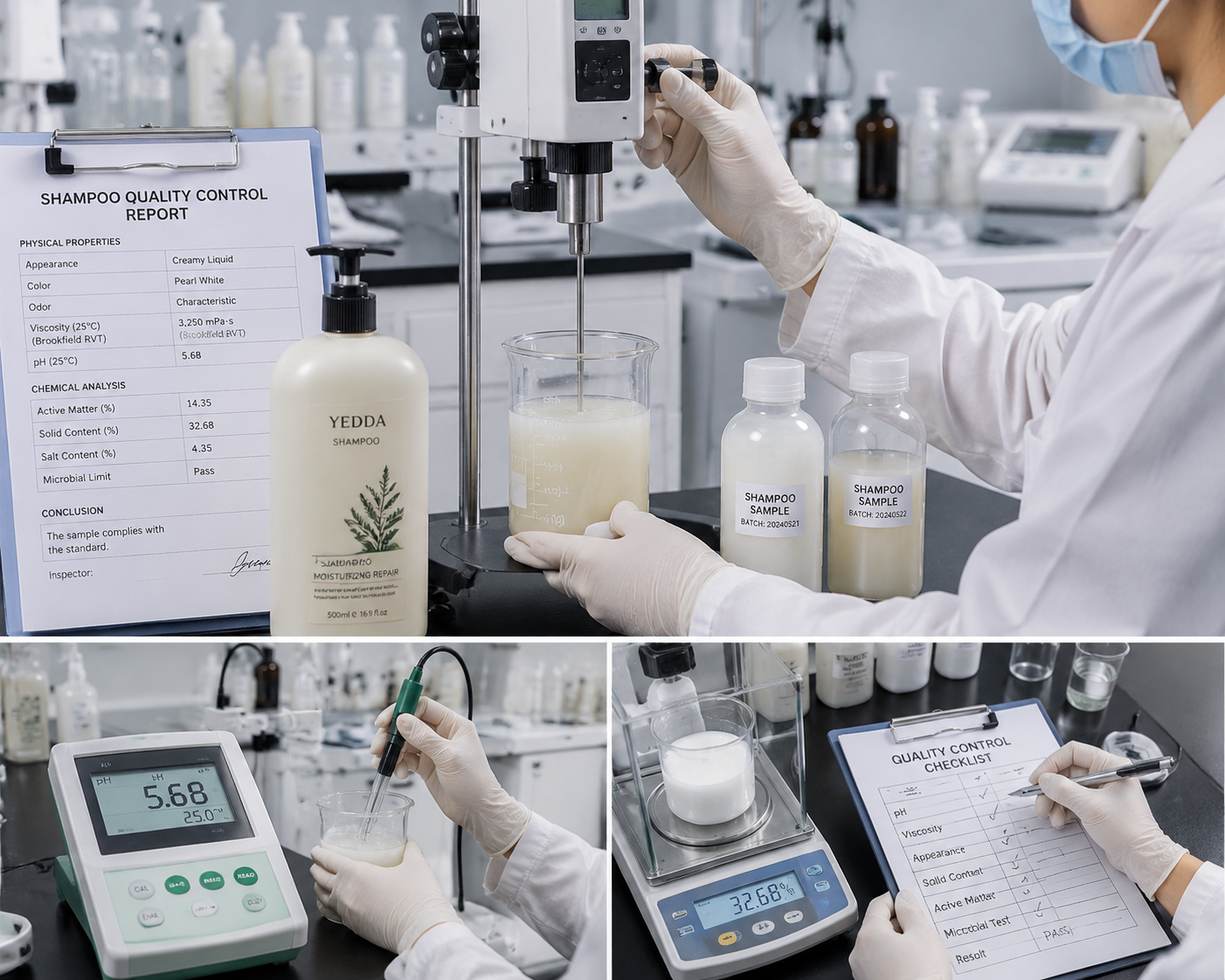
Hair Care Product Safety Testing in Global Markets
hair care product safety testing is a regulatory requirement in most international markets. It ensures that products do not cause harm to consumers during use and meet strict compliance standards.
Safety testing includes dermatological testing, irritation assessments, preservative efficacy testing, and heavy metal detection.
Research from NCBI cosmetic safety research highlights the importance of long-term safety evaluation in personal care products to prevent scalp irritation and allergic reactions.
Why Stability Testing Protects Brand Reputation
For any OEM shampoo manufacturer, stability testing is not just a technical requirement—it is a brand protection strategy. A single product failure in the market can damage long-term brand credibility.
Stability testing ensures:
- Consistent product performance across all batches
- Reduced risk of customer complaints
- Compliance with international regulations
- Long-term brand trust and reliability
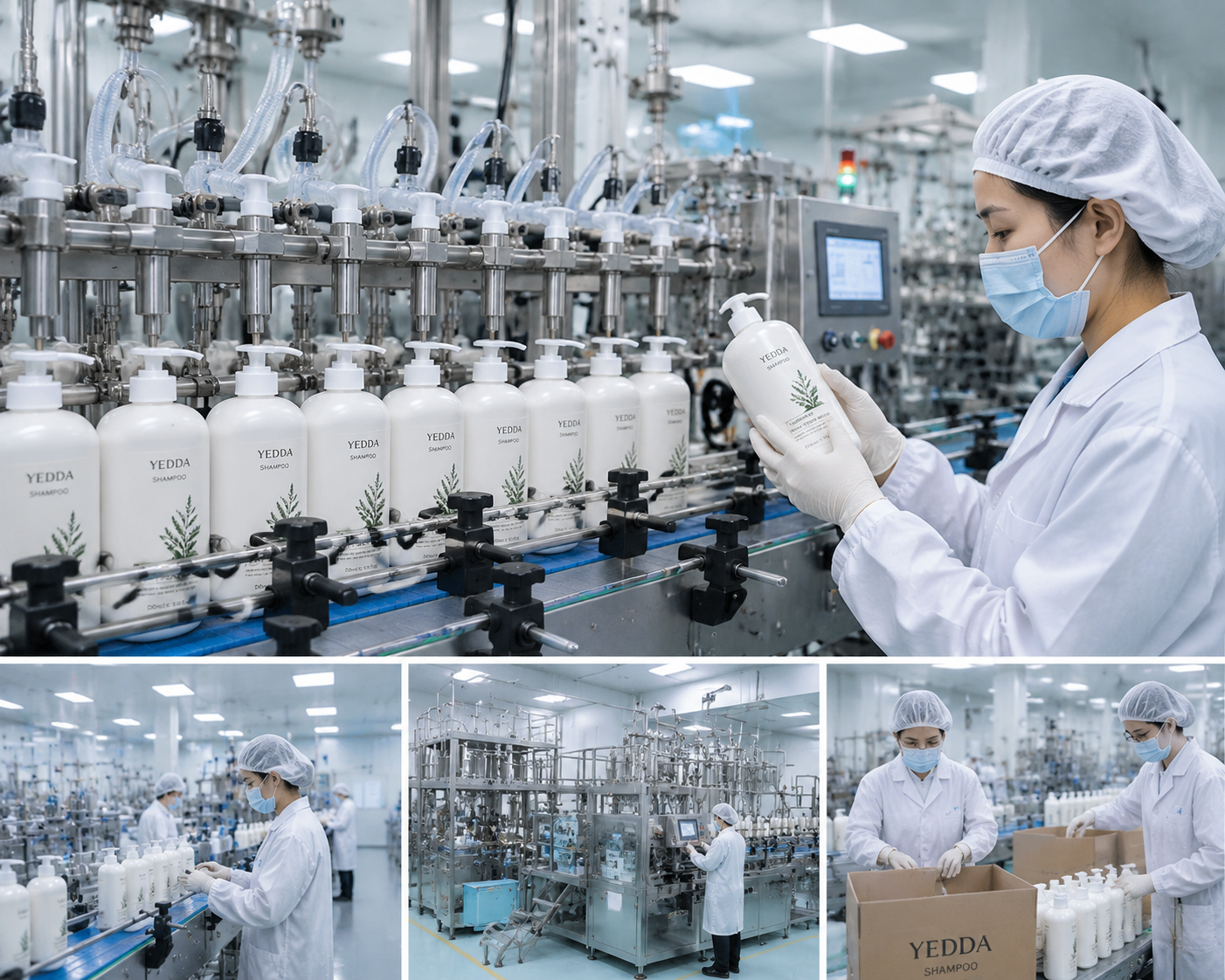
Advanced Stability Testing Technologies in Modern OEM Factories
Modern cosmetic laboratories are integrating advanced technologies into cosmetic stability testing systems to improve accuracy and efficiency.
These technologies include accelerated aging chambers, digital pH monitoring systems, and AI-based formulation prediction models.
- Accelerated environmental simulation testing
- Automated viscosity and texture analysis
- AI-driven formulation stability prediction
- Real-time data monitoring systems
The Role of OEM Shampoo Manufacturer in Global Supply Chain
A professional OEM shampoo manufacturer is responsible for ensuring that every product meets global safety and performance standards before entering the market.
From laboratory testing to mass production, OEM partners act as the foundation of brand success in the competitive hair care industry.
Future Trends in Cosmetic Stability Testing
The future of cosmetic stability testing is moving toward automation, digitalization, and predictive modeling. AI-driven systems will increasingly be used to forecast product behavior before physical testing begins.
This will significantly reduce development time and improve product reliability across global markets.
Conclusion
cosmetic stability testing, shampoo quality control, and hair care product safety testing are essential pillars of modern hair care manufacturing. For any OEM shampoo manufacturer, these processes ensure product consistency, safety, and global market competitiveness.
In an increasingly regulated and quality-driven industry, stability testing is not optional—it is a strategic necessity.
FAQ
Why is cosmetic stability testing important?
It ensures that hair care products remain safe, stable, and effective throughout their shelf life.
What is shampoo quality control?
It is a systematic process of checking raw materials, production, and final products to ensure consistent quality.
Why is hair care product safety testing required?
It protects consumers from irritation, allergic reactions, and ensures compliance with international regulations.
What does an OEM shampoo manufacturer do in testing?
They conduct formulation, stability, and safety testing to ensure products meet global market standards.