
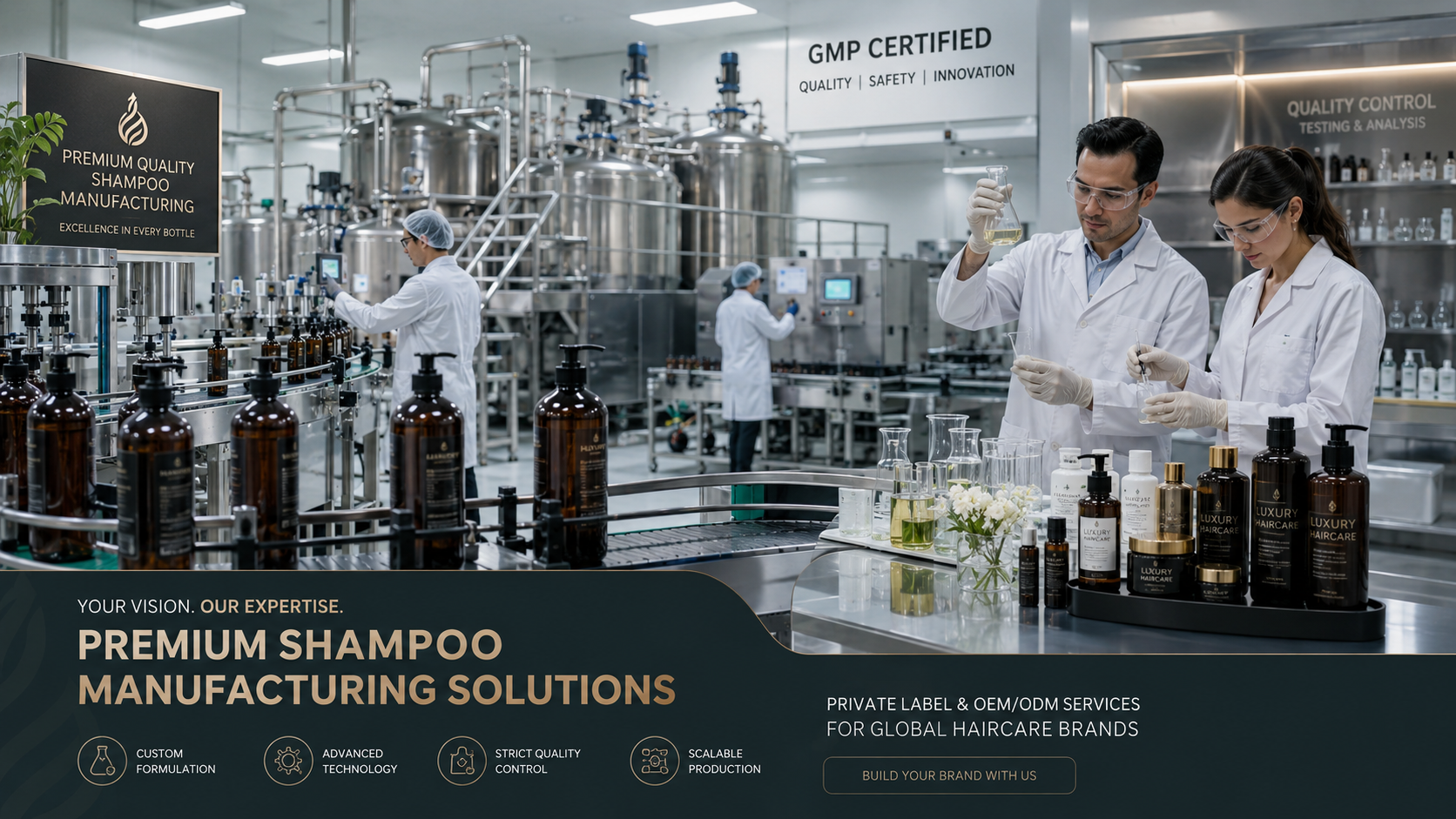
How Custom Shampoo Manufacturing Works: OEM Production Process and Quality Control
As global demand for personalized and premium haircare products continues to rise, more beauty brands are turning to OEM and private label manufacturers for custom shampoo development. From ingredient selection to final packaging inspection, professional shampoo manufacturing involves a highly structured process designed to ensure product quality, safety, consistency, and market competitiveness.
For B2B buyers, understanding the complete custom shampoo manufacturing workflow is essential when selecting a reliable OEM partner. A factory’s formulation capabilities, production management, and quality control systems directly impact product performance and long-term brand reputation.
According to Grand View Research, the global haircare market continues expanding due to increasing consumer demand for specialized formulas such as sulfate-free shampoo, scalp care systems, botanical haircare, and repair-focused products.
Step 1: Market Positioning and Product Planning
The custom shampoo manufacturing process begins with product positioning and market analysis. Before formulation development starts, brands and OEM manufacturers work together to define:
- Target customer demographics
- Haircare concerns and product functions
- Pricing strategy
- Packaging style
- Ingredient positioning
- Regional compliance requirements
Common shampoo categories include:
- Moisturizing shampoo
- Anti-dandruff shampoo
- Scalp repair shampoo
- Herbal shampoo
- Organic shampoo
- Hair growth shampoo
- Color protection shampoo
- Curly hair shampoo
A professional OEM supplier helps brands align product concepts with market trends and consumer demand.
Step 2: Formula Development and Ingredient Selection
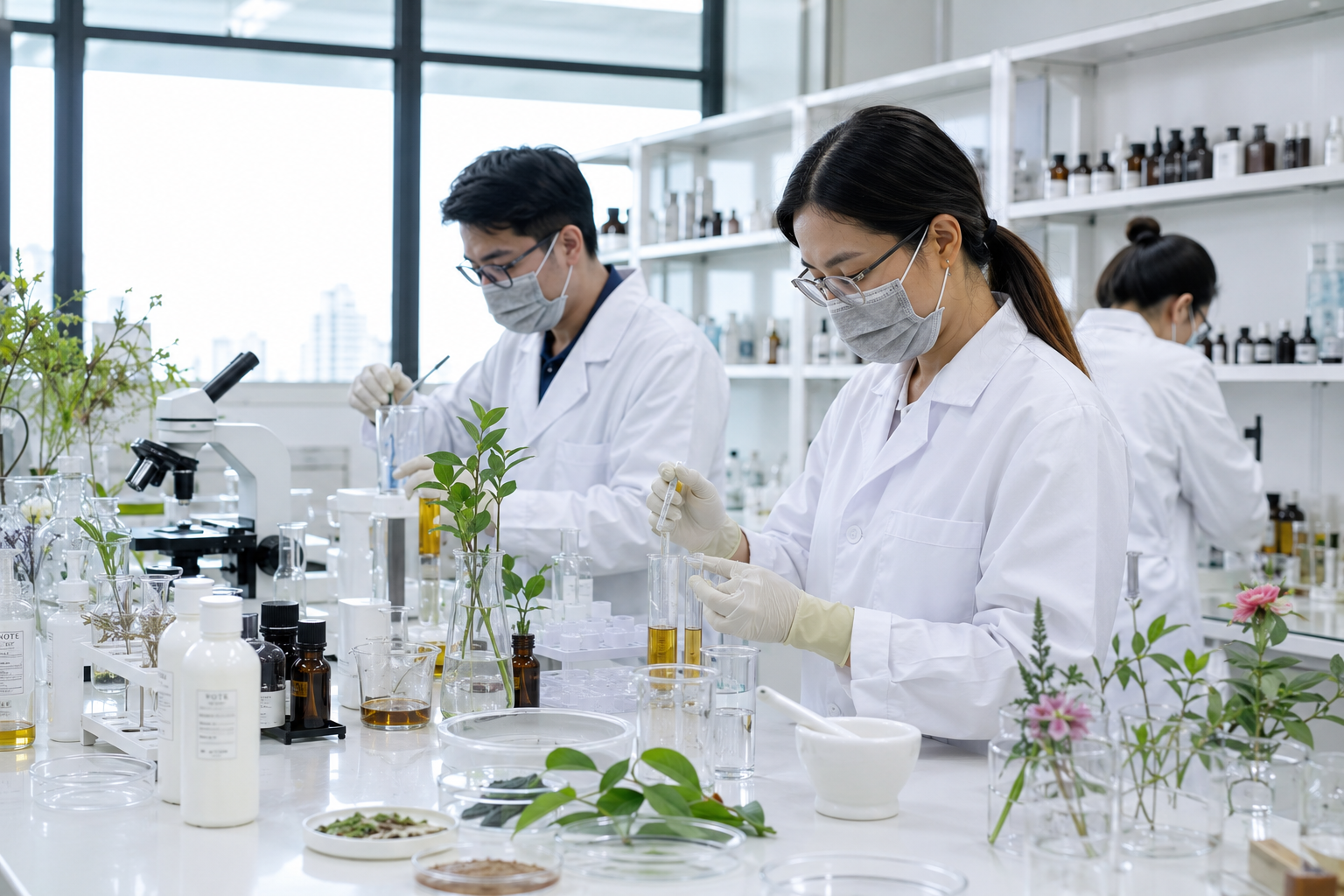
After product positioning is confirmed, cosmetic chemists begin the formulation process. This stage is one of the most critical aspects of custom shampoo manufacturing because formula quality determines:
- Foaming performance
- Scalp compatibility
- Moisture retention
- Hair strengthening benefits
- Fragrance stability
- Texture and viscosity
Raw Material Selection
Professional shampoo factories carefully select ingredients based on:
- Functionality
- Safety profile
- Regulatory compliance
- Supplier consistency
- Stability compatibility
Common ingredients include:
- Mild surfactants
- Botanical extracts
- Proteins and peptides
- Natural oils
- Silicone alternatives
- Preservation systems
- Conditioning polymers
According to Cosmetics Europe, ingredient safety assessment and regulatory compliance are essential in modern cosmetic manufacturing.
Laboratory Sample Testing
Before mass production begins, OEM laboratories create prototype samples for evaluation. Testing areas include:
- Viscosity testing
- pH balance analysis
- Foam stability
- Fragrance compatibility
- Ingredient separation resistance
- Texture consistency
Step 3: Packaging Development and Compatibility Testing
Packaging development is another key stage in OEM shampoo production. The right packaging protects product stability while strengthening brand identity.
Manufacturers usually assist clients with:
- Bottle selection
- Custom mold development
- Label printing
- Outer packaging design
- Eco-friendly packaging options
- Pump and cap selection
Packaging Compatibility Tests
Compatibility testing ensures formulas remain stable inside packaging materials over time. Tests include:
- Leakage testing
- Heat resistance testing
- UV exposure testing
- Corrosion resistance testing
- Seal performance testing
Step 4: Raw Material Inspection and Incoming Quality Control
Before production begins, all raw materials undergo strict quality inspections.
Professional OEM shampoo factories implement Incoming Quality Control (IQC) procedures to verify:
- Ingredient purity
- Batch consistency
- Microbial safety
- Supplier documentation
- Certificate verification
Factories also inspect:
- Bottles
- Caps and pumps
- Labels
- Cartons
- Packaging accessories
This process reduces contamination risks and ensures manufacturing consistency.
Step 5: Shampoo Production and Mixing Process
Once ingredients and packaging pass inspection, the production stage begins.
Automated Mixing Systems
Modern shampoo factories use automated stainless-steel mixing tanks equipped with:
- Temperature control systems
- Vacuum homogenizers
- High-speed mixers
- Automated dosing systems
- Filtration equipment
These systems improve formula consistency and production efficiency.
Controlled Production Environment
Most professional OEM facilities operate under GMP or GMPC standards, ensuring:
- Clean manufacturing zones
- Controlled air filtration
- Sanitized equipment
- Cross-contamination prevention
- Strict worker hygiene standards
According to ISO, standardized quality management systems significantly improve manufacturing consistency and consumer safety.
Step 6: Filling, Labeling, and Packaging
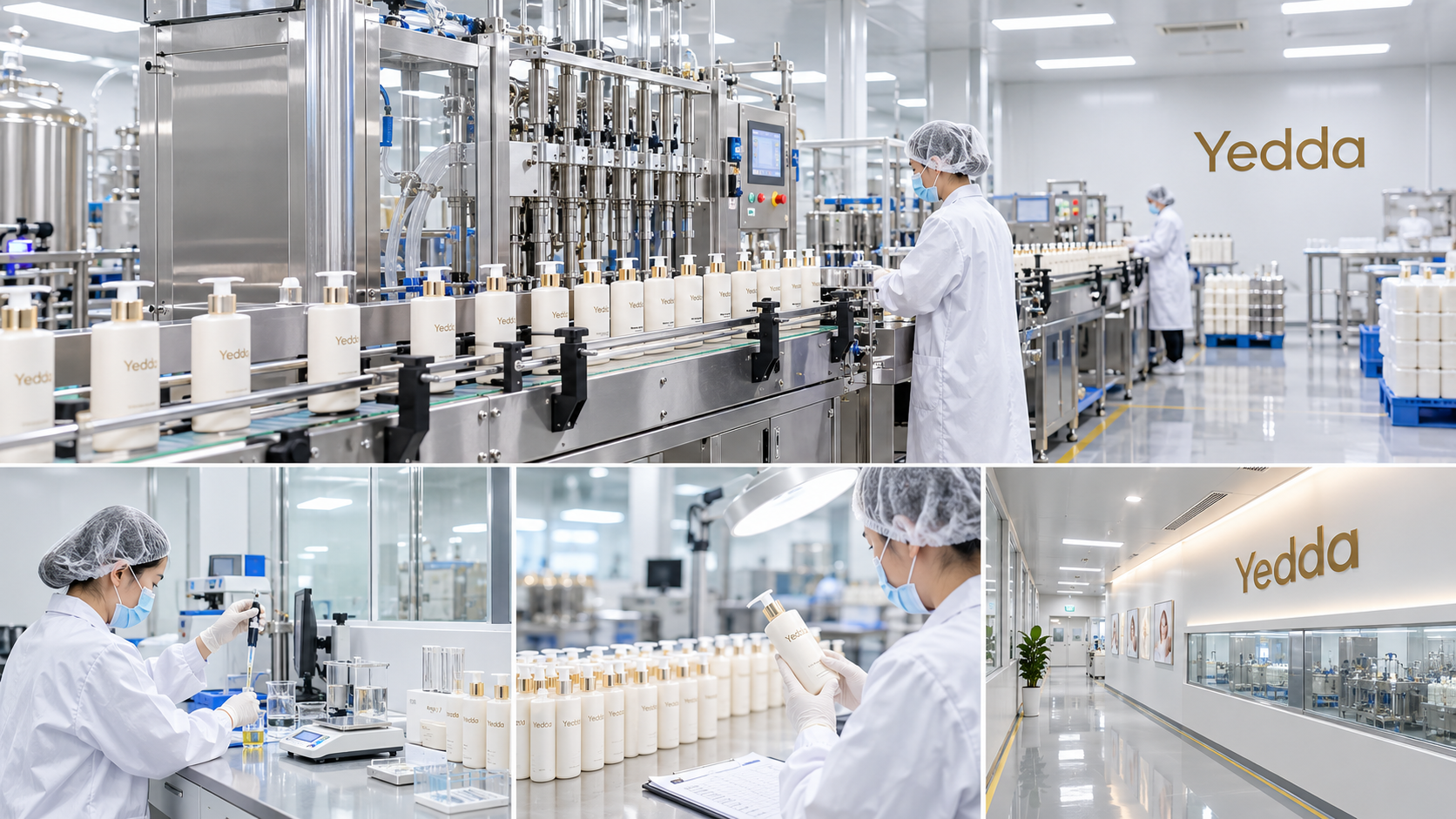
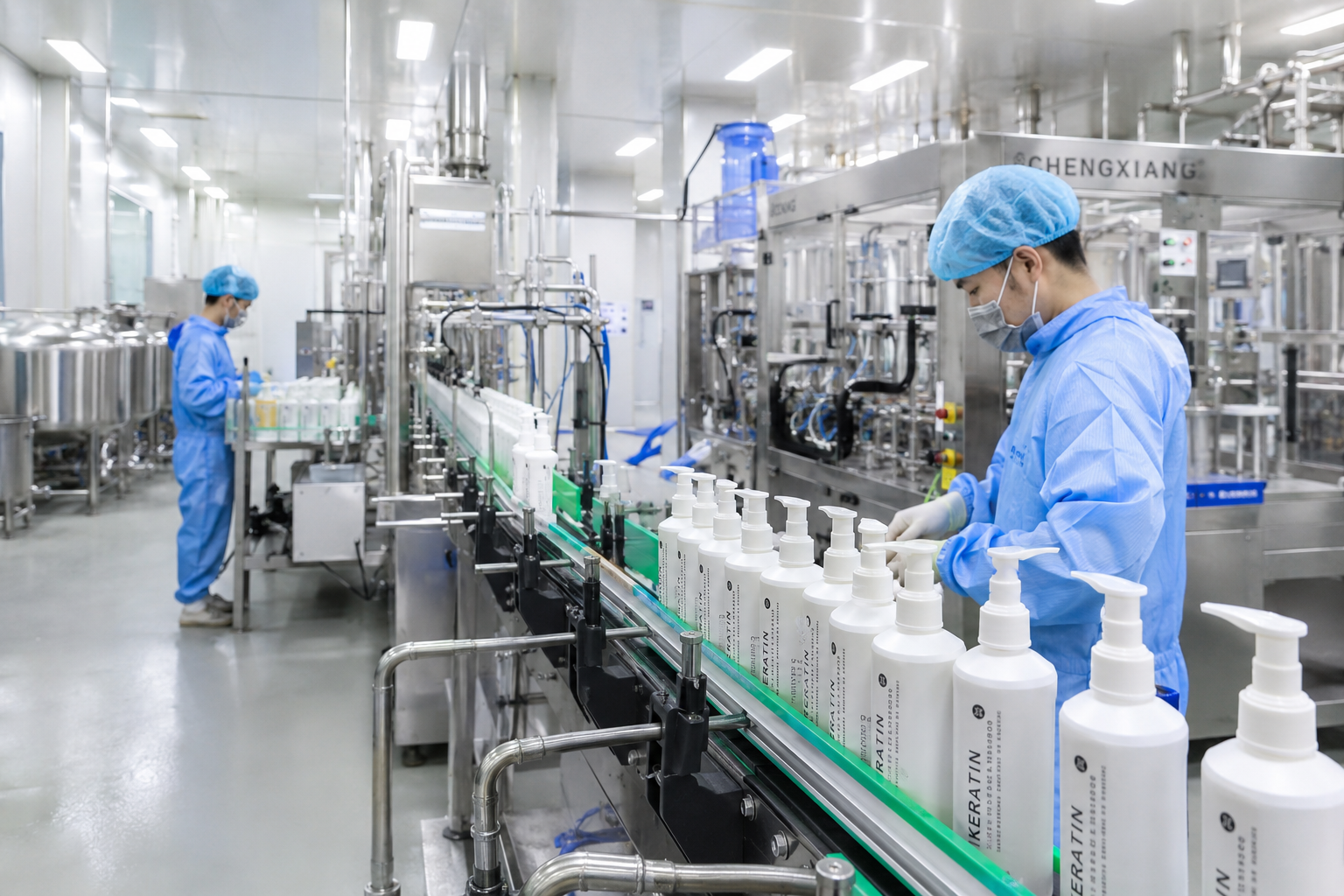
After bulk shampoo production is completed, products move to automated filling and packaging lines.
Filling Process
Machines precisely fill bottles according to predetermined volume specifications.
Quality control teams monitor:
- Filling accuracy
- Seal integrity
- Cap tightness
- Label alignment
- Packaging cleanliness
Automated Labeling Systems
Modern factories use automated labeling machines to maintain:
- Label positioning consistency
- Barcode accuracy
- Batch coding traceability
- Packaging efficiency
Step 7: Finished Product Quality Inspection
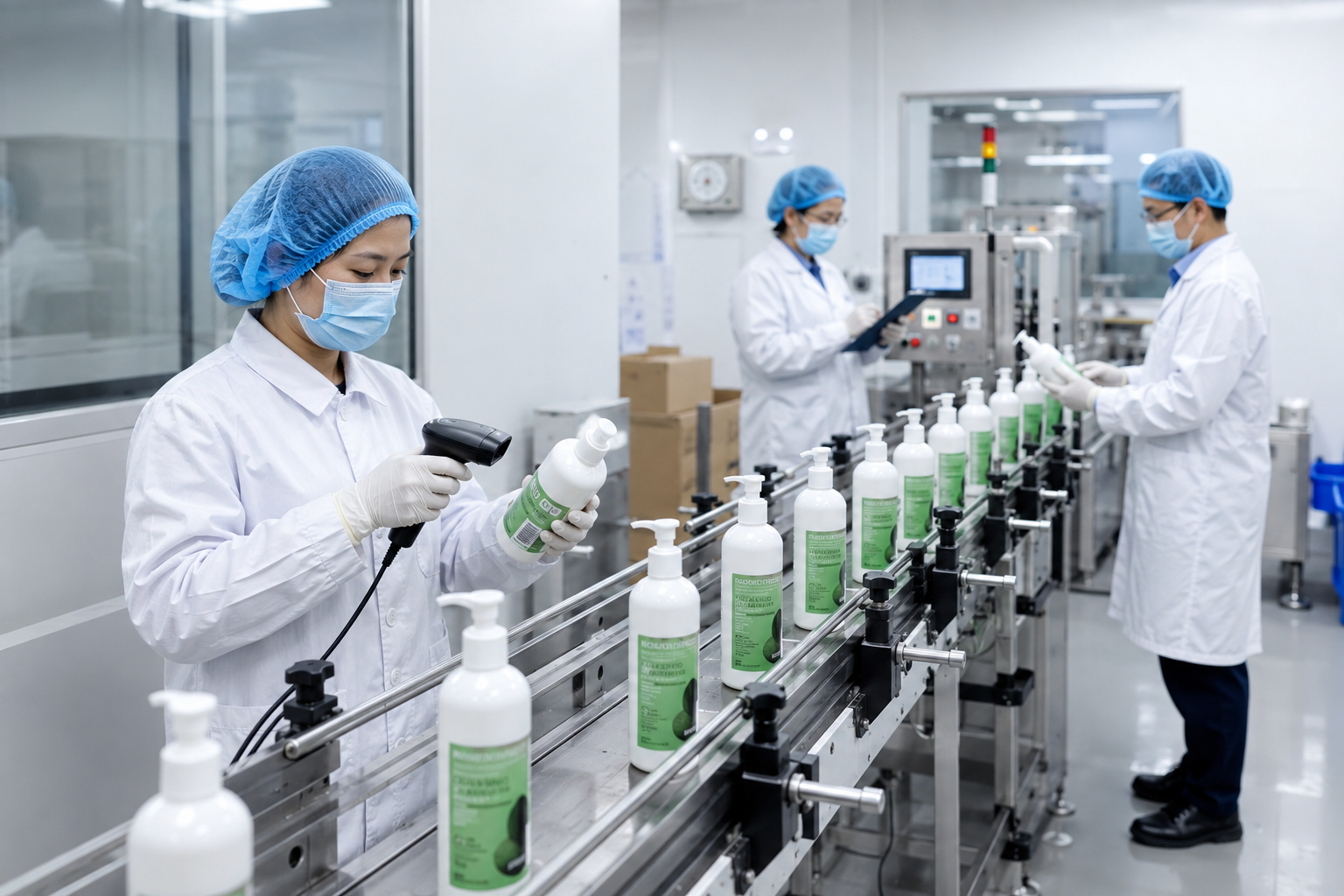
Finished product inspection is one of the most important parts of shampoo OEM manufacturing.
Professional factories conduct:
- Appearance inspections
- Viscosity re-testing
- Microbial testing
- Stability testing
- Leakage testing
- Packaging durability testing
Microbiological Testing
Microbial safety testing ensures products remain safe for consumer use throughout shelf life.
Stability Testing
Accelerated stability tests simulate long-term storage conditions under:
- High temperatures
- Low temperatures
- Humidity exposure
- Transportation vibration
According to U.S. FDA Cosmetics Guidelines, cosmetic manufacturers are responsible for ensuring products remain safe and properly labeled throughout distribution.
Step 8: Compliance Documentation and Export Preparation
For international distribution, OEM manufacturers must prepare regulatory documentation and export records.
Required documentation may include:
- MSDS documentation
- COA certificates
- Ingredient lists
- GMP certifications
- Stability reports
- Product registration files
Export preparation also includes:
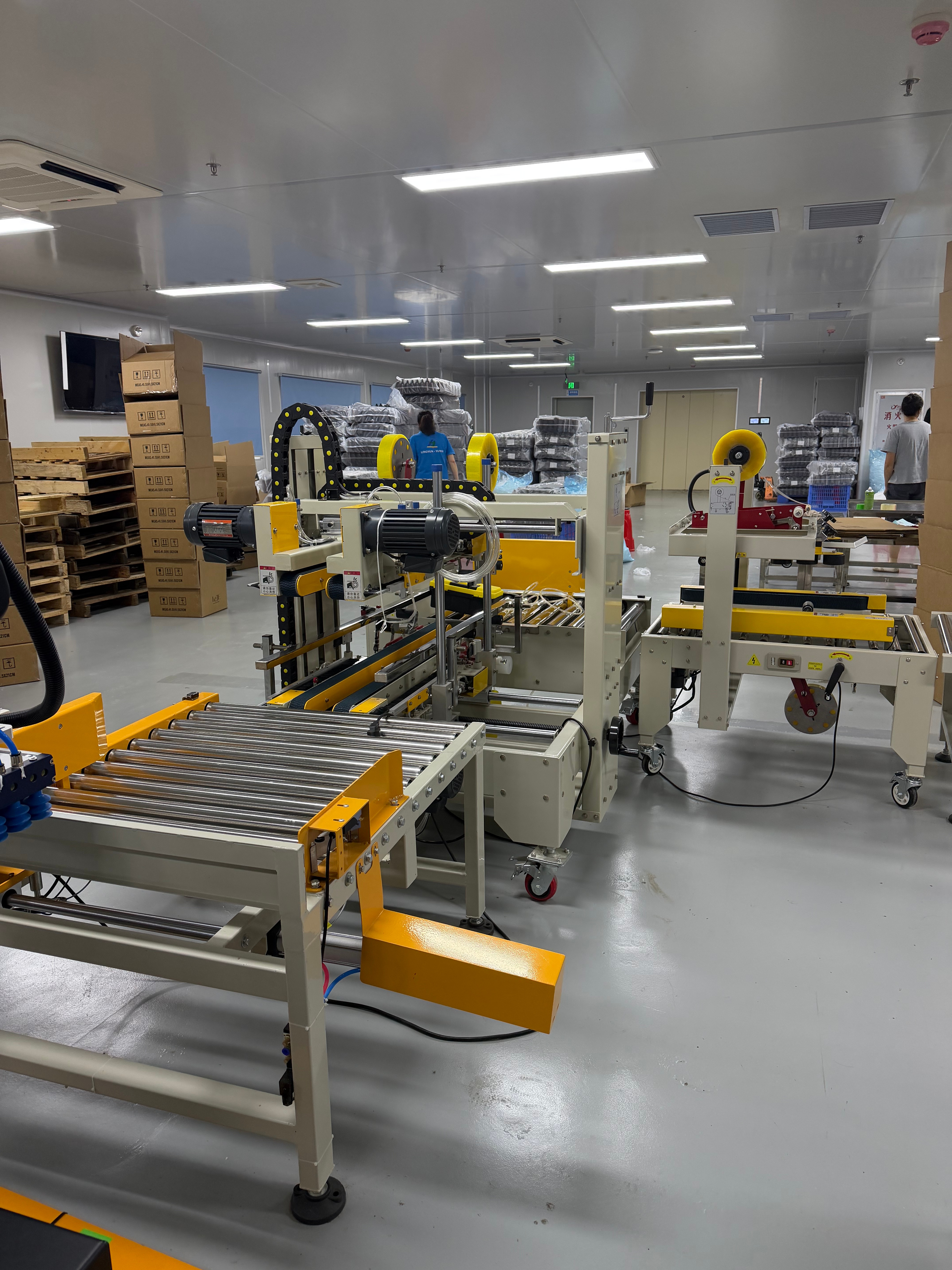
- Carton inspection
- Pallet wrapping
- Container loading verification
- Shipping label checks
Why Quality Control Matters in OEM Shampoo Manufacturing
Quality control directly affects:
- Product safety
- Consumer satisfaction
- Brand reputation
- Regulatory compliance
- Repeat purchase rates
A reliable factory implements quality management systems throughout every production stage rather than relying only on final inspections.
How to Choose a Reliable Shampoo OEM Factory
When selecting an OEM manufacturer, brands should evaluate:
- Production experience
- R&D capability
- Quality certifications
- Packaging support
- MOQ flexibility
- Export experience
- Communication efficiency
The best OEM partners function as long-term strategic collaborators rather than simple production suppliers.
Future Trends in Custom Shampoo Manufacturing
Modern OEM haircare manufacturing is evolving rapidly due to:
- Clean beauty demand
- Sustainable packaging trends
- Biotechnology ingredients
- Scalp-focused formulations
- Water-saving shampoo systems
- AI-assisted quality monitoring
Manufacturers capable of adapting to these trends will continue gaining competitive advantages in global B2B haircare markets.
Conclusion
Custom shampoo manufacturing is a highly technical process that combines formulation science, packaging development, production management, and rigorous quality control systems.
For brands entering the haircare market, selecting a reliable OEM partner with strong R&D capabilities and professional quality management standards is essential for building long-term success.
From raw material inspection to final product testing, every stage of production directly impacts product performance, consumer trust, and brand reputation.
Frequently Asked Questions
1. What is OEM shampoo manufacturing?
OEM shampoo manufacturing refers to custom or private label shampoo production services provided by specialized cosmetic factories for beauty brands.
2. Why is quality control important in shampoo production?
Quality control ensures product safety, consistency, stability, and compliance with cosmetic regulations while protecting brand reputation.
3. What tests are commonly performed during shampoo manufacturing?
Common tests include viscosity testing, pH analysis, microbial testing, stability testing, leakage testing, and packaging compatibility testing.
4. How do I choose the right shampoo OEM factory?
Evaluate their production experience, certifications, formulation expertise, packaging support, quality systems, and export capabilities before合作.