
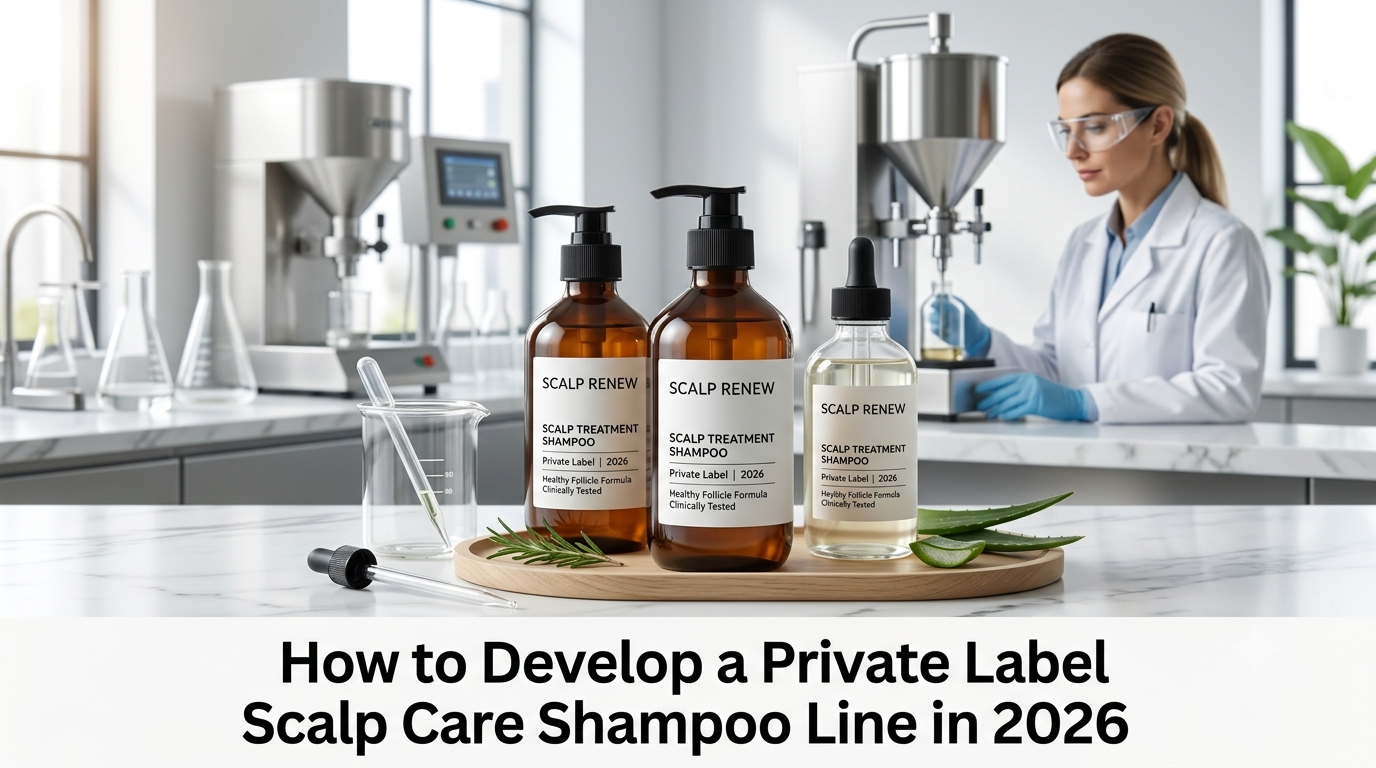
The Surging Global Demand for Scalp Health
The global hair care market is undergoing a seismic shift. No longer are international buyers and salon brands simply looking for products that make hair look shiny or clean. Instead, the focus has moved entirely to the root of hair health: the scalp. Driven by the "skinification of hair" movement, consumers are treating their scalps with the same rigor, active ingredients, and targeted treatments as their faces. According to data from the Global Hair and Scalp Care Market Report, the specialized scalp care segment is projected to grow at a CAGR of over 7.5% from 2024 to 2030, outpacing traditional 2-in-1 conditioning shampoos.
For B2B buyers, distributors, and brand founders, this evolution represents a massive commercial opportunity. Developing a high-performance private label scalp care shampoo line in 2026 allows your brand to capture premium market share, command higher retail margins, and build intense customer loyalty. However, launching a specialized formulation requires a deep understanding of biotechnology, ingredient stability, and supply chain logistics. Partnering with an experienced, certified scalp care shampoo manufacturer is the most critical decision your business will make to ensure your formulations are both clinically effective and compliant with international cosmetic regulations.
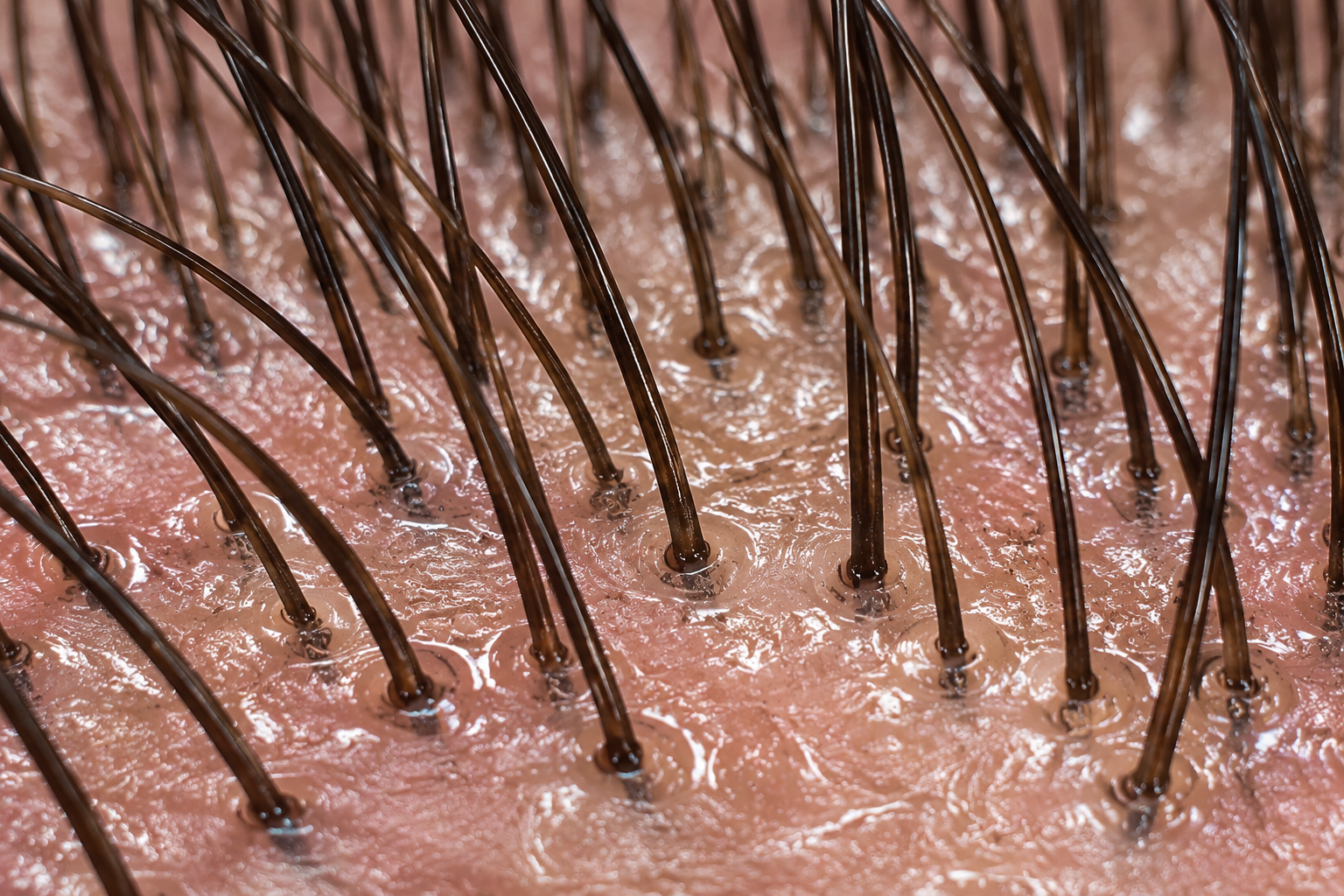
Choosing the Right Scalp Care Shampoo Manufacturer
When selecting a manufacturing partner for your 2026 product launch, you must look beyond basic manufacturing capabilities. A true OEM scalp shampoo partner should act as a comprehensive R&D extension of your brand. Scalp care formulas are inherently more complex than standard cleansing shampoos; they require a delicate balance between active medical-grade ingredients, botanical extracts, and advanced surfactant systems that do not strip the scalp’s delicate microbiome.
Your chosen manufacturer must possess robust quality control systems and global compliance certifications. When auditing potential factories, prioritize facilities that maintain ISO 22716 (Good Manufacturing Practices for Cosmetics) and GMPC certifications. For brands targeting strict western markets like the United States or the European Union, ensure the factory's raw material supply chain strictly complies with the FDA MoCRA regulations and EU Cosmetic Regulation (EC) No 1223/2009. A world-class manufacturer will provide complete transparency, offering Certificates of Analysis (COA), Material Safety Data Sheets (MSDS), and stability testing data for every batch produced.
Key Scalp Conditions and Target Formulations
A successful private label scalp care shampoo line cannot rely on a "one-size-fits-all" approach. To capture distinct consumer segments, your brand should develop a modular line addressing specific, scientifically proven scalp concerns. By differentiating your SKU line, you maximize shelf presence and solve targeted pain points for your end consumers.
| Target Scalp Concern | Primary Active Ingredients | Formulation Texture & Mechanics |
|---|---|---|
| Dry, Flaky, or Sensitive Scalp | Allantoin, Bisabolol, Aloe Vera, Hyaluronic Acid | Low-foaming, ultra-hydrating cream base |
| Oily Scalp & Sebum Overproduction | Salicylic Acid (BHA), Zinc PCA, Tea Tree Oil | Clarifying gel, deep cleansing, pH-balanced (5.5) |
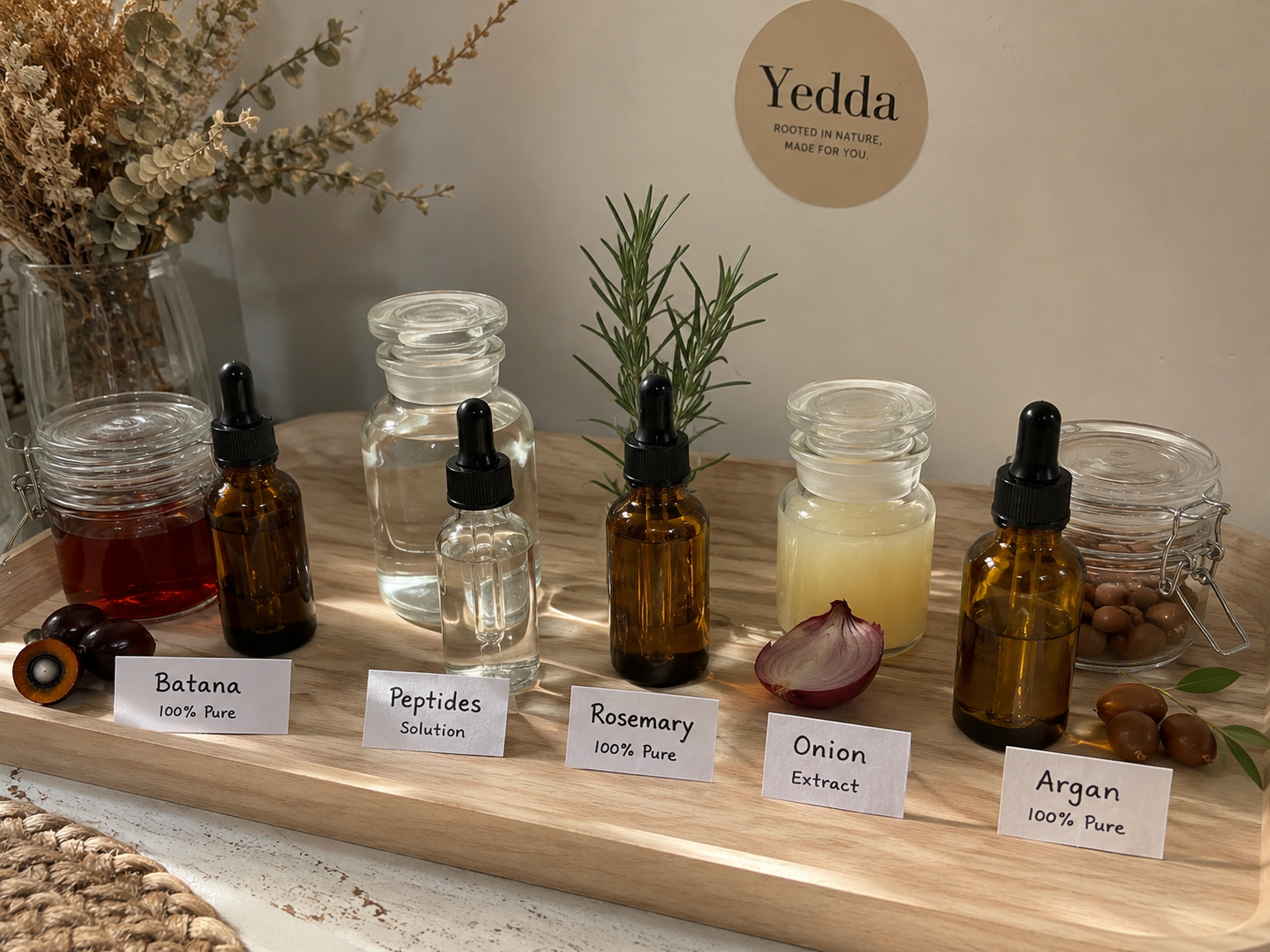
| Thinning Hair & Follicle Stimulation | Caffeine, Biotin, Rosemary Oil, Peptides | Nutrient-dense liquid, micro-circulation boosting |
| Microbiome Imbalance & Dandruff | Piromone Olamine, Prebiotics, Lactobacillus Ferment | Anti-fungal, protective barrier-building system |
By defining these product segments early, your OEM scalp shampoo formulation team can precisely adjust the viscosity, surfactant concentration, and active delivery systems to meet real-world performance expectations during salon or clinical use.

Ingredient Science and 2026 Regulatory Trends
In 2026, clean beauty is no longer an optional marketing buzzword; it is a baseline global regulatory standard. Consumers and regulatory bodies alike are demanding full ingredient transparency. Traditional harsh surfactants, such as Sodium Lauryl Sulfate (SLS) and Sodium Laureth Sulfate (SLES), are heavily restricted or actively rejected by premium retailers. Instead, advanced private label scalp care shampoo lines utilize ultra-mild, plant-derived biodegradable surfactants like Sodium Cocoyl Isethionate (SCI), Decyl Glucoside, and Cocamidopropyl Betaine to maintain an intact lipid barrier.
Furthermore, clinical backing is essential for B2B brand credibility. Modern scalp formulations leverage cutting-edge botanical actives. For example, clinical studies published in the National Institutes of Health (NIH) databases demonstrate that botanical oils like Rosemary extract and specialized seed oils can significantly mitigate follicular inflammation and promote healthy hair anchoring. Incorporating these verified, peer-reviewed ingredients into your formula allows your brand to make legitimate, verifiable marketing claims that stand up to regulatory scrutiny.
The Step-by-Step OEM Development Process
Transforming a brand concept into a market-ready product involves a structured, multi-phase developmental timeline. Collaborating with an established scalp care shampoo manufacturer streamlines this pipeline, minimizing costly formulation errors and production delays.
Phase 1: Conceptualization and Briefing
The brand defines its target audience, price point per unit, packaging preferences, and core performance claims. The manufacturer reviews these requirements against current raw material availability and regulatory frameworks.
Phase 2: R&D Formulation and Customization
Chemists create initial bench samples based on your required active ingredients (e.g., salicylic acid for clarifying, or peptides for anti-aging). Adjustments are made to scent profiles, colorants, and overall viscosity until the brand approves the benchmark sample.
Phase 3: Rigorous Testing and Verification
Before moving to bulk manufacturing, the formula must undergo extensive testing. This includes high-temperature stability testing (to ensure the product does not separate on shelves), freeze-thaw cycles, and microbial challenge testing to verify the preservative system is robust enough for long-term consumer use.
Phase 4: Mass Production and Packaging
Once certified, the OEM scalp shampoo enters the automated filling lines. Modern factories utilize high-speed machinery capable of processing thousands of liters per hour, ensuring precise filling tolerances, airtight sealing, and automated batch-coding for full lot traceability.
Sourcing Premium Packaging and Sustainability
The packaging of your scalp treatment shampoo is just as critical as the liquid inside. In 2026, premium scalp lines heavily favor clinical or apothecary-style packaging, which communicates scientific authority and high ingredient efficacy. Dark amber or green bottles not only look premium but also serve a functional purpose: they protect light-sensitive active botanicals and essential oils from UV degradation, preserving the shampoo's shelf life.
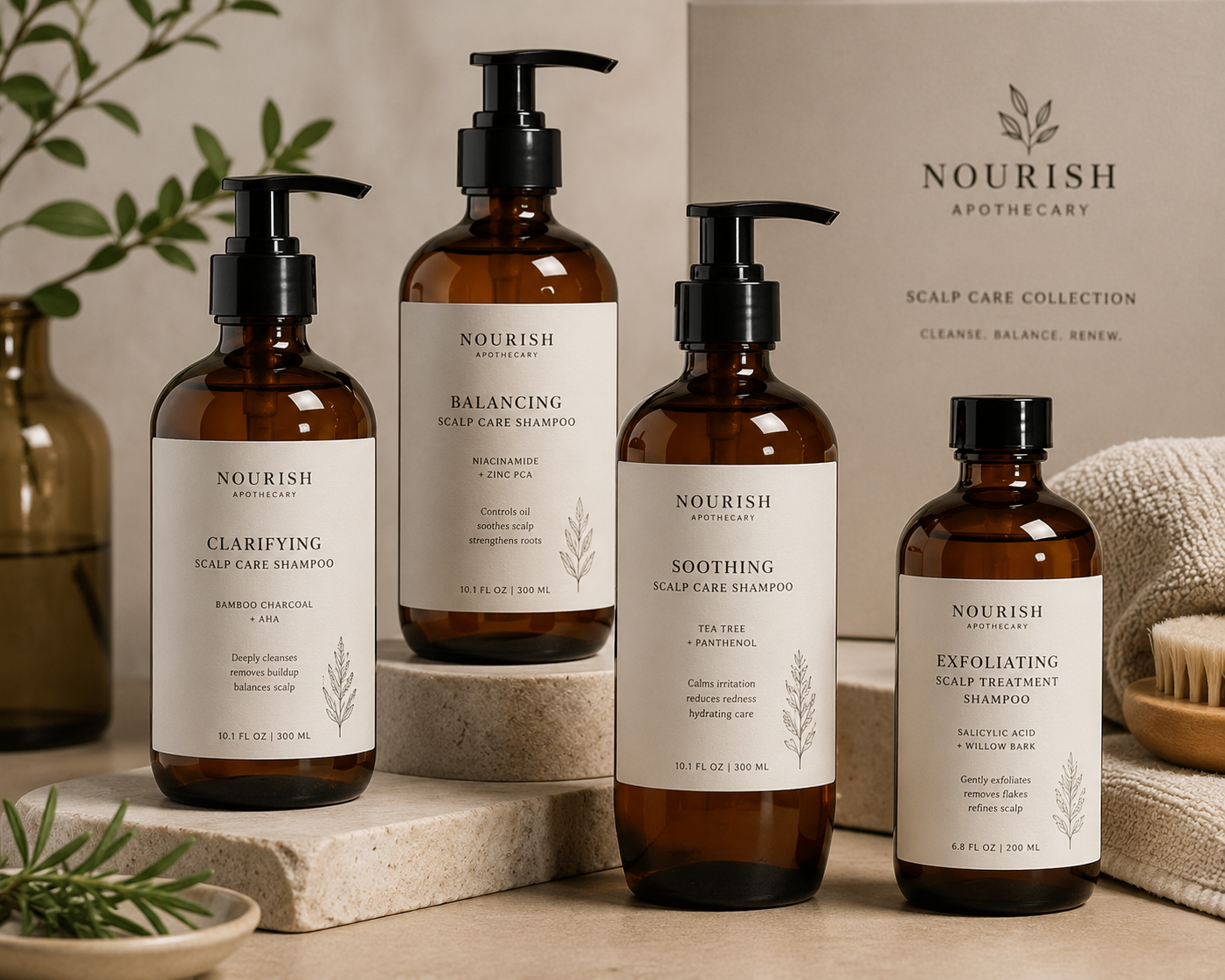
Sustainability should be integrated into your packaging architecture from day one. International buyers are actively tracking their carbon footprint and plastic usage. Work with your manufacturer to source Post-Consumer Recycled (PCR) plastics, lightweight aluminum bottles, or refillable pouch options. Utilizing eco-friendly packaging materials not only satisfies environmental regulations but also increases your brand's appeal to major global retailers and eco-conscious consumers.
Quality Control and Certifications for B2B Brands
When selling cosmetics internationally, third-party validation is your strongest asset. A reputable scalp care shampoo manufacturer handles the heavy lifting of compliance documentation. Every formulation batch must have a corresponding dossier containing toxicological assessments, safety data sheets, and heavy metal testing results.
"Quality is never an accident; it is always the result of intelligent effort. In cosmetic manufacturing, a single batch contamination can ruin a brand's reputation overnight. Strict adherence to GMP standards is non-negotiable."
Ensure that your manufacturing partner conducts routine in-house testing for haeavy metals (such as Lead, Arsenic, and Mercury) and total aerobic microbial counts. This level of quality assurance allows your brand to confidently clear global customs and secure shelf space in premium medical spas, salons, and international retail chains.
Marketing and Positioning Your Scalp Care Line
Once production is complete, your B2B marketing strategy should center on education and clinical efficacy. Consumers in 2026 are savvy; they look for proof before making a purchase. Focus your marketing materials, product descriptions, and website copy on "Before and After" trichology metrics, active ingredient percentages, and dermatologist-tested claims.
Leverage the expertise of your manufacturing partner's technical team to write detailed whitepapers, ingredient breakdowns, and usage guides for your wholesale buyers and salon professionals. By positioning your private label scalp care shampoo as a scientifically backed therapeutic solution rather than a basic cosmetic wash, your brand can command a premium price point and build a sustainable, highly profitable business model.
Frequently Asked Questions
What is the typical Minimum Order Quantity (MOQ) for a private label scalp care shampoo?
Minimum Order Quantities vary depending on the level of formulation customization and the manufacturer's machinery. Generally, for a standard stock formula with customized packaging, MOQs start around 3,000 to 5,000 units. For fully customized, bespoke R&D formulations requiring unique active ingredients, MOQs typically range from 10,000 to 20,000 units per SKU to optimize production efficiency and raw material sourcing.
Can an OEM scalp shampoo help with hair loss and thinning hair?
Yes. An OEM scalp shampoo formulated specifically for thinning hair can significantly support hair density. By incorporating certified active ingredients such as caffeine, biotin, saw palmetto, and copper peptides, the shampoo works to stimulate blood circulation to the hair follicles, reduce local scalp inflammation, and block DHT production on the scalp, creating the optimal microenvironment for healthy hair growth.
How do you ensure the stability of active ingredients like salicylic acid or vitamins in a shampoo?
Ensuring active stability requires advanced cosmetic chemistry. A professional scalp care shampoo manufacturer utilizes techniques like micro-encapsulation, chelating agents, and strict pH buffering (keeping the formula within an optimal range, typically 4.5 to 5.5). Furthermore, every batch undergoes accelerated stability testing inside environmental chambers, exposing the product to varying heat and light conditions to guarantee the actives remain potent throughout the product's shelf life.
What international cosmetic certifications should a B2B scalp shampoo brand look for?
To safely export and sell your scalp treatment shampoo globally, your manufacturing plant should hold ISO 22716 and GMPC certifications. Additionally, individual products should have a complete Product Information File (PIF) for the European Union, compliance with the US FDA MoCRA standards, and, if applicable, Cruelty-Free (PETA/Leaping Bunny) or organic certifications (COSMOS/ECOCERT) depending on your target brand positioning.