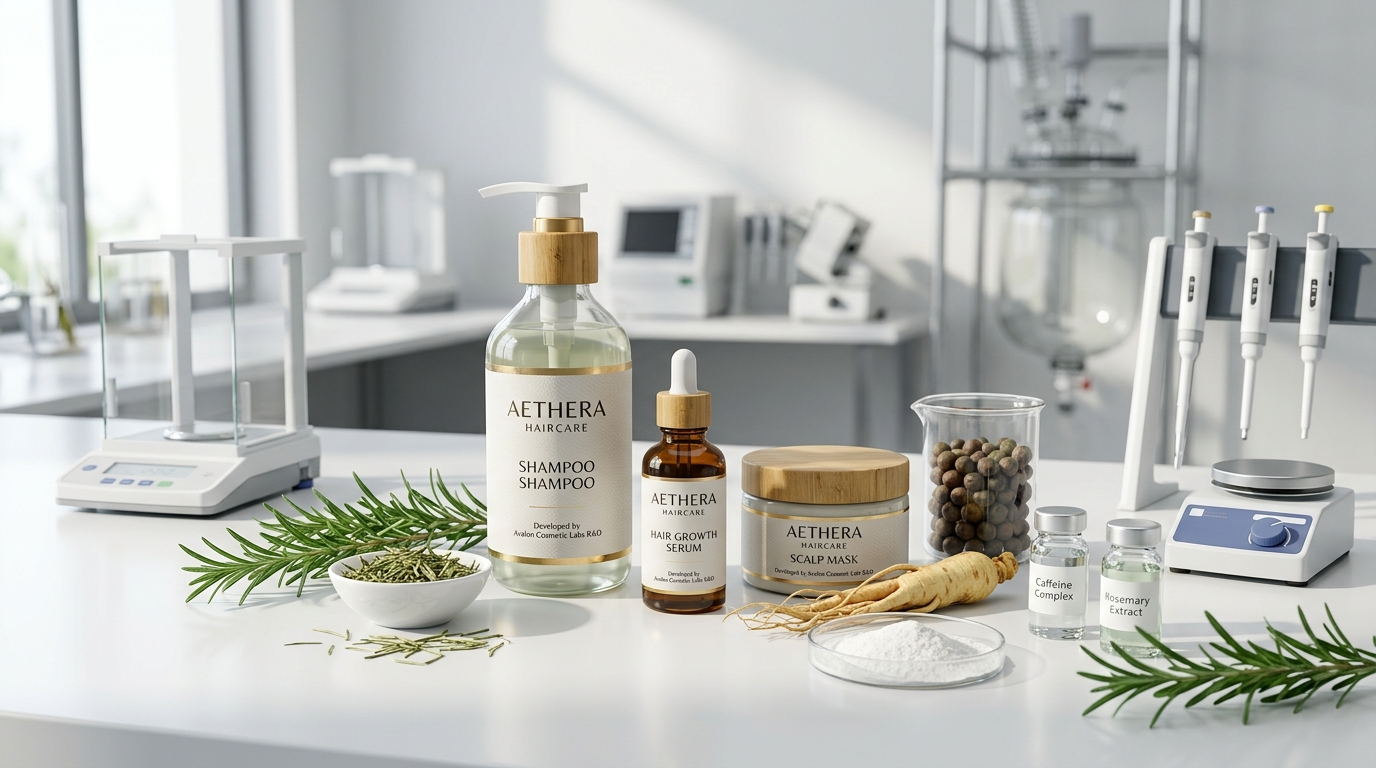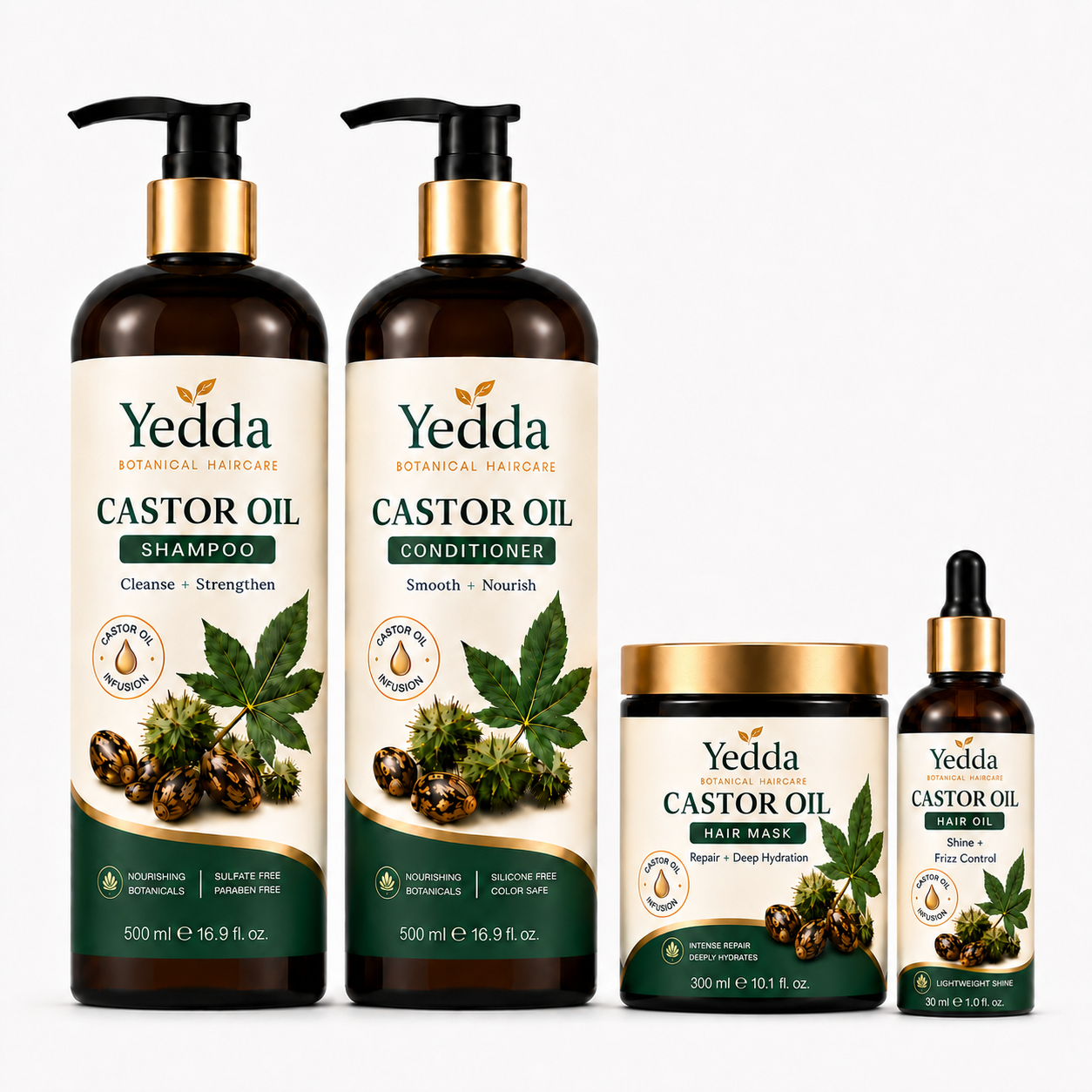

If you have spent any time tracking hair growth or hair loss topics on TikTok, Instagram, or Reddit, you have undoubtedly been barraged by content praising Rosemary Oil. From an old-school herbal remedy to a viral social media trend, botanical oils have become a go-to starting point for many seeking to enhance hair retention.
However, as we move into 2026, the global hair care market is undergoing a profound cognitive shift. While plant extracts offer visible benefits for some, premium consumers and cutting-edge brands are coming to realize that raw botanical oils possess a complex molecular structure that can deliver uneven penetration rates and, in some cases, trigger contact dermatitis on sensitive scalps.
As the concept of "Skinification of Hair" enters deeper territories, world-class laboratories are expanding beyond basic plant botanicals to focus on the ultimate heavyweights of facial anti-aging: Signal Peptides. Scalp care is increasingly moving toward targeted, biomimetic formulations in the clinical pursuit of Hair Longevity.
As a hair trichologist and cosmetic formulation expert with a decade of R&D experience at Yedda, I want to deconstruct how peptides support hair follicles at a cellular level—and explain the biochemical reasons why some premium serums underdeliver despite their high-quality active ingredients.
1. The Botanical Bottleneck: Why Rosemary Oil Often Hits a Biological Ceiling
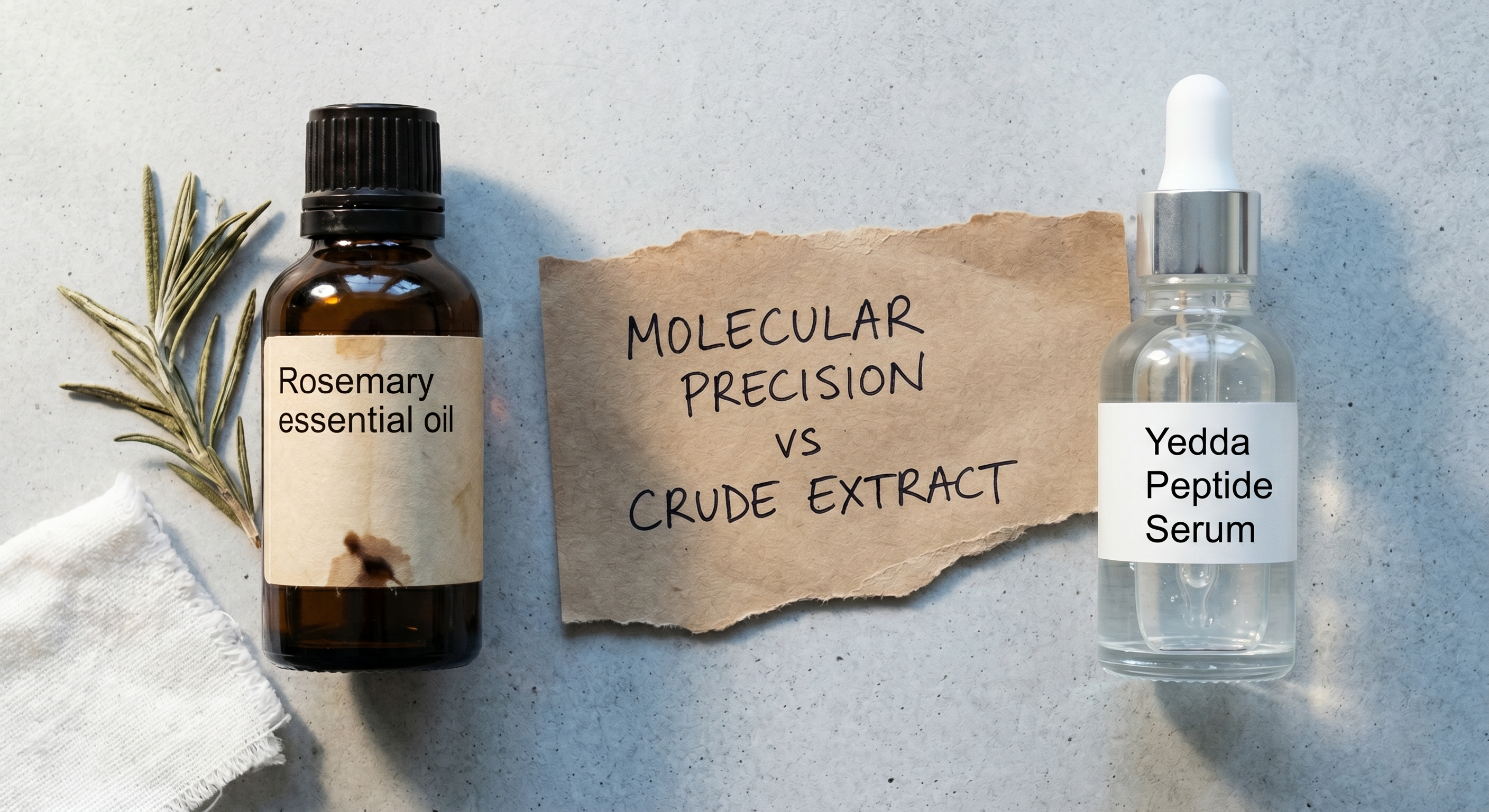
It is scientifically recognized that rosemary oil helps support hair growth, primarily by stimulating localized blood microcirculation. However, as a raw, crude botanical extract, it introduces a few engineering and physiological limitations that can complicate both consistent consumer usage and professional B2B formulations:
- Variable Transdermal Absorption: The active constituents of plant oils consist of large, lipophilic compound groups. Because the human scalp is naturally packed with active sebaceous glands and a dense hydrophobic lipid barrier, it can structurally repel external heavy oils, making it challenging for crude botanicals to consistently penetrate deep enough to reach the hair bulb.
- Potential for Contact Dermatitis & Dysbiosis: Unrefined essential oils naturally contain volatile terpenes like camphor and eucalyptol, which can be highly irritating to an already compromised or sensitive scalp barrier. Furthermore, over-applying raw oils may disrupt the surface fungal equilibrium, occasionally serving as an additional carbon food source for Malassezia yeast.
- B2B Structural Instability: In large-scale manufacturing, raw plant oils are highly vulnerable to rancid oxidation, UV-induced discoloration, and batch-to-batch variation, which poses challenges for maintaining long-term shelf-life.
💡 Dermatological Placement Rule: Does this mean botanical oils have no place in hair care? Not at all. The key lies in applying them where they belong: the non-living hair shaft rather than the live scalp skin barrier.
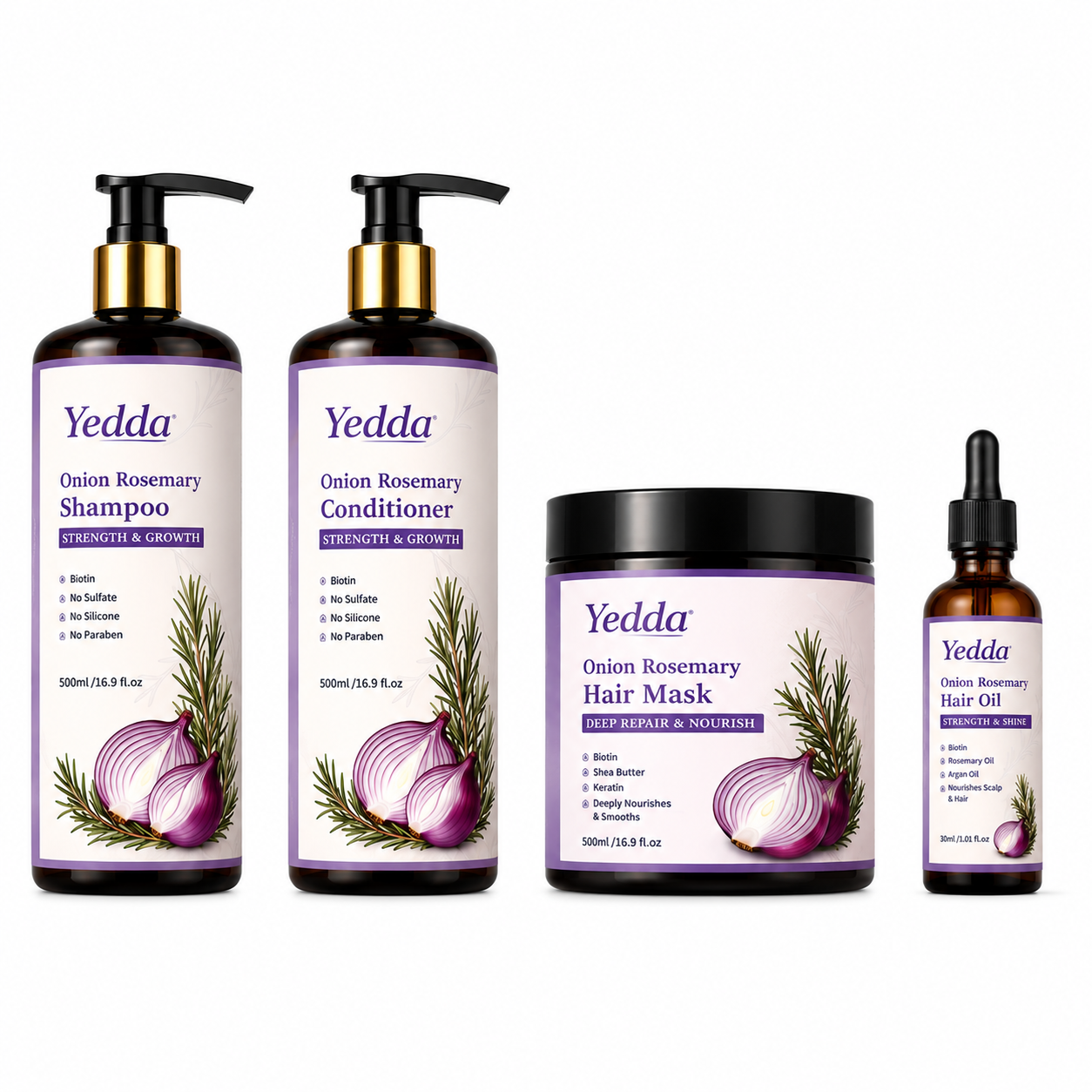
For sealing moisture into parched strands, advanced formulas leverage specific lightweight or deeply restorative lipids. Products like Yedda Natural Aramari Hemp Seed Oil offer superb, lightweight cuticle protection, while the nutrient-rich Yedda Natural Organic Batana Oil works wonders for rejuvenating severely damaged hair shafts.
For hair retention at the root, however, Synthetic Peptides offer a superior alternative—engineered to deliver precise molecular weights, tight target specificity, and highly predictable bioavailability without overloading the scalp.
2. Molecular Biology: How Peptides Support the Hair Longevity Clock
To fully grasp the disruptive power of peptides, it helps to map out the physiological lifecycle of the hair follicle. According to clinical data shared by the American Academy of Dermatology, every single follicle on your head is biologically programmed to undergo 20 to 25 cellular lifecycles across a human lifetime:
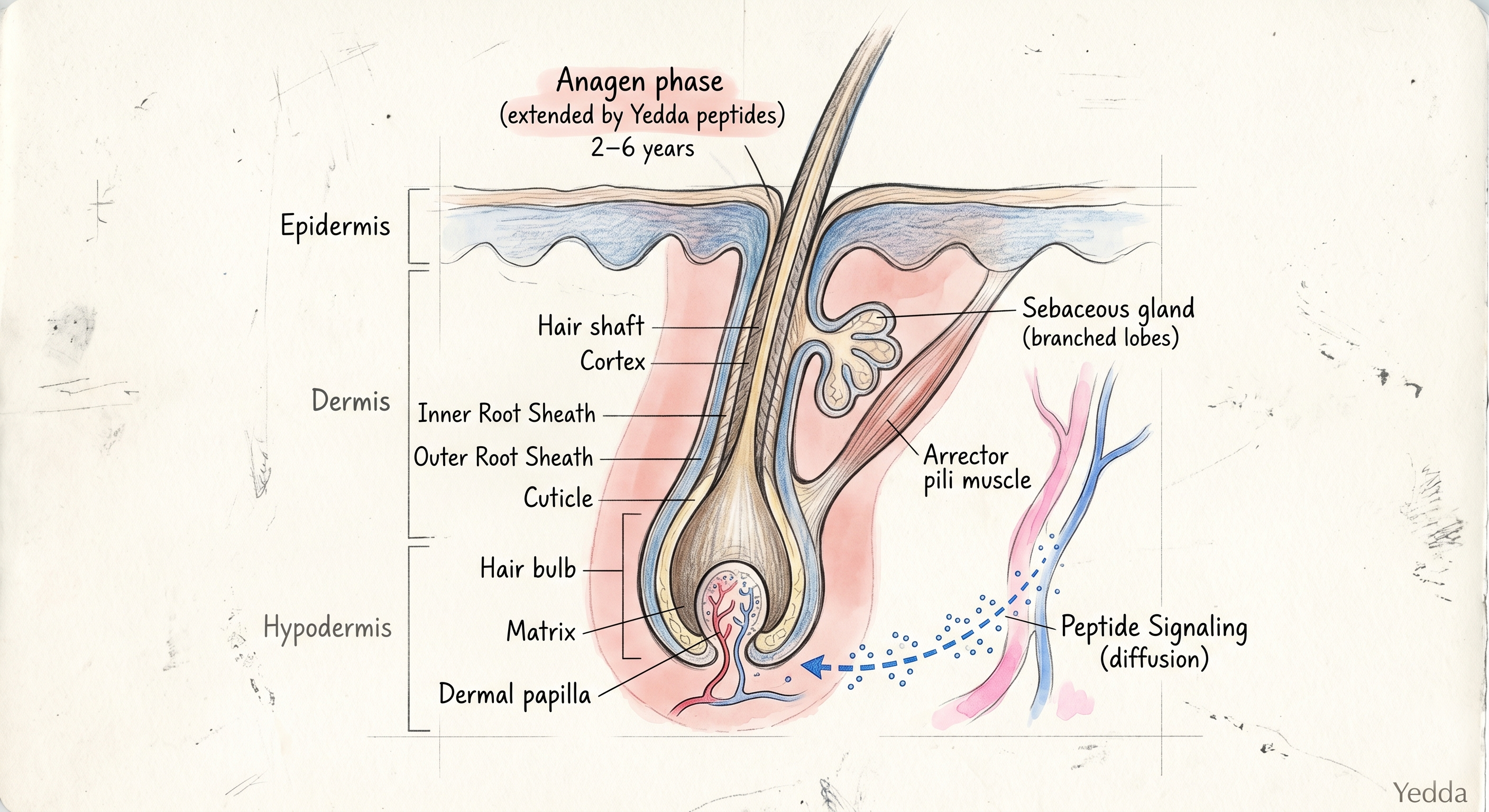
- Anagen Phase (Growth): Lasts 2–6 years. This phase strictly dictates the ultimate physical length, thickness, and volume density of the hair shaft. Peptides actively signal the follicle to remain locked in this phase.
- Catagen Phase (Regression): Lasts 2–3 weeks. Cellular apoptosis occurs as the hair follicle detaches from its blood supply and shrinks.
- Telogen Phase (Resting/Shedding): Lasts 3–4 months. The old hair strand sheds, and the follicle enters a dormant hibernation cycle.
As premature scalp aging (Hair Aging) sets in, cellular growth signals sent to the hair bulb progressively decline. This can shorten the Anagen Phase, forcing hair strands to shed prematurely before they can achieve their optimal structural thickness or length.
Biomimetic peptides operate like hyper-precise keys, matching perfectly into the receptor locks of Dermal Papilla Cells to help re-trigger critical survival pathways:
- Copper Tripeptide-1 (GHK-Cu): A highly regarded asset in scalp anti-aging. It supports the downregulation of the 5-alpha reductase enzyme associated with androgenetic alopecia while encouraging collagen and elastin synthesis. This reinforces the extracellular matrix wrapping the hair bulb, helping protect the follicle from premature age-induced miniaturization.
- Acetyl Tetrapeptide-3: The anchoring specialist. It directly targets the connective tissue surrounding the follicle, encouraging a surge in Laminin and Proteoglycan production. This helps lock the root firmly into the dermal layers, maximizing its resilience against daily mechanical pulling and shedding.
- Biotinoyl Tripeptide-1: The cell division accelerator. It assists in speeding up the proliferation of hair matrix cells. This not only helps extend the growth phase but also supports the development of a thicker inner medulla layer, turning fine, limp hair into structurally dense strands.
Through extensive trials at our core formulation laboratory, combining these specialized peptides at precise synergetic ratios yields a performance profile that vastly outpaces any single plant extract. For independent brands looking to scale their portfolio with these exact types of bio-advanced formulas, exploring our B2B Custom Hair Care Manufacturing Services provides the direct path to turnkey development.
3. Cellular Synergists: What Else Drives Next-Gen Formulations?
In the highly competitive landscape of global hair care lines, elite cosmetic formulators do not send peptides into the stratum corneum unassisted. To secure absolute Hair Longevity, premium leave-in systems integrate secondary cellular synergists to build a flawless repair network:
- Scalp Postbiotics (Ferment Filtrates): Ingredients like Lactobacillus Ferment maintain the scalp's optimal acidic pH. By defending the skin barrier against Malassezia overproliferation, they ensure the hair follicles reside in "healthy, non-inflammatory soil."
- Anti-Glycation & Vasodilation Actives (Caffeine & Niacinamide): High-purity USP caffeine easily bypasses the lipid barrier to extend the cellular ATP energy cycles of the hair bulb, while Niacinamide prevents the rigid glycation of collagen surrounding microvessels, guaranteeing a continuous, unhindered supply of oxygen and blood to growing hair.
4. Formulation Physics: Why Premium Peptide Serums Sometimes Underdeliver
Many urban consumers are perfectly willing to invest in a high-end leave-in scalp serum. Yet, after consuming multiple bottles, they frequently report that their roots remain greasy and shedding has not noticeably decelerated.
According to the laws of cosmetic formulation physics, this underwhelming performance is rarely due to the peptide molecules themselves, but rather two systemic bottlenecks that turn your routine into an "ineffective application":
The Hydrophobic Barrier Blockade
Peptides are water-soluble or encapsulated amphiphilic chains. If your daily shampoo fails to strip away dense, oxidized sebum plugs, or worse—if you have been slathering heavy, high-viscosity cosmetic silicones (like Dimethicone) or aggressive polyquaternium conditioning agents onto your scalp via your conditioner, you have created a major problem. These substances leave a thick, inert hydrophobic seal over your skin. This film serves as an impassable wall, ensuring that your expensive leave-in peptides remain trapped on the surface where they are simply wiped away or evaporated.
Transdermal Delivery Crucial Vulnerability
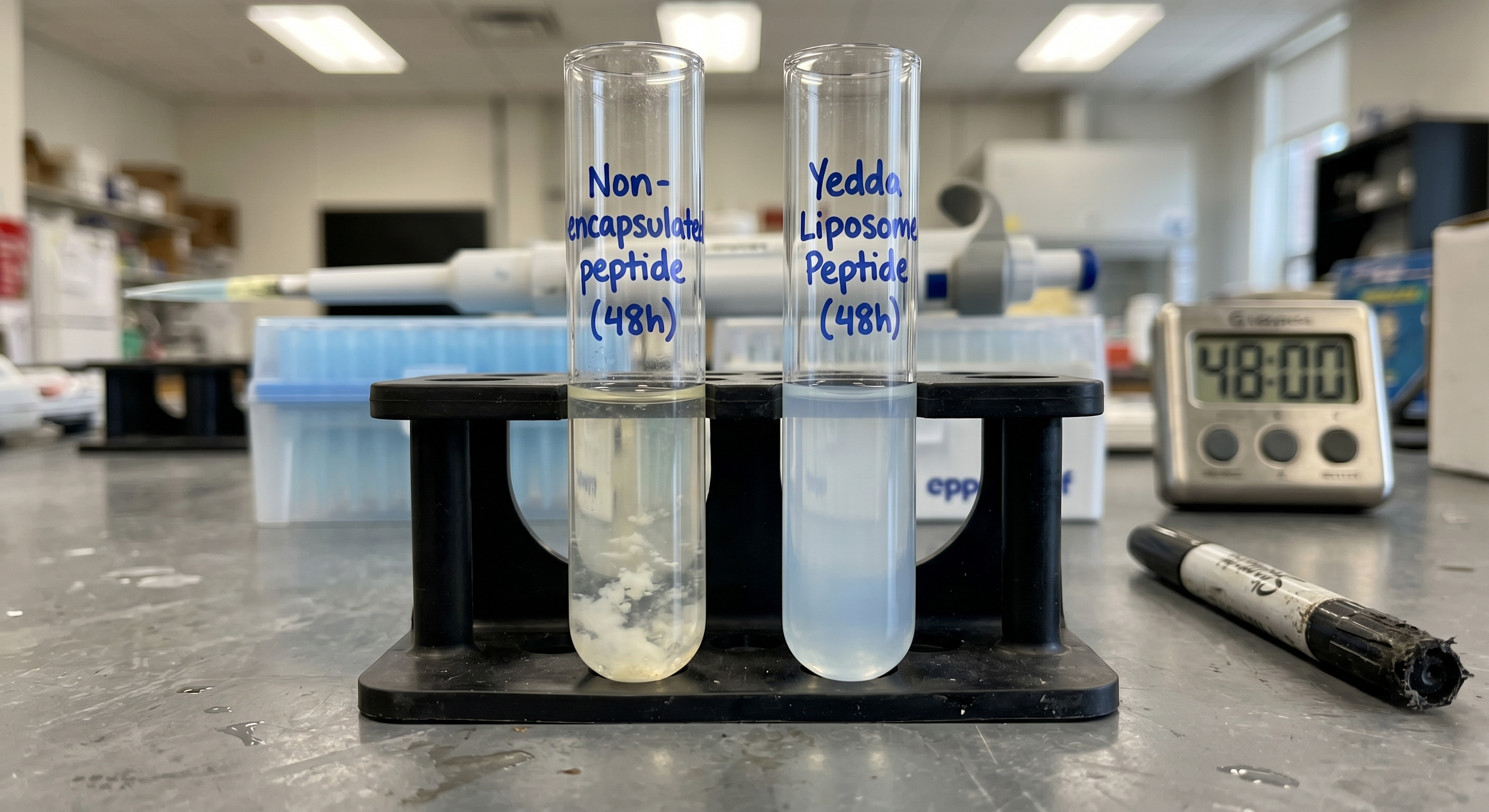
Though peptides boast a smaller molecular weight than raw plant oils, naked peptide chains are incredibly delicate. Research published by the National Center for Biotechnology Information (NCBI) highlights that without advanced delivery carriers—such as Liposome Encapsulation—they can be degraded by surface skin enzymes and proteases before they ever cross the stratum corneum. The presence of advanced liposomal carrier technology is the primary dividing line between supermarket-tier products and clinical-grade formulations.
5. The Protocol: Building the Scalp Preparation Workflow
To unleash the full potential of your peptide investment, you must execute a strict "Clear the Path, Deeply Penetrate" synergetic routine.
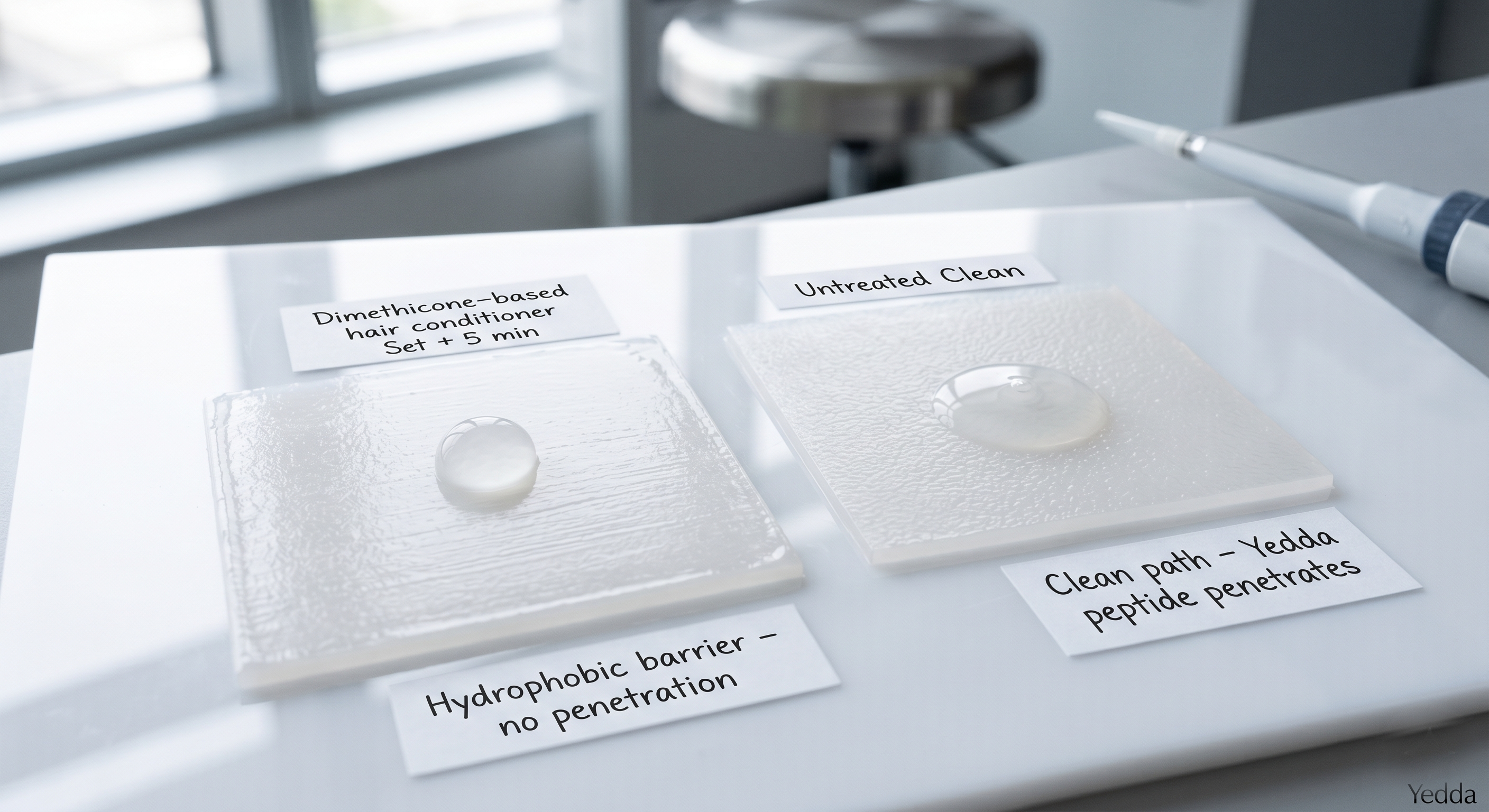
- Step 1: Clinical Cleansing & Path Optimization
Before applying any leave-in treatment, you must thoroughly purge the scalp skin using a shampoo that balances deep cleansing with barrier respect. Understanding the raw chemistry of your cleanser is vital. To audit your current surfactant system and ensure no chemical buildup blockades your peptides, read our in-depth analysis: Surfactants Decoded: SLS, SLES, SCS, and C14-16 Olefin Sulfonate. - Step 2: Enforce the Ear-Line Boundary
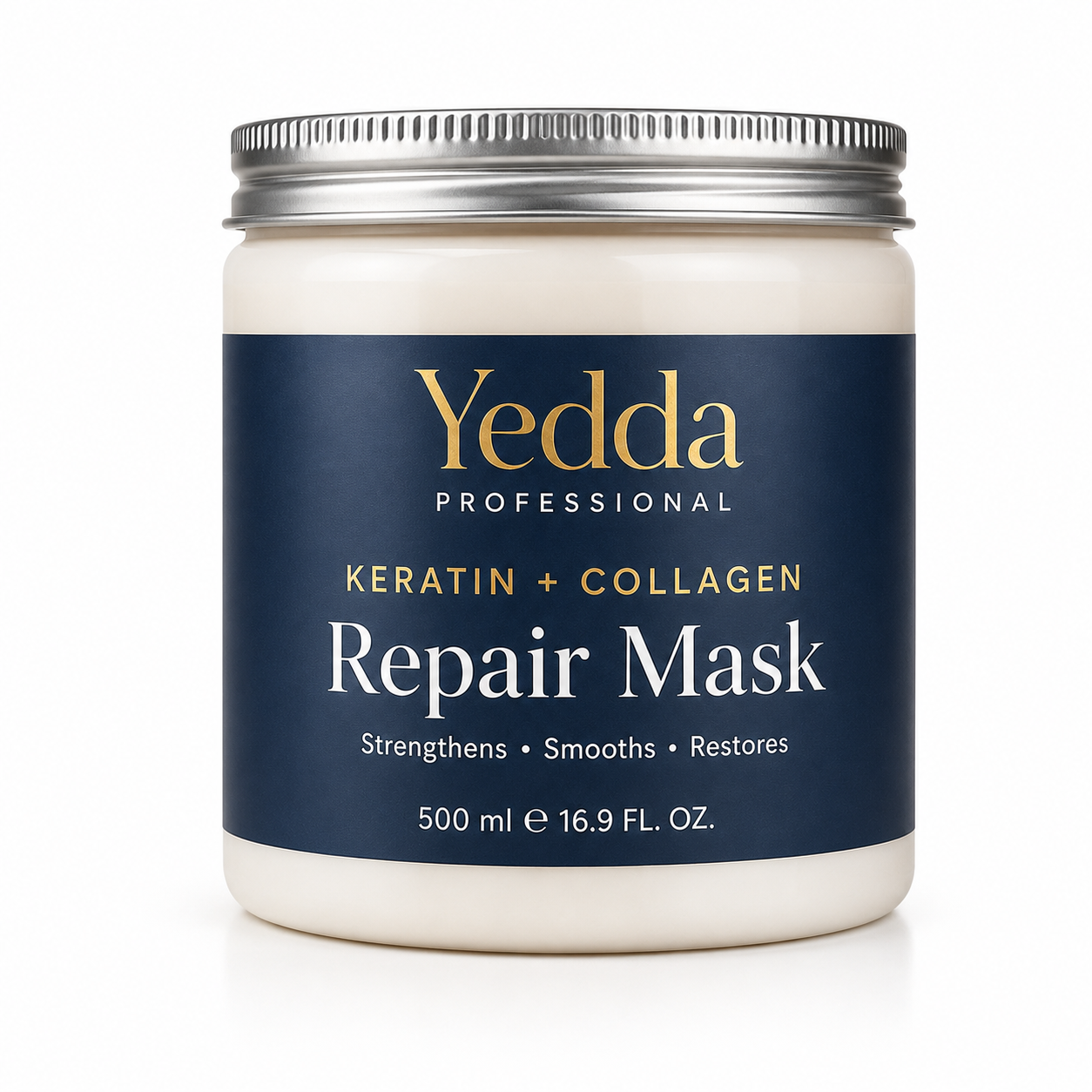
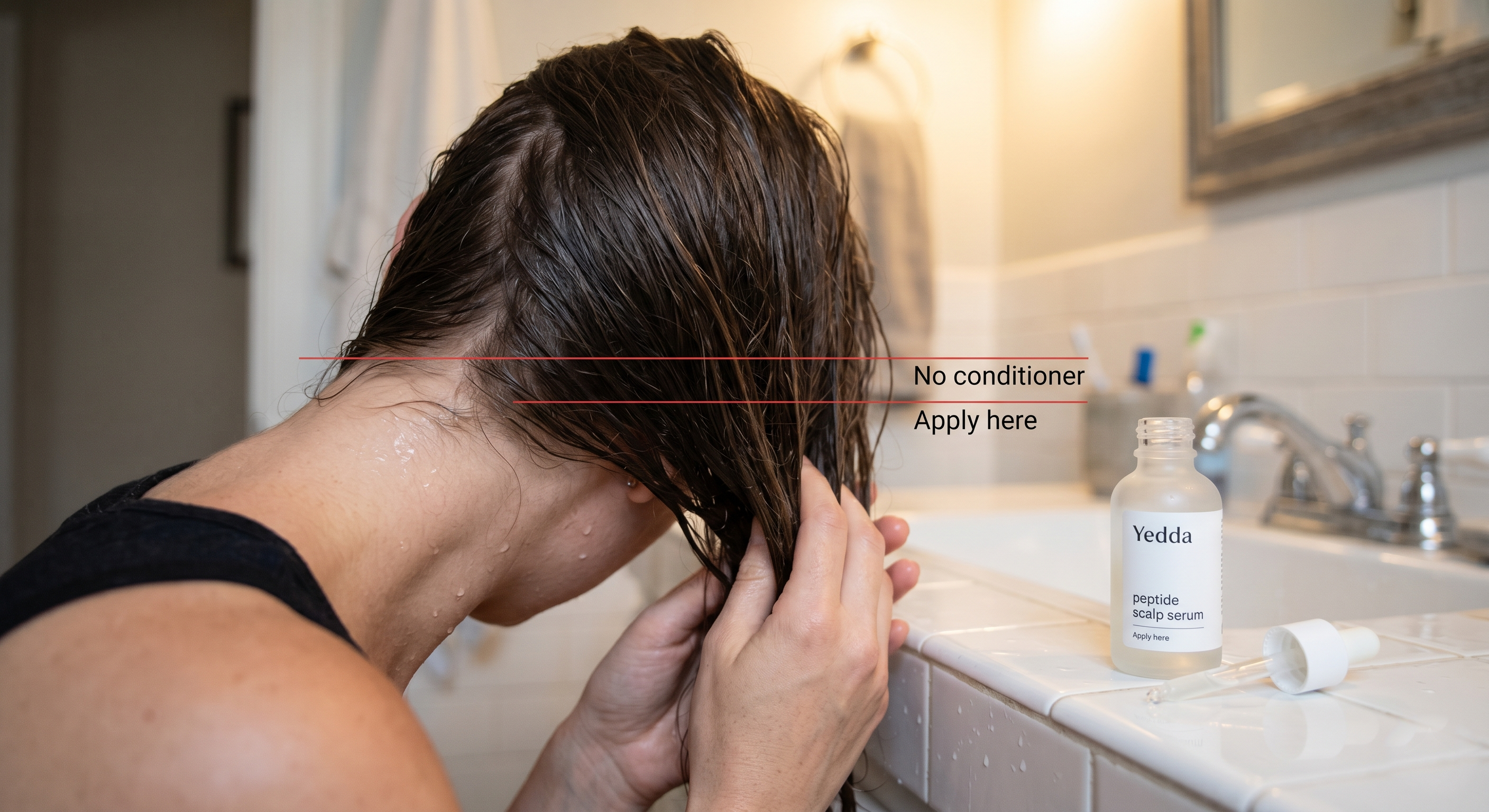
When treating your hair strands, completely isolate conditioning formulas to the hair below your ears. Utilizing a formula like Yedda Deep Repair Seaweed Hair Conditioner ensures your mid-lengths and ends receive targeted biomimetic marine lipids to smooth away frizz, while its clean rinsability completely avoids secondary follicle contamination at the roots.
- Step 3: Target Saturated Penetration
After using a microfiber towel to squeeze out excess water, apply your peptide serum directly along your hair parts while the scalp is damp and the pores are physically relaxed from the warm water. Use your finger pads to massage the serum for 60 seconds. This is the precise moment where your transdermal absorption rate reaches its absolute daily peak.
For independent brands, e-commerce sellers, and enterprise buyers looking to transition away from hyper-saturated generic oil blends toward highly lucrative, clinical-grade scalp anti-aging lines, explore our B2B Custom Hair Care Manufacturing Services. We deliver end-to-end solutions spanning from lab-grade active blending to full GMPC/ISO compliant mass manufacturing.
6. Supply Chain Barriers: Why Advanced Peptide Formulations Depend on Industrial Engineering
For global beauty brands, printing premium peptides on an ingredient label is easy; maintaining their structural integrity inside a factory vat is an entirely different challenge. Because peptides are deeply sensitive to thermal fluctuations and shearing forces, any sub-par manufacturing environment or unstable pH level outside the optimal 5.0–6.0 biological window can cause the peptide chains to undergo irreversible denaturation, rendering the finished batch completely useless.
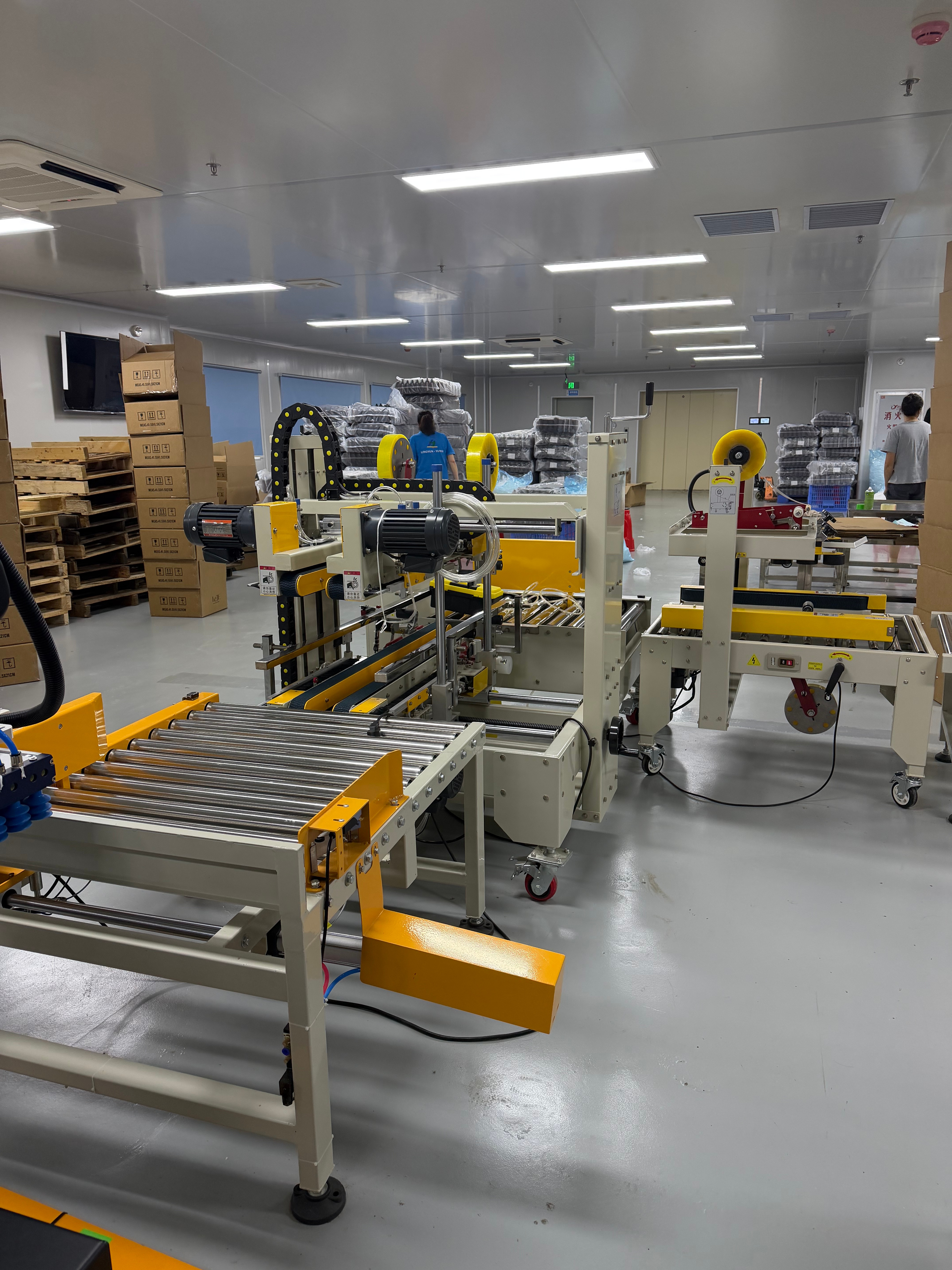
This is why aligning with a highly mechanized manufacturing supply chain is paramount. In our comparative industrial analysis on China vs. USA Shampoo Manufacturing Cost Comparison, we mapped out how leveraging high-precision vacuum homogenizers and microfluidic encapsulation enables brands to lock in maximum active stability across global shipping pipelines while maintaining an optimized cost-per-kilogram structure.
7. Frequently Asked Questions (FAQ)
Q1: Should I buy a peptide shampoo or a leave-in peptide scalp serum?
A: From a formulation perspective, investing in a Leave-in Serum typically yields better results. Peptides are cell-signaling molecules that require continuous contact time to diffuse across the stratum corneum and reach the dermal papilla cells. A shampoo is a rinse-off product designed to be on your head for less than 2 minutes. The high concentration of active surfactants inside a shampoo will encapsulate the peptide molecules and wash them down the drain. Let your shampoo handle cleansing; leave the anti-aging work to your serum.
Q2: Will Copper Tripeptide-1 (GHK-Cu) make my oily scalp even greasier?
A: No, it shouldn't. Copper peptides do not stimulate sebum production. In fact, clinical data shows that GHK-Cu can help dampen localized micro-inflammation caused by lipid peroxidation and free radicals, helping the scalp stabilize its natural water-oil homeostasis. If you experience an oily residue after using a peptide serum, the issue is likely due to the brand using heavy glycols (like propylene glycol) as a solvent base, or inadequate scalp cleansing during your wash step.
Q3: Do peptide serums trigger a "shedding phase" or cause rapid hair loss if I stop using them, like Minoxidil does?
A: No, they do not. Minoxidil is a potent, chemical vasodilator drug that forces hair follicles into an unnatural growth timeline, which often causes an intense initial shedding phase and rapid hair fall-out once you stop usage. Peptides, however, are cosmeceutical cell-messengers. They provide the biological building blocks and structural signals that naturally support the follicle’s inherent rhythm. There is zero drug dependency and no risk of rebound shedding if you stop application.
Q4: If peptides are so effective, why do some affordable mass-market peptide products show no results?
A: The mass beauty market frequently utilizes a strategy known as "concept formulation" or "fairy dusting." A brand might advertise a peptide front-and-center, but if you look closely at the ingredient list, it sits below the preservatives at a concentration under 0.01%—far below the threshold of clinical efficacy. Furthermore, without liposomal delivery engineering, naked peptides can oxidize and degrade inside the bottle. True clinical efficacy requires precise threshold percentages and robust raw material stabilization.
The Bottom Line Summary: True Hair Longevity is supported by extending the Anagen phase and reinforcing the structural anchoring tissue around the hair bulb. Moving toward scientifically advanced solutions like signal peptides represents an exciting frontier in modern hair care. However, to unlock their true potential, you must pair these high-end formulas with scientific, surfactant-balanced cleansing and keep heavy conditioners far away from your roots.
💬 Scalp Diagnosis & Ingredient Check
Are you currently sourcing or evaluating next-generation anti-shedding compounds for your own hair care brand? Or do you want a breakdown of the serums you are currently testing? Drop a comment below with your target formulation profile or your current ingredient list, and our laboratory will break down the physical formulation dynamics for you!