
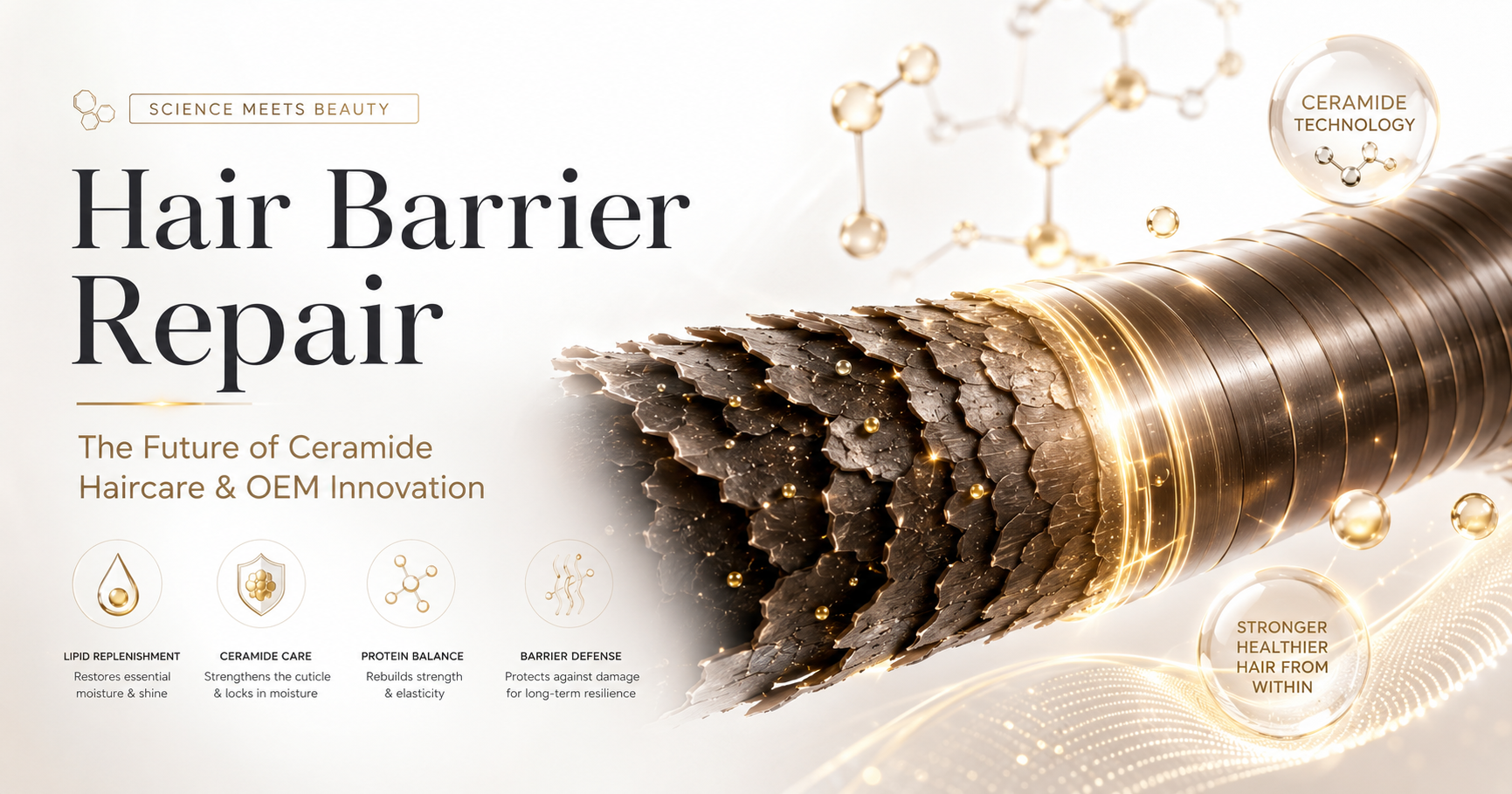
Hair repair has long been one of the most recognizable concepts in the global hair care industry. However, as consumer awareness evolves and scientific research advances, leading brands are shifting their focus from repairing visible damage to restoring the structural integrity of the hair itself. This emerging approach—known as Hair Barrier Repair—is rapidly becoming one of the most influential innovation directions in premium hair care.
For private label brands, distributors, salons, and retailers, understanding the science behind the Hair Barrier offers significant opportunities to develop differentiated product lines with stronger consumer appeal. Instead of promising temporary cosmetic improvements, manufacturers can formulate products that support the hair's natural defense system, optimize Hair Lipid composition, maintain Protein Balance, and incorporate advanced Ceramide Haircare technologies.
This article explores why Hair Barrier Repair is becoming the next evolution beyond traditional hair repair, the scientific mechanisms behind this trend, and how OEM manufacturers can help brands capitalize on this fast-growing premium segment.
Why the Hair Barrier Is Becoming the Future of Hair Care Innovation
For many years, consumers associated healthy hair with smoothness, shine, and softness. While these visible characteristics remain important, researchers now recognize that these surface benefits depend largely on the condition of the hair barrier.
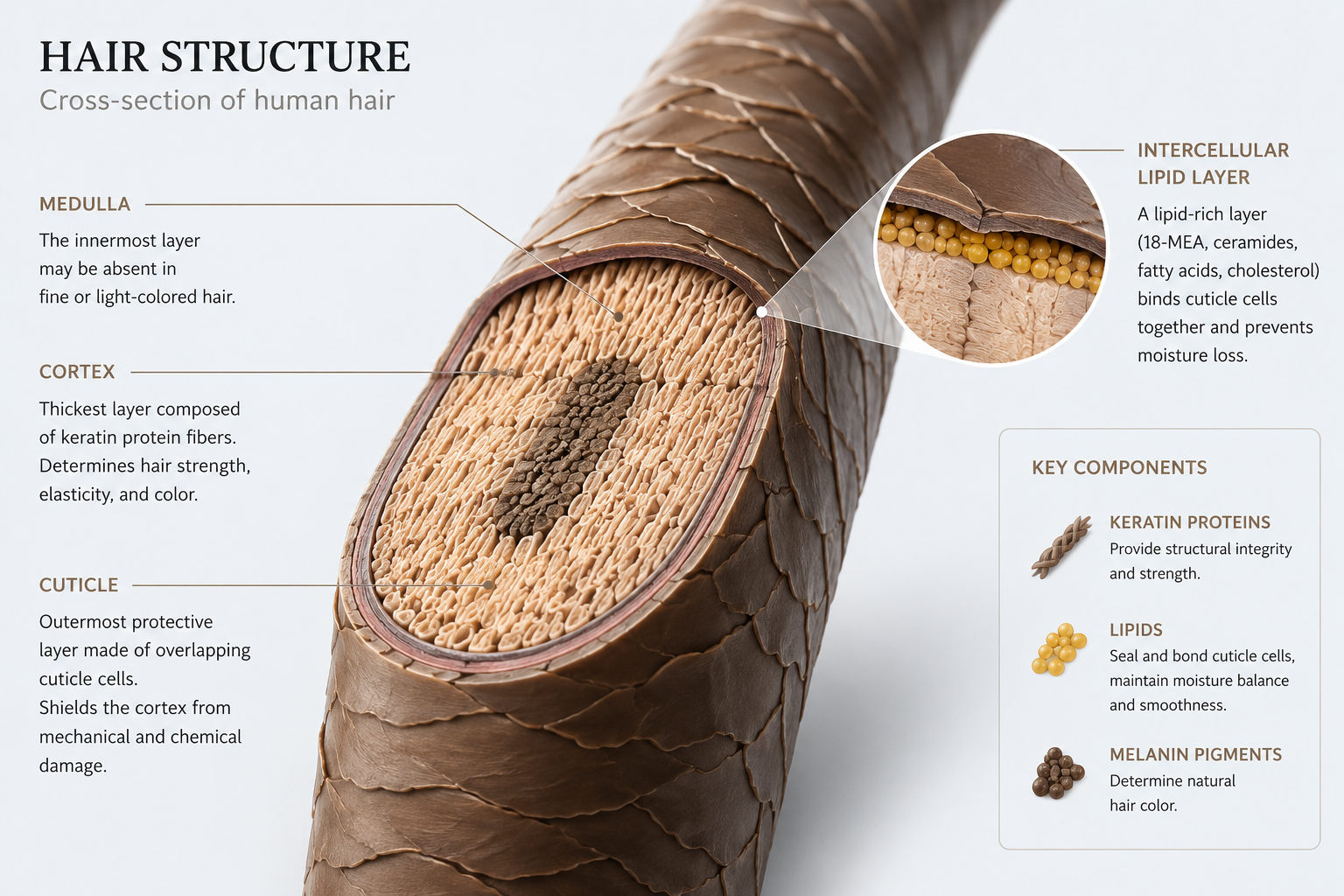
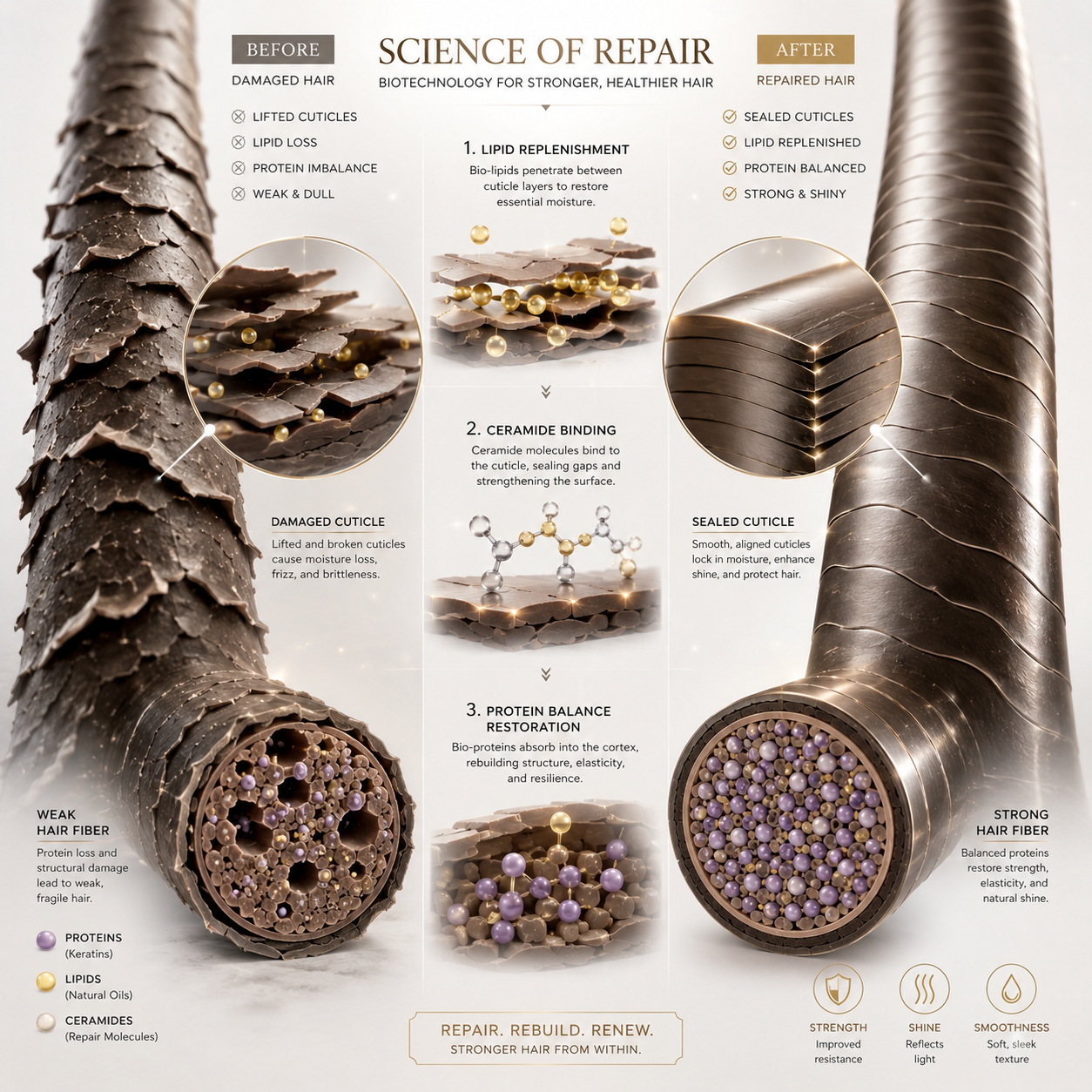
The Hair Barrier is the outer protective structure of each hair fiber. It consists primarily of overlapping cuticle cells that are bonded together by specialized lipids, proteins, and naturally occurring fatty acids. This protective layer helps regulate moisture retention, minimizes mechanical damage, protects internal keratin fibers, and shields hair from environmental stressors such as UV radiation, pollution, chemical treatments, and excessive heat styling.
Once this barrier becomes compromised, the internal cortex rapidly loses moisture and structural stability. As a result, consumers experience common concerns including:
- Dryness and dehydration
- Frizz and poor manageability
- Split ends
- Reduced elasticity
- Color fading
- Increased breakage
- Loss of shine
Unlike conventional repair products that mainly coat the hair surface with conditioning polymers or silicones, modern Hair Barrier Repair formulations focus on rebuilding the structural components responsible for long-term hair health.
This scientific approach aligns closely with the broader "skinification of hair care" trend, where consumers increasingly expect hair care products to function similarly to advanced skincare products.
Understanding Hair Barrier Structure: The Role of Hair Lipid and Protein Balance
To appreciate why Hair Barrier Repair has become such a significant innovation trend, it is essential to understand the biological composition of healthy hair.
Human hair is primarily composed of keratin proteins, but proteins alone cannot maintain flexibility or resilience. Equally important are the intercellular lipids that bind cuticle cells together.
These naturally occurring Hair Lipid components include:
- 18-MEA (18-Methyleicosanoic Acid)
- Ceramides
- Cholesterol derivatives
- Fatty acids
- Lipid membranes between cuticle layers
These lipids function similarly to the lipid matrix found in healthy skin. They create a hydrophobic protective barrier that prevents excessive water loss while minimizing penetration of damaging external substances.
Unfortunately, common hair treatments significantly reduce Hair Lipid content. Frequent bleaching, coloring, chemical straightening, perming, excessive shampooing, and thermal styling gradually strip away these essential lipids.
As lipid levels decline, Protein Balance is also disrupted. Water enters and exits the cortex too rapidly, causing repeated swelling and contraction of the hair shaft. Over time, keratin proteins become increasingly vulnerable to fragmentation and mechanical damage.
This relationship between Hair Lipid depletion and Protein Balance disruption explains why many traditional repair products deliver only temporary improvements. Surface conditioning alone cannot restore the biological architecture responsible for long-term fiber integrity.
Why Ceramide Haircare Is Gaining Global Attention
Among all Hair Barrier Repair ingredients, ceramides have become one of the fastest-growing categories in premium hair care.
Ceramides are naturally occurring lipid molecules found in both skin and hair. In skincare, they are widely recognized for restoring compromised skin barriers. Hair care scientists are now applying similar principles to damaged hair fibers.
Modern Ceramide Haircare formulations aim to replenish lost intercellular lipids, reinforce cuticle cohesion, improve moisture retention, reduce friction during brushing, and increase resistance to future damage.
Instead of simply coating the hair surface, advanced ceramide technologies integrate into damaged cuticle regions, helping restore structural stability while improving overall cosmetic performance.
This approach has become especially attractive for consumers who frequently color or bleach their hair, as these treatments dramatically reduce the natural lipid layer.
Premium brands increasingly combine ceramides with additional barrier-support ingredients such as:
- Plant-derived phytoceramides
- Squalane
- Fatty alcohols
- Amino acids
- Hydrolyzed proteins
- Peptides
- Argan oil
- Camellia seed oil
Together, these ingredients help create comprehensive Hair Barrier Repair systems that address both lipid replenishment and Protein Balance simultaneously.
Hair Barrier Repair vs Traditional Hair Repair: What's the Difference?
Although both concepts aim to improve hair health, they differ significantly in formulation philosophy and long-term performance.
| Traditional Hair Repair | Hair Barrier Repair |
|---|---|
| Focuses on visible cosmetic improvements | Focuses on restoring structural integrity |
| Primarily coats damaged hair | Supports internal barrier function |
| Short-term softness | Long-term resilience |
| Heavy use of silicones | Lipid replenishment and protein optimization |
| Immediate shine | Improved moisture retention |
| Temporary conditioning | Progressive strengthening |
This shift represents one of the biggest formulation changes in premium hair care over the past decade. Consumers are increasingly seeking products that deliver measurable improvements rather than temporary cosmetic masking.
Market Trends Driving Hair Barrier Repair Innovation
Several industry trends are accelerating demand for Hair Barrier Repair technologies.
First, consumers are performing more chemical services than ever before, including bleaching, balayage, vivid coloring, keratin treatments, and heat styling. These services significantly compromise the Hair Barrier, creating ongoing demand for restorative products.
Second, social media platforms have dramatically increased consumer awareness of ingredient science. Terms such as "ceramides," "hair lipids," "protein overload," and "barrier repair" are becoming familiar even among everyday consumers.
Third, the convergence of skincare and hair care has encouraged brands to introduce scientifically supported ingredients with recognizable benefits.
According to the Cosmetics Europe, consumers increasingly expect cosmetic products to combine proven efficacy with scientifically validated ingredients, driving greater demand for innovation across personal care categories.
Similarly, the U.S. National Library of Medicine (NCBI) has published numerous studies highlighting the critical role of lipid composition and protein integrity in maintaining healthy hair fiber performance.
These scientific developments provide OEM manufacturers with new opportunities to create premium formulations that move beyond traditional conditioning toward comprehensive Hair Barrier restoration.
How OEM Manufacturers Can Develop High-Performance Hair Barrier Repair Products
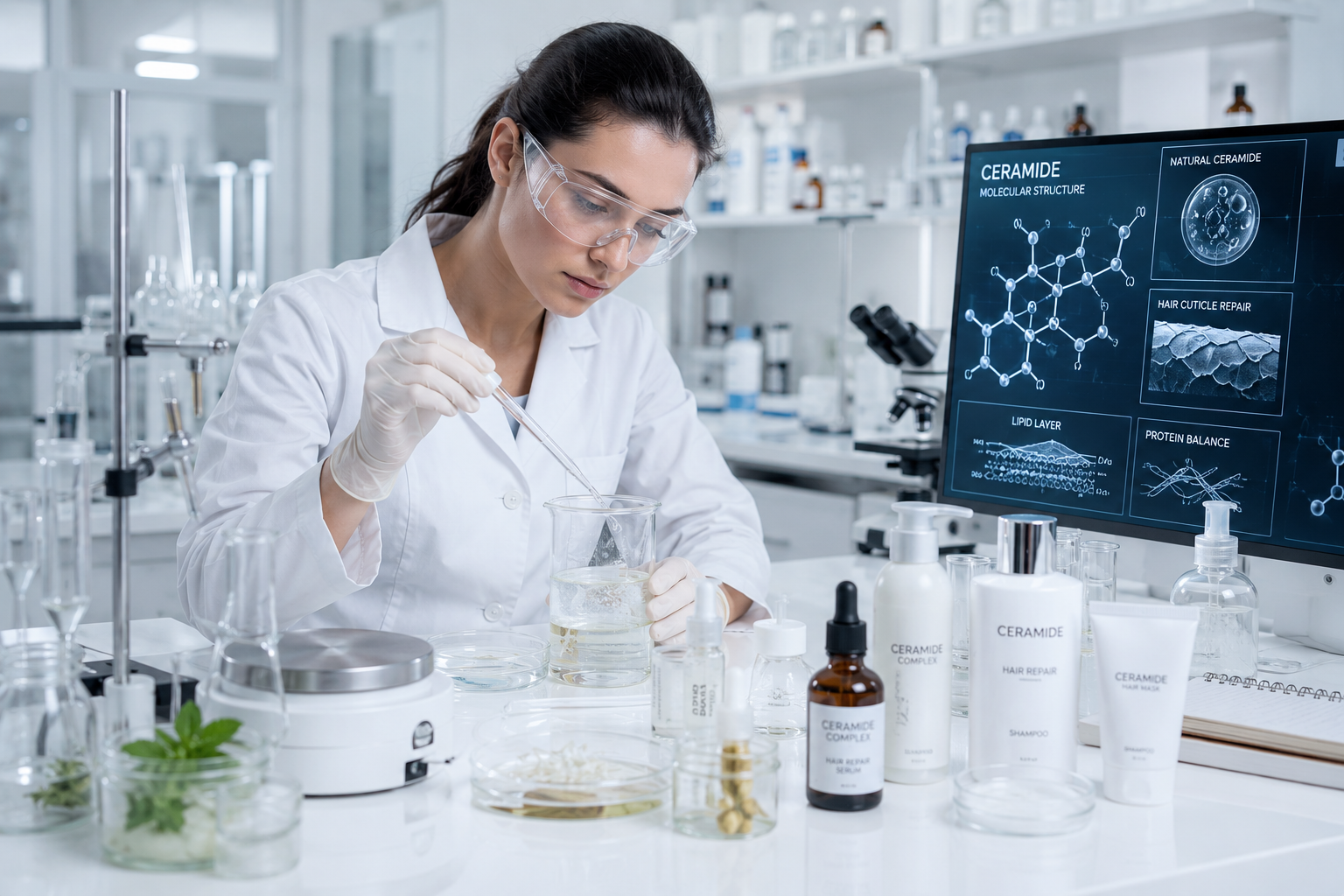
For OEM and private label manufacturers, the rise of Hair Barrier Repair is more than a formulation trend—it represents an opportunity to help brands create premium, science-backed products with long-term market differentiation.
Unlike conventional moisturizing shampoos that rely primarily on conditioning agents, modern barrier-focused formulations require a balanced combination of lipid restoration, protein optimization, gentle cleansing systems, and clinically recognized active ingredients. Successful product development starts with understanding how these components work together rather than relying on a single "hero ingredient."
A comprehensive Hair Barrier Repair product line often includes:
- Sulfate-free shampoos that minimize lipid removal during cleansing.
- Barrier-repair conditioners enriched with ceramides and fatty acids.
- Weekly intensive repair masks containing hydrolyzed proteins and amino acids.
- Leave-in serums designed to reinforce the cuticle and reduce moisture loss.
- Heat protection sprays that help preserve the Hair Barrier during styling.
From a manufacturing perspective, product texture, pH control, ingredient compatibility, preservation systems, and stability testing all influence the effectiveness of a Hair Barrier Repair formulation. OEM manufacturers with strong R&D capabilities can customize ingredient combinations according to target markets, pricing strategies, and consumer preferences.
Protein Balance: Why More Protein Is Not Always Better
One of the biggest misconceptions in hair care is that damaged hair simply needs more protein. In reality, maintaining Protein Balance is far more important than maximizing protein concentration.
Healthy hair requires an appropriate balance between moisture, lipids, and structural proteins. Excessive protein without adequate lipid support may cause hair fibers to become rigid, brittle, and more susceptible to breakage.
Likewise, excessive moisturizing ingredients without sufficient structural reinforcement can leave hair overly soft, weak, and lacking elasticity.
Modern Hair Barrier Repair formulations therefore focus on restoring equilibrium rather than treating every damaged hair type identically.
Common protein-support ingredients include:
- Hydrolyzed Keratin
- Hydrolyzed Wheat Protein
- Hydrolyzed Rice Protein
- Silk Protein
- Collagen Peptides
- Plant-derived Amino Acids
When these ingredients are paired with Hair Lipid replenishment technologies such as ceramides, cholesterol derivatives, and botanical oils, they create a synergistic system that improves strength while maintaining flexibility.
Hair Lipid Restoration: Rebuilding the Protective Layer
Hair Lipids function as the "cement" that binds cuticle cells together. Once depleted through chemical treatments or environmental stress, the hair becomes increasingly porous and vulnerable to damage.
Barrier-focused formulations aim to restore this protective lipid matrix using carefully selected ingredients that closely resemble naturally occurring hair lipids.
Popular lipid-replenishing ingredients include:
- Ceramides
- 18-MEA alternatives
- Squalane
- Sunflower Seed Oil
- Argan Oil
- Camellia Seed Oil
- Jojoba Esters
- Phospholipids
Rather than simply coating the hair surface, these ingredients help reduce friction between cuticle layers, improve moisture retention, and support smoother, shinier hair over time.
Many premium brands now promote Hair Lipid restoration as an essential step for maintaining healthy hair after coloring, bleaching, and frequent heat styling.
Ceramide Haircare Is Becoming a Premium Product Category
Over the past few years, ceramides have evolved from a niche ingredient into one of the most recognized technologies in premium beauty products. As consumers become familiar with ceramide-based skincare, they increasingly expect similar benefits in hair care.
Ceramide Haircare products are now positioned as advanced repair solutions rather than ordinary conditioners. Premium positioning often emphasizes:
- Barrier restoration
- Long-lasting hydration
- Reduced breakage
- Improved elasticity
- Smoother cuticles
- Enhanced shine
- Protection against future damage
For private label brands, incorporating ceramide technology creates opportunities to develop higher-value product ranges with stronger consumer trust and premium pricing potential.
Hair Barrier Repair Across Different Hair Types
One of the advantages of Hair Barrier Repair technology is its versatility across multiple consumer segments.
| Hair Type | Barrier Challenges | Recommended Solution |
|---|---|---|
| Bleached Hair | Severe lipid depletion | Ceramide Haircare + Hair Lipids |
| Color-Treated Hair | Cuticle damage | Protein Balance + Moisture Protection |
| Curly Hair | Natural dryness | Lipid-rich conditioning systems |
| Fine Hair | Weak structural support | Lightweight protein optimization |
| Mature Hair | Reduced natural lipids | Barrier-restoring lipid complexes |
| Heat-Damaged Hair | Cuticle erosion | Comprehensive Hair Barrier Repair routine |
This flexibility allows manufacturers to build complete product portfolios targeting multiple consumer needs while maintaining a unified Hair Barrier Repair positioning.
Global Market Trends Supporting Hair Barrier Innovation
Market research indicates that consumers increasingly prefer multifunctional products that combine immediate cosmetic improvements with long-term hair health benefits.
According to Grand View Research, premium hair care continues to outperform many traditional beauty segments as consumers invest in higher-performance formulations supported by ingredient science.
In addition, reports from Mintel show growing consumer interest in biomimetic ingredients, scalp health, and barrier-focused beauty concepts, reflecting the broader "skinification" movement across personal care.
These trends indicate that Hair Barrier Repair is likely to remain a key innovation platform for years to come rather than a short-term marketing trend.
Why Hair Barrier Repair Creates New Opportunities for Private Label Brands
Private label brands face increasing competition in both online and offline retail channels. Consumers are no longer satisfied with generic claims such as "repair damaged hair" or "smooth and shiny." Instead, they seek products backed by scientific concepts, recognizable ingredients, and transparent formulation strategies.
Hair Barrier Repair provides exactly this opportunity.
By combining Hair Barrier, Hair Lipid, Ceramide Haircare, and Protein Balance into one cohesive product story, brands can communicate measurable benefits that resonate with today's informed consumers while differentiating themselves from traditional repair products.
For OEM manufacturers, investing in advanced barrier-repair technologies, customized formulations, and clinically inspired ingredient systems will help clients launch innovative products that meet the growing demand for premium, science-driven hair care.
Future Outlook: Hair Barrier Repair as the Core of Next-Generation Hair Care
The evolution of hair care is clearly moving toward a science-driven, skin-inspired formulation philosophy. As consumers become more educated about ingredient functions and long-term hair health, brands can no longer rely solely on cosmetic claims such as “smooth,” “shine,” or “repair damage.” Instead, they must demonstrate how products actively support the biological structure of hair.
Hair Barrier Repair is emerging as a foundational concept in this transformation. By focusing on the restoration of the Hair Barrier, replenishment of Hair Lipid, stabilization of Protein Balance, and integration of advanced Ceramide Haircare technologies, brands can create a new generation of high-performance products that deliver both immediate cosmetic results and long-term structural benefits.
For OEM and private label manufacturers, this represents a strategic shift from “product supply” to “innovation partnership.” Companies that can provide clinically inspired formulations, scalable production systems, and trend-aligned ingredient strategies will become key players in the global premium hair care market.
Looking ahead, Hair Barrier Repair is expected to merge with other emerging trends such as scalp microbiome care, hair longevity science, and climate-adaptive formulations, forming a complete ecosystem of advanced hair wellness solutions.
Industry References and Scientific Sources
Below are selected industry and scientific resources supporting the development of Hair Barrier Repair concepts and modern hair fiber science:
- Cosmetics Design Europe – Hair Care Industry Insights
- NCBI PubMed Central – Hair Fiber Structure and Lipid Research
- Mintel Beauty & Personal Care Reports
- Grand View Research – Hair Care Market Analysis
Frequently Asked Questions (FAQ) About Hair Barrier Repair
1. What is Hair Barrier Repair in hair care?
Hair Barrier Repair refers to a scientific approach to hair treatment that focuses on restoring the protective outer structure of the hair fiber. Instead of only improving surface appearance, it works on rebuilding the Hair Barrier, replenishing Hair Lipid levels, and improving internal structural stability.
2. How does Ceramide Haircare help damaged hair?
Ceramide Haircare helps repair damaged hair by replenishing natural lipid components found between cuticle layers. This improves moisture retention, reduces friction, enhances smoothness, and strengthens the hair against future damage.
3. What is the role of Hair Lipid in hair health?
Hair Lipid acts as a protective bonding material between cuticle cells. It prevents excessive moisture loss, protects against environmental damage, and helps maintain smooth, flexible, and resilient hair fibers.
4. Why is Protein Balance important in hair repair products?
Protein Balance ensures that hair receives the right amount of structural reinforcement without becoming stiff or brittle. Too much protein can make hair rigid, while too little can weaken its structure. A balanced formulation supports both strength and flexibility.
Conclusion for OEM and Private Label Brands
As the global hair care market becomes increasingly competitive, differentiation depends on scientific credibility and formulation innovation. Hair Barrier Repair offers a powerful framework for brands to reposition themselves from basic cosmetic providers to advanced hair science solution developers.
For manufacturers, the opportunity lies in integrating advanced lipid technology, protein optimization systems, and ceramide-based formulations into scalable private label solutions. This enables brand clients to launch high-performance products aligned with global trends in scalp health, hair longevity, and clean performance beauty.
Ultimately, the future of hair care will not be defined by temporary repair, but by long-term barrier restoration—and the brands that adopt this shift early will gain a strong competitive advantage in the international market.