
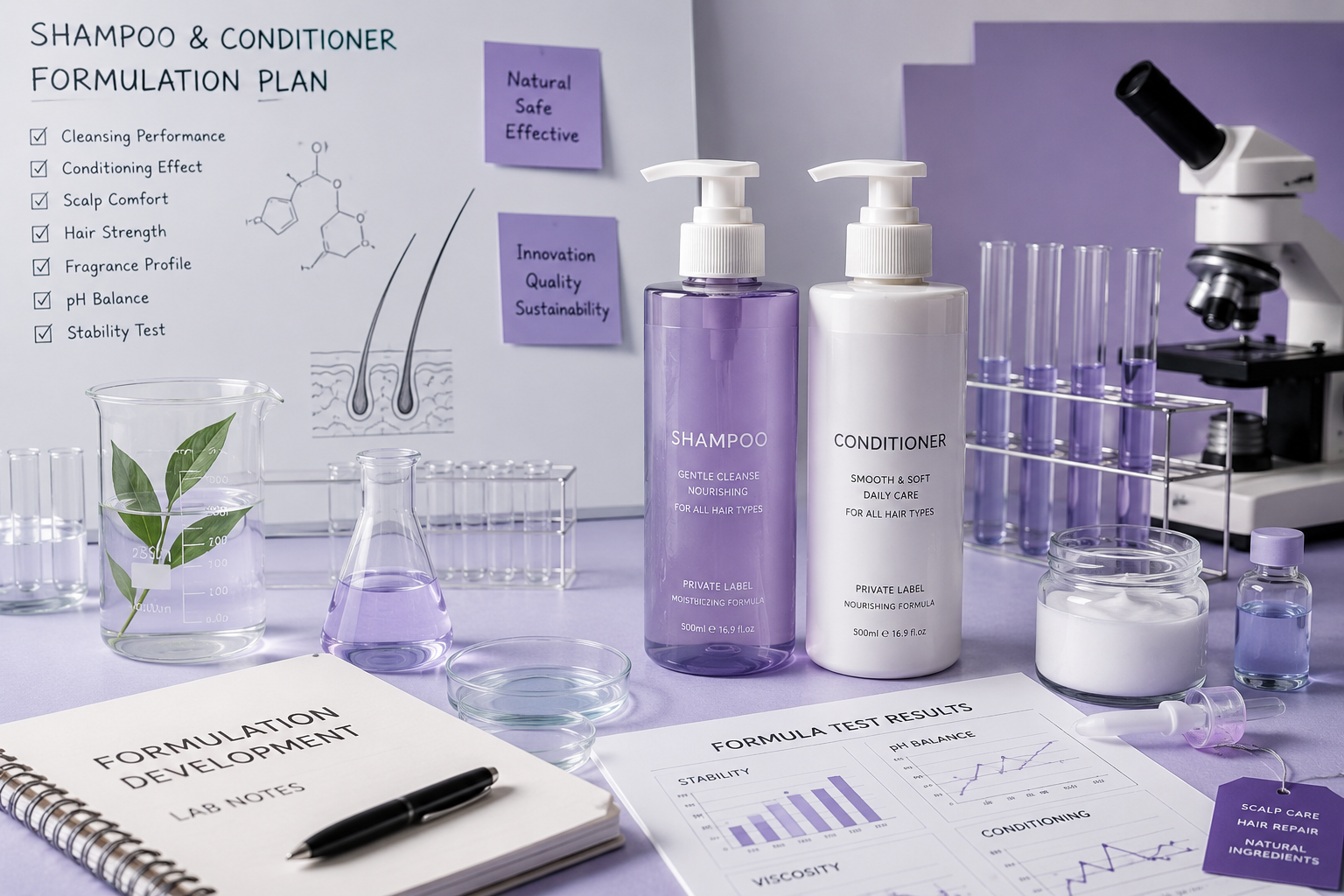
For any B2B hair care brand, identifying bestselling shampoo and conditioner products is a core step in building a profitable product line, whether you're launching a new private label shampoo and conditioner range or scaling existing offerings. In an increasingly competitive global market, brands must combine data‑driven insights, consumer trends, and strategic supplier partnerships — including choosing the right OEM shampoo and conditioner manufacturer and reliable bulk shampoo and conditioner supplier — to stand out and drive growth.
Why Understanding Market Demand Matters for Hair Care Brands
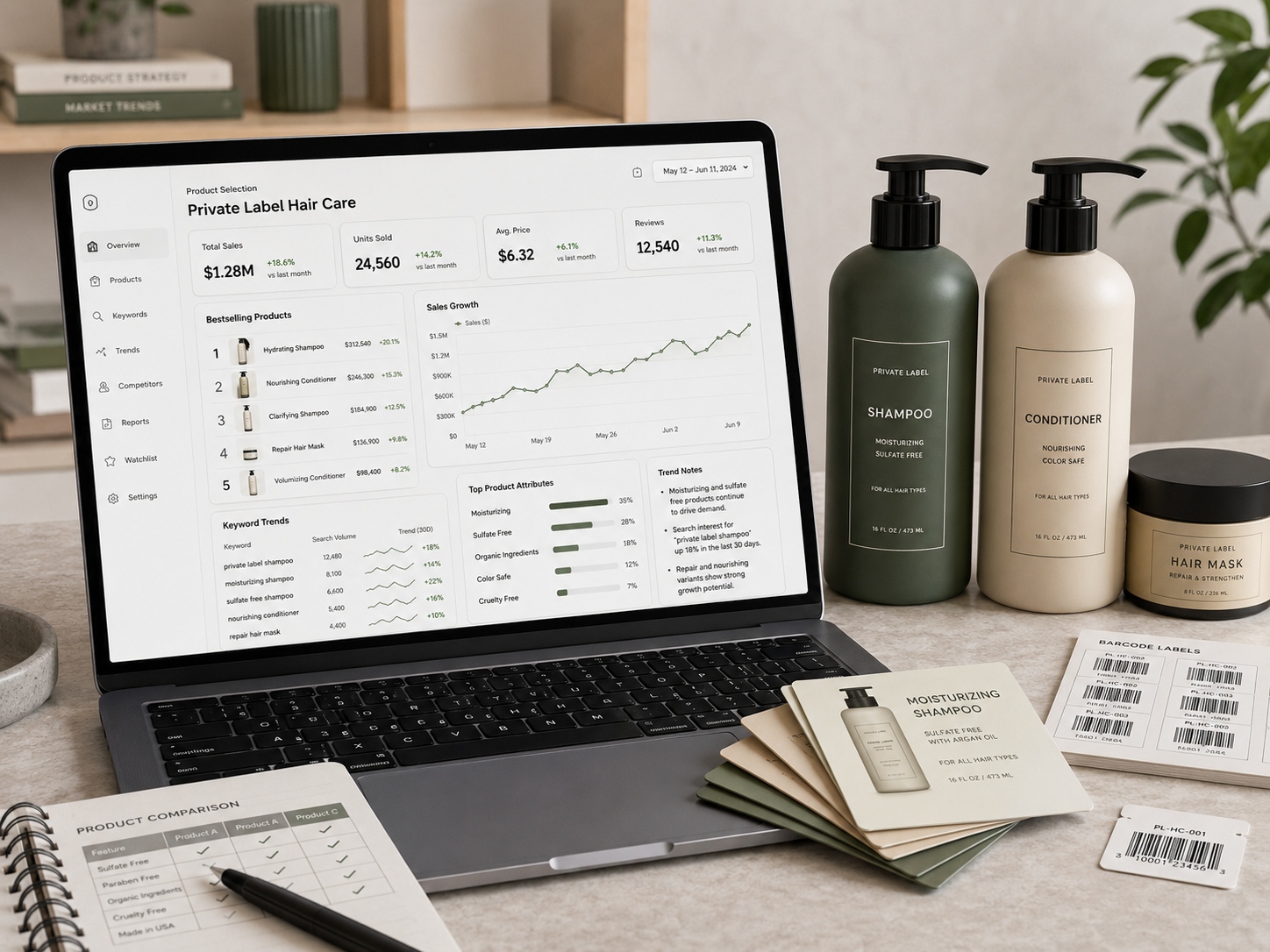
Before diving into product development or supplier selection, understanding what consumers want is essential. Industry analysts forecast that the global hair care market will continue growing, driven by increasing demand for specialized products such as scalp care shampoo and sulfate‑free shampoo and conditioner formulations. According to a report by Grand View Research, the global hair care market size was valued at over $87 billion in 2025 with a compound annual growth rate (CAGR) exceeding 4% through 2030.
Furthermore, a consumer survey by industry publication Statista shows that over 60% of buyers now look for natural or free‑from ingredients when choosing hair care products. This trend not only influences consumer purchase behavior but also directly impacts B2B buying decisions when retailers and distributors choose which products to offer.
Analyzing Consumer Trends in Hair Care
To identify bestselling shampoo and conditioner products, brands must analyze current and emerging consumer preferences. Some of the most significant trends shaping the category include the following:
- Demand for sulfate‑free shampoo and conditioner as consumers seek gentler cleansing formulas.
- Rising interest in products targeting specific needs, such as scalp care shampoo for dandruff or sensitive scalp issues.
- Repair and nourishment formulations, particularly hair repair shampoo and conditioner products that address damage, dryness, and split ends.
- Growth of natural shampoo and conditioner segments, driven by clean beauty and eco‑friendly preferences.
These trends reflect a shift from one‑size‑fits‑all products toward more personalized hair care solutions. Consumer preferences are now driving brands to innovate and differentiate their offerings.
Using Sales Data to Identify Bestselling Products
Another reliable way to determine what products are likely to be bestsellers is by analyzing sales data, both within your current portfolio and across the broader market. Retail point‑of‑sale (POS) systems, ecommerce analytics, and partner distribution data can provide insights into which SKU combinations perform best by volume and margin.
Third‑party market intelligence services such as NielsenIQ and Euromonitor publish annual hair care performance reports that rank top‑selling formulations globally and regionally. For example, sulfate‑free and repair‑oriented segments consistently rank among the fastest‑growing categories in North America and Europe, suggesting strong long‑term demand.
Product Categories with High Bestseller Potential
Not all shampoo and conditioner products are created equal when it comes to market demand. The following categories have demonstrated consistent growth and consumer popularity, making them strong candidates for inclusion in your product line:
Sulfate‑Free Shampoo and Conditioner
Sulfates such as sodium lauryl sulfate (SLS) and sodium laureth sulfate (SLES) have historically been used for their foaming ability, but they can also strip natural oils from hair. As a result, consumers increasingly prefer formulas labeled as sulfate‑free shampoo and conditioner. This trend is supported by multiple consumer behavior reports showing enhanced preference for gentler cleansing products in younger demographics.
Scalp Care Shampoo
The scalp care category has emerged as one of the most exciting segments within hair care. With rising awareness of scalp health implications such as dryness, itchiness, and sensitivity, scalp care shampoo products often command higher price points and stronger loyalty. Brands that offer targeted scalp solutions — with ingredients like tea tree oil, salicylic acid, and niacinamide — frequently experience repeat purchases.
Hair Repair Shampoo and Conditioner
Damage repair remains a dominant theme in hair care, especially as consumers seek solutions for chemically treated or heat‑styled hair. Hair repair shampoo and conditioner products, often enriched with keratin, biotin, and amino acids, address these needs directly. These formulas tend to perform well across retail and online channels, driven by both performance claims and ingredient transparency.
Natural Shampoo and Conditioner
Advances in botanical science and consumer preference for cleaner products have elevated the natural shampoo and conditioner segment. These formulations emphasize plant‑derived ingredients, minimal synthetics, and eco‑conscious packaging. According to a 2025 report by Allied Market Research, the clean beauty category, including natural hair care, is projected to grow at a CAGR of over 5.5% through 2030.
How Private Label Brands Can Capitalize on Trends
Once you have identified high‑demand product categories, the next step is to determine how your brand can develop a competitive edge. For many B2B companies, this process begins by working with a reputable OEM shampoo and conditioner manufacturer that understands current market dynamics and can assist in formulation, testing, and packaging.
A professional OEM partner will help brands choose the right ingredient profiles, adjust SKU variants, and ensure compliance with safety and regulatory standards — all of which contribute to creating products that resonate with consumers and retailers alike.
Selecting the Right OEM and Bulk Supplier
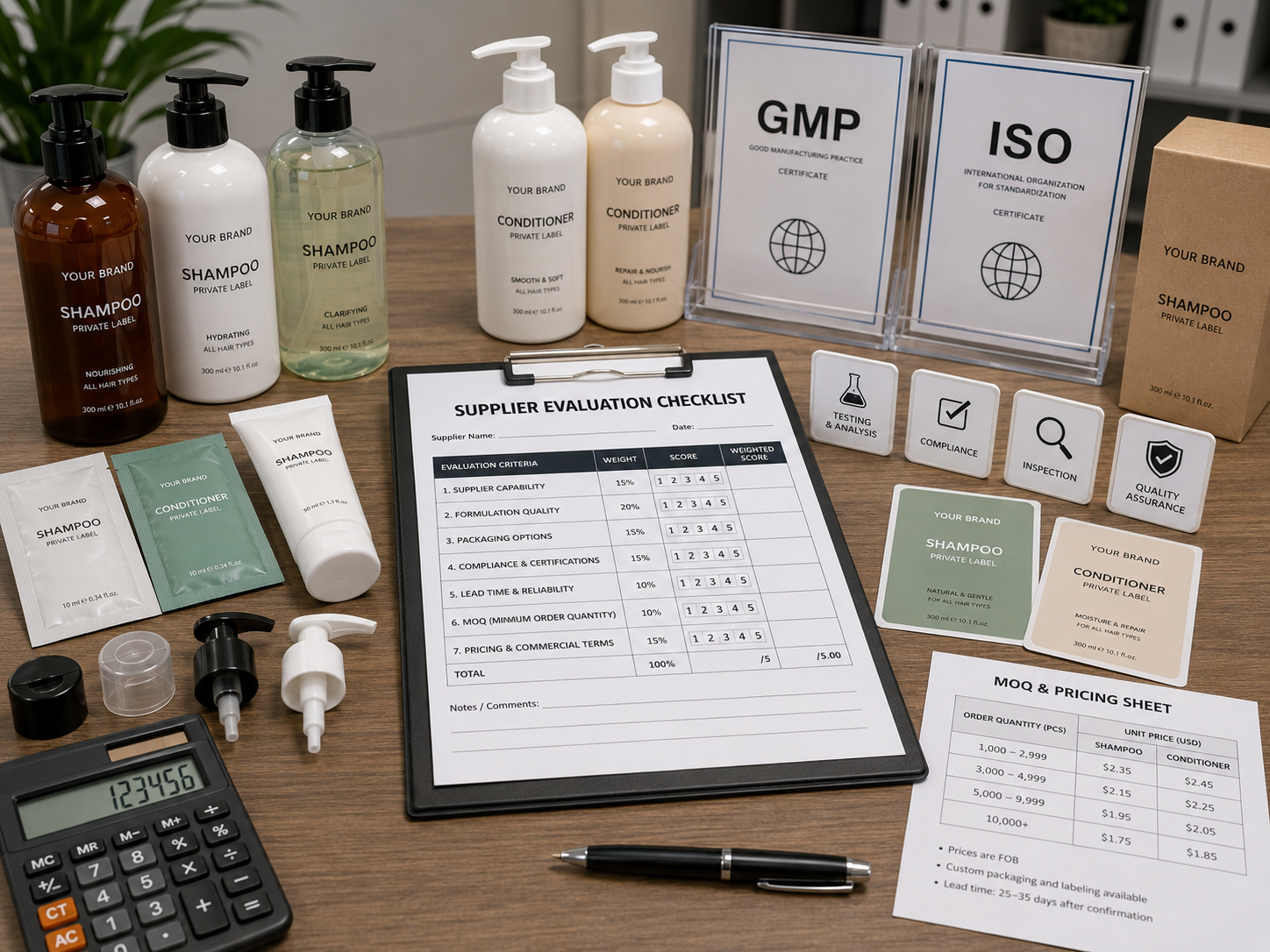
Partnering with the appropriate OEM shampoo and conditioner manufacturer and bulk shampoo and conditioner supplier is paramount for B2B brands seeking to produce high‑quality products at scale. Here are key evaluation criteria:
- Formulation Expertise: A partner with deep expertise in formulating sulfate‑free shampoo and conditioner and specialty products such as scalp care shampoo.
- Quality Control: Rigorous testing and consistent batch quality to ensure product performance.
- Compliance & Safety: Certifications such as GMP, ISO, and adherence to regional cosmetic regulations.
- MOQ Flexibility: Bulk supply options that accommodate startups and scaling brands.
- Customization Support: Labeling, packaging variants, and ingredient flexibility to match brand positioning.
Building a strong relationship with your manufacturer not only impacts product quality and consistency but also influences cost structure and time‑to‑market.
Competitive Benchmarking and Trend Monitoring
Keeping an eye on competitors and broader market trends is also a critical part of identifying potential bestsellers. Tools that can assist include:
- Ecommerce analytics platforms that track top‑selling SKUs on marketplaces like Amazon, Walmart, and Shopify.
- Retail scanner data from services like IRI and Nielsen measuring retail category performance.
- Social listening tools to gauge consumer sentiment and emerging preferences in categories like natural shampoo and conditioner.
Benchmarking against successful products enables brands to refine their formulation, positioning, and marketing strategies in alignment with real‑world data.
Optimizing Your Product Line for Launch
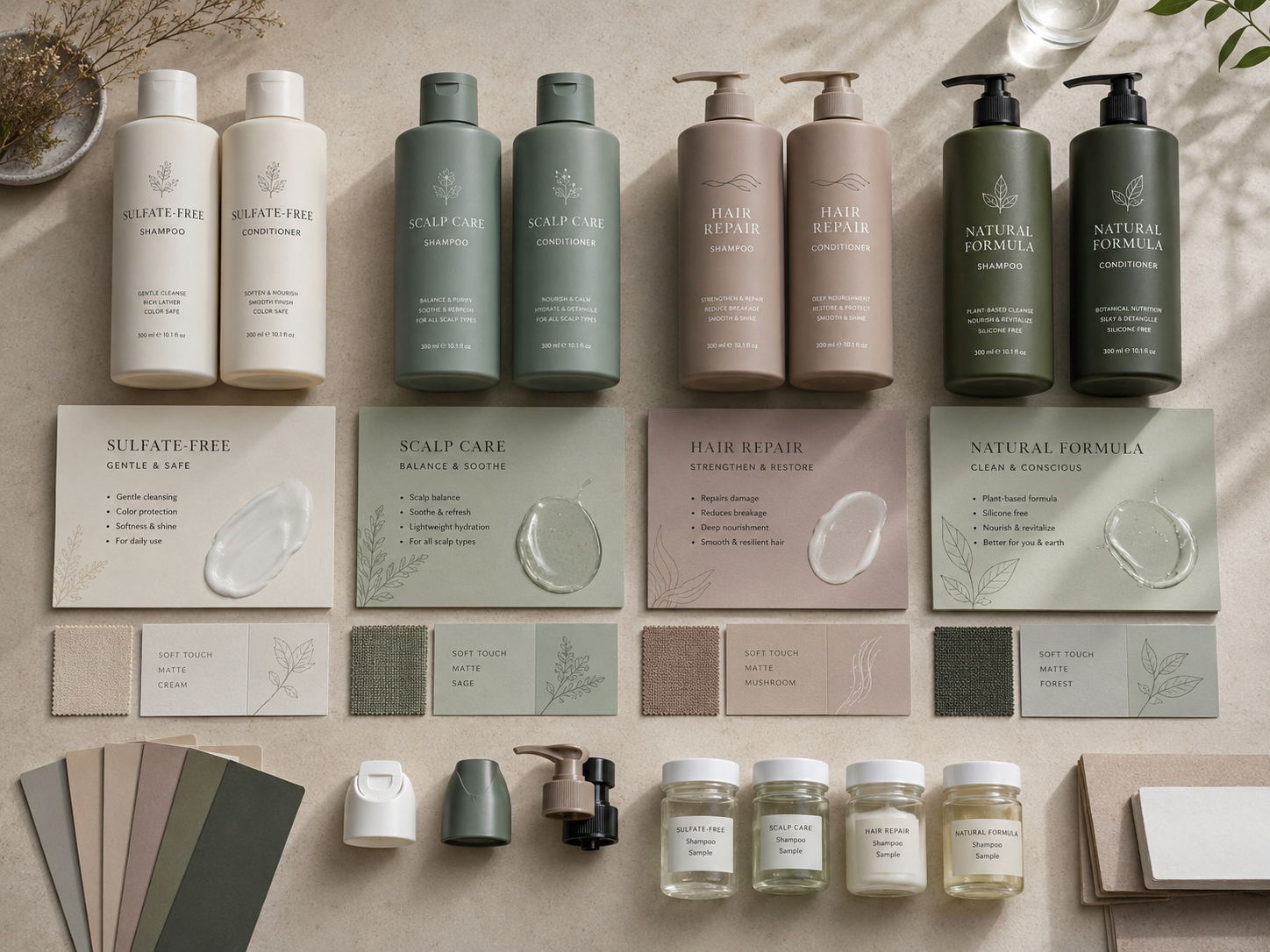
When you’ve identified categories with high demand and chosen your formulation and supply partners, the final phase before launch is optimizing your product line. This typically includes:
- Validation of product claims through performance testing and consumer panels.
- Packaging design optimized for brand story and shelf appeal.
- Pricing strategy that balances profitability with market expectations.
- Marketing messaging that highlights benefits such as damage repair, gentle cleansing, or eco‑friendly formulations.
An effective prelaunch strategy will also leverage digital channels such as social media, search advertising, and influencer partnerships to build anticipation.
Key Takeaways for B2B Brands
- Analyze consumer data and category trends when identifying potential bestsellers.
- Target high‑growth segments such as sulfate‑free shampoo and conditioner and scalp care shampoo.
- Select OEM partners that offer both customization and reliable bulk supply.
- Benchmark against top‑selling products and refine your strategy accordingly.
Frequently Asked Questions
What defines a bestselling shampoo and conditioner product?
A bestselling product typically exhibits strong sales velocity, repeat purchase rates, and positive consumer ratings. For B2B brands, this also means aligning with broader market trends, such as demand for sulfate‑free shampoo and conditioner or targeted formulations like scalp care shampoo.
Do private label brands need to work with an OEM manufacturer?
Yes, most private label brands benefit from partnering with a reputable OEM shampoo and conditioner manufacturer to access advanced formulation expertise, quality control, and compliance support. OEM partners also help brands scale production while maintaining consistent quality.
How important is a bulk supplier for scaling hair care products?
Working with a reliable bulk shampoo and conditioner supplier is crucial for maintaining inventory levels, reducing per‑unit costs, and fulfilling larger B2B orders. This is especially important for brands offering multiple SKUs like shampoo and conditioner combos.
Are natural shampoo and conditioner products more profitable?
Products positioned as natural shampoo and conditioner often command higher retail margins and appeal to environmentally conscious consumers. However, profitability ultimately depends on formulation cost, pricing strategy, and market positioning.