
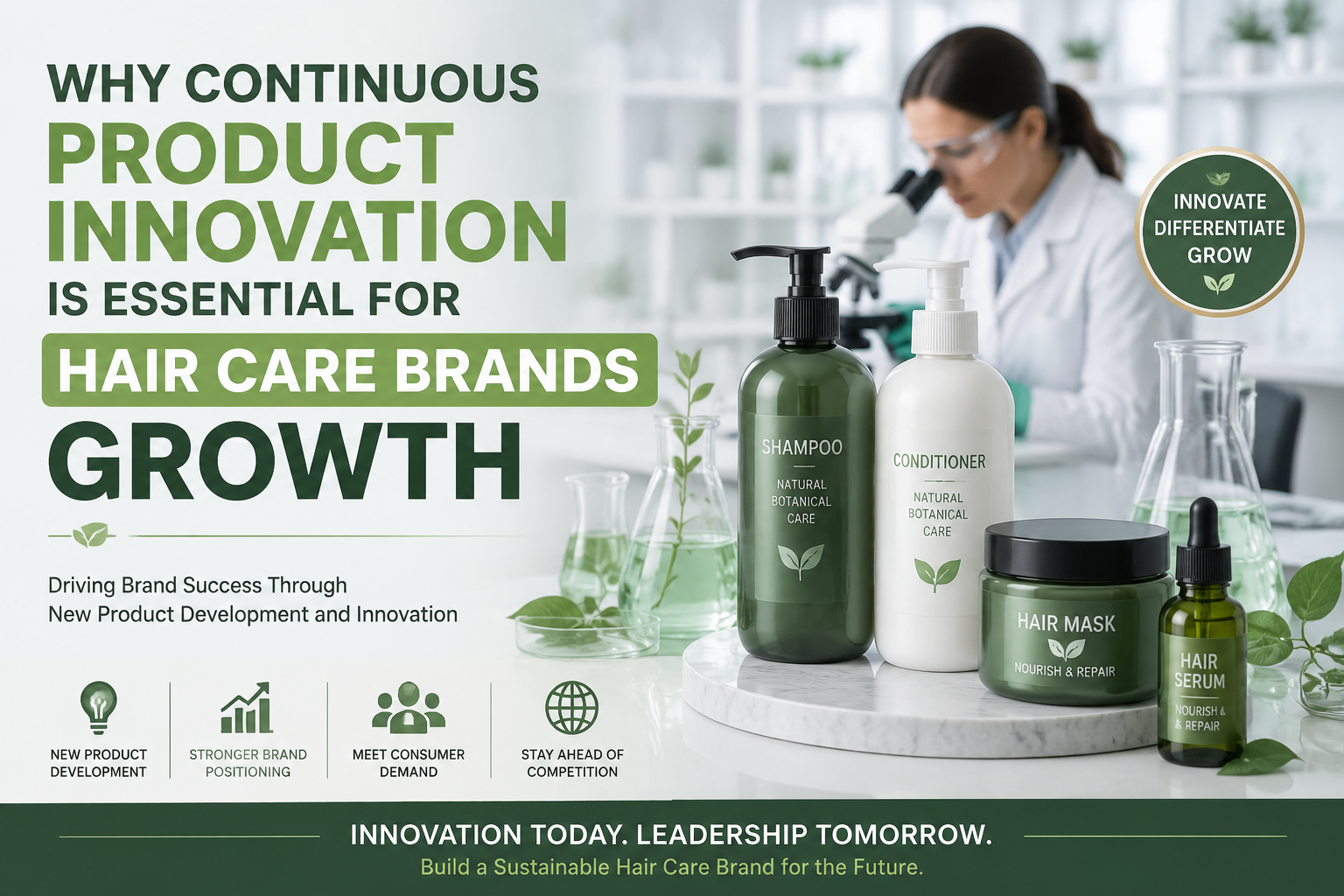
Why Continuous Product Innovation Is Essential for Hair Care Brands Growth
In today’s highly competitive beauty industry, new product development is no longer optional—it is a core survival strategy. Hair care brands that fail to innovate continuously often lose market share to faster, more agile competitors who understand evolving consumer demands and trend cycles.
According to McKinsey beauty industry insights, brands that regularly launch new products grow significantly faster than those relying on a static product portfolio. Innovation has become the key driver of long-term success in the global hair care market.
Market Pressure Forces Continuous New Product Development
The beauty and personal care industry is evolving rapidly, driven by social media trends, ingredient transparency, and increasing consumer expectations. As a result, hair care brand strategy must now include continuous innovation cycles.
Brands are expected to launch updated formulas, improved textures, and targeted solutions more frequently than ever before. This constant evolution is what keeps brands relevant in a saturated market.
- Shortened product life cycles due to fast-changing trends
- Rising consumer demand for ingredient transparency
- Increased competition from indie and private label brands
- Expansion of global e-commerce channels
How New Product Development Drives Brand Growth
New product development is not just about creating new formulas—it is about building a full innovation ecosystem that supports brand positioning, customer loyalty, and long-term revenue growth.
Successful hair care companies integrate R&D, marketing, and manufacturing into a single strategic pipeline. This allows faster product iteration and better response to market demand.
Research from Statista hair care market report shows that innovation-led brands consistently outperform traditional product-focused companies in both revenue growth and consumer retention.

Hair Care Brand Strategy in a Competitive Market
A strong hair care brand strategy must go beyond product creation. It should focus on building a recognizable innovation identity that communicates value, science, and trust to consumers.
Modern brands succeed by positioning themselves as problem-solvers rather than product sellers. This shift requires continuous investment in formulation upgrades and category expansion.
Key Elements of a Strong Brand Strategy
- Consistent new product launches aligned with market trends
- Science-backed product positioning
- Clear differentiation from competitors
- Strong storytelling around ingredients and benefits
Why Private Label Hair Care Products Depend on Innovation
The private label industry is one of the fastest-growing segments in beauty manufacturing. private label hair care products rely heavily on continuous innovation from OEM and ODM manufacturers to stay competitive.
Without ongoing product development, private label brands risk becoming outdated in a market that rewards novelty and performance improvements.
According to Grand View Research hair care report, private label brands are increasingly investing in R&D partnerships to accelerate innovation cycles.
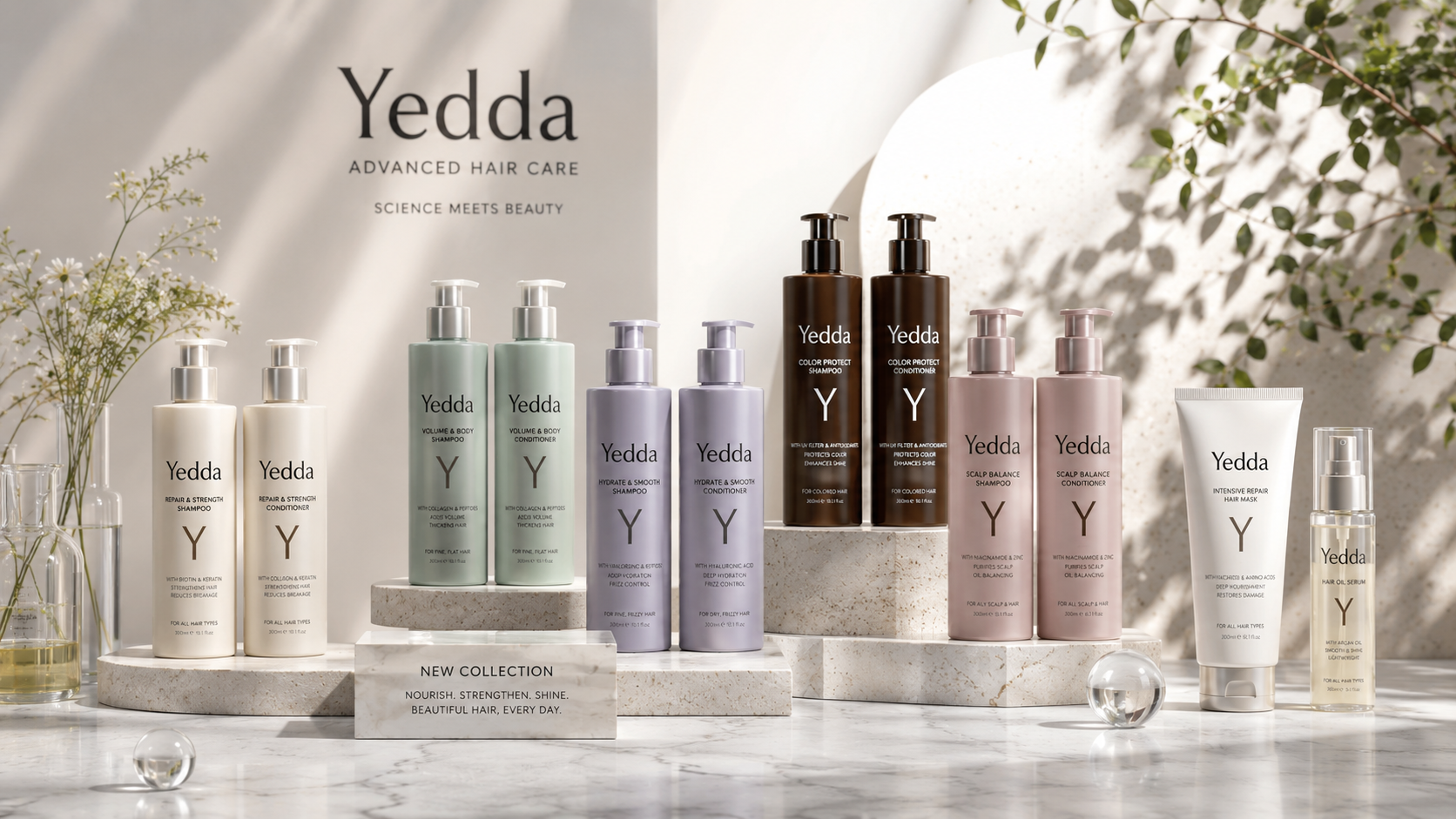
Role of OEM Manufacturers in New Product Development
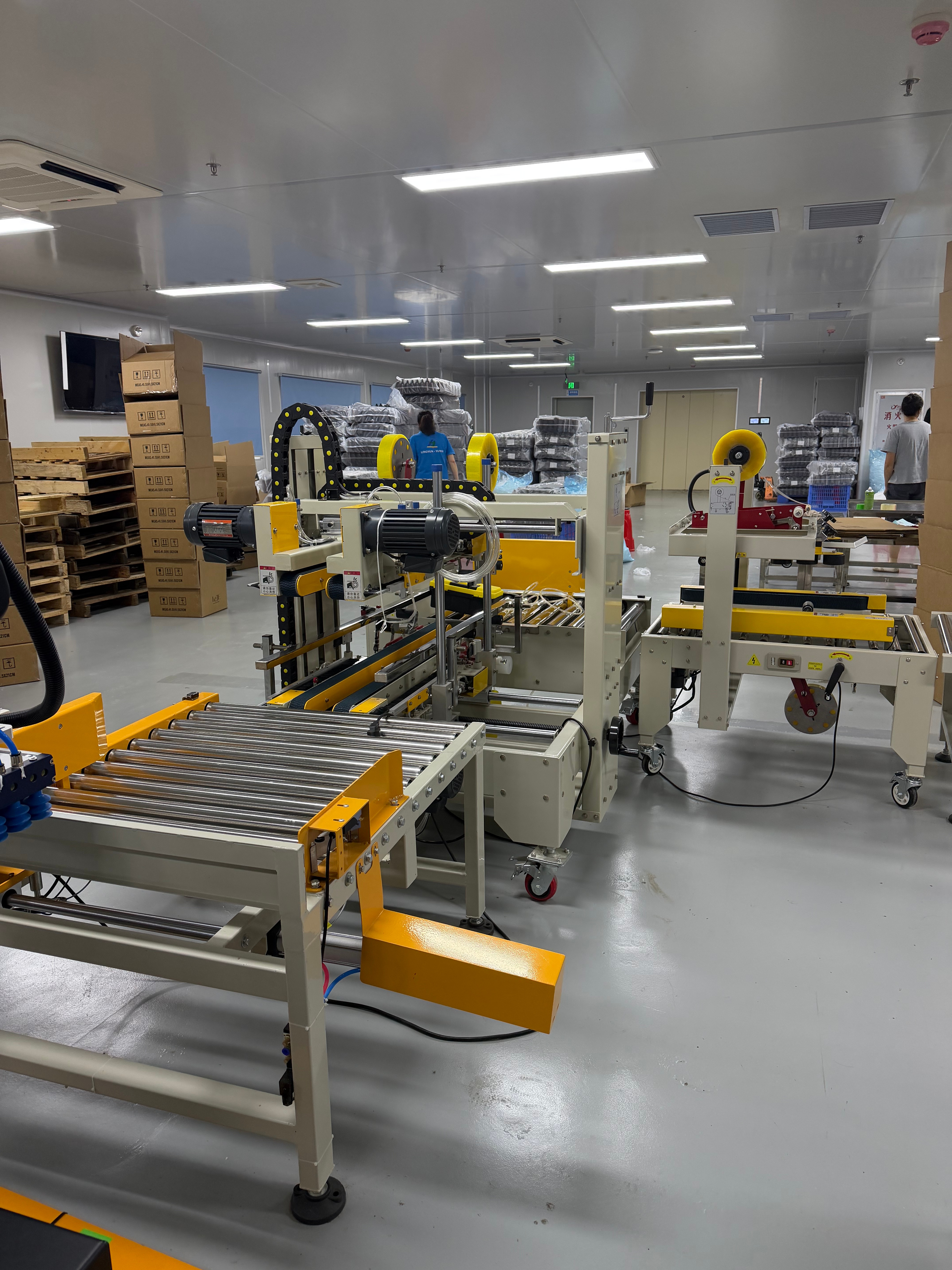
OEM manufacturers play a crucial role in supporting new product development for global hair care brands. They provide formulation expertise, production scalability, and regulatory compliance support.
Strong partnerships between brands and manufacturers enable faster time-to-market and more efficient innovation cycles.
- Advanced formulation R&D capabilities
- Customizable product development solutions
- Scalable manufacturing systems
- Global compliance and quality assurance
Innovation as a Competitive Advantage
In the hair care industry, innovation is not just about creativity—it is a competitive necessity. Brands that fail to innovate quickly lose relevance, especially in digital-first markets where trends evolve rapidly.
Continuous innovation helps brands:
- Capture emerging consumer needs
- Strengthen brand positioning
- Increase product portfolio value
- Improve customer loyalty and retention

Future of Hair Care Brand Innovation
The future of hair care brand strategy will be shaped by personalization, sustainability, and biotechnology. Brands that integrate these elements into their new product development pipelines will lead the next wave of industry growth.
Emerging trends include AI-driven formulation, waterless beauty products, and microbiome-focused scalp care solutions.
Conclusion
Continuous innovation is no longer optional in the modern beauty industry. For brands aiming to scale, investing in new product development, strengthening hair care brand strategy, and leveraging private label hair care products opportunities is essential for sustainable growth.
The winners in this industry will be those who innovate faster, adapt quicker, and collaborate more effectively with OEM manufacturing partners.
FAQ
Why is new product development important for hair care brands?
Because it helps brands stay competitive, meet evolving consumer demands, and increase market share.
How does innovation affect hair care brand strategy?
Innovation strengthens brand positioning, improves customer loyalty, and drives long-term growth.
Why do private label hair care products need continuous innovation?
Because the market is highly competitive and consumers expect frequent product improvements.
What role do OEM manufacturers play in product innovation?
They provide R&D support, formulation expertise, and scalable production for new product development.