
Developing a Private Label Scalp Care Shampoo: The 2026 Global Market Landscape
The "skinification" of hair care is no longer a fringe trend; it is the central pillar of the 2026 global cosmetics industry. Modern consumers are highly educated about follicular micro-inflammation, barrier repair, and microbial balance. They understand that robust hair growth and structural integrity begin at the dermal layer. Consequently, a standard cleansing product is insufficient for today's market. Brands must offer targeted treatments that address specific scalp concerns such as excess sebum production, dandruff (Malassezia overgrowth), and environmental oxidative stress, without compromising the aesthetic feel of the hair.
For enterprise brands and emerging beauty founders, this shift dictates a pivot toward highly specialized private label scalp care shampoo lines. The global market requires formulations that bridge the gap between traditional cosmetics and over-the-counter (OTC) dermatological treatments. This hybrid space demands a sophisticated approach to raw material sourcing, particularly aligning with global "Clean Beauty" standards, which strictly prohibit known irritants, endocrine disruptors, and harsh environmental pollutants.
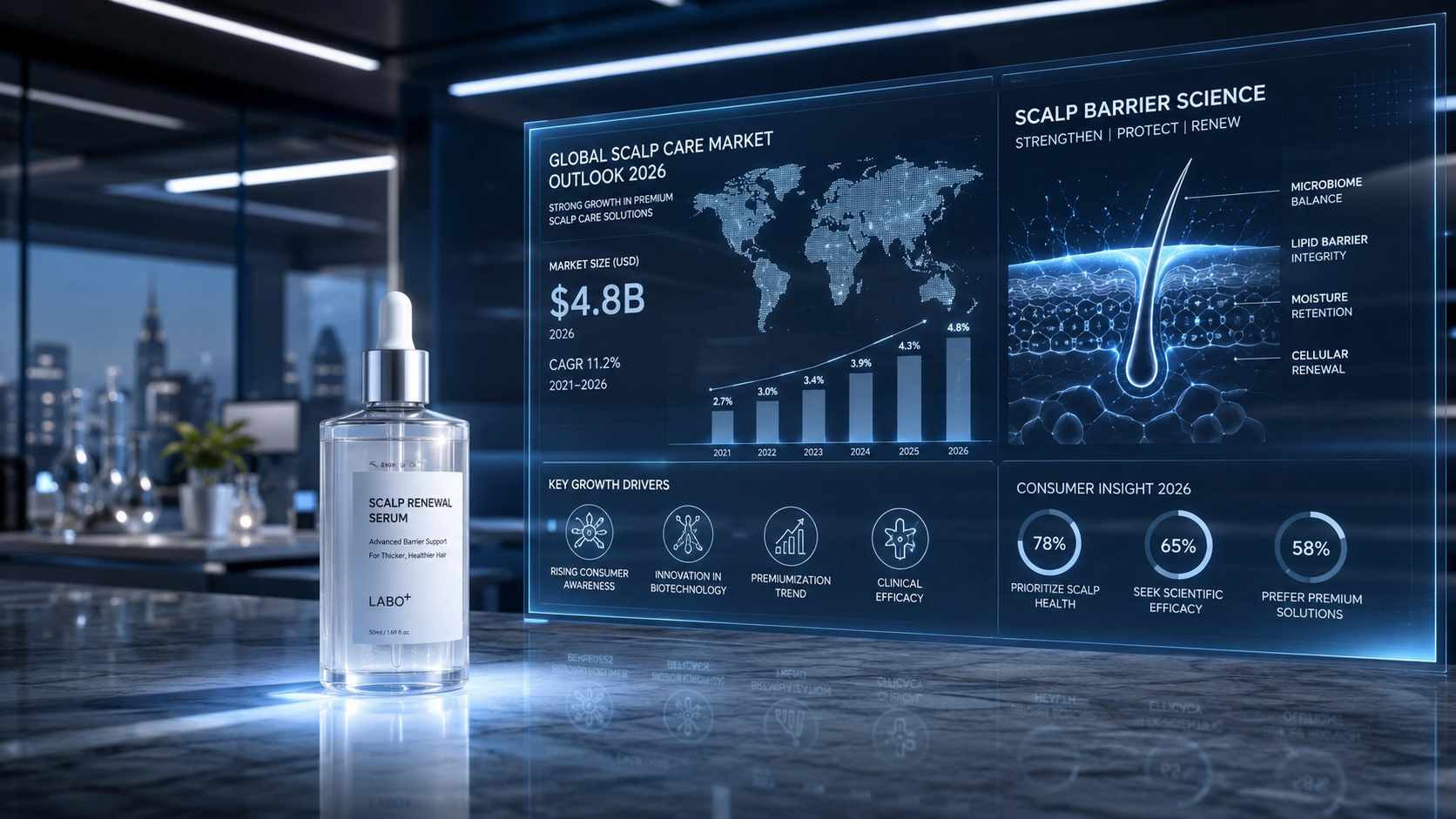
Recent dermatological reviews published by the National Center for Biotechnology Information (NCBI) emphasize that preserving the scalp's delicate stratum corneum and natural lipid barrier is paramount for preventing chronic scalp conditions. This scientific consensus is driving the wholesale abandonment of aggressive anionic surfactants in favor of advanced, biomimetic cleansing systems. To compete globally, your brand must leverage these insights, translating clinical microbiome research into a commercially viable product line.
Core Formulation Strategies for OEM Scalp Treatment Shampoo
Creating a world-class OEM scalp treatment shampoo requires engineering a formulation that cleanses gently, deposits active ingredients effectively, and maintains a strictly controlled pH environment (ideally between 4.5 and 5.5) to support the acid mantle. At Yedda, our formulation architecture for global scalp care relies on several non-negotiable technical pillars.
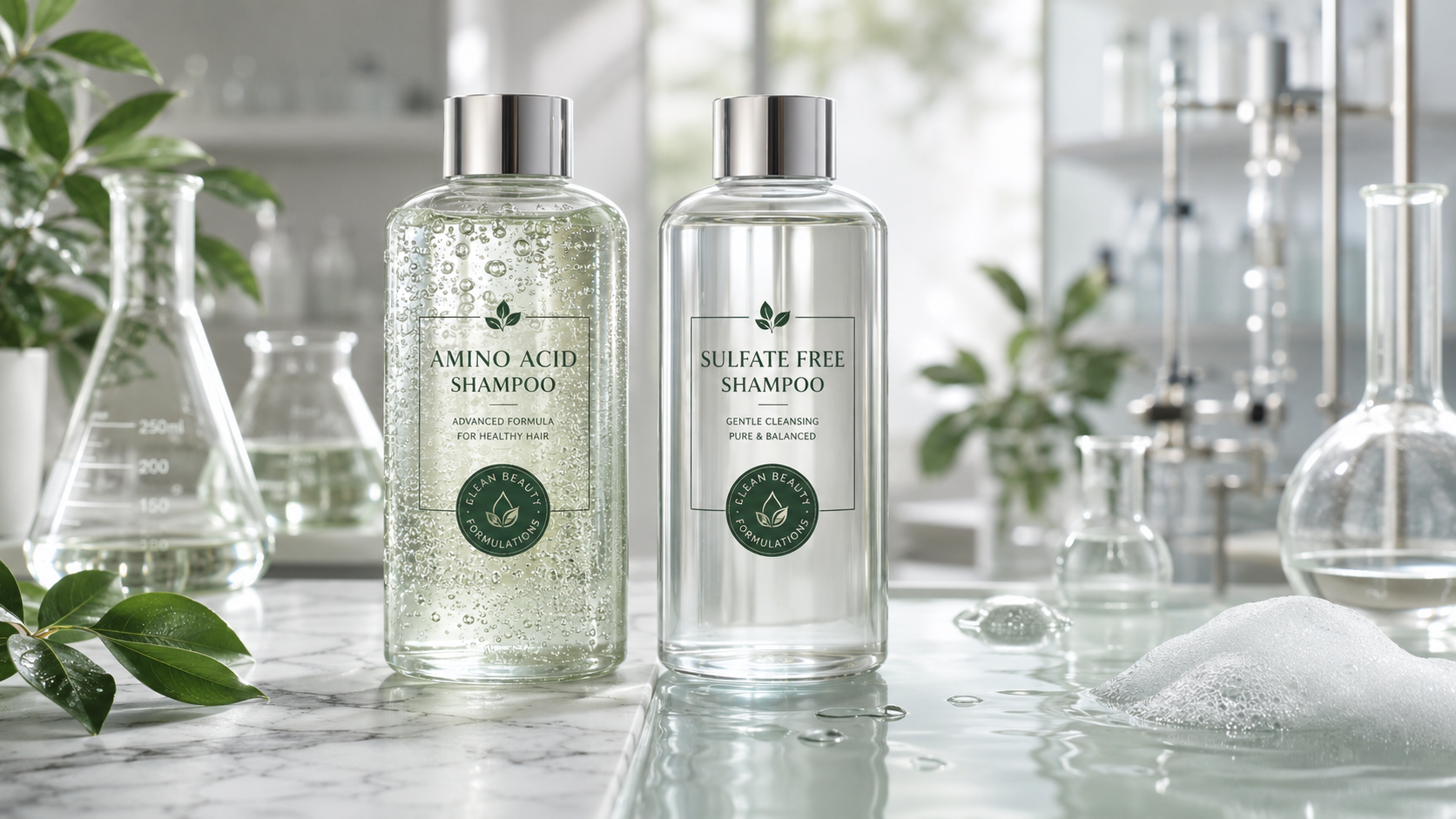
First and foremost is the implementation of a 100% sulfate-free surfactant matrix. Traditional sulfates like Sodium Lauryl Sulfate (SLS) and Sodium Laureth Sulfate (SLES) strip the scalp of its natural sebum, triggering a rebound effect of over-oiling and severe barrier disruption. Instead, premium formulations must utilize advanced, ultra-mild alternatives. We engineer primary surfactant frameworks using Sodium Cocoyl Isethionate (SCI) and Sodium Lauroyl Methyl Isethionate (SLMI), synergistically blended with amphoteric surfactants like Cocamidopropyl Hydroxysultaine and gentle non-ionics such as Decyl Glucoside. This complex blending achieves a luxurious, dense foam profile and excellent viscosity control without compromising the scalp's microbiome.
Beyond the cleansing base, an effective OEM scalp treatment shampoo must incorporate high-performance, clean beauty botanicals to actively repair the scalp environment. Our R&D focuses heavily on ingredients that offer proven clinical benefits:
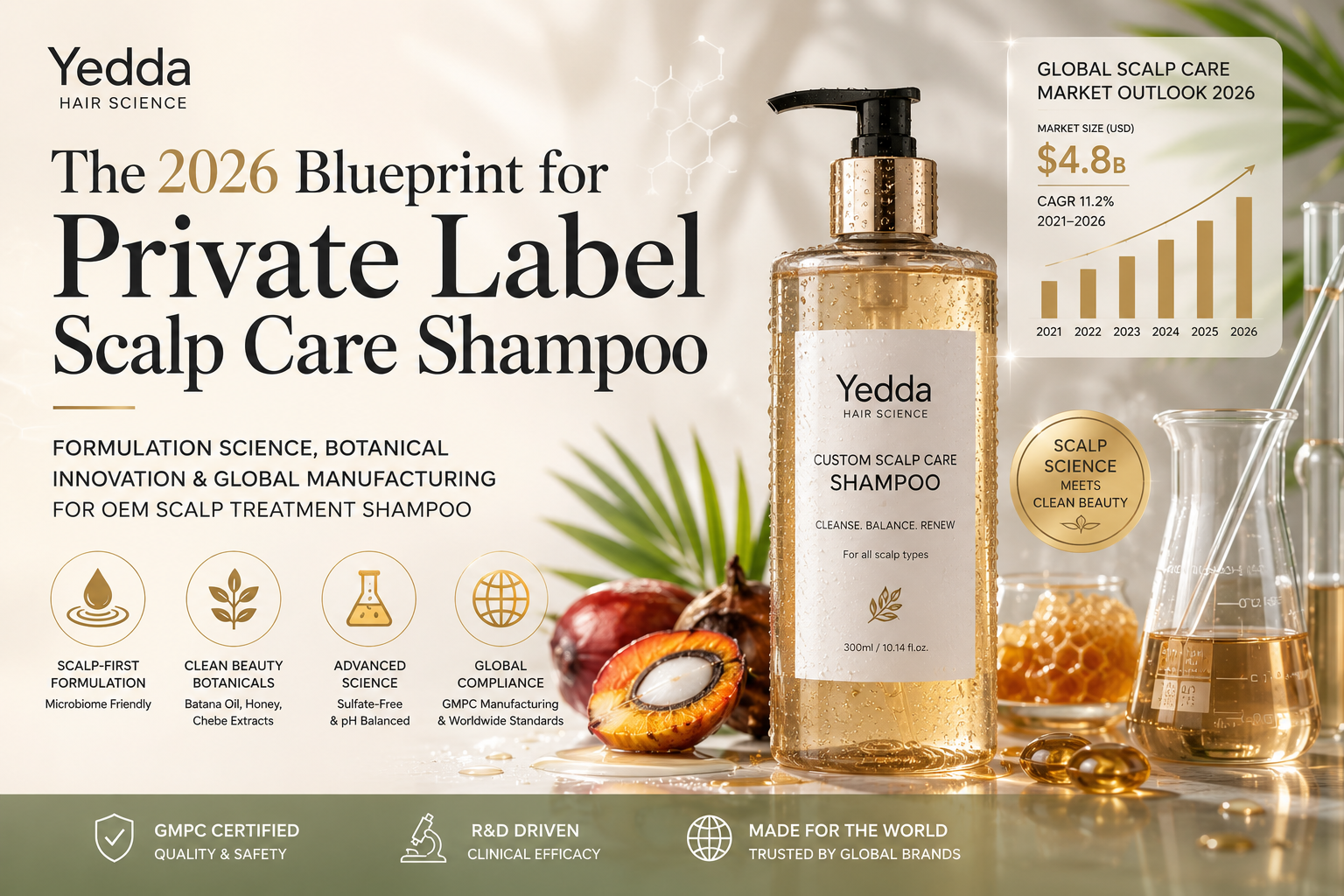
- Batana Oil: Extracted from the American palm, pure Batana Oil is exceptionally rich in tocotrienols (potent Vitamin E antioxidants) and essential fatty acids (Omega-6 and Omega-9). When micro-emulsified into a scalp shampoo, it deeply penetrates the scalp epidermis to repair the lipid barrier, soothe inflammation, and provide a nourished environment for the hair follicle, all without leaving a heavy, greasy residue.
- Honey Extract: Acting as a powerful natural humectant and mild antimicrobial agent, honey extract draws moisture into the scalp while helping to suppress pathogenic microbial overgrowth. It is highly effective in soothing dry, itchy scalps and preventing the flakiness associated with seasonal changes.
- Chebe Powder Extracts: Traditionally used for hair strengthening, modern cosmetic extractions of Chebe provide intense conditioning and fortifying properties to the follicle root, making it an excellent addition to anti-breakage scalp treatments.
To ensure these active botanicals remain efficacious, formulations must also utilize advanced delivery systems and rheology modifiers. High-yield-value polymeric networks (such as specific acrylate cross-polymers or natural gum blends) are required to keep these dense botanical oils permanently suspended within the shampoo base, preventing phase separation during global transit.
Global Regulatory Compliance: Formulating for Borderless Expansion
A primary challenge in launching a global private label scalp care shampoo line is navigating the complex web of international cosmetics regulations. A formula that is legally compliant in North America may be banned in the European Union if it contains specific restricted preservatives or allergens. Partnering with a manufacturer that inherently designs for global compliance is the only way to safeguard your supply chain.
For the United States market, formulations must strictly adhere to the updated requirements of the Modernization of Cosmetics Regulation Act (MoCRA). This includes rigorous safety substantiation, mandatory adverse event reporting, and stringent facility registration. If your scalp shampoo makes specific anti-dandruff claims (e.g., utilizing active ingredients like Salicylic Acid or Pyrithione Zinc), it crosses the threshold from a cosmetic to an Over-The-Counter (OTC) drug, requiring compliance with FDA OTC monographs and manufacturing in a heavily audited, drug-compliant facility.
Conversely, for the European market, the product must be registered on the Cosmetic Products Notification Portal (CPNP). The EU maintains a much broader list of prohibited substances (over 1,600 banned ingredients) compared to the US. Furthermore, the EU requires a comprehensive Product Information File (PIF) and a formal Cosmetic Product Safety Report (CPSR) signed by a certified toxicologist. Clean beauty standards are effectively mandated by law in the EU, meaning your formulation must avoid controversial parabens, formaldehyde-releasing preservatives, and specific synthetic fragrances.
Yedda's regulatory engineering team proactively formulates to the strictest common denominator, ensuring that your custom scalp care products can seamlessly cross borders, allowing your brand to scale internationally without the friction of reformulating for every new territory.
Selecting a High-Capacity Scalp Care Shampoo Manufacturer for Global Export
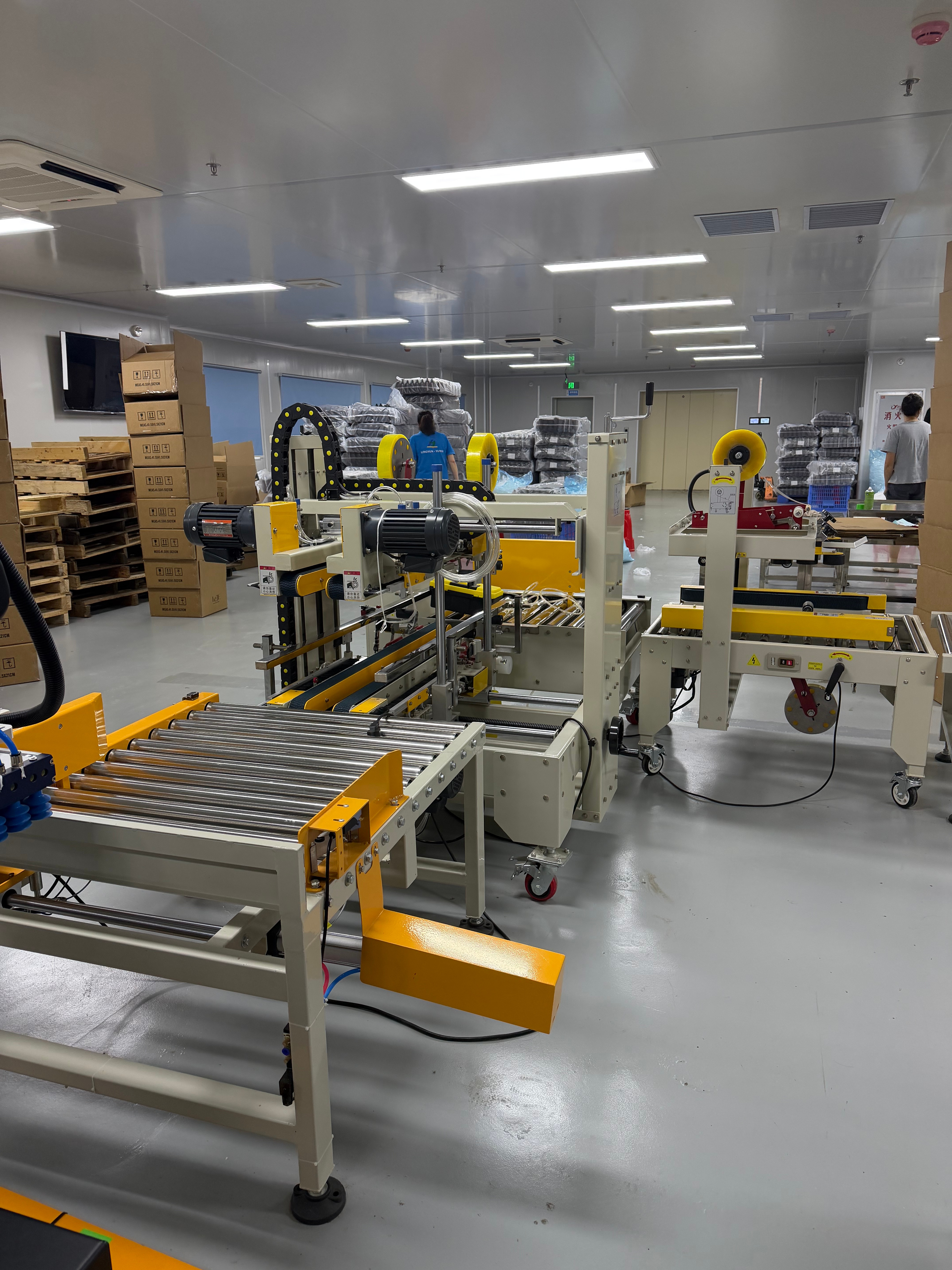
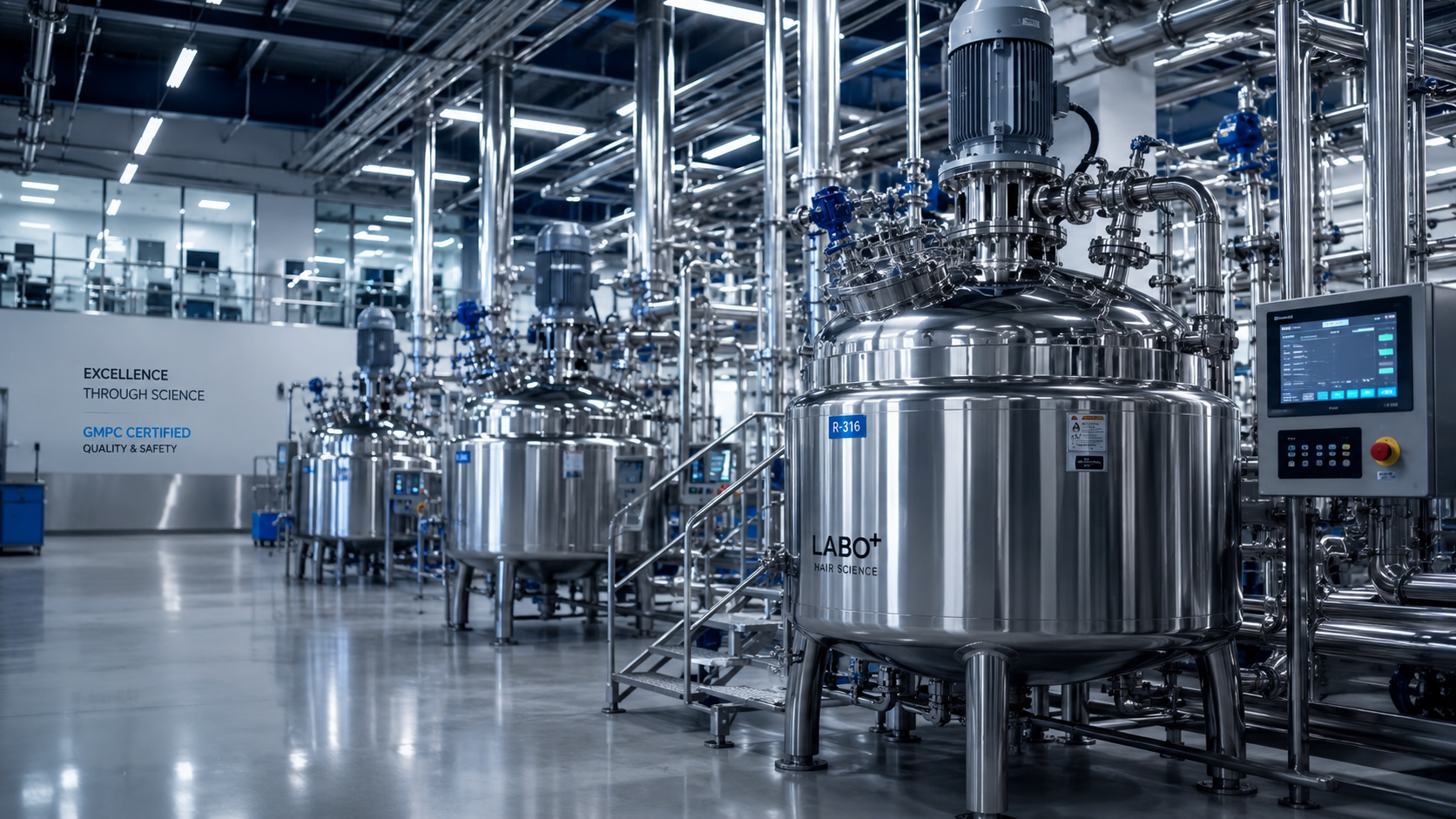
The transition from a successful R&D lab sample to a commercially viable global product hinges entirely on the capabilities of your scalp care shampoo manufacturer. Beaker-level formulation science is fundamentally different from metric-ton process engineering. When evaluating a B2B manufacturing partner in China for global export, procurement managers must look beyond unit pricing and audit the facility's fluid dynamics control, thermal management, and quality assurance automation.
Scaling a highly active, sulfate-free scalp shampoo requires precise control over heating and cooling cycles. Delicate botanical actives like Batana Oil and Honey Extract can easily degrade or oxidize if exposed to prolonged heat in a massive 3-ton compounding vessel. Your manufacturer must employ jacketed, rapid-cooling mixing tanks equipped with sophisticated Programmable Logic Controllers (PLCs) to guarantee that the core batch temperature is lowered swiftly, preserving the integrity of the active ingredients and preventing lipid crystallization.
Furthermore, stability validation is paramount for global distribution. A product shipped from a manufacturing hub in Asia to a retail warehouse in Europe or North America will endure extreme temperature fluctuations and intense mechanical vibration. According to standard testing protocols defined by organizations like the Society of Cosmetic Chemists (SCC), rigorous accelerated stability testing is mandatory. This includes subjecting the scaled batch to 45°C heat for 12 weeks, extreme freeze-thaw cycling (-20°C to room temperature), and high-speed centrifugation to ensure the emulsion matrix and yield value network will not collapse during transoceanic shipping.
As an elite B2B cosmetic manufacturer, Yedda provides complete transparency into our automated GMPC and ISO 22716 certified production processes. By synchronizing precise formulation science with rigorous industrial upscaling controls, we ensure batch-to-batch consistency, uncompromising safety, and the clinical efficacy your brand promises to consumers.
FAQ
Q1: What is the recommended strategy for formulating a clean beauty scalp care shampoo that effectively treats dandruff without using harsh traditional chemicals?
A1: Traditional anti-dandruff shampoos often rely on harsh sulfates and aggressive synthetic anti-fungals that can damage the scalp barrier over time. For a clean beauty approach, we formulate with a sulfate-free amino-acid surfactant base and utilize alternative, globally approved actives like Piroctone Olamine, which is highly effective against Malassezia but far gentler on the skin. We synergize this with gentle chemical exfoliants like Gluconolactone (a PHA) and natural anti-inflammatories like Honey Extract to soothe the scalp while regulating cellular turnover.
Q2: How does Yedda incorporate heavy, nutrient-rich oils like Batana Oil into a scalp shampoo without making the final product feel greasy or flat?
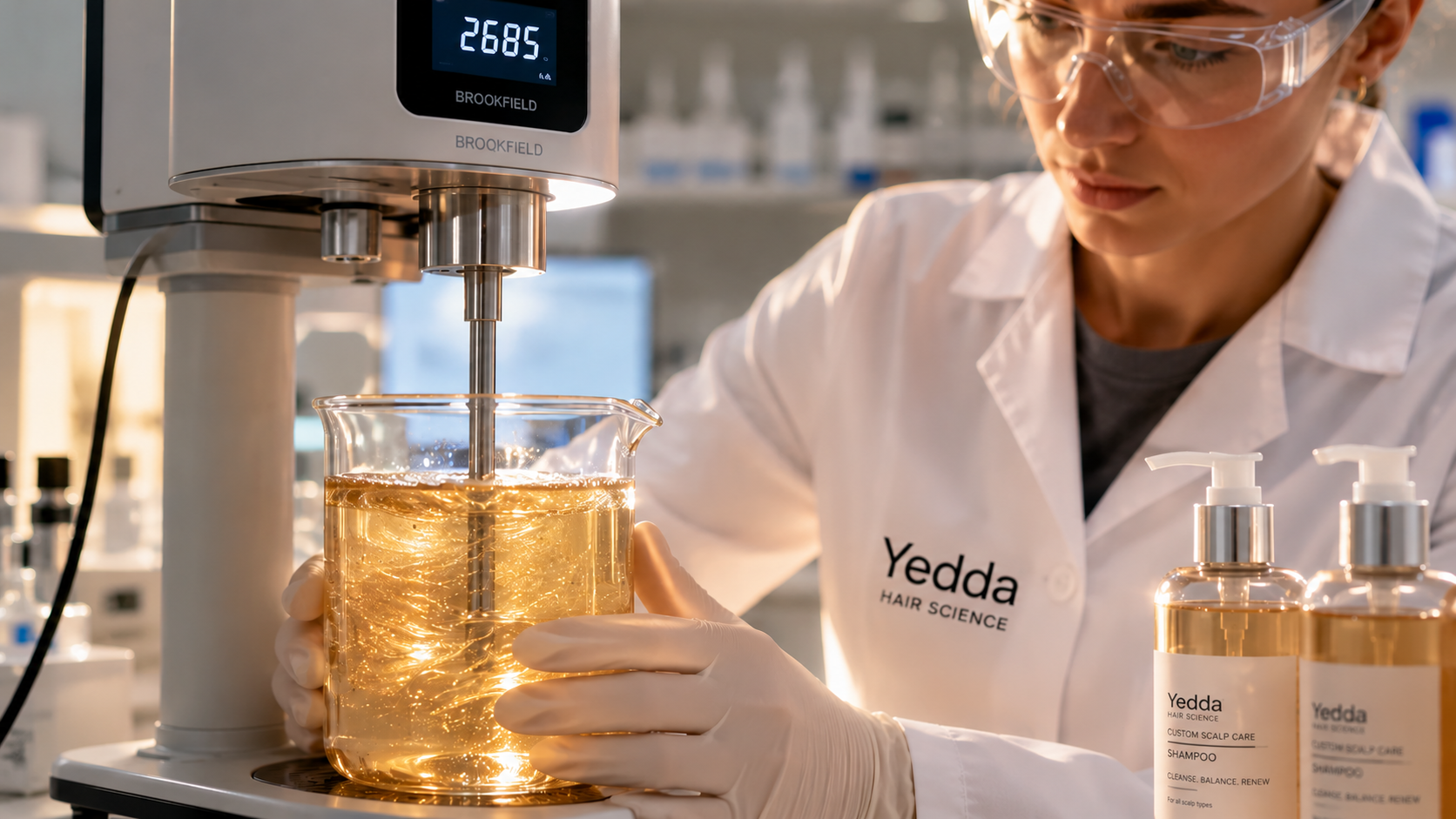
A2: The key is advanced micro-emulsification and precise rheological control. Batana Oil is incredible for lipid barrier repair, but if simply dumped into a formula, it will suppress foaming and leave a heavy residue. We use specific high-shear inline homogenizers during the manufacturing process to break the Batana Oil down into sub-micron droplets. We then stabilize these droplets using specialized, clean-beauty-compliant polymeric networks. This allows the oil to deposit onto the scalp to provide its regenerative benefits while rinsing cleanly away from the hair shaft.
Q3: Our brand is expanding simultaneously into the US and the EU. Can you act as our scalp care shampoo manufacturer and guarantee the formula complies with both MoCRA and CPNP regulations?
A3: Yes. Formulating for global compliance is one of our core competencies. We proactively cross-reference all raw materials against both the US FDA MoCRA requirements and the EU Cosmetics Regulation Annexes (which are much stricter regarding banned substances and allergens). We ensure the preservative systems, surfactant profiles, and botanical extracts meet the stringent safety criteria required for CPNP registration, and we provide all necessary Safety Data Sheets (SDS), Certificates of Analysis (COA), and formulation breakdowns for your toxicologist's CPSR review.
Q4: Why is freeze-thaw stability testing so critical for an OEM scalp treatment shampoo intended for global export?
A4: When exporting globally, shipping containers frequently encounter freezing temperatures (e.g., crossing the ocean in winter or traveling by truck through cold climates). When a water-based shampoo freezes and then thaws, ice crystals form and melt, exerting immense physical stress on the product's emulsion and polymeric thickening networks. If the formulation is unstable, this process will cause irreversible phase separation (the product splitting into water and oil/chemical layers). We conduct brutal freeze-thaw cycles (-20°C to ambient) during R&D and scale-up to ensure your product survives global logistics intact.