
1. Evaluate Technical Capabilities Beyond Basic Catalog Products
Many suppliers offer identical, off-the-shelf stock formulas with a different label slapped on the bottle. While stock formulas reduce initial development time, a true contract manufacturing partner must demonstrate robust R&D depth.
When vetting a private label shampoo manufacturer, examine their technical proficiency in:
- Surfactant System Flexibility: Can they formulate sulfate-free, amino acid-based, or gentle clarifying systems that match modern clean-beauty standards?
- Active Ingredient Integration: Do they have experience working with functional extracts (such as botanical oils, proteins, and scalp-balancing prebiotics) without destabilizing the emulsion?
- Viscosity and pH Control: Can they consistently hit target viscosity ranges and maintain skin-friendly pH levels (typically 5.0–6.5) across large-scale production batches?

In-house R&D lab conducting viscosity and pH stability tests for custom hair care formulations.
To explore our OEM/ODM customization options, check out our OEM/ODM services page.
2. Understand Minimum Order Quantities (MOQ) and Scalability
MOQ is one of the first friction points in B2B contract manufacturing. Rigid volume requirements can lock up capital, while excessively low MOQs often signal high unit costs or compromised quality control.
When discussing orders with a hair care contract manufacturer, clarify:
- Tiered MOQ Structures: Are MOQs calculated per formulation, per bottle SKU, or per total order volume?
- Packaging vs. Bulk MOQs: Custom packaging (such as custom-molded bottles or custom pantone colors) often carries significantly higher MOQs than the liquid formulation itself.
- Pilot Batches: Does the factory accommodate pilot runs or initial test batches to validate market response before scaling up to full industrial production lines?
For a real-world example of low-MOQ solutions, view our custom honey argan oil shampoo set.
3. Assess Quality Control (QC) and Regulatory Compliance
Importing cosmetics into major markets like the United States or the European Union demands strict adherence to regulatory frameworks. Your manufacturing partner must act as your first line of defense against compliance failures.
A dependable OEM hair care manufacturer should transparently provide documentation and processes covering:
- Batch-to-Batch Traceability: How raw materials are logged, tested, and tracked from incoming inspection to final cartoning.
- Microbiological Testing: Rigorous testing protocols for total viable count, yeast, mold, and preservative efficacy.
- Compliance Documentation: Availability of Certificates of Analysis (CoA), Safety Data Sheets (SDS), and support for regional compliance notifications (such as FDA voluntary registration or EU CPNP portals).
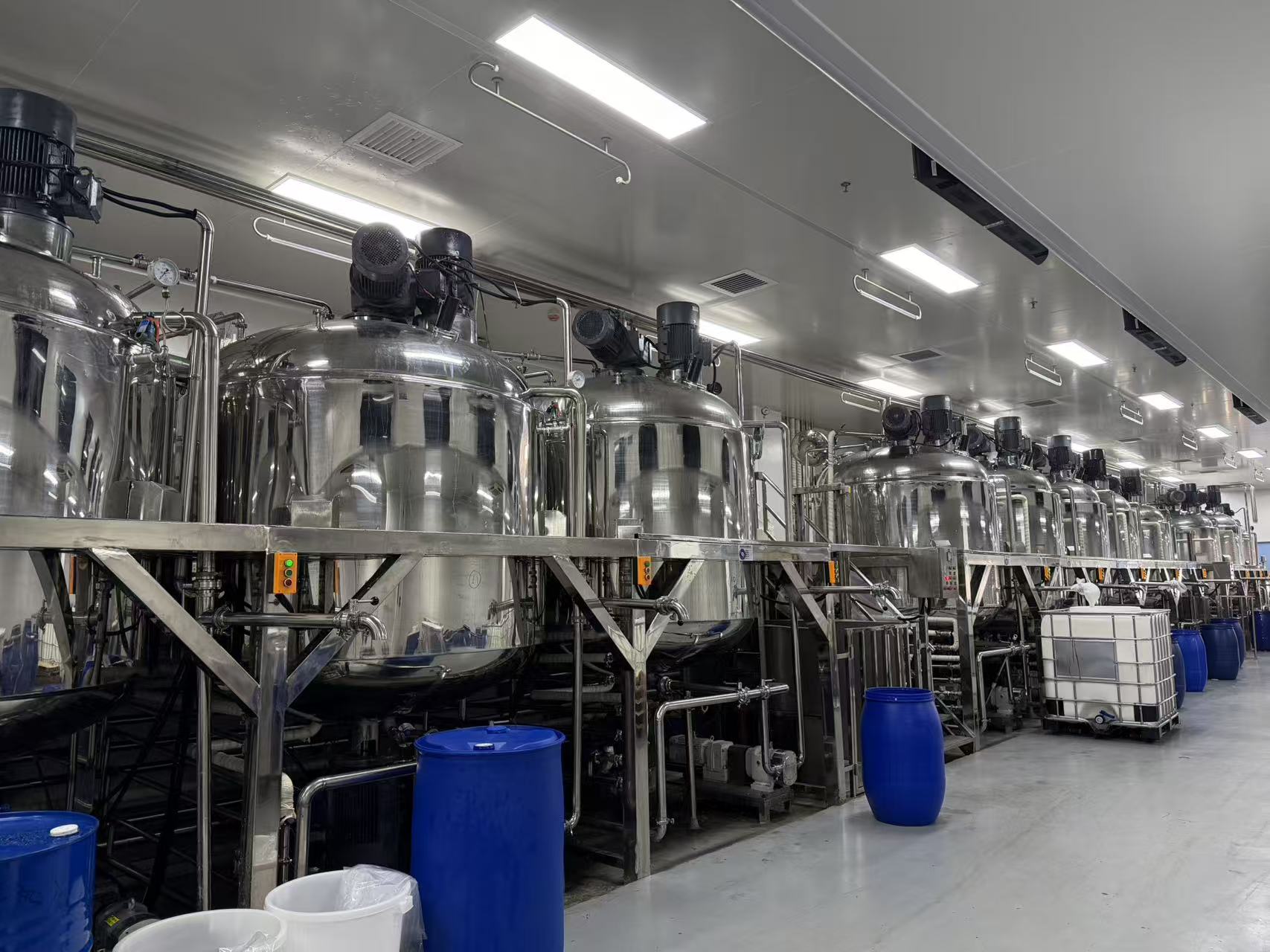
Traceable raw material storage with batch-coded drums and strict incoming quality control protocols.
4. Evaluate Customization Depth: Private Label vs. OEM / ODM
Clarify what level of partnership you require before initiating discussions:
| Model | Description | Best Suited For |
|---|---|---|
| Private Label (Stock Formula) | Existing, tested formulas packaged under your brand name. | Fast market entry, lower initial investment. |
| OEM / ODM (Custom Adaptation) | Modifying existing baseline formulas (fragrance, color, active load) or building from scratch. | Differentiated brands looking for unique selling propositions. |
| Full Turnkey Solution | End-to-end service covering formulation, regulatory support, packaging sourcing, and final assembly. | Importers and brand owners seeking streamlined supply chain management. |
For an example of a custom formulation, see our tea tree anti-dandruff hair care set.
5. Review Packaging Sourcing and Compatibility
Shampoo formulations—especially those containing active botanical extracts or specialized surfactants—can interact aggressively with certain plastics and pumps.
A professional private label hair care supplier must offer:
- Container Compatibility Testing: Verifying that the bulk liquid does not degrade, discolor, or stress-crack the chosen PET, HDPE, or PCR (Post-Consumer Recycled) bottles over time.
- Pump and Closure Sourcing: Ensuring reliable dip-tube sizing, leak-resistance, and consistent dispensing output for lotions, gels, and foaming formulas.
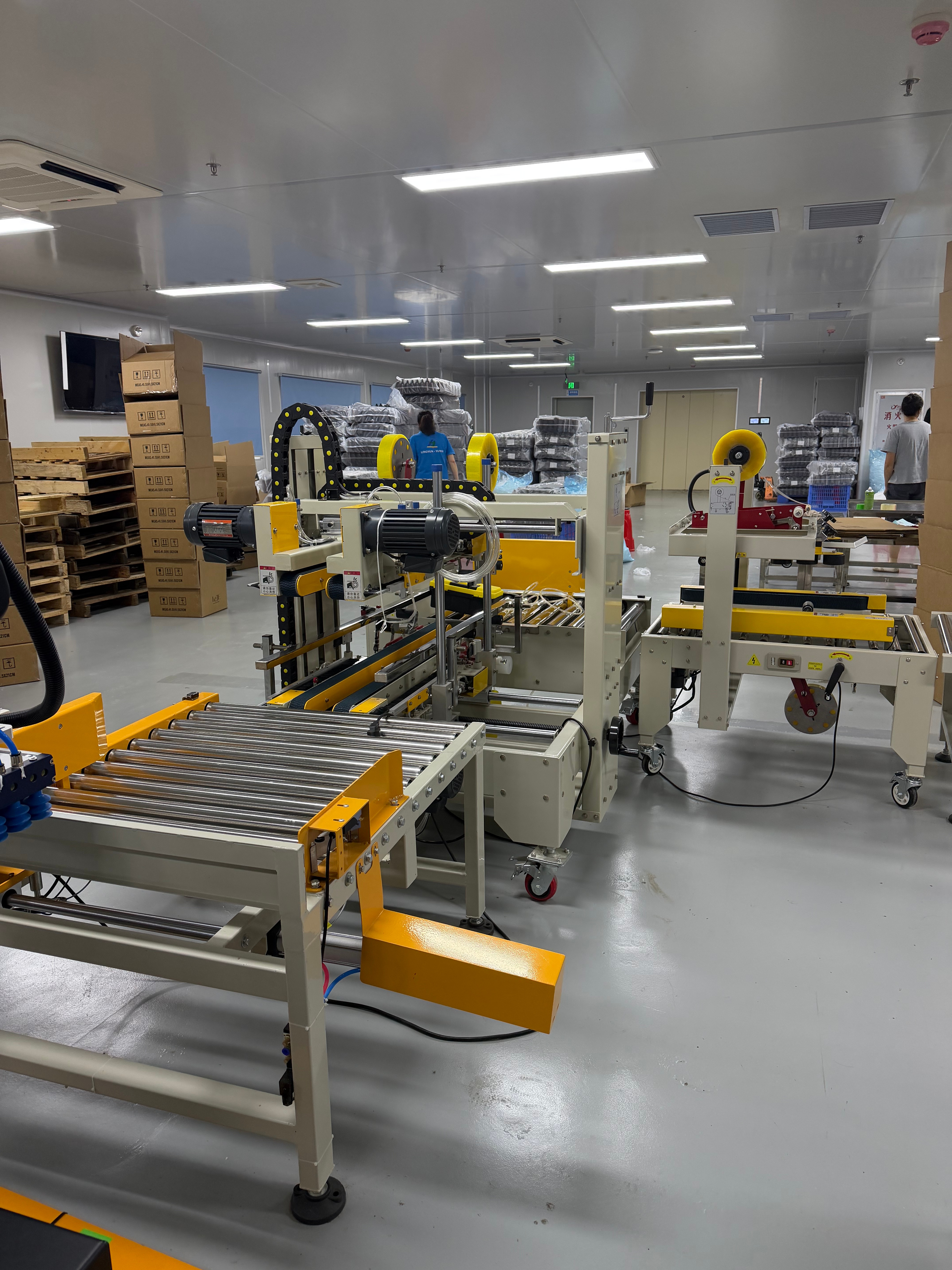
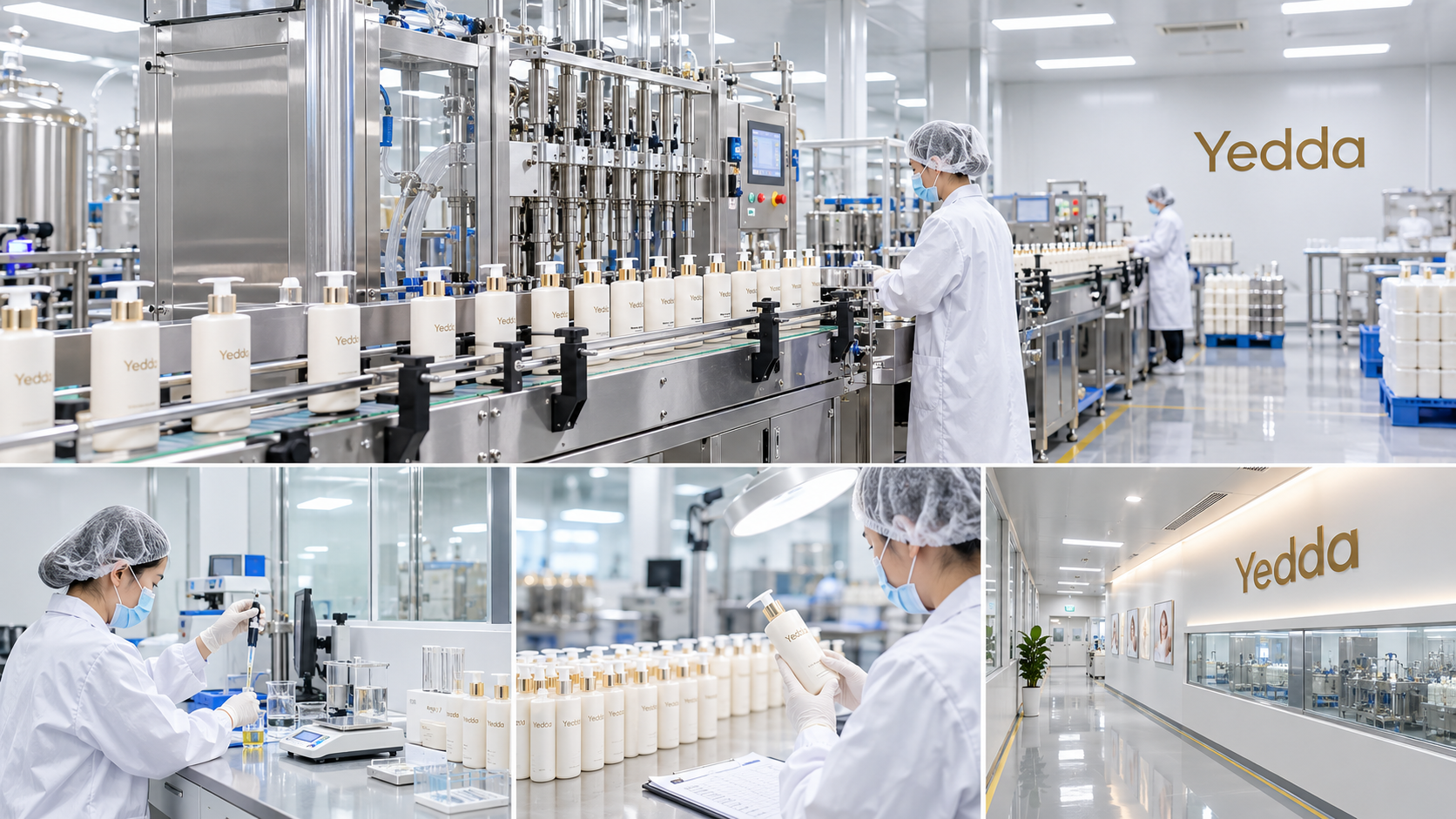
Automated filling and capping line with real-time packaging inspection to ensure container compatibility.
Learn more about sustainable options in our article on refill shampoo pouch packaging.
6. Clear Communication, Lead Times, and Transparency
Geographic distance introduces logistical complexities. When evaluating a manufacturing partner, pay close attention to operational transparency:
- Response Efficiency: How quickly and accurately does their engineering/sales team answer technical inquiries?
- Production Lead Times: Realistic turnaround estimates for raw material procurement, batching, stability testing, and final packaging assembly.
- Export Experience: Familiarity with international shipping documentation, palletization standards, and export-grade cartoning to prevent transit damage.
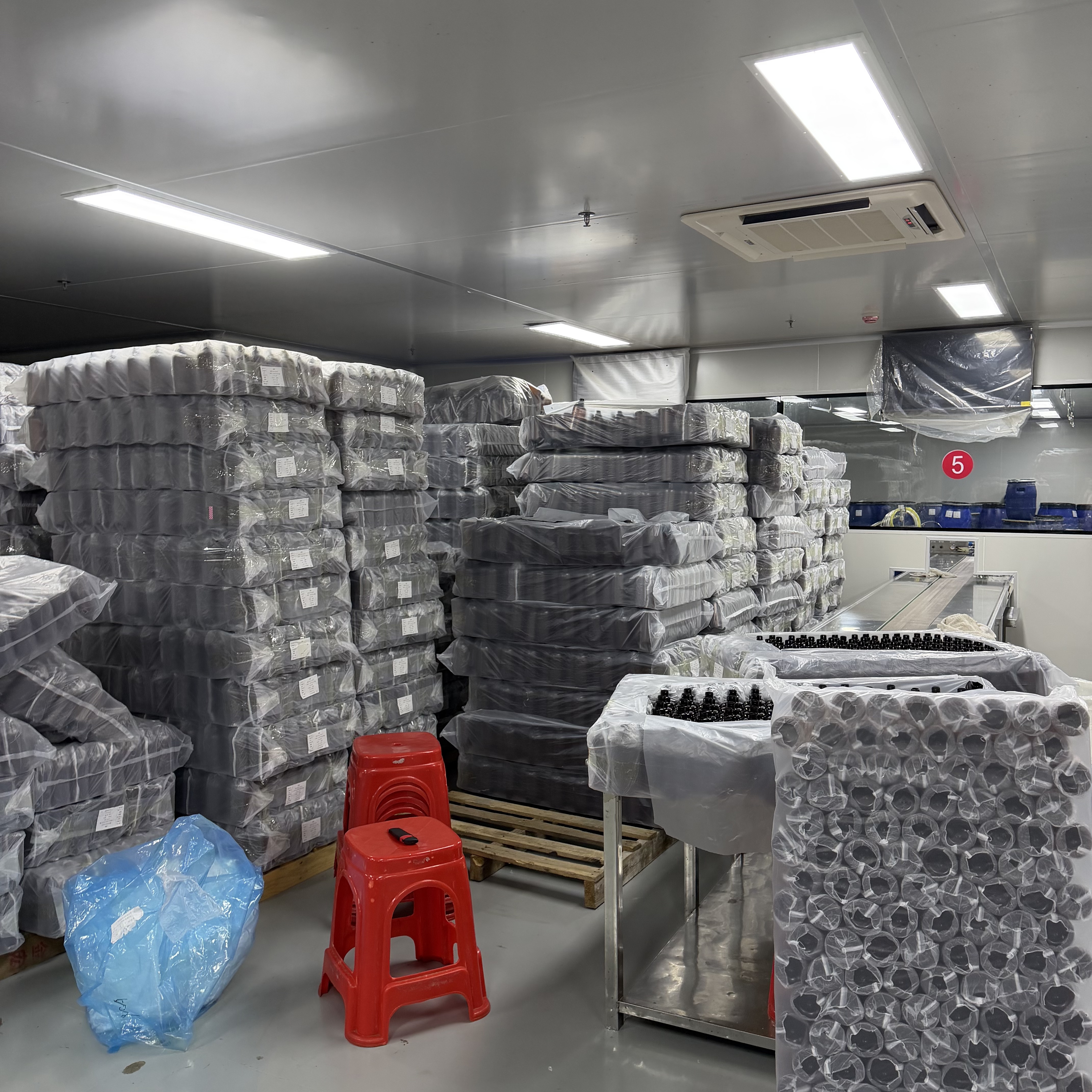
Full-scale production floor integrating batching, filling, and packaging under one quality management system.
For specialized styling products, browse our edge control styling gel.
Frequently Asked Questions (FAQ)
Q1: What is the typical lead time for a private label shampoo order?
Standard production lead times generally range from 3 to 5 weeks after formula and packaging artwork approval, depending on raw material availability and order volume. First-time custom formulations may require additional time for stability and compatibility testing.
Q2: Can we supply our own custom packaging bottles?
Yes. Most contract manufacturers accept client-supplied packaging, provided they pass filling-line compatibility and mechanical tolerance tests prior to full-scale production.
Q3: How do we get started with a custom hair care project?
To initiate an efficient quotation process, prepare your target specifications, including desired product category (e.g., volumizing shampoo, sulfate-free scalp cleanser), target volume or MOQ, packaging format preferences, and destination market requirements.
Related Articles
- What Is the MOQ for Private Label Shampoo? A B2B Guide (Internal Link)
- Private Label vs Custom Formula Hair Care: Which Is Right for Your Brand? (Internal Link)
- Hair Care Packaging Options for Private Label Brands (Internal Link)
- Sulfate-Free Shampoo Trends in Haircare
Discuss Your Private Label Project
Ready to develop or scale your hair care line? Connect with our manufacturing team to discuss your formulation, packaging, and production requirements.
Tell Us Your Formula and Packaging Requirements (CTA Link to Contact / RFQ Page)
Factory Data Note: Specific daily capacities, facility square footage, and exact certification registry numbers are available upon direct commercial inquiry and NDA execution.