
What Questions Should You Ask a Shampoo Manufacturer Before Ordering?

Blog author profile picture
Published
Jun 01 2026
  • Product Solutions
  • OEM&ODM Service

Follow us

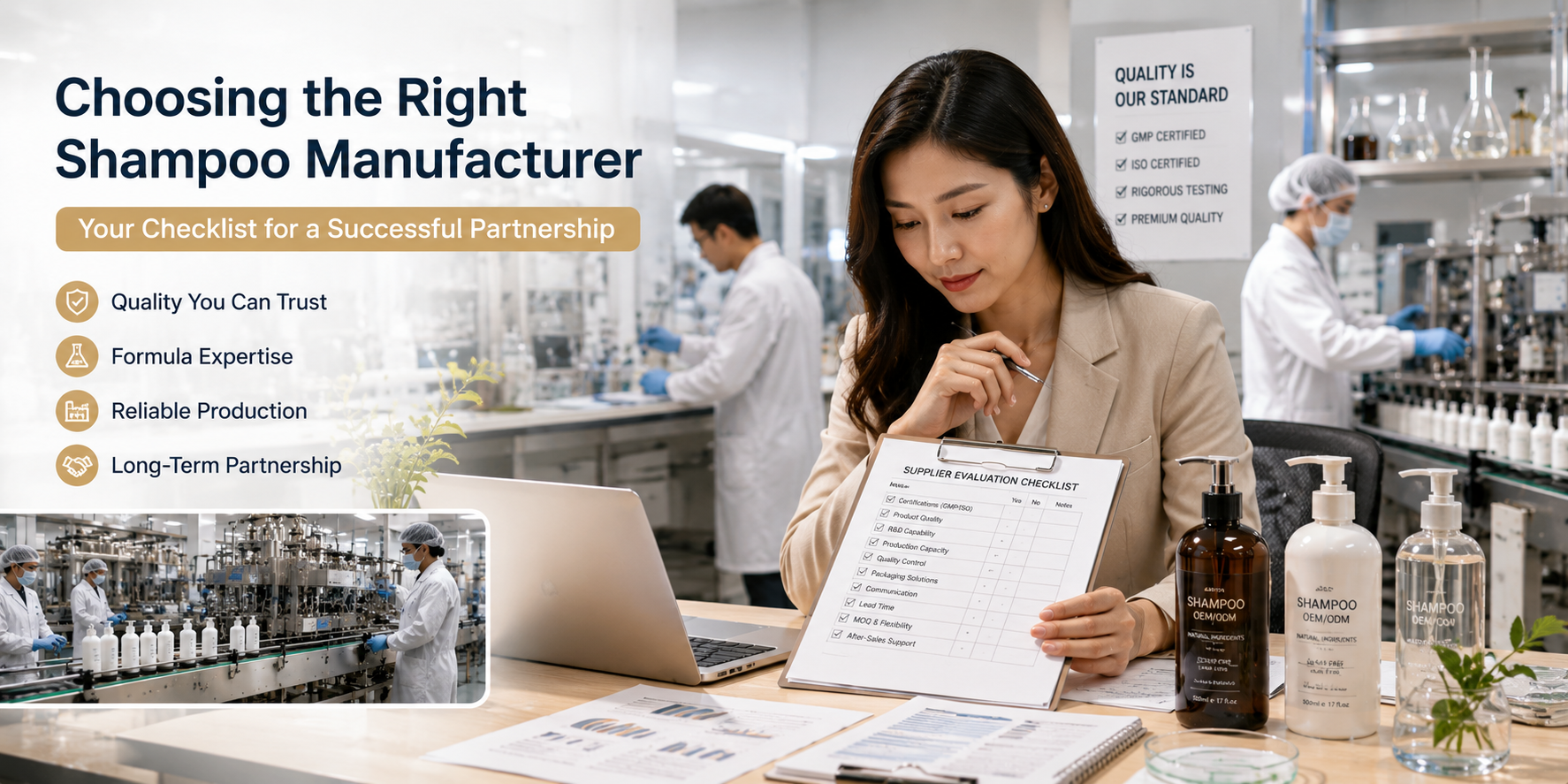
What Questions Should You Ask a Shampoo Manufacturer Before Ordering? - Blog article cover image about hair care and cosmetic manufacturing

Selecting the right supplier is one of the most critical steps when launching a private label hair care brand. A comprehensive shampoo manufacturer checklist helps brands and buyers systematically evaluate potential partners, ensuring both quality and supply chain reliability. Without asking the right questions, even experienced entrepreneurs risk costly mistakes, delayed launches, or subpar products reaching the market.

This guide explains the essential questions to ask before ordering from a shampoo manufacturer, including production capacity, formula development, quality control, packaging options, shipping timelines, and regulatory compliance.

According to Grand View Research, the global hair care market continues to grow rapidly, with private label brands driving significant B2B opportunities. Understanding supplier capabilities is therefore more important than ever.

Why You Need a Shampoo Manufacturer Checklist

A shampoo manufacturer checklist helps brands:

  • Identify reliable OEM suppliers
  • Assess production capabilities and limitations
  • Evaluate formula development support
  • Verify packaging and customization options
  • Check regulatory compliance and testing procedures
  • Estimate cost and lead times accurately
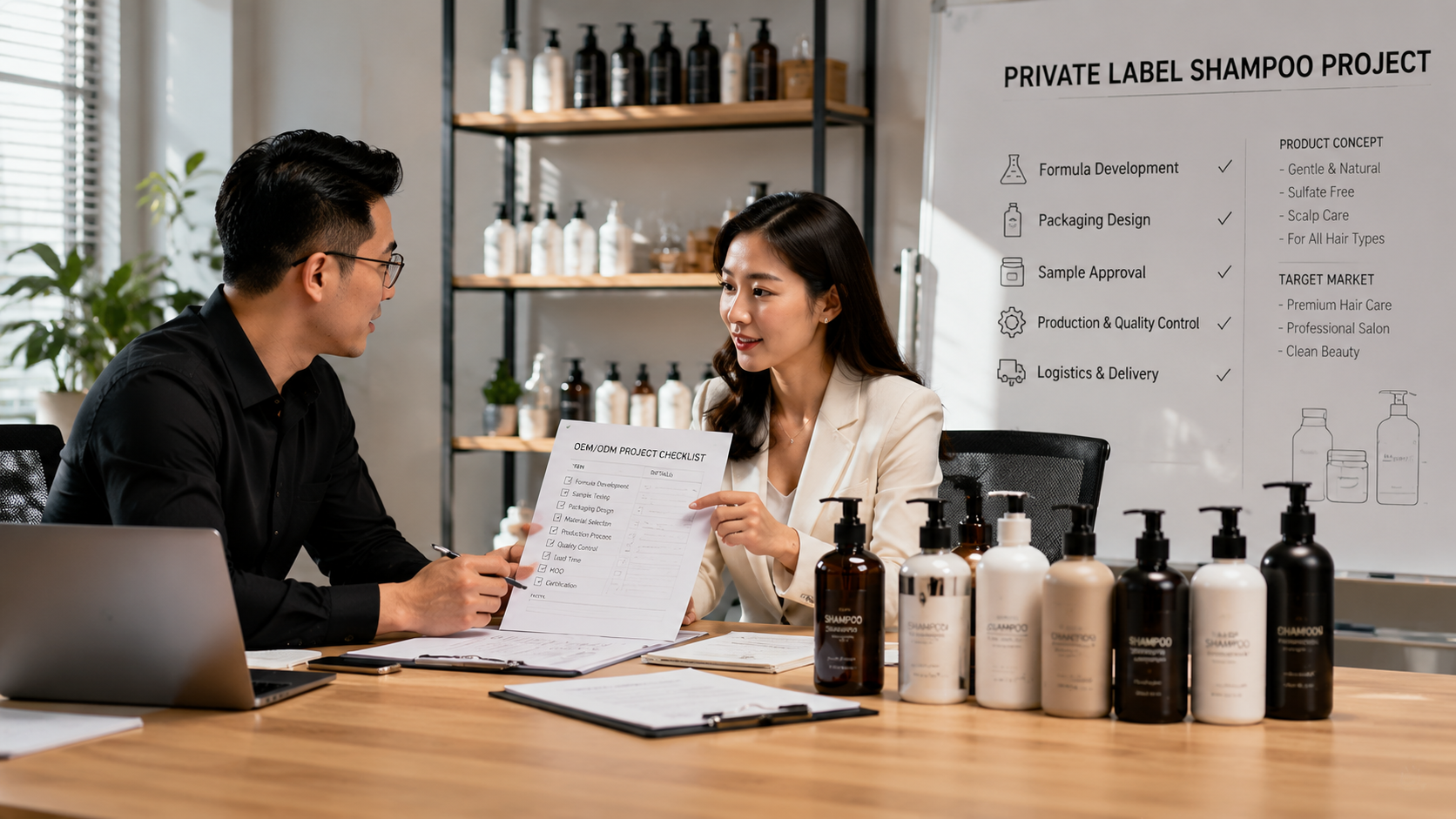
Shampoo manufacturer checklist and OEM supplier evaluation meeting.png

Following a checklist ensures that potential suppliers meet your brand’s quality standards and business goals. It also provides a structured way to compare multiple manufacturers.

Key Questions to Include in Your Shampoo Manufacturer Checklist

When evaluating an OEM partner, it is essential to ask questions across several categories:

1. Production Capacity and Lead Times

  • What is your minimum and maximum production capacity?
  • Do you have flexible MOQs for startups and small brands?
  • What is the average lead time from order placement to shipment?
  • Can you accommodate rush or seasonal orders?

Efficient production planning ensures timely delivery and helps prevent inventory shortages. According to McKinsey supply chain insights, supply chain efficiency is a major determinant of successful B2B brand operations.

2. Formula Development and Customization

  • Do you offer custom shampoo formula development?
  • Can you create salon-quality versus retail-targeted formulas?
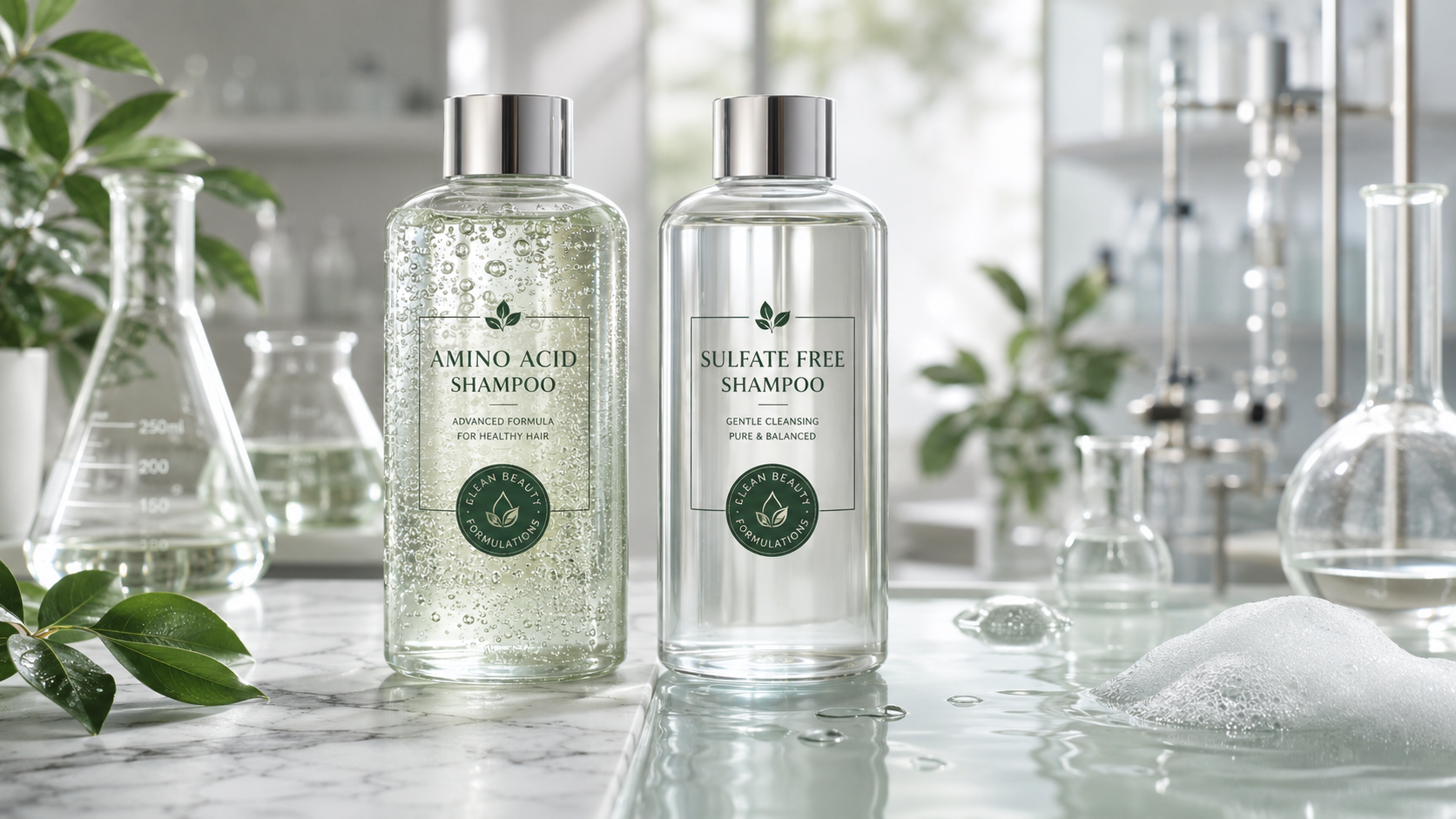
  • Are you capable of developing sulfate-free, vegan, or specialty hair care products?
  • What level of R&D support do you provide?
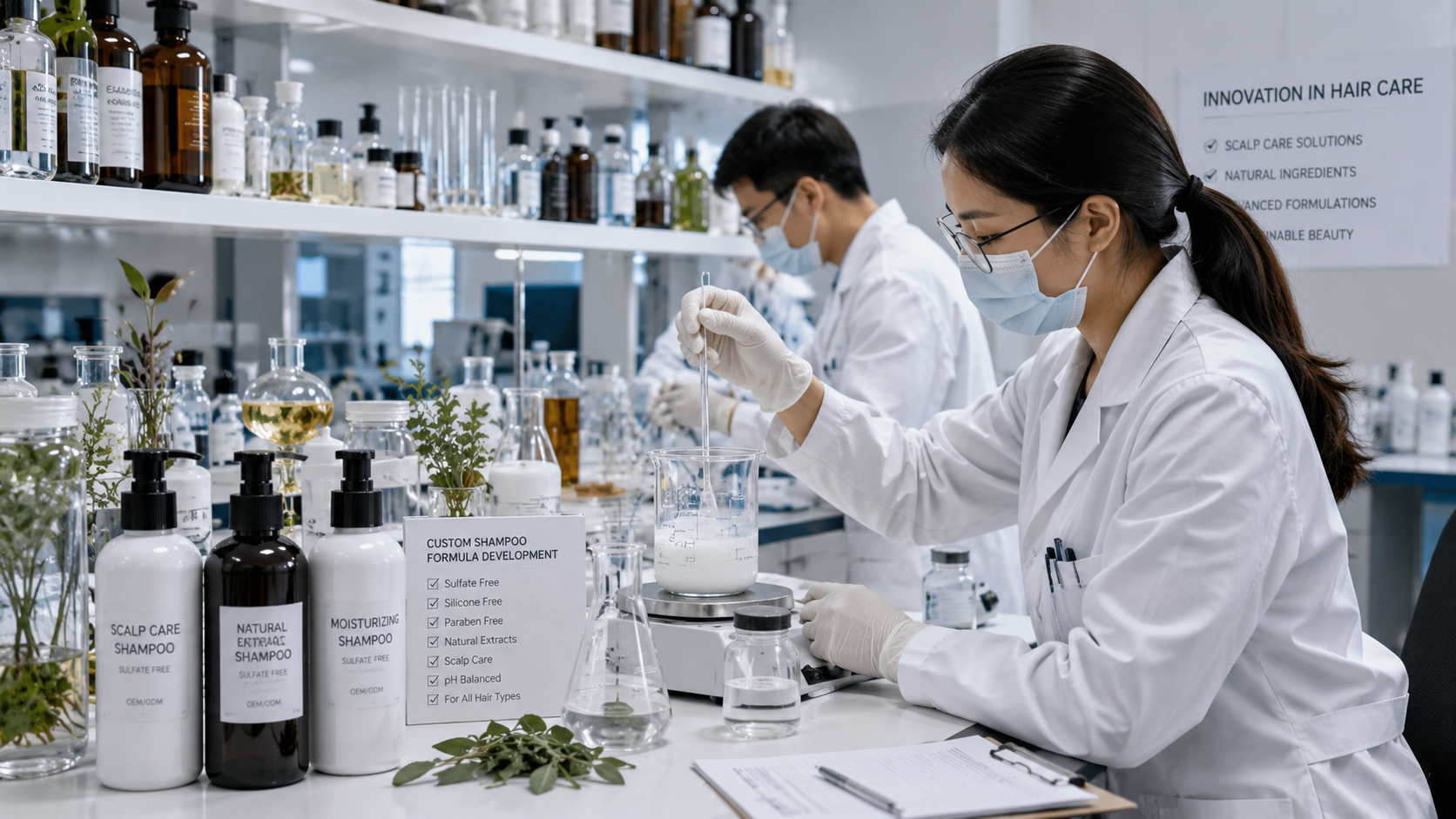
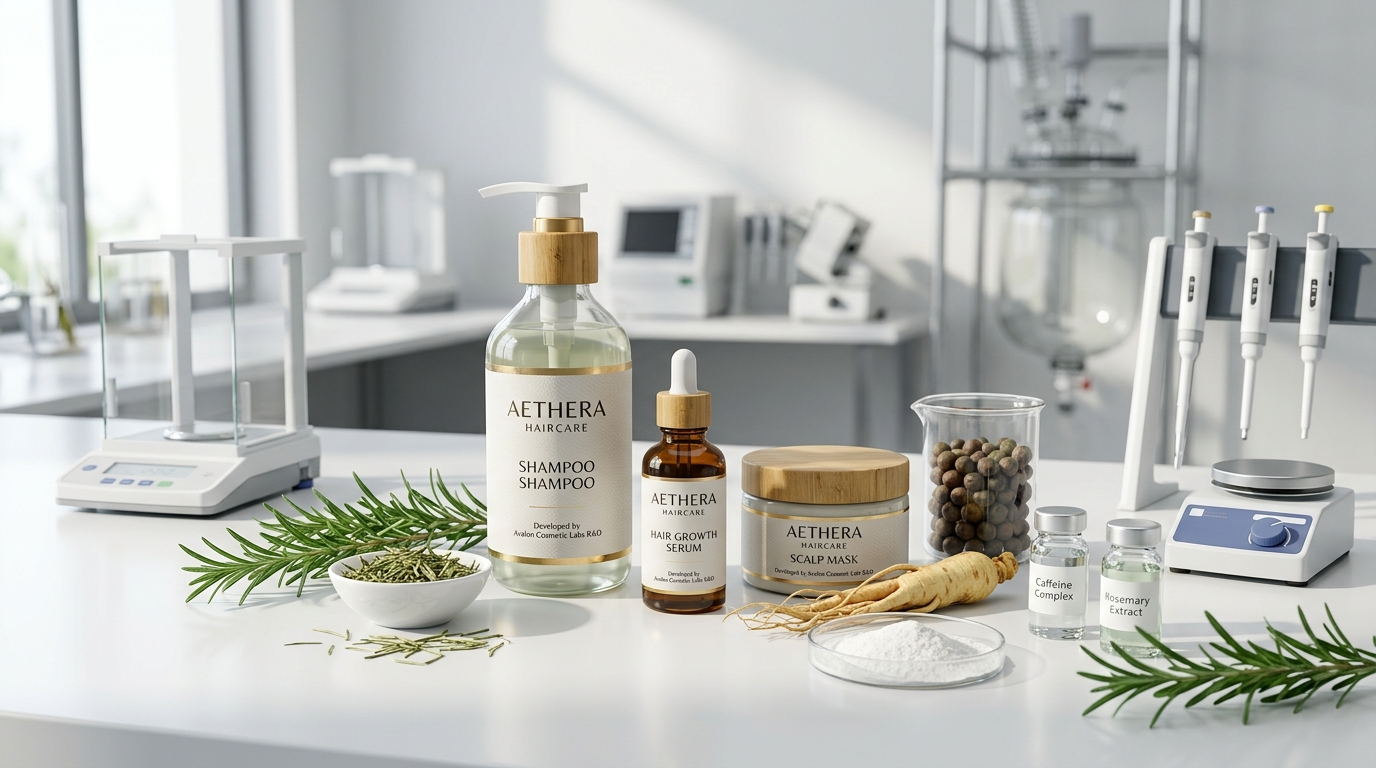
Custom shampoo formula development in OEM hair care laboratory.png

Professional brands increasingly demand formulas that align with consumer trends, including scalp care, hair repair, and clean beauty.

3. Ingredient Quality and Safety

  • What ingredients do you source, and are they certified?
  • Do you provide stability and microbiological testing reports?
  • How do you ensure formula consistency across batches?
  • Are allergens or restricted substances clearly documented?

Transparency in ingredient sourcing and testing reduces risks of regulatory issues and enhances product credibility. Cosmetics Europe regulatory guidance emphasizes the importance of proper safety documentation for hair care products.

4. Packaging Options and Customization

  • Do you offer a range of bottle types, sizes, and pump systems?
  • Can you provide custom printing or label solutions?
  • Are eco-friendly or refillable packaging options available?
  • Is packaging compatible with your formulas over the product’s shelf life?

High-quality packaging not only preserves formula integrity but also strengthens brand perception. According to Packaging Digest, sustainable packaging is increasingly valued by professional and retail buyers.

5. Pricing, Payment, and Shipping

  • What are your pricing tiers for different order volumes?
  • Do you offer quotations including private label branding?
  • What payment terms are required?
  • Can you assist with international shipping, including documentation and freight management?

Accurate cost estimates and transparent payment terms prevent surprises and help plan product launches effectively.

6. Regulatory Compliance and Certifications

  • Do you comply with international cosmetic regulations?
  • Which certifications do you hold (ISO, GMP, GMPC, etc.)?
  • Do you provide documentation for FDA or EU compliance if exporting?
  • Are testing and labeling procedures standardized?

Proper certification ensures that products meet safety and legal requirements for multiple markets.

Evaluating OEM Suppliers Effectively

After gathering answers, brands should compare suppliers systematically. Key evaluation factors include:

  • Production reliability and capacity
  • R&D and formulation support
  • Quality control measures
  • Packaging flexibility and options
  • Pricing transparency
  • Shipping efficiency
  • Compliance documentation

OEM supplier evaluation and quality control audit in shampoo factory.png

Using a standardized shampoo manufacturer checklist reduces the risk of selecting an unsuitable supplier.

Best Practices for Working with Private Label Suppliers

  • Establish clear product specifications before placing orders
  • Request samples and small-batch prototypes for quality verification
  • Maintain open communication regarding production schedules and potential delays
  • Regularly review certifications and quality reports
  • Negotiate flexible MOQs and scalable production agreements

Brands that adopt these practices often experience smoother launches and higher customer satisfaction.

FAQ

What should I include in a shampoo manufacturer checklist?

Include questions about production capacity, formula development, ingredient quality, packaging, pricing, shipping, and regulatory compliance to ensure a reliable supplier.

How do I evaluate an OEM supplier effectively?

Compare multiple suppliers using standardized criteria covering R&D capabilities, quality control, pricing, packaging options, and regulatory compliance.

Can a private label supplier help with formula customization?

Yes, many professional OEM suppliers provide custom shampoo formula development, including salon-quality, sulfate-free, or specialty hair care formulations.

What certifications should a professional shampoo manufacturer have?

Look for ISO, GMP, GMPC, and compliance with international cosmetic regulations to ensure safety and market readiness.
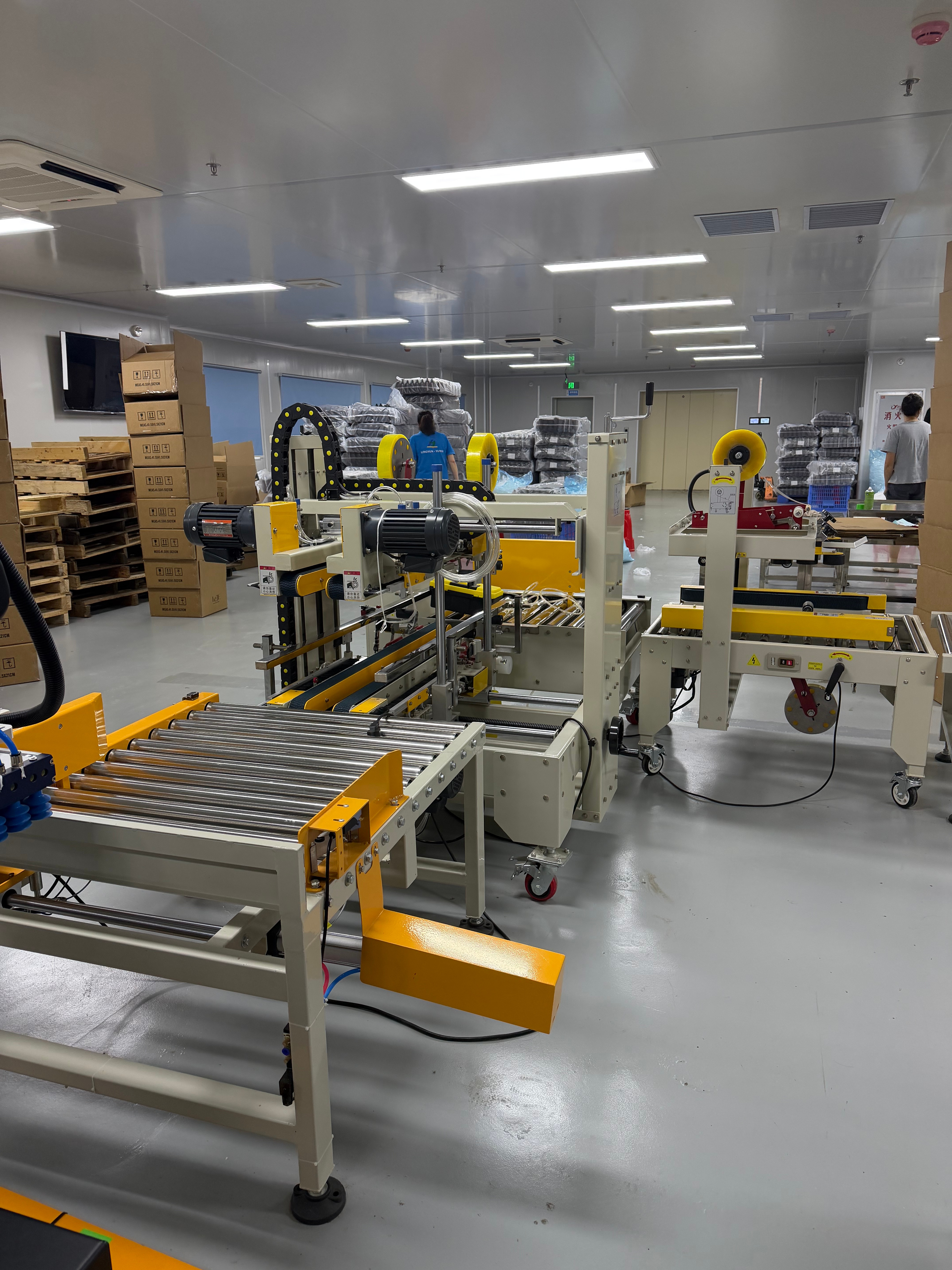
Request Specs & Wholesale Pricing

For brands, private-label buyers, and wholesalers seeking custom samples or bulk supply with hard-water-resistant technology. Submit your inquiry and our R&D and B2B teams will reply within one business day.

Please select

Featured Blogs

Featured Blogs
Hair Perfume OEM in 2026: How Fragrance-First Hair Care Is Creating a New Affordable Luxury Category - Related blog article about hair care and cosmetic manufacturing

Hair Perfume OEM in 2026: How Fragrance-First Hair Care Is Creating a New Affordable Luxury Category

In 2026, the global beauty and personal care sector is undergoing a profound transformation. The driving force behind this change is the "skinification" of hair and the unprecedented fascination of consumers with personalized perception care identities. The traditional fragrance category is gradually blurring, giving rise to an explosive new paradigm of multi-functional hybrid products: What leads this trend is the rapid transformation of auxiliary products into independent high-end flagship products. These products are no longer regarded as unnecessary accessories but have redefined the "luxury casual" market segment - providing a luxurious sensory experience at an affordable price. For independent brands, established salon networks, and cross-category beauty professionals, this transformation offers a lucrative market entry point. However, to balance high-performance fragrances with clinical care benefits, continuous accumulation of production and manufacturing experience is required. Successfully grasping this trend means going beyond basic formulations and creating complex, multi-functional fragrance carriers that not only meet the requirements of modern clean beauty but also provide long-lasting fragrance retention.

Why Scalp Serum is the Next High-Growth Category: A B2B Formulation Guide to Scalp Treatment Products and Advanced Hair Repair - Related blog article about hair care and cosmetic manufacturing

Why Scalp Serum is the Next High-Growth Category: A B2B Formulation Guide to Scalp Treatment Products and Advanced Hair Repair

As the "skinification of hair care" trend reshapes the global beauty market, the leave-on scalp serum has officially transitioned from a niche remedy to the ultimate high-margin growth engine for premium brands. This comprehensive B2B whitepaper analyzes the biological mechanisms of follicular anchoring and scalp microbiome health, demonstrating why active-rich scalp treatment products command superior consumer loyalty and premium pricing over traditional rinse-off formulas.

Private Label Hair Care 2026: Which Active Ingredient Is Right for Your Brand? - Related blog article about hair care and cosmetic manufacturing

Private Label Hair Care 2026: Which Active Ingredient Is Right for Your Brand?

Batana Oil vs Argan Oil vs Peptides — which ingredient fits your brand? Read our 2026 guide to the top active ingredients for private label hair care.

Private Label Scalp Care Shampoo: The 2026 B2B Guide to Global Formulation and OEM Manufacturing - Related blog article about hair care and cosmetic manufacturing

Private Label Scalp Care Shampoo: The 2026 B2B Guide to Global Formulation and OEM Manufacturing

The global hair care market has permanently transformed. In 2026, the focus has shifted entirely from superficial hair shaft cosmetics to fundamental scalp biology. Consumers and clinical dermatologists alike now view the scalp as an extension of facial skin, demanding microbiome-friendly, clean beauty formulations. For international brands and B2B procurement managers, launching a private label scalp care shampoo is critical for capturing premium market share across North America, Europe, and Asia. This technical blueprint explores the advanced formulation science—including sulfate-free systems and potent botanicals like Batana Oil—and outlines the strict manufacturing, upscaling, and regulatory compliance protocols required to successfully deploy an OEM scalp treatment shampoo on a global scale.

Professional Hair Mask OEM Supplier – 500ml Keratin + Collagen for Wholesale - Related blog article about hair care and cosmetic manufacturing

Professional Hair Mask OEM Supplier – 500ml Keratin + Collagen for Wholesale

Professional 500ml Hair Mask with Keratin + Collagen. Private label & wholesale. MOQ 300 units. Samples available. Made in China.

How to Develop a Private Label Scalp Care Shampoo Line in 2026: The Definitive B2B Formulation & Scaling Guide - Related blog article about hair care and cosmetic manufacturing

How to Develop a Private Label Scalp Care Shampoo Line in 2026: The Definitive B2B Formulation & Scaling Guide

Capitalize on the "skinification of hair" macro-trend in 2026. This comprehensive B2B technical guide provides a step-by-step blueprint to develop and launch a premium, high-margin private label scalp care shampoo line. Learn how to navigate advanced trichological active matrices, transition to clean sulfate-free surfactant chassis, and partner with an experienced scalp care shampoo manufacturer to overcome mass production, viscosity, and stability bottlenecks. From custom OEM scalp shampoo engineering targeting hair thinning and dandruff to navigating international MoCRA regulations, this whitepaper delivers the actionable chemical and supply chain insights your beauty brand needs to scale a clinical-grade scalp treatment shampoo portfolio.

Y&L Hair Care and Cosmetic Manufacturer Logo

Our professional engineering team has over 20 years of R&D experience and focuses on research and development. Our large-scale manufacturing facilities have made us a renowned benchmark enterprise in the Chinese hair and skincare industry.

Quick Links
Products
  • Loading...
Contact Us
  • Tel : +86-16620185982
  • WhatsApp : +86-16620185982
  • E-mail : dianliang2008@126.com
  • Wechat: 16620185982
  • Address: No.339-9, Hengjiang Rd., Chengjiao St. ConghaDist. Guangzhou, Guangdong, China
© 2026 Guangzhou L& Y Cosmetics Co.,Ltd . All rights reserved.