
As beauty brands prepare for the next generation of hair care trends in 2027, consumer interest is shifting from temporary cosmetic improvements toward damage prevention, length retention, and long-term hair maintenance.
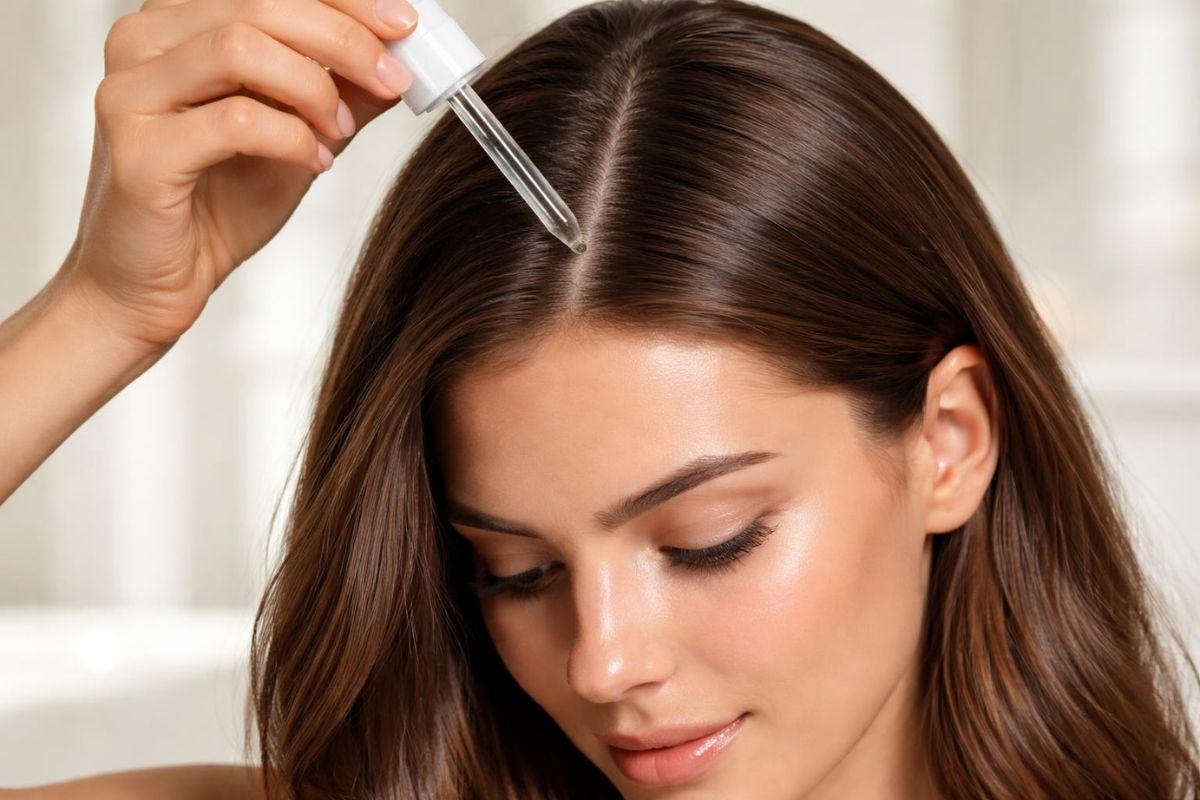
Among the emerging opportunities, split end repair, hair longevity, and targeted hair repair serums are attracting increasing attention. Consumers are looking for products that help maintain smoother, stronger-looking hair while reducing the visible signs of everyday damage.
For beauty entrepreneurs, salon brands, distributors, and established companies, this shift creates new opportunities in private label hair care, particularly in concentrated serums, nourishing hair oils, intensive repair masks, and multifunctional leave-in conditioners.
1. Why Split End Repair Is Emerging as a Major Hair Care Trend
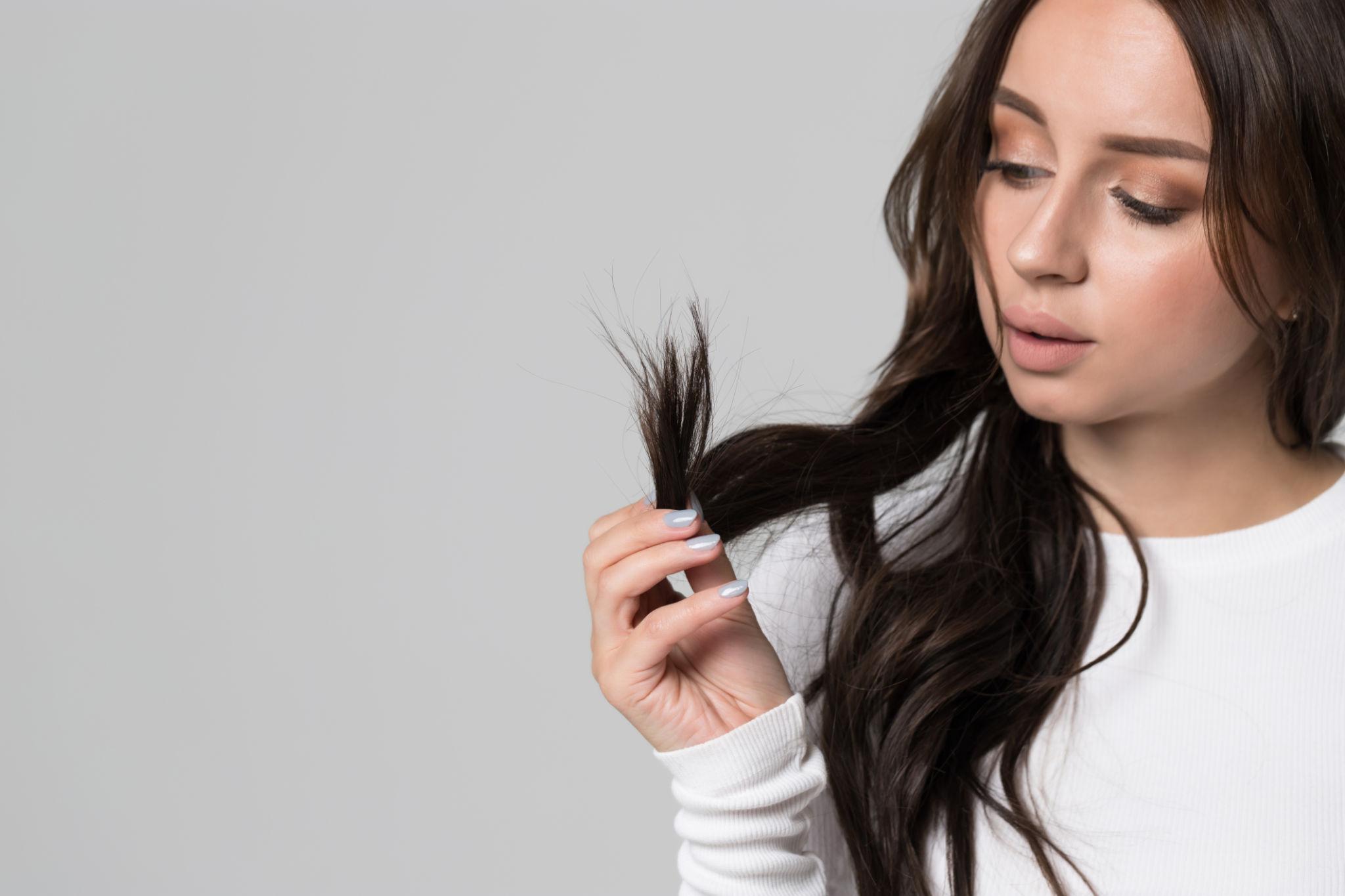
Split ends are a common concern among consumers who regularly color, bleach, straighten, or heat-style their hair. Repeated brushing, friction, chemical treatments, and environmental exposure can gradually weaken the hair fiber and contribute to visible damage.
Traditionally, consumers have relied on regular haircuts and intensive conditioning treatments to manage damaged ends. However, interest is growing in targeted products that can improve the appearance of split ends and help protect hair against further damage.
Hair Care Trend Insights: Looking Ahead to 2027
According to Spate's Q4 hair care trend analysis, split end mender popularity increased by 219.3% year over year, while hair serum popularity increased by 56.4%.
Google accounted for more than half of the growth in split end mender interest, suggesting an opportunity for search-focused product education.
Source: Spate Popularity Index, US Google, TikTok and Instagram interaction data, July 2025–June 2026 compared with July 2024–June 2025. These figures represent cross-platform popularity growth rather than retail sales or Google search volume alone.
For brands developing a new hair breakage treatment or split end care collection, these signals provide a useful starting point for identifying consumer needs and future product concepts.
2. What Is Hair Longevity?
Hair longevity describes an emerging approach to hair care that emphasizes maintaining the condition of existing hair over time.
Rather than focusing exclusively on immediate shine or softness, hair longevity encourages routines designed to minimize avoidable damage, maintain manageability, and support length retention.
This approach is particularly relevant to consumers with long hair, chemically treated hair, fragile hair, and those who frequently use heated styling tools.
The Key Principles of Hair Longevity
- Reducing excessive heat and mechanical friction.
- Maintaining appropriate moisture and conditioning.
- Protecting vulnerable mid-lengths and ends.
- Using suitable detangling and leave-in treatments.
- Trimming severely damaged or split ends when necessary.
For private label hair care brands, hair longevity provides an opportunity to develop complementary products for a complete damage-care routine rather than relying on a single hero ingredient.
3. Can Hair Products Really Repair Split Ends?
Understanding the science behind split ends is essential for developing credible cosmetic products.
A split end occurs when damage causes the hair shaft to separate near its tip. Because the visible hair fiber is not living tissue, an ordinary cosmetic treatment cannot permanently restore a split hair fiber to its original undamaged condition.
However, well-designed split end repair products can temporarily improve the appearance of damaged ends, provide lubrication, reduce friction, and help hair feel smoother and more manageable.
What Can a Split End Mender Do?
- Temporarily smooth the appearance of split ends.
- Improve softness and surface shine.
- Reduce friction during brushing and styling.
- Help protect vulnerable hair ends from additional wear.
- Improve the appearance of dry and frizzy hair.
Specific performance depends on the formulation and should be supported by appropriate testing. Products should not promise permanent split end repair without adequate scientific substantiation.
Brands can explore Yedda's Repair & Damage Recovery Series for relevant product development directions.
4. The Most Promising Split End Repair Products for 2027
The growing focus on targeted damage care creates several product development opportunities for beauty brands preparing their 2027 collections.
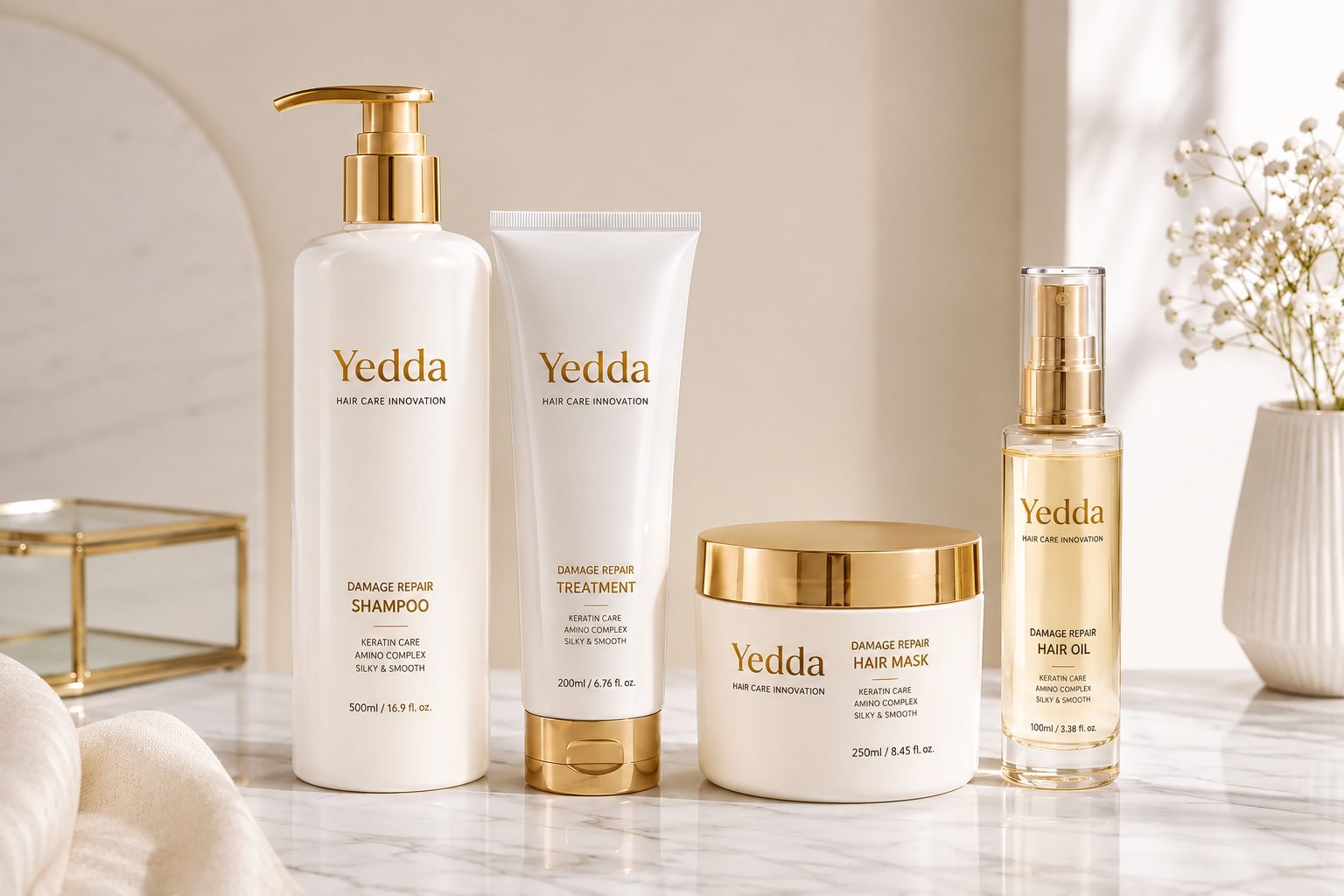
Private Label Hair Serum
A lightweight hair repair serum can be positioned as a convenient daily treatment for dry ends, frizz, dullness, and styling-related damage.
Serum development can focus on fast absorption, smooth application, shine enhancement, and a non-greasy finish.
Brands exploring private label hair serum development should consider different textures for fine, thick, curly, and chemically treated hair.
Split End Mender Cream
A targeted leave-on cream offers a more specialized approach to damaged-end care. Film-forming and conditioning ingredients may help temporarily smooth the appearance of split ends and improve hair feel.
Compact tubes or airless pump packaging can provide a convenient format for targeted application.
Private Label Hair Mask
A private label hair mask can complement daily damage-care products by providing intensive conditioning for dry, porous, or chemically treated hair.
Potential concepts include keratin conditioning masks, amino acid hair masks, moisturizing repair treatments, and rich formulations containing selected plant oils.
Leave-In Conditioner
Leave-in conditioners are well suited to hair longevity routines because they provide conditioning benefits without requiring an additional rinsing step.
A lightweight spray can target detangling and daily manageability, while a cream-based formulation may be more appropriate for thick, coarse, or dry hair.
Private Label Hair Oil
Hair oils remain a versatile product category for brands focusing on shine, softness, frizz control, and the appearance of dry ends.
Working with a suitable hair oil manufacturer allows brands to explore different oil blends, sensory profiles, fragrances, and packaging formats for specific consumer groups.
| Product Concept | Primary Positioning | Target Market |
|---|---|---|
| Split End Repair Serum | Smoothing and damaged-end care | Daily premium hair care |
| Split End Mender Cream | Targeted cosmetic repair | Dry and damaged ends |
| Repair Hair Mask | Intensive conditioning | Color-treated and dry hair |
| Leave-In Conditioner | Detangling and manageability | Daily hair maintenance |
| Nourishing Hair Oil | Shine and softness | Frizzy and dull hair |
5. Trending Ingredients for Hair Repair Formulations
Ingredient-focused product development continues to influence the premium hair care market. Brands creating custom hair care formulations can consider ingredients based on their functional contribution, compatibility, safety, and sensory performance.
Hydrolyzed Keratin and Proteins
Hydrolyzed proteins are commonly incorporated into conditioning products to improve hair feel and the appearance of damaged fibers.
Amino Acids
Selected amino acids can be used as part of conditioning and moisturizing systems in shampoos, hair masks, and leave-in treatments.
Argan Oil
Argan oil is frequently used in hair oils and masks to support lubrication, softness, and a smoother cosmetic finish.
Panthenol
Panthenol is a widely used conditioning and humectant ingredient suitable for various rinse-off and leave-on hair care formats.
Silicone-Based Conditioning Agents
Selected silicones can provide slip, surface smoothness, shine, and reduced friction when appropriately incorporated into hair care formulations.
Film-Forming Polymers
Film-forming ingredients can help create a temporary smoothing layer on the hair surface, making them particularly relevant to targeted split end mender and hair repair serum concepts.
Successful formulations depend on the performance of the complete ingredient system, not simply the presence of a popular ingredient.
Through Yedda's custom hair care manufacturing services, brands can explore suitable ingredient combinations, textures, fragrances, and cosmetic performance goals.
6. Split End Repair vs. Bond Repair: What Is the Difference?
Although split end repair and bond repair are closely related in consumer marketing, they describe different product concepts.
Split end menders generally focus on the visible condition of damaged hair ends. Bond repair products may be developed to address specific aspects of hair fiber structure, depending on their technology and demonstrated performance.
| Feature | Split End Repair | Bond Repair |
|---|---|---|
| Primary Focus | Visible damage at hair ends | Hair fiber integrity and damage care |
| Common Formats | Serums, creams and oils | Masks and specialized treatments |
| Consumer Goal | Smoother-looking ends | Improved damaged-hair condition |
| Product Claims | Temporary cosmetic smoothing | Dependent on technology and testing |
For beauty brands, these two concepts can complement each other within a broader hair longevity collection. A conditioning mask, daily serum, and protective leave-in treatment may serve different steps in the same damage-care routine.
7. How to Develop a Private Label Split End Repair Collection
Turning a consumer trend into a competitive product requires careful planning. Before working with a private label hair care manufacturer, brands should establish a clear development strategy.
Step 1: Identify Your Target Customer
Define whether your collection is intended for salon clients, premium retail consumers, curly hair, color-treated hair, or people with frequently heat-styled hair.
Step 2: Choose Your Hero Product
A concentrated split end repair serum may be a practical starting point for a premium damage-care brand. A repair mask or leave-in conditioner can then complement the collection.
Step 3: Select the Formula and Sensory Profile
Consider fragrance, viscosity, application method, absorption, after-feel, and compatibility with different hair types.
Step 4: Establish Product Testing Requirements
Appropriate stability, microbiological safety, packaging compatibility, and performance evaluations should be considered during development.
Claims relating to breakage reduction, heat protection, structural repair, or measurable improvements should be supported by relevant evidence.
Step 5: Develop Packaging and Brand Positioning
Dropper bottles, pump dispensers, squeeze tubes, spray bottles, and airless packaging offer different application experiences and positioning opportunities.
Packaging selection should also consider formulation compatibility, product protection, transportation, and target retail pricing.
8. Choosing a Hair Care OEM/ODM Manufacturing Partner
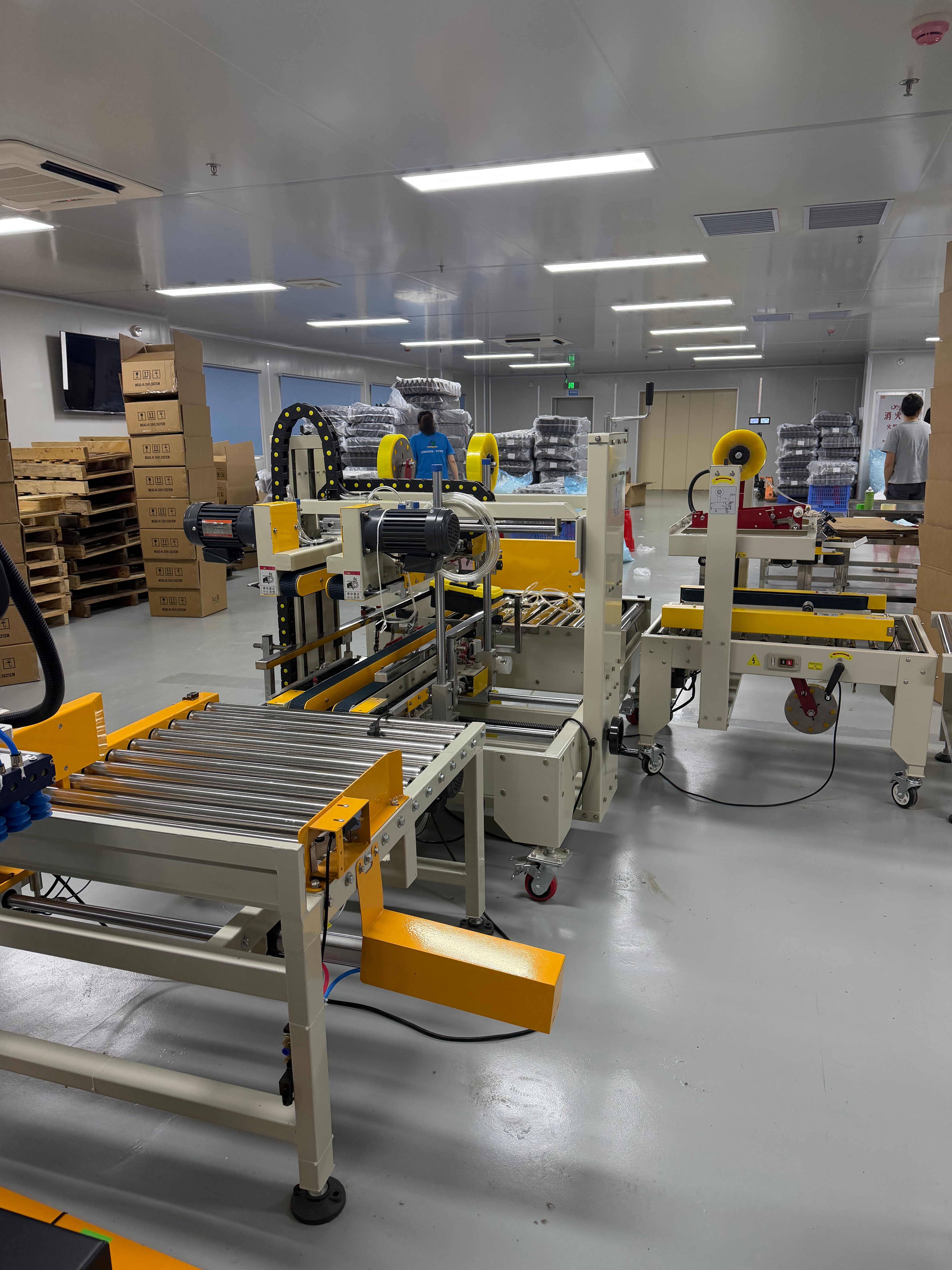
A reliable hair care manufacturer can help brands evaluate product concepts, select suitable formulations, develop samples, and prepare products for commercial manufacturing.
Yedda Hair Care, operated by Guangzhou L&Y Cosmetics Co., Ltd., provides private label and OEM/ODM manufacturing services for international hair care brands, salons, distributors, and retailers.

Our hair care development services cover product categories including shampoos, conditioners, hair masks, hair oils, and targeted hair treatments.
Private Label and Custom Manufacturing Options
- Ready-to-market hair care formulation options.
- Custom formulation and sample development.
- Product texture and fragrance customization.
- Packaging and private label branding support.
- Manufacturing and quality control coordination.
- Export and international delivery support.
Brands seeking a streamlined launch can explore our private label hair care solutions, while businesses looking for differentiated products can consider custom hair care formulations and OEM/ODM services.
Product specifications, minimum order quantities, testing requirements, and development timelines depend on the final formulation, packaging, and individual project requirements.
9. Preparing Your Hair Care Brand for 2027
Looking ahead to 2027, split end care and hair longevity offer promising directions for brands seeking to connect everyday consumer concerns with specialized cosmetic product development.
Rather than relying on exaggerated repair claims, brands can focus on realistic benefits, pleasant sensory experiences, transparent communication, and well-designed product routines.
From private label hair serums and repair hair masks to nourishing oils and leave-in conditioners, a focused hair care collection can address multiple aspects of visible damage and daily maintenance.
By combining consumer trend research with practical formulation development and suitable manufacturing support, beauty brands can build differentiated products for the evolving international hair care market.
Frequently Asked Questions
What is a split end mender?
A split end mender is a cosmetic hair care product designed to temporarily smooth the appearance of split ends, improve manageability, and help reduce friction. It does not permanently restore a split hair fiber.
What is hair longevity?
Hair longevity is an approach to maintaining the condition of existing hair through damage prevention, conditioning, reduced mechanical friction, and consistent hair care routines.
What ingredients are used in split end repair products?
Common formulation options include conditioning polymers, selected silicones, hydrolyzed proteins, panthenol, amino acids, and plant oils. Ingredient selection depends on the intended product benefits and overall formulation.
Can I create my own private label hair repair serum?
Yes. Beauty brands can work with a hair care OEM/ODM manufacturer to explore private label or custom hair repair serum formulations, including texture, fragrance, ingredients, packaging, and branding options.
What is the MOQ for private label hair care products?
Minimum order quantities depend on the selected formulation, packaging requirements, customization level, and manufacturing specifications. Standard private label products and fully customized formulations may have different MOQ requirements.
How do I choose a private label hair care manufacturer?
Evaluate the manufacturer's formulation capabilities, sample development process, quality control procedures, testing support, packaging options, manufacturing experience, and ability to meet your target market requirements.
Industry Sources and Further Reading
- Spate: The Hair Care Trends Brands Need on Their Q4 Roadmap, According to the Data .
- Yedda Hair Care: Private Label Hair Care Manufacturing .
- Yedda Hair Care: Custom Hair Care Solutions .
- Yedda Hair Care: Repair & Damage Recovery Series .