

As temperatures drop across Europe and North America, winter hair care is becoming an increasingly relevant focus for beauty brands and consumers. Cold weather, indoor heating, low humidity, and friction from winter clothing can leave hair feeling dry, rough, and difficult to manage.
For the 2026–2027 winter season, moisturizing shampoos, hydrating hair masks, anti-frizz serums, and lightweight leave-in treatments offer practical solutions to common seasonal hair concerns.
These consumer needs also create opportunities for beauty entrepreneurs, salon brands, distributors, and retailers looking to develop differentiated private label hair care products.
1. Why Winter Hair Care Is a Seasonal Opportunity
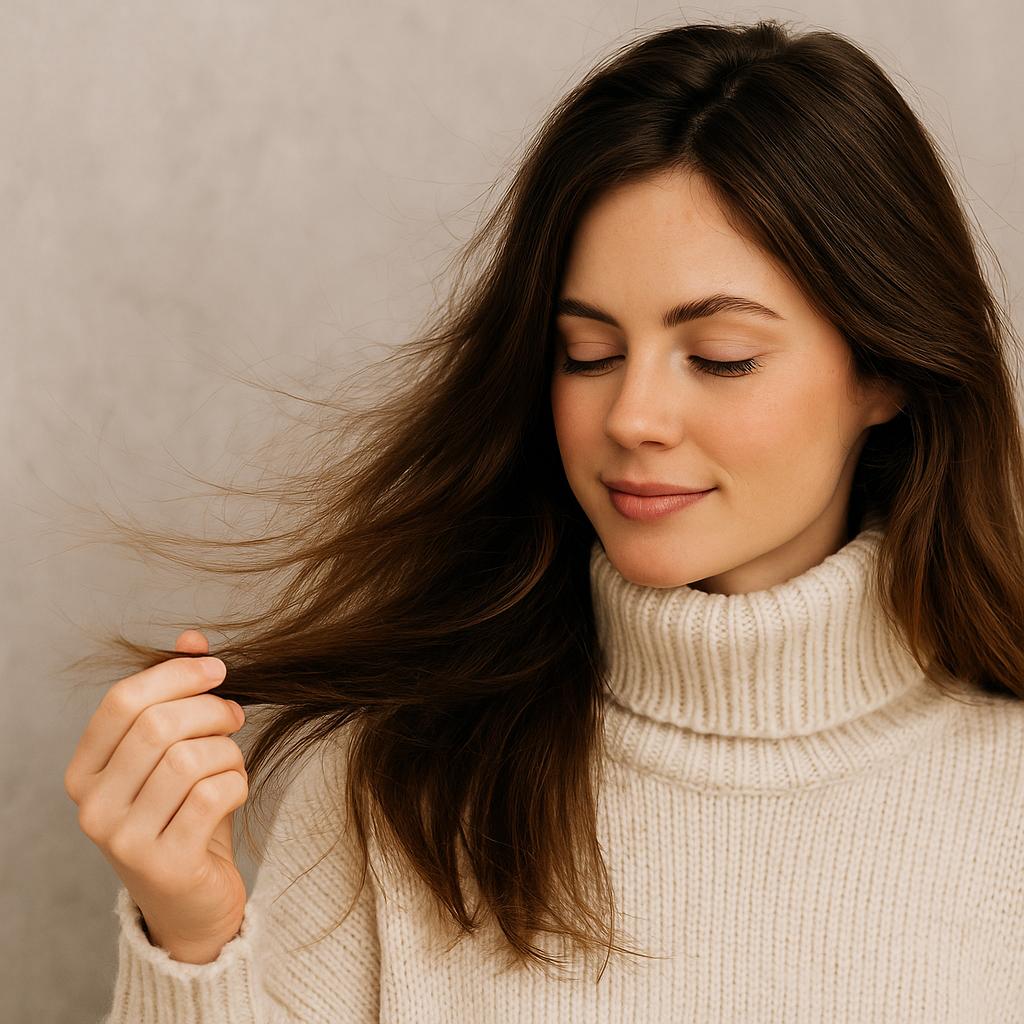
Winter brings a combination of environmental and mechanical stressors that can affect the appearance and manageability of hair.
Dry indoor environments, frequent temperature changes, heated styling tools, and friction from hats and scarves can contribute to flyaways, tangles, roughness, and visible dryness.
Consumers who already have chemically treated, bleached, curly, or naturally dry hair may find these seasonal concerns particularly noticeable.
What Recent Hair Care Trend Data Reveals
According to Spate's 2026 Hair Care & Styling Report, hair serum popularity increased by 56.4% year over year, while overnight hair serum popularity increased by 661.1% from a much smaller base.
Spate's 2026 Beauty & Wellness Predictions Report also identifies shiny hair, textured hair, and frizz-free hair among growing consumer benefit areas.
These signals suggest opportunities for targeted conditioning products, overnight treatments, and multifunctional hair serums that address everyday hair concerns.
Source: Spate 2026 Hair Care & Styling Report, US Google, TikTok and Instagram data, July 2025 to June 2026 compared with July 2024 to June 2025. Popularity growth does not represent retail sales or Google search volume alone.
2. The Rise of Anti-Frizz and Anti-Static Hair Care
Frizz and static electricity are closely related consumer concerns during colder months, although they are not exactly the same.
Frizz can involve uneven hair fiber alignment, surface damage, and changes in moisture content. Static occurs when electrical charges accumulate, causing individual hair strands to repel one another.
Low-humidity environments can make electrical charges less likely to dissipate, while brushing and contact with clothing may contribute to static buildup.
Anti-Frizz Hair Serum
An anti-frizz hair serum can help improve surface smoothness, shine, and manageability. Lightweight formulations may be particularly attractive to consumers who want a polished finish without a heavy or greasy feeling.
Product developers can explore different conditioning systems, plant-derived oils, silicones, and film-forming ingredients depending on the desired texture and performance.
Anti-Static Hair Spray
Anti-static hair sprays offer a convenient product concept for managing flyaways throughout the day. A fine-mist spray may be especially suitable for consumers who frequently wear hats, scarves, and winter clothing.
Compact packaging can also support portable hair care and travel-friendly product collections. Specific anti-static performance should be evaluated before making quantitative product claims.
Lightweight Leave-In Conditioner
Leave-in conditioners provide an additional conditioning step for consumers concerned about tangles, dryness, and difficult styling.
Spray-based products can be developed for fine hair, while richer creams may be better suited to thick, curly, or highly porous hair.
3. Deep Hydration: A Key Winter Hair Care Benefit
Moisture-focused hair care remains a practical direction for winter product development. However, effective conditioning involves more than simply adding water-attracting ingredients.
A balanced formula can combine humectants, emollients, conditioning agents, and film-forming ingredients to help improve hair softness, slip, and cosmetic appearance.
Moisturizing Shampoo and Conditioner
A moisturizing shampoo can serve as the foundation of a winter hair care collection. Brands can focus on a suitable cleansing system that balances cleansing performance with a comfortable after-feel.
A complementary conditioner can improve detangling and manageability without making the hair feel unnecessarily heavy.
Intensive Hydrating Hair Mask
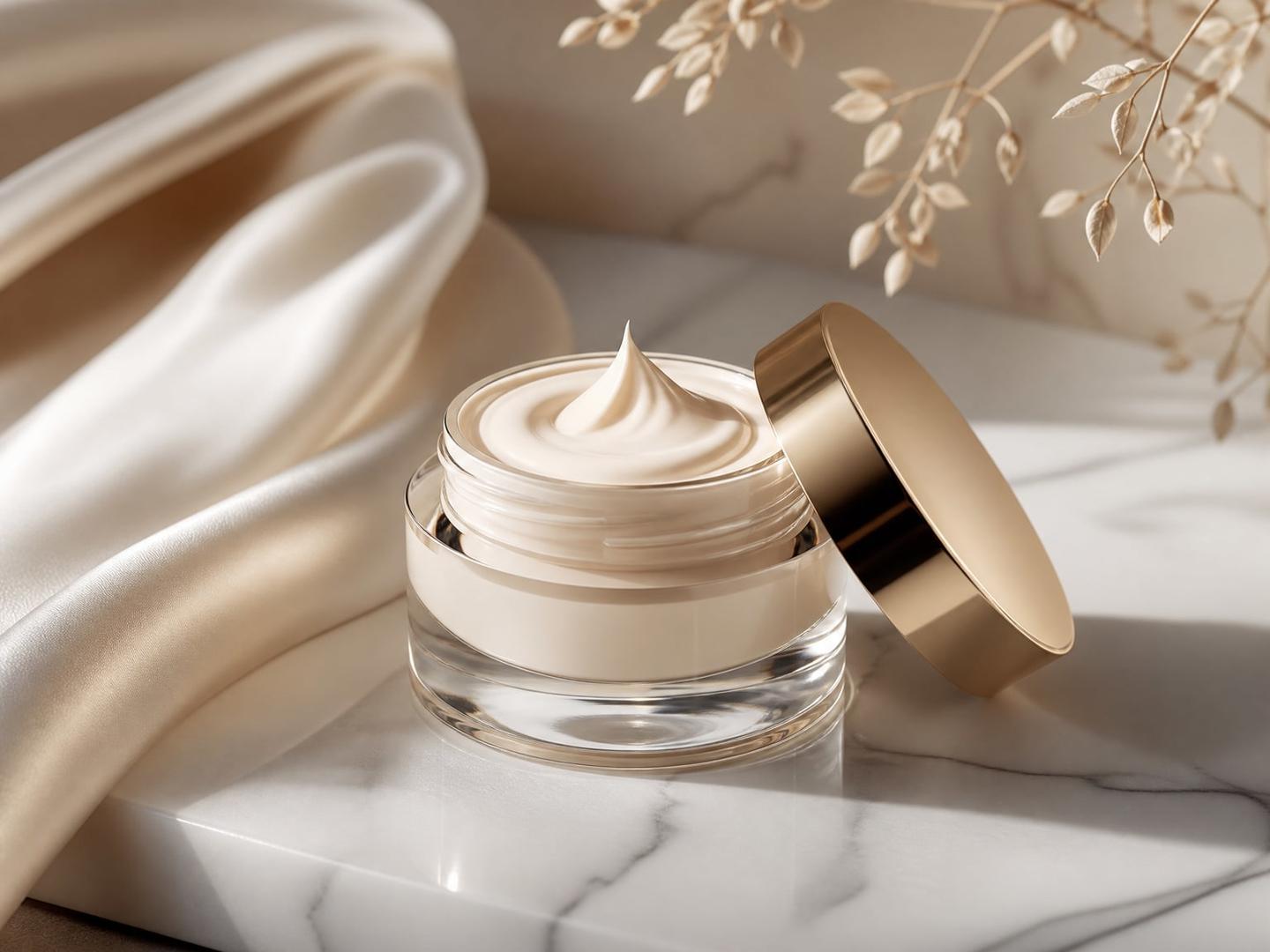
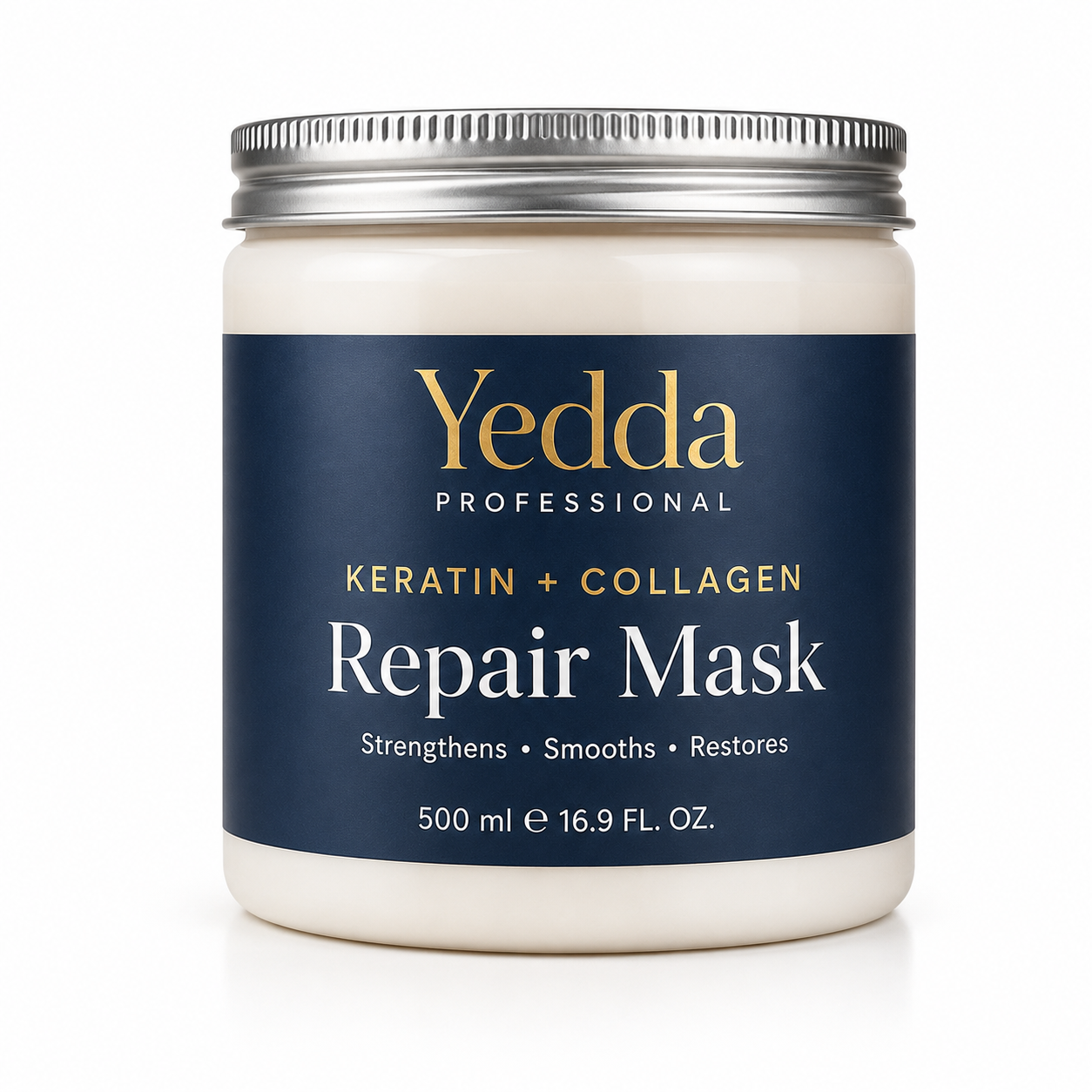
A hydrating hair mask offers an opportunity to develop a premium treatment for consumers with dry, rough, or chemically treated hair.
Private label hair mask concepts may include rich conditioning creams, lightweight moisturizing treatments, protein-containing formulas, and plant-oil-based conditioning systems.
Brands can explore Yedda's Repair & Damage Recovery Series for complementary damaged-hair product directions.
4. Overnight Hair Serum: An Emerging Product Opportunity
Overnight hair serum represents an interesting extension of the growing hair serum category. The concept fits into consumers' evening beauty routines and provides an alternative to traditional rinse-off treatments.
The appeal of an overnight hair treatment lies in its convenience, pleasant sensory experience, and potential to improve hair softness and manageability by the following morning.
For brands developing a private label overnight hair serum, important considerations include:
- Lightweight and non-sticky application.
- Comfortable sensory performance during sleep.
- Low residue on hair and bedding.
- Suitable fragrance intensity for evening use.
- Compatibility with different hair textures.
- Appropriate leave-on safety evaluation.
A well-positioned overnight serum can complement a daytime anti-frizz treatment or moisturizing hair care routine, creating opportunities for product bundles and repeat purchases.
5. Five Winter Hair Care Products for Private Label Brands
Beauty brands preparing seasonal collections can consider several complementary product formats, depending on their target market, retail channel, and desired price positioning.
| Product Concept | Main Cosmetic Benefit | Target Consumers |
|---|---|---|
| Moisturizing Shampoo | Gentle cleansing and soft hair feel | Dry and normal hair |
| Hydrating Hair Mask | Intensive conditioning | Dry and damaged hair |
| Anti-Frizz Hair Serum | Smoothness and shine | Frizzy and dull hair |
| Anti-Static Hair Mist | Flyaway management | Fine and static-prone hair |
| Overnight Hair Serum | Leave-on conditioning | Convenience-focused consumers |
Instead of developing an extensive product range at the beginning, emerging beauty brands can consider launching a hero product supported by one or two complementary treatments.
For example, a hydrating shampoo, an intensive hair mask, and a lightweight anti-frizz serum can form a simple three-step winter hair care routine.
6. Key Ingredients for Winter Hair Care Formulations
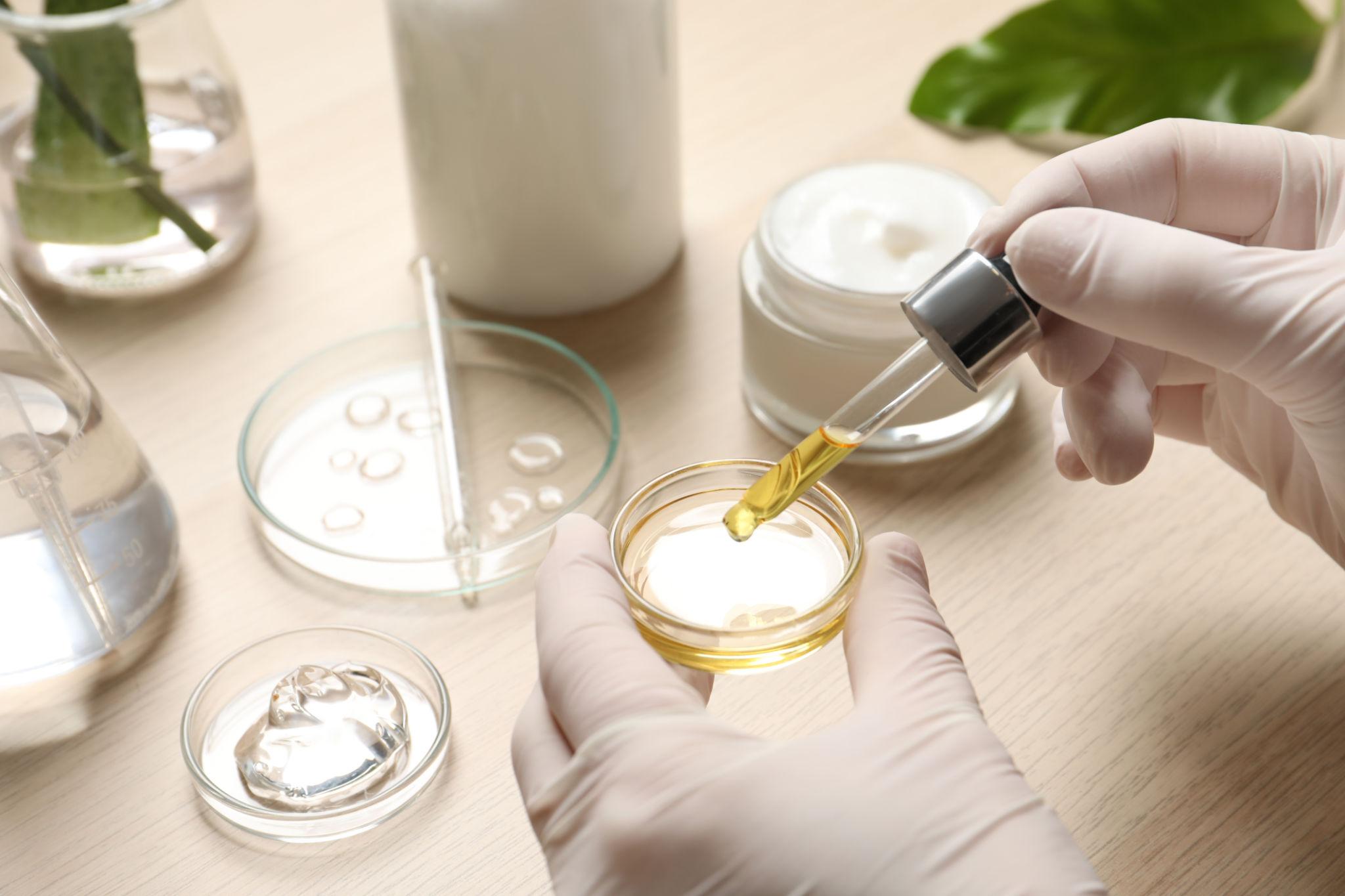
Ingredient selection plays an important role in the performance and positioning of moisturizing and anti-frizz hair care products.
Argan Oil
Argan oil is frequently incorporated into hair serums, conditioners, and masks to support lubrication, shine, and softness.
Shea Butter
Shea butter can provide a rich emollient profile in intensive conditioning products, particularly those targeting dry, thick, or coarse hair.
Panthenol
Panthenol is a versatile conditioning and humectant ingredient that can be incorporated into shampoos, hair masks, and leave-in treatments.
Glycerin
Glycerin is commonly used as a humectant in water-based hair care products. Its concentration and combination with other ingredients should be adjusted according to product format and intended sensory performance.
Hydrolyzed Proteins and Amino Acids
Selected hydrolyzed proteins and amino acids can contribute to the conditioning profile of formulations targeting damaged or rough-feeling hair.
Cationic Conditioning Agents
Cationic ingredients can help improve hair conditioning, reduce friction, and manage static. Their selection depends on formulation compatibility, safety requirements, and the intended application.
Silicones and Lightweight Emollients
Selected silicones and emollients can help improve surface slip, softness, shine, and frizz management. Silicone-free alternatives may also be explored when they match the brand's positioning and performance expectations.
Successful custom hair care formulations depend on the complete ingredient system rather than the presence of a single fashionable ingredient. Formulation stability, sensory performance, safety, and substantiated cosmetic benefits should remain central to product development.
7. How to Develop a Seasonal Private Label Hair Care Collection
A winter hair care collection can be positioned around a specific consumer concern, such as dry hair, static electricity, frizz, or chemically damaged hair.
Before starting development, brands should establish a clear product brief.
Define Your Target Market
Identify your target hair types, geographic markets, customer needs, retail channels, and price range. A premium salon collection may require different product textures and packaging from an online direct-to-consumer brand.
Select Product Benefits
Choose measurable and relevant cosmetic benefits, such as improved combability, reduced static, enhanced shine, or smoother hair feel.
Performance claims should be supported by appropriate product testing, particularly when communicating specific percentages or long-lasting results.
Choose the Formulation and Packaging
Consider whether your products should use pump bottles, squeeze tubes, jars, glass serum bottles, or fine-mist spray packaging.
The final packaging should be compatible with the formulation and suitable for storage, transportation, and the intended consumer application.
Plan Your Seasonal Launch
Brands targeting future autumn and winter retail seasons should allow sufficient time for sample development, testing, packaging approval, manufacturing, and international logistics.
Existing private label formulations may offer a more streamlined development route, while fully customized formulations may require additional development and validation.
8. Developing Winter Hair Care Products with Yedda
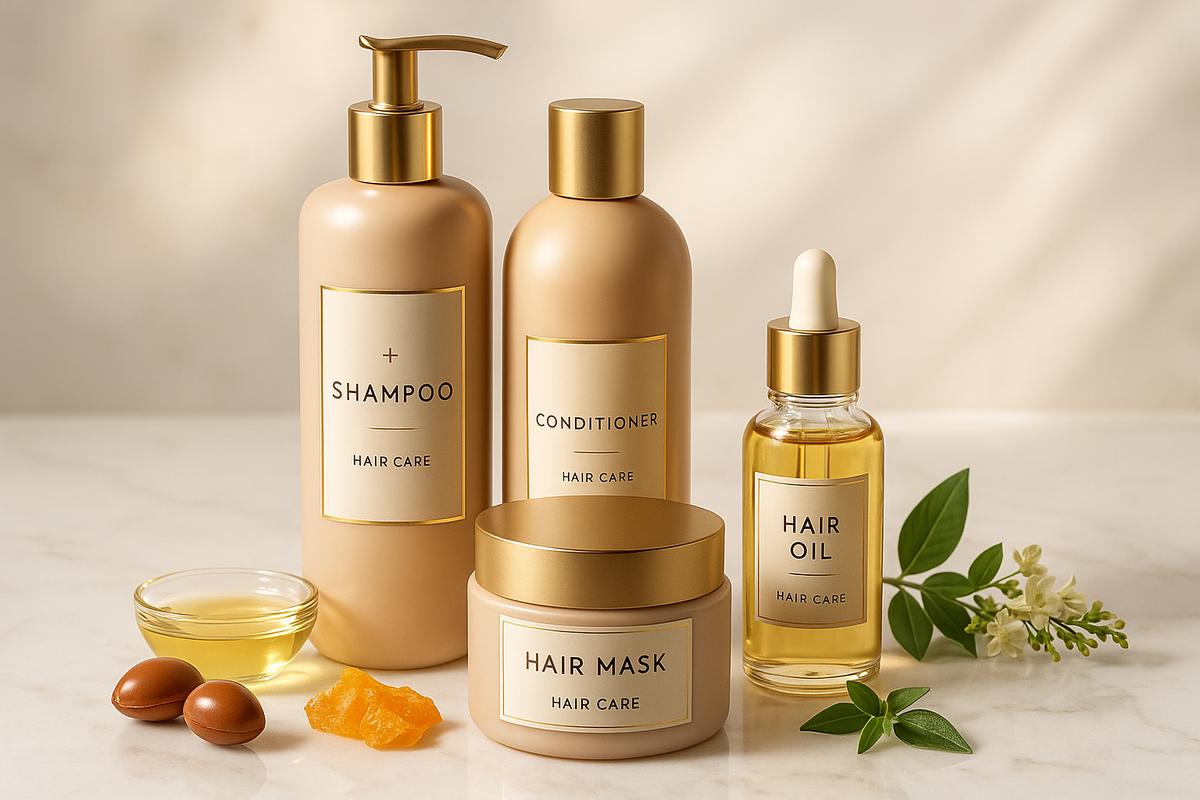
Working with a suitable private label hair care manufacturer can help beauty brands turn seasonal consumer needs into commercially viable product concepts.
Yedda Hair Care provides private label and OEM/ODM manufacturing solutions for international beauty brands, salons, distributors, and retailers.
Our product development directions include shampoos, conditioners, hair masks, hair oils, serums, and specialized hair care treatments.
Private Label and OEM/ODM Development Options

- Private label hair care formulation selection.
- Custom hair care product development.
- Sample evaluation and formulation optimization.
- Texture and fragrance customization.
- Packaging and branding coordination.
- Manufacturing and quality control coordination.
International brands can explore Yedda's private label hair care manufacturing services or custom hair care OEM/ODM solutions to evaluate suitable development options.
Minimum order quantities, product specifications, development timelines, and testing requirements depend on the selected formulation, packaging, and individual project scope.
9. Looking Ahead: Winter Hair Care Opportunities in 2027
The 2026–2027 winter season provides a useful opportunity for hair care brands to address familiar consumer concerns through more targeted and convenient product formats.
Anti-frizz serums, hydrating masks, anti-static mists, and overnight treatments can form the foundation of a differentiated seasonal hair care collection.
By combining consumer trend research, realistic cosmetic benefits, appropriate formulation development, and reliable manufacturing support, beauty brands can create products that remain relevant beyond a single winter season.
Frequently Asked Questions
Why does hair become dry and static in winter?
Low humidity, indoor heating, and friction from winter clothing can contribute to dryness, static electricity, and flyaways. Existing hair damage may make these concerns more noticeable.
What are the best hair care products for winter?
Moisturizing shampoos, hydrating conditioners, intensive hair masks, anti-frizz serums, and leave-in treatments are useful winter hair care options. Product selection should be based on individual hair type and condition.
What ingredients help reduce static and frizz?
Selected cationic conditioning agents, silicones, emollients, and film-forming polymers can help improve smoothness, reduce friction, and manage static. Performance depends on the complete formulation.
What is an overnight hair serum?
An overnight hair serum is a leave-on cosmetic treatment designed for evening application. It can provide conditioning benefits and help improve hair softness and manageability, depending on its formulation.
Can I develop a private label anti-frizz hair serum?
Yes. Brands can work with a hair care OEM/ODM manufacturer to explore anti-frizz serum formulations, ingredient systems, textures, fragrances, packaging, and private label branding options.
What is the MOQ for private label winter hair care products?
Minimum order quantities depend on the formulation, packaging, customization level, and manufacturing requirements. Ready-to-market and fully customized products may have different MOQ requirements.
Industry Sources and Further Reading