
In 2026, the most compelling hair care trends go beyond a beautiful finish. Consumers are paying closer attention to scalp comfort, damage care, ingredient transparency, and products that make daily routines easier. For beauty entrepreneurs and established brands, these interests are opening new avenues for private label hair care development.
From scalp serums and bond repair hair masks to glossy hair serums and multifunctional leave-in conditioners, the opportunity is to turn consumer conversations into well-formulated, clearly positioned products. This guide explores the trends and what they mean for brands working with a hair care OEM/ODM manufacturer.
1. Scalp Care: The Skinification of Hair Care
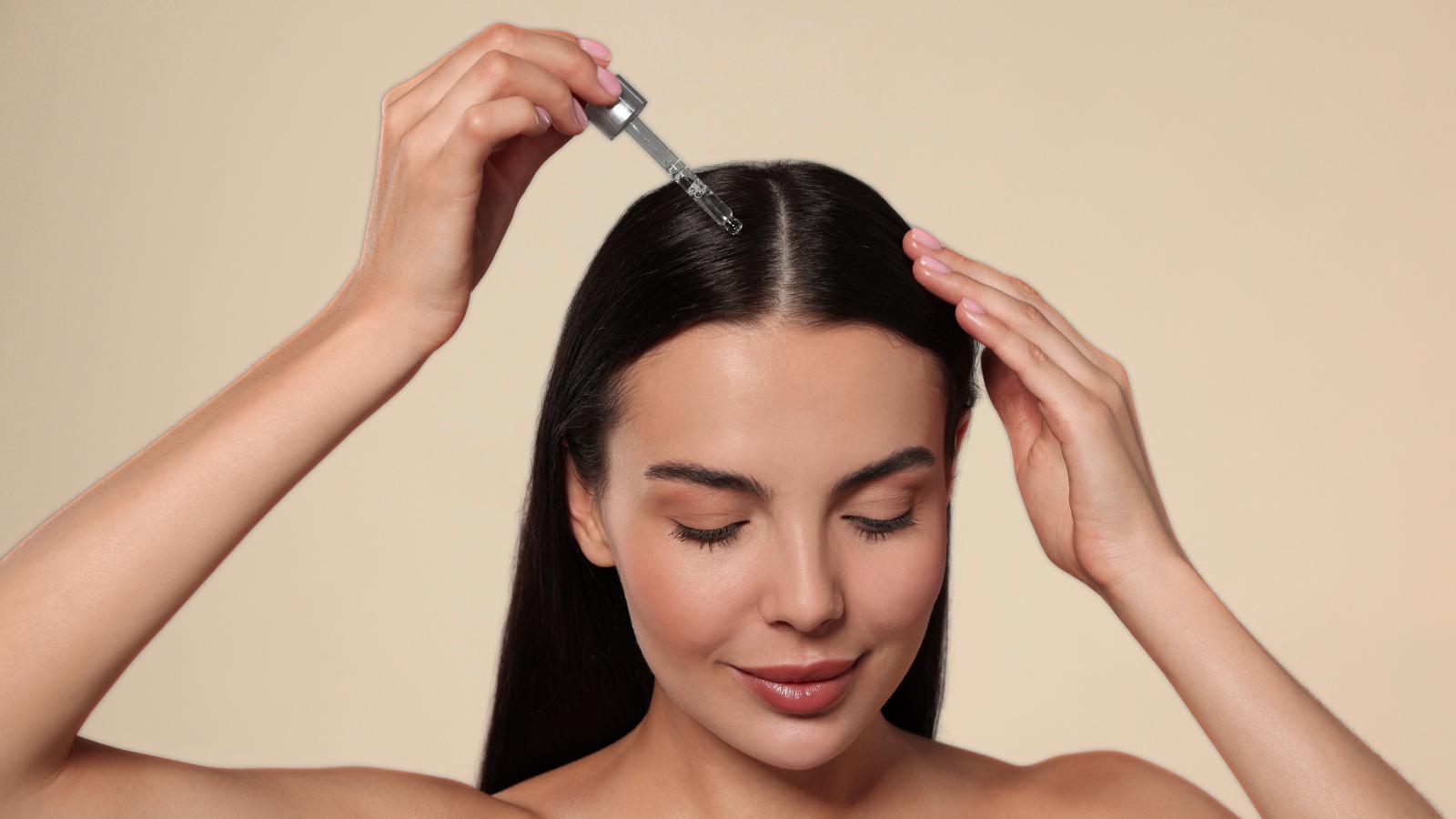
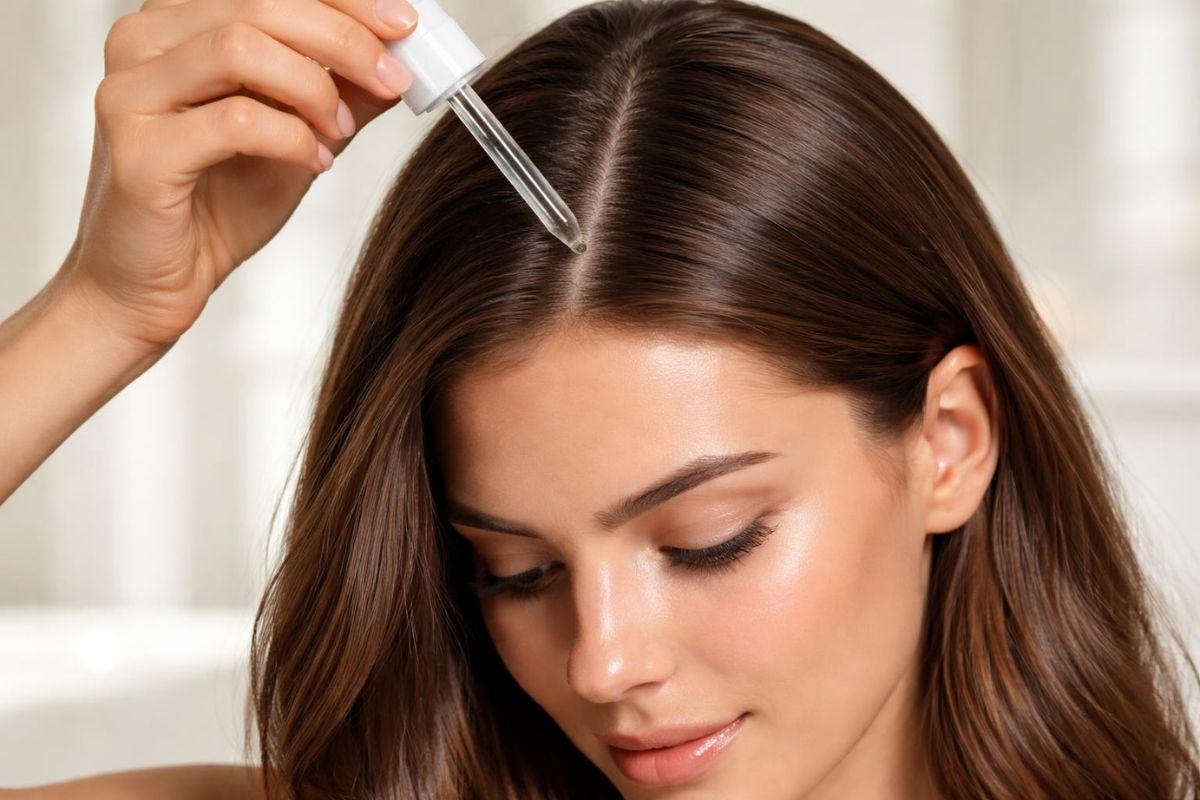
Scalp-first routines continue to influence the category. The idea of treating the scalp with the same care as facial skin has brought more attention to gentle cleansing, moisture, and targeted leave-on products. Industry analysis published in 2026 discusses skincare-associated ingredients such as niacinamide, hyaluronic acid, and ceramides appearing in hair care concepts.
Scalp Care Products Worth Exploring
- Scalp serums: Lightweight, comfortable leave-on products focused on hydration and scalp feel.
- Clarifying shampoos: Cleansing formulas designed to remove oil and styling-product buildup.
- Gentle scalp exfoliants: Products positioned around the removal of surface buildup.
- Hydrating scalp treatments: Formulas emphasizing moisturization and comfort.
For brands seeking a private label scalp serum manufacturer, the most important decisions include texture, fragrance, ingredient compatibility, packaging, and suitable substantiation of claims. A scalp product should not automatically be marketed as treating a medical condition.
2. Bond Repair Moves Into Everyday Hair Care
Coloring, bleaching, chemical processing, and frequent heat styling can affect the appearance and feel of hair. Interest in bond repair hair care has expanded from occasional intensive treatments to formats that fit more naturally into daily routines. October 2026 industry coverage highlighted this shift toward convenience.
Product Ideas for a Bond Repair Collection
- Bond repair hair mask: An intensive treatment focused on softness, manageability, and the appearance of damaged hair.
- Repair-focused leave-in conditioner: A detangling, conditioning product suitable for regular use.
- Hair repair serum: A lightweight finishing treatment to improve smoothness and shine.
When evaluating a bond repair hair mask manufacturer, brands should ask about stability, compatibility with packaging, sensory performance, and evidence supporting proposed claims.
3. Glass Hair and High-Shine Styling
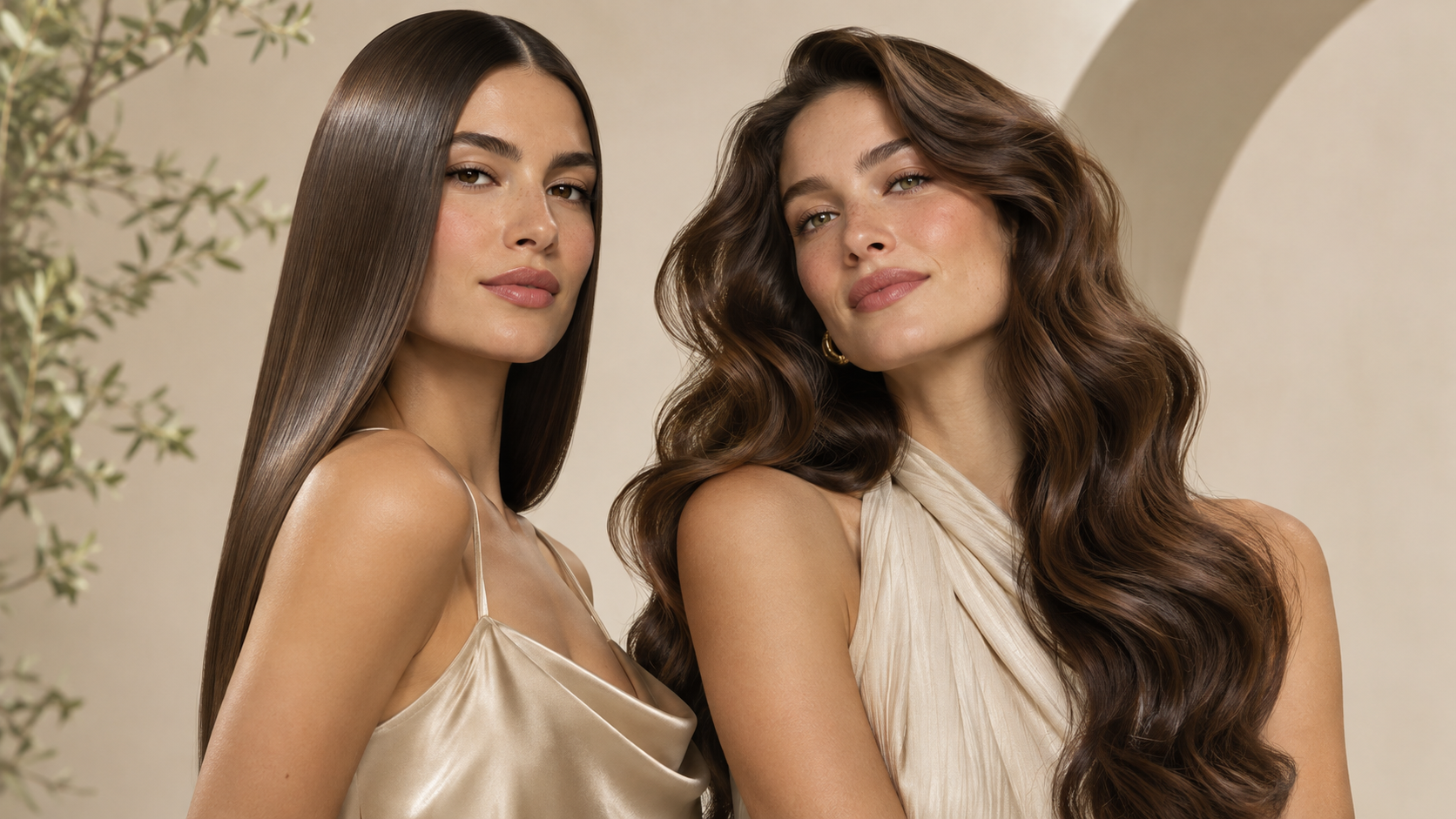
Glass hair describes a sleek, reflective, polished finish. Alongside interest in anti-frizz and smooth styling, it creates an opportunity for products that offer an immediately noticeable cosmetic effect. For a brand, the commercial question is not only how to achieve shine, but how to deliver a pleasing feel across different hair types.
Private Label Hair Serum Opportunities
- Lightweight shine serums for fine hair
- Richer smoothing serums for dry or coarse hair
- Anti-frizz leave-in conditioners
- Hair gloss and smoothing treatments
- Heat protectant sprays with tested performance
A private label hair serum can be differentiated through texture, fragrance, conditioning system, packaging, and target hair type. Explore Yedda's hair care product range for examples of product categories available for brand development.
4. Multifunctional Hair Care for Simpler Routines
Consumers often prefer products that fit easily into busy routines. This makes multifunctional hair care a useful development direction, provided each promised benefit is realistic and testable.
Multifunctional Product Concepts
- Leave-in conditioner + heat protection: A conditioning spray with substantiated heat-protection performance.
- Hair serum + anti-frizz care: A smoothing product focused on shine and manageability.
- Hair mask + deep conditioning: A richer formula emphasizing softness and detangling.
- Scalp serum + hydration: A leave-on treatment emphasizing scalp moisture and comfort.
For a new private label hair care brand, a small, focused collection can make product positioning easier than launching numerous loosely related SKUs.
5. Ingredient Transparency and Formulation Quality
Ingredient-focused beauty content has made consumers more curious about what products contain and what those ingredients actually do. But an appealing ingredient story must be supported by a stable, safe, effective finished formulation.
Ingredients Frequently Discussed in Hair Care
- Niacinamide: Appears in some scalp-focused concepts.
- Panthenol: Used for conditioning and moisture-related benefits.
- Hydrolyzed proteins: Used in some formulas to improve hair feel and appearance.
- Hyaluronic acid: A humectant incorporated into hydration-oriented products.
- Ceramides: Lipid ingredients used in selected conditioning systems.
- Conditioning polymers: Commonly used for detangling, smoothness, and manageability.
When discussing custom hair care formulations, consider the complete system: ingredient compatibility, preservation, stability, packaging, sensory feel, and target-market regulations. Avoid implying that an ingredient alone guarantees a particular outcome.
6. Turning Hair Care Trends Into a Private Label Product Line
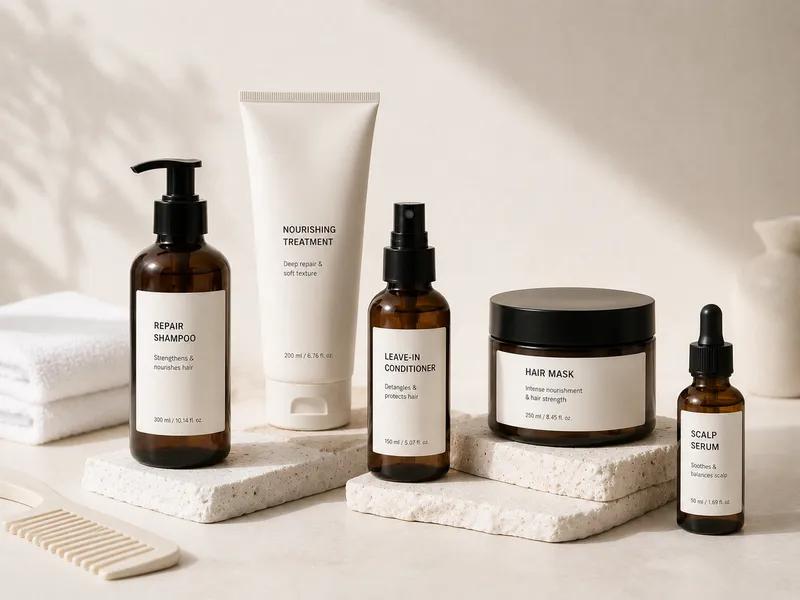
Define the Target Customer
Fine hair, textured hair, color-treated hair, and dry or oily scalps may call for very different product designs. Begin with a specific customer need rather than a long list of trending ingredients.
Choose a Focused Collection
A scalp care line might begin with a gentle shampoo, a lightweight scalp serum, and a conditioner. A shine-focused line might pair a smoothing serum with a leave-in conditioner and heat protectant spray.
Validate Performance and Compliance
Review product stability, microbiological safety, packaging compatibility, labeling, and evidence for performance claims. Requirements vary by market and product type.
Select the Right Hair Care Manufacturer
Evaluate formulation support, production capabilities, quality procedures, documentation, lead times, and communication. Yedda's guide to types of hair care manufacturers explains the differences between private label, OEM, ODM, and contract manufacturing.
7. Hair Care OEM/ODM Manufacturing With Yedda

Yedda Hair Care, operated by Guangzhou L&Y Cosmetics Co., Ltd., supports businesses exploring private label hair care manufacturing, custom formulations, and OEM/ODM product development. Its published product portfolio includes shampoo, conditioner, hair masks, scalp care, hair oils, and leave-in treatments.
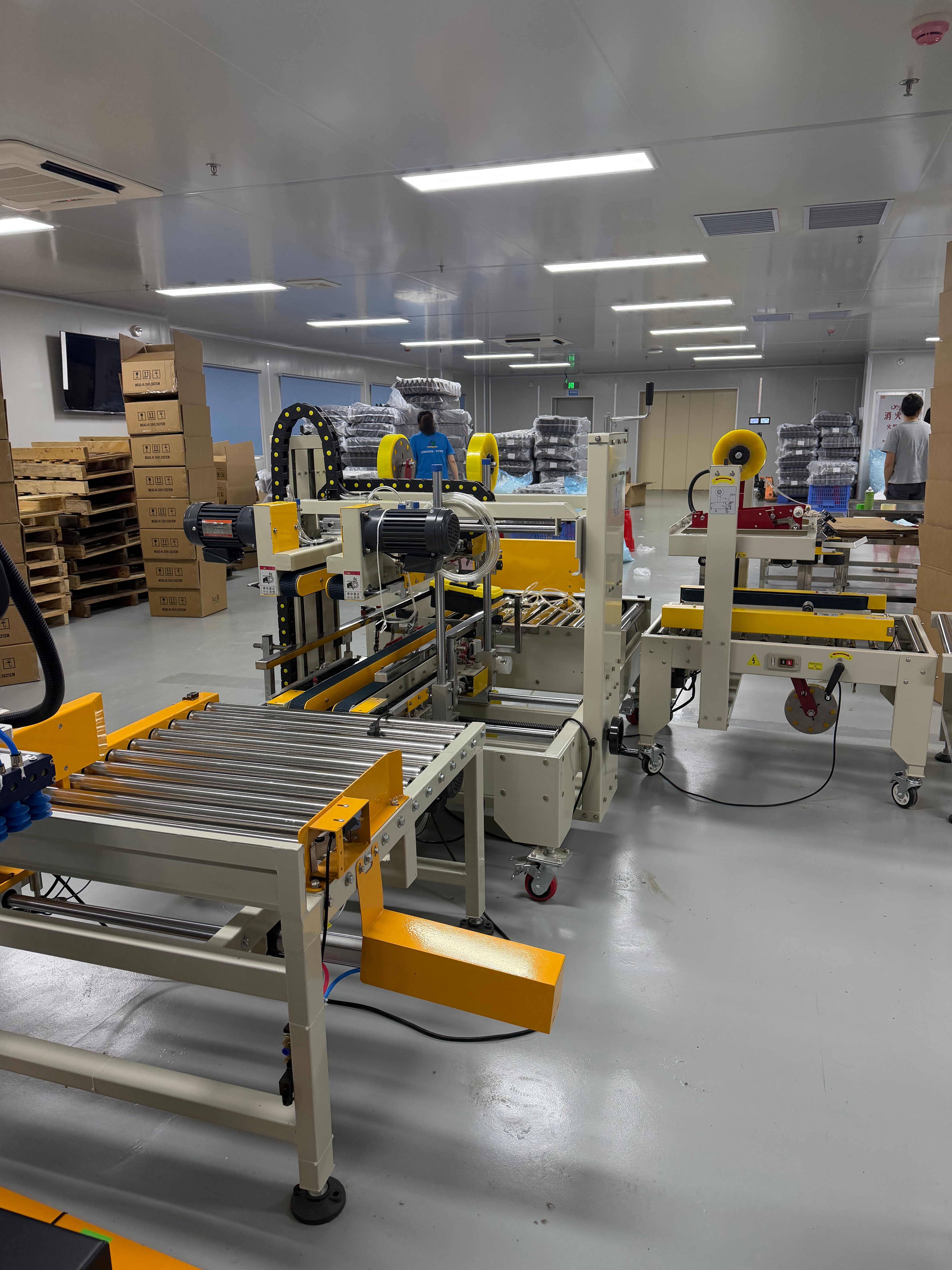
Yedda's real production photographs show stainless steel production equipment and staff handling bottled products. These authentic manufacturing images help potential buyers understand the production environment without relying on invented factory visuals.
Explore Yedda's OEM/ODM manufacturing services, the private label hair care service, and its hair care products to understand the available development pathways.
Brands can discuss the intended product type, target market, desired sensory properties, packaging preferences, and testing requirements early in the development process. This helps align the product concept with practical manufacturing considerations.
8. What Comes Next for Hair Care Brands?
The strongest opportunities in 2026 are not simply the loudest social-media trends. They are product concepts that solve a clear consumer problem and can be delivered consistently. Scalp care, bond repair, glass hair styling, and multifunctional hair care are useful starting points for a focused development strategy.
For entrepreneurs, distributors, salons, and established beauty companies, partnering with an experienced hair care OEM/ODM manufacturer can help connect market positioning with formulation, packaging, testing, and production. Learn more about how to launch a private label hair care line.
Frequently Asked Questions
What are the biggest hair care trends in 2026?
Important themes include scalp care, bond repair treatments, glossy hair products, ingredient transparency, and multifunctional formulas. The best opportunity for a brand depends on its audience and positioning.
What is private label hair care?
Private label hair care means selling products under your own brand while a third-party manufacturer produces them. The level of formula and packaging customization varies by arrangement.
What products should a new hair care brand launch?
Potential starting points include shampoo, conditioner, hair masks, scalp serums, hair serums, and leave-in conditioners. A focused collection is often easier to position and manage.
What is the difference between OEM and ODM hair care manufacturing?
OEM generally involves manufacturing to a customer's specifications, while ODM can include product design and formulation development. Actual services vary by supplier.
How do I choose a private label hair care manufacturer?
Compare formulation capabilities, quality processes, testing, packaging options, documentation, communication, and experience with your product category.