
The global beauty and personal care landscape is undergoing an unprecedented structural transition. For decades, the professional hair care sector was dominated by surface-level aesthetics: temporary smoothing agents, macro-gloss polymers, and synthetic coating silicones designed to mask fiber damage. However, fueled by highly educated global consumers and clinical research, the market has pivoted toward a scientific paradigm known as the "skinification" of hair care. This movement treats the scalp not merely as a boundary of the face, but as an active, living extension of the epidermal ecosystem that requires target-specific, clinical-grade care.
The Skinification of Hair: Why the Scalp Serum Category is Exploding Globally
The transition of the scalp from an ignored anatomical zone to a highly scrutinized skincare priority is driven by structural changes in consumer behavior. Modern consumers approach hair issues with a diagnostic mindset. They understand that chronic conditions like hair thinning, excessive sebum production, premature graying, and inflammatory scaling cannot be resolved by cleansing alone. Much like applying a facial moisturizer over a dirty canvas is ineffective, relying purely on rinse-off shampoos to deliver bio-active ingredients is chemically inefficient due to short contact times.
This is where leave-on scalp treatment products provide a profound advantage. Because serums are formulated to remain on the skin, they maximize the bioavailability and penetration of active ingredients. They bypass the physical limitations of rinse-off products, delivering sustained-release nutrients, peptides, and botanical compounds directly to the follicular infundibulum and the epidermal barrier.
Furthermore, structural market shifts documented in the McKinsey Global Beauty Report indicate that consumers are increasingly willing to pay a premium for products with clinical validation. Serums inherently command higher price-per-ounce metrics than shampoos, enabling B2B brands to enjoy gross margins often exceeding 75% to 80%. As hair care becomes increasingly medicalized, establishing a proprietary line of active serums is the most direct pathway to securing premium positioning in the market.
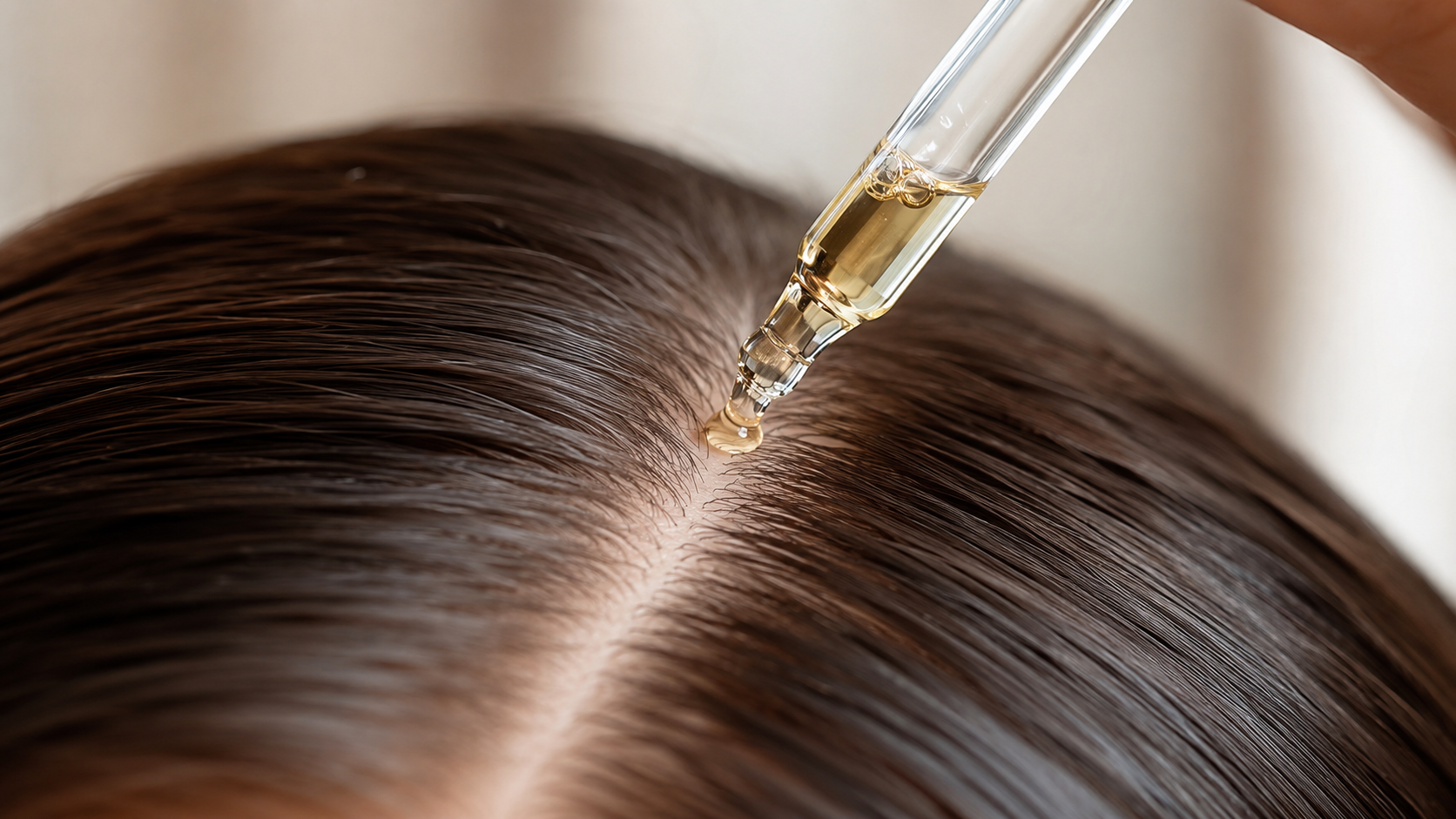
The Biological Matrix: How a Hair Growth Serum Interacts with Follicular Physiology
To engineer a commercially successful and clinically effective product, brands must first understand the unique trichological environment of the scalp. The scalp is a highly complex physiological matrix characterized by an extremely high density of large hair follicles, abundant sebaceous glands, and a distinct, localized microbiome. Unlike facial skin, the scalp has a thicker dermis, is constantly subjected to mechanical tension, and is highly vascularized to support the metabolic demands of rapid cellular division in the hair bulb.
Any advanced hair growth serum must target specific biological pathways within this matrix to deliver visible, structural improvements. Rather than relying on superficial hydration, professional formulations operate at multiple physiological touchpoints:
1. The Dermal Papilla and Anagen Phase Extension
The life cycle of a hair follicle is divided into three distinct phases: Anagen (active growth), Catagen (regression), and Telogen (resting/shedding). Hair thinning and telogen effluvium occur when follicles prematurely enter the telogen phase or when the anagen phase becomes progressively shorter. A scientifically advanced formulation must stimulate the dermal papilla cells—the regulatory center of the hair follicle—to sustain active protein synthesis and cellular proliferation. By utilizing signal peptides, copper peptides, and localized vasodilators, a premium serum prolongs the anagen phase, encouraging stronger hair anchoring and increased hair density.
2. Sebum Regulation and Follicular Cleansing
The scalp possesses an exceptionally high concentration of sebaceous glands that produce a complex lipid matrix known as sebum. While sebum is essential for maintaining lipid barrier integrity, hyper-seborrhea (overproduction of oil) leads to catastrophic follicular clogging. When excess sebum is exposed to atmospheric oxygen, UV radiation, and environmental pollutants, it undergoes rapid lipid peroxidation. These oxidized lipids trigger a cascade of micro-irritation and oxidative stress around the hair root, weakening the hair shaft. Effective scalp serums deploy oil-soluble active ingredients capable of penetrating deep into the pore to liquefy oxidized sebum, down-regulate sebum-producing enzymes, and keep the follicle clear.
3. Microbiome Stabilization and Barrier Preservation
The human scalp is home to a diverse, symbiotic community of microbes, dominated by Cutibacterium acnes, Staphylococcus epidermidis, and various species of the lipophilic yeast Malassezia. When the scalp’s lipid barrier is compromised by harsh surfactants or environmental aggressors, the microbial balance is disrupted. An overgrowth of Malassezia leads to the release of irritating free fatty acids, which trigger inflammatory responses, severe itching, flaking, and cellular hyper-proliferation (commonly visible as dandruff). A high-performance daily serum must reinforce the scalp’s acid mantle and deliver bio-fermented prebiotics or postbiotics to sustain a healthy microbiome, preventing inflammatory hair shedding at its source.
Actives and Formulations for Advanced Hair Repair and Scalp Protection
Developing an industry-leading product requires moving beyond basic water-and-glycerin bases. The modern consumer demands absolute transparency, ingredient purity, and multi-functional performance. A competitive B2B formulation brief for high-tier scalp treatment products should prioritize a balanced, multi-active system designed to address both barrier repair and follicle stimulation simultaneously. Below are the key active ingredient classes transforming modern formulations:
1. Advanced Polypeptides and Biomimetic Growth Factors
Peptides have emerged as the gold standard in clinical hair care due to their high biocompatibility and target-specific mechanisms. Unlike bulky proteins that merely coat the outer cuticle, low-molecular-weight peptides easily penetrate the stratum corneum to deliver biochemical signals directly to target cells. Key compounds include:
- Copper Tripeptide-1 (GHK-Cu): A powerful, naturally occurring peptide renowned for its tissue-remodeling and anti-inflammatory properties. GHK-Cu stimulates the synthesis of collagen and elastin in the extracellular matrix surrounding the hair follicle, strengthening follicular anchoring and actively widening the hair follicle diameter.
- Biotinoyl Tripeptide-1: A specialized peptide that targets the hair bulb, encouraging cellular metabolism, improving the micro-circulation of nutrients to the hair root, and reinforcing the structural cohesion of the hair shaft.
- Acetyl Tetrapeptide-3: Combined with antioxidant-rich Red Clover extract, this peptide directly stimulates tissue regeneration, modulates DHT (dihydrotestosterone) pathways, and reduces inflammatory cytokines that trigger follicle miniaturization.
2. Microbiome Modulators and Cellular Prebiotics
Rather than relying on aggressive, broad-spectrum antimicrobials that completely strip the skin flora, modern formulations utilize selective microbiome-supporting ingredients. Lactobacillus Ferment Lysate, Saccharide Isomerate, and alpha-glucan oligosaccharides act as nutritional substrates that selectively support beneficial skin flora. By strengthening the beneficial bacteria, these prebiotics naturally suppress pathogenic fungi like Malassezia, reducing redness, scaling, and localized itching without the dry skin side effects associated with old-school antidandruff actives.
3. Cellular Energizers and Botanical Vasodilators
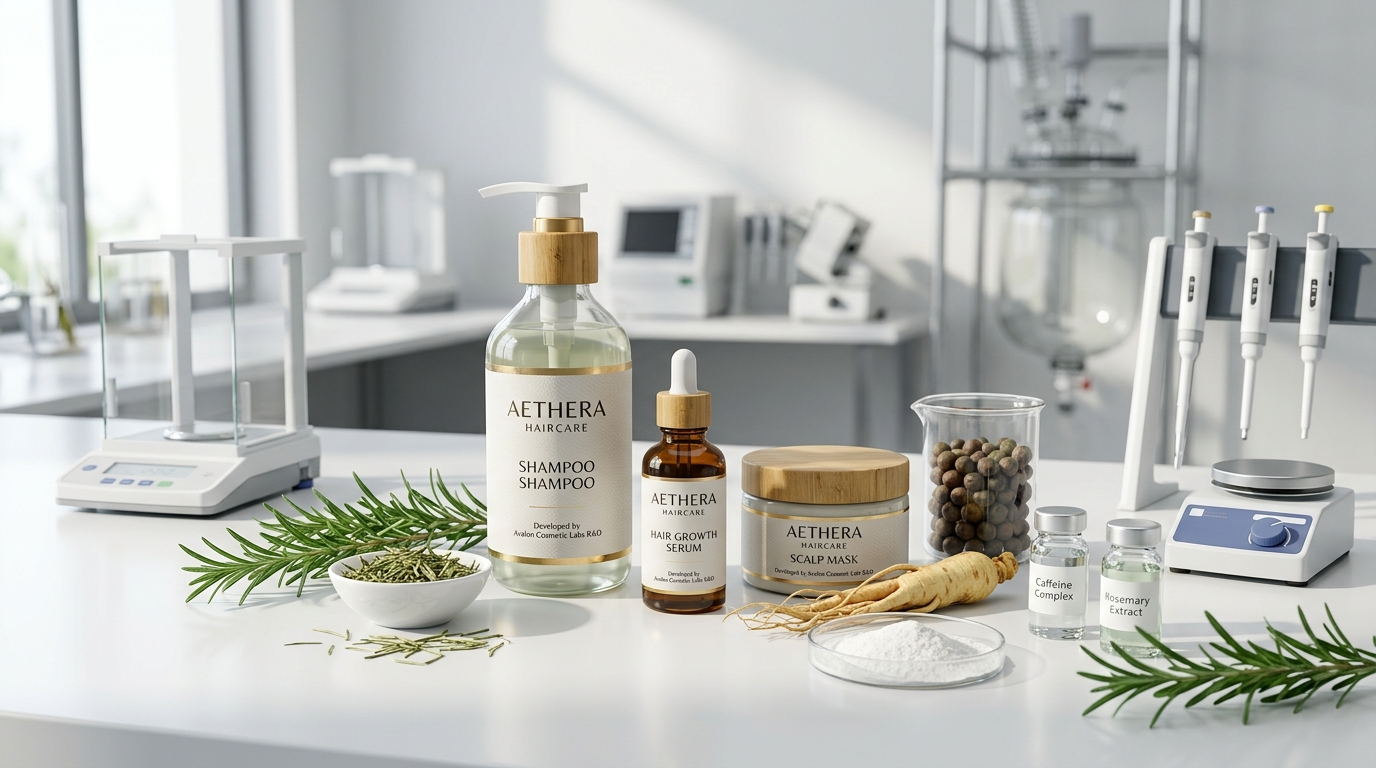
To sustain the rapid cellular division required during the active hair growth phase, the hair follicle must have an uninterrupted supply of oxygen and metabolic nutrients. Advanced formulations incorporate high-purity, anhydrous caffeine and specialized botanical extracts (such as Ginseng, Ginkgo Biloba, and Rosemary Oil) to stimulate localized micro-circulation. This localized vasodilation ensures that the dermal papilla receives maximum nutritional support directly from the bloodstream, optimizing the hair growth cycle and reducing premature follicle shedding.
4. Heavyweight Heritage Lipids for Advanced Hair Repair
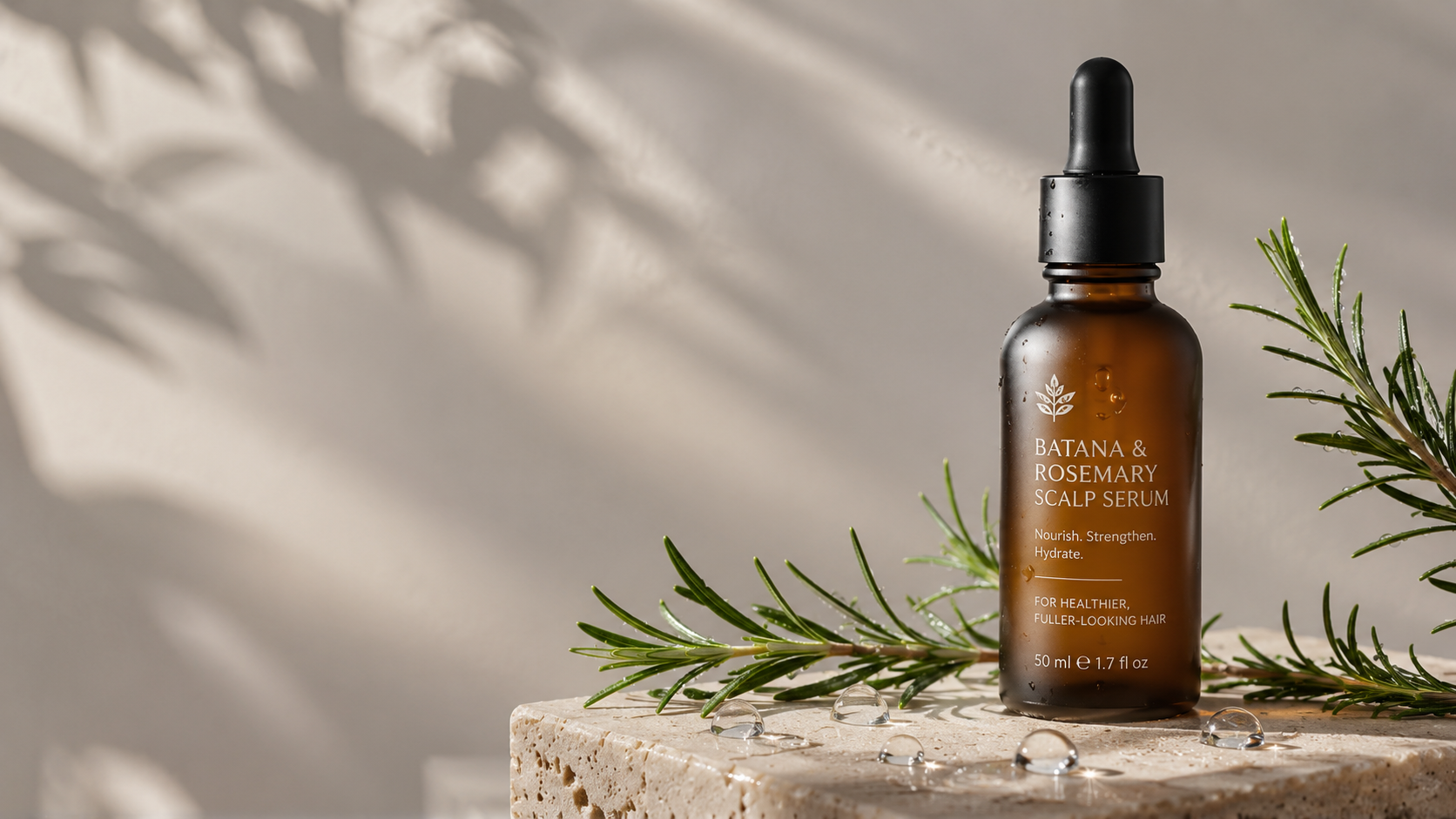
While the serum base must remain lightweight and completely non-greasy, incorporating rare, highly concentrated plant lipids provides vital nourishment. Modern luxury serums designed for advanced hair repair often feature micro-emulsified doses of high-value traditional oils. Ingredients like sustainably sourced Batana Oil, Rosemary leaf extracts, and specialized African Chebe powder concentrates are major growth drivers in 2026. Rich in essential fatty acids, phytosterols, and natural tocopherols, these heritage ingredients are broken down to sub-micron sizes, ensuring they absorb instantly into the scalp to deliver deep hydration and lipid barrier repair without leaving a heavy, oily residue.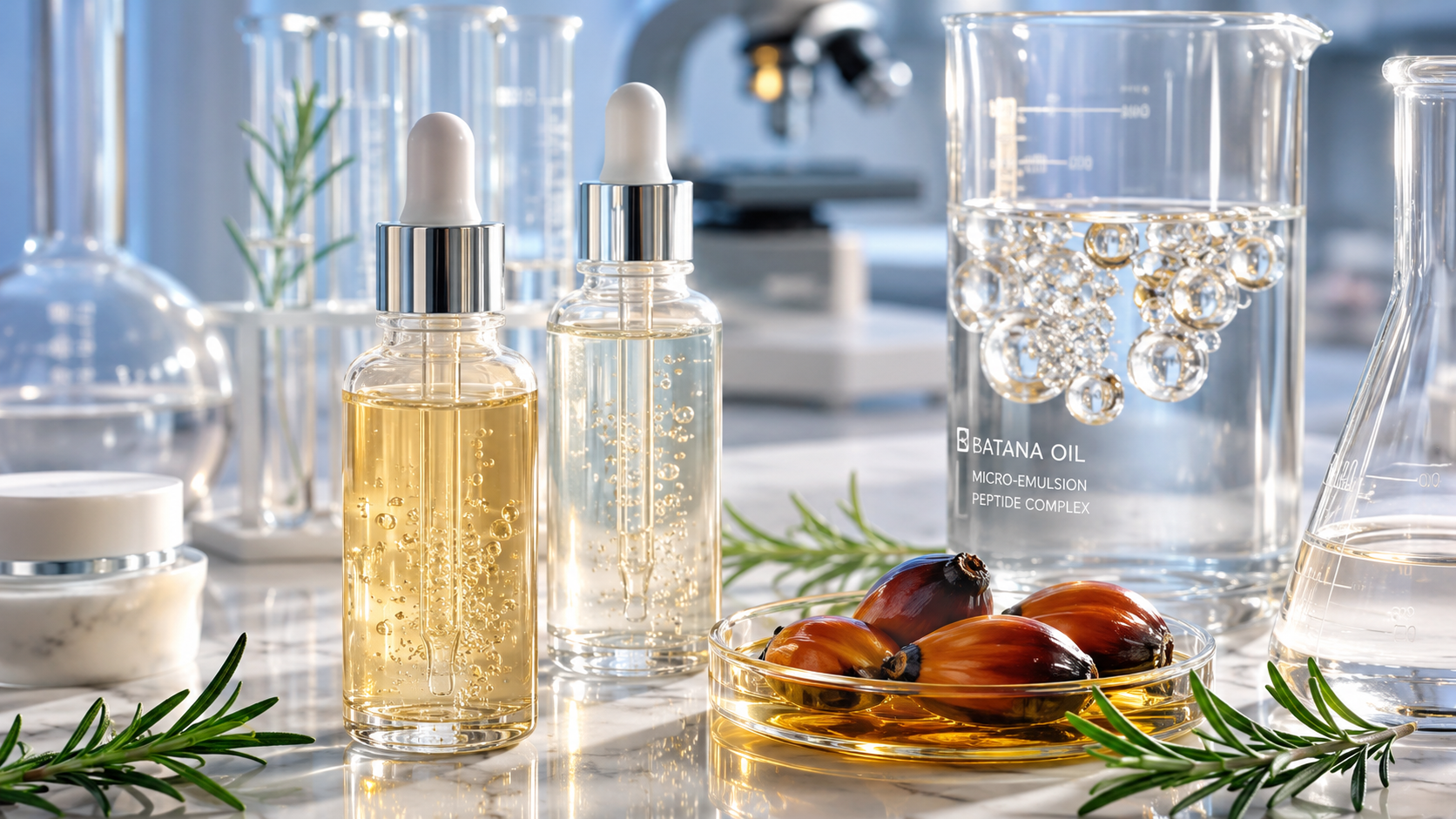
Overcoming B2B Manufacturing Challenges for Premium Scalp Serums
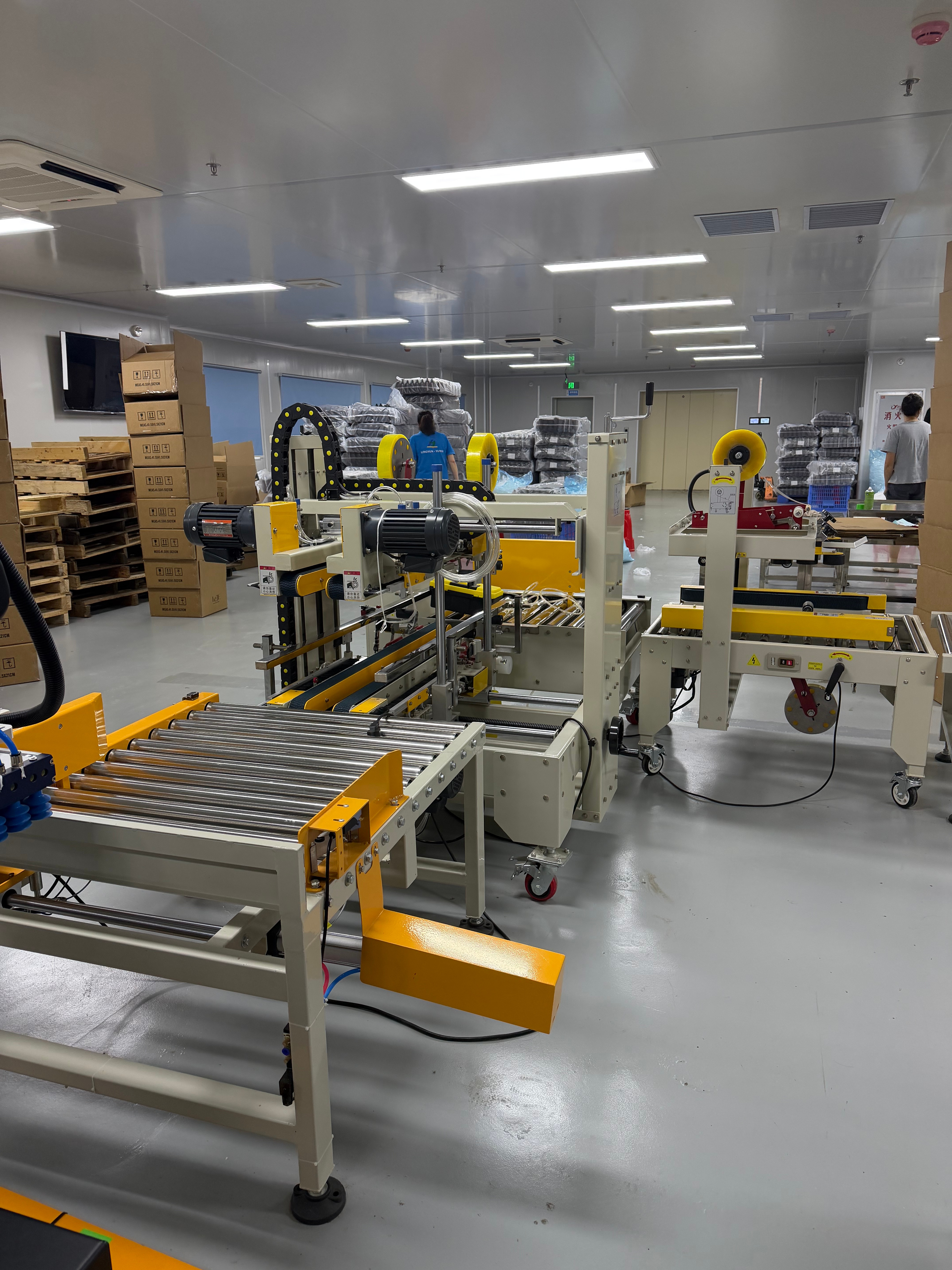
While drafting a theoretical formula is relatively straightforward, executing the industrial-scale manufacturing of a high-performance scalp serum presents significant physical and chemical engineering challenges. Standard OEM facilities designed for simple viscosity shampoos often struggle with the precise stability, solubility, and delivery demands of advanced leave-on formulas. Brands must partner with specialized contract manufacturers equipped to manage these manufacturing bottlenecks:
1. High-Shear Vacuum Micro-Emulsification
One of the most difficult challenges in serum manufacturing is successfully blending oil-soluble active ingredients (such as botanical oils, oil-soluble vitamins, and essential oils) into a perfectly clear, water-soluble serum base. Standard mixing processes often result in phase separation, cloudiness, or sediment formation over time.
To overcome this, advanced manufacturers utilize high-shear vacuum emulsification systems. These industrial machines break down botanical lipids (such as Batana Oil) and oil-soluble actives into sub-micron droplets, wrapping them in micro-micellar structures. This advanced engineering guarantees that the final serum remains perfectly homogeneous, chemically stable, and optically clear across extreme temperature fluctuations, preventing oil separation during international shipping and warehousing.
2. Preservative Engineering and Clean-Beauty Alignment
Because scalp serums are designed to remain on the skin for hours and are often applied to irritated or inflamed scalps, the choice of preservative system is critical. Traditional, cheap preservatives like parabens, phenoxyethanol, and formaldehyde-releasers are highly scrutinized by clean beauty retailers and modern consumers. However, formulate a water-based product with highly nutritious botanical extracts and amino acids, and you create an ideal breeding ground for microbial growth.
Developing a clean-compliant, highly stable preservative system requires a sophisticated, multi-layered approach. Specialized cosmetic chemists employ synergistic networks of non-traditional organic acids (such as Levulinic Acid, p-Anisic Acid, and Sodium Benzoate) paired with natural humectant boosters like Ethylhexylglycerin. The finalized formulation must undergo rigorous challenge testing, matching the strict microbiological standards of the United States Pharmacopeia (USP) <51> to guarantee complete product safety across a multi-year shelf life without causing irritation to sensitive scalps.
3. Trans-Epidermal Delivery and Active Encapsulation
An active ingredient can only deliver results if it can bypass the stratum corneum—the skin's outermost protective lipid barrier. Simply dissolving active compounds in water often leads to poor penetration, leaving the valuable actives sitting on the surface where they are easily rubbed off or evaporated. Advanced manufacturing centers overcome this limitation by deploying advanced delivery systems, including lipid nanoparticles, liposomes, and polymeric nanocapsules. These microscopic carrier systems encapsulate sensitive peptide chains, vitamins, and antioxidants, shielding them from premature oxidation and carrying them deep into the hair follicle infundibulum for targeted, sustained release.
Technical Comparison Matrix: Standard vs. Advanced Scalp Care Systems
When positioning your premium product line in front of retail buyers, professional dermatologists, or discerning consumers, your brand's marketing must be supported by hard technical metrics. The following table demonstrates why an advanced, custom-engineered serum is vastly superior to standard cosmetic formulations:
| Technical Parameter | Standard Cosmetic Serum (Retail Grade) | Advanced Clinical Scalp Serum (Yedda B2B Grade) |
|---|---|---|
| Core Base Chassis | Water, cheap glycols, and synthetic carbomer thickeners. Minimal scalp affinity. | Biocompatible aloe juice, hyaluronic acid, and botanical hydrosols. Rich in natural humectants. |
| Active Peptide Delivery | Basic raw proteins or synthetic silicones that coat the surface of the hair fiber. | Encapsulated signal peptides (Copper Tripeptide-1, Biotinoyl Tripeptide-1) targeting the hair follicle. |
| Microbiome Modulation | Harsh, broad-spectrum chemical bactericides that strip the natural acid mantle. | Selective prebiotics and postbiotics that support beneficial flora while suppressing pathogens. |
| Absorption and Texture | Heavy, sticky residue that leaves hair looking greasy or weighed down post-application. | Ultra-lightweight, fast-absorbing micro-emulsion. Completely non-greasy and residue-free. |
| Global Regulatory Status | Restricted in EU/UK due to outdated preservatives; struggles to meet clean beauty standards. | Fully compliant with US MoCRA, EU Cosmetics Regulations, and major international clean retail standards. |
| Profit Margin & Positioning | Low brand equity; sold as a mass-commodity product with tight margins. | High premium positioning; commands luxury margins in clinical spas and D2C channels. |
Global Regulatory Compliance and Supply Chain Architecture for 2026
In the global beauty landscape of 2026, navigating the complex regulatory environment is just as vital as formulating the product itself. Regulatory bodies worldwide have dramatically increased their oversight of cosmetic ingredients, product claims, and manufacturing transparency. B2B brands can no longer rely on superficial safety statements; they must possess verified, documented proof of safety and efficacy to access key international markets.
Under the United States' Modernization of Cosmetics Regulation Act (MoCRA), the most significant update to US cosmetics law in decades, manufacturing facilities must be officially registered, product listings must be fully transparent, and every ingredient must be backed by a robust safety substantiation dossier. Similarly, the European Union's strict cosmetics regulations mandate a comprehensive Product Information File (PIF) and a detailed Safety Assessment conducted by a certified toxicologist before any product can be sold in the EU.
To protect their brand and investment, global brand owners must ensure their manufacturing partners operate in strict compliance with international standards, including ISO 22716:2007 (Good Manufacturing Practices for Cosmetics) and US FDA cGMP guidelines. Every manufacturing run must deliver a complete quality assurance package, including:
- Certificates of Analysis (COA): Documenting the purity, composition, and physical properties of each batch.
- Safety Data Sheets (SDS): Detailing handling protocols, chemical stability, and transport safety profiles.
- Heavy Metal & Microbiological Lab Reports: Confirming the absolute absence of harmful contaminants, pathogens, and heavy metals.
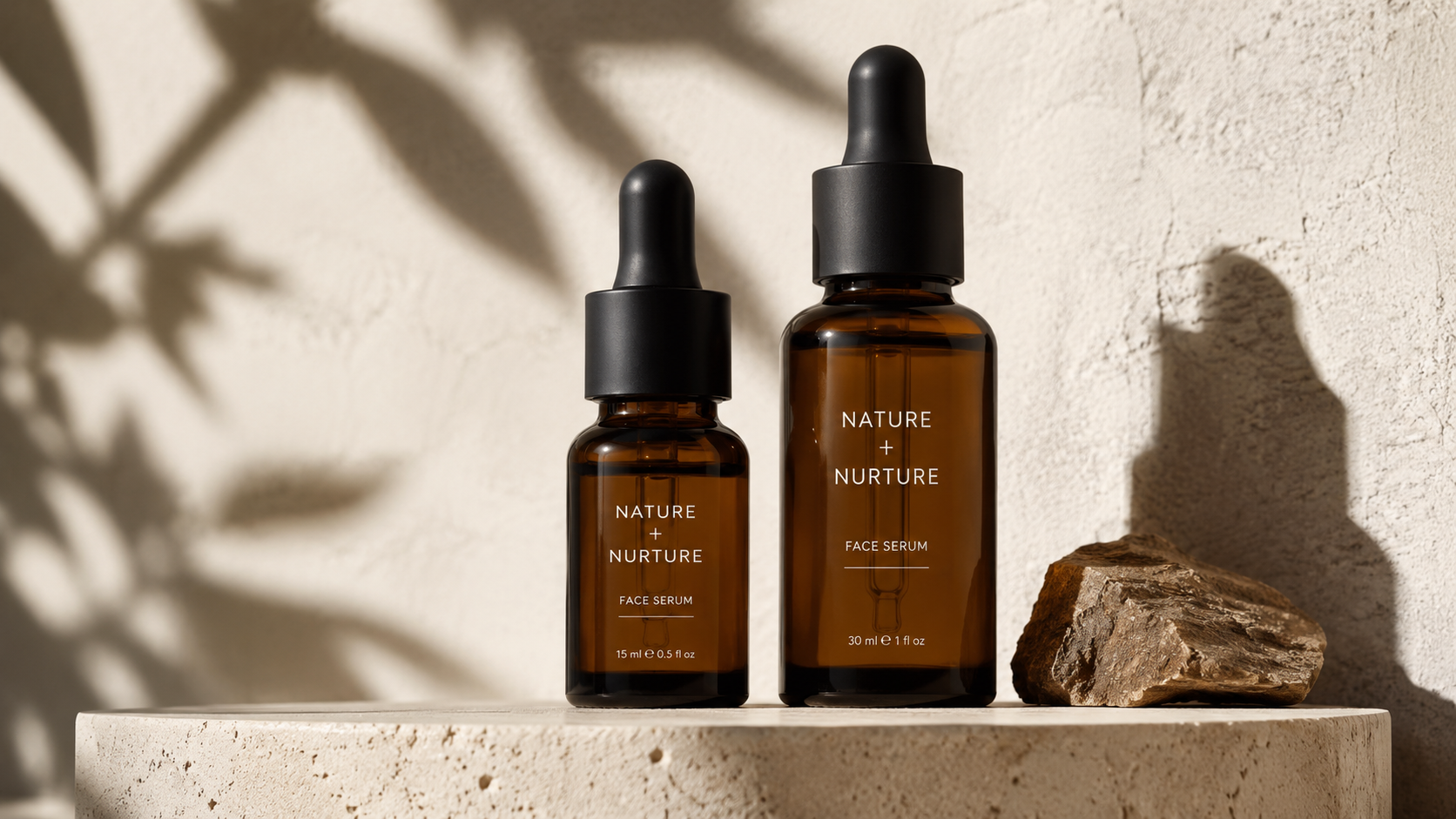
Additionally, packaging plays a critical role in preserving the efficacy of advanced serums. High-performance active ingredients, especially peptides, natural botanical oils, and antioxidants, are highly sensitive to UV light and oxidation. Packaging these formulas in high-quality, UV-blocking amber glass, opaque PCR (Post-Consumer Recycled) PET bottles, or advanced airless pump systems is essential to protect the delicate active ingredients from environmental degradation. This technical step ensures the product delivers its promised performance throughout its shelf life, while meeting the global consumer demand for environmentally responsible packaging materials.