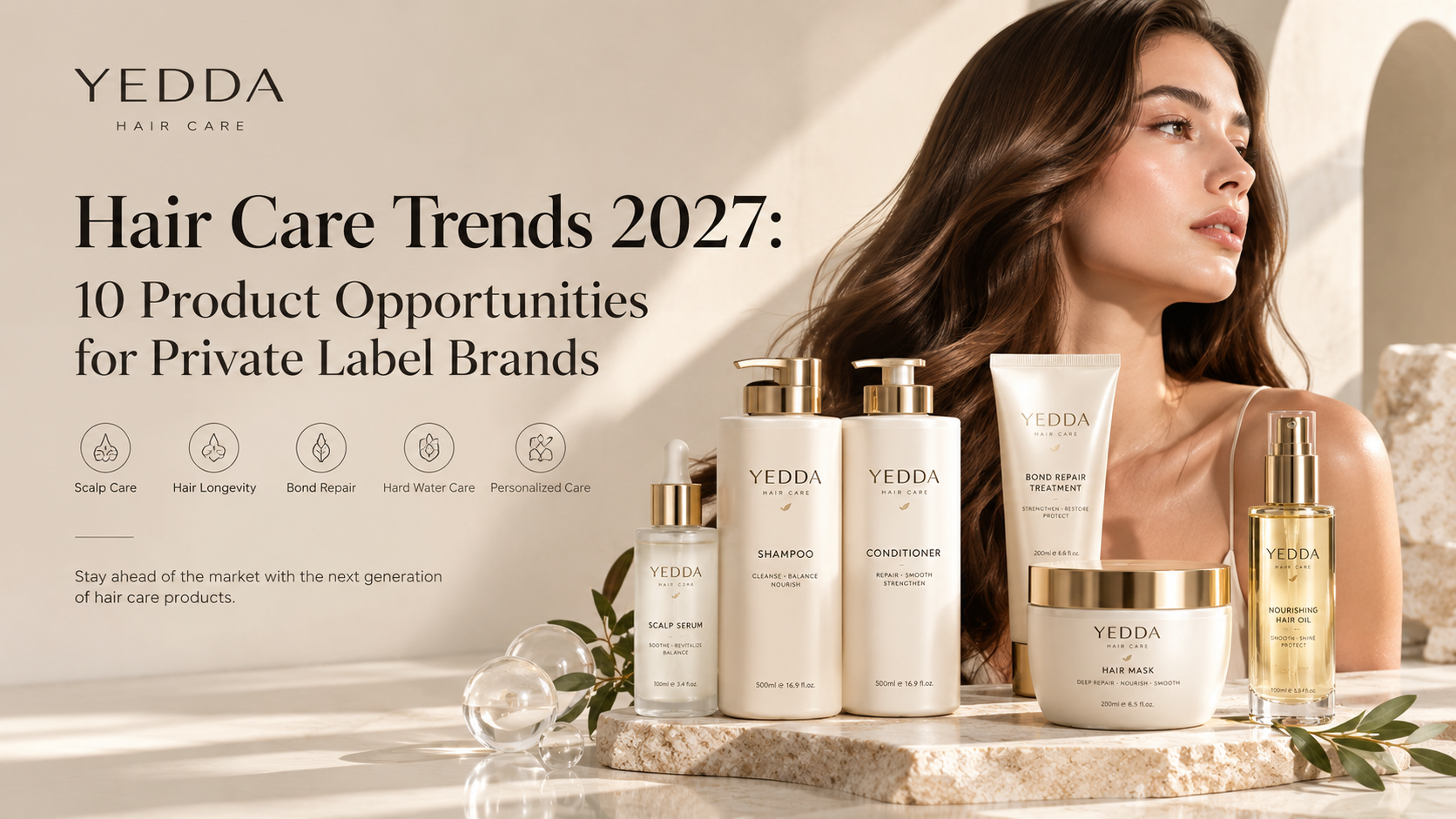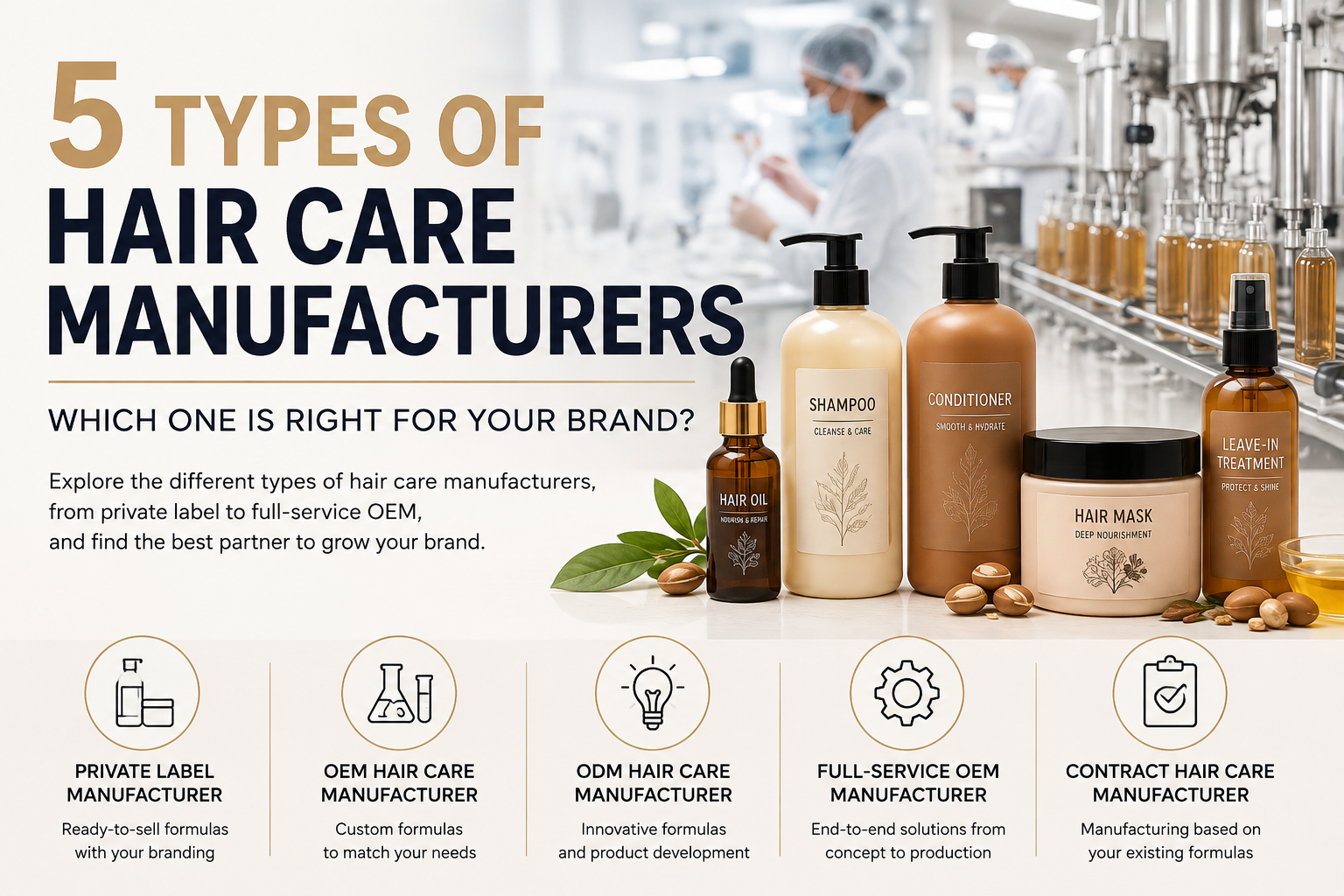

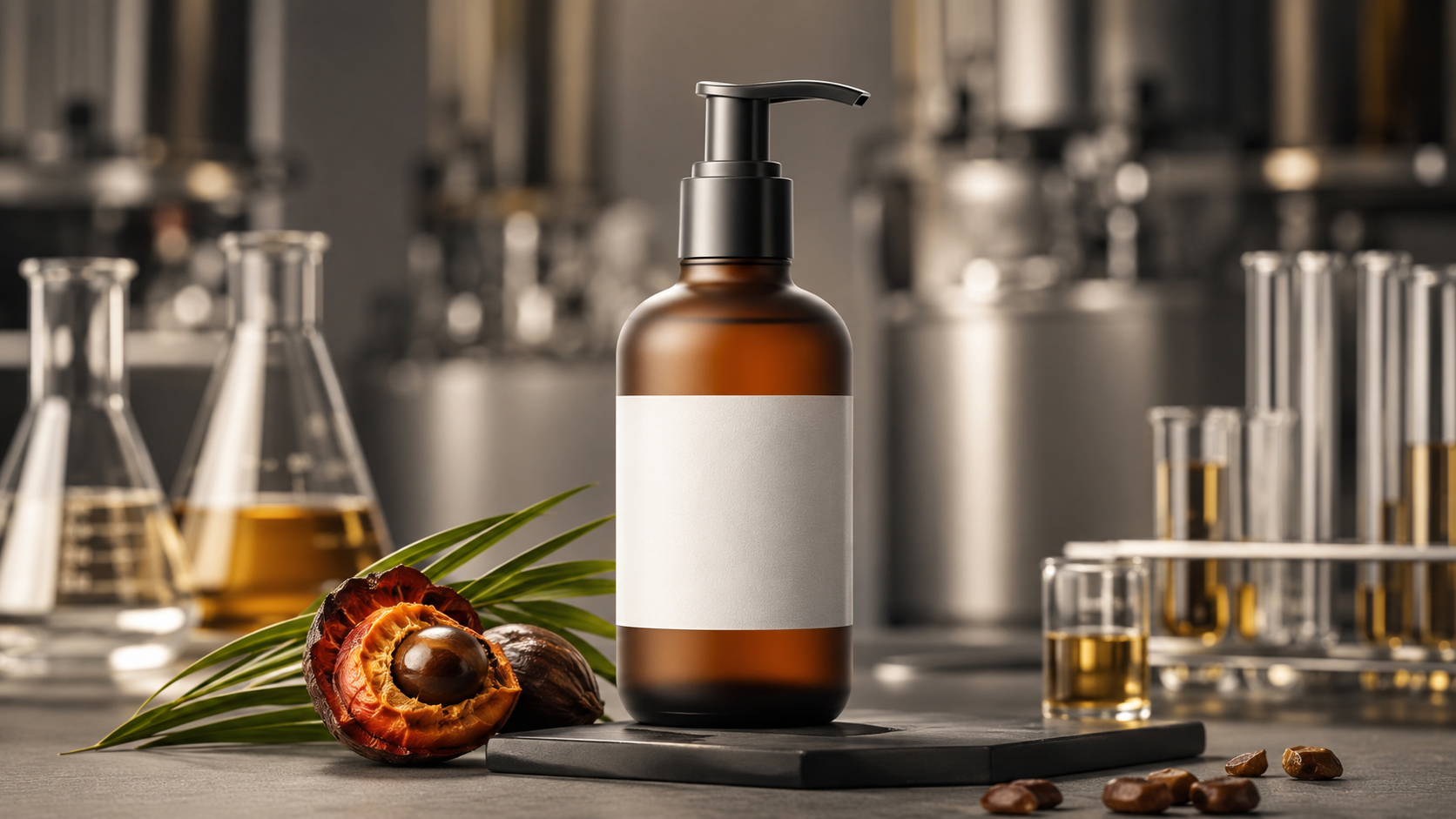
The global beauty market is undergoing a fundamental structural paradigm shift. For a long time, the industry focused on the visual aesthetics of hair—such as temporary surface gloss, external lubrication, and macroscopic shine. Today, this focus is rapidly being replaced by a deeper pursuit of hair and scalp health. This macro evolution, globally recognized as the "skinification of hair care" trend, elevates the scalp from a basic cleansing zone to a complex ecosystem requiring clinical-grade care. Consumers now prioritize their scalp barrier with the same intensity previously reserved for facial skincare.
For global beauty brand founders, professional salon network executives, and disruptive cross-border e-commerce portfolio managers, this macro evolution presents a highly lucrative commercial opportunity. Developing a customized, premium private label scalp care shampoo line is no longer an optional brand extension; it is the primary driver of consumer retention. However, transitioning from low-cost white-label formulas to a clinically compliant, structurally stable, and commercially scalable product line requires deep industrial expertise. This comprehensive B2B blueprint outlines the technical, formulation, and supply chain protocols required to launch market-leading scalp care portfolios in 2026.
Market Intelligence Insight: According to verified data from leading global intelligence firms, the professional scalp care category is growing at twice the rate of traditional hair cleansing products. The authoritative hair care analysis report published by Grand View Research indicates that the premium scalp care market is projected to expand significantly by 2027, with targeted treatments, scalp serums, and functional amino acid shampoos dominating consumer expenditure across North America, Europe, and the Asia-Pacific region.
Understanding the Trichological Matrix: Crafting an Authentic Private Label Scalp Care Shampoo
To capture premium market share, independent brands must realize that professional-grade scalp cleansing mechanisms operate on completely different principles than traditional commodity products. Mass-market shampoos focus on stripping lipids using harsh, high-cleansing anionic surfactants. Conversely, an advanced private label scalp care shampoo must dynamically regulate the scalp’s fragile hydro-lipidic film, cellular turnover rate, and localized microbiome balance.
When architecting a scalp-centric product line, your R&D brief must specify precise targeting for distinct pathological conditions. Premium lines should never launch as a single "one-size-fits-all" product. Instead, they must offer targeted clinical solutions, allowing consumers to navigate based on their exact trichological profile:
1. Microbiome Stabilization and Epidermal Preservation
A healthy scalp maintains a symbiotic relationship with specific microorganisms, particularly Malassezia restrictus. When this delicate microbial equilibrium is disrupted, hyper-proliferation occurs, leading to visible flaking, pruritus, and localized inflammation. Traditional low-cost contract manufacturing has long relied on Zinc Pyrithione (ZPT) to combat dandruff. However, because the European Commission Cosmetics Regulation Annexes officially banned ZPT due to environmental and safety classification concerns, modern formulations matching 2026 compliance standards must deploy next-generation antimicrobial technologies.
Today, agile brands collaborate with an elite scalp care shampoo manufacturer to utilize non-drying active matrices. Ingredients like Piroctone Olamine, Climbazole, and natural salicylic acid derived from wintergreen are paired with bio-fermented prebiotics like Lactobacillus Ferment. This combination selectively suppresses pathogenic fungi while actively reinforcing beneficial skin flora, resolving dandruff without triggering a compensatory sebum rebound.
2. Follicular Cleansing and Sebum Regulation Systems
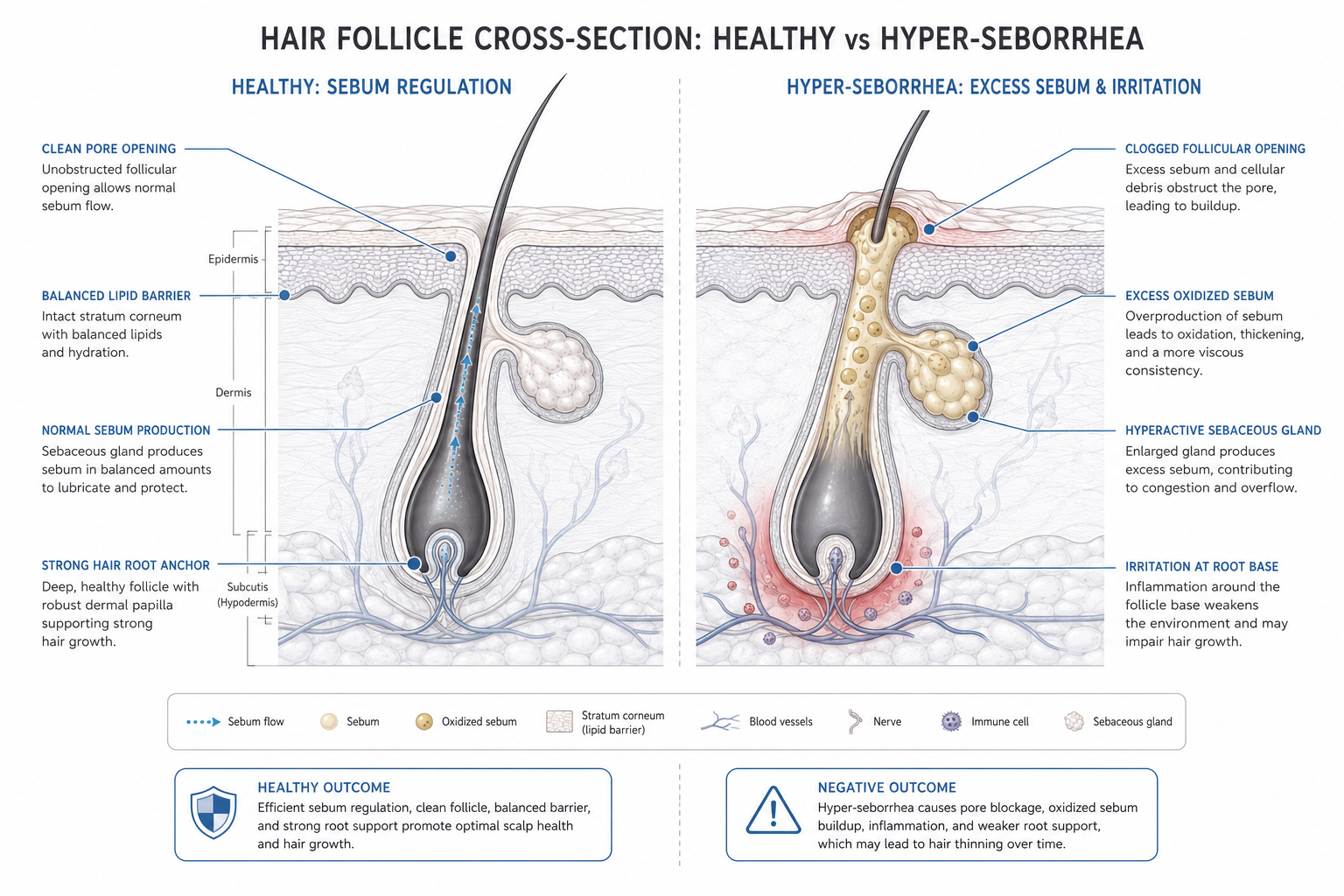
Hyper-seborrhea is a primary concern for individuals with fine hair typologies or those living in high-humidity regions. When excess sebum is exposed to atmospheric oxygen and pollutants, it rapidly oxidizes, generating volatile lipid peroxides that trigger follicular micro-irritation and weaken hair anchoring. Your custom scalp care shampoo solutions must focus on weightless oil control.
Rather than aggressively obliterating the lipid barrier—which induces reactive oil overproduction—modern formulations utilize advanced cellular modulators. Niacinamide (Vitamin B3), Zinc PCA (Pyrrolidone Carboxylic Acid), and Sarcosine work synergistically to down-regulate 5-alpha reductase activity within sebaceous glands. This action refines follicular openings, extends clean cycles post-wash, and reduces oily accumulation without stripping internal moisture.
 3. Follicle Stimulation, Anchoring, and Anti-Hair Fall Architecture
Globally, consumer demand for anti-hair fall and density-enhancing products is accelerating across all age groups. An effective scalp care shampoo engineered for thinning hair must contain actives capable of penetrating the follicular infundibulum to support dermal papilla cells during the anagen phase.
To build a distinct market advantage, sophisticated brands are marrying clinically proven synthetic peptides with high-performance botanical concentrates. Copper Tripeptide-1 (GHK-Cu), Biotinoyl Tripeptide-1, and specialized anhydrous caffeine are introduced alongside rare, high-performance plant lipids such as Batana Oil and heavy Chebe powder extracts. Revered for their exceptional fatty acid and nutrient profiles, these heritage botanicals are stabilized within the aqueous surfactant matrix to deeply nourish the follicular base, boost mechanical tensile strength, and minimize oxidative shedding at the root.
Choosing the Base Chassis: Advanced Sulfate-Free Surfactant Systems
The primary barrier to entry for clean retail channels—such as Sephora Clean, Credo Beauty, or premium salon distribution—lies within the surfactant chassis. Traditional Sodium Lauryl Sulfate (SLS) and Sodium Laureth Sulfate (SLES) are completely incompatible with modern premium scalp care lines. These harsh salts alter protein structures, disrupt the natural lipid barrier, and cause high transepidermal water loss (TEWL), leaving the scalp highly vulnerable to environmental irritants.
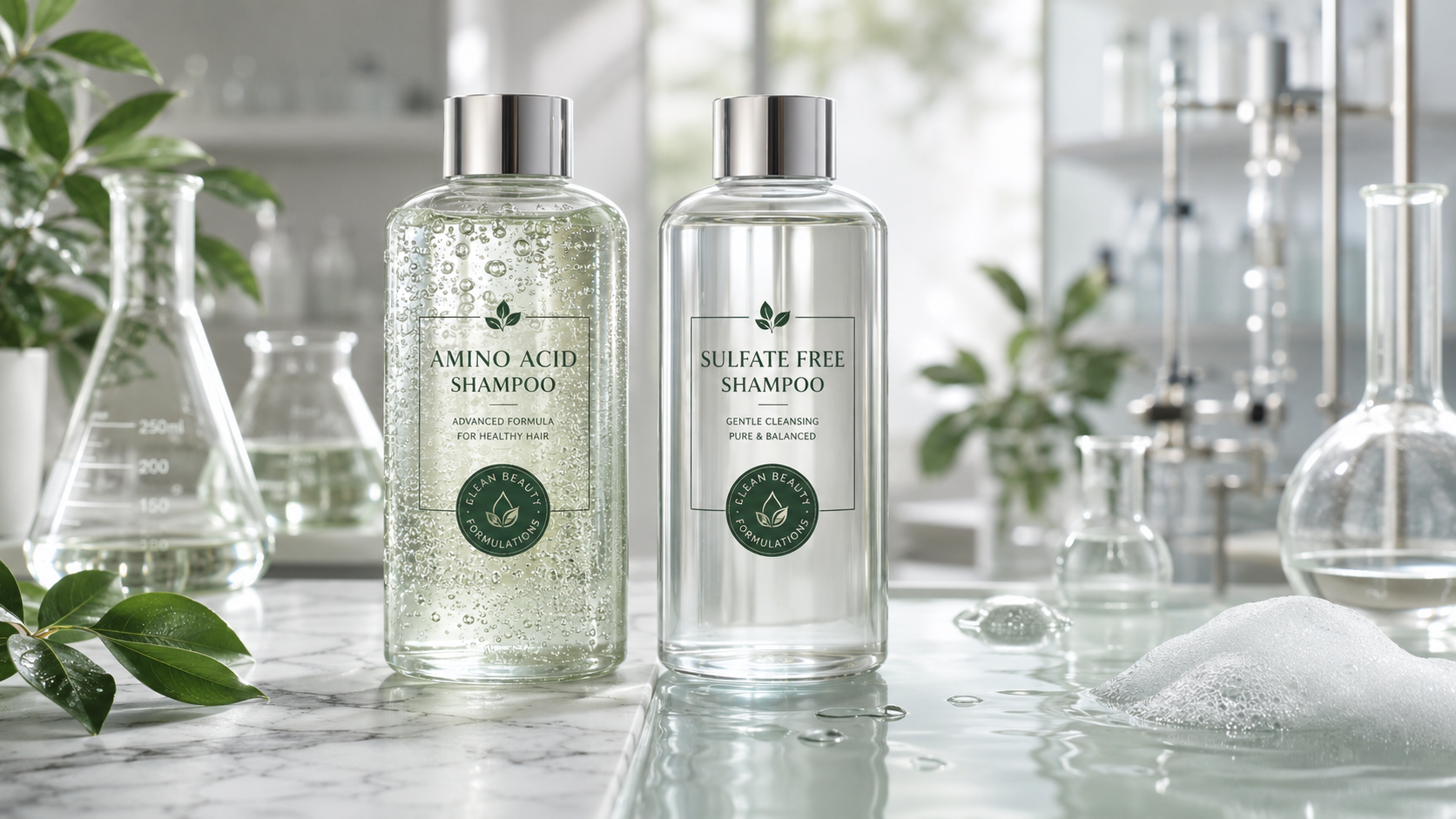
A top-tier scalp care shampoo manufacturer must possess the technical capability to build complex, multi-functional, sulfate-free surfactant networks. These advanced formulations blend costly, ultra-mild amino acid-derived and plant-derived surfactants to produce a rich, dense lather without cutaneous irritation:
- Sodium Cocoyl Isethionate (SCI): Often referred to as "Baby Foam," SCI creates an exceptionally creamy, luxurious lather with remarkably low irritancy potential, protecting the delicate stratum corneum.
- Sodium Lauroyl Methyl Isethionate (SLMI): A high-performance, plant-derived, water-soluble surfactant that yields pristine optical clarity and excellent flash-foaming capabilities within entirely natural formulations.
- Alkyl Polyglucosides (APGs - Coco-Glucoside / Lauryl Glucoside): Non-ionic, highly biodegradable cleansers derived from renewable cornstarch and coconut alcohols. They thoroughly and gently dismantle styling polymer residues without stripping cellular lipids.
- Sodium Lauroyl Sarcosinate: An amino acid surfactant that enhances overall foam stability under hard-water conditions while providing structural softening to newly emerged hair fibers.
Overcoming Industrial Scaling and Formulation Stability Bottlenecks
Translating an innovative scalp care concept from an R&D laboratory beaker into large-scale commercial contract manufacturing introduces complex physical and chemical challenges. Ordinary manufacturers often fall short, resulting in emulsion separation, viscosity drops, or product discoloration three months onto retail shelves. Partnering with an experienced specialist like Yedda ensures these industrial hurdles are engineered out of the formula before production begins.
1. Viscosity Optimization Without Salt Thickening
Standard sulfate shampoos are inexpensive to manufacture because they can be easily thickened with simple Sodium Chloride (salt). However, amino acid-based, sulfate-free systems exhibit highly non-linear viscosity curves that are completely non-responsive to simple salt adjustments. Attempting to force viscosity via salt destabilizes the formulation, causing the shampoo to completely thin out.
To achieve a luxurious, premium viscosity, specialized process engineers employ precisely calculated ratios of natural biopolymers and non-ionic thickeners, including Guar Hydroxypropyltrimonium Chloride, Xanthan Gum, and PEG-120 Methyl Glucose Dioleate. The blending process must be monitored under strict automated thermal control to ensure uniform hydration of these polymers, eliminating the formation of micro-gels.
2. Stabilizing High Concentrations of Botanical Lipids and Essential Oils
Premium brands frequently demand the inclusion of high concentrations of therapeutic botanical lipids—such as Batana Oil, Rosemary Leaf Oil, or Argan Oil concentrates—directly into their scalp care formulations. Because oil and water naturally repel, incorporating high lipid loads within an aqueous surfactant system introduces significant phase-separation risks over time.
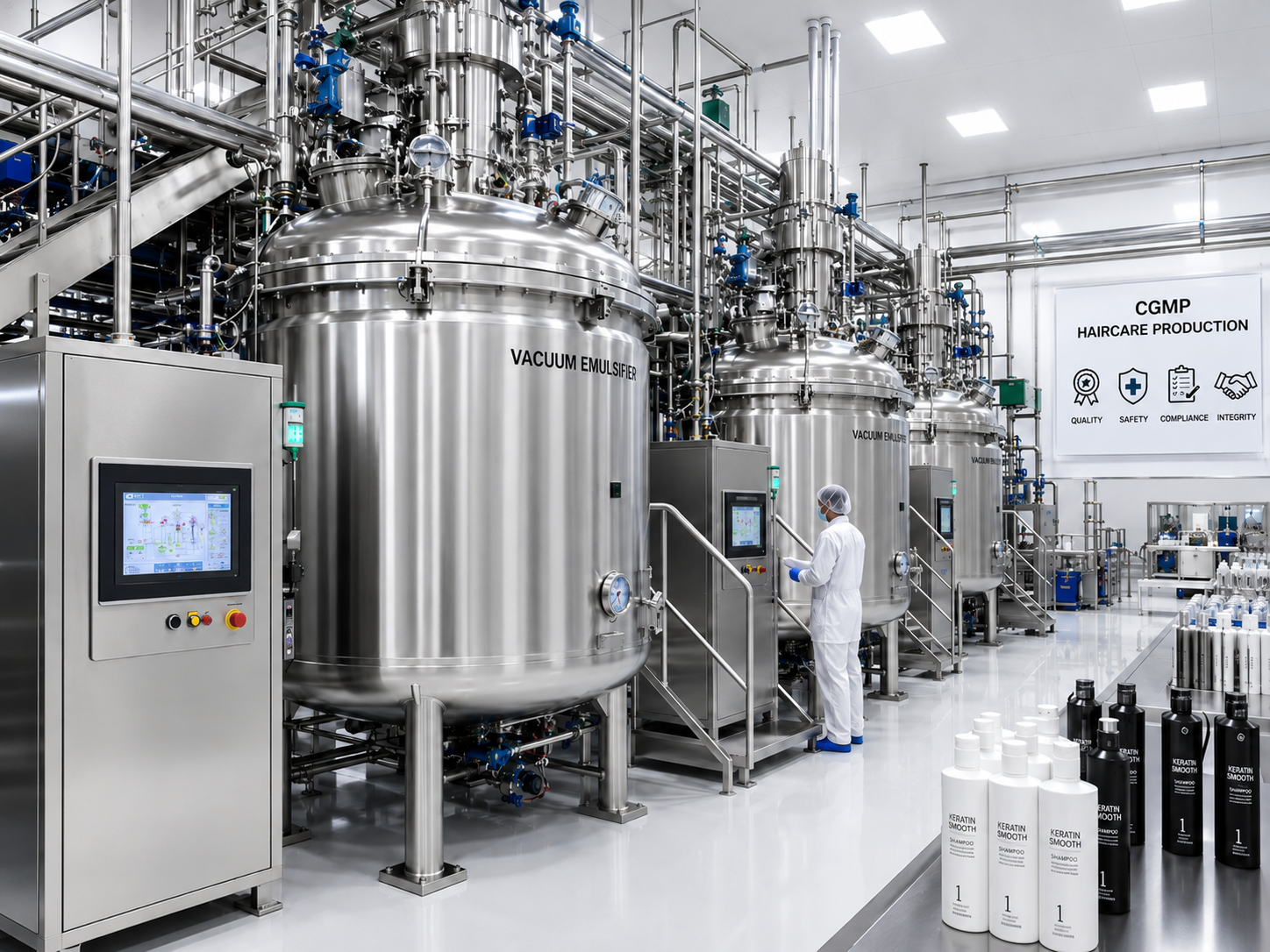
Advanced manufacturing facilities overcome this limit by utilizing high-shear vacuum emulsifiers. These systems break down botanical lipids into sub-micron droplets, locking them securely within the micellar structures of the surfactant matrix. This engineering guarantees that the shampoo remains perfectly homogenous and stable across extreme temperature fluctuations, preventing oil syneresis during long-term transit and warehousing.
 3. Clean-Beauty Compliant Preservative Engineering
Scalp care formulations carry dense loads of bioactive extracts, proteins, and free amino acids, making them ideal breeding grounds for bacterial and fungal proliferation. Traditional OEM operations rely on cheap parabens or formaldehyde-releasers for preservation—both of which are blacklisted by clean beauty retailers and heavily scrutinized by modern consumers.
Developing a clean-compliant preservative matrix requires a sophisticated hurdle-technology approach. R&D labs utilize multifunctional synergistic networks, combining non-traditional organic acids (such as Levulinic Acid, p-Anisic Acid, or Sodium Benzoate) with mild booster humectants like Ethylhexylglycerin. This preservative framework must pass rigorous United States Pharmacopeia (USP) <51> Antimicrobial Effectiveness Testing to guarantee absolute safety across a multi-year shelf life without triggering scalp sensitivity.
Technical Comparison Matrix: Standard vs. Advanced Scalp Care Systems
When presenting your product line to professional buyers, distributors, or discerning consumers, your marketing strategy must be anchored by technical metrics. The following comparative analysis demonstrates why an advanced, custom OEM scalp treatment shampoo substantially outperforms low-cost, economy white-label options:
| Technical Parameter | Economy White-Label Formula | Premium Custom OEM Scalp System (Yedda Grade) |
|---|---|---|
| Primary Surfactant Chassis | Sodium Lauryl Sulfate (SLS) / Sodium Laureth Sulfate (SLES). | Pure amino acid surfactants (SCI, SLMI) + natural alkyl polyglucosides. |
| Epidermal Barrier Interaction | High stripping rate; denatures proteins; risks cumulative cutaneous irritation. | Biocompatible; preserves the acid mantle; minimizes transepidermal water loss (TEWL). |
| Active Ingredient Delivery | Low-concentration raw botanical extracts; washes off rapidly with minimal absorption. | Clinical-grade targeted encapsulation; cationic deposition for lasting root benefits. |
| Antimicrobial & Flaking Control | Traditional Zinc Pyrithione (restricted/banned across major global markets). | Compliant Piroctone Olamine + Salicylic Acid + microbial prebiotics. |
| Global Regulatory Status | Restricted in EU/UK retail channels; fails modern clean beauty certifications. | Fully compliant with MoCRA (US), EU Cosmetics Regulations, and Clean Beauty standards. |
| Brand Valuation & Margins | Low profit margins; intense price competition on generic commodity platforms. | High premium margins; commands premium pricing in professional salon and D2C sectors. |
Global Regulatory Compliance and Supply Chain Architecture for 2026
The ultimate success of a premium formulation dictates absolute regulatory compliance. In 2026, international cosmetic surveillance is at an all-time high. Under the United States’ current Modernization of Cosmetics Regulation Act (MoCRA), manufacturing facilities must be registered, product listings fully transparent, and every ingredient backed by a robust safety substantiation dossier.
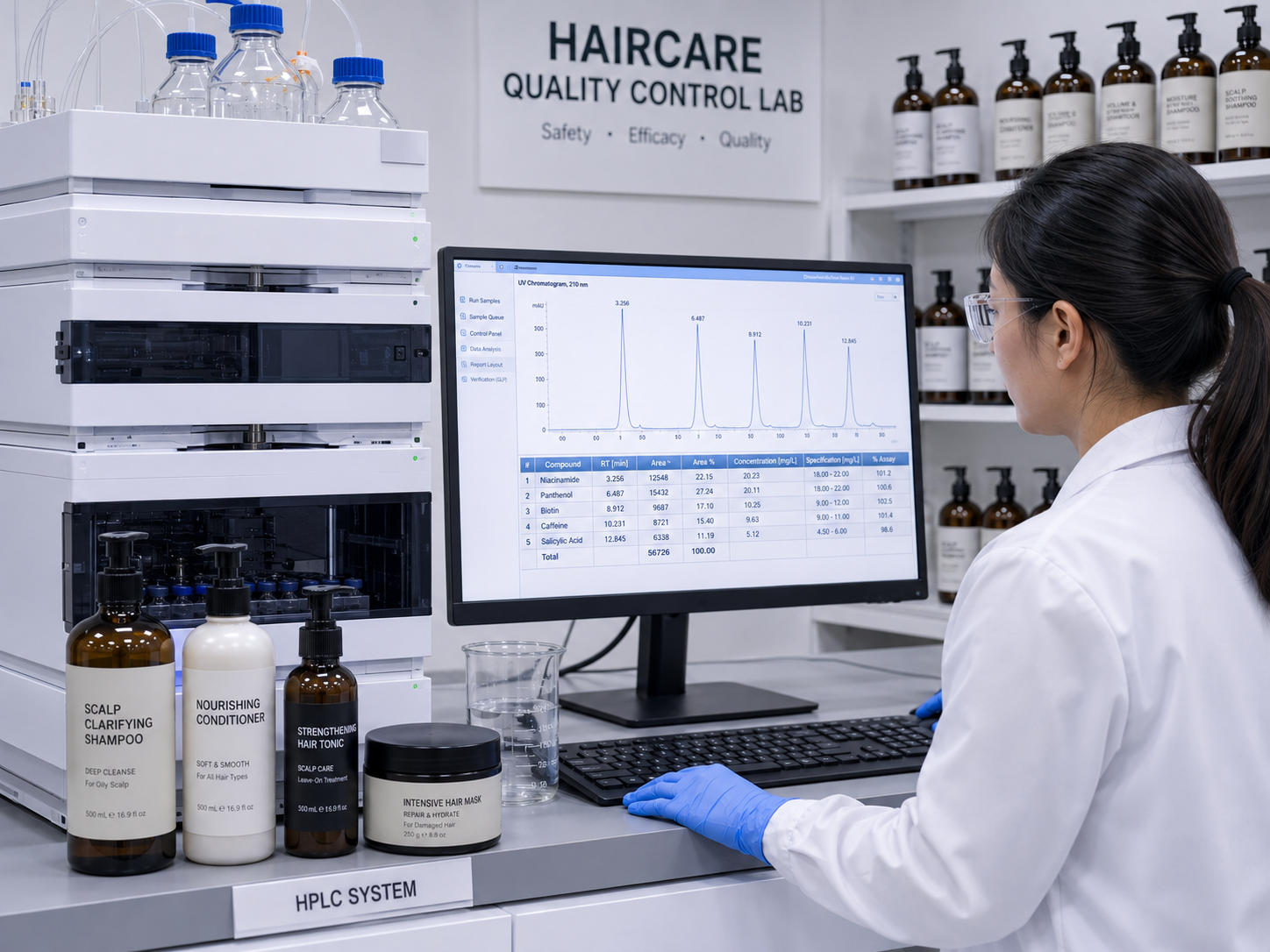
When selecting a manufacturing partner for a global private label scalp care shampoo line, global brands must thoroughly vet supplier facility certifications. Top-tier manufacturing partners must operate strictly under ISO 22716:2007 and US FDA Current Good Manufacturing Practices (cGMP). Every single batch must be accompanied by a comprehensive documentation package, including Certificates of Analysis (COA), Safety Data Sheets (SDS), and comprehensive heavy metal and microbiological testing logs. Ready availability of these compliance documents accelerates customs clearance and guarantees frictionless entry into major international retail chains.
 Furthermore, packaging selection must harmonize aesthetics with functional stability. High-performance scalp treatments frequently contain light-sensitive botanical oils and volatile essential oils. Utilizing dark or opaque post-consumer recycled (PCR) PET bottles or aluminum vessels shields active ingredients from UV degradation while addressing the global consumer demand for environmentally responsible packaging solutions.
Frequently Asked Questions (FAQ)
Scale Your Scalp Care Portfolio with a Trusted Manufacturing LeaderThe premium scalp care market is technically demanding, requiring a manufacturing partner who understands both advanced trichological science and large-scale export logistics. Yedda Haircare delivers complete end-to-end solutions for your OEM scalp treatment shampoo lines.
From custom sulfate-free formulation development and advanced active ingredient suspension to global regulatory compliance testing, we help transform your brand concept into market-dominating realities. Contact our B2B formulation advisory team today at yeddahaircare.com or yeddashampoo.com to consult with an R&D expert and request your custom bench samples.