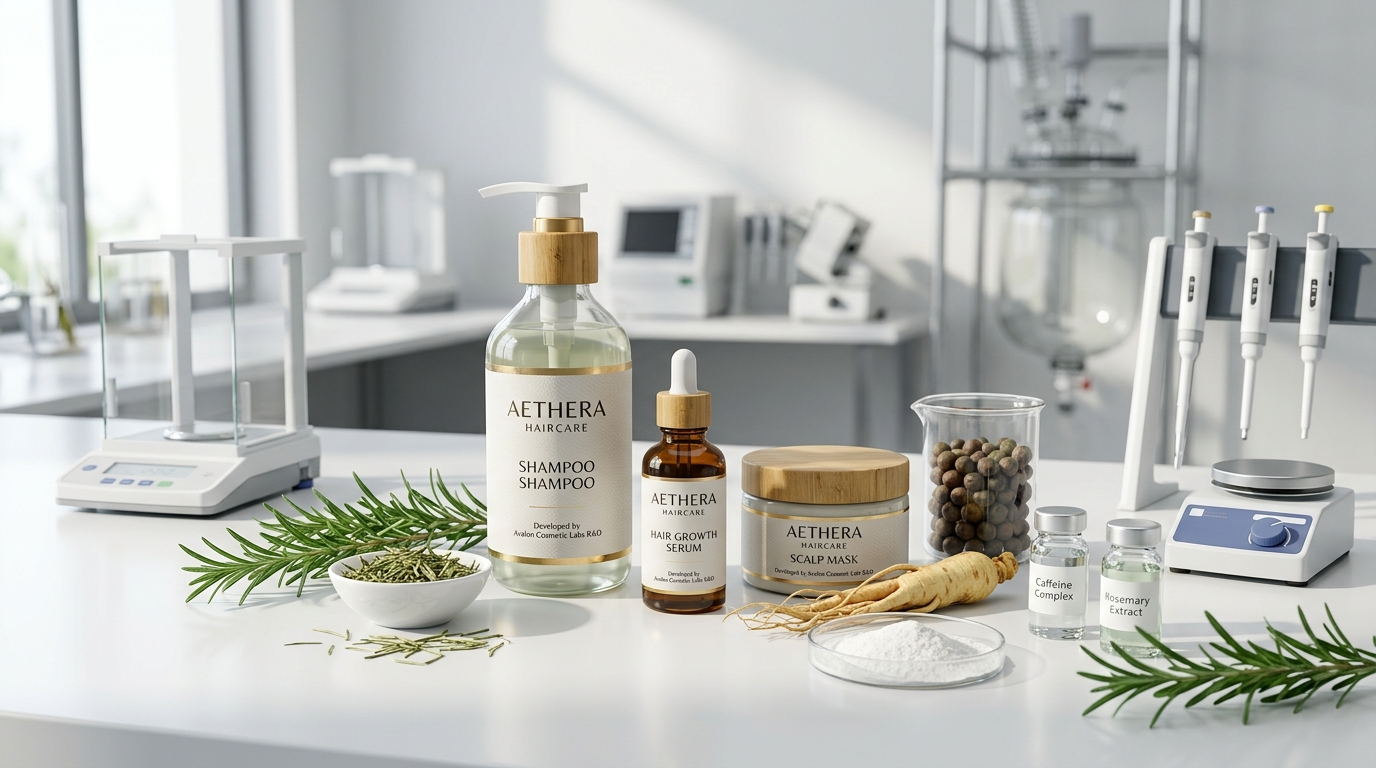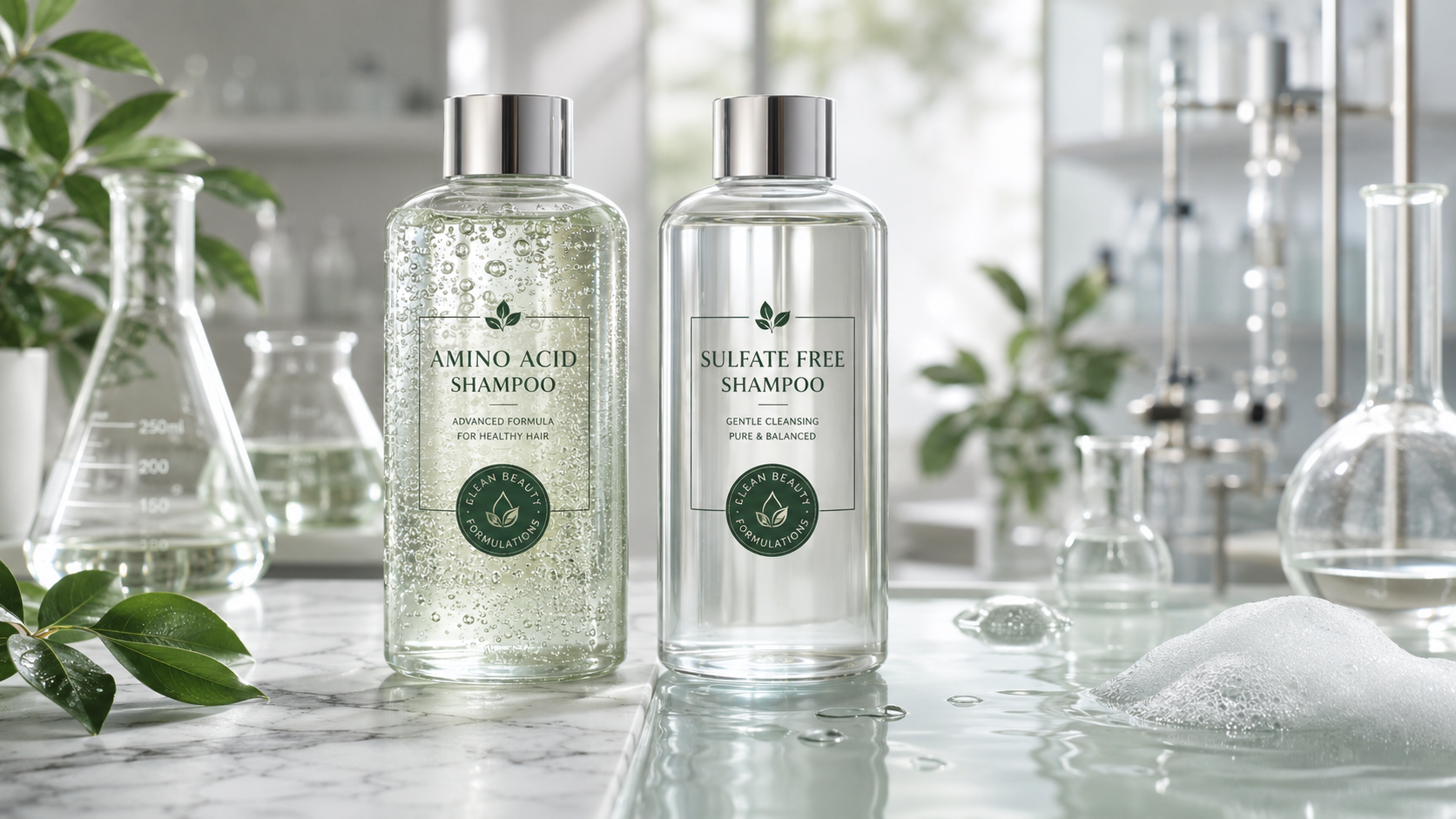

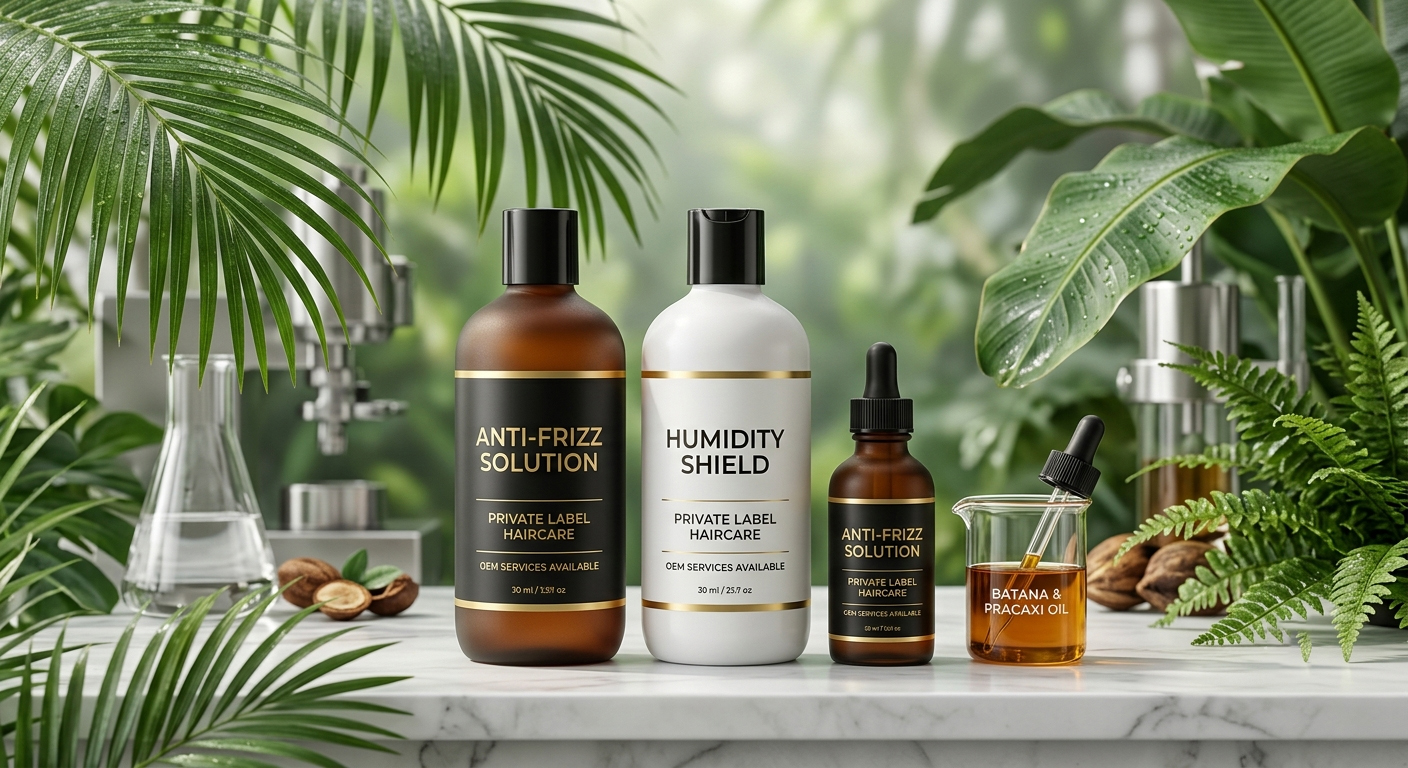
The global hair care market is undergoing a significant shift towards regional personalization. Brands can no longer succeed with a "one-size-fits-all" formula, especially in high-humidity regions like Southeast Asia and Latin America. In these markets, excessive humidity disrupts the hydrogen bonds in the hair cortex, causing the cuticles to swell and lift, resulting in stubborn frizz. For beauty brand founders and purchasing managers looking to tap into this lucrative market, partnering with experienced anti-frizz shampoo OEMsis a crucial strategic move.
Developing a high-performance anti-frizz product line requires in-depth knowledge of tropical trichotomy, mastery of cutting-edge ingredient chemistry, and cost-effective, large-scale manufacturing capabilities. This guide comprehensively explores how to create a market-leading anti-frizz hair care brand specifically designed for hot and humid climates.
The scientific principles behind frizzy hair in high humidity areas
To create truly effective products, private label brands must understand the exact mechanisms by which humid environments cause hair frizz. Hair is naturally porous and hygroscopic, meaning it absorbs moisture from the air.
- Hydrogen bond disruption:Under normal circumstances, temporary hydrogen bonds keep hair in place. When relative humidity (RH) frequently exceeds 70%—for example, in cities like Jakarta, Bangkok, Manaus, and Veracruz—the hair shaft absorbs excessive water molecules. This forces proteins within the cortex to shift, causing the hair shaft to become bent, twisted, and frizzy.
- Factors that damage hair cuticles:Chemical treatments, UV exposure, and heat styling can damage the hair's natural hydrophobic lipid layer (18-MEA). Without this protective layer, moisture can penetrate more easily, causing hair to become more frizzy within minutes of being outdoors.
According to comprehensive market insights from Mintel Market Research, demand for products with anti-frizz and moisture-wicking properties in emerging markets has grown by more than 35% year-on-year, making it a major driver of product purchasing decisions in the Global South.
Tropical Formula: Surpassing High-Viscosity Silicone Oils
In the past, brands typically relied on heavy dimethyl silicone oil to coat hair and block moisture. However, in hot and humid climates, the heavy oil and traditional silicone oil can make hair feel greasy, flat, and prone to scalp buildup. Modern consumers in Southeast Asia and Latin America need lightweight, breathable products that align with clean beauty principles.
When working with youranti-frizz shampoo OEMpartner, pay close attention to these advanced, climate-adaptive formulation strategies:
1. Biomimetic micromembranes and plant-derived polymers
Modern proprietary formulas have abandoned heavy synthetic polymers, opting instead for natural, breathable film-forming agents. Ingredients such as hydrolyzed silk, quinoa protein, and specially formulated plant keratin derivatives form a microscopic hydrophobic matrix around each hair strand. This matrix locks in internal moisture and effectively resists moisture from the outside air, without making fine or curly hair feel heavy.
2. Dedicated sulfate-free surfactant system
Potent sulfates can remove the natural lipids that protect the stratum corneum from moisture damage. Reputable OEM partners use gentle, advanced blends of surfactants, such as sodium lauroyl methyl hydroxyethyl sulfonate (SLMI) or cocamidopropyl betaine. These cleansing beauty-compliant bases thoroughly cleanse the stratum corneum without disrupting its natural barrier.
3. High-performance plant oils and customized matrix
To meet the trends in clean beauty and the demands for high performance, formulations should utilize locally sourced or popular plant lipids with excellent weight-performance ratios:
| Element | Main benefits | Target market appeal |
|---|---|---|
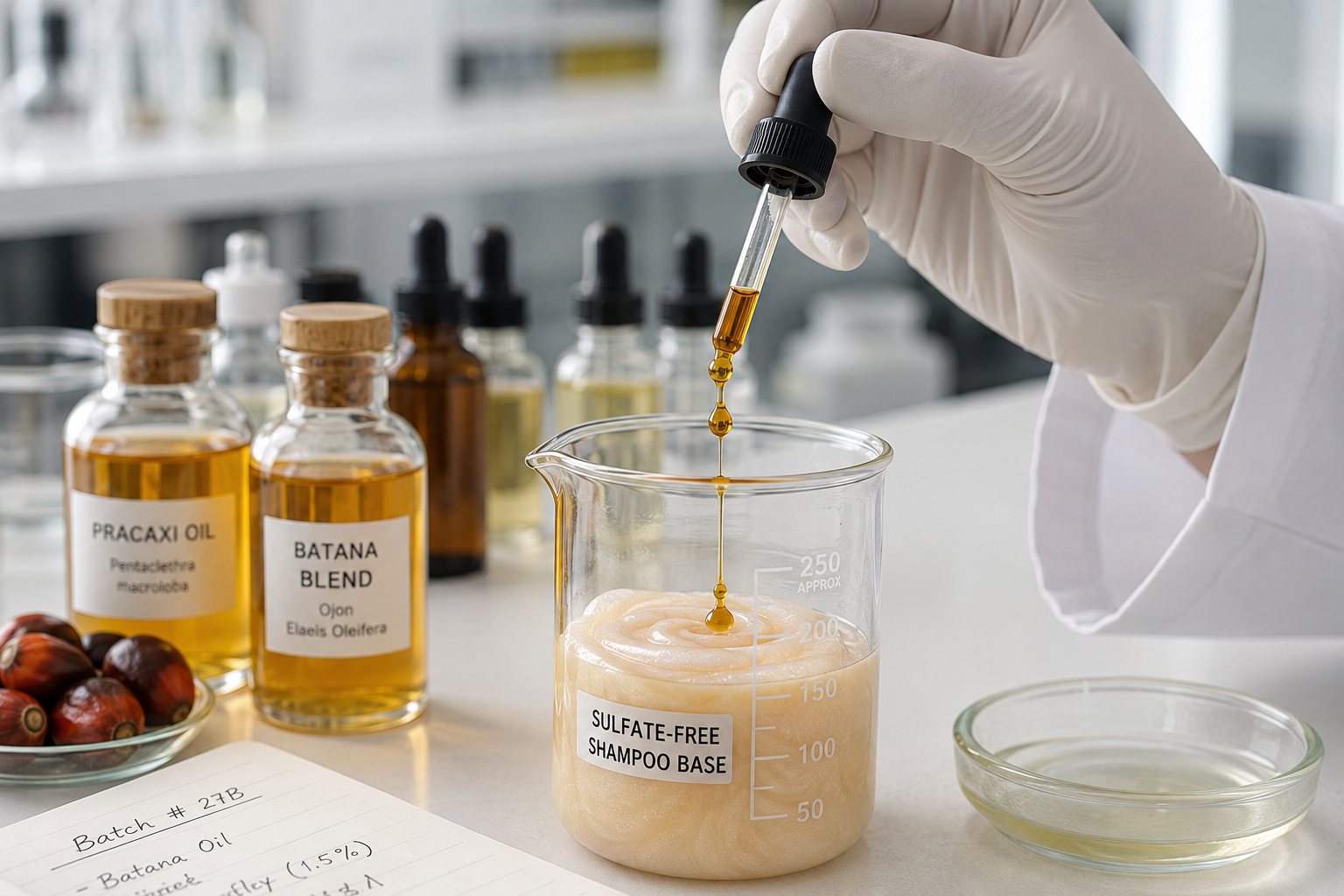
| Battana Oil | It deeply nourishes the dermis, restores the natural lipid barrier, and repairs UV damage. | It is highly attractive to Latin America and the global high-end market. |
| Prakassi Oil | It is often referred to as "natural silicone" and has excellent gloss and high moisture resistance. | Sustainable sourcing is an ideal choice for brands that value environmental protection. |
| Argan oil and camellia oil | It gives hair a light shine and instantly smooths out frizzy cuticles. | It enjoys widespread consumer recognition in the Southeast Asian market. |
Strategic Market Analysis: Southeast Asia and Latin America
Although both regions have high humidity levels, their consumer demographics, hair types, and purchasing habits are quite different. Partnering with an adaptable OEM manufacturer can help you tailor your own brand product line to these diverse consumer groups.
Southeast Asia: Lightweight Protection and Scalp Health
In countries like Thailand, Indonesia, Malaysia, and the Philippines, straight and slightly wavy hair are very common, and people are increasingly appreciating natural curls. These countries have climates that are not only humid but also hot year-round.
- Formula Priority :An ultra-lightweight formula. Consumers dislike any products that feel greasy or cause excessive scalp oil. Anti-frizz shampoos must cleanse the scalp, removing sweat and oil while locking in the hair cuticles.
- Slogans:"24-hour moisture protection", "non-greasy and shiny" and "purifies the scalp and controls frizz".
Latin America (LATAM): Deep Moisturizing and Texture Definition
Markets such as Brazil, Mexico, and Colombia have extremely diverse consumer groups, with a very high proportion of people having wavy, curly, and spiral hair (types 2A to 4C).
- The Formulation Priority: Intense moisture combined with anti-frizz performance. Curly hair is inherently more porous and prone to severe frizzing in high humidity. Formulations require richer botanical butter, amino acid replenishment, and curl-retention polymers that prevent frizz while enhancing natural spring and definition.
According to extensive beauty tracking data from Euromonitor International , Latin America remains one of the fastest-growing regions for specialized hair care, driven heavily by Brazilian consumers prioritizing advanced post-treatment care and anti-frizz routines.
Custom Packaging Solutions for Tropical Distribution
Formula integrity can be significantly compromised by tropical environmental conditions if the packaging isn't properly optimized. High ambient temperatures and moisture can cause certain packaging materials to degrade or cause formulas to separate.
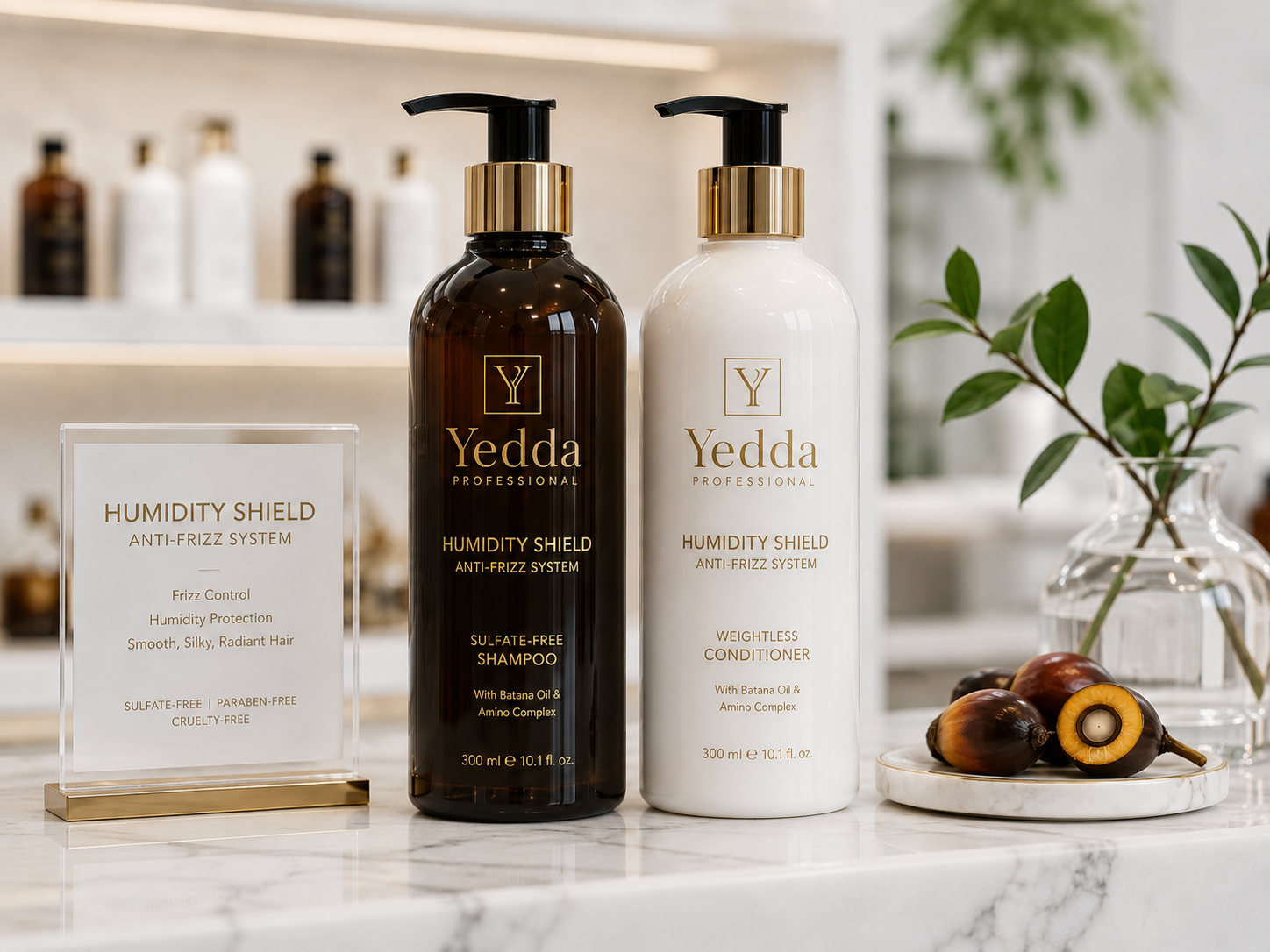
- UV and Barrier Protection: Utilizing Amber PET, opaque HDPE, or aluminum bottles protects natural botanical oils (like Batana or Argan oil) from photo-oxidation caused by intense tropical sunlight.
- Precision Dispensing: For anti-frizz serums and concentrated shampoos, airless pump bottles or high-viscosity pumps prevent water contamination in high-humidity shower environments, preserving the product's shelf-life.
Technical Qualification: Selecting Your Anti Frizz Shampoo OEM
Transitioning from a product concept to a market-ready, scalable brand requires a manufacturing partner that understands the nuances of global supply chains and regulatory compliance.
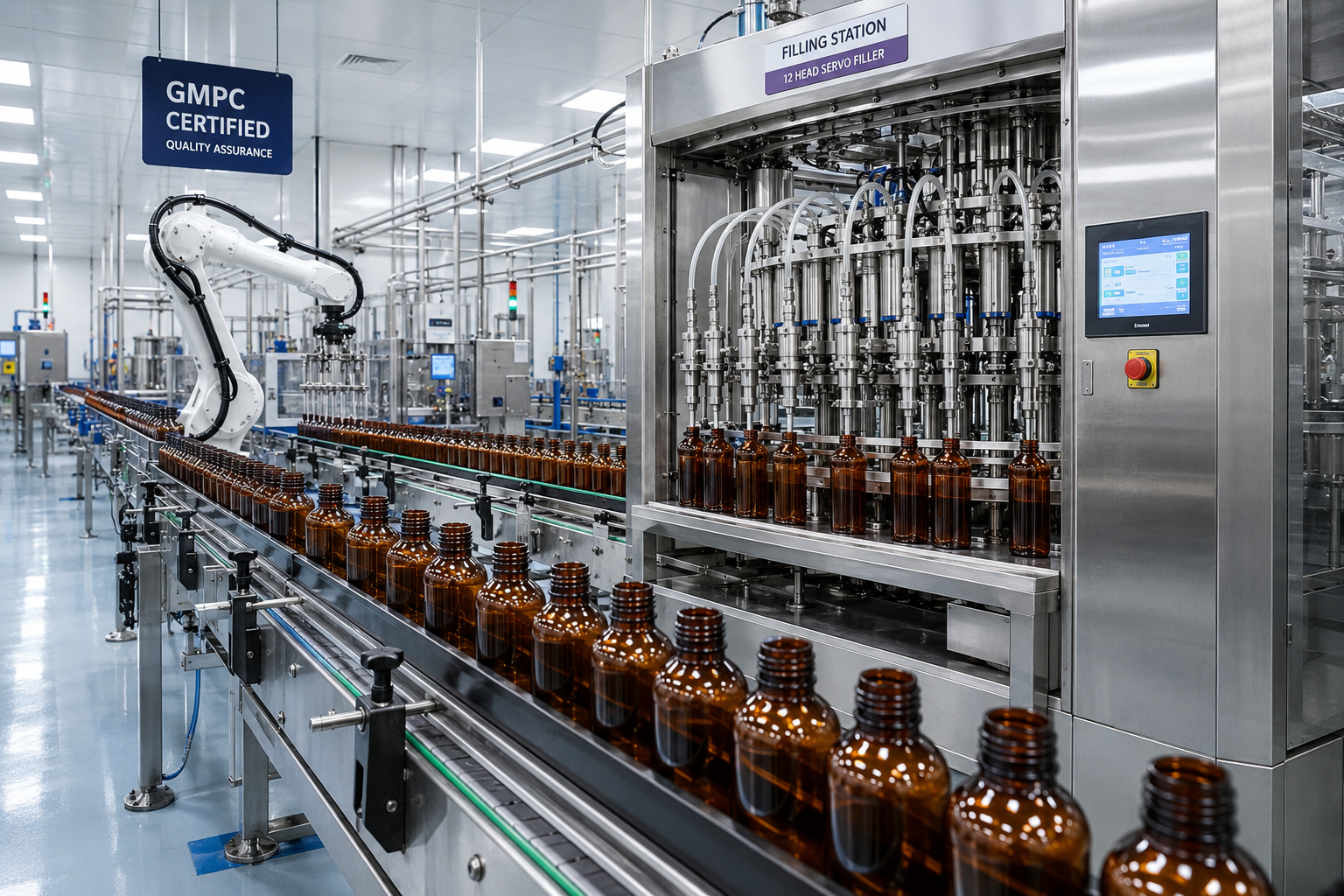
Rigorous Efficacy Testing and Standards
Do not rely on marketing fluff. Ensure your chosen OEM provider offers rigorous testing protocols. True anti-frizz efficacy is verified using specialized **High-Humidity Chambrage Testing**, where hair tresses treated with the formulation are exposed to over 80% relative humidity for 24 to 48 hours to measure volume expansion and frizz percentages.
Furthermore, ensure the facility holds international compliance standards, including **ISO 22716 (GMP)** and **GMPC** certifications, guaranteeing that every batch manufactured meets global safety and quality benchmarks. Verified testing methodologies can also be reviewed through resources like the Cosmetic, Toiletry and Perfumery Association (CTPA) guidelines for efficacy testing.
Flexible Private Label and ODM Services
A top-tier factory provides comprehensive private label, OEM, and ODM services, offering:
- Low MOQs (Minimum Order Quantities): Allowing emerging brands to test regional markets without overwhelming upfront capital.
- Turnkey Solutions: Handling everything from custom formulation adjustments and raw material sourcing to packaging design, regulatory documentation, and final shipping logistics.
Step-by-Step Guide to Launching Your Private Label Anti-Frizz Line
- Market & Audience Definition: Choose your primary geographic market (eg, Southeast Asia or Latin America) and narrow down your target hair archetype (eg, fine/straight or coarse/curly).
- Formulation Briefing: Work closely with your anti frizz shampoo OEM partner to establish a custom brief, highlighting key clean beauty claims like sulfate-free, silicone-free, or specific trending botanicals.
- Sample Evaluation & Stability Testing: Put the factory samples through rigorous testing. Evaluate their performance under heat, real-world humidity, and check for ease of rinsing and sensory feel.
- Compliance and Regulatory Alignment: Ensure formulas comply with regional cosmetic regulations, such as ASEAN Cosmetic Directive (ACD) compliance for Southeast Asia or ANVISA requirements for Brazil.
- Brand Launch & Strategic Marketing: Emphasize the scientific testing and structural proof behind your anti-frizz barrier claims in your marketing campaigns, leveraging social proof and influencer partnerships to build trust.
Frequently Asked Questions
Q1: What makes a sulfate-free system better for an anti frizz shampoo OEM formulation?
Sulfate-free surfactants cleanse hair gently without stripping away its natural, protective lipid layer. When this lipid barrier remains intact, the hair fiber is naturally more hydrophobic, significantly reducing its capacity to absorb airborne moisture and cause frizz in humid environments.
Q2: How do OEM factories test the humidity resistance of anti-frizz products?
Professional OEM/ODM manufacturers utilize dedicated high-humidity environmental chambers. Treated hair swatches are placed inside controlled environments calibrated to specific temperatures and relative humidity levels (often 80%+ RH). Technicians then monitor and measure the frizz percentage and volume expansion over periods ranging from 12 to 48 hours to validate the formula's performance claims.
Q3: Can a single anti-frizz private label formula work for both Southeast Asia and Latin America?
While a core anti-frizz chassis can be shared, it is highly recommended to customize the formulation slightly for each market. Southeast Asian consumers generally prefer lightweight, scalp-clearing formulas that leave hair bouncy and grease-free. In contrast, the Latin American market often requires richer, deeply moisturizing ingredients to accommodate a higher density of wavy, curly, and coily hair textures.
Q4: What are the standard Minimum Order Quantities (MOQs) for custom anti-frizz hair care manufacturing?
Minimum order quantity (MOQ) depends on the level of customization of the formulation and the chosen packaging. Typically, the MOQ for standard private label formulations using existing stock packaging can be as low as 1,000 to 3,000 pieces. For fully customized ODM formulations requiring special ingredients or custom molded packaging, the MOQ is usually around 5,000 to 10,000 pieces.