
This technical whitepaper is tailored for professional product developers and brand sourcing managers, providing a deep molecular analysis of low-irritation pediatric shampoo formulations and global regulatory compliance testing frameworks.
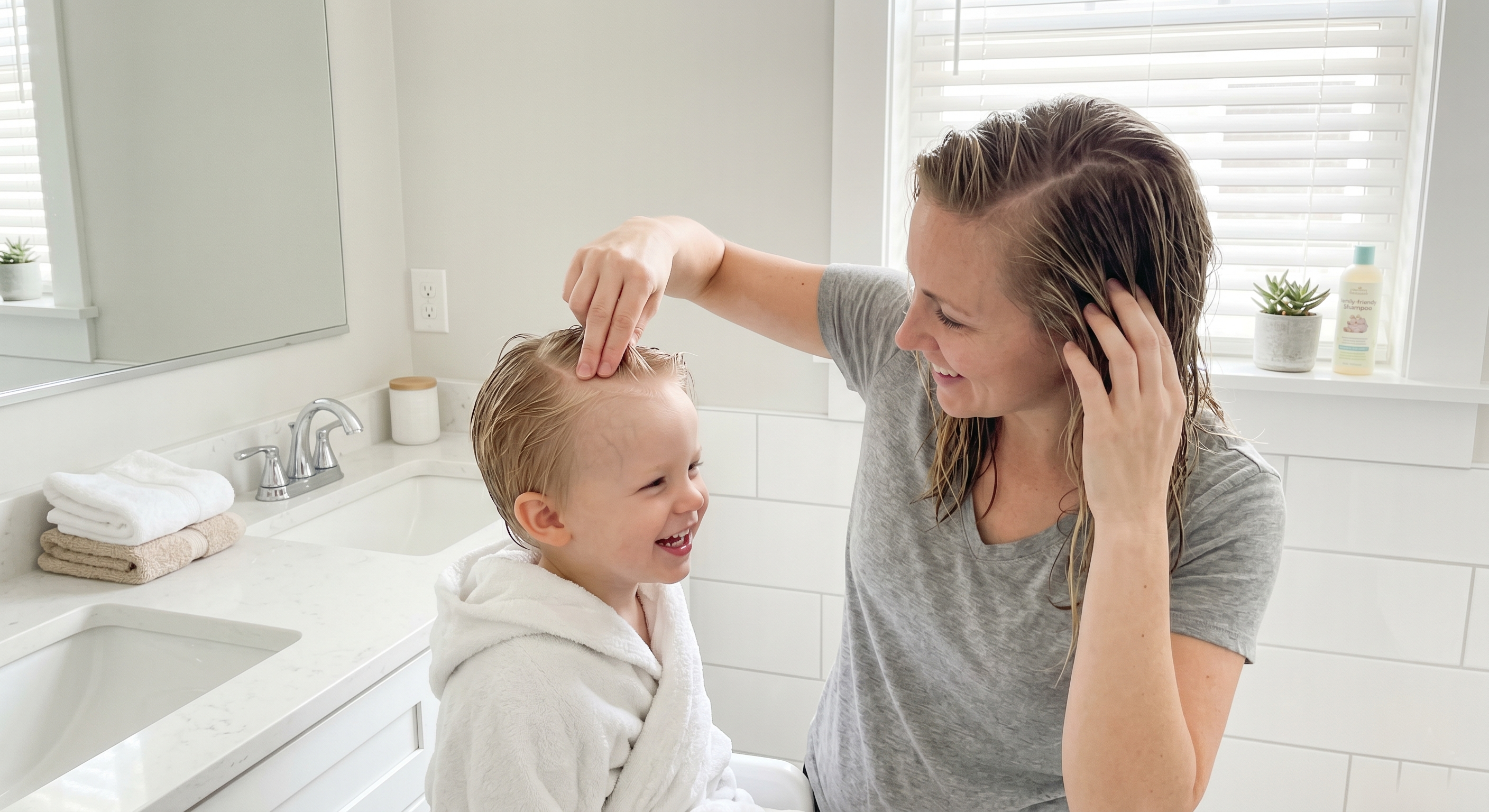
1. Micro-Anatomy of the Pediatric Scalp vs. Adult Scalp
To engineer an optimized children's formula, formulators must first analyze the structural vulnerability of the target tissue:
- Stratum Corneum Thickness: The infant and child epidermal barrier is up to 30% thinner than adult skin. According to clinical dermatological studies published by the National Center for Biotechnology Information (NCBI), this significantly elevates the transepidermal water loss (TEWL) rate and increases susceptibility to chemical penetration.
- Sebaceous Gland Underactivity: Prior to puberty, sebum production is minimal. The pediatric scalp lacks the robust lipidic acid mantle that protects adult skin from environmental pathogens and surfactant-induced lipid stripping, leading to post-wash dryness.
- Ocular Physiology: The blink reflex in children is not fully developed, and the corneal epithelium is highly sensitive to pH variations. This makes classic adult anionic surfactants unviable due to severe stinging.
2. The Surfactant Architecture: Achieving Zero-Irritation via APG Synergy
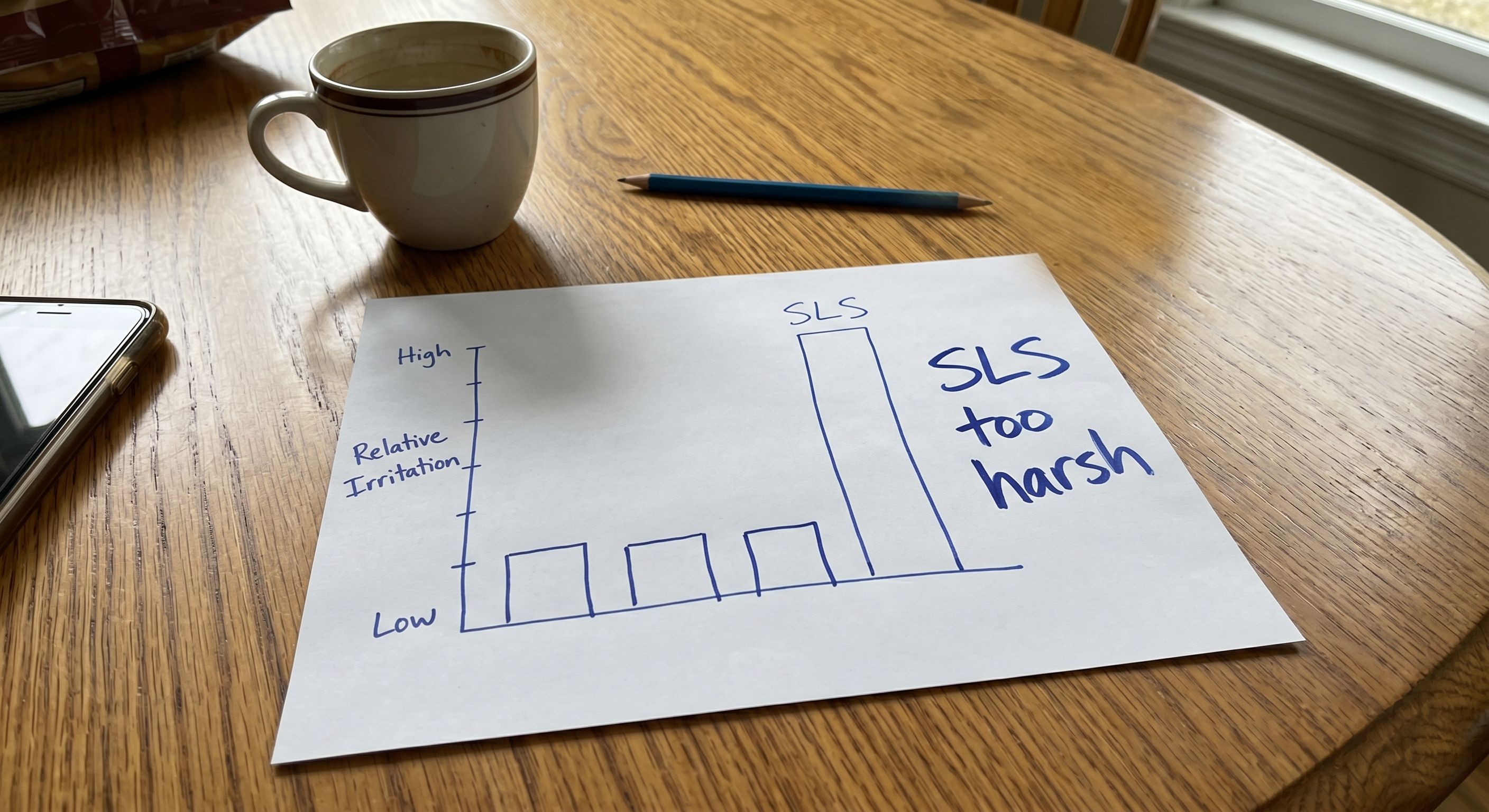
Standard adult shampoos rely heavily on Alkyl Sulfates (like SLS or SLES) for flash foam and cost efficiency. For professional children's formulations, these are entirely replaced by a highly engineered non-ionic and amphoteric surfactant matrix.
Core Terminology: Critical Micelle Concentration (CMC)
The lowest concentration at which surfactant molecules begin to self-assemble into micelles. In pediatric formulation design, lowering the CMC via strategic blending allows surfactants to rapidly aggregate into large, skin-friendly micelles. This significantly reduces the penetration of free monomeric surfactants into ocular and epidermal tissues, minimizing irritation.
Core Surfactant Performance Comparison Table
We evaluated common children's surfactants using the Zein protein denaturation assay (the industry standard for quantifying surfactant irritation profile), with data compared below:
| Surfactant Name | Chemical Class | Primary Function | Irritation Index (Zein Score) | Foam Texture | B2B Sourcing Recommendation |
|---|---|---|---|---|---|
| Decyl Glucoside | Non-Ionic (APG) | Primary Detergency & Eco-Compliance | Ultra-Low (< 1.5) | Coarse, requires blending | Standard for EU/NA Clean Beauty lines |
| Sodium Cocoyl Glutamate | Amino Acid | Lipid-Preserving Cleansing & Silkiness | Low (< 2.0) | Ultra-fine & creamy | Core for premium, sensitive kids' lines |
| Cocamidopropyl Hydroxysultaine | Amphoteric | Foam Boosting & Irritation Reduction | Ultra-Low (< 1.0) | Good | Essential co-surfactant for tear-free performance |
| Sodium Lauryl Sulfate (SLS) — Control | Strong Anionic | Adult Degreasing & Heavy Cleansing | High (> 5.0) | Abundant but harsh | Not recommended for pediatric applications |
While developing gentle pediatric bases via APG synergy represents one end of our production spectrum, brand managers looking for adult therapeutic lines can explore our Natural Onion Rosemary Biotin Shampoo and Conditioner Set, which applies similar clean-beauty surfactant principles to hair growth and anti-hair loss categories.
3. Quantifying "Tear-Free": Empirical In-Vitro Safety Testing Protocol
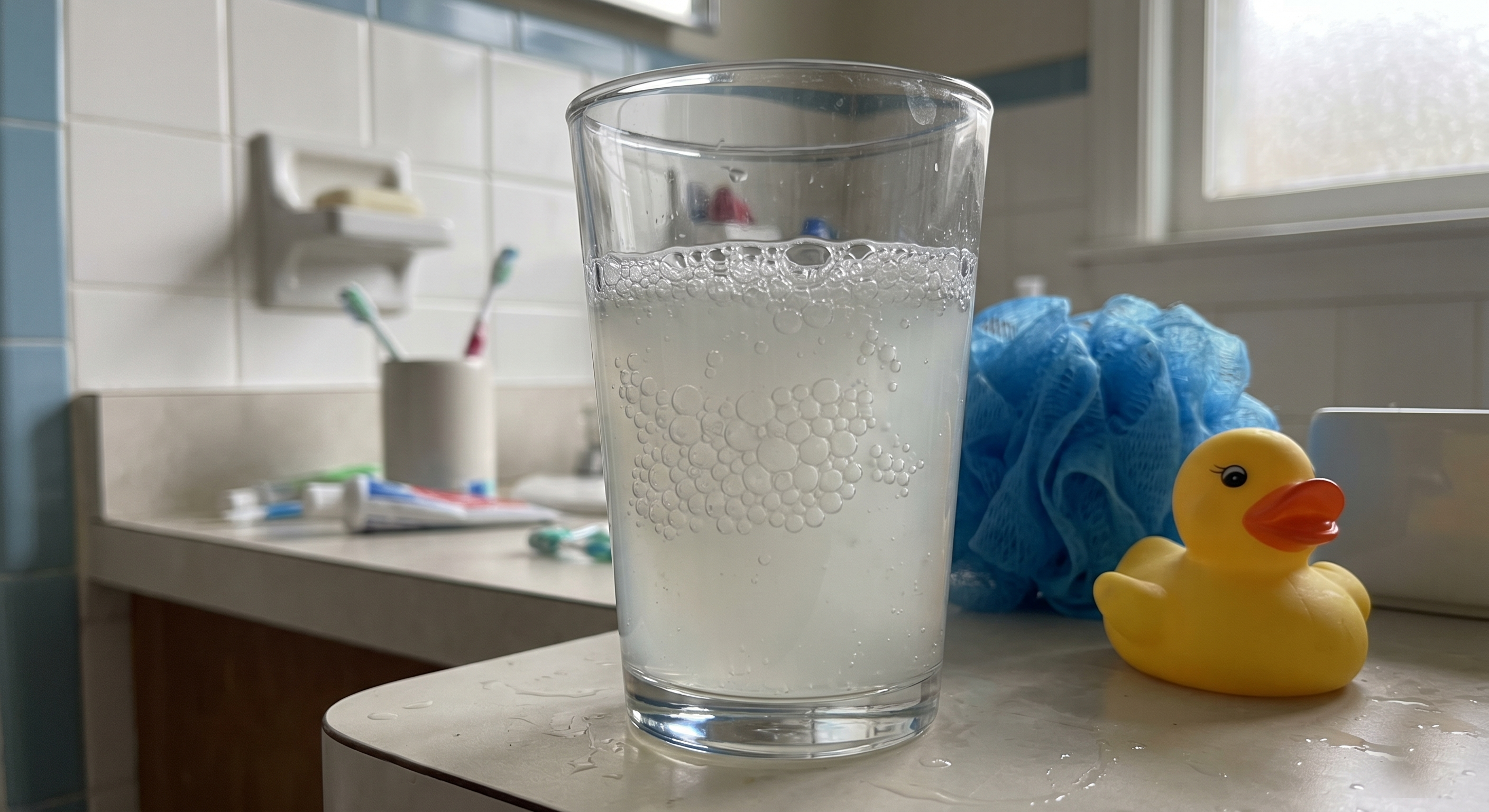
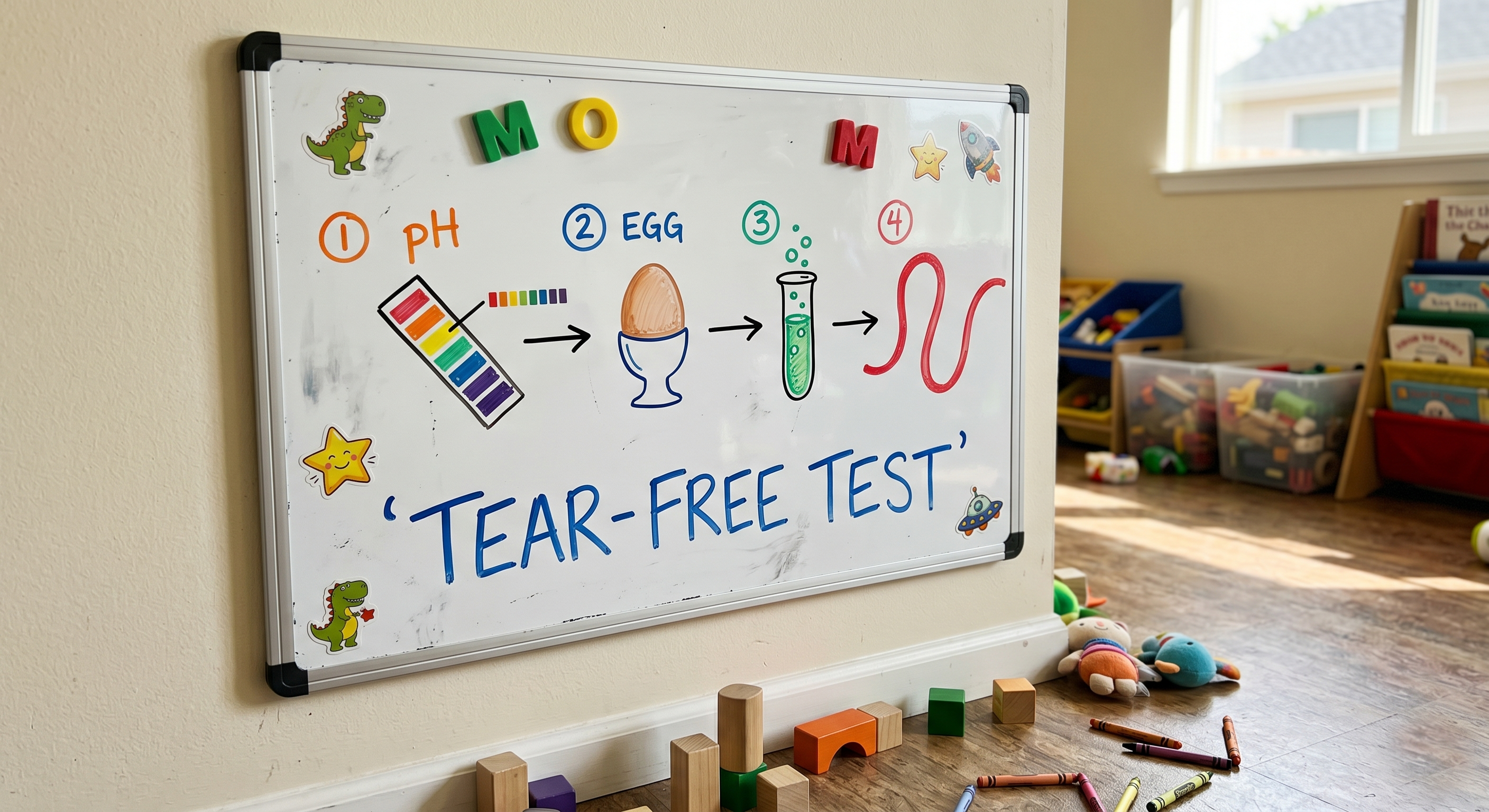
Yedda laboratory utilizes an entirely cruelty-free, in-vitro testing ecosystem. Every children's clean beauty formulation launched globally must pass the following standardized quality control (QC) and R&D validation workflow:
- Step 1: Precision pH Calibration
Utilizing high-precision pH meters, the finished formulation is strictly controlled at 5.5 ± 0.2. This range perfectly aligns with the undeveloped, weakly acidic acid mantle of pediatric skin and matches the physiological equilibrium point of human tears. - Step 2: HET-CAM Ocular Irritation Screening
The diluted shampoo sample is applied to the chorioallantoic membrane of fertilized chicken eggs on day 9 of incubation. Following established international safety guidelines outlined by the Cosmetics Europe trade association, the membrane is observed continuously for 300 seconds to monitor and record any microvascular hemorrhage, lysis, or coagulation. - Step 3: Quantitative Zein Denaturation Analysis
We test the capacity of the surfactant system to solubilize zein protein. Lower solubility indicates that the formulation has minimal disruptive potential on the corneocyte lipid barrier of the scalp. - Step 4: Mass Production FTIR Consistency Mapping
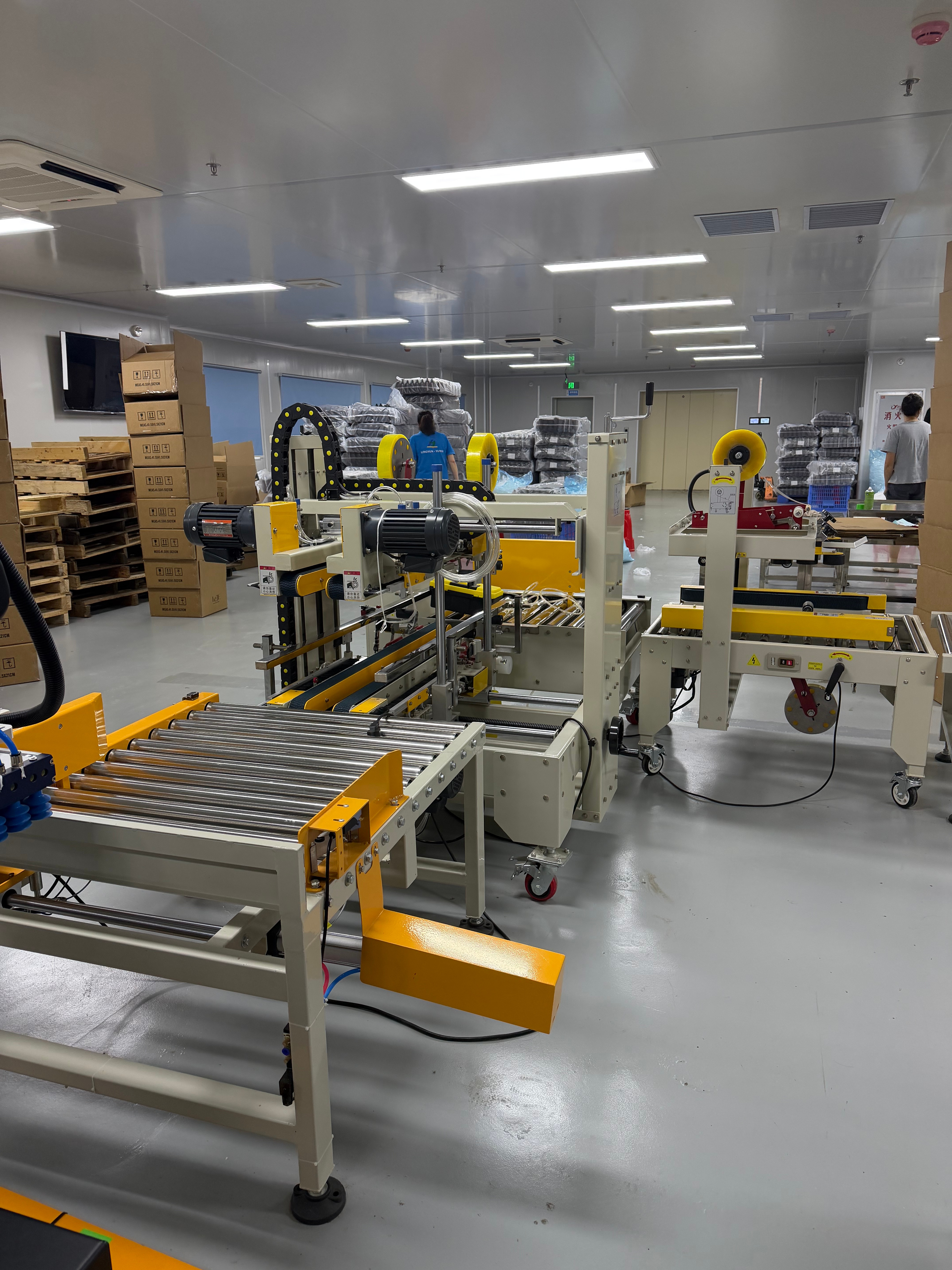
During commercial scaling at our Guangzhou facility, Fourier-transform infrared spectroscopy (FTIR) is performed to compare production batches against the lab-approved benchmark, ensuring that commercial outputs perfectly mirror the tear-free profile of the original prototype.
4. B2B FAQ: Core Solutions for Global Sourcing Partners
To help B2B brand owners, Amazon sellers, and retail distributors accelerate project timelines, we have compiled the most critical compliance and technical inquiries encountered during order synchronization:
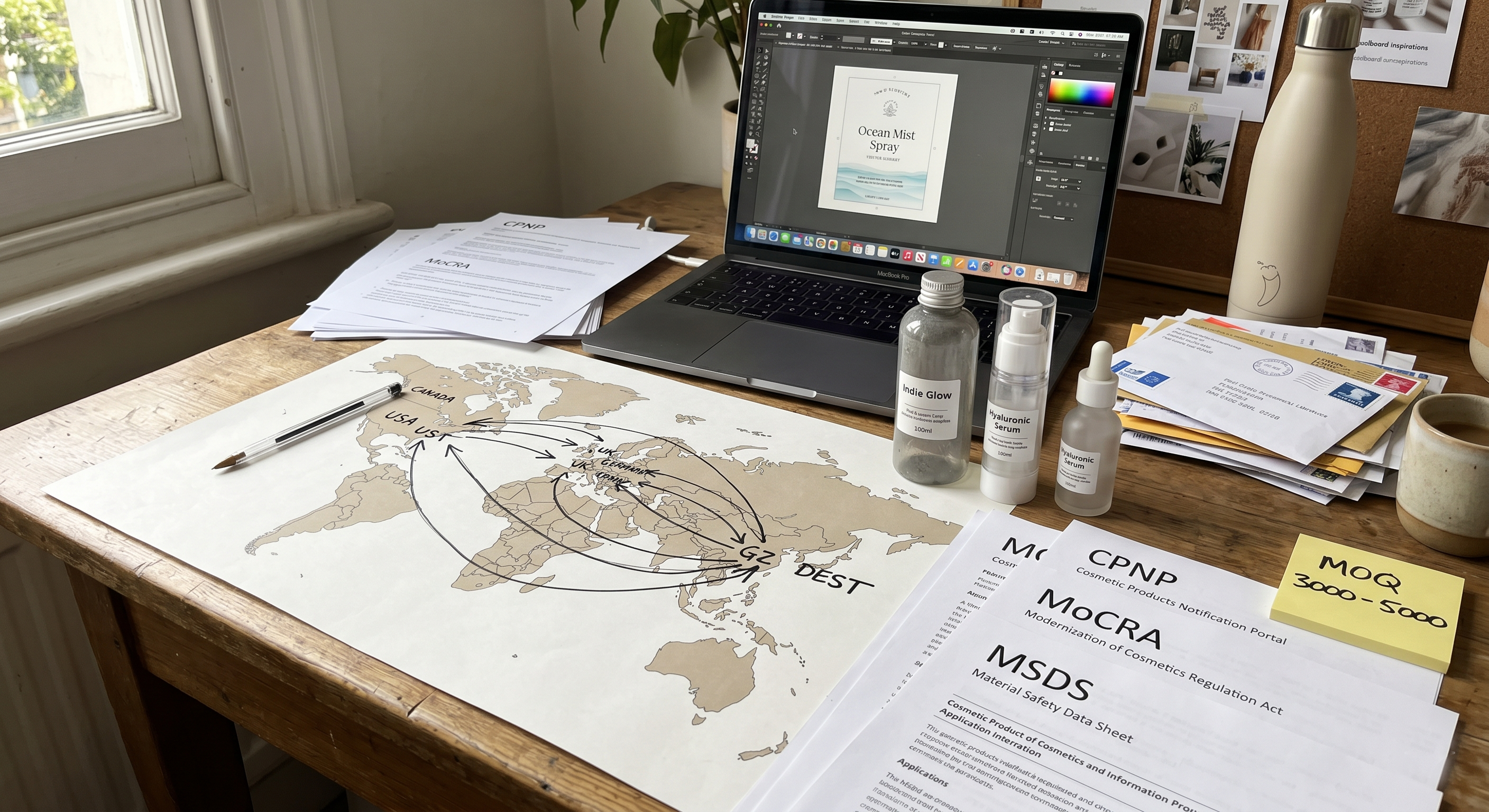
Q1: Can your botanical children's shampoo formulations pass the EU CPNP registration and the US FDA MoCRA regulations?
A: Absolutely. As an established global provider anchored by Yedda Hair Care, we bring 13 years of cross-border supply chain expertise. Our pediatric formulations are developed from day one in compliance with EU Regulation (EC) No 1223/2009 and the latest US FDA MoCRA mandates. We provide complete Material Safety Data Sheets (MSDS), Allergen Reports, Heavy Metal Testing, and Microbial Challenge Test Reports (USP <51>) to fully support your brand's regulatory filings.
Q2: Without synthetic silicones, how do you eliminate post-wash dryness and tangling in fine children's hair?
A: We solve this via a molecularly modified blend of high-molecular-weight plant polysaccharides (such as Avena Sativa Beta-Glucan) and Hydrolyzed Jojoba Esters. These natural bio-actives form a breathable, hydrophobic film on the hair shaft. This provides exceptional wet and dry combability and natural gloss without clogging pediatric follicles or weighing down fine hair strands.
Q3: Does a food-grade organic acid preservative system (like Sodium Benzoate) guarantee sufficient shelf life for international shipping?
A: Yes, it does. While organic acids alone target fungi effectively but are weaker against bacteria, we implement Hurdle Technology. By coupling them with synergistic glycols like Caprylyl Glycol, we disrupt bacterial cell walls, allowing the organic acids to deliver broad-spectrum preservation at a skin-friendly, acidic pH. All Yedda formulations pass rigorous 45°C accelerated stability testing and 3-year simulated shelf-life assays.
Q4: What is your Minimum Order Quantity (MOQ) for cross-border B2B sourcing, and can you provide customized packaging?
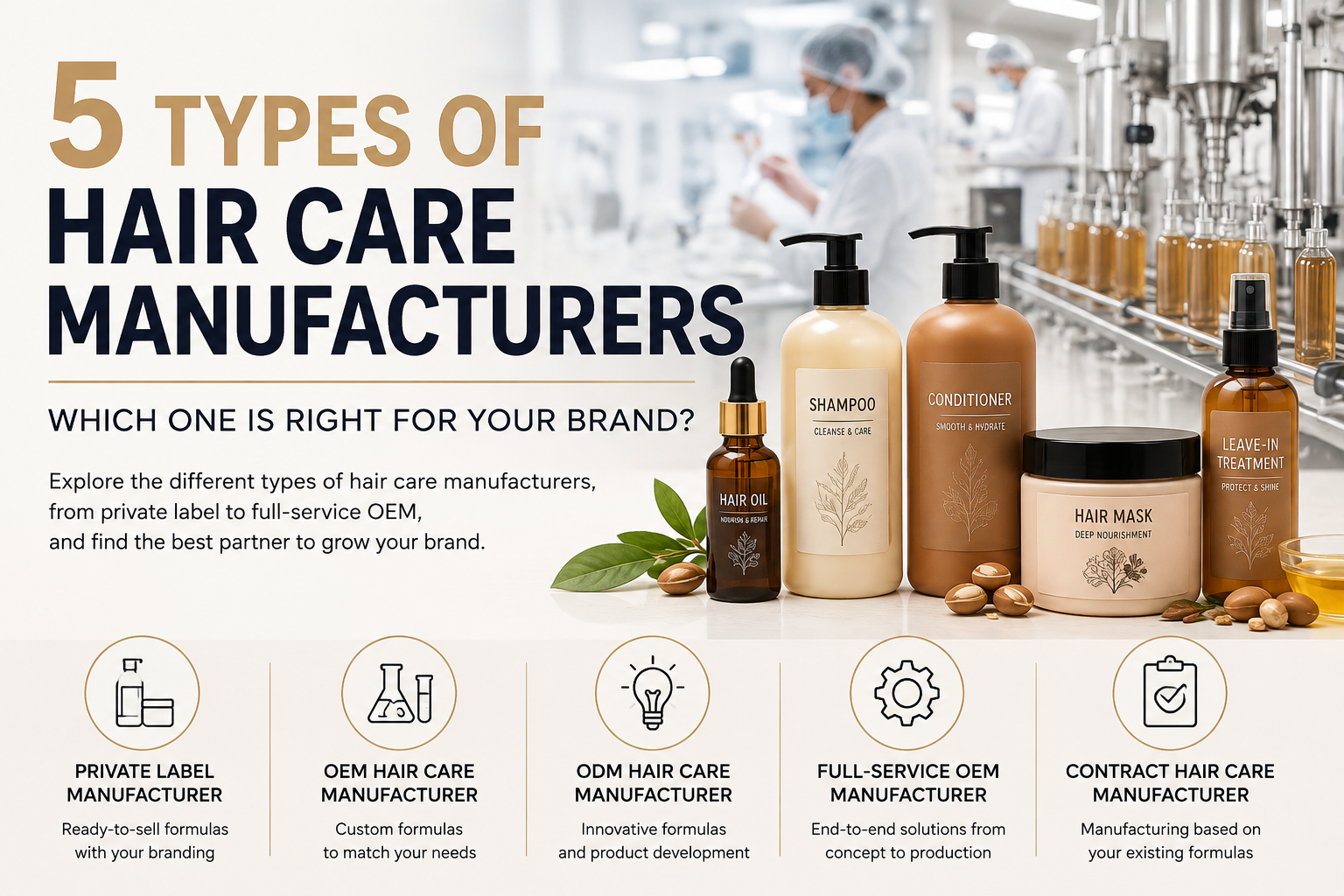
A: Our 20,000-square-meter source factory offers high manufacturing flexibility through our specialized Hair Care OEM/ODM Services. Standard children's hair care lines typically feature an MOQ of 3,000 to 5,000 units (depending on raw material specialty). We maintain a vast inventory of eco-friendly packaging aligned with global clean beauty aesthetics (such as PCR plastics and airless pumps) and support complete 3D visual rendering and label compliance reviews.
5. Partner with an R&D-Driven Manufacturing Expert
Navigating the competitive pediatric hair care market requires a manufacturing partner that prioritizes molecular science over marketing hype. Backed by over 13 years of cross-border OEM/ODM experience and a state-of-the-art 20,000-square-meter facility in Guangzhou, Yedda provides global brands with fully compliant, turn-key, premium children's botanical formulations.
Beyond standard retail lines, our facility is fully equipped to manufacture advanced professional-grade applications. For information regarding professional salon backbar lines, chemical technical systems, and specialized treatments, you may review our comprehensive Professional Salon Services & Specialized Lotions Portfolio.
Ready to elevate your pediatric product portfolio? Contact us today to request our complete formulation catalog, order a sample benchmarking kit, or submit your specific project requirements directly through our B2B Customization Inquiry Form.