
The Formula Science of Rosemary & Onion in Hair Volumizing Products: Overcoming Chemical Stability, Deodorization, and Global Compliance Challenges in Mass Production
In the current global hair care market, consumer enthusiasm for "Clean Beauty" and "Ingredient-Driven" formulations has fully extended to the scalp care domain, establishing the prominent trend known as the "Skinification of Hair." Driven by massive social media exposure and clinical research, the combination of Rosemary and Onion has emerged as an undisputed powerhouse in the global anti-hair loss and hair growth markets.
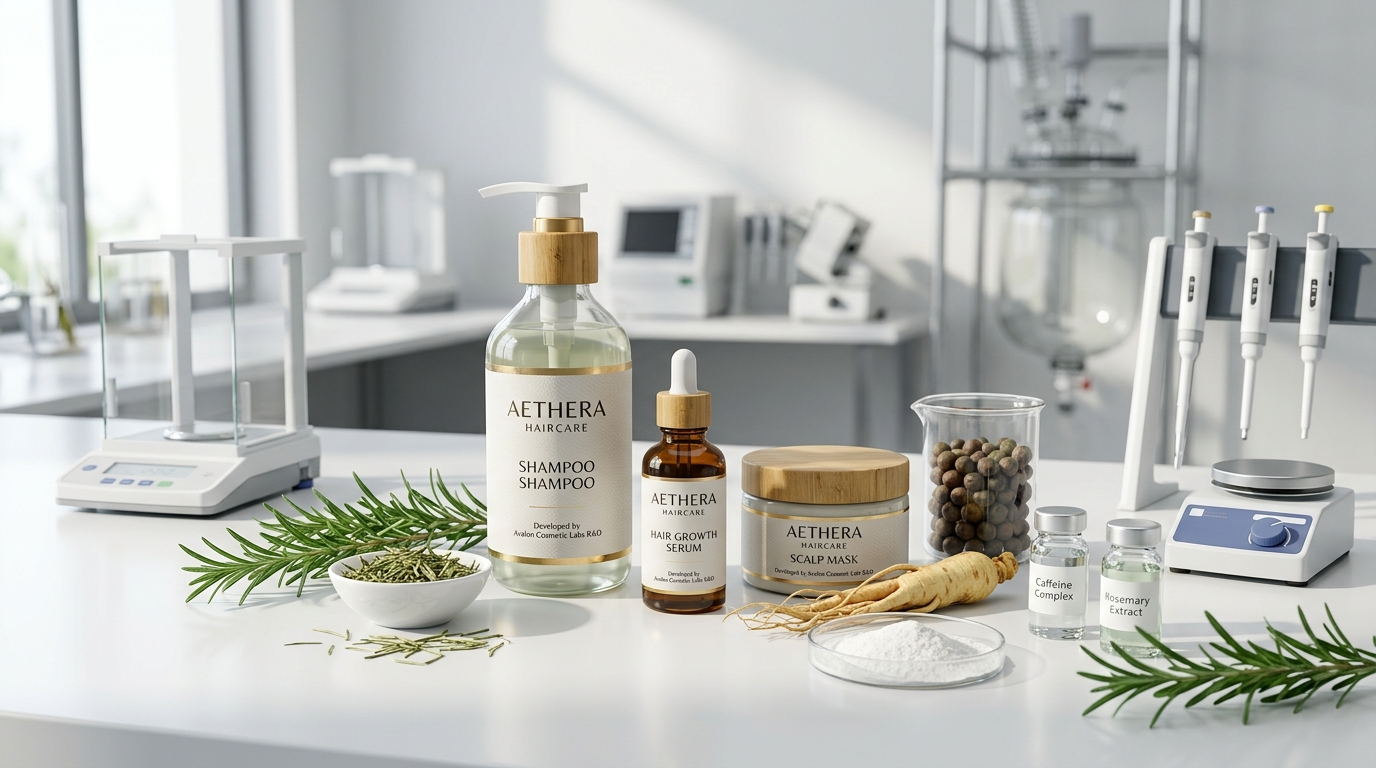
From a biochemical standpoint, this pair offers a near-perfect synergistic mechanism. Rosmarinic acid and carnosic acid in rosemary essential oil effectively inhibit 5α-reductase (blocking Dihydrotestosterone, or DHT, the primary trigger for androgenetic alopecia) while stimulating follicle microcirculation. Concurrently, onion extract, rich in dietary sulfur and flavonoids like quercetin, provides the indispensable raw materials for synthesizing keratin—the primary component of hair—significantly extending the hair follicles' Anagen Phase.
However, success in the lab does not automatically guarantee success on the factory floor. A flawless sample developed in a 1-liter beaker during R&D faces magnified physical and chemical variables when scaled into a 10-ton (10,000L) automated vacuum emulsification vessel and a high-speed automatic filling line. For global hair care brands, major Amazon sellers, and B2B procurement professionals, a factory's lack of precise control over natural botanical scaling can lead to catastrophic product failures on store shelves, including discoloration, spoilage, rancid odors, and phase separation.
From the front-line engineering and manufacturing perspective of a specialized hair care OEM/ODM, this article provides a deep technical analysis of how advanced chemical engineering overcomes the four core bottlenecks of rosemary and onion formulations during commercial scale-up.
✔ 13+ Years of Specialization in Botanical Hair Care R&D
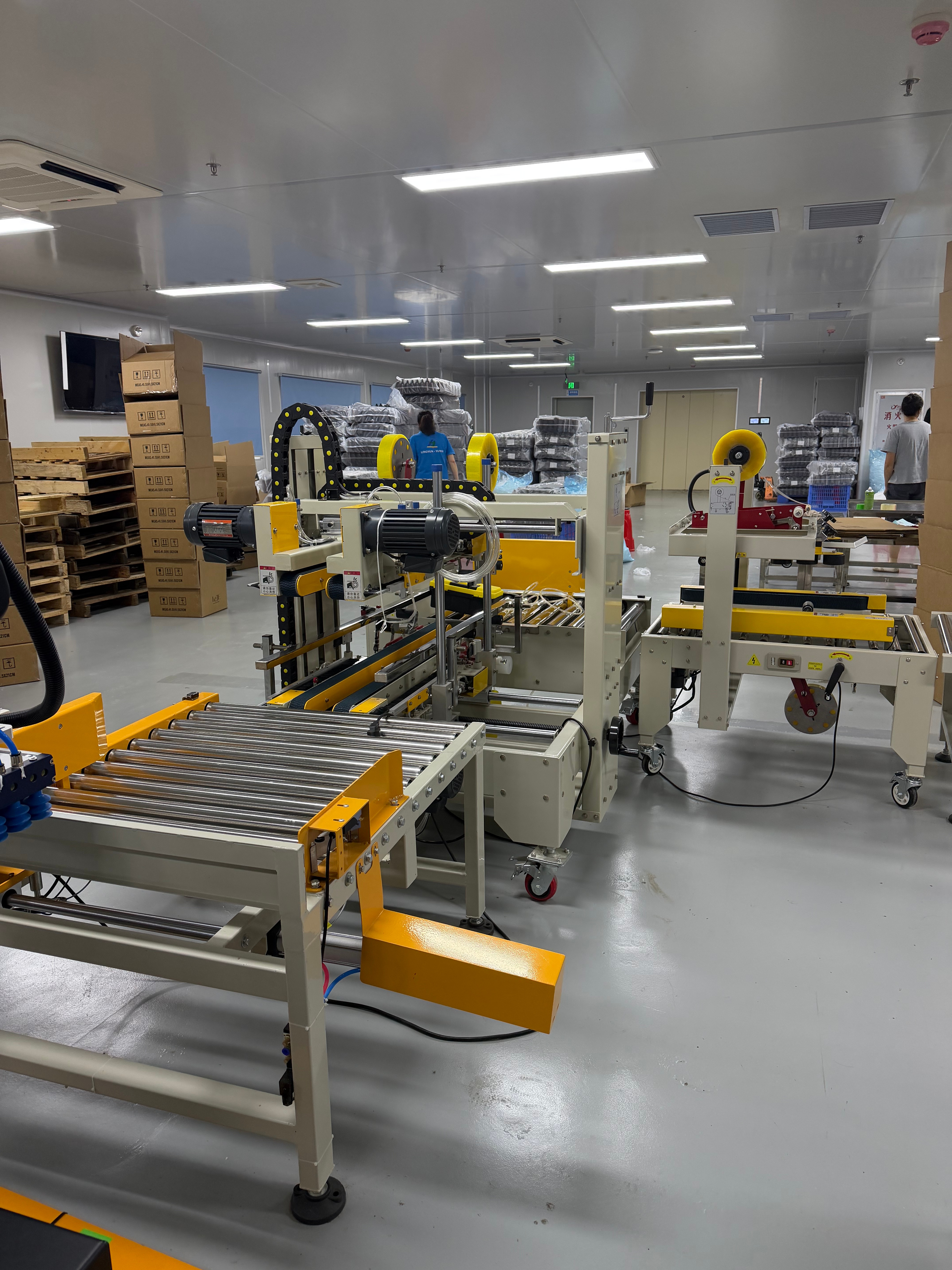
✔ 20,000㎡ Modern Production Base | Class 100,000 GMPC Purification Workshop
✔ High-Vacuum Cold-Release Processing | Advanced Double-Layer Microencapsulation for Total Deodorization
✔ Turnkey Compliance Assets for EU Regulation 1223/2009, US MoCRA, and ASEAN Directives
[➔ Click Anywhere on This Page to Access Our Custom Pricing & Formulation Service]
1. Color Stability & Antioxidant Control – Preventing Brown Discoloration
The Technical Bottleneck: Polyphenols in rosemary and flavonoids (specifically quercetin) in onion possess high molecular reactivity. When exposed to heat stress, mechanical shear, or trace metal ions during mass production, they undergo rapid autoxidation, resulting in irreversible brown discoloration and a drastic loss of biological efficacy.
Three Main Degradation Pathways in Large-Scale Production
While oxidation is negligible in small laboratory batches due to brief agitation times and minimal surface-to-air exposure, it expands exponentially in 10-ton industrial production lines:
- Thermal Stress Degradation: When materials are heated to 75°C - 80°C in the reactor for emulsification or thickening, prolonged heat exposure catalyzes the autoxidation of phenolic hydroxyl groups.
- Mechanical Shear Oxidation: Homogenizers operating at high speeds exceeding 3,000 RPM forcefully drive trace oxygen from the residual air inside the tank into the bulk liquid, generating micro-bubbles.
- Trace Metal Ion Catalysis: Despite utilizing industrial-grade stainless steel machinery, production water (even after undergoing double-pass Reverse Osmosis treatment) can retain trace copper or iron ions. These ions act as catalysts, triggering rapid complexation reactions with polyphenols.
Mass Production Degradation Pathway:
High Temperature + High-Shear Mechanical Energy ➔ Catalysis by Trace Oxygen & Metal Ions ➔ Autoxidation & Dehydrogenation of Phenolic Hydroxyls ➔ Polymerization into Quinone Structures ➔ Browning and Loss of Efficacy

The Yedda Industrial Solution: High-Vacuum Closed-Loop Cold-Release and Multi-Dimensional Chelation Matrix
To fully preserve the natural biological activity of both ingredients and lock in the product's pristine, original appearance, the Yedda Laboratory implements a dual upgrade spanning both manufacturing processing and formulation architecture:
- Full High-Vacuum Closed-Loop Production: Throughout the heating, stirring, and homogenization cycles, the vacuum level inside the emulsification vessel is strictly maintained between -0.08MPa and -0.095MPa. This complete evacuation of oxygen cuts off the oxidation pathway at its source.
- Botanical Active "Cold-Release" Technology: After the base emulsion is formed at elevated temperatures, a high-efficiency heat exchange system rapidly cools the batch to below 40°C. The heat-sensitive rosemary essential oil and onion extract are then drawn into the reactor under strict vacuum conditions, completely bypassing thermal stress and eliminating heat-induced degradation.
- Three-Dimensional Protective Network: The formulation incorporates a protective grid consisting of water-soluble antioxidants (such as Sodium Erythorbate) + lipophilic antioxidants (a complex network of Tocopherol isomers) + a pure plant-derived chelating agent (Sodium Phytate). The chelating agent tightly binds trace metal ions to neutralize their catalytic activity, while the dual-phase antioxidants act as sacrificial shields, preferentially reacting with any trace oxygen. This maintains the molecular structural integrity of the rosmarinic acid and quercetin, ensuring a stable 2-to-3-year shelf life without discoloration.
2. Volatile Odor Neutralization: From Molecular Deodorization to Micro-Encapsulation Delivery
The Technical Bottleneck: The efficacy of onion in promoting hair growth stems directly from its high content of natural organic sulfur, an essential component for synthesizing cysteine to nourish dermal papilla cells. The critical drawback, however, is that these volatile organic sulfur compounds (such as diallyl disulfide) generate a pungent, garlic-like odor.
Conventional contract manufacturers often attempt to mask this smell by adding high doses (1.5% or more) of synthetic fragrances. This approach introduces three major flaws: it violates clean beauty allergen restrictions, risks an "Odor Breakthrough" 2 to 3 months post-production, and causes secondary irritation to scalps already prone to hair loss.
The Yedda mass-production standard Jordan-neutralizes odors at the molecular level, employing a three-stage standard: Targeted Cleavage ➔ Physical Inclusion ➔ Intelligent Slow-Release.
- Upstream Enzyme Inactivation and Low-Vacuum Molecular Distillation: During raw material extraction, specific enzymatic hydrolysis deactivates the odor-causing volatile enzymes. Low-vacuum molecular distillation is then deployed to precisely fractionate and strip out low-molecular-weight malodorous compounds, leaving behind non-volatile, highly active sulfur peptides and flavonoids.
- Cyclodextrin Inclusion Technology: Utilizing cyclodextrins—which possess a unique hollow, cone-like molecular structure that is hydrophobic on the inside and hydrophilic on the outside—the hydrophobic groups of the remaining onion odor molecules are trapped inside the cavity during agitation, preventing volatilization at ambient temperatures.
- Advanced Double-Layer Micro-encapsulation:
📦 Yedda Onion Extract Double-Layer Micro-encapsulation Architecture
[ Core Active Zone ]: Active Sulfur Compounds + Quercetin ➔ Delivers the core anti-hair loss and hair growth energy.
[ Inner Protective Membrane ]: Plant-Derived Lipid Bilayer ➔ Locks in odor molecules during manufacturing, mixing, and high-speed filling to block volatilization.
[ Outer Hydrophilic Film ]: Natural Polysaccharide Complex Network ➔ Grants the micro-capsules exceptional shear resistance, allowing them to remain suspended uniformly within the fluid without precipitation or aggregation.
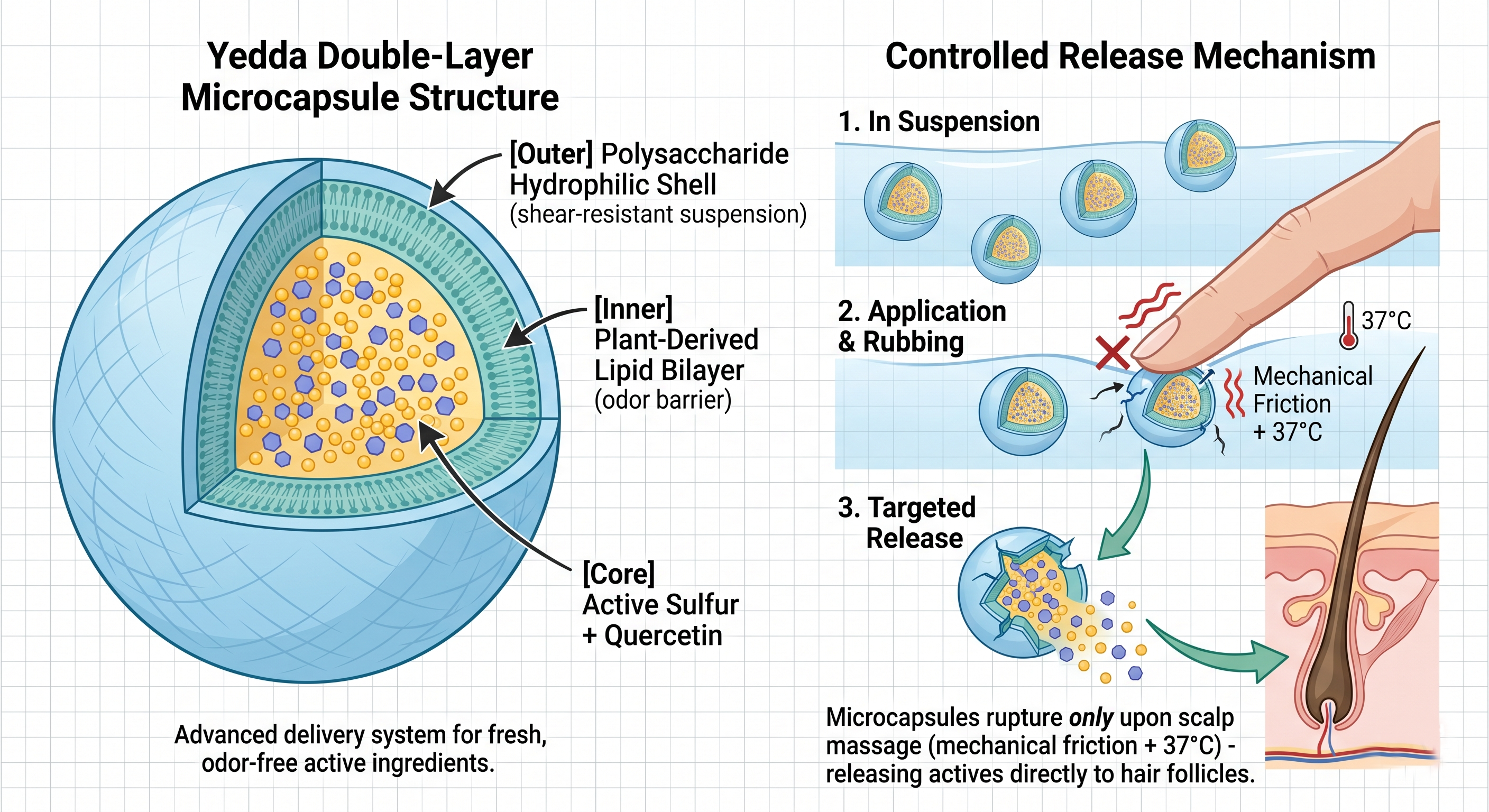
B2B Application Scenario: For the global market's highly popular 50ml leave-on premium scalp peptide serums developed via our turnkey custom hair care formulation services, this encapsulation ensures the micro-capsules remain intact along high-speed automated filling lines. They break down only when the end consumer applies the serum to the scalp and massages it with their fingertips. The combination of mechanical friction and skin temperature (37°C) triggers a gentle release of fresh, completely odorless actives directly to the hair follicles.
3. Rheological Collapse: Maintaining Emulsion and Viscosity in Sulfate-Free Systems
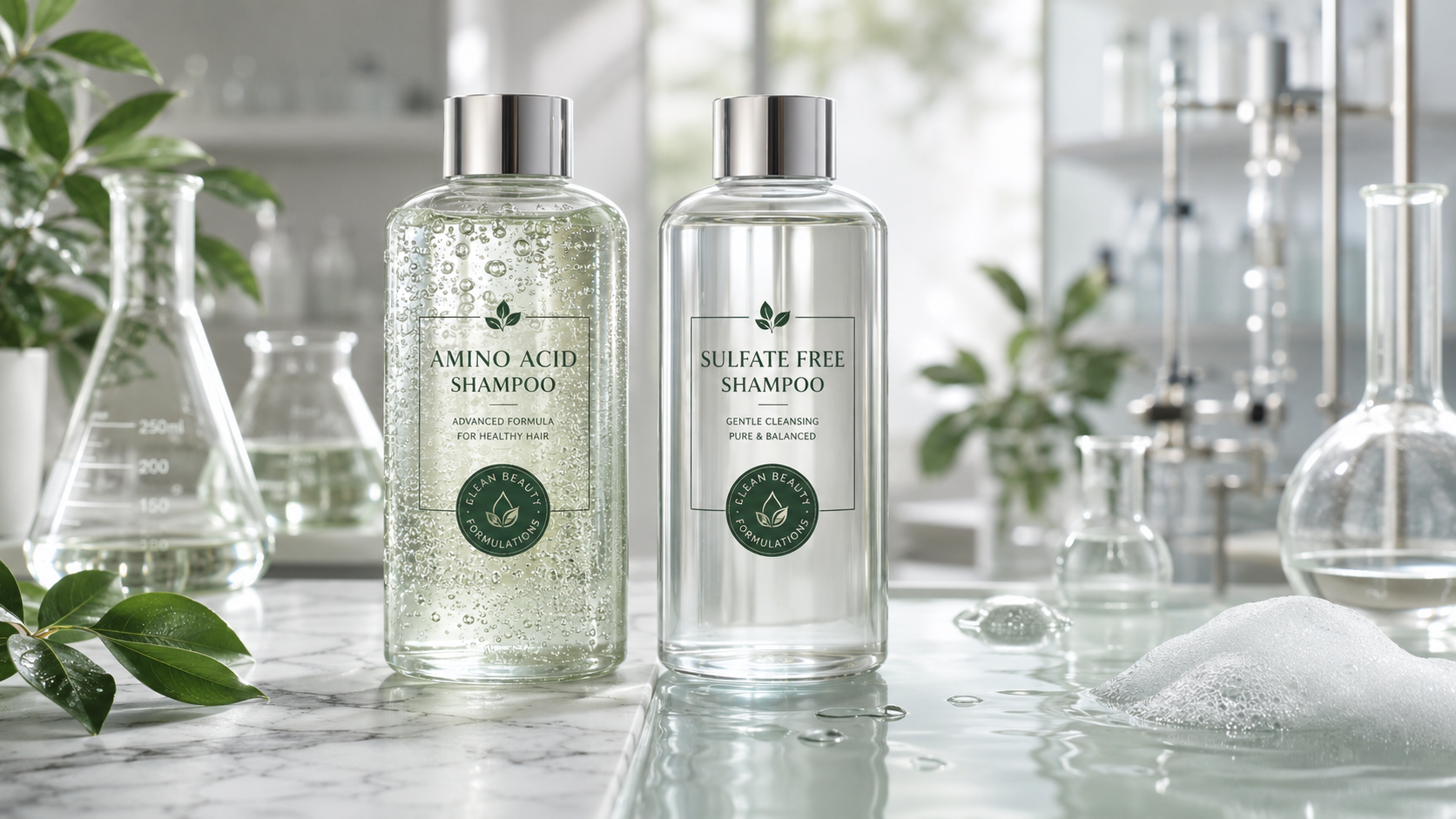
Premium hair care brands consistently mandate "Sulfate-Free" and "Silicone-Free" claims. However, when high concentrations of oil-soluble components (rosemary essential oil) and electrolyte-rich, water-soluble components (onion extract) are introduced simultaneously into a sulfate-free surfactant matrix, a severe Rheological Collapse frequently occurs. The strong electrolyte ions from the onion extract neutralize the surface charges on the surfactant micelles, collapsing the structural network. This causes the product to thin out rapidly and separate during maritime transit or static warehousing.
To overcome this widespread supply chain challenge, the Yedda R&D Laboratory reconstructs the formulation's rheology, establishing a specialized industrial control mechanism outlined in our engineering brief on sulfate-free shampoo ternary surfactant systems:
| Technical Dimension | Yedda Mass Production Standard (Highly Stable) |
|---|---|
| Surfactant Architecture | Ternary Surfactant Synergistic System: Integrates amino acid surfactants (for mildness) + Alkyl Polyglucosides / APG (for salt tolerance) + Betaines (for amphoteric stability) to re-arrange micellar structures. |
| Thickening & Suspension Mechanism | Interpenetrating Natural Biopolysaccharide Network: Deployed a cross-linked polymer network of deacylated gellan gum and xanthan gum to weave an invisible 3D suspending matrix through the fluid. |
| Freeze-Thaw & Shear Resistance | Precision Yield Value Optimization via Rheometer: Establishes a high yield value under static conditions to keep essential oils suspended, transitioning into a shear-thinning fluid under filling pressure for uncompromised post-factory stability. |
This identical mechanism is applied across our mass-scale natural onion rosemary biotin shampoo and conditioner set, achieving commercial rheology stability that easily passes advanced freeze-thaw cycles (-10°C to 40°C).
4. The Green Preservation Revolution: Overcoming Global Compliance and Microbial Challenges Without Traditional Preservatives
Rosemary and onion extracts serve as excellent nutrient sources for microbial growth. Without proper preservation, products are highly vulnerable to mold and bacterial contamination in humid bathroom environments. However, the EU (EU Regulation 1223/2009) and the US MoCRA (Modernization of Cosmetics Regulation Act) enforce strict limitations on traditional preservatives like MIT, formaldehyde donors, and Parabens. Finished goods must pass stringent antimicrobial effectiveness testing (PET - USP <51> / ISO 11930) to clear international customs and hit shelves smoothly.
The Yedda mass production architecture moves away from aggressive biocides, transitioning to an "Interdisciplinary Synergistic Polyol & Organic Acid Preservation System":
- Polyol Spatial Hindrance and Water Activity Control: Short-chain polyols (such as Pentylene Glycol and Caprylyl Glycol)—which function concurrently as high-performance humectants—are strategically integrated to lower the formulation's "Water Activity" (Aw). This alters the osmotic pressure across microbial cell membranes, preventing bacteria from absorbing the water necessary to reproduce.
- Natural Organic Acid Network: In an environment tailored to the scalp's natural physiological **pH of 5.0 - 5.5**, trace amounts of Hydroxyacetophenone and plant-derived Anisic Acid are blended. At this weak acidity, these organic acids remain un-ionized, allowing them to penetrate microbial cell walls for 100% broad-spectrum inhibition.
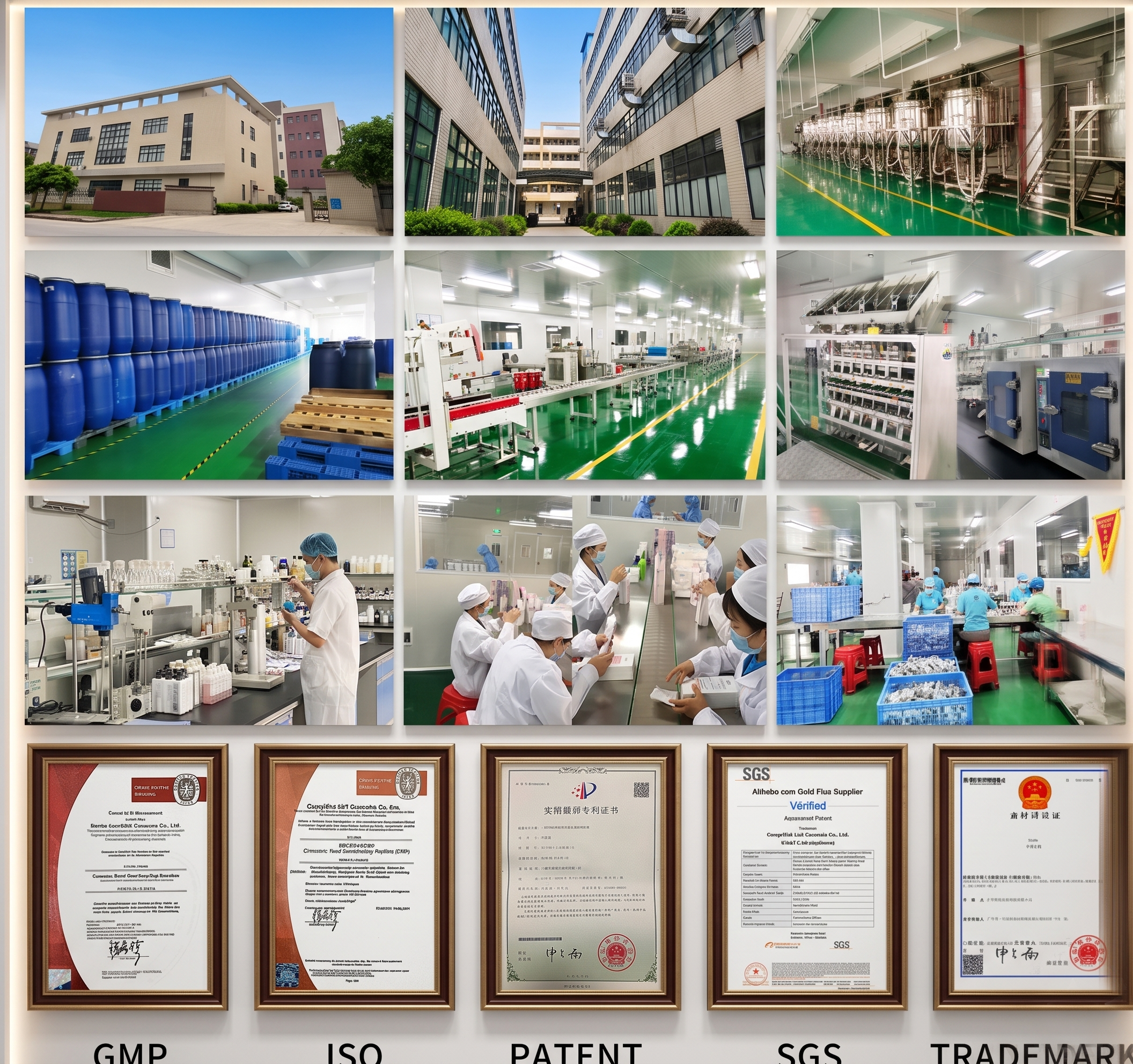
- Hardware Protection in a 100,000-Class GMPC Cleanroom: The entire filling facility adheres to 100,000-class cleanroom air purification standards. Automated transfer lines and filling nozzles undergo rigorous CIP (Clean-in-Place) and SIP (Sterilization-in-Place) protocols before and after every production shift. This ensures a state of zero initial bioburden from the processing vessel to the final bottle, enabling Yedda formulations to pass global microbial challenge tests with minimal, non-irritating green preservative dosages.
Regulatory Compliance Statement:
Our formulation baselines are engineered for frictionless entry into global markets, complying directly with EU Regulation 1223/2009, US MoCRA (including Facility Registration and Product Listing preparedness), and ASEAN Cosmetic Directives. All integrated preservation components utilize globally accepted green alternatives.
🚀 Turning Trends Into Market Value with a High-Standard Supply Chain Partner — The Yedda Advantage
In the hair care industry, following international ingredient trends like "Rosemary and Onion" is straightforward; the true challenge lies in bridging the gap to mass production, ensuring that every batch leaving the factory exhibits identical stability, safety, and a premium salon-grade skin feel.
As the force behind the global hair care brand Yedda, Guangzhou Lingyun Cosmetics Co., Ltd. provides B2B clients, major Amazon sellers, and independent brands with a robust supply chain foundation:
- 13 Years of Specialized R&D Heritage: Our core engineering team focuses extensively on rheological control of complex botanical extracts, molecular-level deodorization, and global Clean Beauty green preservation systems, generating technical assets fully compliant with EU, FDA, and ASEAN regulations.
- 20,000㎡ Modern Manufacturing Footprint: Operating multiple high-vacuum automated emulsification systems and high-precision filling lines, our factory runs in strict accordance with ISO 22716 and GMPC international certifications, ensuring rigorous Batch-to-Batch Consistency across both private label runs and volume wholesale orders.
- One-Stop Turnkey Customization Ecosystem: From custom packaging choices, such as sustainable options discussed in our insights on refill shampoo pouches and eco-friendly packaging, to bottle matching for 50ml premium peptide scalp serums, we deliver comprehensive solutions covering formulation design, packaging sourcing, quality control, and global logistics.
📌 B2B Case Study (Anonymized): An established Amazon Top-Seller in North America transitioned their rosemary & onion scalp serum line to Yedda's double-layer microencapsulation system. Across a 50,000-unit product launch, the brand recorded zero odor-related consumer complaints and zero batch-stability returns over an 18-month retail shelf monitoring period.
Ready to Launch Your Premium Rosemary & Onion Hair Care Line?
© 2026 Yedda (Guangzhou Lingyun Cosmetics Co., Ltd.). All rights reserved. The technical information published on this page is intended strictly for business-to-business (B2B) operational communication and does not constitute consumer-facing medical or therapeutic claims. Final product marketing claims must be independently validated according to local regional jurisdictions.