
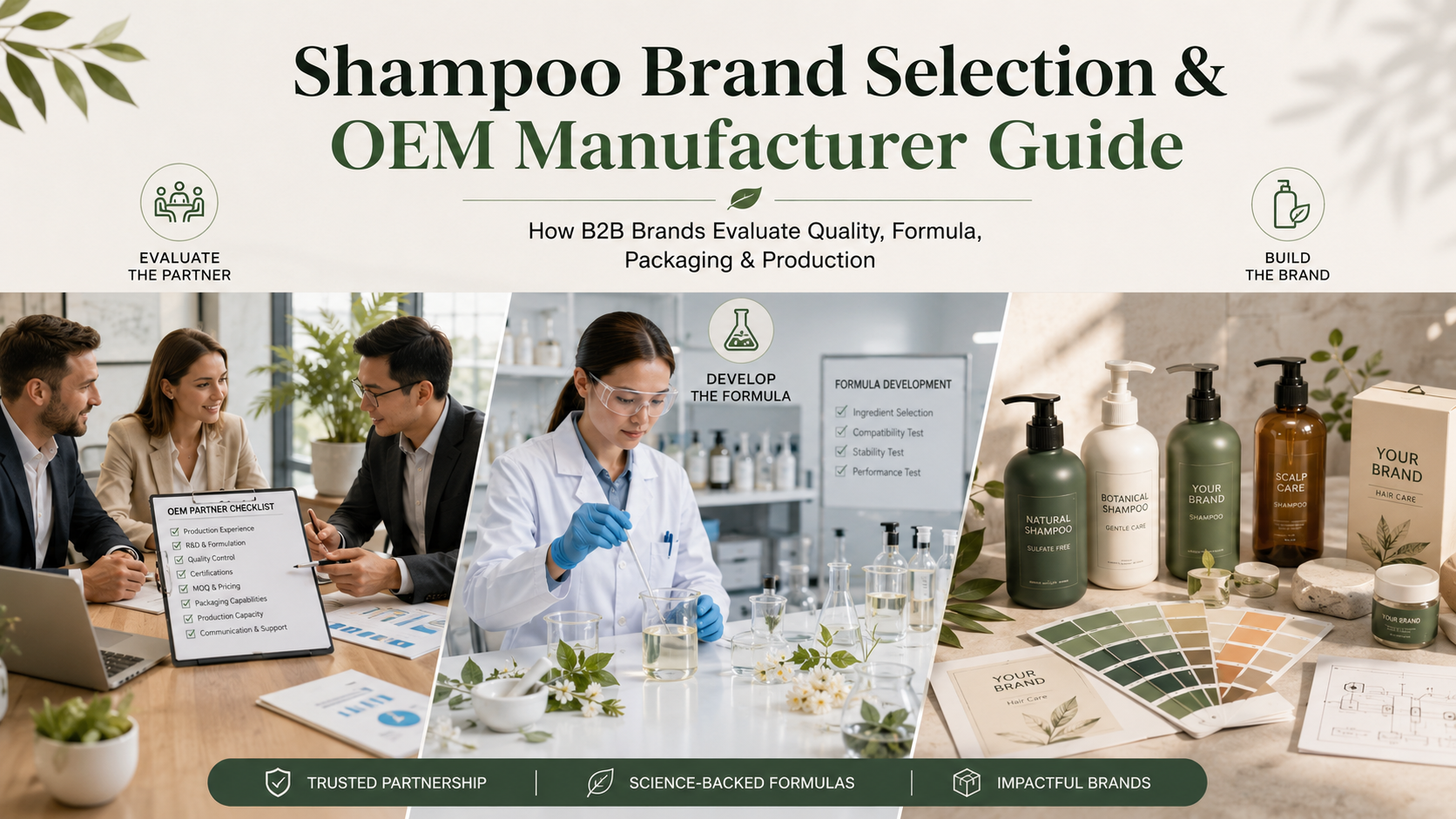
Launching a successful hair care business starts with a strong foundation: proper shampoo brand selection and choosing the right manufacturing partner. For B2B brands, the choice of an OEM shampoo partner can determine the quality, cost, and scalability of their products. Selecting a manufacturer involves evaluating production capabilities, formula expertise, quality standards, packaging options, and compliance certifications.
According to Grand View Research, the global hair care market is expanding rapidly, driven by demand for premium and specialized products, which emphasizes the importance of a reliable manufacturing partner.
Why Shampoo Brand Selection Matters
Choosing the right shampoo brand impacts consumer perception, market positioning, and long-term profitability. A carefully selected brand paired with a capable manufacturer ensures consistency in product quality and brand reputation.
- Aligns with market trends such as sulfate-free, organic, or scalp-care formulas
- Ensures a consistent consumer experience
- Reduces risks associated with quality issues or production delays
- Supports sustainable growth strategies for private label brands
Key Shampoo Manufacturer Criteria for B2B Brands
Understanding shampoo manufacturer criteria is essential to evaluating potential partners. These criteria help brands identify reliable, flexible, and quality-focused suppliers.
Production Experience and Capacity
Experienced manufacturers offer:
- Years of operational expertise
- Specialization in various shampoo categories
- Capacity to scale production to meet growth
- Proficiency in both salon-quality and retail formulations
According to McKinsey supply chain insights, manufacturing experience is a key factor in minimizing production risks and ensuring timely delivery.
Formula Development Capabilities

Custom formulations differentiate a brand. An OEM shampoo partner should offer:
- Custom formula development tailored to target markets
- Ingredient testing and compatibility analysis
- Stability and performance testing
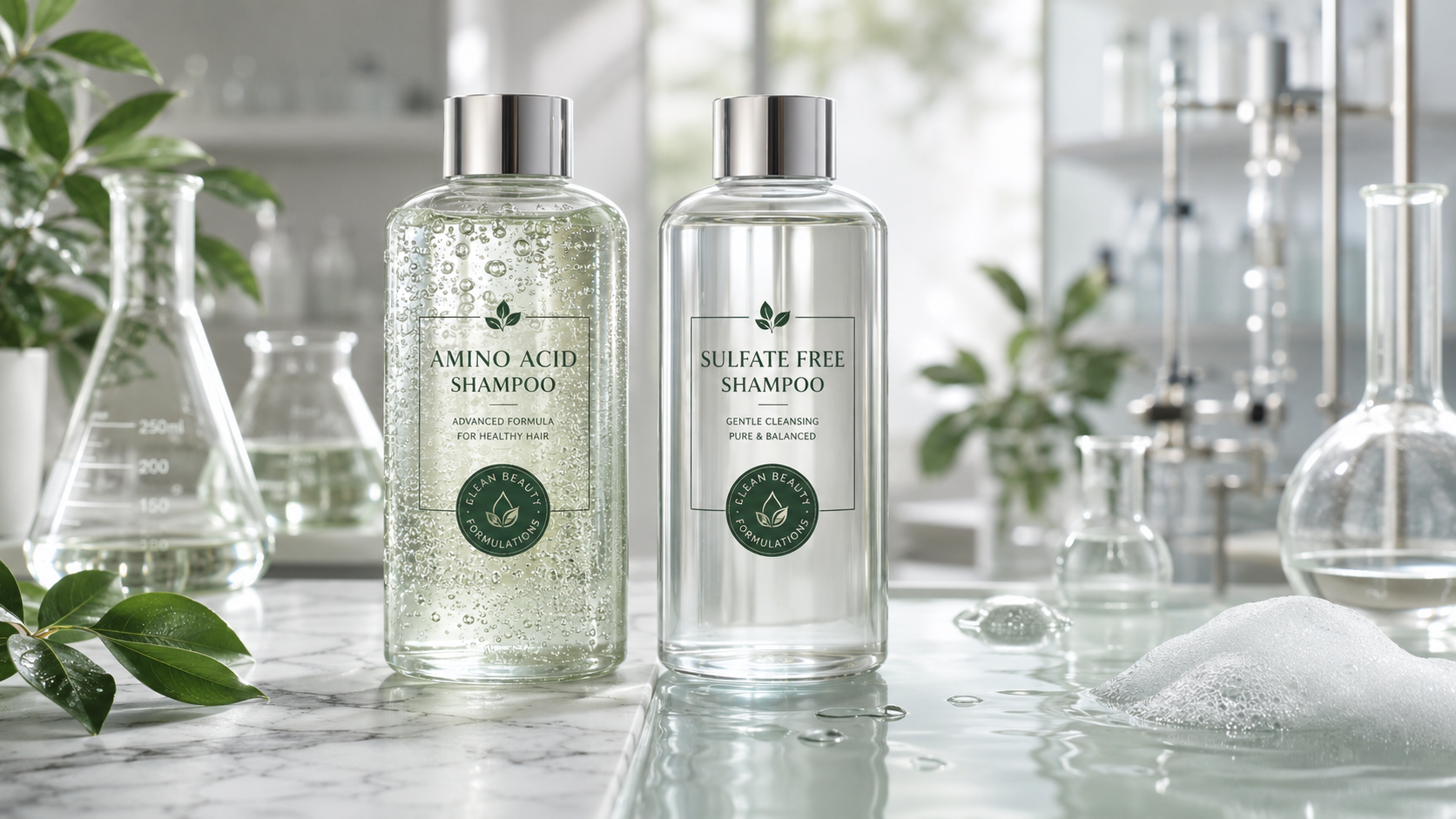
- Support for specialty trends like vegan, sulfate-free, or repair-focused shampoos
Consulting with a manufacturer who actively monitors industry trends ensures products remain competitive and innovative.
Quality Control and Compliance
Quality is non-negotiable. B2B brands must ensure manufacturers provide:
- Raw material inspections and testing
- In-process production checks
- Finished product evaluations
- Documented adherence to international standards such as ISO, GMP, and GMPC
Compliance documentation provides legal and safety assurance. Referencing Cosmetics Europe guidelines, strict adherence to quality and regulatory standards protects both the brand and consumers.

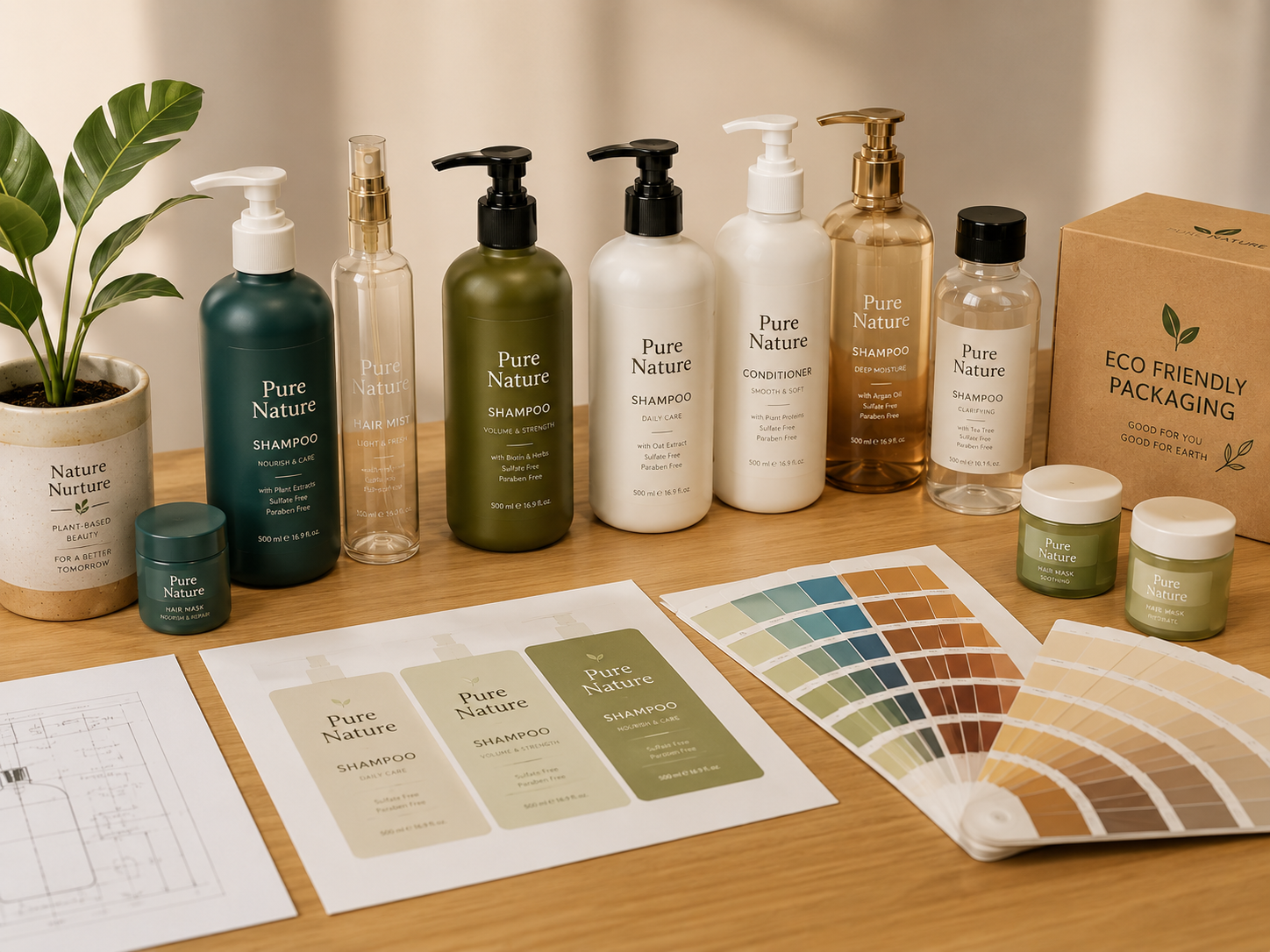
Packaging and Branding Support
Beyond formulas, packaging plays a vital role. A competent OEM shampoo partner should support:
- Custom bottle and container options
- Label design and printing assistance
- Eco-friendly and sustainable packaging solutions
- Compatibility testing to ensure the product remains stable
Packaging not only preserves product integrity but also reinforces brand positioning in the marketplace.
Evaluating OEM Shampoo Partners
Using a structured evaluation process helps identify the most suitable partner. Key assessment areas include:
- Communication and responsiveness
- Technical and R&D support
- Production capabilities and lead times
- Quality management systems
- Regulatory compliance and certifications
- Pricing transparency and MOQ flexibility
Tools like a supplier scorecard or checklist streamline this assessment and allow objective comparison of multiple potential partners.
Sample Scorecard
| Criteria | Weight |
| Production Experience | 20% |
| Formula Development | 25% |
| Quality Control | 25% |
| Packaging Options | 15% |
| Pricing & MOQ | 15% |
MOQ, Pricing and Cost Structure in Shampoo Manufacturer Criteria
One of the most important aspects of shampoo manufacturer criteria is understanding Minimum Order Quantity (MOQ) and pricing structure. Many brands underestimate how significantly MOQ affects cash flow, inventory risk, and production flexibility.
A professional OEM shampoo partner should offer transparent pricing that includes formula cost, packaging cost, labeling, testing, and logistics preparation.
- Formula development fees (custom or stock formula)
- Packaging and bottle costs
- Label design and printing fees
- Testing and compliance documentation
- Shipping and logistics preparation
According to Statista cosmetics industry data, packaging and formulation together often represent more than 60% of total cosmetic production costs, making supplier transparency critical for profitability.
Understanding MOQ Flexibility
Different manufacturers offer different MOQ structures depending on their production capacity and business model.
- Low MOQ: suitable for startups and market testing
- Medium MOQ: ideal for growing private label brands
- High MOQ: cost-efficient for established brands with stable demand
Choosing a manufacturer with flexible MOQ options helps reduce inventory risk while allowing brands to scale gradually.
Factory vs Trading Company in Shampoo Brand Selection
When evaluating shampoo brand selection strategies, many buyers must decide between working with a direct factory or a trading company. This decision significantly impacts pricing, transparency, and product control.
| Factor | Direct Factory | Trading Company |
| Pricing | Lower due to no middle margin | Higher due to service fees |
| Communication | Direct with engineers & R&D team | Through account manager |
| Customization | Highly flexible | Limited by supplier network |
| Lead Time | More predictable | Potential delays |
| Transparency | Full production visibility | Partial visibility |
A direct manufacturer typically offers stronger technical support and better control over formulation and production. However, trading companies may provide easier communication for beginners or smaller brands entering the market.
Supply Chain Risks and Quality Stability
In global sourcing, supply chain stability is a key concern for every OEM shampoo partner. Disruptions in raw material supply, packaging delays, or logistics issues can directly impact product launch timelines.
Key risk factors include:
- Raw material shortages or price fluctuations
- Packaging supplier delays
- Transportation disruptions
- Seasonal production bottlenecks
According to McKinsey supply chain resilience research, diversified supplier networks significantly reduce operational risk and improve delivery consistency.
Brands should always evaluate whether their manufacturer has backup suppliers and contingency production plans.
Building a Long-Term OEM Shampoo Partner Relationship
A successful partnership with an OEM shampoo partner goes beyond one-time production orders. Long-term cooperation enables better pricing, improved formula optimization, and faster product development cycles.
Strong partnerships typically include:
- Continuous product improvement collaboration
- Access to new ingredient innovations
- Priority production scheduling
- Shared market trend insights
Over time, manufacturers become strategic partners rather than simple suppliers.
Final Conclusion: How to Choose the Right Partner
Choosing the right partner for shampoo brand selection requires a structured evaluation of multiple shampoo manufacturer criteria. Price alone should never be the deciding factor.
Brands should prioritize:
- Quality consistency
- R&D capability
- Supply chain transparency
- Production scalability
- Regulatory compliance
The most successful hair care brands are those that build strong, long-term relationships with reliable OEM manufacturers who can support innovation and growth.
FAQ – Shampoo Brand Selection and Manufacturer Criteria
What is the most important factor in shampoo brand selection?
The most important factor is aligning your brand positioning with a manufacturer that has the right formulation capability, quality standards, and production capacity.
How do I evaluate a reliable OEM shampoo partner?
You should evaluate their R&D capability, production experience, quality control systems, certifications, pricing transparency, and communication efficiency.
Why is MOQ important when choosing a manufacturer?
MOQ directly impacts inventory risk and cash flow. Flexible MOQ allows brands to test the market before scaling production.
Is a factory better than a trading company?
In most cases, a direct factory provides better pricing, customization, and transparency, while trading companies may offer easier communication for beginners.