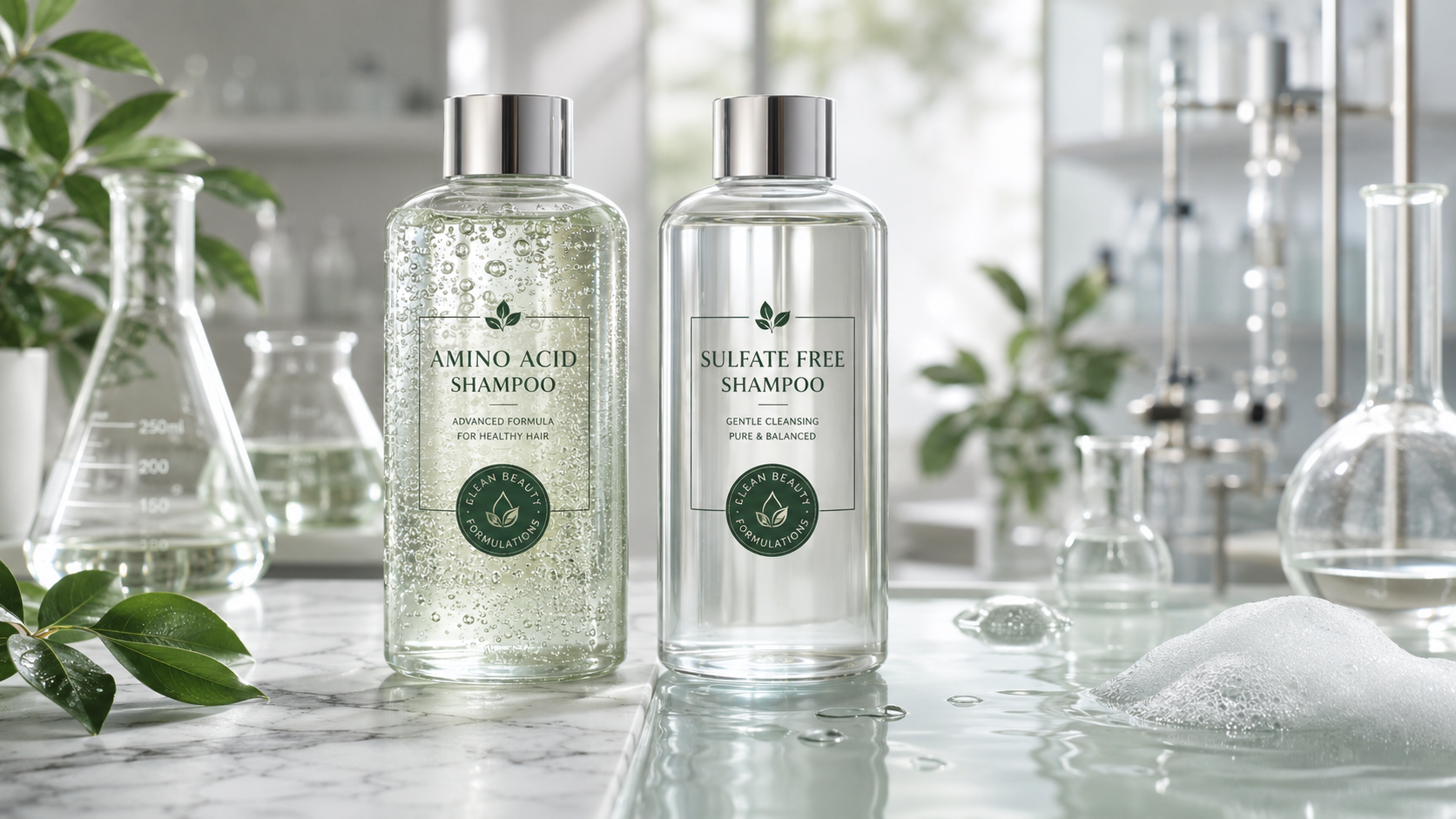

TL;DR (Executive Summary): Standard sulfate-free shampoos frequently fail in premium salons due to poor foam elasticity caused by loose molecular packing. By engineering a structured Ternary Surfactant System (Anionic + Amphoteric + Non-ionic), contract manufacturers can fully replicate standard sulfate performance without the associated dermal irritation. Furthermore, integrating volatile botanical oils requires high-shear micro-emulsification to lock in thermodynamic stability, while global batch consistency necessitates specialized polymer rheology modifiers and rigorous USP <51> antimicrobial challenge testing.
As we move into 2026, the global transition toward clean beauty has moved past mere marketing claims; the demand for high-performance sulfate-free formulations that perform under real salon conditions has become a defining differentiator in the premium wholesale hair care market. However, for international private label hair care brands, professional salon owners, and bulk distributors, this transition has historically come with a severe operational trade-off: the sacrifice of tactile performance.
Traditional sulfate-free formulations frequently suffer from inadequate foam density, poor flash-foaming capabilities, and a sub-optimal sensory experience. In a high-end salon environment, where the sensory experience of a treatment justifies the premium service price, a flat, watery lather is a commercial liability.
To bridge this gap, global brand managers and B2B OEM/ODM contract manufacturers must move past generic ingredient lists and master the interfacial physics and micellar architecture required to engineer a zero-compromise, professional-grade surfactant system through certified OEM/ODM processing channels.
1. The Foaming Dilemma: Why Single Amino Acid Surfactants Fail Alone
To replace aggressive cleansing agents like Sodium Lauryl Sulfate (SLS) or Sodium Laureth Sulfate (SLES) in private label hair care, formulators often turn to pure amino acid-based surfactants. According to technical formulation reviews published by the Personal Care Products Council (PCPC), while these surfactants are exceptional for biocompatibility and maintaining the scalp microbiome, a single-source amino acid system introduces distinct rheological and physical challenges.
The image below illustrates a comparative analysis of different surfactant dispersion states and physical challenges encountered during early-stage laboratory piloting.
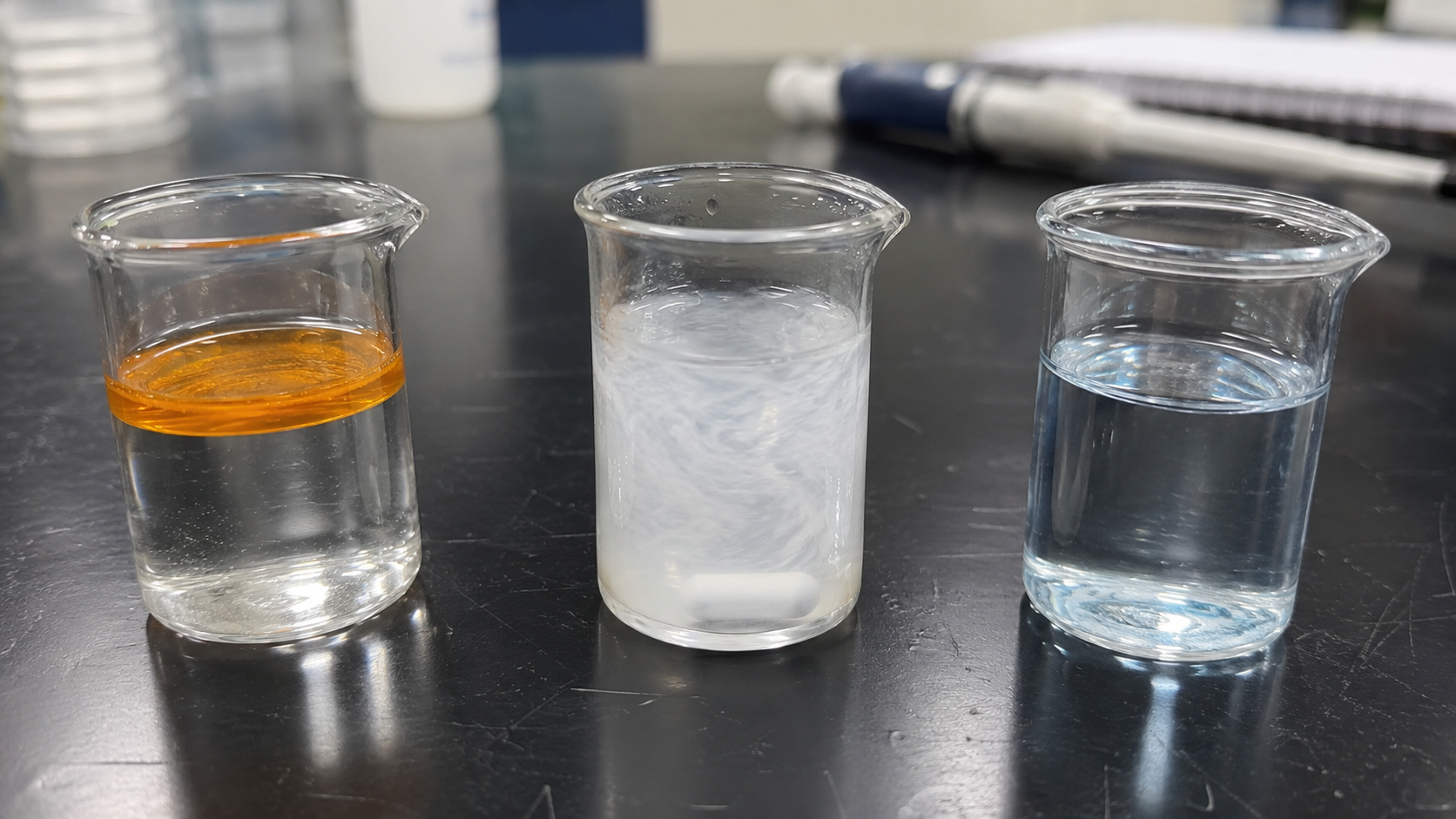
Figure 1: Laboratory benchmarking beakers demonstrating varying degrees of dispersion, viscosity, and emulsification stability during sulfate-free surfactant trials.
Molecular Packing and Film Elasticity
The ability of a shampoo to produce a rich, stable lather depends on the elasticity of the liquid film surrounding the air bubbles. Sulfates form tightly packed, highly elastic monomolecular films at the air-water interface, resulting in rapid, dense foam.
In contrast, typical amino acid surfactants (such as Sodium Chemical agents) possess bulky hydrophilic head groups. This steric hindrance prevents tight molecular packing, leading to:
- Slow Flash-Foam: The time required to generate initial lather during the first emulsion phase is significantly prolonged, reducing the perceived value of the formulation.
- Low Foam Drainage Resistance: The liquid film between bubbles drains too quickly, causing the foam to collapse rapidly when mixed with salon-grade hard water.
2. The Micellar Architecture: Achieving Synergy Through Ternary Surfactant Systems
The scientific solution to the sulfate-free performance deficit lies in surfactant hybridization. Rather than relying on a single cleansing agent, advanced B2B formulation architecture utilizes a structured Ternary Surfactant System to optimize the packing parameter, creating a mild chassis for functional treatments like natural seaweed highly moisturizing shampoo systems.
By precisely balancing these three distinct surfactant classes, contract manufacturers achieve a synergistic micellar structure that mimics the performance of sulfates without their harshness:
- Primary Anionic Base (e.g., Sodium Cocoyl Glutamate / Sodium Lauroyl Sarcosinate): Establishes a highly biocompatible, low-irritation foundation that preserves the stratum corneum's lipid bilayer and respects the scalp microflora.
- Amphoteric Co-Surfactant (e.g., Cocamidopropyl Betaine): Reduces the critical micelle concentration (CMC) of the system. The electrostatic attraction between the anionic and amphoteric head groups lowers steric hindrance, enabling tighter molecular packing at the interface and increasing film elasticity.
- Non-Ionic Booster (e.g., Alkyl Glucoside / Decyl Glucoside): Enhances the dynamic surface tension reduction. This significantly accelerates flash-foaming, delivering the immediate, rich lather texture expected during professional salon backbar treatments.
To visualize how these multi-component systems aggregate on a molecular scale, a physical three-dimensional ball-and-stick reference is utilized during laboratory bench development.
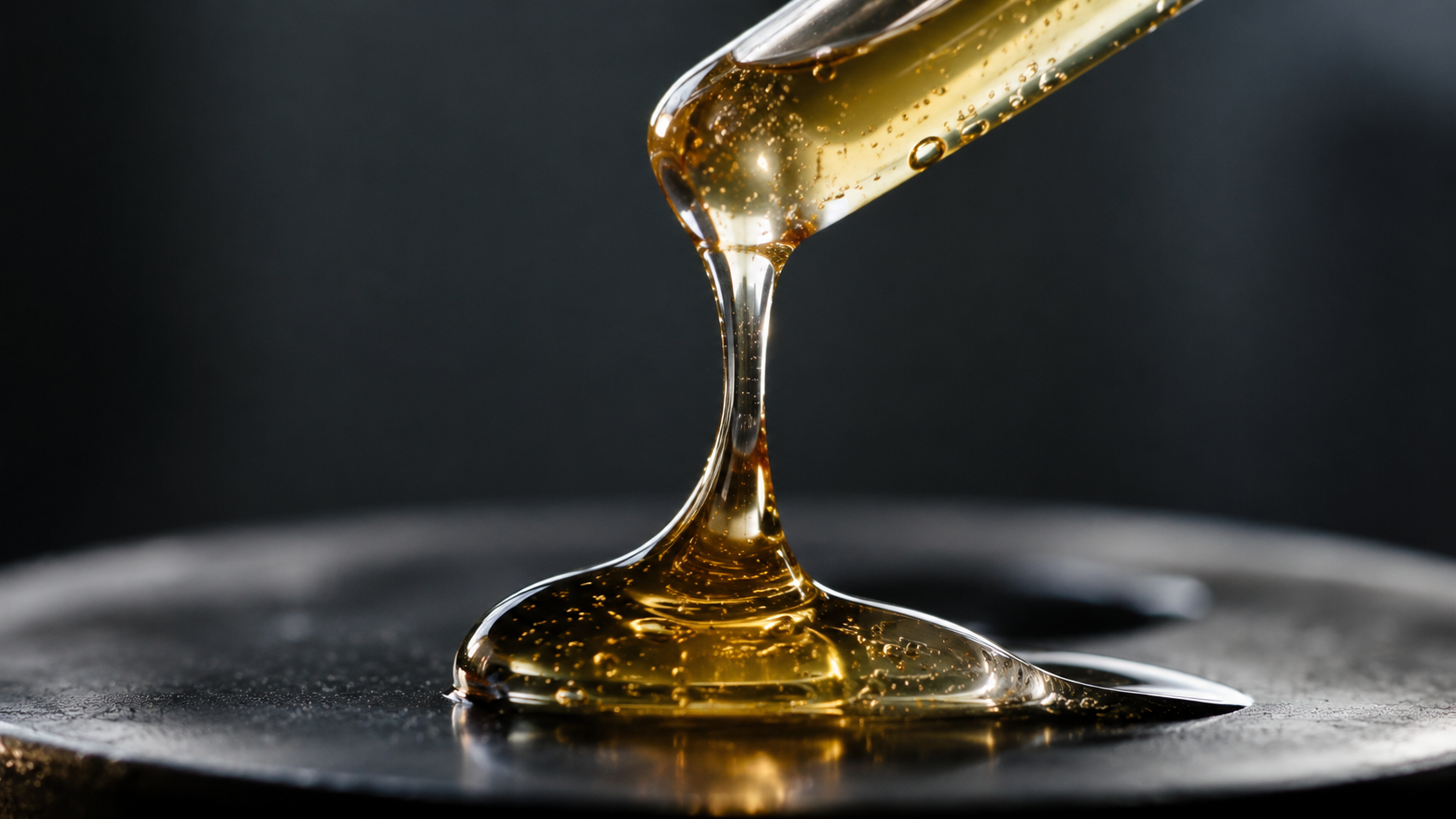
Figure 2: Laboratory molecular model demonstrating a ternary surfactant micelle encapsulating a hydrophobic core to stabilize clean beauty formulations.
Technical Value Statement: Rather than executing a simple substitution of surfactants, industrial formulation architecture requires the synchronization of three distinct surfactant geometries. This approach creates an immediate micellar response that achieves the precise flash-foaming volume and rheological texture demanded by luxury salon services, ensuring end-user brand loyalty.
3. Real-World Validation: Typical Industry Benchmarks
To verify these principles, laboratory pilot tests contrast a standard single-source amino acid base against an optimized professional ternary surfactant system under standardized hard water conditions (300 ppm CaCO3). Quantitative parameters follow rigorous testing standards established by international societies such as the International Federation of Societies of Cosmetic Chemists (IFSCC).
All real-time rheological changes and volumetric readings are strictly logged into raw laboratory bench datasets to verify batch scalability.
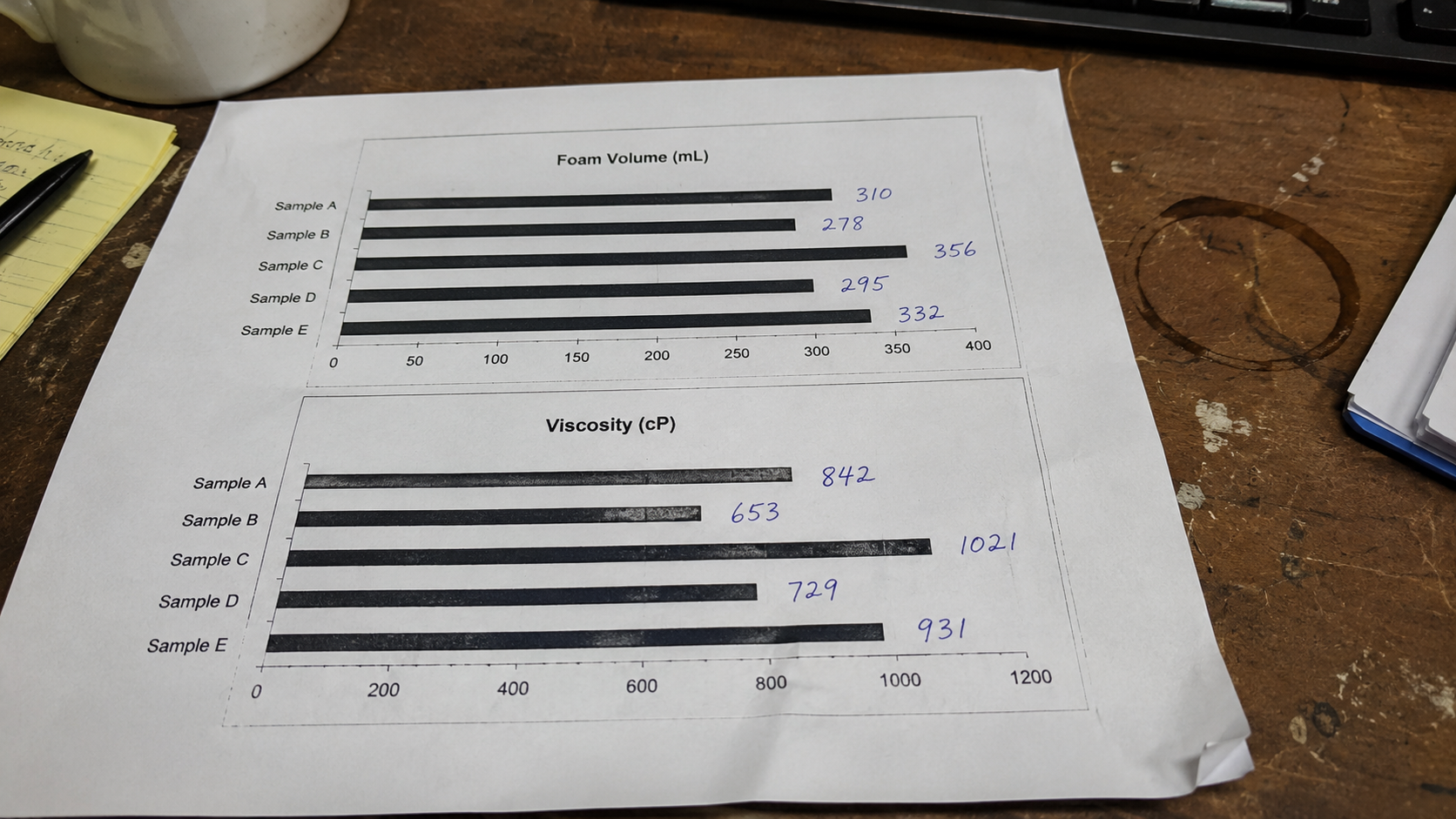
Figure 3: Laboratory benchmark notebook showing contrasting foam volume (mL) and viscosity (cP) data across pilot surfactant matrices.
- Flash-Foam Volume (15s Agitation): A standard pure amino acid formulation typically yields approximately 180 mL of coarse foam. In contrast, the engineered ternary system (15% Sodium Cocoyl Glutamate + 5% CAPB + 3% Decyl Glucoside) routinely achieves a foam volume of 320 mL.
- Foam Collapse Resistance: While single-amino-acid lather drains and collapses within 30 to 45 seconds, the optimized micellar matrix exhibits stable foam retention for over 90 seconds, allowing ample time for technical salon scalp massages.
- Bubble Size Homogeneity: Creates a uniform, velvet-like "micro-foam" with microscopic air pockets tightly locked between 100 and 300 micrometers, completely eliminating coarse, unstable bubbles.
4. Stabilizing Volatile Botanical Oils Within the Surfactant Matrix
A professional sulfate-free system does not just cleanse; it serves as the delivery vehicle for active therapeutic compounds. For brands capitalizing on modern market adaptations—detailed in our guide on flexible private label blueprints for rosemary and batana oil—the micellar matrix must be engineered to prevent phase separation when integrating high-value botanical extracts such as Rosemary Oil, Ginger, and Tea Tree Oil.
Because pure botanical oils are hydrophobic, introducing them into a weak surfactant system can instantly break the foam architecture or cause turbidity (cloudiness) in clear formulations. The chemical stability of these volatile materials requires precise titration protocols.
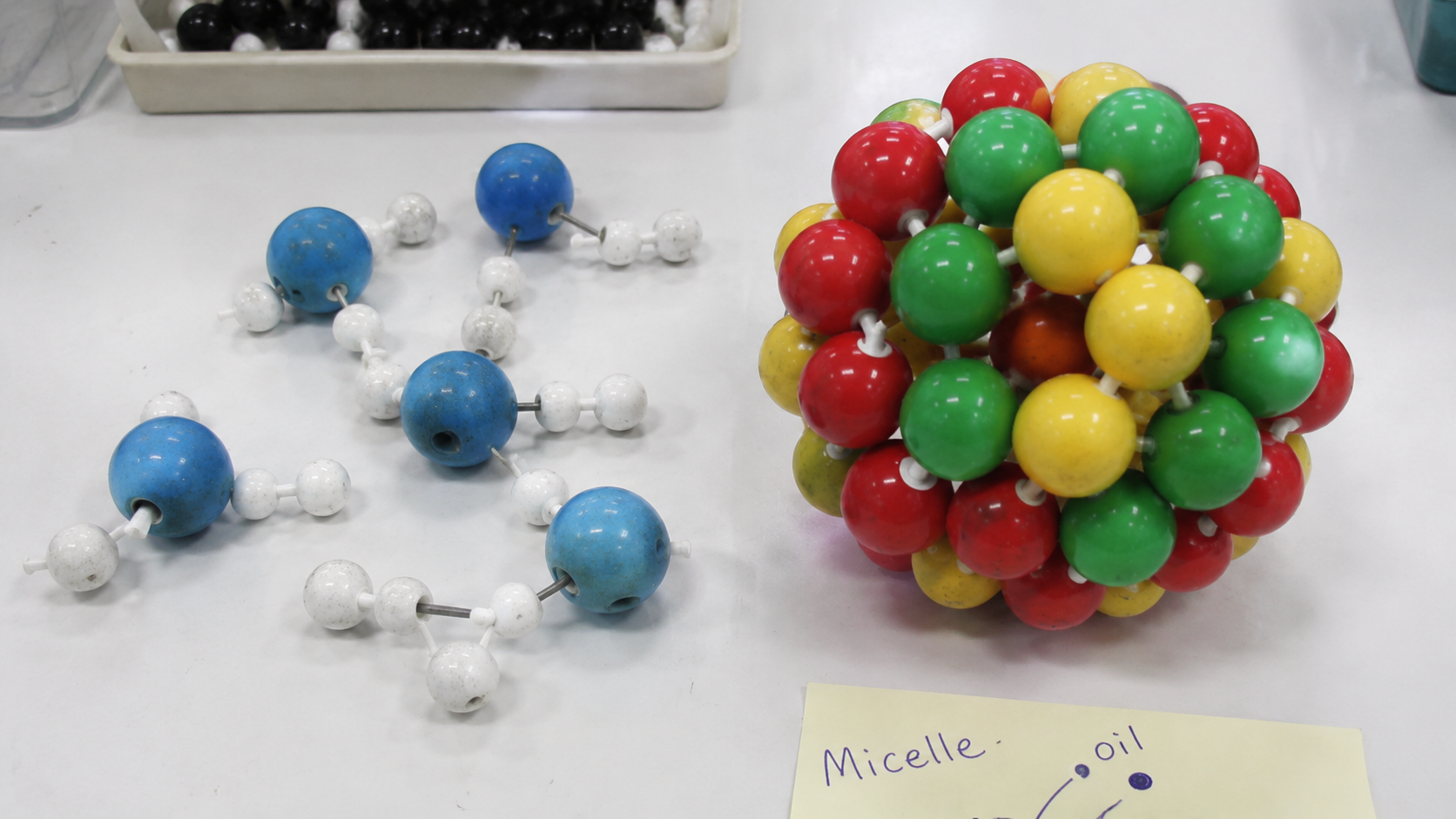
Figure 4: High-purity, viscous rosemary botanical oil during laboratory titration prior to entering the high-shear micro-emulsification phase.
Advanced Micro-Emulsification
To resolve this, professional-grade manufacturing utilizes advanced high-shear micro-emulsification. The volatile botanical oils are pre-solubilized into the non-ionic glucoside phase before being introduced to the main batch. This encapsulates the botanical droplets within the hydrophobic cores of the surfactant micelles, achieving two critical technical outcomes:
- Thermodynamic Stability: Prevents the essential oils from separating, splitting, or settling over extended shelf lives and global shipping transits, protecting commercial sets such as the natural onion rosemary biotin shampoo and conditioner set.
- Controlled Bioavailability: Ensures that when the shampoo is diluted with water during application, the micelles systematically release the Rosemary and Ginger extracts directly onto the scalp tissue, maximizing follicular absorption.
5. B2B Scaling and Bulk Wholesale Quality Benchmarks
Transitioning a sophisticated ternary formulation from a laboratory pilot to stable, high-volume production for bulk wholesale requires strict industrial quality controls. This is particularly crucial for emerging market niches, such as formulations built around targeted microbiome scalp care trends, where batch consistency directly dictates market survival.
Industrial scaling requires an interconnected facility infrastructure where automated compounding vats run parallel to strict certification oversight.
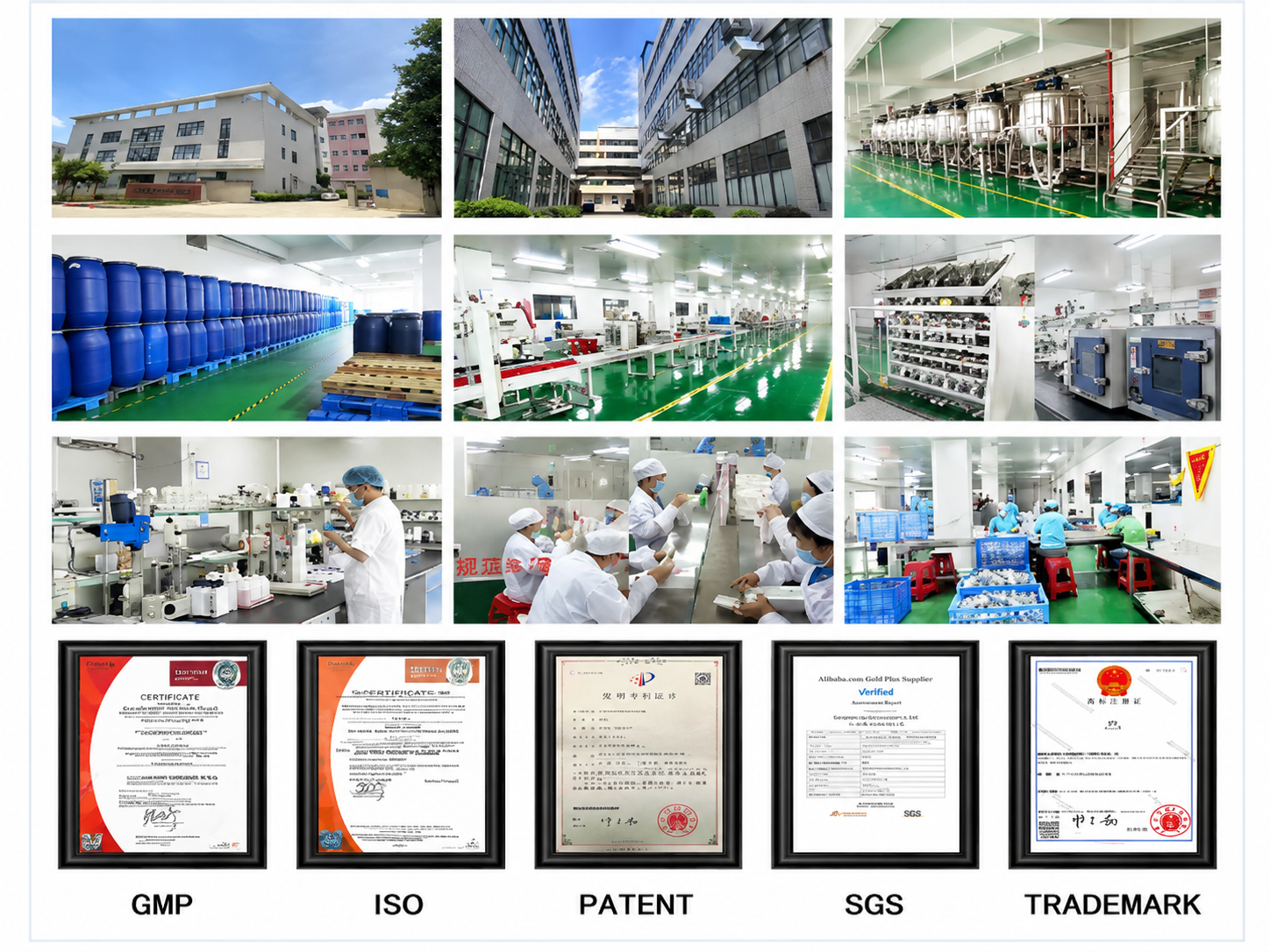
Figure 5: Overview of our GMPC and ISO 22716 certified factory floor and R&D infrastructure ensuring scalable international bulk wholesale fulfillment.
- Viscosity Stabilization Under Temperature Fluctuations: Sulfate-free systems cannot be easily thickened with standard sodium chloride (salt). High-quality formulations utilize natural polymer rheology modifiers (such as Xanthan Gum or Sclerotium Gum) to ensure the product maintains its precise viscosity across varying climate zones during global export. This ensures that premium items like onion anti-hair loss shampoo with herbal squalane preserve their rheological properties during transit.
- Preservation Compatibility: Mild surfactant systems have higher water activity levels, making them more susceptible to microbial contamination. The preservation matrix (typically a synergistic blend of Phenoxyethanol and Caprylyl Glycol) must be thoroughly vetted via USP <51> Antimicrobial Challenge Testing to guarantee product integrity without causing scalp irritation.
Conclusion: Engineering Performance Over Compromise
The modern B2B hair care market is moving away from low-cost, high-stripping commodity chemicals. Buyers are increasingly discerning, demanding formulations that protect the scalp's ecosystem while maintaining uncompromised clinical performance. By mastering the interfacial physics of ternary surfactant systems, private label brand owners and distributors can confidently deliver sulfate-free products that meet the rigorous standards of professional salons worldwide—securing brand loyalty through verifiable formulation science.
Frequently Asked Questions (FAQ)
Q1: Can a ternary sulfate-free system achieve the same viscosity as traditional SLES shampoo?
A: Yes, but not through traditional formulation methods. SLES systems rely on simple electrolyte addition (Sodium Chloride) for thickening via rod-like micelle elongation. Sulfate-free systems cannot pack tightly enough around salt ions to build viscosity. Instead, we utilize high-efficiency natural polymer rheology modifiers (such as Sclerotium Gum or Xanthan Gum variants) paired with amphoteric co-surfactants. This allows private label brands to achieve a luxurious, high-viscosity pour that remains thermodynamically stable across variable export shipping temperatures.
Q2: How does the production cost (bulk wholesale) of a ternary amino acid system compare to standard formulas?
A: Because premium amino acid surfactants and raw non-ionic glucosides require more complex chemical synthesis than bulk commodities like SLES, the raw material cost (R&D batch) is naturally higher. However, when evaluating the total contract manufacturing ROI, this investment is offset by a dramatic reduction in active conditioning agents (like heavy silicones or polyquats). Because the ternary system doesn't strip the hair cuticle, less post-wash repair chemistry is required to achieve a premium salon feel—translating into higher brand equity and stronger premium retail margins.
Q3: Does the presence of botanical oils like Rosemary and Tea Tree Oil lower the foam volume of the ternary matrix over time?
A: In standard low-shear mixing setups, yes—free hydrophobic oils act as anti-foaming agents that collapse bubble films. To mitigate this, our manufacturing process utilizes state-of-the-art high-shear micro-emulsification. By completely pre-solubilizing the volatile botanical oils within the hydrophobic cores of the non-ionic alkyl glucosides prior to full batch blending, the oil is locked inside the micellar matrix. This guarantees that your bulk inventory maintains a predictable, high-volume flash-foam even after 24+ months of shelf life.
Q4: How do you guarantee batch consistency and international compliance for sulfate-free private labels?
A: Every batch engineered at our facility goes through a multi-stage validation checklist. Viscosity and pH stability are tested under accelerated thermal aging protocols (48 hours at 45°C to simulate equatorial transit). Microbial integrity is backed by comprehensive USP <51> Antimicrobial Challenge Testing. Furthermore, all production outputs comply fully with GMPC and ISO 22716 standards, ensuring friction-free customs clearance and cross-border regulatory compliance for the EU and North American markets.
Technical Resource Extension for B2B Buyers
Distributors, private label brand managers, and salon chains seeking to verify these formulation mechanics within their own supply chain are invited to interface directly with our primary R&D facility infrastructure.
- Download Clinical Documentation: Access full raw benchmarking datasets, Ternary Surfactant Batch Stability Checklists, and safety datasheets.
- Request Custom Lab Pilots: Initiate small-batch evaluation protocols customized to your regional target viscosity, premium fragrance requirements, or local water parameters.
Request a Technical Consultation Summary & Lab Samples
[Request a Technical Consultation Summary – No Quotation, Only Physics]