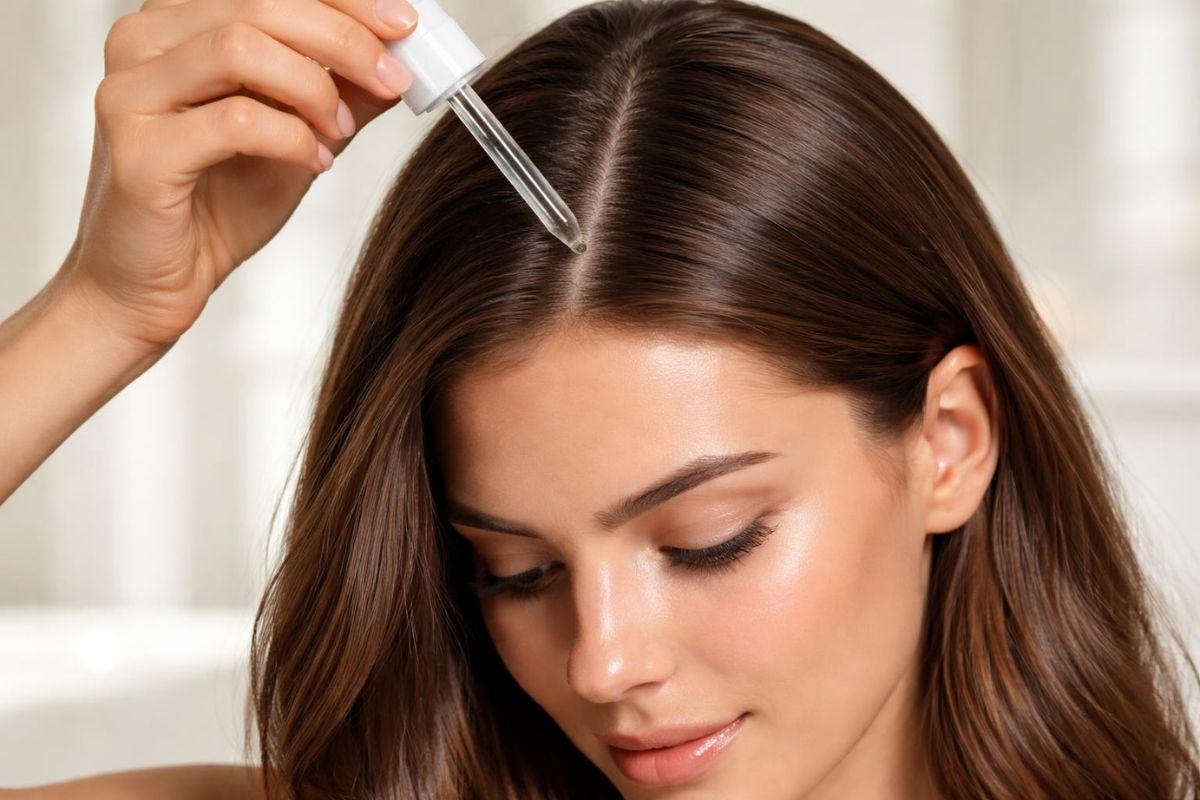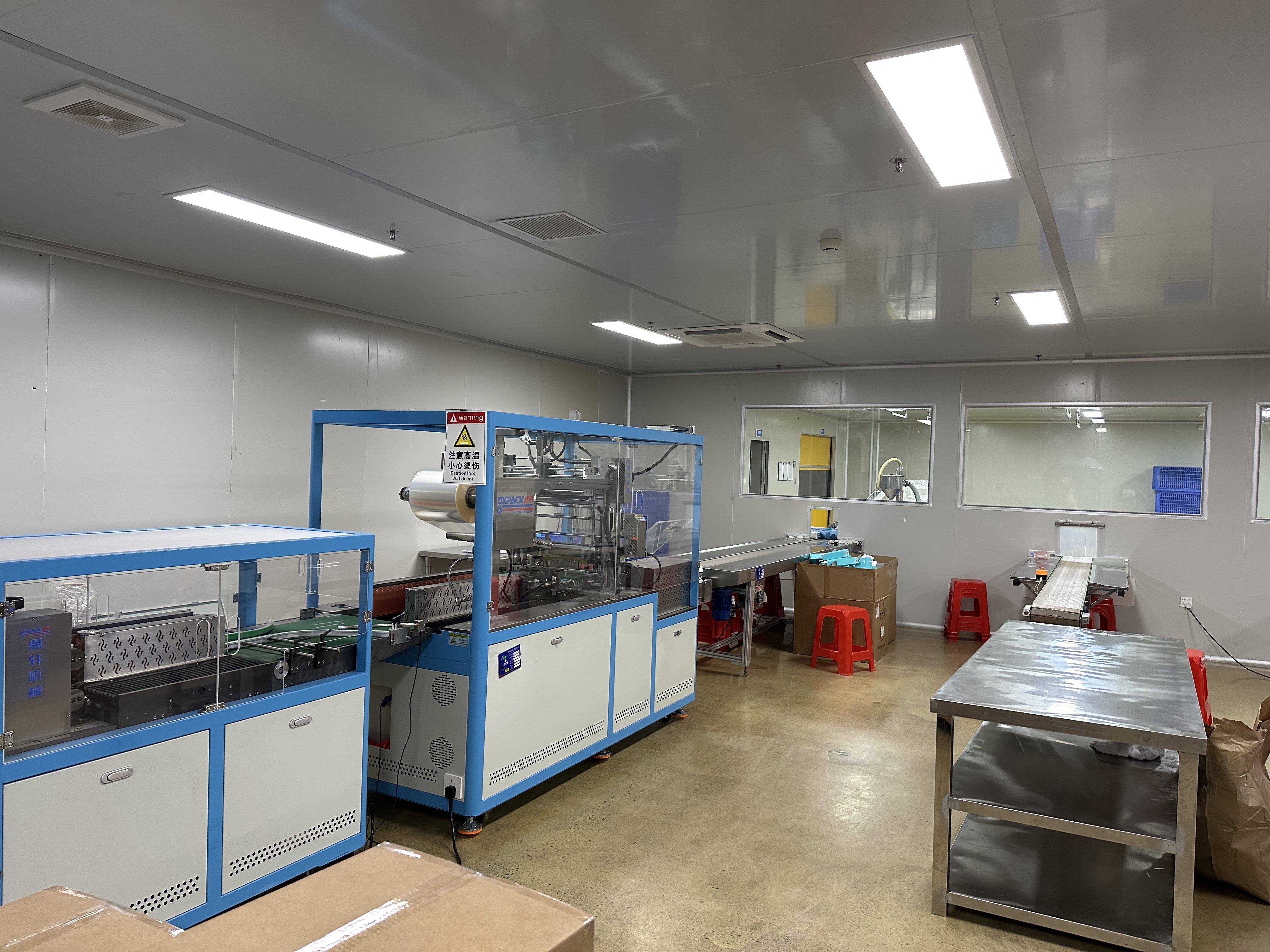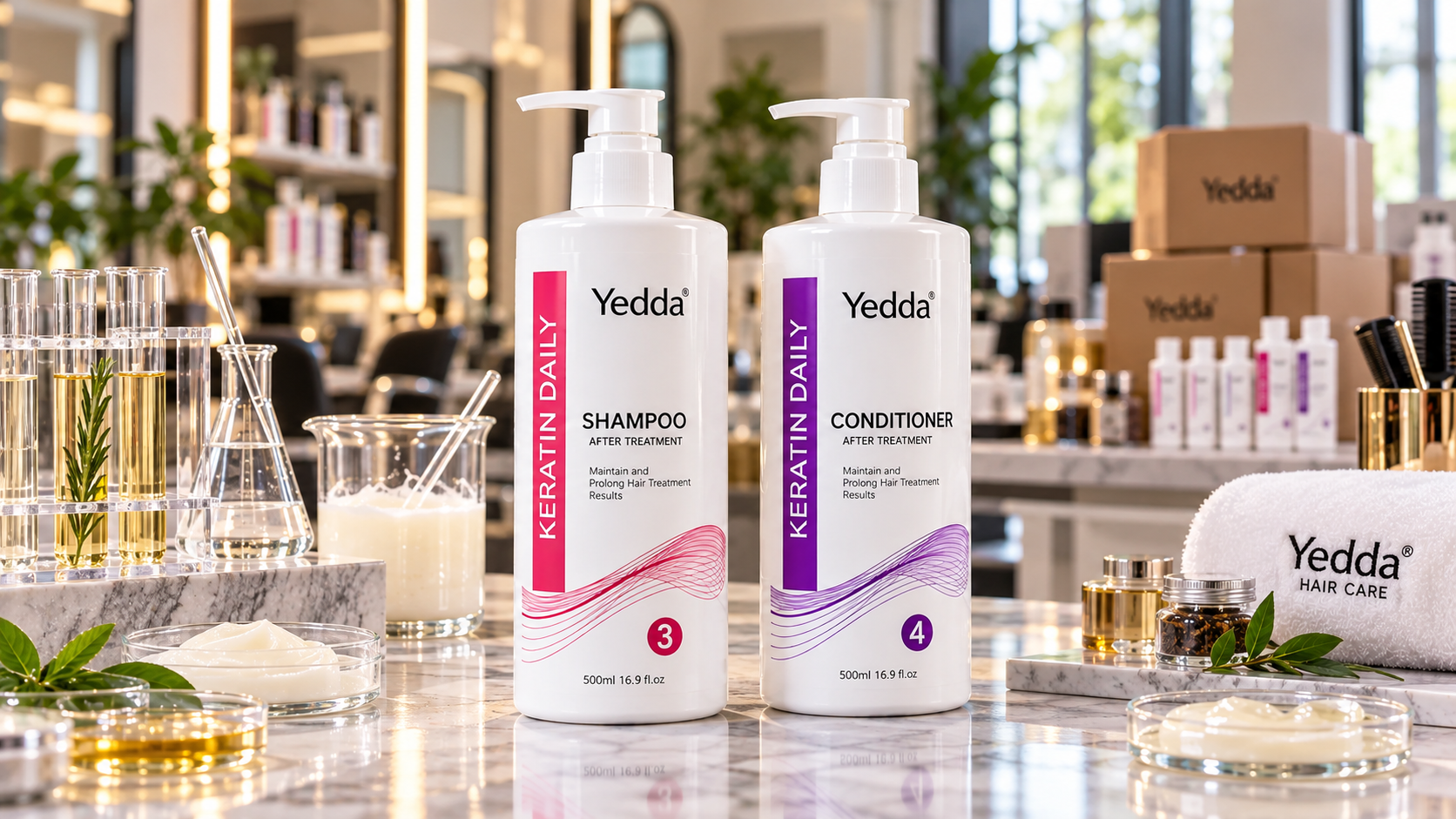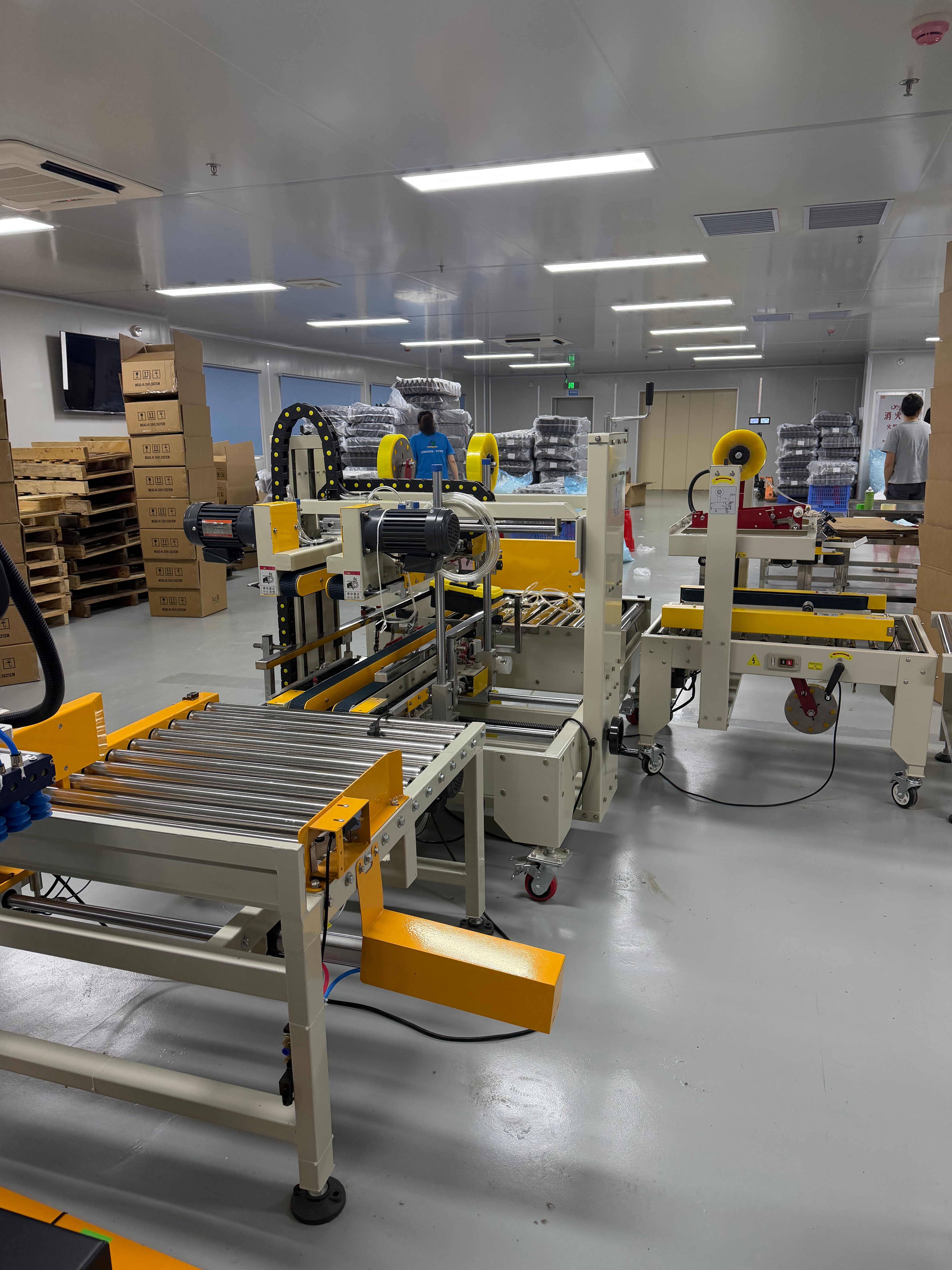

The global hair care market continues to evolve as consumers seek convenient products that deliver moisture, softness, detangling, and frizz control. Among these products, leave-in conditioner has become an attractive category for beauty brands, salon professionals, distributors, and entrepreneurs developing their own hair care lines.
According to Rising Trends' November 2026 hair care report, the keyword "leave in conditioner" recorded an estimated 90,500 monthly searches in September 2026, representing 22% year-over-year growth. This indicates continued consumer interest in everyday hair conditioning products.
For businesses planning to launch a private label leave-in conditioner, the opportunity extends beyond consumer demand. Custom formulations, innovative packaging, and targeted hair care benefits can help brands differentiate their products in international markets.
Working with a professional private label hair care manufacturer can help businesses develop customized products without investing in their own manufacturing facilities.
This guide explores leave-in conditioner formulations, key ingredients, packaging options, minimum order quantities, OEM/ODM manufacturing processes, and how to select a reliable supplier.
1. What Is a Leave-In Conditioner?
A leave-in conditioner is a hair conditioning product designed to remain on the hair after application without rinsing.
Unlike traditional rinse-off conditioners, leave-in products provide conditioning benefits during daily hair care and styling routines.
Depending on the formulation, a leave-in conditioner may help:
- Improve hair softness and manageability.
- Reduce tangling and make combing easier.
- Minimize the appearance of frizz.
- Improve the feel of dry or damaged hair.
- Enhance shine and smoothness.
- Support natural curl definition.
- Provide heat protection when supported by appropriate performance testing.
Leave-in conditioners are available in sprays, creams, lotions, lightweight conditioning milks, and other leave-on formats.
Beauty brands can explore different product formats through Yedda's hair care product collection to identify options for their target customers.
2. Why Leave-In Conditioner Is a Growing Hair Care Opportunity
The leave-in conditioner category benefits from growing interest in convenient, multifunctional hair care products.
2.1 Demand for Convenient Hair Care Products
Consumers increasingly seek products that simplify their daily hair care routines. A well-developed leave-in conditioner can combine detangling, conditioning, smoothing, and styling support in one formula.
This makes leave-in conditioner an attractive addition to daily hair care collections and complementary product bundles.
2.2 Growing Interest in Hair Repair and Maintenance
Frequent heat styling, coloring, bleaching, and environmental exposure can affect hair appearance and manageability.
Consumers therefore seek conditioning products that improve the cosmetic appearance of dry, damaged, or frizzy hair.
This trend also connects with the broader hair longevity and premium hair treatment market , where brands are developing targeted products for daily maintenance and specialized hair care.
2.3 Product Opportunities for Different Hair Types
Different hair types require different conditioning experiences. Fine hair may benefit from a lightweight spray, while thick, curly, or textured hair may require a richer conditioning cream.
By developing targeted formulations, brands can expand their collections and address specific consumer needs across global markets.
3. Popular Private Label Leave-In Conditioner Formulations
Choosing the right formulation is essential when developing a competitive private label leave-in conditioner.
3.1 Lightweight Leave-In Conditioner Spray
A lightweight leave-in conditioner spray is suitable for consumers who want convenient application and conditioning without a heavy finish.
Potential product benefits include:
- Easy detangling.
- Lightweight conditioning.
- Improved hair manageability.
- Reduced static and flyaways.
- Convenient daily application.
Spray format is especially attractive for fine hair, normal hair, and consumers who prefer a lightweight daily conditioning routine.
For a practical product reference, explore Yedda's curly hair anti-frizz moisturizing spray , a leave-in moisture spray positioned for hydration, shine, detangling, and curl care.
3.2 Moisturizing Leave-In Conditioner Cream
Cream-based leave-in conditioners can be developed for dry, thick, curly, and textured hair.
Depending on the formula, they may provide:
- Richer conditioning.
- Improved softness.
- Reduced frizz.
- Enhanced curl manageability.
- A smoother hair feel.
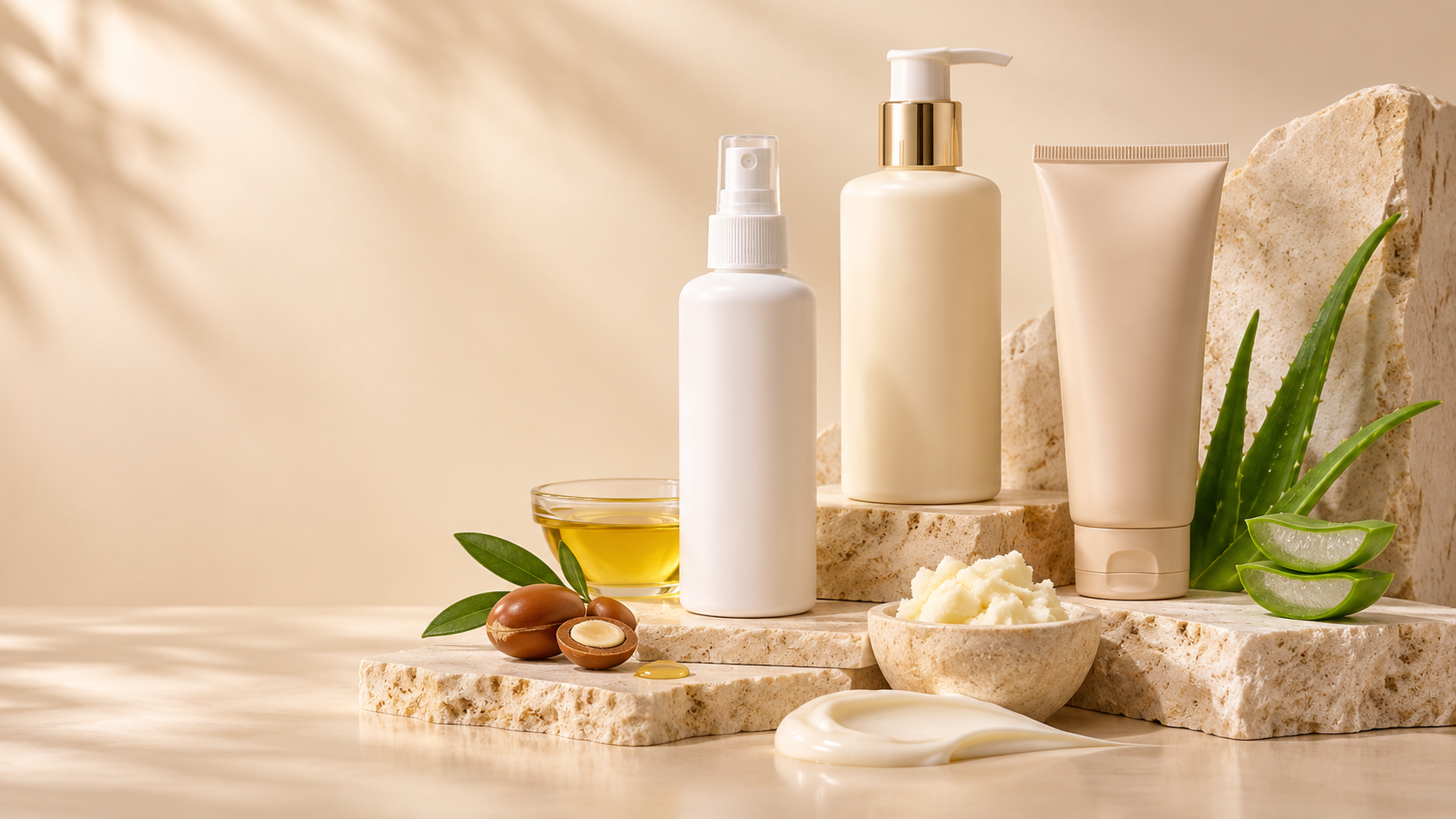
Popular ingredient concepts include shea butter, argan oil, glycerin, and conditioning agents.
An experienced OEM/ODM hair care manufacturer can help evaluate formulation texture, ingredient compatibility, stability, and suitable packaging options.
3.3 Leave-In Conditioner for Curly Hair
Curly and textured hair products require particular attention to conditioning, product texture, and styling performance.
A custom curly hair leave-in conditioner may focus on:
- Curl definition.
- Moisture-related conditioning benefits.
- Easier detangling.
- Reduced frizz.
- Softness without undesirable buildup.
Formula developers should consider curl patterns, hair density, desired texture, and consumer styling habits when developing these products.
3.4 Heat Protection Leave-In Conditioner
Some brands choose to develop leave-in conditioners with heat protection positioning.
These products require appropriate formulation development and testing to support specific heat protection claims.
Manufacturers should evaluate product performance, packaging suitability, and relevant testing before approving marketing claims.
4. Key Ingredients for Custom Leave-In Conditioner Formulas
Ingredient selection influences the texture, conditioning performance, sensory properties, and market positioning of a private label leave-in conditioner.
The following ingredients are commonly considered during formulation development.
| Ingredient | Potential Formulation Benefits |
|---|---|
| Argan Oil | Emollience, softness, and shine. |
| Shea Butter | Rich conditioning and smoothness. |
| Panthenol | Hair conditioning and moisture-related benefits. |
| Glycerin | Humectant and moisture management. |
| Hydrolyzed Proteins | Conditioning and film-forming properties. |
| Cationic Conditioning Agents | Detangling and improved combability. |
| Conditioning Polymers | Smoothness, manageability, and reduced static. |
Choosing Ingredients Based on Hair Type
For fine hair, brands may prefer lightweight conditioning systems designed to minimize an excessively heavy finish.
For thick or curly hair, richer emollients and conditioning agents may be appropriate.
For color-treated or heat-styled hair, formulations can focus on cosmetic softness, smoothness, and manageability.
Ingredient concentration, compatibility, preservation, stability, and consumer testing should be considered during formula development.
Learn more about formula customization through Yedda's private label and custom hair care solutions , including ingredient selection, product positioning, and brand-specific formulation development.
5. Private Label Leave-In Conditioner Packaging Options
Packaging is an important part of OEM/ODM leave-in conditioner manufacturing because it influences product application, branding, protection, and shipping costs.
5.1 Spray Bottles
Spray packaging is commonly used for lightweight liquid leave-in conditioners.
Important considerations include spray consistency, nozzle compatibility, leakage resistance, and ease of application.
5.2 Pump Bottles
Pump bottles can be suitable for leave-in lotions and lighter conditioning creams.
They provide controlled dispensing and can support premium retail product positioning.
5.3 Squeeze Tubes
Squeeze tubes are practical for thicker conditioning creams and may be suitable for travel-oriented products or curly hair collections.
5.4 Professional Salon Packaging
Salon brands and distributors may prefer larger packaging formats for professional use or retail resale.
Packaging should be evaluated alongside order quantity, material availability, printing methods, labeling requirements, and international logistics costs.
For additional packaging considerations, read our guide to refill packaging and sustainable hair care solutions . While the article focuses on refill shampoo pouches, it also discusses broader packaging considerations relevant to hair care brands.
6. What Is the MOQ for Private Label Leave-In Conditioner?
Minimum order quantity, commonly known as MOQ, is an important consideration when developing a private label leave-in conditioner.
MOQ depends on several factors:
- Existing formula versus custom formulation.
- Packaging material and bottle availability.
- Custom bottle colors or molds.
- Labeling and printing requirements.
- Product filling volume.
- Ingredient sourcing requirements.
- Production scheduling.
A ready-to-market formula using standard packaging may have a different minimum order quantity from a fully customized formulation requiring unique packaging.
Yedda Hair Care publishes a typical starting MOQ of 1,000 units per SKU for standard private label programs. Fully customized formulations or specialized packaging may require approximately 3,000–5,000 units per SKU.
These are general program guidelines rather than guaranteed quantities for every leave-in conditioner project. Buyers should confirm the exact MOQ with the supplier before ordering.
If you are launching a new beauty brand, explore our low MOQ hair care strategies for startups to learn how packaging selection, stock formulations, and inventory planning can help reduce purchasing risks.
How Does MOQ Affect Product Cost?
Order quantity can directly affect production efficiency, packaging procurement, and finished product pricing.
Additional costs may include formula development, sample testing, custom packaging, printing, shipping, and other project requirements.
For a more detailed explanation of cost factors, read our private label manufacturing cost breakdown . Although the guide focuses on shampoo, many of its sourcing and cost-planning principles also apply to leave-in conditioner projects.
7. How Does OEM/ODM Leave-In Conditioner Manufacturing Work?
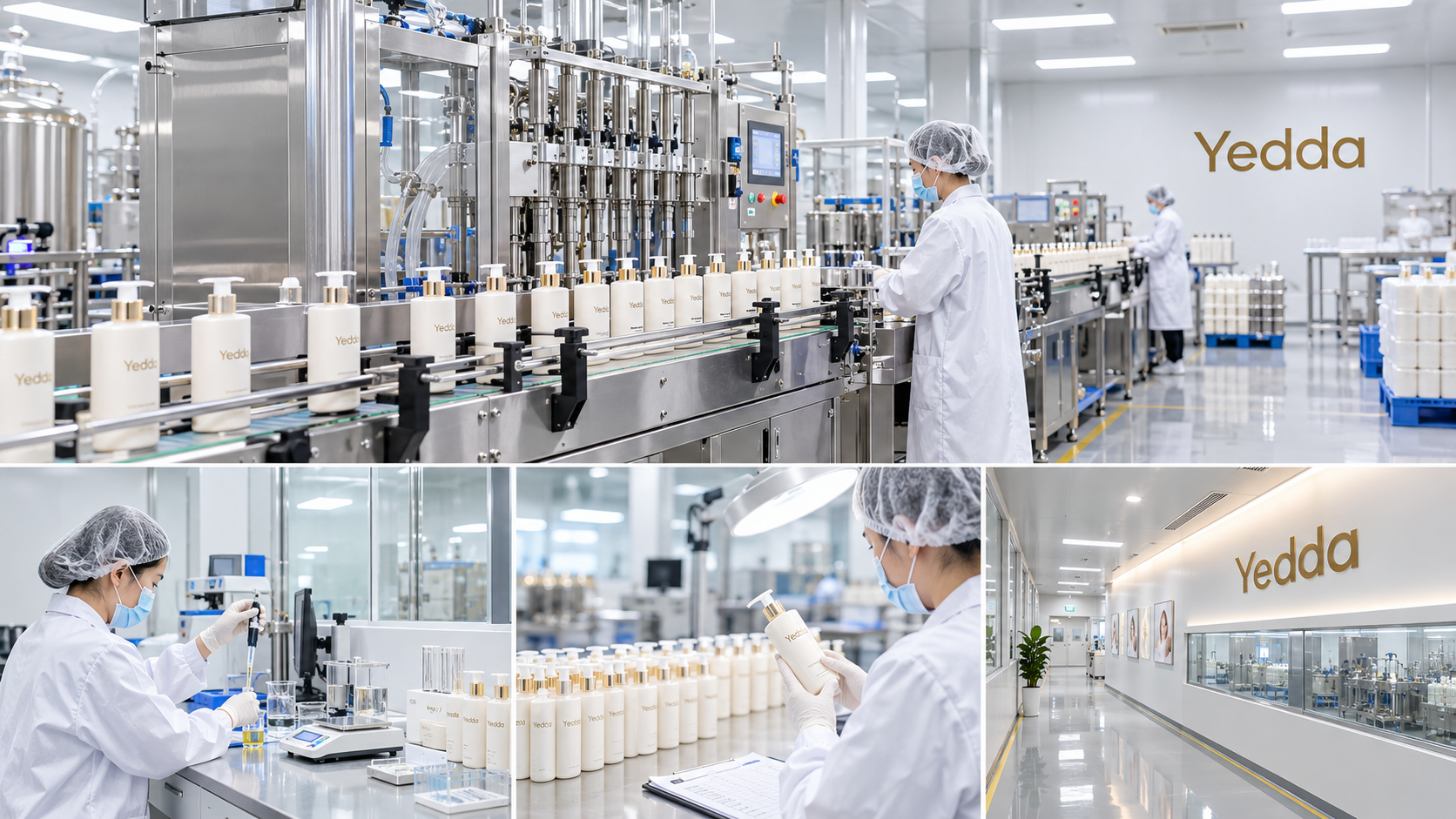
Working with an experienced OEM leave-in conditioner manufacturer allows beauty brands to develop products without establishing their own production facilities.
Yedda provides an overview of its customization workflow on its OEM/ODM manufacturing services page .
Step 1: Define Your Product Concept
Identify your target market, customer hair type, preferred texture, desired product benefits, and retail positioning.
Step 2: Choose or Develop the Formula
Depending on manufacturer capabilities, brands may select an existing formulation or request a customized formula.
Important considerations include ingredients, fragrance, texture, conditioning performance, and destination-market requirements.
Step 3: Evaluate Product Samples
Product sampling allows brands to evaluate performance before confirming production.
Samples should be assessed for texture, fragrance, spreadability, detangling, residue, and overall consumer experience.
Step 4: Confirm Packaging and Branding
After selecting the formulation, confirm bottle specifications, labels, artwork, logo placement, and packaging materials.
Step 5: Conduct Appropriate Product Testing
Testing requirements depend on the formulation, intended product claims, packaging, and destination market.
Relevant evaluations may include stability testing, microbiological quality assessment, preservative efficacy testing, and packaging compatibility.
Step 6: Approve Production Details
Before manufacturing, confirm product specifications, approved samples, packaging artwork, order quantity, pricing, payment terms, and production schedules.
Step 7: Manufacturing and Shipment
Once approvals are complete, the manufacturer can arrange production, filling, packaging, quality control, and shipment according to the agreed specifications.
For a broader overview of full-service manufacturing, explore our article about launching your own hair care brand without a factory .
8. Regulatory Considerations for Global Hair Care Brands
Brands selling leave-in conditioners internationally must consider the cosmetic regulations applicable to their destination markets.
United States
Products sold in the United States must comply with applicable FDA cosmetic requirements, including relevant obligations under the Modernization of Cosmetics Regulation Act of 2022 (MoCRA).
European Union
Products marketed in the European Union must comply with applicable requirements under Regulation (EC) No 1223/2009.
These requirements can include a responsible person, product safety assessment, product information file, labeling, and cosmetic product notification.
Other International Markets
Additional requirements may apply in markets such as the United Kingdom, Australia, the Middle East, and Southeast Asia.
Brands should confirm applicable ingredient restrictions, labeling rules, documentation requirements, and product claims before launch.
Product claims related to medical treatment or changes in biological functions may trigger additional regulatory requirements.
9. How to Choose a Reliable Leave-In Conditioner Manufacturer
Choosing the right leave-in conditioner manufacturer is an important decision for any private label brand.
Formulation Capabilities
Evaluate whether the manufacturer can develop different leave-in conditioner textures and customize formulas for target consumers.
Product Development Support
Ask whether the supplier provides sample development, ingredient consultation, packaging recommendations, and technical support.
Quality Management
Request relevant quality documentation, testing information, and manufacturing records.
Packaging Flexibility
Confirm whether the supplier can accommodate different bottles, labels, packaging designs, and branding requirements.
Transparent Commercial Terms
Make sure the MOQ, sampling fees, tooling costs, payment conditions, and production schedules are clearly explained.
International Market Experience
Consider whether the manufacturer understands documentation and product requirements for your intended destination markets.
To learn how to compare different manufacturing business models, read our guide to the five types of hair care manufacturers .
You can also explore Yedda's OEM/ODM hair care manufacturing capabilities for more information about international sourcing and product development.
10. Private Label Leave-In Conditioner Manufacturing With Yedda Hair Care
Yedda Hair Care is a hair care manufacturing supplier based in Guangzhou, China, providing OEM/ODM and private label services for international customers.
Yedda's product portfolio includes shampoos, conditioners, hair masks, hair oils, styling products, and leave-in treatments.
For brands interested in developing custom leave-in conditioner products, potential manufacturing projects may include:
- Private label leave-in conditioner sprays.
- Moisturizing leave-in conditioning creams.
- Leave-in conditioners for curly hair.
- Custom ingredient and fragrance concepts.
- Private label packaging and logo customization.
- Sample development and product evaluation.
- OEM/ODM manufacturing and international supply.
Available customization options, minimum order quantities, and technical feasibility should be confirmed for each project.
Visit our private label hair care solutions to explore product customization, packaging support, and manufacturing services.
Start Your Private Label Leave-In Conditioner Project
Interested in developing a customized leave-in conditioner for your own brand?
Whether you are launching a new beauty brand, expanding a professional salon collection, or sourcing wholesale hair care products, choosing the right formulation and manufacturing partner is essential.
Contact Yedda Hair Care to discuss your product concept, preferred ingredients, packaging requirements, estimated order quantity, and destination market.
Request a Custom Leave-In Conditioner OEM/ODM Quote
Frequently Asked Questions
What is the difference between leave-in conditioner and regular conditioner?
Regular conditioners are generally designed to be rinsed out after application, while leave-in conditioners are formulated to remain on the hair.
Can I create my own private label leave-in conditioner?
Yes. Beauty brands can work with an OEM/ODM manufacturer to develop leave-in conditioners using existing or customized formulations.
Learn more about private label hair care manufacturing and available customization options.
What ingredients are popular in leave-in conditioner formulas?
Common ingredient concepts include argan oil, shea butter, glycerin, panthenol, hydrolyzed proteins, and conditioning polymers.
Can leave-in conditioner be customized for curly hair?
Yes. Curly hair leave-in conditioners can be formulated with different conditioning levels, textures, and styling properties.
Explore Yedda's curly hair anti-frizz moisturizing spray for an example of a leave-in hair care product.
What is the MOQ for private label leave-in conditioner?
MOQ depends on formula selection, packaging, sourcing requirements, and customization. Standard private label programs at Yedda typically start from 1,000 units per SKU, while fully customized projects may require more.
For purchasing considerations, see our low MOQ hair care guide .
Can a leave-in conditioner provide heat protection?
A leave-in conditioner may be formulated with heat protection positioning, but specific claims should be supported by appropriate product testing.
How long does private label leave-in conditioner manufacturing take?
Production timing depends on formula development, sample approval, packaging sourcing, testing, order quantity, and manufacturing schedules.
Buyers should request a project-specific timeline through Yedda's manufacturing inquiry page .
Can I customize the fragrance and packaging?
Fragrance and packaging customization may be available depending on formula compatibility, ingredient sourcing, packaging availability, minimum order requirements, and regulatory considerations.
Conclusion
Leave-in conditioner offers an established product category for beauty brands looking to expand their hair care portfolios.
From lightweight detangling sprays to rich moisturizing creams, customized formulations can address the needs of different hair types and international consumer markets.
For businesses planning to launch a private label leave-in conditioner, success depends on more than selecting popular ingredients.
Product performance, packaging, quality control, regulatory compliance, and manufacturing reliability all contribute to successful product development.
Working with a professional OEM/ODM manufacturing partner can help streamline the process from product concept to finished goods.
Ready to create your own private label leave-in conditioner?
Contact Yedda Hair Care to discuss custom formulations, samples, packaging options, MOQ, and international OEM/ODM manufacturing solutions.